
Recognizing the subtle physical cues your body sends can transform your long-term vitality and energy levels. You can reverse unexplained fatigue, brittle hair, or poor exercise recovery by identifying exactly which vitamins and minerals your daily meals currently lack. While you might consume enough calories to fuel your day, subtle physical changes often indicate a stealthy deficit in essential micronutrients required to support healthy aging and optimal physiological function. Deciphering these metabolic signals allows you to strategically adjust your grocery list and culinary habits rather than relying on guesswork. Learning to spot these eight distinct physical indicators ensures you maintain a genuinely healthy diet capable of protecting your immune system, bone density, and cognitive sharpness throughout your entire lifespan.
The Science Snapshot Behind Dietary Gaps
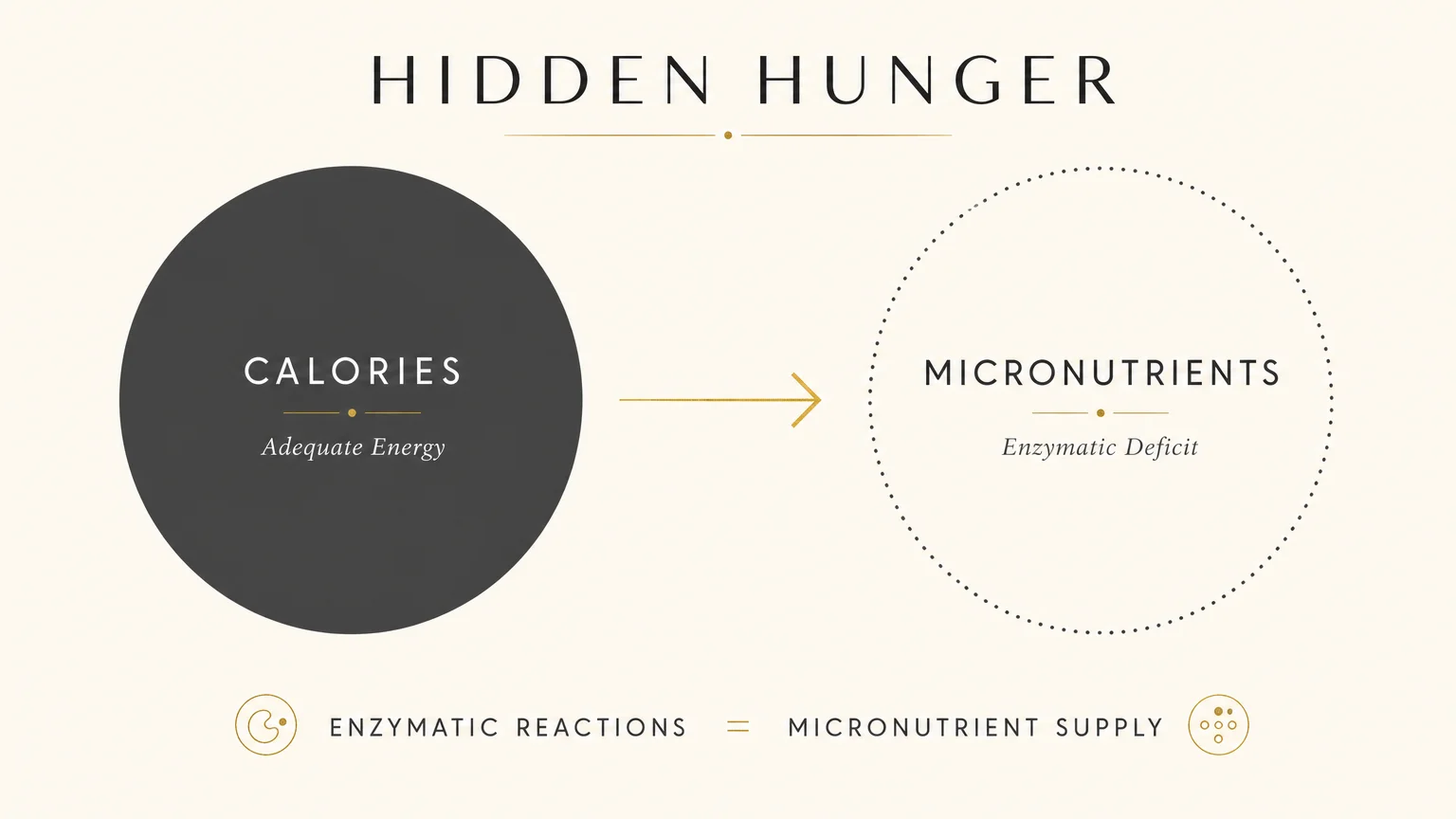
Modern nutritional science reveals a fascinating paradox regarding our current food environment; millions of people consume adequate or excessive calories while simultaneously experiencing significant micronutrient malnutrition. Researchers and clinicians often refer to this phenomenon as hidden hunger. When your body lacks the specific vitamins, minerals, and trace elements required for enzymatic reactions, it begins to prioritize critical survival functions over less vital processes like hair growth or skin cell turnover. This physiological triage means that the earliest indicators of nutrient deficiencies appear on the outside of your body long before routine blood tests reveal severe systemic issues.
Every system in your body relies on a steady stream of diverse nutrients to function properly. Your nervous system demands B vitamins to maintain the myelin sheath around nerves, your immune system requires zinc and vitamin C to generate white blood cells, and your muscular system depends on electrolytes to contract and relax. By exploring the research surrounding micronutrient malnutrition, you can better understand how missing just one or two key components can create a cascade of frustrating physical symptoms. Identifying these gaps early empowers you to implement targeted dietary modifications before subclinical deficiencies develop into chronic health conditions.

8 Physical Signs of Hidden Nutritional Gaps
Sign 1: Unexplained and Persistent Fatigue
Waking up tired even after a full night of sleep serves as one of the most common red flags for a nutritional deficit. While stress and poor sleep hygiene play significant roles, profound cellular fatigue often stems from insufficient iron, vitamin B12, or magnesium. Iron acts as the central building block of hemoglobin, the protein responsible for transporting oxygen from your lungs to every cell in your body. Without adequate oxygen delivery, your cellular powerhouses cannot generate enough energy to get you through the day. Vitamin B12 plays an equally critical role in red blood cell formation and neurological function. To combat nutritional fatigue, focus on integrating a variety of iron-rich foods like lentils, amaranth, lean poultry, and dark leafy greens into your meals. You can enhance iron absorption dramatically by pairing these foods with vitamin C sources, such as squeezing fresh lemon juice over a spinach salad or adding bell peppers to a lentil stew.
Sign 2: Bleeding Gums and Slow Wound Healing
Beyond brushing habits, your oral health serves as a remarkable mirror for your internal nutritional status. If you notice your gums bleeding easily when you floss, or if minor cuts and scrapes take an unusually long time to heal, you may need to evaluate your vitamin C intake. Vitamin C is indispensable for the synthesis of collagen, the primary structural protein that maintains the integrity of your skin, blood vessels, and gum tissue. Because your body cannot produce or store vitamin C, you must consume it consistently. While oranges are famous for this nutrient, you can easily diversify your plate by incorporating guavas, kiwi, strawberries, and broccoli. Consulting understanding proper vitamin C intake can help you tailor your fruit and vegetable consumption to ensure your connective tissues remain resilient and capable of rapid repair.
Sign 3: Frequent Muscle Cramps and Spasms
Random muscle cramps in your calves at night or persistent twitching in your eyelids often point toward an imbalance in essential electrolytes. Calcium, magnesium, and potassium work synergistically to regulate electrical impulses and muscle contractions throughout your body. Magnesium, in particular, acts as a natural muscle relaxant; when levels drop, your muscles become hyper-excitable and prone to involuntary spasms. Modern diets heavily reliant on highly processed foods often fall desperately short of adequate magnesium and potassium. You can easily fortify your diet against these uncomfortable spasms by snacking on pumpkin seeds, incorporating black beans and plantains into your dinners, and utilizing avocados in your salads. Consuming a diverse array of potassium-rich root vegetables like sweet potatoes also provides the necessary minerals to keep your muscle fibers firing smoothly.
Sign 4: Brittle Hair and Nail Ridges
Your hair and nails consist of rapidly dividing cells that require immense nutritional support to grow strong and healthy. When your diet lacks sufficient protein, zinc, or biotin, your body diverts these limited resources away from your hair follicles to support more vital organs. This redirection results in hair thinning, excessive shedding, or nails that split, peel, and develop deep vertical ridges. Zinc plays a crucial role in protein synthesis and cell division, making it non-negotiable for structural health. You can protect the integrity of your hair and nails by ensuring your weekly meal rotation includes robust sources of these nutrients. Incorporate chickpeas, hemp seeds, high-quality eggs, and sustainably sourced seafood into your routine. These ingredients provide the essential amino acids and trace minerals your body needs to manufacture strong, resilient keratin.
Sign 5: Unusually Dry Skin and Patchy Rashes
Your skin acts as your body’s first line of defense against the outside world, relying heavily on a healthy lipid barrier to lock in moisture and keep irritants out. If you suddenly develop chronically dry, flaky skin or unexplained patchy rashes, your meals might be lacking essential fatty acids and vitamin A. Omega-3 fatty acids reduce systemic inflammation and provide the structural fats necessary to keep skin cell membranes flexible and hydrated. Vitamin A regulates skin cell turnover, preventing the buildup of dead cells that cause rough patches. You can nourish your skin from the inside out by regularly consuming walnuts, chia seeds, and fatty fish like salmon or mackerel. Pairing these healthy fats with vitamin A-rich foods such as roasted butternut squash, carrots, and sweet potatoes offers a comprehensive approach to maintaining a vibrant, hydrated complexion.
Sign 6: Painful Cracks at the Corners of the Mouth
Developing raw, painful fissures at the corners of your mouth—a condition known clinically as angular cheilitis—frequently signals a deficiency in B vitamins, particularly riboflavin, niacin, and pyridoxine. These specific water-soluble vitamins are heavily involved in cellular energy production and tissue repair. Because these nutrients are depleted rapidly during times of physical or emotional stress, you must replenish them daily. Expanding your culinary horizons to include foods naturally dense in the B-complex family can quickly resolve this uncomfortable issue. Nutritional yeast serves as an excellent, cheese-like seasoning that packs a massive dose of B vitamins. Additionally, integrating whole grains like quinoa, alongside mushrooms and dark leafy greens, ensures your body has the micronutrients required to rapidly heal and maintain the delicate tissues around your mouth.
Sign 7: Tingling or Numbness in Hands and Feet
Experiencing a “pins and needles” sensation or unexplained numbness in your extremities can be alarming. While you should always have neurological symptoms evaluated by a physician, these sensations often correlate with a lack of essential nerve-supporting nutrients, most notably vitamin B12 and folate. Vitamin B12 is absolutely critical for the maintenance of the myelin sheath, the protective coating that insulates your nerve fibers and ensures rapid signal transmission. Plant-based eaters must be particularly vigilant about this nutrient, as B12 naturally occurs almost exclusively in animal products. To protect your peripheral nerves, you should regularly consume fortified plant milks, high-quality fortified cereals, lean meats, or bivalves like clams and mussels. Proactive management of your B12 intake prevents irreversible nerve damage and keeps your sensory pathways functioning flawlessly.
Sign 8: Deep Bone Pain and Muscle Weakness
A persistent, deep ache in your bones combined with generalized muscle weakness frequently points to a severe lack of vitamin D and calcium. Vitamin D acts as a powerful hormone in your body, directly regulating the amount of calcium you can absorb from your digestive tract. Without sufficient vitamin D, your body is forced to scavenge calcium directly from your skeleton to maintain necessary blood levels, leading to a softening of the bones known as osteomalacia. Reviewing the guidelines for maintaining optimal bone density highlights the importance of safe sun exposure alongside dietary interventions. Because very few foods naturally contain vitamin D, you should prioritize fortified dairy or plant-based alternatives, egg yolks, and wild-caught fatty fish. Maintaining this nutrient synergy protects your skeletal architecture as you age.
Three Strategic Pillars for Closing Nutritional Gaps
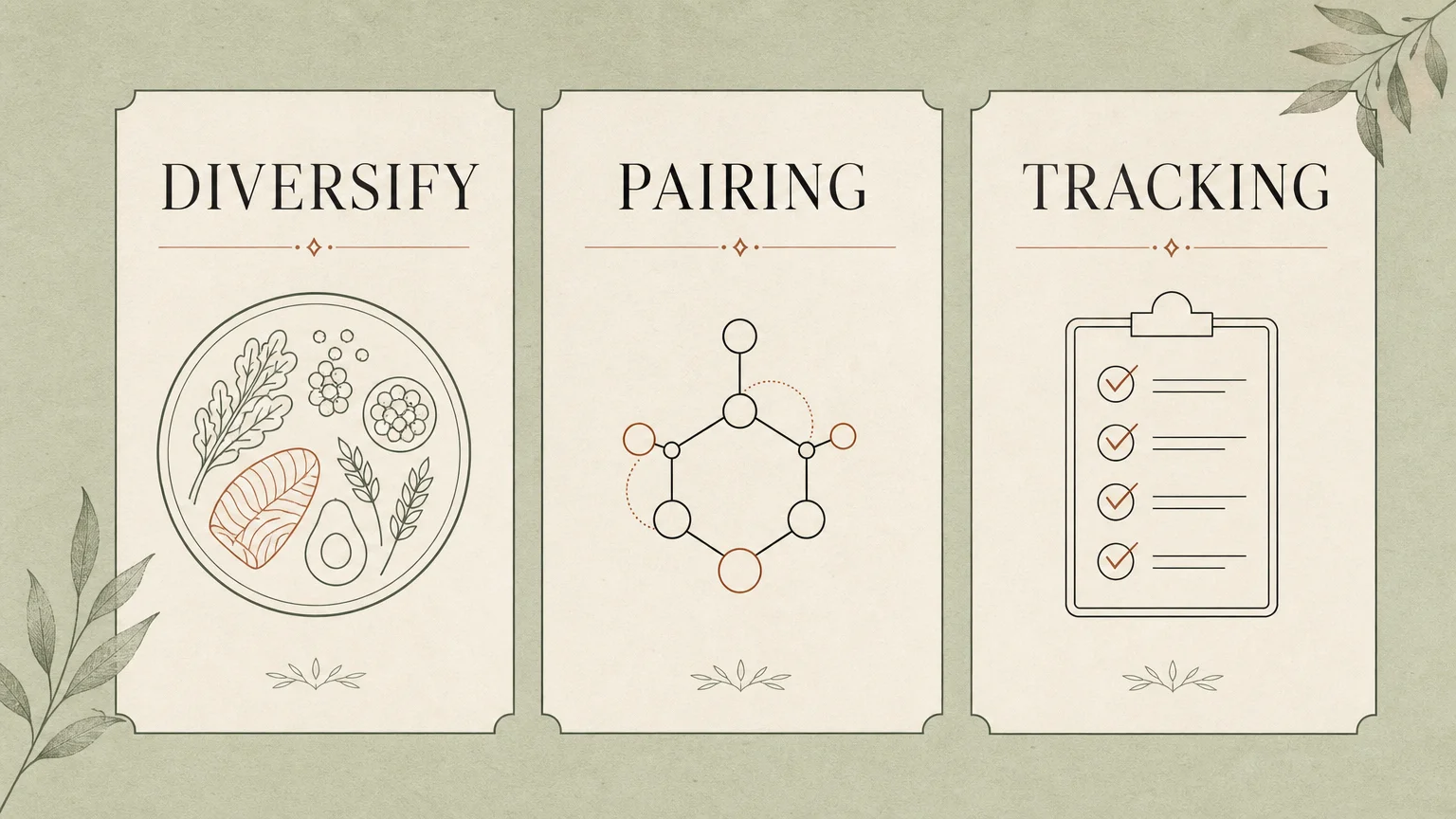
Pillar 1: Strategic Meal Planning for Maximum Absorption
Securing the right nutrients is only half the battle; ensuring your body actually absorbs them requires strategic meal planning. Certain vitamins and minerals compete for absorption pathways, while others require specific companions to enter your bloodstream efficiently. For instance, fat-soluble vitamins like A, D, E, and K require the presence of dietary fat to be adequately processed by your digestive system. Eating a raw carrot stick provides vitamin A, but dipping that carrot in hummus or tossing it in olive oil drastically increases the amount of the vitamin your body actually utilizes. Implementing evidence-based meal planning strategies involves looking at your plate holistically. By intentionally pairing iron-rich plant foods with citrus, and ensuring your vegetable dishes include a source of healthy fats, you maximize the biological value of every single bite you take.
Pillar 2: Intentional Nutrient Focus Across Diverse Cuisines
Rethinking your dietary habits does not require adhering to a bland, restrictive menu. In fact, exploring traditional cuisines from around the globe naturally encourages a broader spectrum of nutrient intake. The Mediterranean dietary pattern emphasizes healthy fats, lean proteins, and diverse produce, offering robust protection against hidden hunger. Similarly, traditional Asian, African, and Latin American diets frequently incorporate a wide variety of fermented foods, nutrient-dense legumes, and unique spice blends that provide powerful antioxidants and trace minerals. By viewing nutrition through a global lens, you can naturally hit your macro and micro targets. Adding fermented foods like kimchi or sauerkraut supports your gut microbiome, which in turn enhances your body’s ability to synthesize and extract crucial nutrients from everything else you eat.
Pillar 3: Habit Formation for Consistent Nourishment
Attempting to overhaul your entire diet overnight rarely leads to sustainable success. Instead, the most effective path to closing nutritional gaps involves gentle, incremental habit formation. You can start by practicing the concept of nutritional addition rather than restriction. Instead of focusing on what you need to cut out of your diet, ask yourself what you can add to your current meal to make it more nutrient-dense. Tossing a handful of spinach into your morning smoothie, sprinkling chia seeds over your oatmeal, or keeping a bowl of fresh fruit visible on your kitchen counter are tiny actions that yield massive long-term benefits. By anchoring these small, positive additions to existing routines, you effortlessly build a sustainable framework for lifelong dietary health.

Voices from the Field: Clinical and Lived Experiences
Healthcare professionals consistently emphasize the transformative power of targeted nutritional interventions. Clinical dietitians frequently observe that patients who present with vague complaints of brain fog, lethargy, or chronic muscle aches experience profound improvements simply by optimizing their intake of vital nutrients. When individuals begin tracking their food intake for nutrient density rather than strictly counting calories, they often uncover blind spots they never knew existed. Many busy professionals and parents report that identifying a hidden B12 or magnesium deficiency was the specific catalyst that allowed them to reclaim their energy and focus. These lived experiences underscore a fundamental truth validated by clinical nutrition studies; prioritizing the biochemical quality of your food is arguably the most powerful tool you possess for actively managing your daily well-being and long-term health trajectory.
Safety Protocols and Personalization
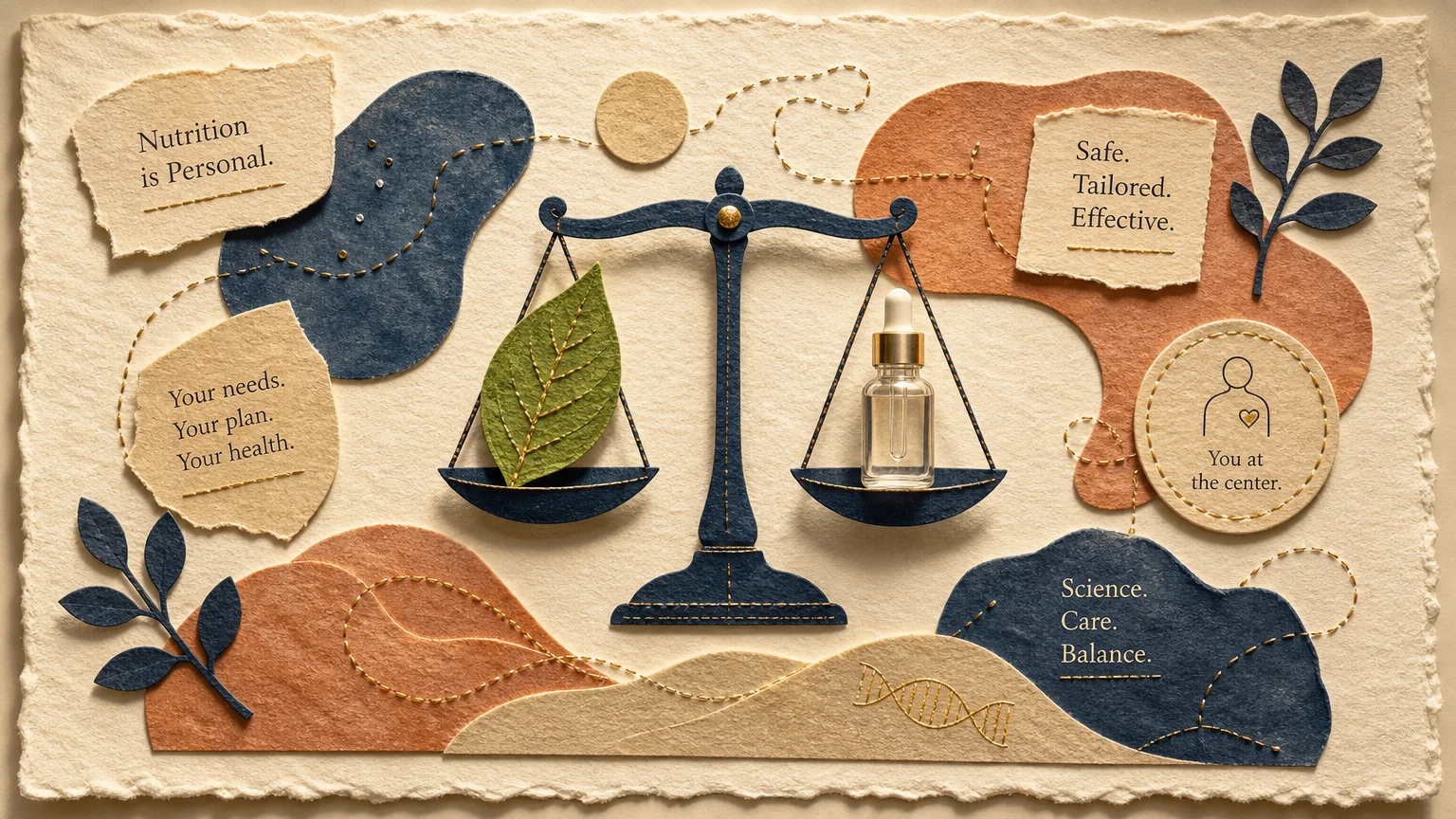
While correcting nutritional deficiencies serves as a critical component of wellness, you must approach dietary changes and supplementation safely. More is not always better when it comes to concentrated nutrients. Fat-soluble vitamins and certain minerals like iron can accumulate in your tissues and cause significant toxicity if taken in excessive doses. Furthermore, specific nutrients can interact negatively with prescription medications; for instance, high doses of vitamin K can interfere with blood-thinning drugs, while calcium supplements can reduce the absorption of certain thyroid medications. Always consult with a qualified healthcare provider or a registered dietitian before beginning high-dose supplement regimens. A professional can help you secure appropriate blood panels to accurately diagnose deficiencies, ensuring your intervention is both safe and specifically tailored to your unique physiological needs, cultural background, and budget.
Frequently Asked Questions About Nutritional Deficiencies
How long does it take to correct a nutrient gap?
The timeline for correcting a deficiency depends heavily on the specific nutrient involved and the severity of the shortage. Water-soluble vitamins like vitamin C and the B-complex family are typically replenished quite rapidly, often leading to noticeable symptom relief within just a few days to a couple of weeks. Conversely, building up depleted stores of iron, vitamin D, or vitamin B12 can take several months of consistent dietary intervention and targeted supplementation before your blood levels normalize and physical symptoms fully resolve.
Can I just take a daily multivitamin to fix these issues?
While a high-quality multivitamin can act as a helpful insurance policy against minor dietary gaps, it should never replace a varied, whole-food diet. Whole foods provide a complex matrix of fiber, synergistic phytonutrients, and enzymes that simply cannot be replicated in a synthetic pill. Your body is biologically engineered to absorb nutrients most efficiently when they are packaged in real food. Relying solely on supplements limits your exposure to the hundreds of beneficial plant compounds that protect against chronic disease.
Are vegan or vegetarian diets more prone to these specific signs?
Plant-based diets offer incredible health benefits, particularly for cardiovascular health and disease prevention, but they do require strategic planning to avoid specific shortfalls. Individuals eating exclusively plant-based must pay careful attention to their intake of vitamin B12, iron, zinc, and omega-3 fatty acids. By utilizing fortified foods, intentionally soaking or sprouting grains and legumes to increase mineral bioavailability, and potentially incorporating an algae-based omega-3 supplement, plant-based eaters can easily avoid all of these physical warning signs.
Do cooking methods impact the nutrients I actually absorb?
Yes, how you prepare your food significantly alters its nutritional profile. Boiling vegetables in large amounts of water can cause water-soluble vitamins like vitamin C and B vitamins to leach out and be lost down the drain. To preserve these delicate nutrients, consider steaming, microwaving, or briefly roasting your produce. Conversely, cooking actually enhances the bioavailability of certain nutrients; for example, gently heating tomatoes or carrots breaks down their tough cellular walls, allowing your body to absorb far more of their valuable antioxidants.
Your Next Step Toward Optimal Dietary Health
Transforming your nutritional health does not require perfection; it simply requires profound consistency and a willingness to listen to the signals your body sends. You now possess the knowledge to translate physical symptoms like fatigue, dry skin, or muscle cramps into actionable dietary adjustments. Rather than feeling overwhelmed by the science, choose just one area of focus to address right now. Look at your planned meals for tomorrow and find one simple opportunity to practice nutritional addition. Whether you decide to sprinkle hemp seeds on your yogurt for an extra boost of zinc and protein, or pair your lunchtime spinach salad with a squeeze of fresh lemon to maximize iron absorption, that single choice moves you toward vibrant health. Start small, remain consistent, and watch as your body rewards you with renewed energy and resilience.