Creating luxurious, restaurant-quality meals in your own kitchen does not require spending an entire paycheck at specialty grocers. You can elevate your daily nutrition and save significant money by strategically shopping for premium, budget-friendly ingredients at discount supermarkets like Aldi. While dining out frequently drains your wallet and introduces hidden sodium and saturated fats into your diet, sourcing gourmet components for under seven dollars empowers you to control exactly what goes onto your plate. From imported cheeses to heart-healthy oils, building a repertoire of affordable, high-quality staples transforms mundane weeknight dinners into exceptional culinary experiences. Discover how carefully chosen grocery deals allow you to master affordable gourmet cooking while seamlessly supporting your long-term health goals.
The Science Snapshot: Why Cooking at Home Matters
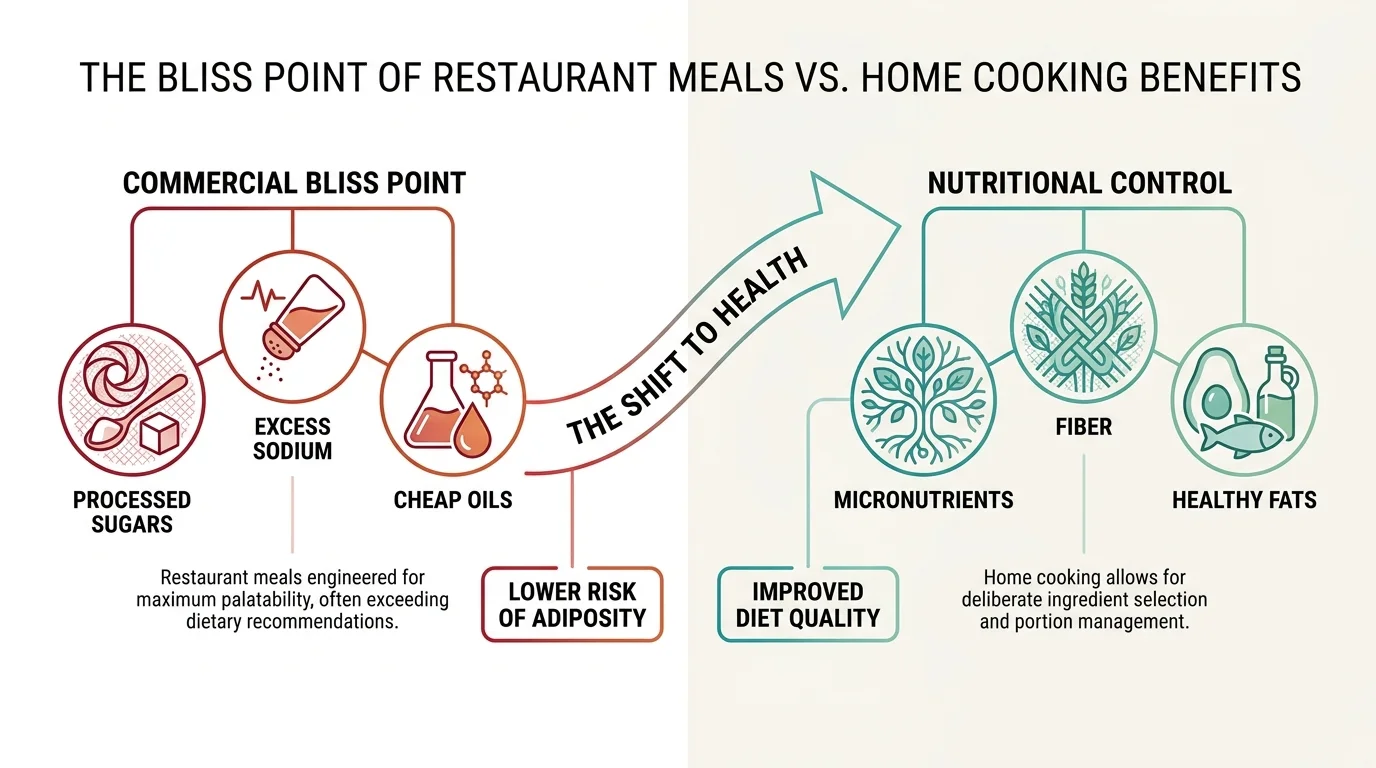
Modern nutritional science repeatedly confirms that taking control of your ingredients is one of the most effective strategies for long-term health and weight management. Commercial restaurant meals are meticulously engineered to hit a specific sensory target known as the bliss point—a hyper-palatable combination of processed sugars, excess salt, and cheap cooking oils that drives overconsumption. When you dine out, you essentially surrender control over your macronutrient ratios and hidden caloric intake. Conversely, cooking at home allows you to dictate exactly how your food is prepared without sacrificing enjoyment. Public health research demonstrates that frequent home cooking is associated with improved diet quality, including higher intakes of fruits, vegetables, and essential micronutrients, alongside a lower risk of adiposity.
The perceived barrier to consistent home cooking is often the belief that healthy food tastes bland and that gourmet cooking is prohibitively expensive. However, by leveraging discount grocery deals to secure high-quality ingredients, you can bridge the gap between nutritional responsibility and culinary satisfaction. Utilizing premium components—such as authentic olive oils, aged cheeses, and complex grains—enables you to replicate the rich, dynamic flavors of a high-end bistro while maintaining strict adherence to your dietary goals. This approach shifts the focus from dietary restriction to dietary enrichment; you are not removing joy from your meals, but rather recreating that joy in a cardiovascular-friendly, budget-conscious manner.
Building Your Gourmet Arsenal: 7 Transformative Aldi Finds
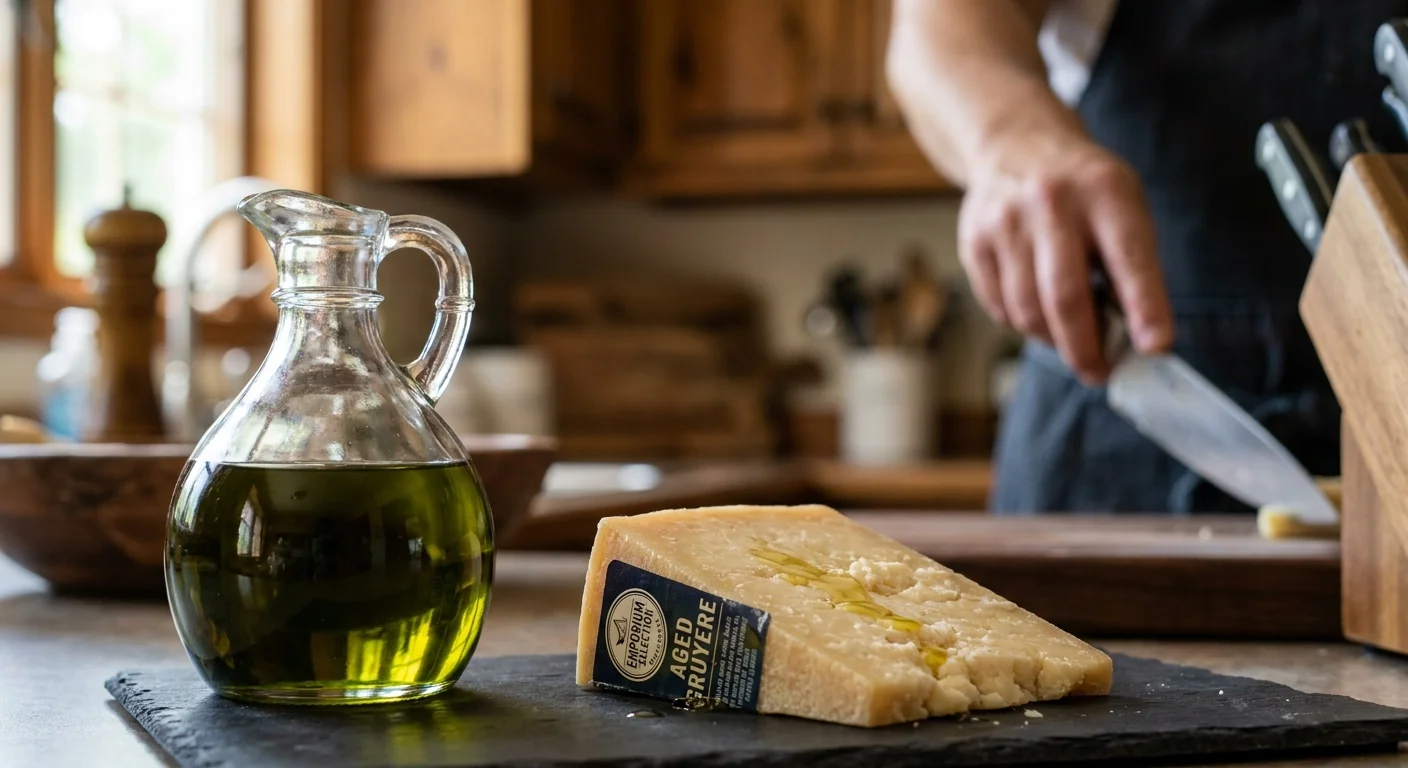
* Let’s try: “Premium pantry staples like rich olive oil and aged gruyere cheese help create restaurant-quality meals at home.”
* 1. Premium 2. pantry 3. staples 4. like 5
Strategy Pillar 1: Smart Meal Planning with Premium Pantry Staples
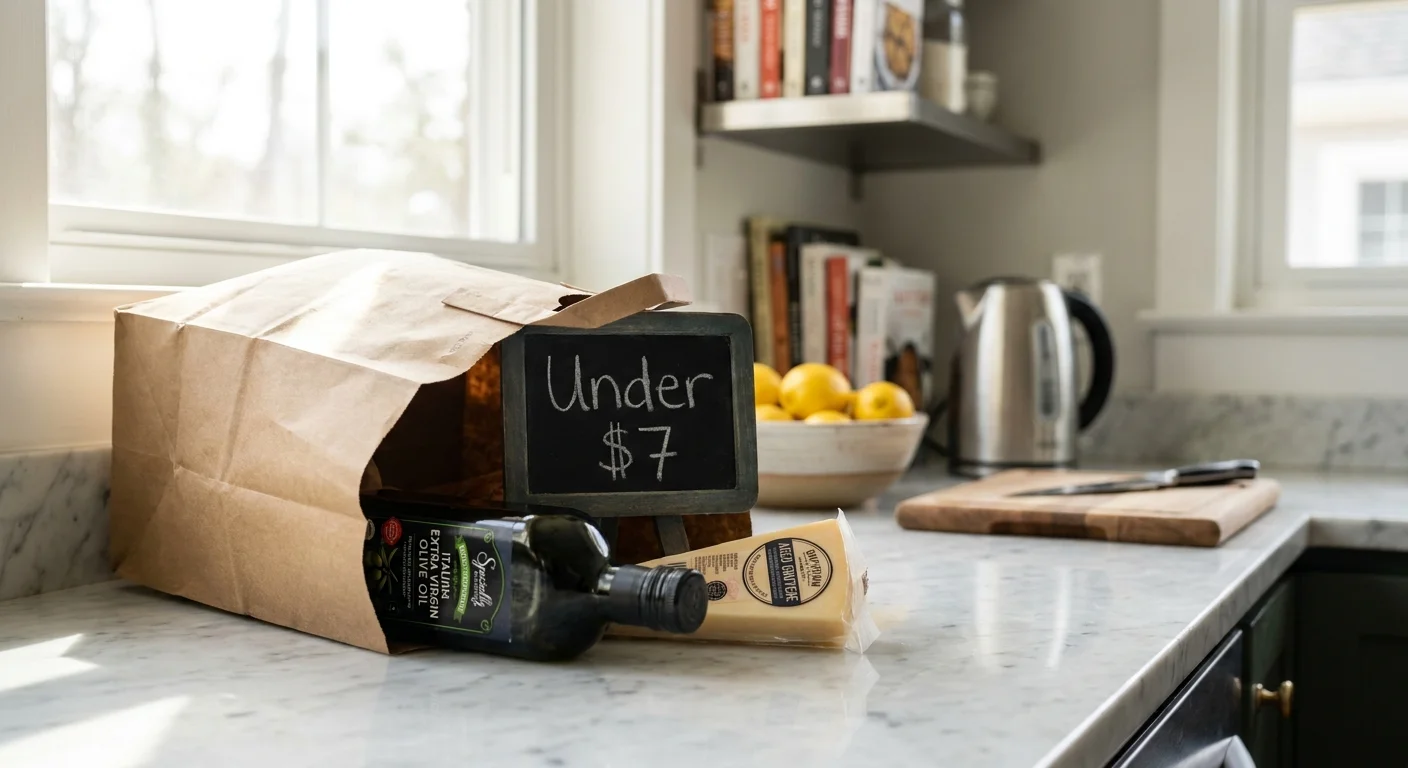
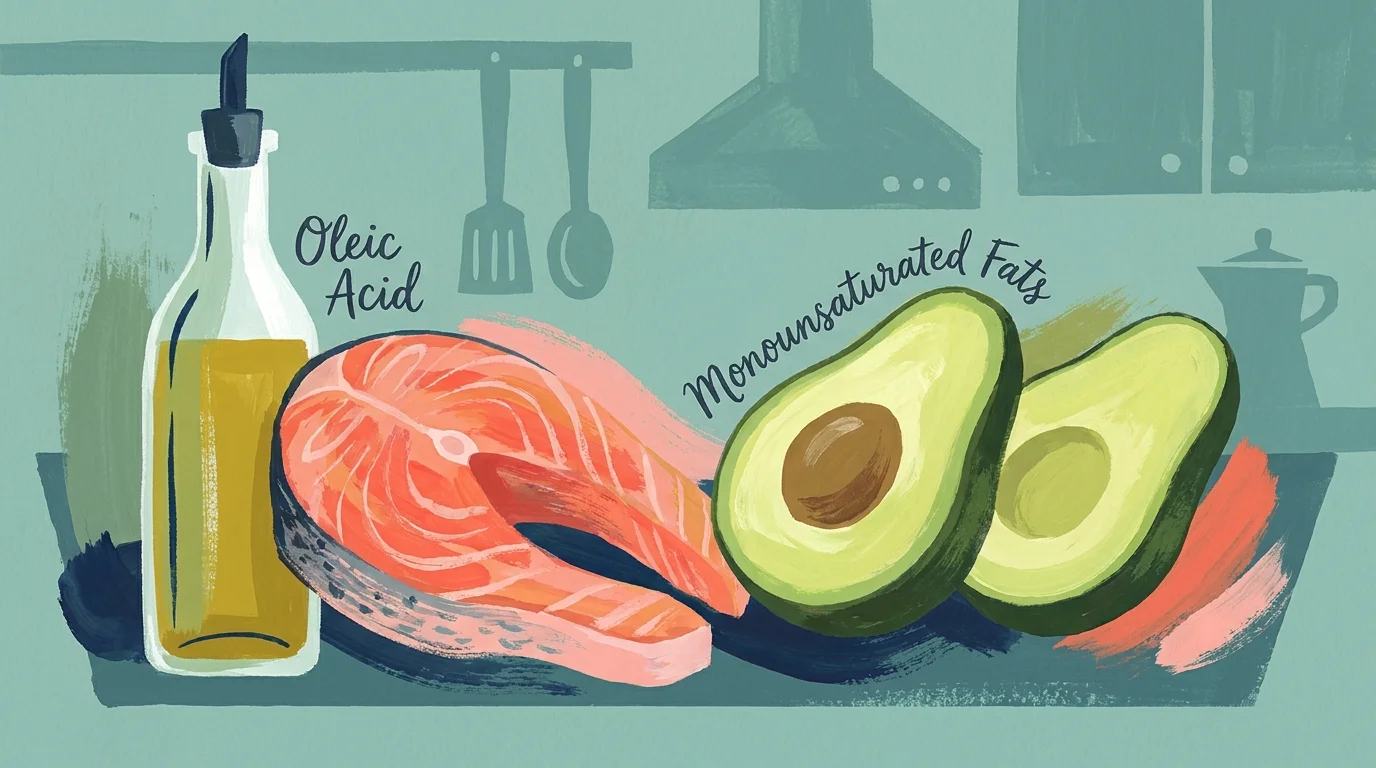
Successful meal planning relies heavily on maintaining a well-stocked pantry that acts as an anchor for your weekly cooking routine. When your kitchen is equipped with robust foundational ingredients, the temptation to order expensive takeout naturally diminishes. The first essential addition to your cart should be the Specially Selected 100% Authentic Italian Extra Virgin Olive Oil. Genuine extra virgin olive oil is the cornerstone of the Mediterranean diet, providing a rich source of oleic acid—a monounsaturated fat that reduces vascular inflammation and supports optimal cholesterol levels. Because authentic Italian olive oil boasts a robust, peppery finish indicative of its high polyphenol content, you can use it strictly as a finishing oil. Drizzling a small amount over roasted vegetables or grilled chicken just before serving imparts a luxurious mouthfeel and enhances the absorption of fat-soluble vitamins without requiring you to drench your food in heavy sauces.
To further elevate your culinary baseline, integrate the Emporium Selection Aged Gruyere into your weekly meal preparations. Aged cheeses are culinary secret weapons; the aging process naturally concentrates the flavor compounds and creates subtle calcium lactate crystals that provide a highly satisfying texture. Because the flavor profile of an aged Gruyere is so intense and nutty, you only need to use a fraction of the amount you would typically use with a standard mild cheddar or mozzarella. This allows you to achieve the rich, decadent taste of a restaurant-style gratin or a sophisticated whole-wheat pasta dish while keeping your overall saturated fat and caloric intake strictly in check. Furthermore, aged cheeses are naturally lower in lactose and provide a dense source of bioavailable calcium and high-quality dairy protein.
Strategy Pillar 2: Nutrient Focus with High-Quality Proteins and Fats
Creating a restaurant-style experience at home requires shifting your focus away from large volumes of refined carbohydrates and toward nutrient-dense proteins and healthy fats that promote sustained satiety. One of the most remarkable premium finds at Aldi is the Specially Selected Cold Smoked Salmon. In a commercial brunch setting, a smoked salmon platter can easily cost upwards of twenty dollars; recreating this at home allows you to enjoy a luxury protein at a fraction of the cost. Smoked salmon is abundant in EPA and DHA—omega-3 fatty acids that are vital for cardiovascular and cognitive function. Incorporating this delicate, smoky protein into a morning scramble with spinach, or laying it over a bed of mixed greens with cucumber ribbons, delivers a high-protein, anti-inflammatory meal that looks and tastes spectacularly refined.
To accompany your premium proteins, you need a complex, texturally satisfying carbohydrate base. The Simply Nature Organic Quinoa serves as an exceptional alternative to traditional white rice or refined pasta. Quinoa is a pseudo-cereal that stands out in the plant kingdom because it contains a complete amino acid profile, meaning it provides all nine essential amino acids your body cannot produce on its own. It is also exceptionally high in dietary fiber, which is crucial for digestive health and blood sugar regulation. By toasting the quinoa in a dry pan before simmering it in a low-sodium vegetable broth, you unlock a deep, nutty aroma that mimics the sophisticated grain bowls popularized by high-end health cafes. Pairing the organic quinoa with the cold smoked salmon and a vibrant vegetable medley yields an elegant, nutrient-dense dinner that actively supports metabolic health.
Strategy Pillar 3: Habit Formation Through Effortless Flavor Enhancers
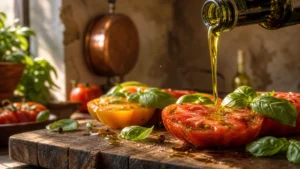
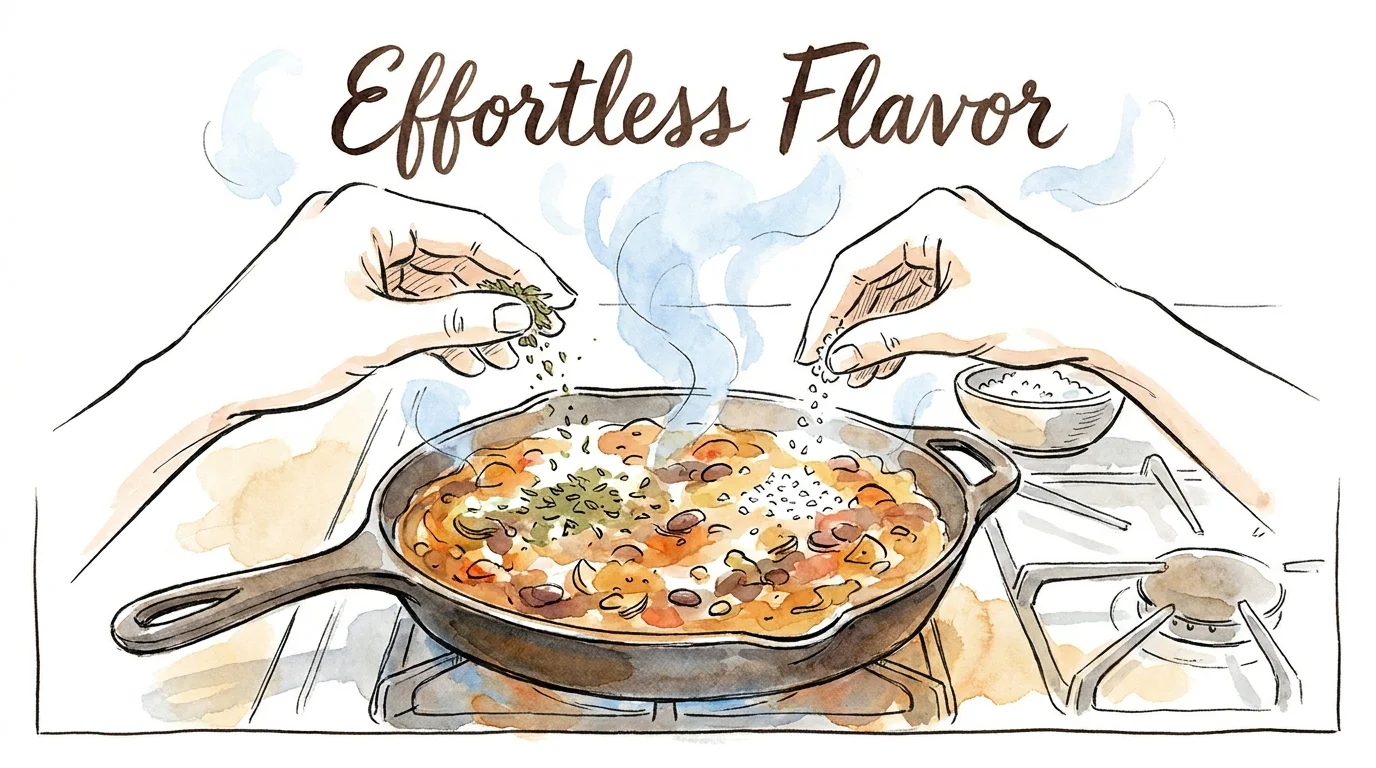
The most common reason people abandon their home-cooking habits is culinary fatigue—the exhaustion of spending hours in the kitchen only to produce a mediocre result. To build sustainable cooking habits, you must utilize effortless flavor enhancers that instantly upgrade a dish. The Specially Selected Balsamic Glaze is an invaluable tool for this purpose. Traditional balsamic glazes are produced by slowly reducing balsamic vinegar until it becomes thick, sweet, and highly concentrated. A light drizzle of this glaze over fresh tomatoes, grilled peaches, or a lean pork tenderloin adds a complex acidity and sweetness that perfectly balances savory dishes. More importantly, it provides a dramatic burst of flavor without relying on the excessive sodium found in commercial marinades or bottled salad dressings.
Similarly, the Priano Pesto Genovese offers an immediate shortcut to vibrant, herbaceous flavor. Traditional pesto combines fresh basil, garlic, pine nuts, hard cheese, and olive oil into a dense, antioxidant-rich paste. Instead of using it solely as a heavy pasta sauce, you can employ this affordable gourmet find as a potent flavor base. Rubbing a spoonful of pesto onto a white fish fillet before baking, or stirring a small dollop into a pot of homemade minestrone soup, instantly infuses your meal with the unmistakable taste of an authentic Italian trattoria. The garlic and basil provide potent antimicrobial and antioxidant properties, while the olive oil and pine nuts deliver heart-healthy fats that keep you full and satisfied.
Finally, for nights when cooking entirely from scratch feels insurmountable, keeping a premium convenience item on hand prevents the automatic pivot to a delivery app. The Earth Grown Vegan Dumplings offer a spectacular plant-based option that cooks in under ten minutes. By steaming these dumplings and serving them in a bowl of warm, ginger-infused vegetable broth packed with fresh bok choy and scallions, you create a restorative, restaurant-quality Asian-inspired soup. This approach ensures you are consuming high-quality plant proteins and phytonutrients, maintaining your healthy eating habits even on your most exhausted evenings.

Expert and Lived Voices on Budget Gourmet Cooking
Clinical dietitians frequently observe that long-term dietary adherence is deeply intertwined with culinary joy; when food feels like a punishment or a chore, patients inevitably revert to old, less healthy habits. Integrating premium, budget-friendly ingredients shifts the psychological framework of healthy eating from deprivation to abundance. When you know you have an imported aged cheese or a rich balsamic glaze waiting in your kitchen, you are far more likely to look forward to cooking. Many community health educators emphasize that the democratization of gourmet food—made possible by discount retailers—has revolutionized how lower-income families approach nutrition. Instead of viewing fresh, high-quality ingredients as an inaccessible luxury reserved for the wealthy, individuals can now actively participate in culinary exploration. Families who have swapped a weekly ninety-dollar restaurant visit for a twenty-dollar gourmet homemade meal report not only significant financial relief but also improved digestion, better energy levels, and a newfound confidence in their culinary skills.
Safety, Personalization, and Dietary Considerations
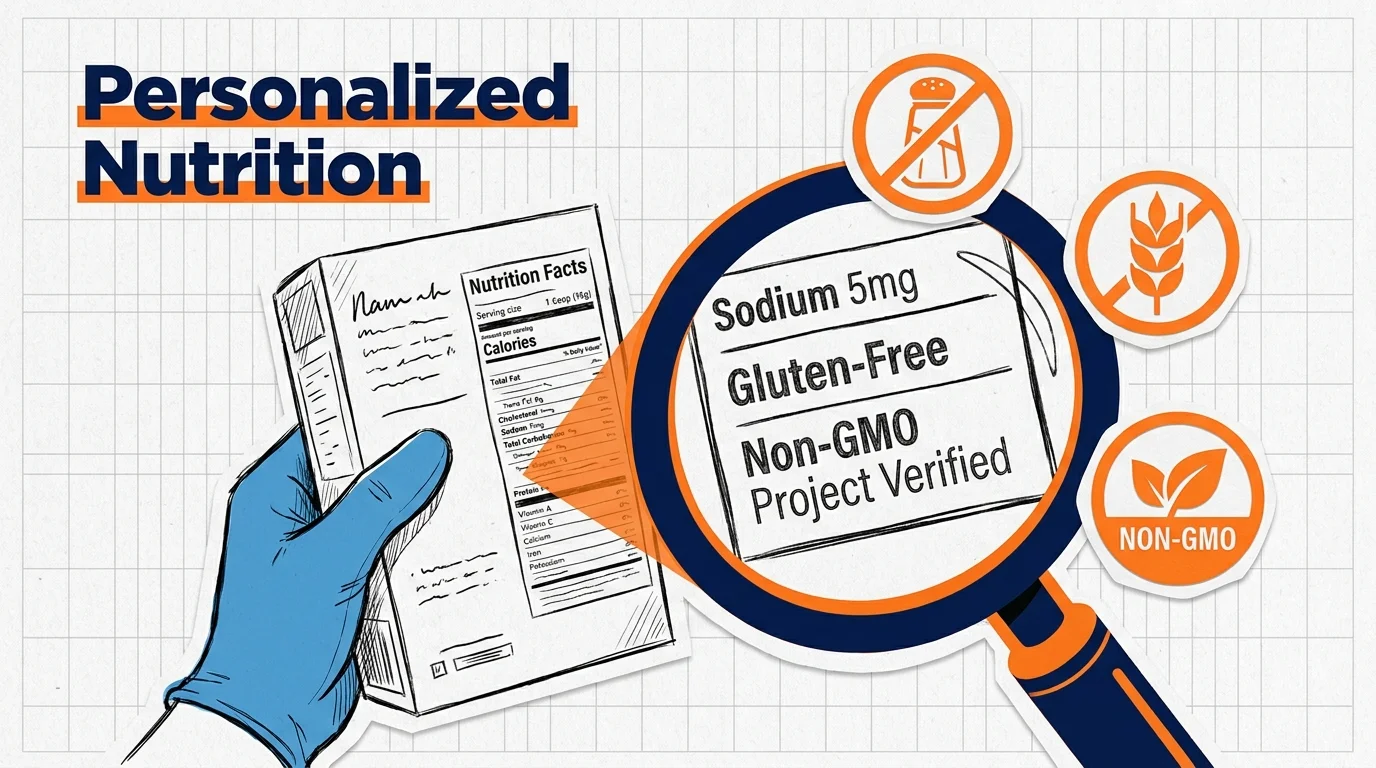
While exploring gourmet foods is an excellent way to expand your palate, it is crucial to remain mindful of individual dietary restrictions and food safety protocols. Aged cheeses, for instance, naturally contain tyramine—a compound that can trigger migraines in susceptible individuals and may interact adversely with monoamine oxidase inhibitors (MAOIs), a specific class of antidepressant medications. Furthermore, while cold smoked salmon is highly nutritious, it carries a small but clinically significant risk of Listeria contamination; therefore, pregnant individuals, older adults, and those with compromised immune systems should generally avoid unheated smoked seafood or ensure it is cooked thoroughly before consumption. Additionally, always review the ingredient labels carefully if you manage severe food allergies. Products like pesto contain tree nuts and dairy, and budget retailers frequently update their manufacturing facilities or suppliers, meaning a product that was once safe for a specific allergy might suddenly carry a cross-contamination warning. If you are managing a complex chronic illness or planning a major dietary overhaul, always consult your physician or a registered dietitian to ensure your new culinary choices align with your specific physiological needs.
Frequently Asked Questions
Are discount grocery store products nutritionally equivalent to name brands?
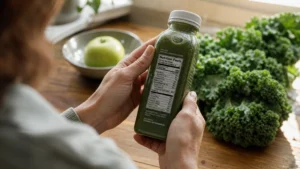
Yes, the nutritional value of a food product is determined entirely by its chemical composition and ingredient list, not by the brand name printed on the label. Discount retailers often utilize private labeling, meaning their store-brand products are frequently manufactured in the exact same facilities—and to the exact same specifications—as premium national brands. By turning the package over and comparing the nutrition facts panel and the raw ingredients, you will often find that budget-friendly gourmet items are nutritionally identical, or sometimes even superior, to their heavily marketed counterparts.
How do I store extra virgin olive oil to maintain its quality and health benefits?
Extra virgin olive oil is highly sensitive to light, heat, and oxygen, all of which accelerate oxidation and degrade the delicate polyphenols that provide its cardiovascular benefits. To preserve both the nutritional integrity and the peppery flavor profile of your authentic oil, you should store it in a cool, dark cabinet far away from the ambient heat of your stove or oven. Ensure the cap is tightly sealed immediately after each use to minimize oxygen exposure, and try to consume the bottle within a few months of opening for optimal freshness.
Can I freeze premium cheeses if I cannot finish them quickly?
While you certainly can freeze hard and semi-hard cheeses to extend their shelf life, the freezing process alters the cellular structure of the cheese. The moisture expands as it freezes, which causes the protein matrix to break down; as a result, a previously smooth Gruyere or Gouda may become crumbly and mealy once thawed. Therefore, previously frozen premium cheeses are best utilized in melted applications—such as folded into an omelet or grated into a warm grain bowl—rather than served cold on a charcuterie board.
How can I seamlessly reduce the sodium in restaurant-style recipes at home?
The primary reason commercial restaurant food tastes so intensely flavorful is the heavy-handed use of industrial salt. You can mimic this depth of flavor at home without the cardiovascular strain by strategically utilizing acids and umami compounds. Incorporating ingredients like the balsamic glaze, freshly squeezed lemon juice, or small amounts of aged cheese stimulates the same taste receptors on your tongue that salt does. By managing daily sodium intake through these natural flavor enhancers, you effectively lower your blood pressure risk while still enjoying deeply satisfying, highly seasoned meals.
A Motivating Final Step
Transforming your daily nutrition does not require an immediate, overwhelming overhaul of your entire kitchen. The most sustainable dietary changes occur through small, deliberate upgrades that bring immediate joy and tangible health benefits. Choose just one of these affordable gourmet finds to add to your grocery list this week. Whether you decide to drizzle a balsamic glaze over your evening vegetables or incorporate smoked salmon into your Sunday breakfast, you will immediately experience how accessible and rewarding restaurant-style home cooking can be. You possess the capability to craft beautiful, nourishing meals that respect both your physical health and your financial boundaries; step into your kitchen tonight and claim that power.