
Starting your day with a scientifically backed breakfast optimizes your blood sugar, sustains your physical energy, and sharpens your cognitive focus until lunch. The foods you consume in the morning set the metabolic tone for the rest of your day, making strategic nutritional choices essential for peak performance. Research consistently demonstrates that a morning meal rich in protein, complex carbohydrates, and healthy fats helps prevent mid-morning crashes and reduces cravings later in the afternoon. Instead of reaching for highly processed convenience options that cause rapid glucose spikes, you can build a sustainable morning routine using simple, wholesome ingredients. Dietitians prioritize whole foods that deliver sustained energy, and mastering these evidence-based choices empowers you to fuel your body effectively.
* Engaging and relevant? Yes.
* No quotes/attribution? Yes.
* Does NOT start with “Image of” or “Photo of”? Yes (starts with “This”).
* Return ONLY
The Science Snapshot: Why Morning Food Quality Matters
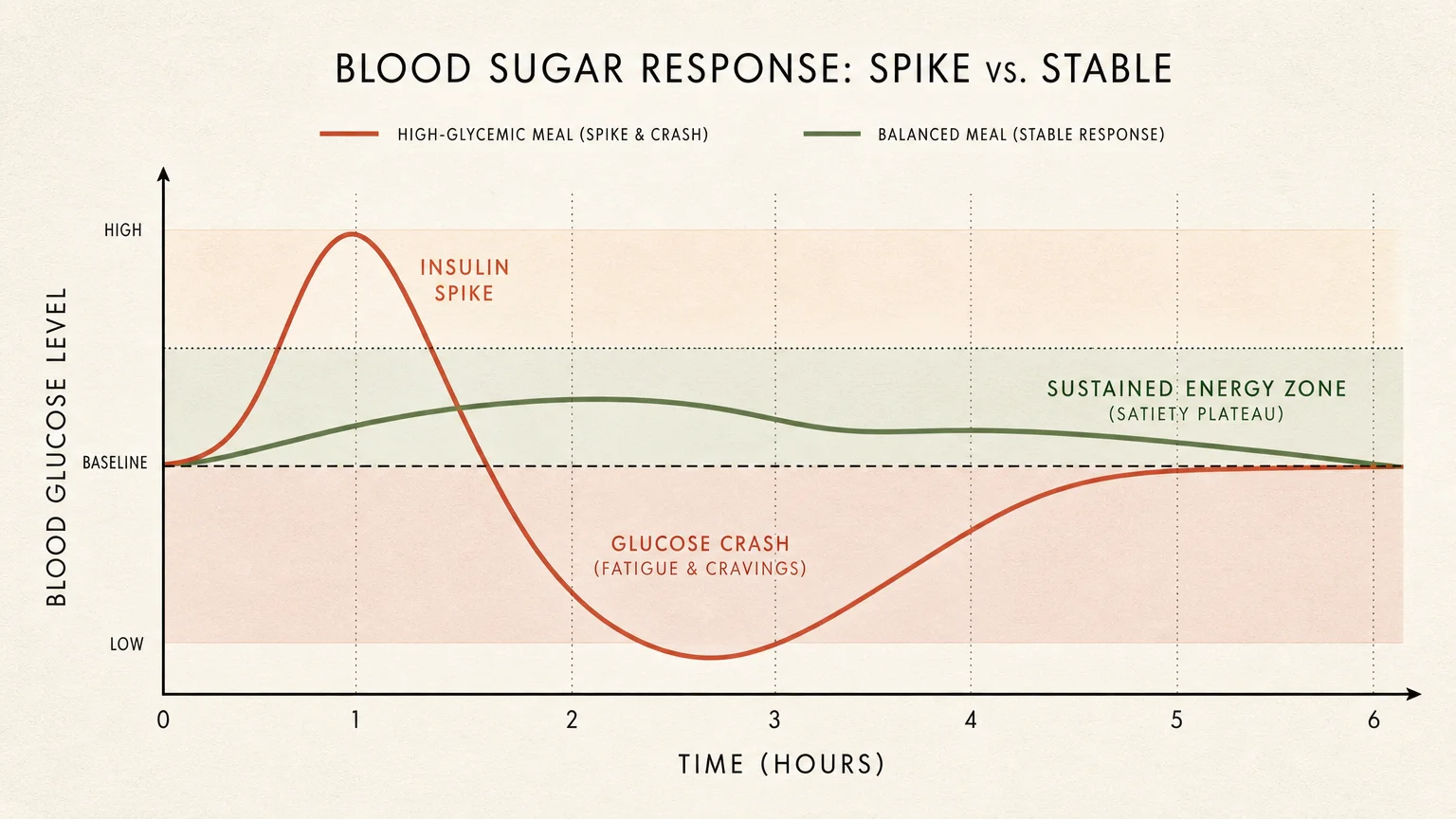
The foods you eat upon waking do much more than simply fill your stomach; they act as primary signaling molecules for your entire neuroendocrine system. When you consume a meal rich in highly refined carbohydrates and added sugars, your pancreas rapidly releases insulin to clear the sudden influx of glucose from your bloodstream. This biological mechanism often leads to a subsequent plunge in blood sugar—commonly known as a crash—leaving you fatigued, irritable, and craving more sugar just a couple of hours later. By replacing refined pastries and sweetened cereals with nutrient-dense whole foods, you stabilize this biological roller coaster and promote a steady release of energy.
Clinical nutritionists emphasize macronutrient synergy to achieve this stabilization. Combining high-quality protein with fibrous complex carbohydrates and healthy fats slows the rate of gastric emptying. This delayed digestion means glucose enters your bloodstream at a deliberate, manageable pace. Furthermore, consuming adequate protein in the morning suppresses ghrelin, the hormone responsible for signaling hunger, while simultaneously stimulating the release of peptide YY and cholecystokinin, which communicate fullness to your brain. Reviewing research regarding dietary protein and satiety reveals that a higher protein intake early in the day actively reduces the desire for late-night snacking.
Your morning hydration status also plays a pivotal role in cellular metabolism. After fasting during sleep, your body wakes up in a mildly dehydrated state, which can masquerade as hunger and impair cognitive function. Dietitians invariably recommend starting your day with a large glass of water before introducing solid food. Rehydrating your tissues facilitates the enzymatic processes required for digestion and helps your body efficiently extract the vitamins and minerals from your morning meal.

Strategy Pillar 1: Making Meal Planning Seamless
Even the most meticulously designed nutrition plan fails if it lacks practical execution. Decision fatigue heavily influences your dietary choices during the chaotic early hours of the day; when you feel rushed, you naturally gravitate toward the quickest available option regardless of its nutritional profile. You can neutralize this morning friction by implementing strategic meal preparation the night or weekend before. Batch-cooking ingredients allows you to assemble a balanced plate in seconds rather than minutes.
Consider preparing a large vegetable frittata on Sunday afternoon. By whisking eggs with spinach, bell peppers, onions, and a touch of feta cheese, you create a protein-packed and fiber-rich dish that slices easily into individual portions for the week ahead. Alternatively, you can utilize the overnight oats method. Mixing rolled oats with chia seeds, unsweetened almond milk, and a scoop of Greek yogurt in a glass jar yields a perfectly portioned, ready-to-eat meal that softens and develops flavor while you sleep. These proactive strategies ensure that your optimal choice becomes your most convenient choice.
Meal planning also benefits significantly from a well-organized pantry and refrigerator. Keep your nutrient-dense staples—such as raw nuts, seeds, fresh fruit, and hard-boiled eggs—at eye level. If you prefer hot meals but lack time, pre-portioning smoothie ingredients into freezer-safe bags allows you to quickly blend a nutritious drink on your way out the door. Emphasizing preparation removes the emotional burden of choosing what to eat and guarantees that you consistently nourish your body with dietitian-approved ingredients.
Strategy Pillar 2: Building a Nutrient-Focused Plate
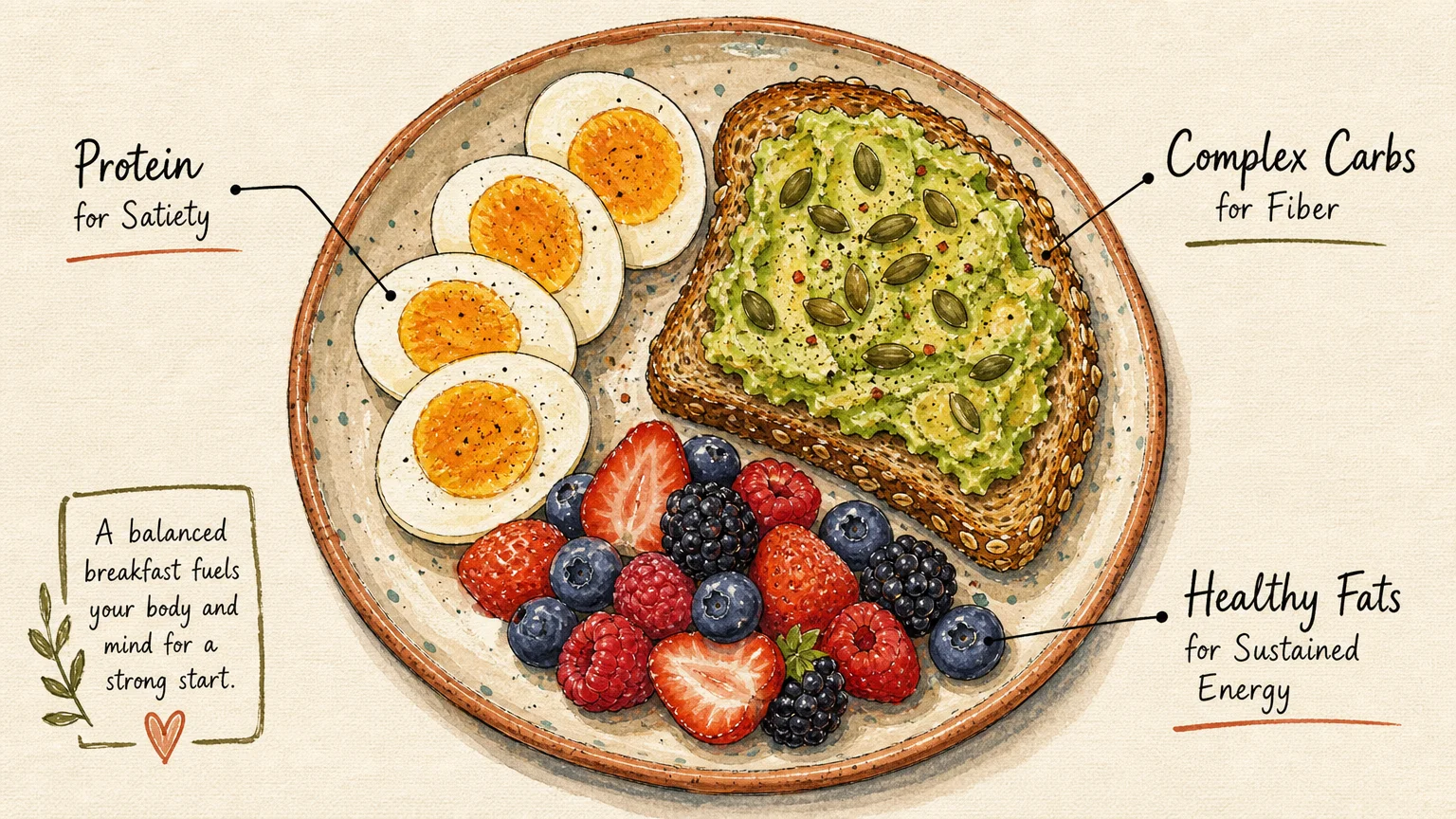
Creating a nutritionally sound breakfast involves selecting components from three crucial categories: lean protein, dietary fiber, and healthy fats. Registered dietitians consider this combination the holy trinity of morning nutrition. Protein acts as the foundational building block for muscle repair and neurotransmitter production. Excellent morning protein sources include cottage cheese, plain Greek yogurt, eggs, smoked salmon, and plant-based alternatives like tofu or edamame. Aiming for twenty to thirty grams of protein at breakfast provides the amino acids necessary to support your metabolic functions throughout the day.
Dietary fiber represents the second crucial component of an optimized morning meal. Fiber adds physical bulk to your diet and feeds the beneficial bacteria residing in your gastrointestinal tract. Soluble fiber, found abundantly in oats, beans, and certain fruits, forms a gel-like substance during digestion that actively traps cholesterol and slows the absorption of carbohydrates. Referencing public health data regarding carbohydrate consumption highlights the importance of choosing fiber-rich whole grains over highly processed alternatives. Berries, apples, flaxseeds, and whole-grain sourdough bread all deliver robust amounts of this essential nutrient.
The final component, healthy fats, provides concentrated energy and facilitates the absorption of fat-soluble vitamins like vitamins A, D, E, and K. Incorporating a source of unsaturated fat—such as sliced avocado, a handful of walnuts, or a drizzle of extra virgin olive oil—enhances the mouthfeel of your meal while supporting cardiovascular health. A practical application of this nutrient-focused approach might look like a slice of whole-grain sprouted bread topped with mashed avocado, a poached egg, and a side of raspberries. Another excellent combination involves a bowl of unsweetened Greek yogurt topped with pumpkin seeds, sliced almonds, and fresh blueberries.

Strategy Pillar 3: Establishing Sustainable Morning Habits
Knowledge of nutrition holds little value without the behavioral frameworks necessary to sustain it. Establishing a consistent morning eating habit requires an understanding of your personal schedule, physical hunger cues, and lifestyle constraints. Many individuals attempt to overhaul their entire morning routine overnight, which often leads to burnout and a quick return to old habits. Instead, employ the technique of habit stacking; attach your new breakfast behavior to an action you already perform daily without fail.
If you always brew a pot of coffee at seven in the morning, use the few minutes while the coffee brews to assemble your pre-planned breakfast. Tying the new habit of eating a balanced meal to the established habit of making coffee significantly increases your long-term adherence. Furthermore, listening to your biofeedback is paramount. If you typically wake up without an appetite, do not force yourself to consume a massive meal immediately. You can split your breakfast into two smaller portions—perhaps drinking a protein-rich smoothie at home and eating a handful of almonds and an apple once you arrive at your workplace.
Cultural traditions and personal preferences must also dictate your habit formation. Breakfast does not require traditional morning foods like cereal or pancakes. Many cultures prioritize savory, nutrient-dense meals that closely resemble dinner. A bowl of leftover lentil soup, a serving of fish with fermented vegetables, or a savory quinoa porridge all offer phenomenal nutritional profiles. By expanding your definition of what constitutes breakfast, you open up a wide array of options that fit seamlessly into your lifestyle and flavor preferences, as supported by guidance from the Academy of Nutrition and Dietetics regarding dietary diversity.

Expert and Lived Voices on Morning Nutrition
Clinical dietitians frequently observe a profound transformation in patients who transition from skipping breakfast or eating highly processed pastries to consuming balanced, whole-food meals. Professionals note that patients who prioritize morning protein often report an unintentional reduction in late-night snacking. When your body receives adequate nourishment early in the day, it stops demanding emergency fuel in the form of sugar and refined carbohydrates during the evening hours.
Consider the experience of an active professional managing a demanding corporate schedule. For years, relying on a drive-through muffin and a sugary latte resulted in severe brain fog by eleven in the morning, requiring multiple cups of coffee to survive the afternoon slump. By swapping the pastry for a homemade chia seed pudding enriched with protein powder and walnuts, this individual experienced sustained mental clarity and a noticeable stabilization in their mood. These anecdotal success stories mirror the physiological data; supplying your brain with a steady stream of nutrients actively enhances cognitive endurance and emotional regulation.
Physicians managing metabolic disorders also echo the importance of a robust morning meal. They frequently advise patients that front-loading calories—eating a larger percentage of daily food intake earlier in the day—aligns better with human circadian rhythms. Your body generally handles glucose more efficiently in the morning than in the late evening, making a substantial, nutrient-dense breakfast an excellent strategy for overall metabolic health.
Safety, Contraindications, and Personalizing Your Plate
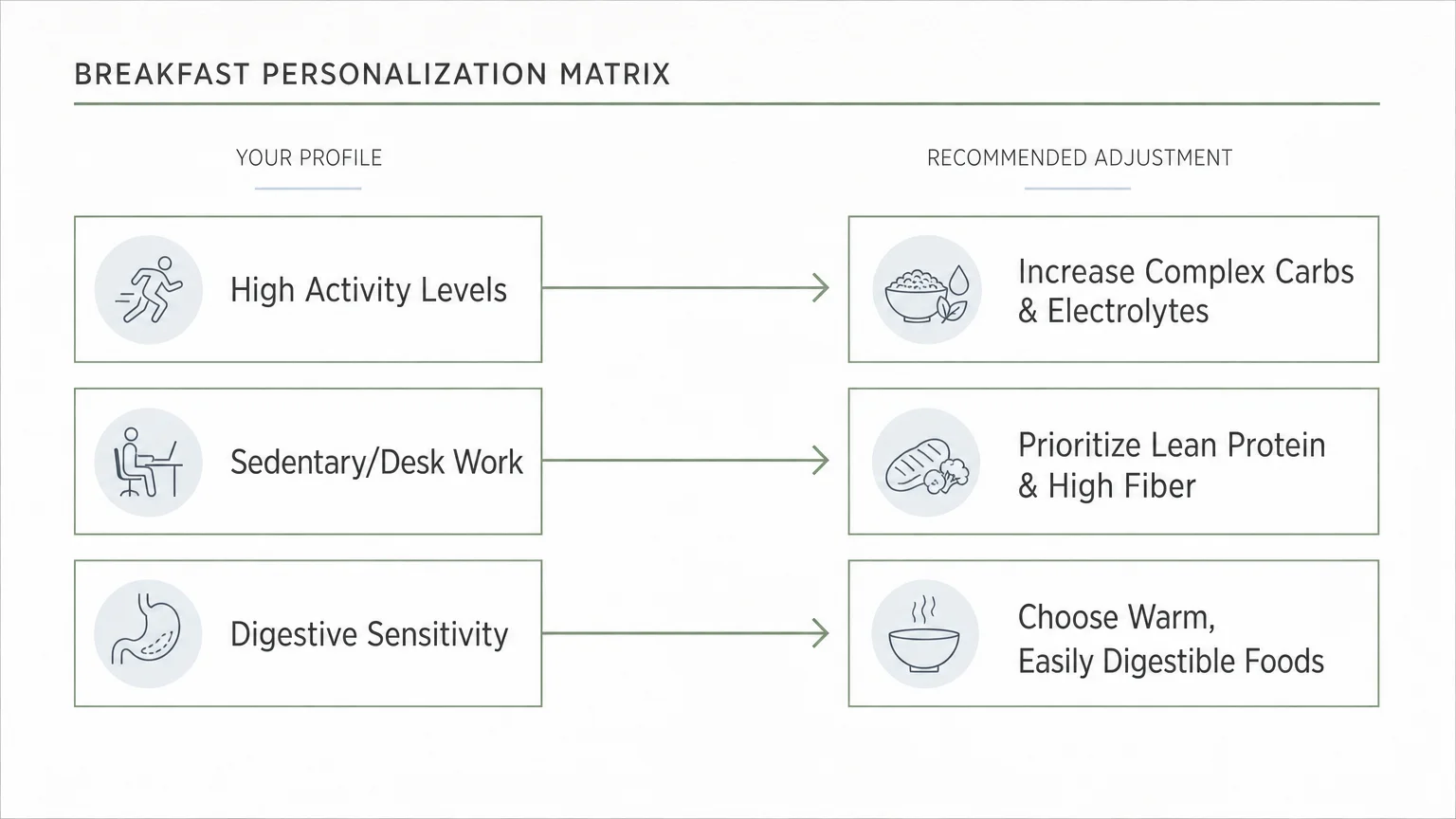
While general nutrition principles apply broadly, you must tailor your morning meal to accommodate your unique physiological needs, food allergies, and medical history. Individuals managing specific conditions must exercise caution when incorporating certain highly recommended foods. For example, while nuts and seeds provide exceptional nutritional value, they present severe risks for anyone with tree nut or peanut anaphylaxis. Always substitute allergens with safe alternatives; sunflower seed butter or roasted chickpeas can replace nuts to provide similar textures and fats.
Those living with irritable bowel syndrome might find that immediately increasing their intake of certain fibrous foods—like apples, beans, or blackberries—exacerbates gastrointestinal distress due to high levels of fermentable carbohydrates. Slowly increasing fiber intake over several weeks allows your digestive tract to adapt. Additionally, individuals diagnosed with conditions requiring precise macronutrient management should follow specific clinical guidelines. Reviewing recommendations for managing blood glucose ensures that your carbohydrate choices support your specific medical requirements.
Never ignore your body’s adverse reactions to food in the pursuit of eating perfectly. If dairy causes bloating, switch to fortified plant-based yogurts or prioritize eggs and lean meats for protein. If you suspect an underlying intolerance or medical condition, collaborate with a registered dietitian or a board-certified physician to develop a customized, safe, and effective nutrition strategy that supports your long-term wellness.
Frequently Asked Questions About Breakfast Foods
Does eating breakfast jumpstart my metabolism?
The concept of jumpstarting your metabolism serves as a popular oversimplification of human biology. Eating does induce the thermic effect of food, which means your body expends energy to digest, absorb, and process nutrients. However, skipping breakfast does not cause your metabolism to grind to a halt or enter a starvation mode immediately. The true metabolic benefit of a balanced morning meal lies in its ability to regulate blood sugar and prevent the intense hunger that often leads to overeating hyper-palatable, calorie-dense foods later in the day.
Are carbohydrates bad for you in the morning?
Carbohydrates are your brain’s preferred source of energy; avoiding them entirely can lead to sluggishness and poor concentration. The confusion arises from treating all carbohydrates as equal. Refined carbohydrates—found in white bread, sugary cereals, and sweet pastries—digest rapidly and cause extreme blood sugar fluctuations. Complex carbohydrates—found in steel-cut oats, quinoa, berries, and sweet potatoes—digest slowly because of their high fiber content. Incorporating complex carbohydrates into your morning routine actively supports sustained energy levels and optimal cognitive function.
What should I eat if I genuinely feel nauseous when I wake up?
Morning nausea often stems from elevated cortisol levels upon waking or slight dehydration. You do not need to force solid food into your stomach immediately if it makes you physically uncomfortable. Start by drinking a glass of room-temperature water to rehydrate your digestive system. After an hour or two, ease into eating with a liquid-based option, such as a protein smoothie made with easily digestible ingredients like banana, spinach, and protein powder. Liquid nutrition bypasses much of the mechanical digestion process, making it significantly gentler on an unsettled stomach.
Can I drink coffee before eating my morning meal?
Consuming coffee on an empty stomach triggers the release of hydrochloric acid in your digestive tract, which can cause heartburn or indigestion for sensitive individuals. Furthermore, caffeine artificially stimulates your adrenal glands to release cortisol, your body’s primary stress hormone. Since your cortisol levels naturally peak in the morning to help you wake up, adding black coffee on an empty stomach can exacerbate feelings of anxiety and jitters. Dietitians generally recommend consuming your coffee alongside or immediately after your balanced breakfast to buffer the acidic impact and blunt the caffeine spike.
Your Next Step for a Healthier Morning
Transforming your morning nutrition does not require throwing away everything in your pantry or spending hours cooking before the sun rises. Success comes from small, deliberate changes compounded over time. Tonight, take five minutes to plan exactly what you will eat tomorrow morning. Whether you decide to boil two eggs, portion out a serving of Greek yogurt, or place a piece of whole-grain bread next to the toaster, removing that single morning decision sets you up for victory. Choose one protein-rich, fiber-filled meal from the strategies discussed above, and experience firsthand how powerful a strategically fueled morning can be for your sustained daily energy.