

Strategy 2: Precision Cooking for Nutrient Retention and Safety
How you cook your eggs dictates both their nutritional retention and microbiological safety. Excessive heat can oxidize delicate cholesterol molecules and degrade heat-sensitive antioxidants like lutein.
Poaching, gentle boiling, and low-heat steaming preserve the integrity of carotenoids and delicate fats. These methods also eliminate the need for heavy added cooking fats or industrial seed oils.
If you prefer scrambled or fried eggs, use modest heat alongside heat-stable fats like extra virgin olive oil. Olive oil introduces heart-healthy polyphenols and monounsaturated oleic acid to your morning skillet.
Food safety remains paramount when handling shell eggs on a daily schedule. The Centers for Disease Control and Prevention advises cooking eggs until both the white and yolk are firm.
Cooking mixed egg dishes to an internal temperature of 160 degrees Fahrenheit destroys potential Salmonella bacteria. If you enjoy soft, runny yolks in dressings or sauces, select commercially pasteurized eggs instead.
Always refrigerate fresh eggs at 40 degrees Fahrenheit or lower promptly after purchase. Discard any eggs with cracked shells or unusual odors to prevent accidental foodborne illness.



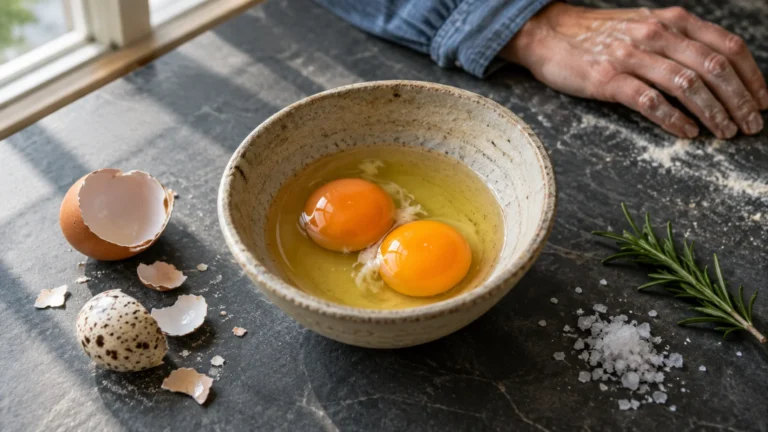


Eggs are good. The brain is 95%myelin, which is 95% cholesterol. The brain needs eggs.
If LDLs are high and HDLs are also high, then you’re good. Trust the independent unbiased research – do not trust doctors because they only know what they are taught. The advice they have been giving has been all wrong. The government told us eat starches. When we followed what they said, America became obese, diabetic, and developed Alzheimer’s.
You are correct! We have all been lied to!
I appreciate this input, however why is my doctor giving cholesterol medication and telling me about the eggs I eat?
Your doctor is wrong!
I am allergic to eggs yolks.