Your aging taste buds undergo remarkable transformations that naturally enhance the sweetness of everyday ingredients. Leveraging these sensory shifts allows you to satisfy sugar cravings using nutrient-dense whole foods rather than heavily processed sweets. As you grow older, the total number of functioning taste buds decreases, and the remaining receptors become less sensitive to bitter, salty, and sour flavors. Consequently, naturally sweet compounds in specific fruits and vegetables begin to dominate your palate, making them taste noticeably richer than they did in your twenties. By understanding this biological shift, you can revamp your senior nutrition plan to include eight foods that suddenly taste like decadent treats while simultaneously supporting your overall longevity and metabolic health.
The Biological Science Behind Your Aging Taste Buds
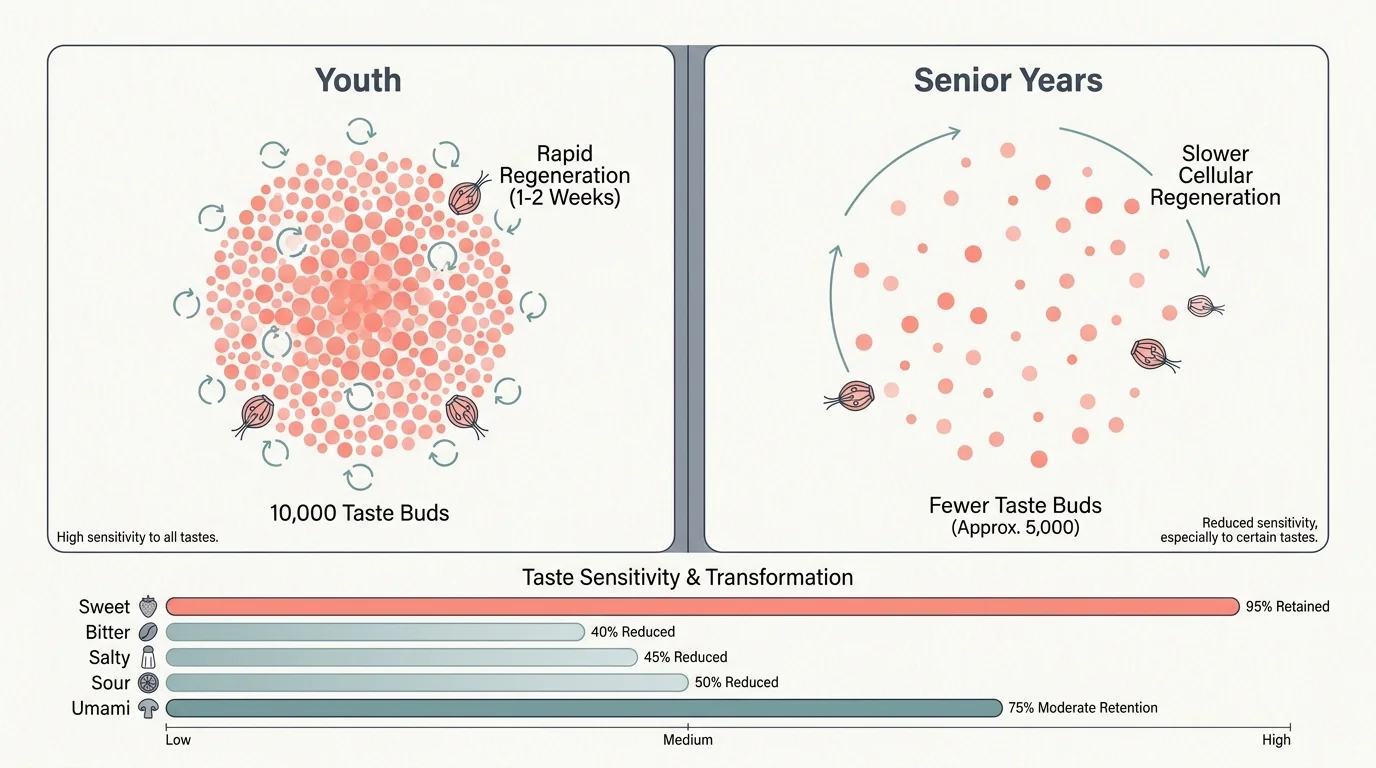
The way you experience flavor is a complex neurological and physiological phenomenon that evolves throughout your lifespan. Human beings are born with roughly ten thousand taste buds clustered on the tongue, roof of the mouth, and throat. Each of these taste buds contains specialized receptor cells equipped to detect the five basic tastes: sweet, salty, sour, bitter, and umami. During your youth, these cells regenerate rapidly, completely replacing themselves every one to two weeks. However, as you cross the threshold of middle age and enter your senior years, this rapid cellular regeneration process slows down considerably. The overall population of functioning taste buds diminishes, leaving you with a smaller pool of receptors to interpret the chemical composition of your meals.
Interestingly, this decline does not occur uniformly across all flavor profiles. According to research published by the National Institute on Aging, older adults typically experience a pronounced and rapid loss of sensitivity to bitter and salty compounds first. In stark contrast, your sweet receptors tend to remain remarkably robust and resilient well into old age. Because your brain processes flavor as a composite of signals, the sudden absence of competing bitter or sour notes allows the underlying sweetness of certain foods to step into the spotlight. Furthermore, the inevitable age-related decline in olfactory function—your sense of smell—mutes complex aromatic flavors, forcing your brain to rely more heavily on the fundamental basic tastes detected by the tongue. This biological restructuring transforms your daily diet, turning previously earthy or bitter vegetables into remarkably sweet culinary experiences.
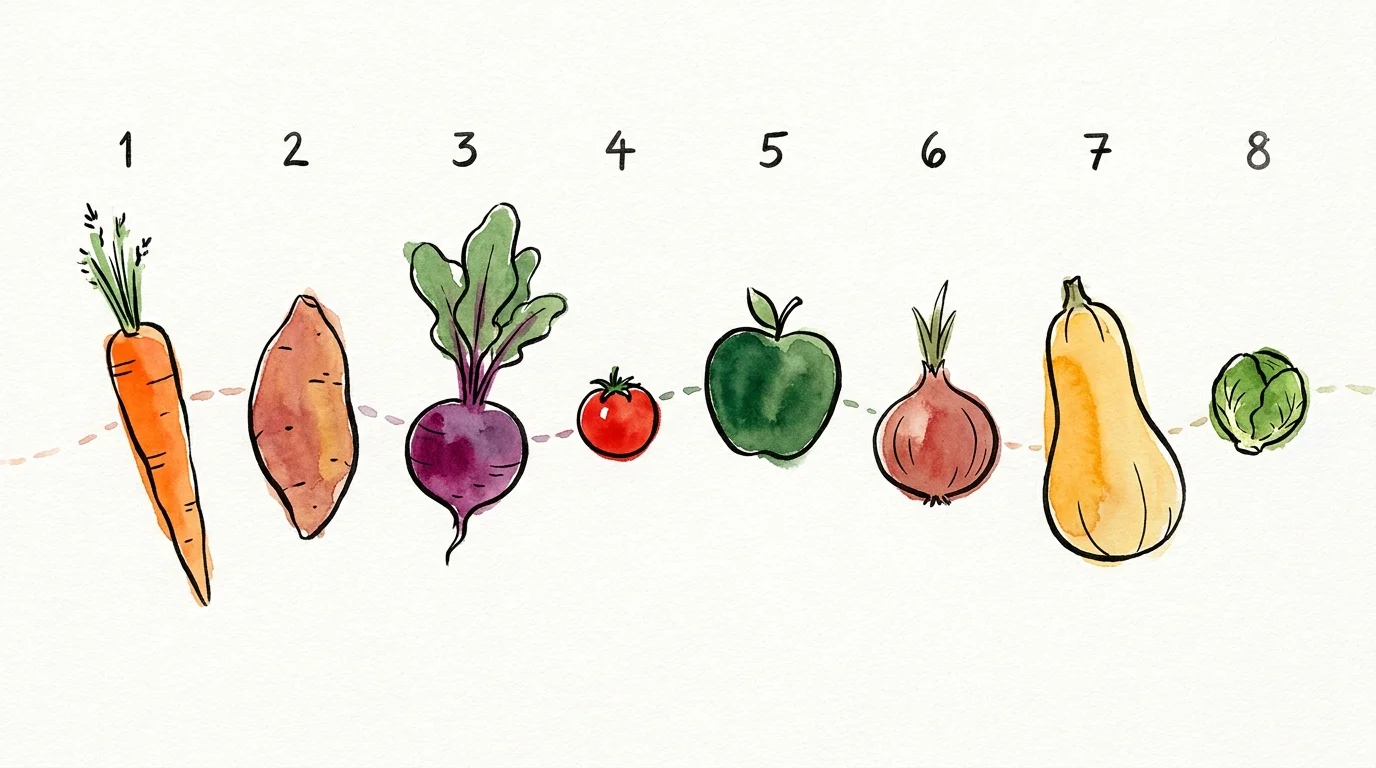
8 Nutrient-Dense Foods That Taste Sweeter Over Time

1. Roasted Carrots
Raw carrots possess a distinct, earthy crunch that many young people associate with mundane diet food. However, their natural sugar profile undergoes a complete transformation as your bitter receptors fade with age. Carrots are packed with natural sucrose, glucose, and fructose. When you subject them to high dry heat through roasting, you break down their rigid fibrous cell walls and initiate a process that caramelizes these simple sugars. Because your aging palate no longer detects the subtle, bitter undertones of the root vegetable, the caramelized exterior delivers a profound sweetness that feels incredibly indulgent. Embracing roasted carrots provides you with a rich source of beta-carotene, which your body readily converts into vitamin A to support healthy vision and robust immune function.

2. Sweet Potatoes
The name explicitly advertises the flavor, but the actual sensory experience of eating a sweet potato shifts dramatically as you get older. Raw sweet potatoes store their energy as complex starches. During the cooking process, an endogenous enzyme known as amylase activates, breaking down those dense starches into a simple sugar called maltose. For your mature taste buds, this maltose registers with intense, dessert-like clarity. You can easily bake or air-fry a sweet potato and consume it without any added brown sugar, marshmallows, or maple syrup. By relying entirely on the vegetable’s intrinsic flavor profile, you easily satisfy your sweet tooth while flooding your system with beneficial dietary fiber and blood-pressure-stabilizing potassium.
3. Earthy Red Beets
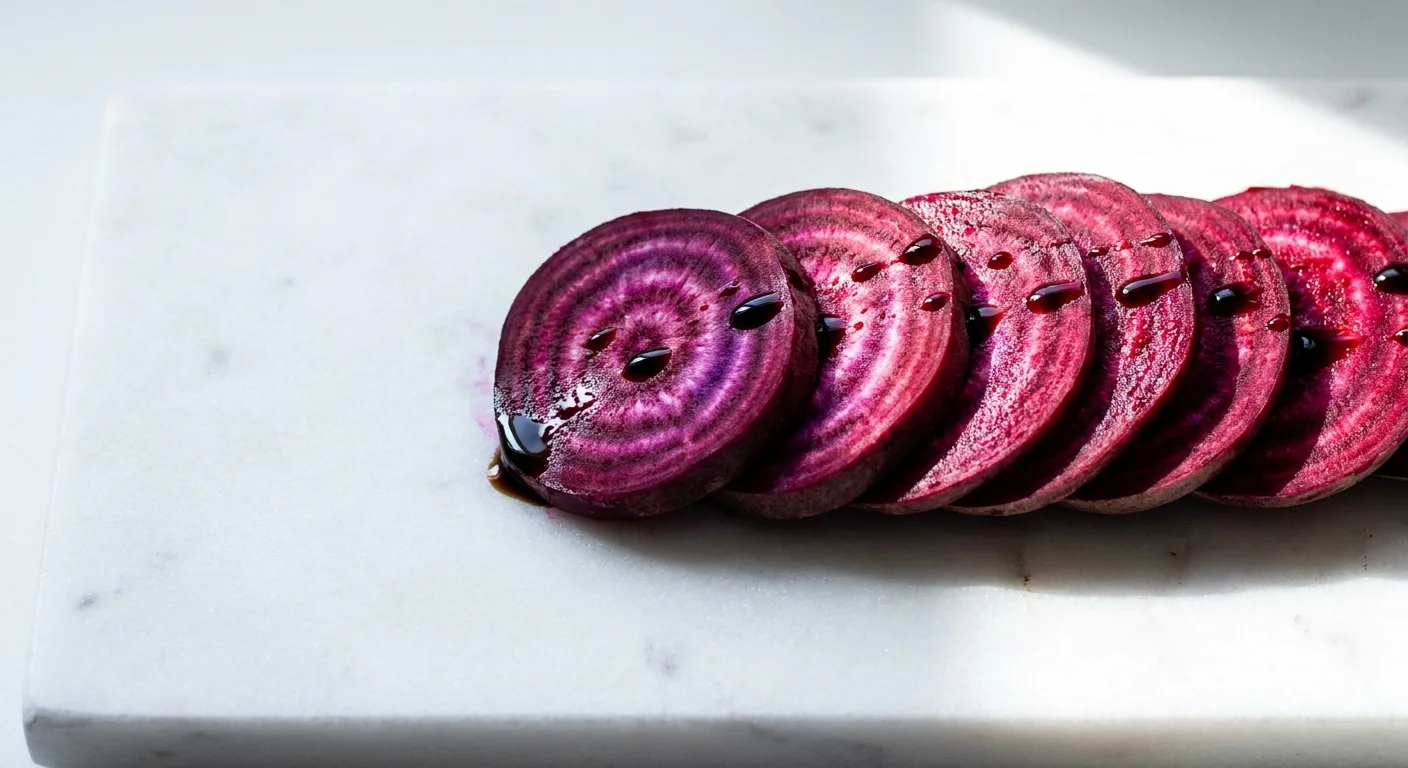
Beets carry a notorious reputation for tasting like dirt when you are young. This polarizing, earthy flavor stems from a naturally occurring organic compound called geosmin. Human olfactory receptors are highly sensitive to geosmin, but this sensitivity fortunately diminishes over the decades. As your ability to detect the dirt-like aroma fades, the exceptionally high natural sucrose content of the beet finally takes center stage on your palate. Roasting beets slowly in the oven concentrates this sucrose, offering you a vibrant, candy-like culinary experience. Incorporating these bright root vegetables into your senior nutrition plan also provides a powerful dose of dietary nitrates, which dilate your blood vessels and actively help lower your cardiovascular strain.
4. Cherry Tomatoes
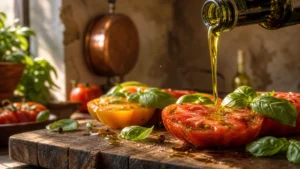
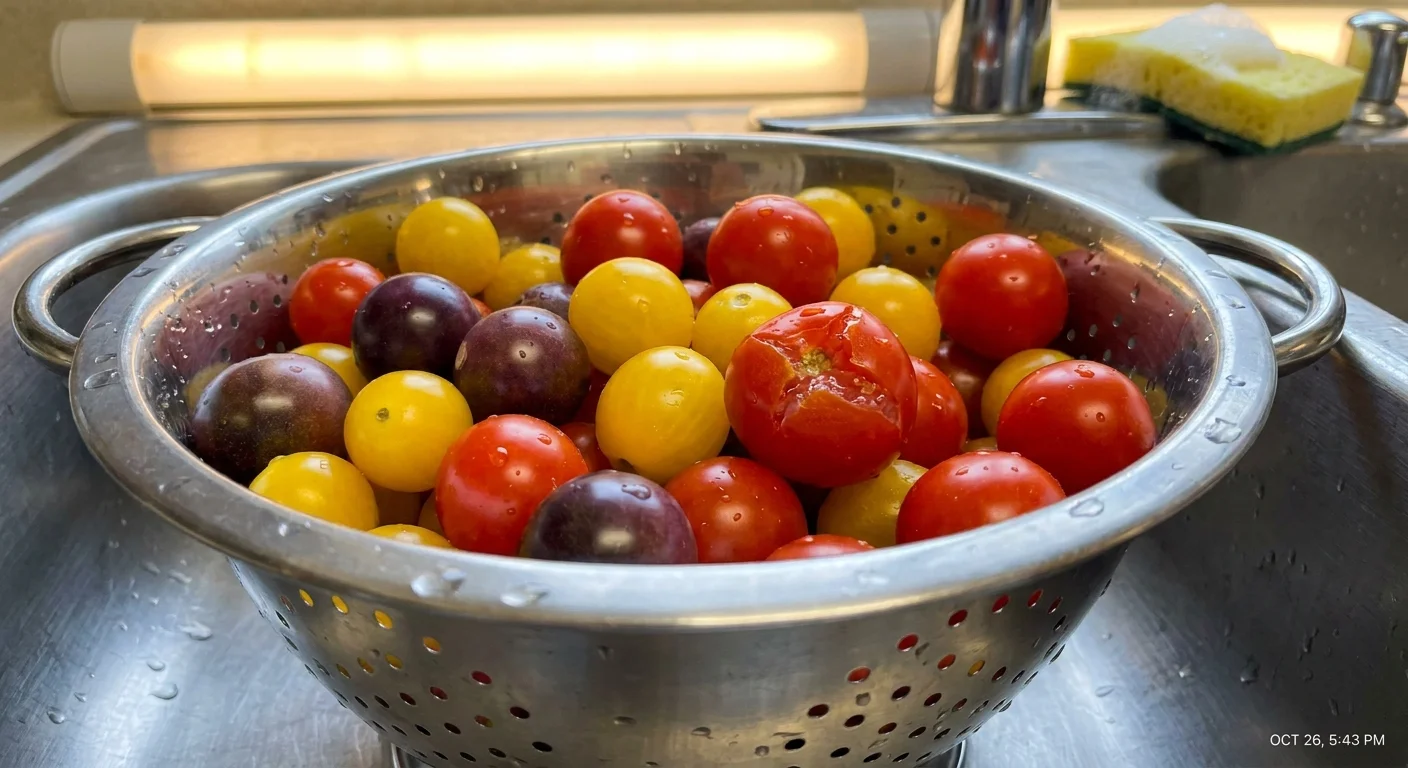
Although frequently utilized as savory vegetables, tomatoes are botanically classified as fruits. Their complex flavor profile relies on a delicate balance between sharp acidity, deep umami, and underlying sweetness. As your tongue loses its acute sensitivity to the acidic and sour notes over time, the naturally occurring fructose and glucose within cherry tomatoes become the dominant, defining flavors. Blistering them in a hot skillet with a splash of olive oil draws out their internal juices and magnifies this sweetening effect. Tossing a handful of blistered cherry tomatoes into your morning eggs or evening salads provides a sudden burst of pure sweetness that elevates the entire dish alongside a solid serving of lycopene, a potent antioxidant strongly linked to heart health.
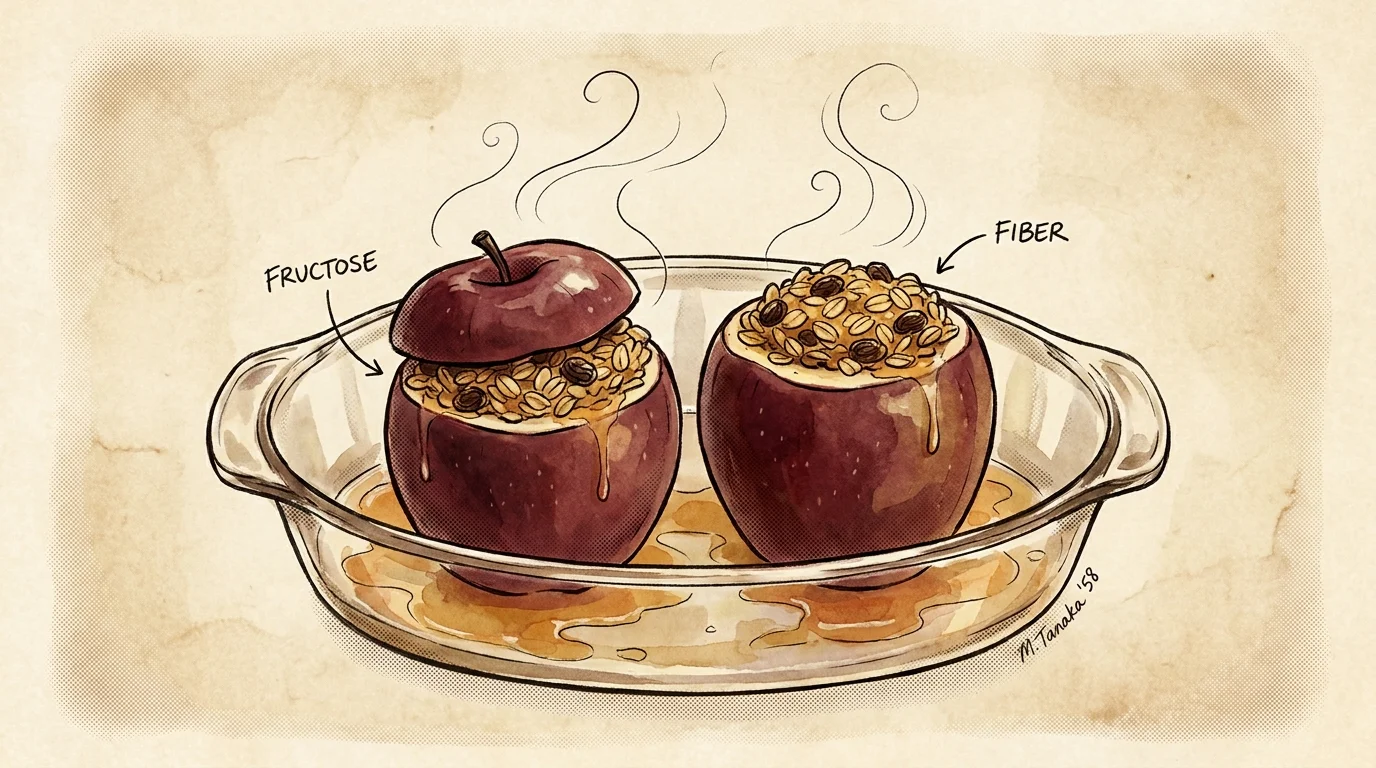
5. Baked Apples
Apples represent the quintessential sweet fruit, yet aging alters exactly how you perceive their characteristic tartness. Crisp varieties like Granny Smith, Braeburn, or Pink Lady pack a sour punch from malic acid that often masks their underlying carbohydrate content. When your sour taste receptors begin to decline, the malic acid loses its aggressive bite, allowing even the tartest culinary apples to taste pleasantly sweet. Baking these apples softens their flesh and concentrates their natural fructose. Sprinkling a baked apple with cinnamon—a spice that naturally mimics the perception of sweetness without adding any actual sugar—yields a warm, comforting evening treat filled with digestion-friendly soluble fiber.

6. Caramelized Onions
Raw yellow and white onions contain pungent, defense-mechanism sulfur compounds that deliver a sharp, spicy bite to the tongue. Your aging palate naturally softens the blow of these harsh, aggressive flavors, making all members of the allium family much more palatable. When you slowly cook onions over low heat for an extended period, you trigger a fascinating chemical reaction called pyrolysis. This low-and-slow cooking method breaks down the larger, complex carbohydrate molecules into hundreds of smaller, incredibly sweet-tasting compounds. The resulting jam-like texture and rich flavor become an irresistible, naturally sweet condiment that enhances everything from grilled chicken breasts to whole-grain savory bowls.

7. Winter Squash Varieties
Butternut, acorn, and honeynut squashes feature a dense, starchy flesh that matures beautifully when exposed to prolonged heat. Similar to the chemical conversion seen in sweet potatoes, the oven’s heat breaks down the squash’s complex starches into readily available, sweet-tasting sugars. Without the distraction of competing bitter or sour flavor notes, your resilient sweet taste buds easily pick up on the caramelized edges of the roasted squash. Puréeing a roasted butternut squash into a creamy soup or serving it as a cubed, savory side dish turns a humble, inexpensive autumn vegetable into a luxurious, sweet focal point of your daily meals.
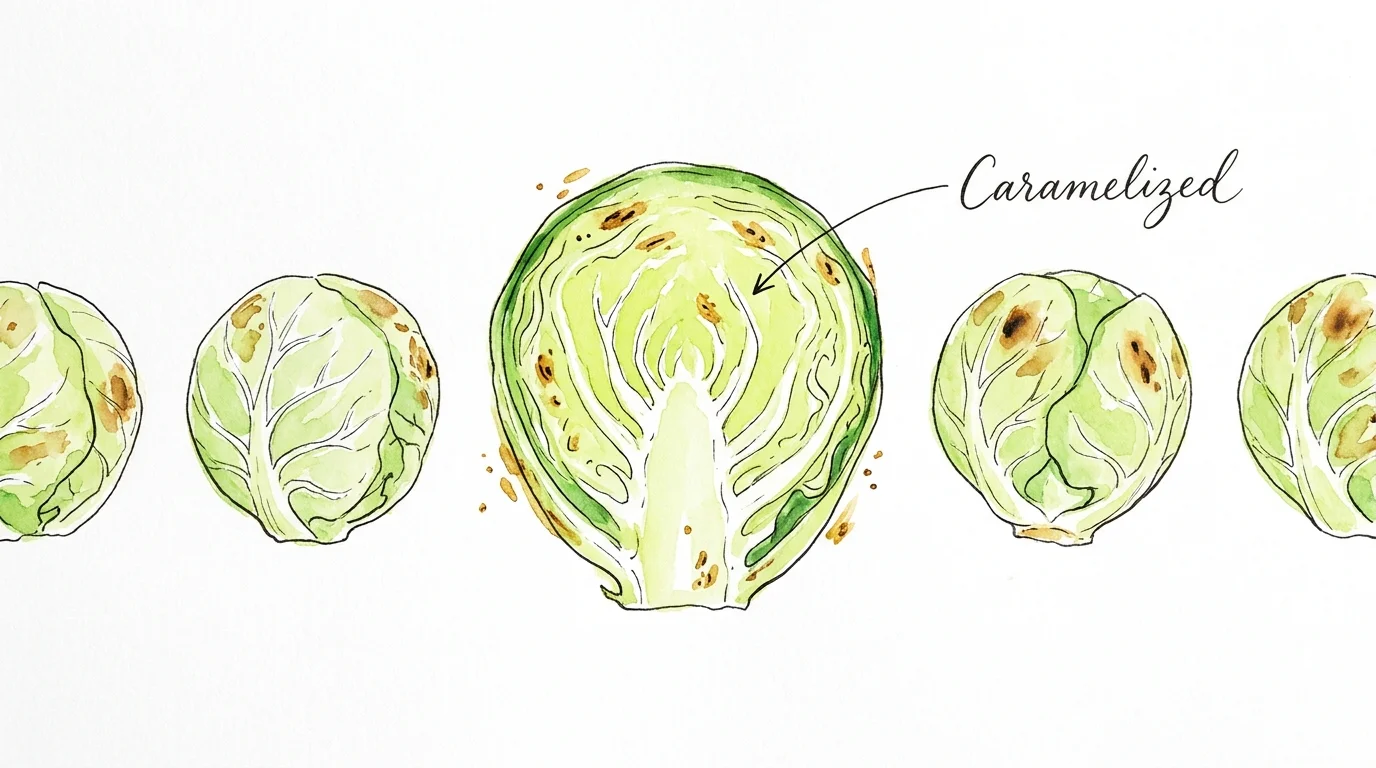
8. Brussels Sprouts
Perhaps the most surprising entry on this list involves the notoriously bitter Brussels sprout. Children and young adults frequently reject this highly nutritious cruciferous vegetable due to its overwhelming concentration of bitter compounds known as glucosinolates. Because your bitter taste receptors degrade so significantly with age, the sharp, offensive bite of the sprout virtually vanishes from your perception. By halving Brussels sprouts, tossing them in extra virgin olive oil, and roasting them until crispy, you bring forward a nutty, mild sweetness that you likely never noticed in your younger years. According to data from the U.S. Department of Agriculture, this newfound appreciation allows you to comfortably consume a massive dose of vitamin C and bone-strengthening vitamin K in a suddenly delicious package.
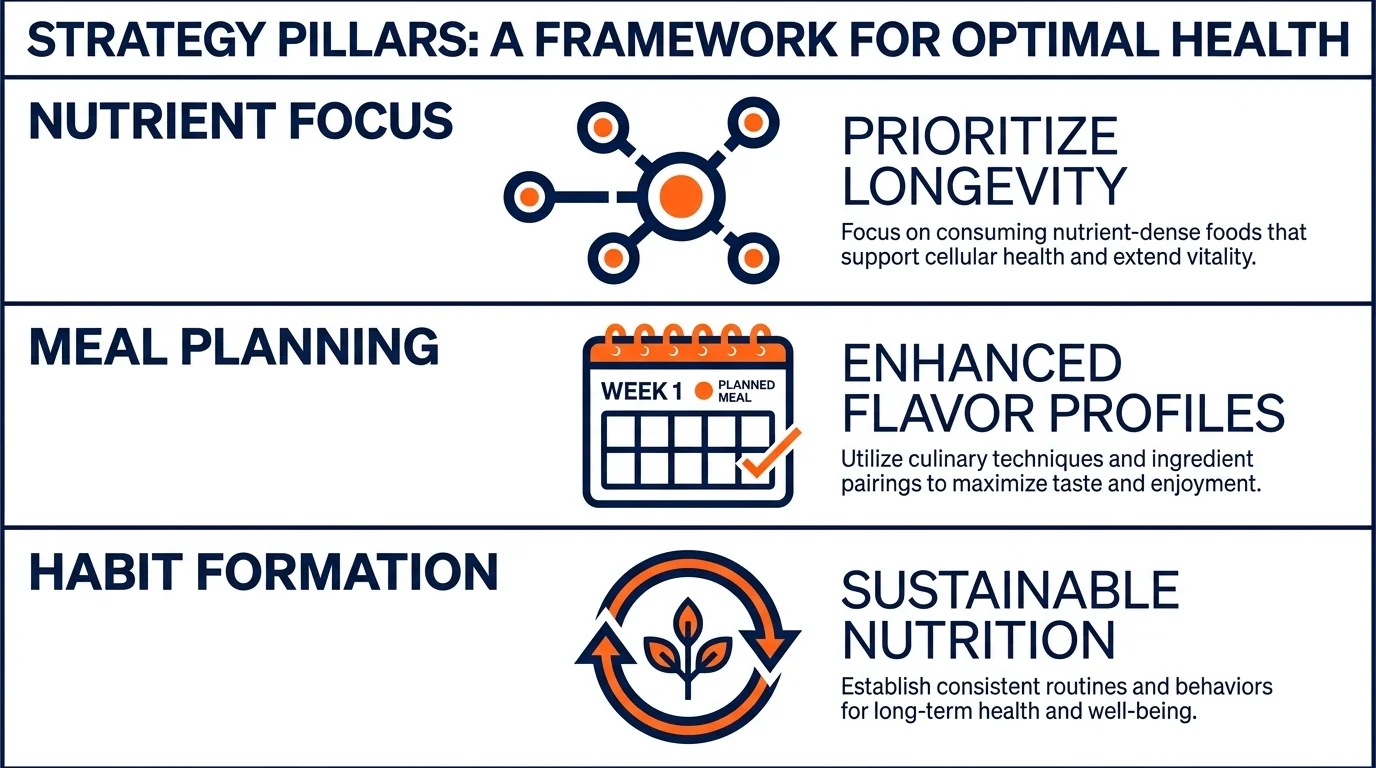
Strategy Pillars: Adapting Your Diet to Food Taste Changes
Nutrient Focus for Healthy Eating
Recognizing that your taste buds now favor natural sugars provides an excellent foundation for improving your overall dietary quality. However, eating carbohydrate-rich root vegetables and fruits requires a strategic nutrient focus to maintain stable energy levels. You must consciously pair these naturally sweet foods with high-quality proteins and healthy fats. Combining a baked apple with a handful of walnuts or serving roasted sweet potatoes alongside a piece of baked salmon slows down the digestive process. This strategic pairing prevents rapid spikes in your blood glucose, ensuring that you reap the rewards of these sweet flavors while maintaining excellent metabolic control. For detailed guidance on building balanced meals, the Centers for Disease Control and Prevention offers exceptional resources on managing blood sugar through strategic food combinations.
Meal Planning for Enhanced Flavor
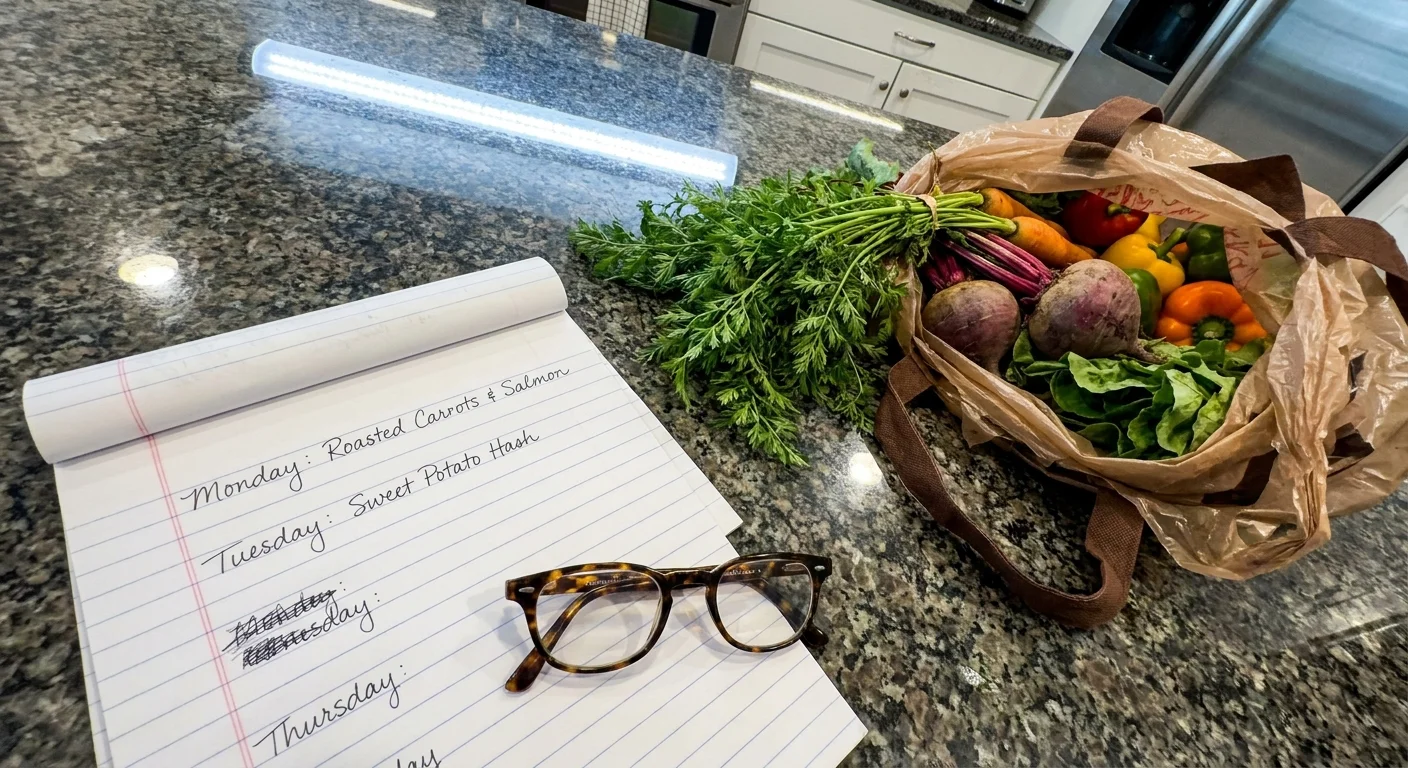
You can easily maximize the sweetness of your senior nutrition plan by integrating batch roasting into your weekly meal planning routine. Roasting utilizes dry, ambient heat to trigger the Maillard reaction—a chemical interaction between amino acids and reducing sugars that gives browned food its distinctive, sweet flavor. Dedicate one hour on a Sunday afternoon to chopping carrots, beets, and winter squash. Toss the vegetables in heart-healthy extra virgin olive oil, spread them evenly across a large baking sheet, and roast them at four hundred degrees Fahrenheit until tender. Storing these caramelized vegetables in airtight glass containers ensures you have immediate access to intensely sweet, healthy meal components throughout the busy week.

Habit Formation for Sustainable Senior Nutrition
Breaking a lifelong dependency on processed desserts requires deliberate and structured habit formation. Since your palate now naturally amplifies the sweetness of whole foods, you can leverage this biological advantage to replace unhealthy evening snacks. Begin by establishing a new behavioral loop; when the post-dinner craving for ice cream or cookies strikes, reach for a bowl of blistered cherry tomatoes or a cinnamon-dusted baked apple. The key to sustainable habit formation lies in consistency and immediate reward. Because your aging taste buds register these whole foods as genuinely sweet, your brain receives the necessary dopamine hit without the inflammatory consequences of refined white sugar.

Voices from the Nutrition Community
Clinical dietitians consistently observe this fascinating sensory shift in their older patients. When transitioning seniors away from highly processed diets, practitioners frequently utilize the natural sweetening of vegetables as a primary therapeutic tool. Experts point out that patients who formerly despised cruciferous vegetables often discover a newfound love for them in their sixties and seventies simply because the prohibitive bitterness has faded. According to dietary guidelines from the Academy of Nutrition and Dietetics, embracing these changing flavor preferences allows older adults to expand their culinary horizons rather than restrict them. Community members echo this sentiment, often sharing stories of finally enjoying roasted beets or caramelized onions after decades of avoiding them, proving that you possess the power to reshape your relationship with wholesome ingredients at any age.

Safety, Personalization, and Potential Allergies
While leaning into the natural sweetness of whole foods offers immense health benefits, you must always approach dietary changes with a personalized safety framework. If you currently manage type 2 diabetes or insulin resistance, you should monitor your portion sizes of starch-heavy vegetables like sweet potatoes and winter squash. Additionally, be aware of a condition known as dysgeusia, which involves a severe distortion of taste. Dysgeusia frequently occurs as a side effect of certain blood pressure medications, antibiotics, or targeted therapies. As highlighted in peer-reviewed research, if your food suddenly tastes metallic, foul, or entirely flavorless, you must consult your primary care physician rather than simply altering your diet. Finally, individuals with a history of oral allergy syndrome should take caution when increasing their intake of raw apples or carrots, as the proteins in these foods closely resemble specific tree pollens and can trigger localized allergic reactions. Thoroughly cooking these foods usually neutralizes the problematic proteins, but consulting an allergist remains the safest course of action.
Frequently Asked Questions
Why do foods taste so different to me now compared to my youth?
Your perception of flavor changes because the physical anatomy of your mouth and nose changes. As you age, your taste buds do not regenerate as quickly, and your olfactory receptors lose their acute sensitivity. The receptors responsible for detecting bitter and sour notes degrade faster than those responsible for detecting sweetness. This uneven decline effectively rewires your palate, allowing the natural sugars in foods to overpower the fading bitter and sour flavors.
Can my daily prescription medications alter my sense of taste?
Yes, hundreds of common prescription medications actively interfere with your ability to taste food properly. Drugs prescribed for hypertension, elevated cholesterol, and chronic pain often cause dry mouth by reducing saliva production. Saliva acts as the crucial transport medium that carries flavor molecules to your taste receptors; without adequate saliva, food can taste remarkably dull or distinctly metallic. Always review your medication list with a pharmacist if you experience sudden, drastic changes in your palate.
Will eating sweeter-tasting vegetables cause my blood sugar to spike?
While foods like roasted carrots, beets, and sweet potatoes contain natural carbohydrates, they also provide substantial amounts of dietary fiber. This structural fiber slows down the digestive process, allowing the sugars to enter your bloodstream at a steady, manageable pace rather than causing a rapid, dangerous spike. To further stabilize your blood sugar, you should always consume these sweet vegetables alongside a high-quality source of lean protein or unsaturated fat.
How can I naturally enhance the flavor of my meals without relying on excess salt?
You can dramatically elevate the flavor profile of your meals by utilizing cooking methods that concentrate natural sugars, such as baking, roasting, or grilling. Furthermore, incorporating generous amounts of aromatic herbs and warming spices like cinnamon, nutmeg, cardamom, and smoked paprika tricks your brain into perceiving a richer, more robust flavor. Employing a splash of citrus juice or a high-quality vinegar just before serving also brightens the dish without adding any sodium.
Take Action for Your Metabolic Health
Navigating the inevitable changes in your aging taste buds does not have to feel like a frustrating loss of sensory enjoyment. Instead, view this biological shift as a remarkable opportunity to rediscover the vibrant, complex flavors of nutrient-dense whole foods. By purposefully incorporating these eight naturally sweet foods into your weekly grocery rotation, you protect your cardiovascular system, support your digestion, and satisfy your sugar cravings naturally. Your actionable step for the next twenty-four hours is straightforward: select just one vegetable from this list—perhaps a sweet potato or a handful of Brussels sprouts—and roast it for your next evening meal. Experience firsthand how your evolving palate transforms a simple vegetable into an extraordinary, health-promoting treat.