Optimizing your microbiome is one of the most effective ways to boost your immune system, regulate your digestion, and elevate your mood on a daily basis. Fermented foods offer a direct, delicious pathway to achieving these profound benefits through their naturally occurring live cultures. Over the past decade, researchers have definitively linked regular consumption of live microbes to reduced inflammation and enhanced nutrient absorption. You can easily harness these benefits by introducing a few accessible, culture-rich staples into your weekly routine. While many commercial products claim to be healthy, focusing on authentic, traditionally fermented options guarantees you receive the maximum digestive and metabolic payoff without unnecessary additives.

The Science Behind the Fermentation Transformation
Microorganisms—such as bacteria and yeast—convert organic compounds into alcohol or organic acids during the fermentation process. These resulting acids act as natural preservatives and create probiotics, the beneficial bacteria that actively populate your digestive tract. When you consume these tangy foods, you introduce a remarkably diverse array of microbial strains into your gut ecosystem. A flourishing microbiome dramatically improves your digestion, synthesizes essential vitamins, and fortifies your mucosal immune defenses against invading pathogens. The National Institutes of Health indicates that a highly diverse microbiome directly correlates with lower incidences of chronic systemic inflammation and metabolic dysfunction. Furthermore, the fermentation process successfully breaks down anti-nutrients naturally found in raw ingredients; this predigestion phase makes vital vitamins and minerals far more bioavailable to your body. You easily absorb significantly more zinc, iron, and magnesium from fermented vegetables than you would from consuming their raw, uncultured counterparts.
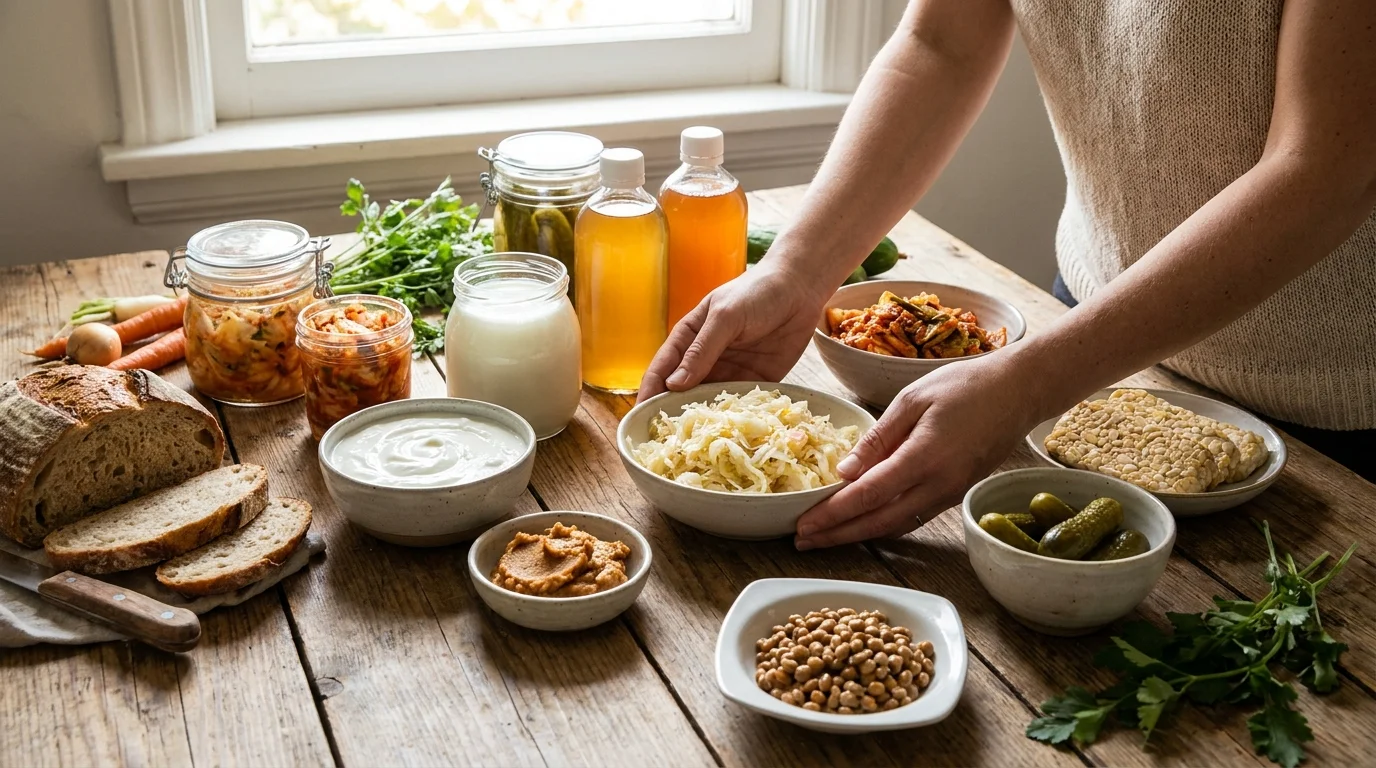
Ten Potent Fermented Foods to Elevate Your Diet

1. Tangy and Probiotic-Rich Kefir
Kefir serves as a potent fermented milk drink resembling thin yogurt, but it packs a significantly more diverse probiotic profile. Symbiotic colonies of yeast and lactic acid bacteria culture this beverage, delivering millions of beneficial microbes per serving. You can easily pour it over your morning oatmeal or blend it into a fruit smoothie to balance its natural tartness. Many individuals who experience mild lactose intolerance find they tolerate kefir perfectly well, as the active fermentation process consumes most of the disruptive milk sugars.

2. Traditional Fermented Sauerkraut
Traditional sauerkraut requires only three elements: raw cabbage, salt, and time. Lactic acid bacteria naturally present on cabbage leaves facilitate the entire fermentation process, creating a crisp, sour condiment bursting with probiotics and dietary fiber. You must look exclusively for unpasteurized varieties located in the refrigerated section of the grocery store, as the thermal canning process completely destroys the beneficial heat-sensitive bacteria. Adding a generous forkful of raw sauerkraut to your salads or savory sandwiches introduces a bold crunch along with a massive dose of digestive support.
3. Nutrient-Dense Tempeh
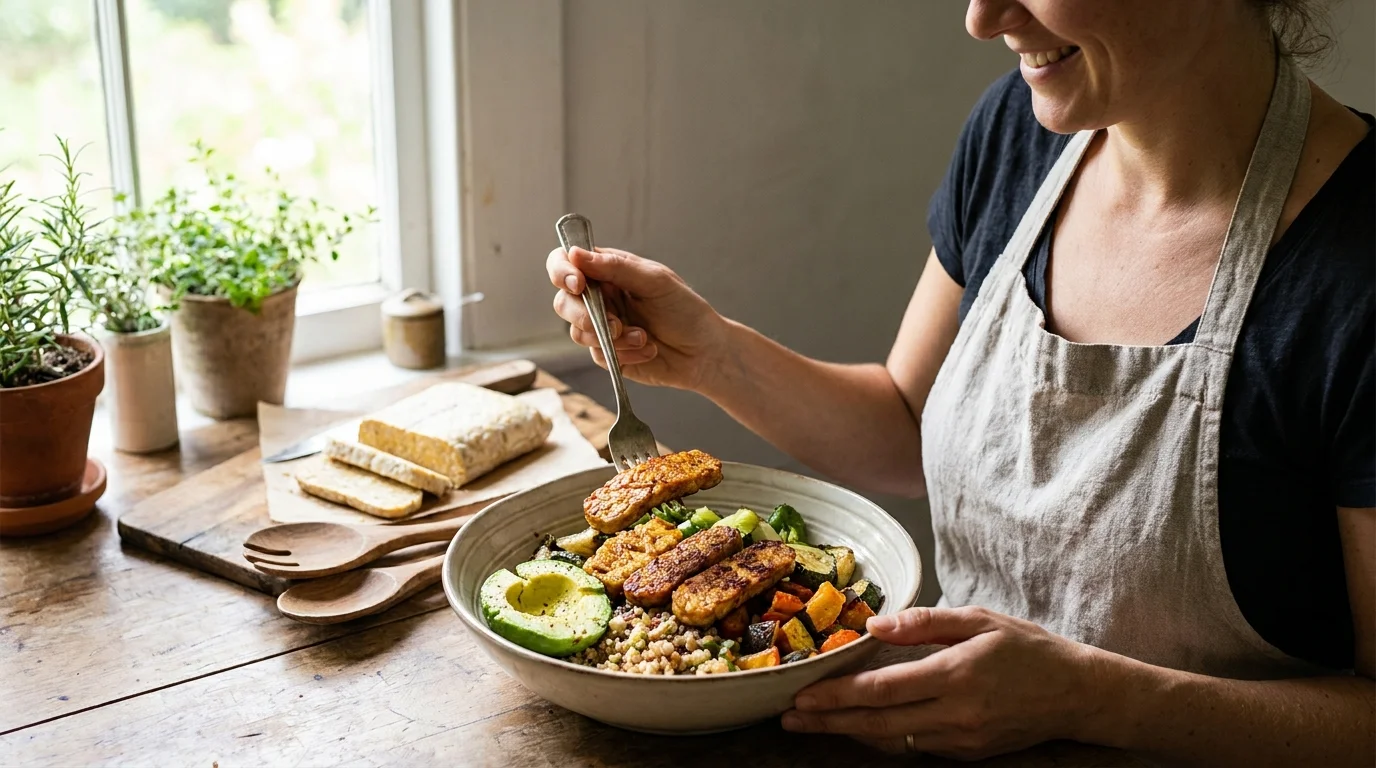
Tempeh provides a phenomenal plant-based protein source. Traditional Indonesian methods bind whole soybeans into a firm, earthy cake using a specific mold called Rhizopus oligosporus. This firm texture absorbs marinades beautifully and holds up exceptionally well to pan-frying or baking. Unlike unfermented tofu, tempeh retains the entire soybean, meaning you benefit directly from incredibly high amounts of dietary fiber. The fermentation significantly reduces the phytic acid content of the beans, allowing your digestive system to easily absorb the abundant plant-based iron and calcium.
4. Spicy and Complex Kimchi
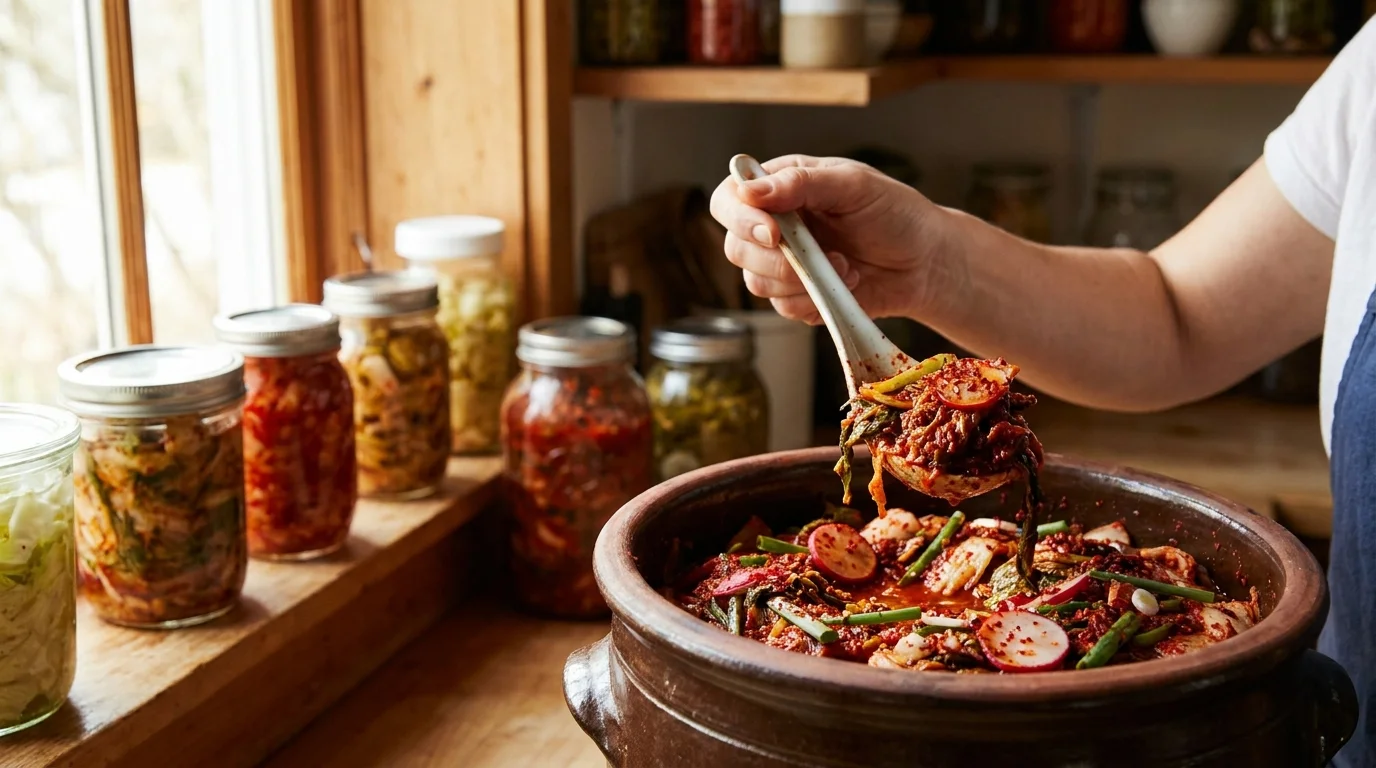
A beloved staple of Korean culinary tradition, kimchi combines napa cabbage, radishes, garlic, ginger, and spicy chili peppers into a profoundly flavorful fermented side dish. The robust spices work synergistically with the fermentation bacteria to produce unique bioactive compounds that actively support your cardiovascular health. Clinical research indicates that incorporating authentic kimchi into your weekly meals helps regulate serum cholesterol levels and reduces cellular oxidative stress. You can serve it alongside scrambled eggs, fold it into fried rice, or enjoy it straight from the jar.
5. Soothing and Savory Miso
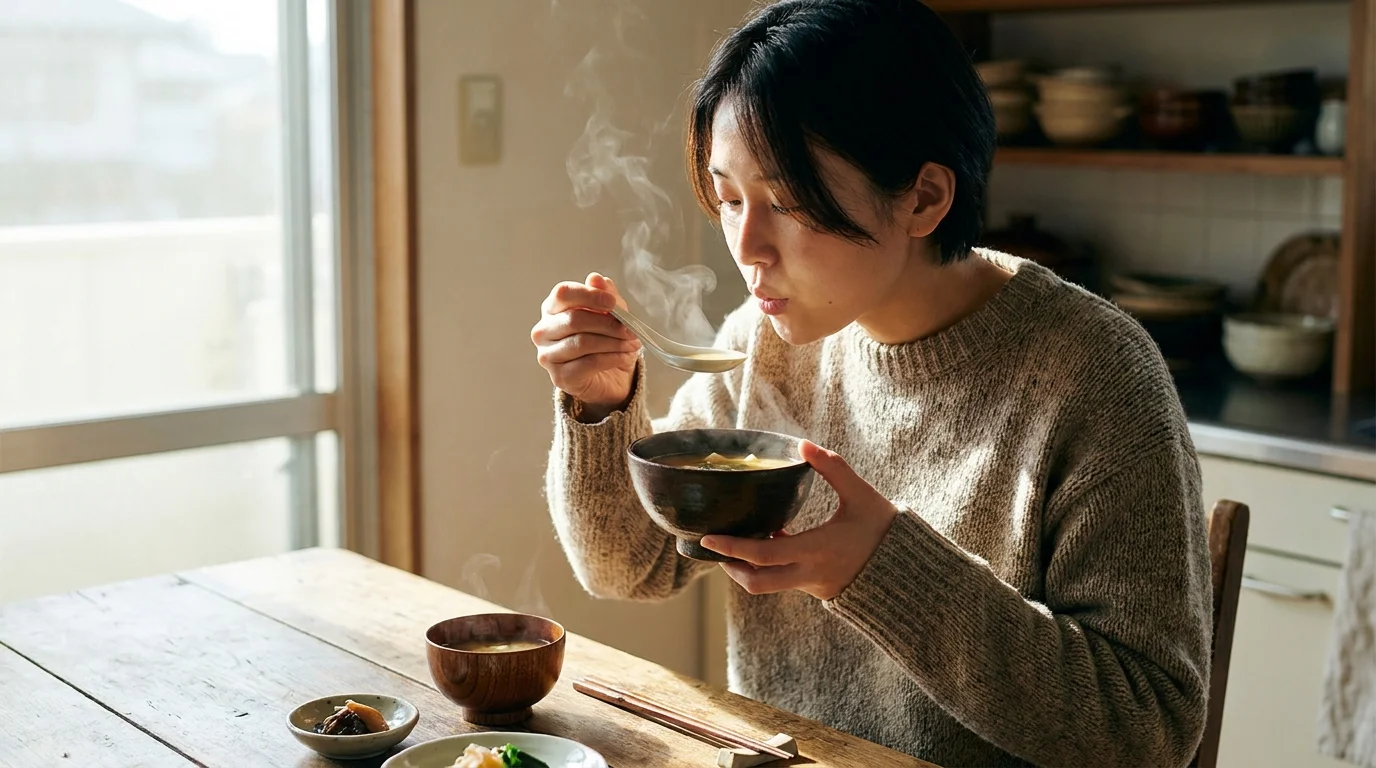
Artisans create miso paste by fermenting whole soybeans with sea salt and koji, a specialized fungus used widely across Japanese cuisine. This thick, complex paste delivers a powerful umami flavor that elevates simple soups, salad dressings, and meat marinades. Because boiling water completely annihilates the delicate live cultures, you should always stir miso into your culinary dishes only after you remove them from the direct heat. Regular consumption introduces beneficial Aspergillus oryzae bacteria to your gut, which experts strongly associate with enhanced nutrient metabolism.

6. Effervescent Kombucha
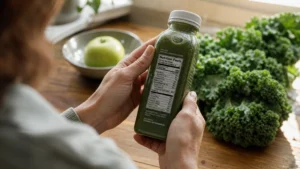
A symbiotic culture of bacteria and yeast, commonly known as a SCOBY, ferments lightly sweetened green or black tea to create kombucha. This pleasantly effervescent beverage offers a fantastic, gut-friendly alternative to sugary sodas while delivering beneficial organic acids, B vitamins, and a gentle daily dose of probiotics. When selecting a commercial kombucha, you must carefully check the nutrition label for unnecessary added sugars. Choosing varieties containing fewer than five grams of sugar per serving ensures you reap the digestive rewards without spiking your blood glucose.
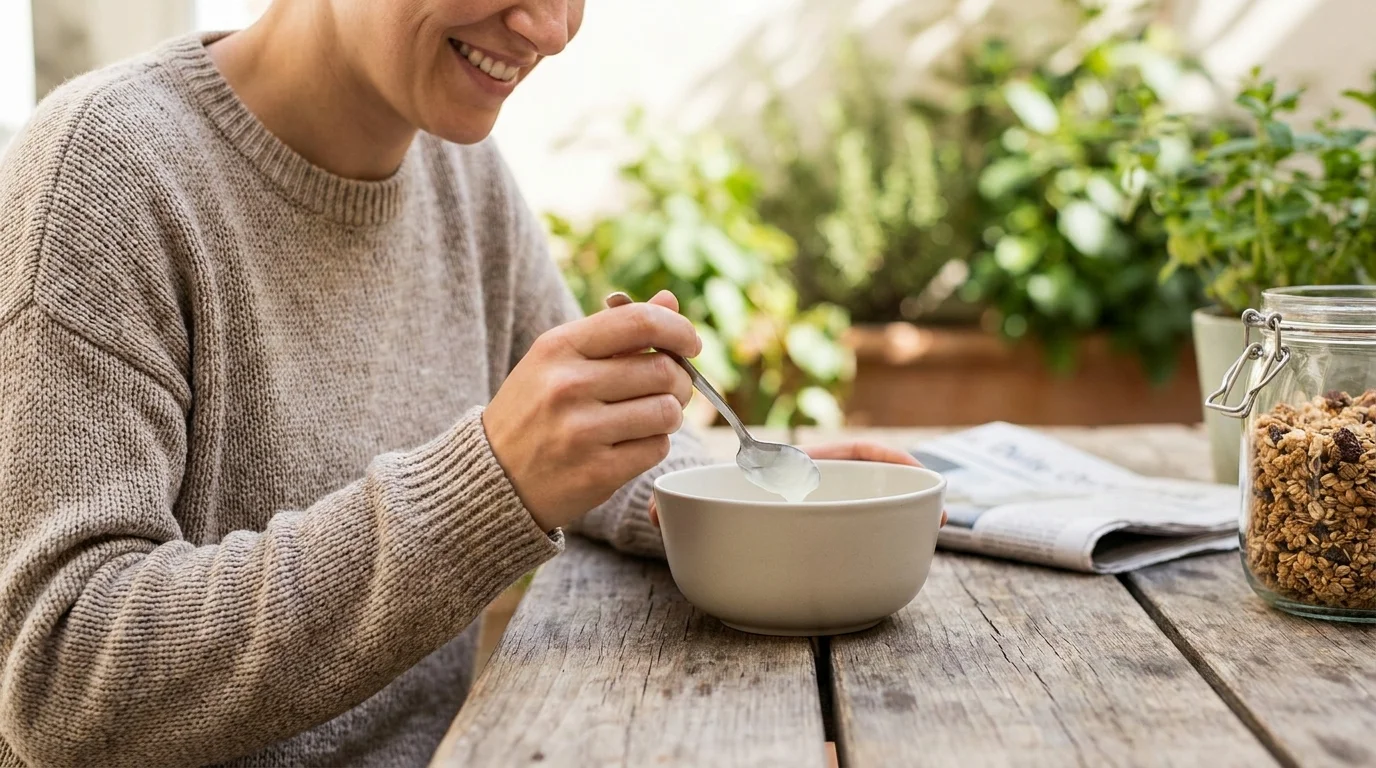
7. Live Active Yogurt
Although it represents one of the most familiar fermented foods globally, yogurt demands careful selection to ensure it actually benefits your delicate digestive tract. You must seek out products specifically labeled as containing live and active cultures, such as Lactobacillus bulgaricus. Greek and Icelandic yogurts provide the added physiological benefit of a very high protein yield, which actively helps stabilize your energy levels throughout the afternoon. Opting for plain, unsweetened varieties allows you to fully control the sugar content by adding fresh berries.
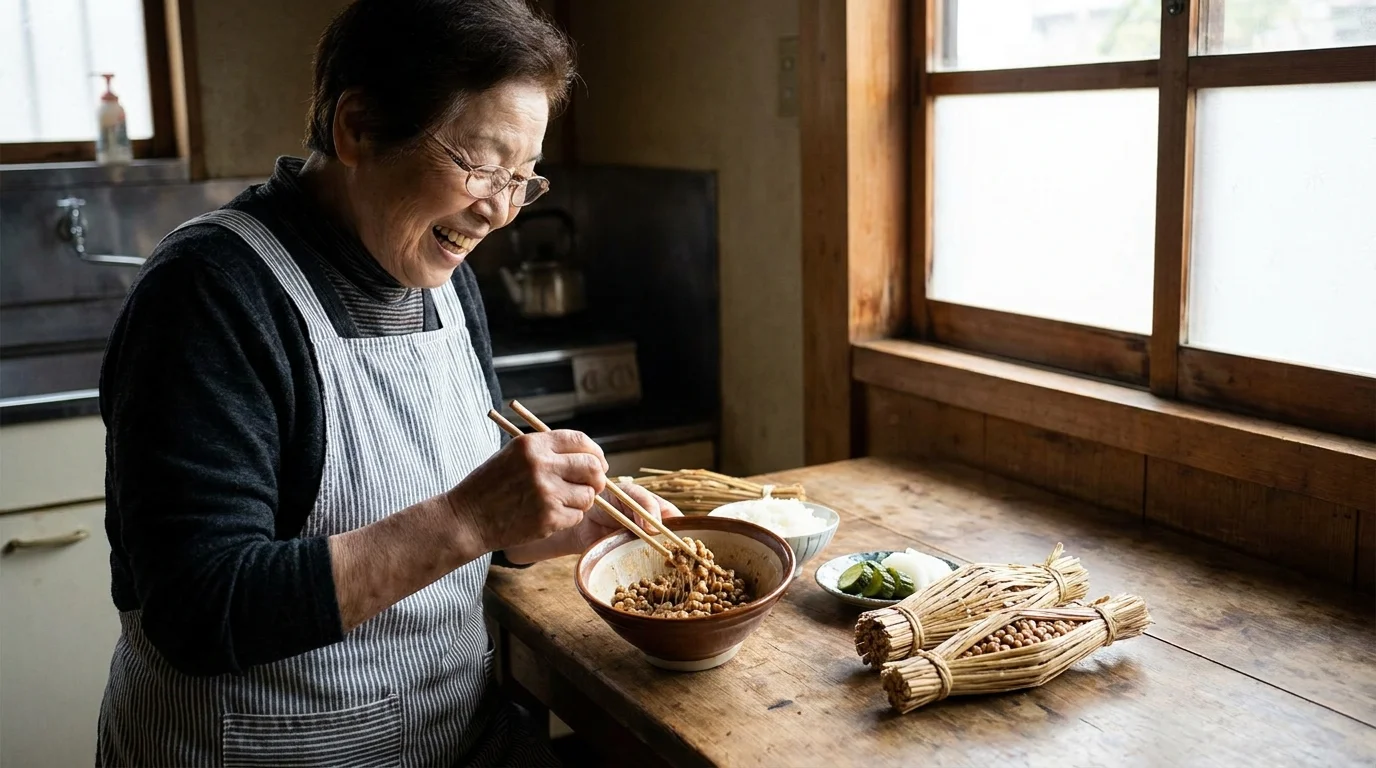
8. Traditional Japanese Natto
Traditional Japanese culinary practices create natto by fermenting whole, cooked soybeans with the robust Bacillus subtilis bacteria. This historically polarizing dish boasts unparalleled levels of vitamin K2, a crucial nutrient required for optimal bone density and cardiovascular function. The specific bacteria in natto naturally produce nattokinase, a powerful enzyme that actively supports healthy blood circulation. You can easily temper its distinctively pungent aroma and sticky, stringy texture by aggressively mixing it with a splash of soy sauce and chopped green onions before eating.
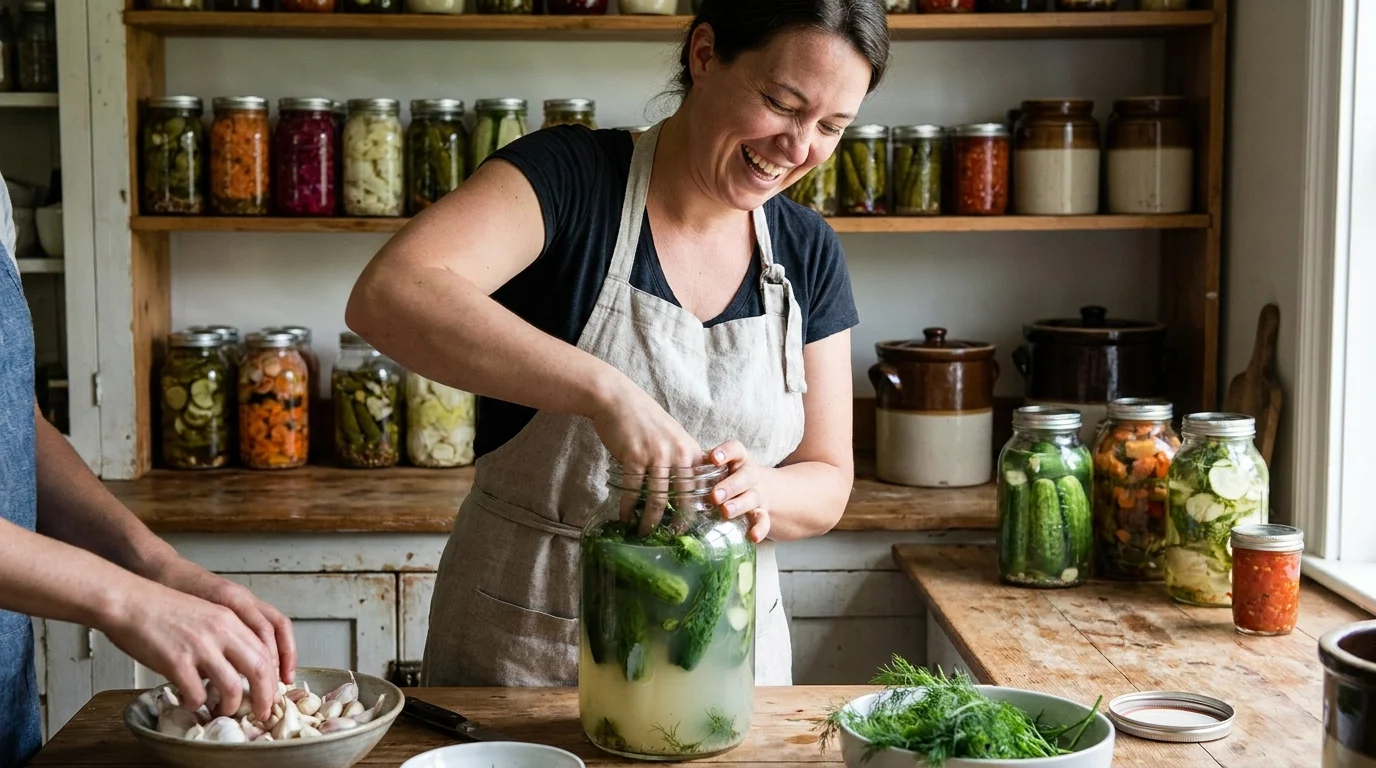
9. Naturally Fermented Pickles
Most standard grocery store pickles sit lazily in a sterile bath of distilled vinegar and offer absolutely zero probiotic benefits to your body. To genuinely support your gut health, you need naturally fermented pickles; authentic producers rely solely on cucumbers, water, sea salt, and naturally occurring lactic acid bacteria to create these crisp treats. You will easily spot authentic fermented pickles because they strictly require refrigeration to pause the active fermentation process. Simply check the cooler section of your local health food store.
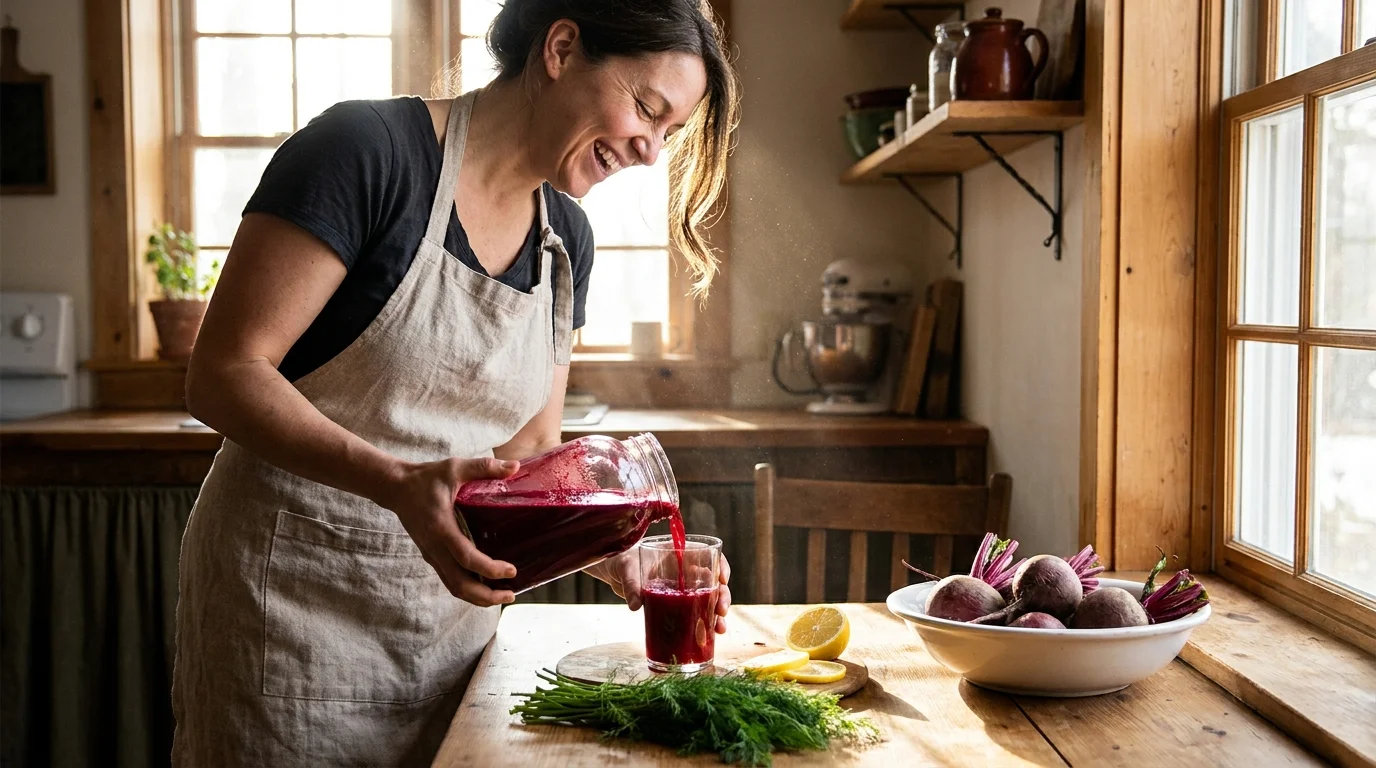
10. Refreshing Beet Kvass
Eastern European traditions utilize raw, chopped beets and a simple saltwater brine to ferment a deep crimson beverage known as beet kvass. This earthy tonic provides an extraordinary biological combination of liver-supporting betaine, readily available iron, and diverse strains of lactic acid bacteria. Drinking just a few ounces of beet kvass daily introduces powerful circulating antioxidants into your bloodstream while simultaneously populating your lower intestine with the precise microbes your body requires for optimal nutrient extraction and waste elimination.
Strategic Pillars for a Microbiome-Friendly Diet

Proactive and Intentional Meal Planning
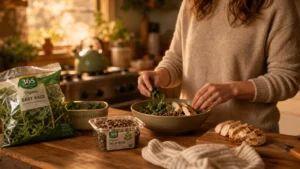
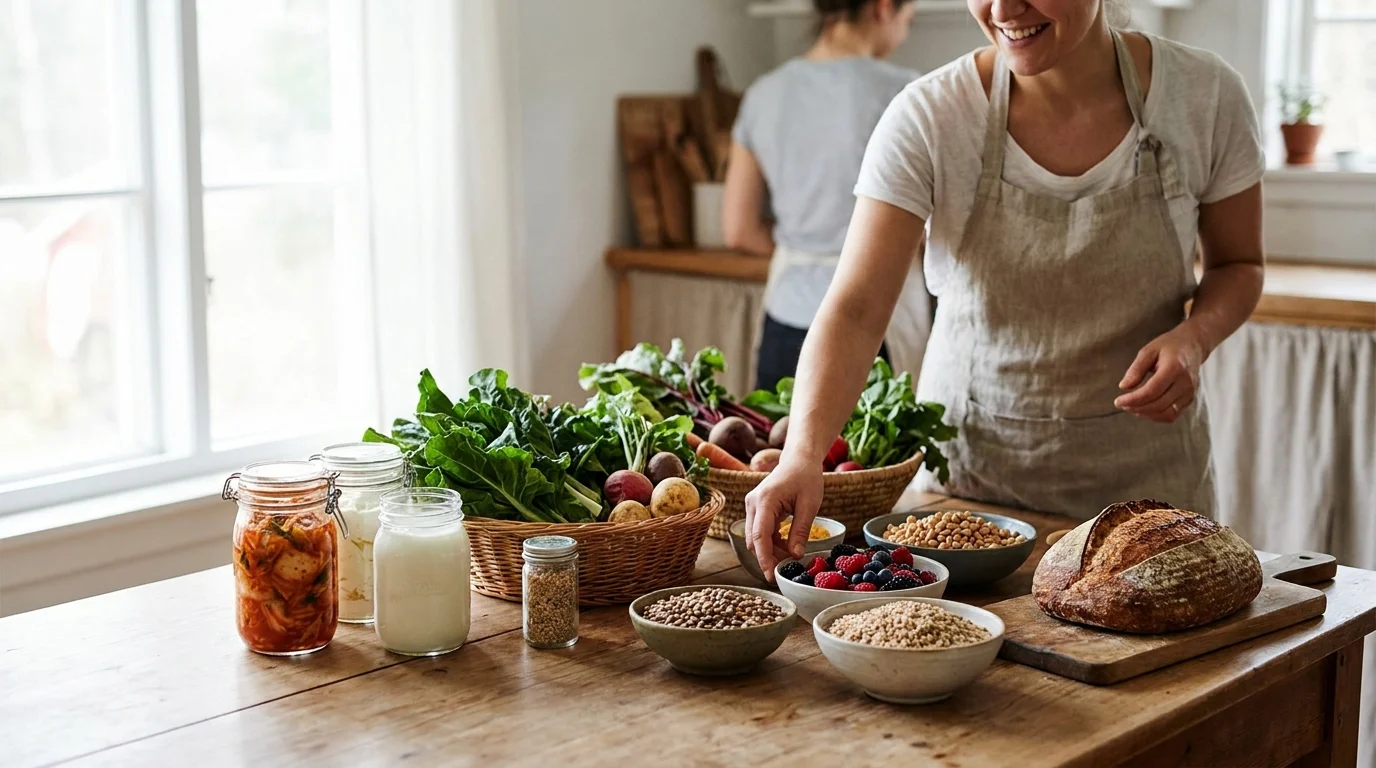
Integrating living, fermented foods into your standard diet requires clear intention rather than spontaneous, last-minute grocery store decisions. You should evaluate your upcoming weekly menu to identify highly natural entry points for these culture-rich culinary additions. If you frequently eat mixed green salads for lunch, you can easily plan to incorporate a generous scoop of raw sauerkraut or kimchi directly into your bowl. By systematically plotting out these minor dietary additions ahead of time, you ensure that you maintain a consistent, steady intake of probiotics. Consistency remains the absolute most critical factor in permanently altering the long-term composition of your gut microbiome.
A Focused Approach to Synergistic Nutrients
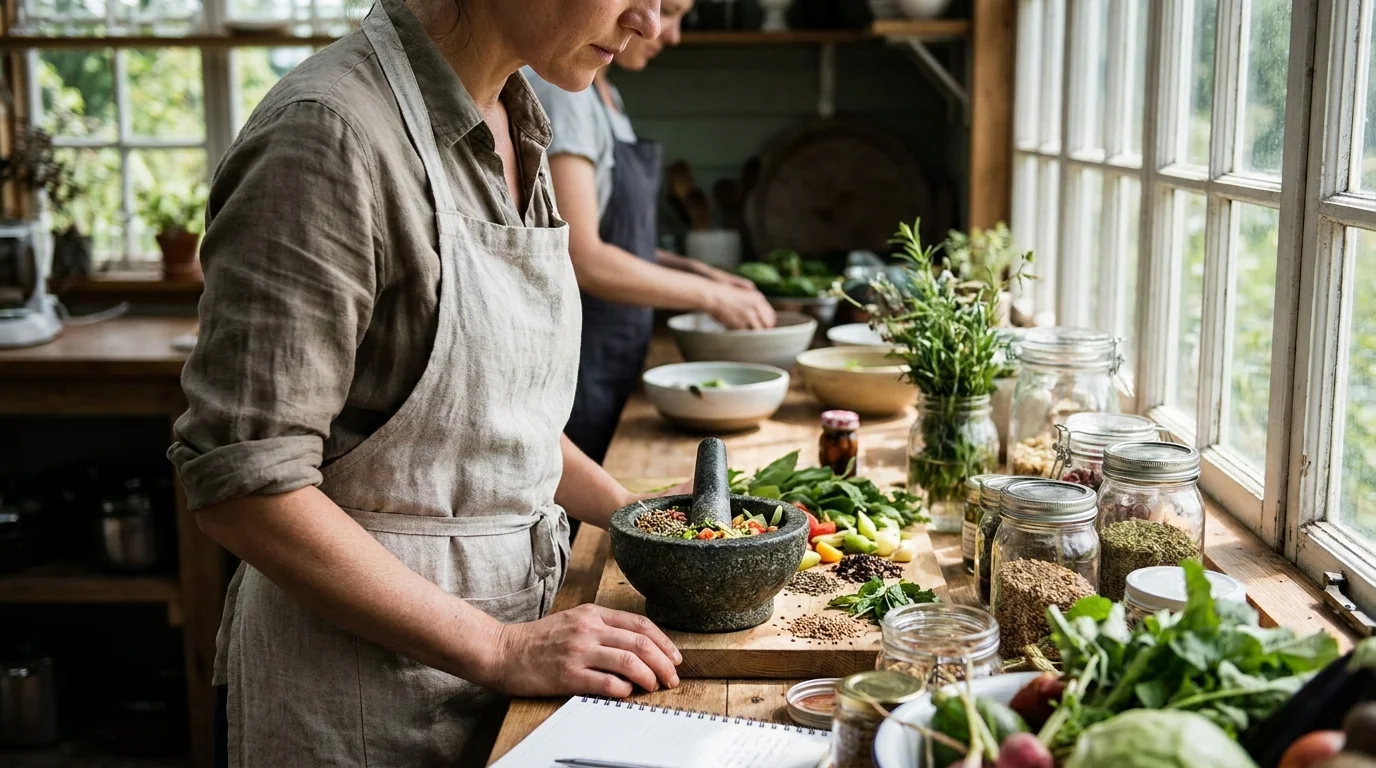
Fermented foods perform optimally when you deliberately supply your beneficial gut bacteria with the specific fibrous fuel they need to survive and multiply. This required fuel comes directly from prebiotics—specialized, indigestible dietary fibers found abundantly in raw garlic, onions, asparagus, and underripe bananas. Your nutritional focus should extend far beyond simply eating probiotics; you must consciously pair them with prebiotic-rich whole ingredients. For example, tossing fermented tempeh with a generous amount of fresh garlic and roasted broccoli creates a highly synergistic meal. This thoughtful pairing introduces novel bacteria while simultaneously feeding the existing beneficial colonies already residing in your digestive tract.

Building Sustainable Dietary Habits
Radically overhauling your entire diet overnight almost always leads to severe digestive distress and the ultimate abandonment of your ambitious health goals. You consistently achieve the most significant bodily transformations by forming small, highly sustainable daily habits. Start your journey by committing to just one single serving of a fermented food each day. You might replace your standard afternoon energy drink with a low-sugar kombucha or swap your morning processed cereal for a bowl of plain, unsweetened kefir. Once this single dietary swap feels entirely routine, you can confidently introduce a second daily serving without overwhelming your gastrointestinal tract.

Expert Perspectives and Clinical Insights
Dietitians and leading gastroenterologists consistently advocate for a food-first approach to microbiome management rather than relying solely on encapsulated, expensive probiotic supplements. The Academy of Nutrition and Dietetics strongly emphasizes that acquiring your necessary nutrients directly from whole foods naturally regulates your caloric intake and provides highly complementary vitamins. While manufactured pills deliver isolated strains of bacteria, fermented foods provide a vastly complex matrix of beneficial organic acids, postbiotics, and digestive enzymes. The American Gastroenterological Association notes that continuously diversifying your microbial intake represents one of the most effective known strategies for building long-term gut resilience. Clinicians routinely observe that patients who transition away from highly processed Western diets toward menus rich in traditional fermented foods report rapid, noticeable improvements in their digestive regularity and daily cognitive clarity. Community members often describe a profound reduction in afternoon brain fog and a newfound physical resilience against common seasonal illnesses.

Safety Protocols and Biological Personalization
While fermented foods offer incredible, scientifically validated health benefits, you must approach them with a clear understanding of your unique biological constraints. Individuals formally diagnosed with histamine intolerance often experience severe headaches, uncomfortable hives, or a rapid heart rate when consuming aged or fermented products, as the natural fermentation process inherently generates high levels of dietary histamines. If you actively suspect you possess a histamine sensitivity, you must consult your primary healthcare provider before introducing kimchi, sauerkraut, or kefir into your daily routine. Furthermore, people currently living with severely compromised immune systems should explicitly speak with their treating oncologist before consuming any unpasteurized live cultures. The Centers for Disease Control and Prevention advises that basic food safety always remains paramount; you must ensure your fermented foods are prepared in strictly sanitary conditions and stored at the correct temperatures. For the general healthy population, the most common mild side effect of introducing beneficial microbes is temporary abdominal bloating. You mitigate this minor discomfort by starting with a single tablespoon of a cultured food per day.
Frequently Asked Questions About Gut Health
Can heating fermented foods destroy their beneficial properties?
Yes, subjecting delicate live cultures to high culinary heat completely eradicates the beneficial bacteria. To successfully preserve the active probiotics in foods like miso, sauerkraut, and kimchi, you must add them to your hot meals only after the primary cooking process finishes, or simply serve them cold on the side. While thoroughly cooking tempeh does eliminate the live mold cultures, you still benefit immensely from the high fiber and predigested protein.
How long does it take to see improvements in my digestion?
Your dynamic gut microbiome responds very rapidly to daily dietary changes. Many people notice significantly improved digestion and substantially reduced bloating within the first two weeks of consistent probiotic consumption. However, establishing a permanent, highly resilient microbial community requires a long-term dietary commitment. You must continue eating these foods regularly to maintain the bacterial population, as completely stopping your intake causes your microbiome to gradually revert to its previous baseline state.
Are all pickled vegetables considered fermented?
Absolutely not, and this critical distinction remains a very common point of confusion for shoppers. Most commercially available pickles or jarred olives are quickly brined in heated vinegar and pasteurized, a manufacturing process that extends shelf life but permanently kills all potential probiotics. You must specifically seek out premium products explicitly labeled as “naturally fermented” or “unpasteurized” in the refrigerated section to ensure you actually purchase a genuinely probiotic food.
Is it safe to eat multiple types of fermented foods in a single day?
Consuming a wide variety of fermented foods is highly encouraged because different cultured foods contain entirely different strains of beneficial microbes. Microbial diversity remains the ultimate hallmark of a truly healthy gut. However, if your digestive system currently remains unaccustomed to this intense level of probiotic activity, eating kefir, kimchi, and kombucha on the exact same day might cause temporary gastrointestinal distress. Build up your personal tolerance gradually over several weeks.
Your Immediate Next Steps for a Thriving Microbiome
Understanding the profound biological impact of fermented foods fully equips you with the practical knowledge necessary to radically transform your digestive health. Your exciting journey toward a highly fortified immune system and incredibly efficient digestion simply demands a genuine willingness to experiment with ancient, proven culinary traditions. Take a brief moment right now to evaluate your upcoming weekly meals and identify one very small opportunity to introduce a living, cultured food into your daily routine. Commit to visiting the refrigerated section of your local grocery store within the next 24 hours to select a high-quality kefir or a vibrant jar of unpasteurized sauerkraut. Your gut microbiome eagerly awaits the nourishment, and your physical body will quickly reward you for taking this proactive step.