Navigating the grocery aisles today often feels like visiting a high-end boutique, as everyday staples transform into premium luxury items. You can master your food budget while maintaining exceptional nutrition by understanding exactly which affordable ingredients have skyrocketed in price and learning strategic swaps to counteract food inflation. Recent economic pressures and climate impacts have pushed staples like eggs, olive oil, and certain cuts of meat from humble beginnings into the luxury category. Rather than sacrificing your dietary goals, you can adapt your grocery shopping trends through targeted meal planning and nutrient-focused habits. Discover how you can maintain a health-conscious lifestyle without breaking the bank by making smart substitutions that protect both your wallet and your wellness.

The Everyday Staples Reaching Luxury Status
Grocery shopping requires a sharper eye than ever before. You might find yourself staring at a receipt and wondering how a few bags of basic groceries managed to cost as much as a fancy dinner out. Understanding the specific foods driving these costs helps you adjust your shopping strategy without compromising your health or the flavor of your favorite meals.
The Incredible, Unaffordable Egg
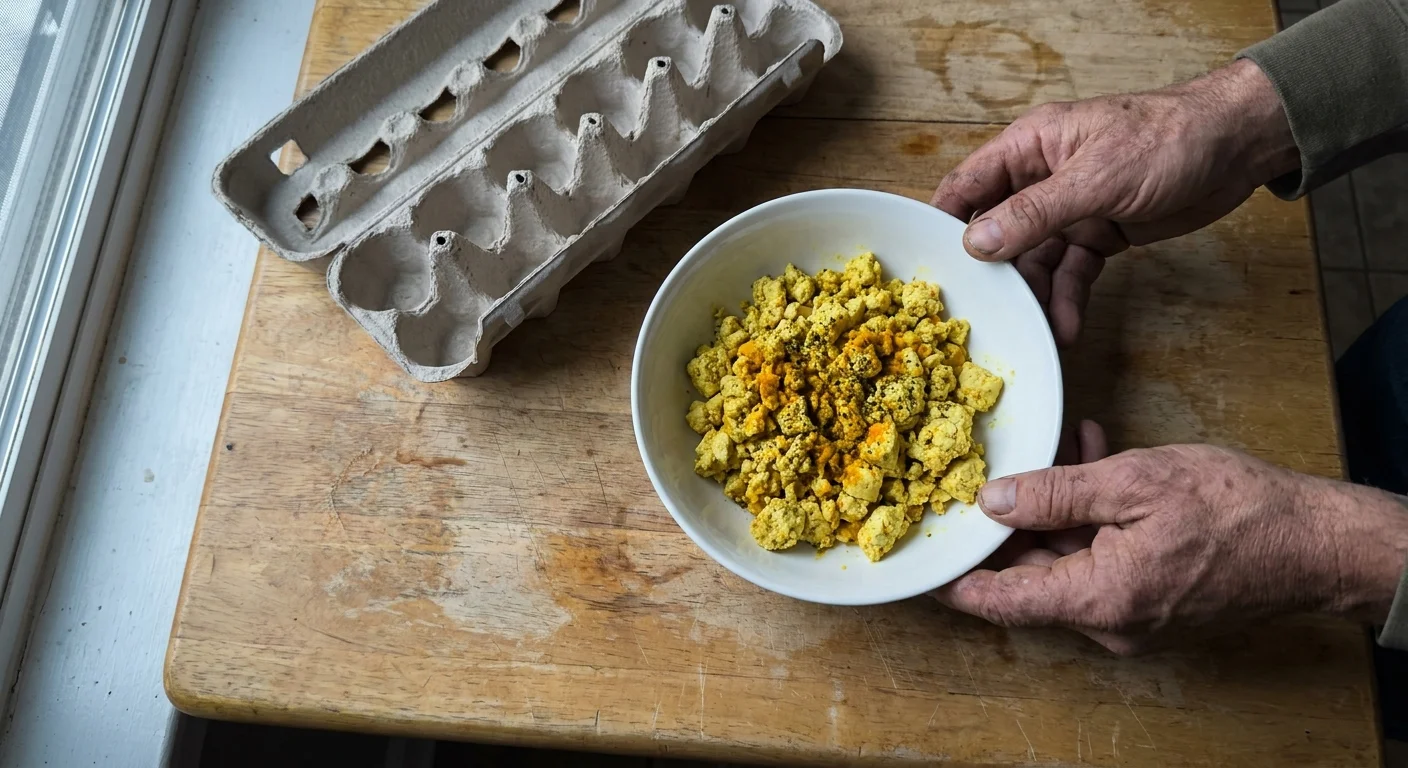
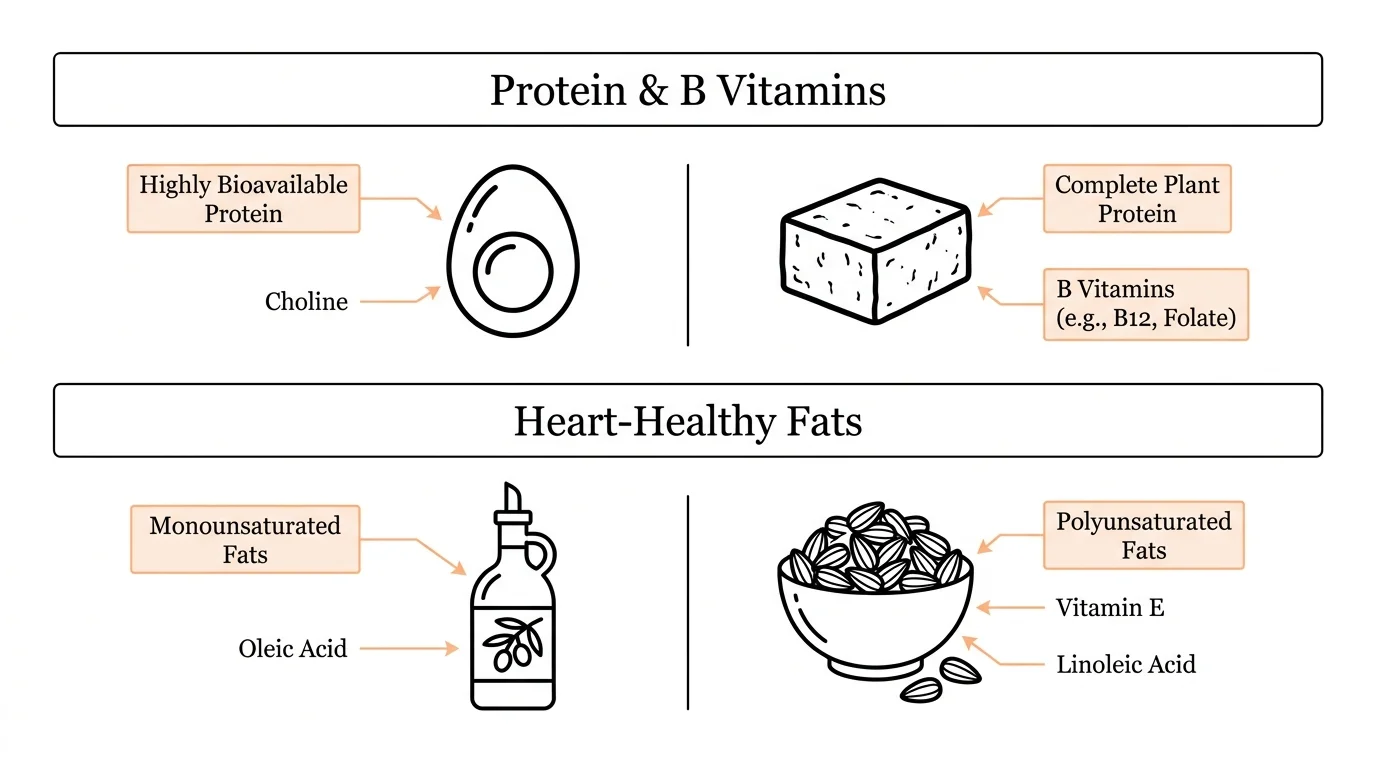
Not long ago, a carton of eggs represented the ultimate budget-friendly protein source. You could rely on them for cheap breakfasts, quick baking solutions, and emergency dinners. However, recurrent outbreaks of avian influenza tracked by the Centers for Disease Control and Prevention have decimated poultry flocks globally, driving prices to historic highs. Eggs provide essential choline—a vital nutrient for brain health—and highly bioavailable protein; however, you can easily replicate these nutritional benefits without the premium price tag. By incorporating scrambled firm tofu seasoned with turmeric, or adding fortified nutritional yeast into your morning routine, you secure comparable high-quality protein and B vitamins while stabilizing your grocery budget.
Olive Oil Transforms Into Liquid Gold
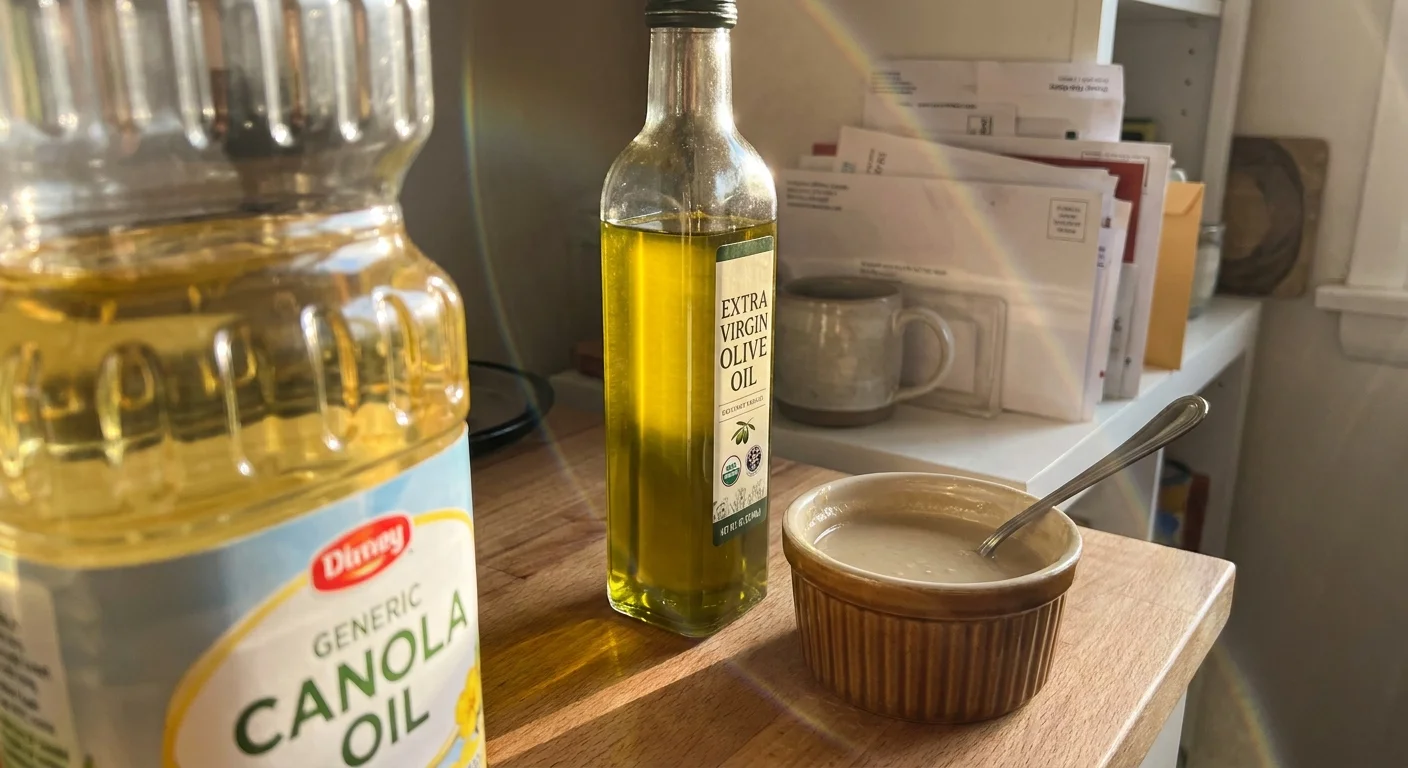
Dietitians have long praised extra virgin olive oil as the unshakeable cornerstone of the Mediterranean diet. Unfortunately, severe droughts and extreme heatwaves across Spain and Italy have severely crippled global olive harvests. The resulting scarcity has pushed this once-standard healthy fat squarely into luxury territory. While olive oil boasts impressive amounts of heart-healthy monounsaturated fats and polyphenols, you can achieve similar cardiovascular benefits by exploring more affordable options. Cooking with canola oil or standard sunflower oil provides excellent monounsaturated fats at a fraction of the cost. For cold applications like salad dressings, small amounts of tahini or blended seeds can provide that rich mouthfeel without requiring a fifty-dollar bottle of imported oil.
Flank and Skirt Steaks Lose Their Budget Appeal
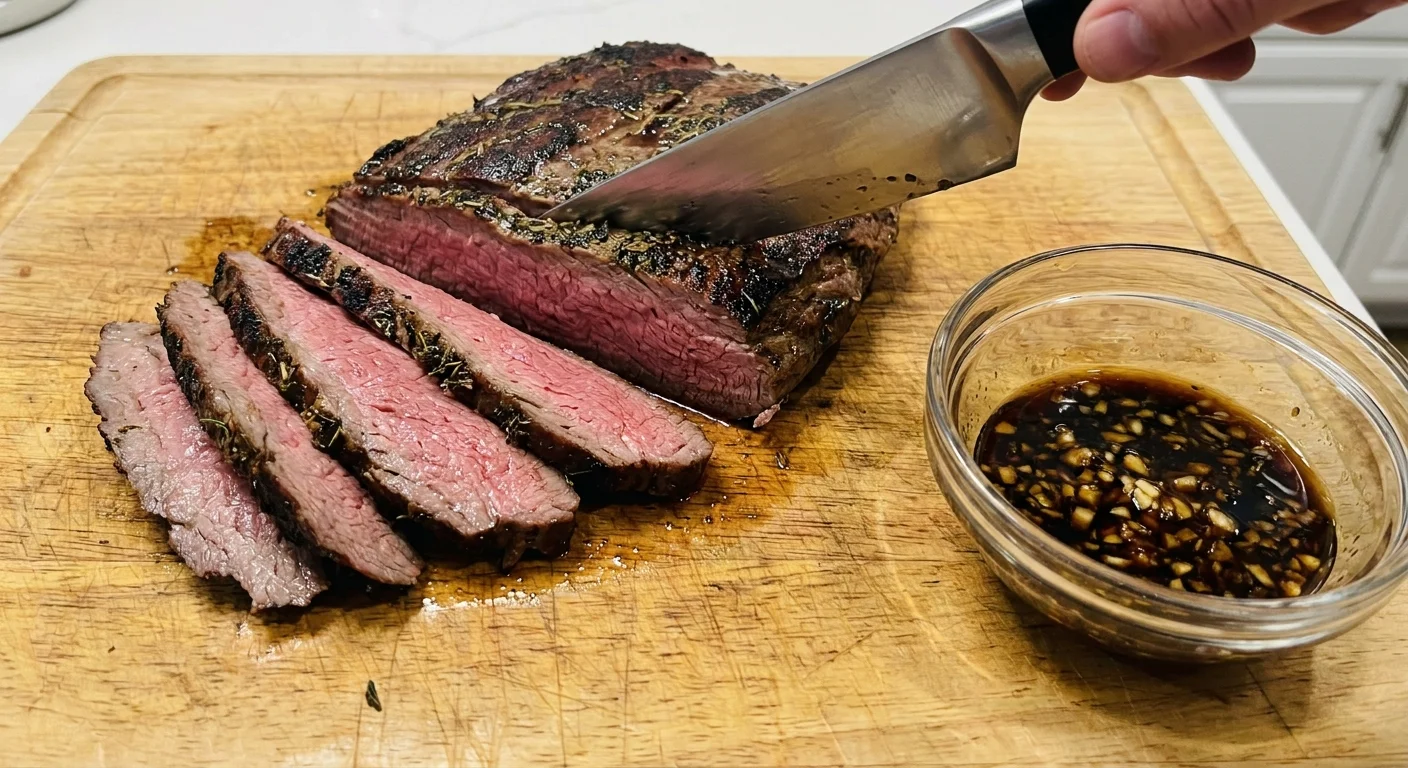
Decades ago, butchers considered cuts like flank and skirt steak less desirable, pricing them accordingly for budget-conscious families making fajitas, stir-fries, and stews. As culinary trends popularized these tough but flavorful cuts and marinades became more sophisticated, consumer demand soared. Now, these cuts often rival premium ribeyes in price per pound. These meats provide exceptional bioavailable iron, zinc, and vitamin B12. To keep your essential mineral intake robust without draining your bank account, consider rotating chicken thighs or iron-fortified plant proteins into your weekly dinners. If you crave red meat, ground turkey mixed with a splash of reduced-sodium soy sauce provides a deeply savory, iron-rich alternative for taco nights.

Butter Faces Dairy Supply Pressures
Baking enthusiasts and home cooks alike have watched butter prices creep steadily upward over the past several years. Rising costs for cattle feed, transportation overhead, and labor shortages within the dairy industry have compounded, effectively ending the era of cheap butter. While butter adds undeniable richness to recipes and contains fat-soluble vitamins, its high saturated fat content means moderating your intake benefits both your heart and your wallet. You can successfully substitute mashed avocado, plain Greek yogurt, or unsweetened applesauce in many baked goods. These swaps dramatically reduce your baking costs while simultaneously boosting the dietary fiber and lean protein content of your homemade treats.

Cocoa Becomes a Premium Indulgence
Your favorite dark chocolate bar might soon become a carefully budgeted occasional splurge rather than a daily habit. Complex climate challenges, prolonged droughts, and crop diseases in West Africa—where the vast majority of the world’s cocoa is grown—have severely limited the global cocoa supply. Cocoa is famous for its dense concentration of antioxidant flavanols, which promote healthy blood flow. If raw cocoa powder or high-percentage dark chocolate strains your budget, you can source powerful antioxidants from seasonal dark berries, purple cabbage, or even by incorporating warming spices like cinnamon and nutmeg to add incredible depth to your desserts without relying entirely on chocolate.
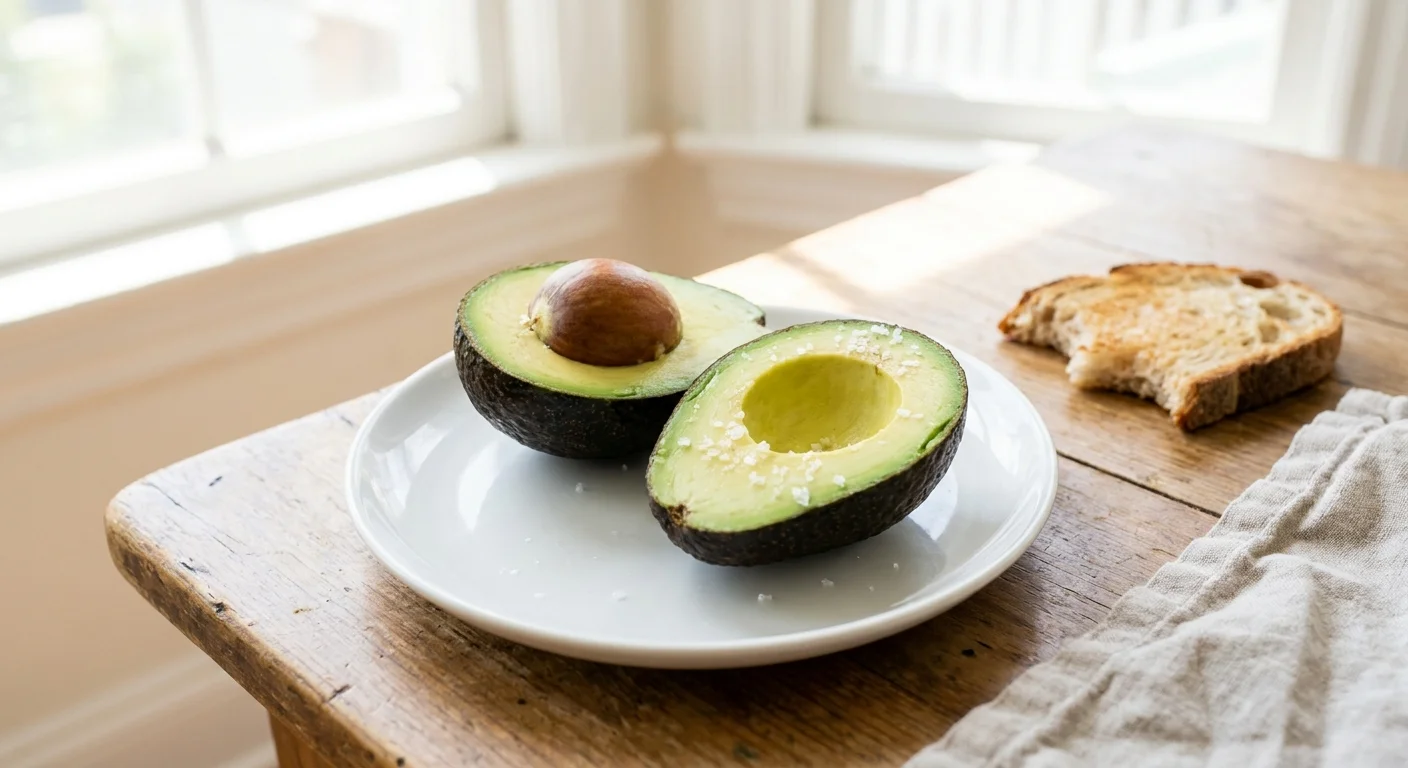
Avocados Ride the Global Demand Wave
The cultural rise of avocado toast transformed a regional specialty into an unstoppable global phenomenon. This explosive international demand, combined with complex, water-intensive agricultural requirements and supply chain logistics, makes avocados a notably pricey addition to your grocery cart. They offer a fantastic combination of dietary fiber and monounsaturated fats that help your body absorb fat-soluble vitamins. You can achieve a remarkably similar creamy texture and healthy fat profile by pureeing green peas with a dash of lime juice, or mashing edamame with a tiny drizzle of sesame oil as a vibrant, budget-friendly sandwich spread.

Orange Juice Feels the Citrus Squeeze
A morning glass of orange juice used to be a cheap, non-negotiable staple in millions of households. Devastating bacterial infections known as citrus greening have completely ravaged orange groves across major growing regions, drastically reducing yields and sending juice prices skyrocketing. Oranges are celebrated for their immune-supporting vitamin C content, which is crucial for collagen synthesis. Fortunately, you can easily meet your daily vitamin C requirement by eating freshly chopped bell peppers, strawberries, or broccoli—all of which frequently cost less per serving than commercial, high-sugar orange juice.
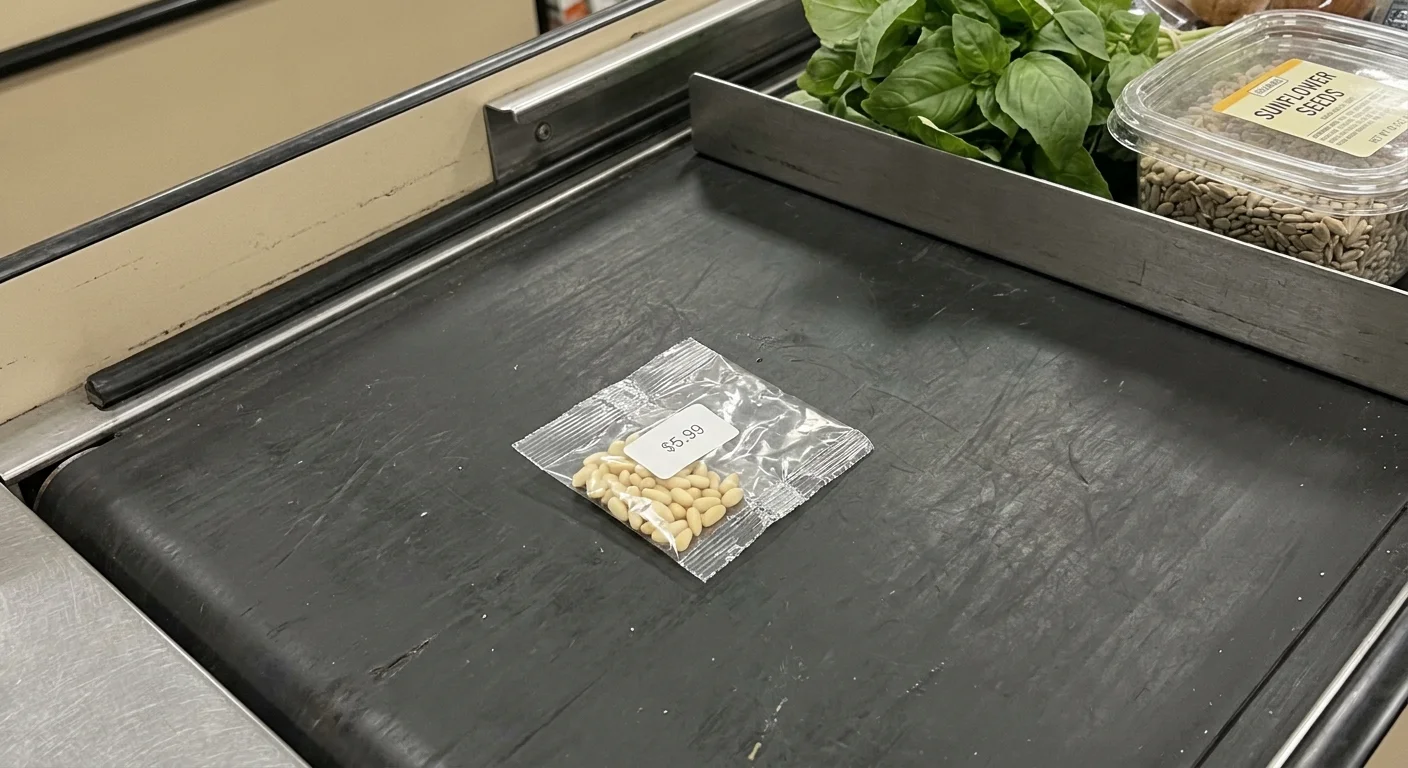
Pine Nuts Price Home Cooks Out of Pesto
Authentic basil pesto relies heavily on pine nuts, but their incredibly labor-intensive harvesting process—requiring up to eighteen months for pine cones to ripen—means they have always leaned toward the expensive side. Recent global supply disruptions have pushed them entirely out of reach for everyday home cooks. Pine nuts offer excellent amounts of magnesium and vitamin E. You can create an equally delicious and nutritionally equivalent pesto by substituting toasted walnuts, sunflower seeds, or even blanched almonds. This straightforward swap saves substantial money while retaining the heart-healthy fats and essential minerals required for a balanced diet.

The Science Snapshot Behind Surging Food Prices
The volatile nature of your grocery bill is not a random occurrence; it directly stems from a complex web of environmental and macroeconomic factors. Climate change has drastically altered growing seasons globally, creating unpredictable drought patterns and unseasonal frosts that directly decimate crop yields. When you combine these environmental stressors with global supply chain disruptions, soaring fertilizer costs, and rising transportation overhead, you get a perfect storm for sustained food inflation.
According to extensive economic data and peer-reviewed nutritional research, sustained increases in fresh food prices often force consumers to abandon nutrient-dense whole foods in favor of cheaper, ultra-processed alternatives. This economic pressure compromises overall diet quality, reduces fiber intake, and exacerbates metabolic health risks. Understanding these systemic agricultural issues empowers you to remain vigilant. By recognizing that price increases reflect global supply chain challenges rather than a decrease in a food’s nutritional necessity, you can strategically pivot your diet without sacrificing the essential vitamins and minerals your body demands.
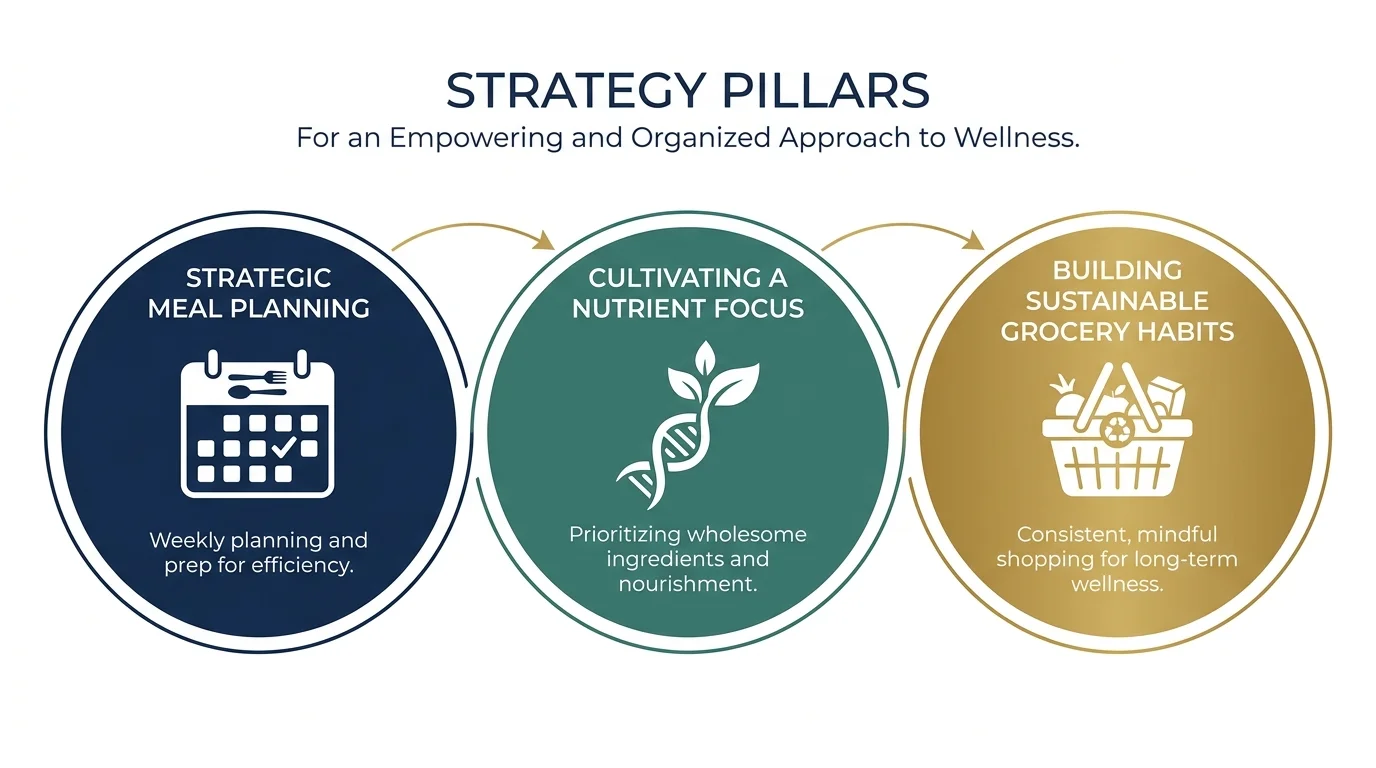
Strategy Pillars to Navigate Food Inflation
You do not have to accept defeat at the checkout counter. By implementing targeted, evidence-based strategies, you can maintain a vibrant, health-promoting diet while keeping your household budget firmly under control. These three foundational pillars will guide your approach to modern, cost-effective grocery shopping.
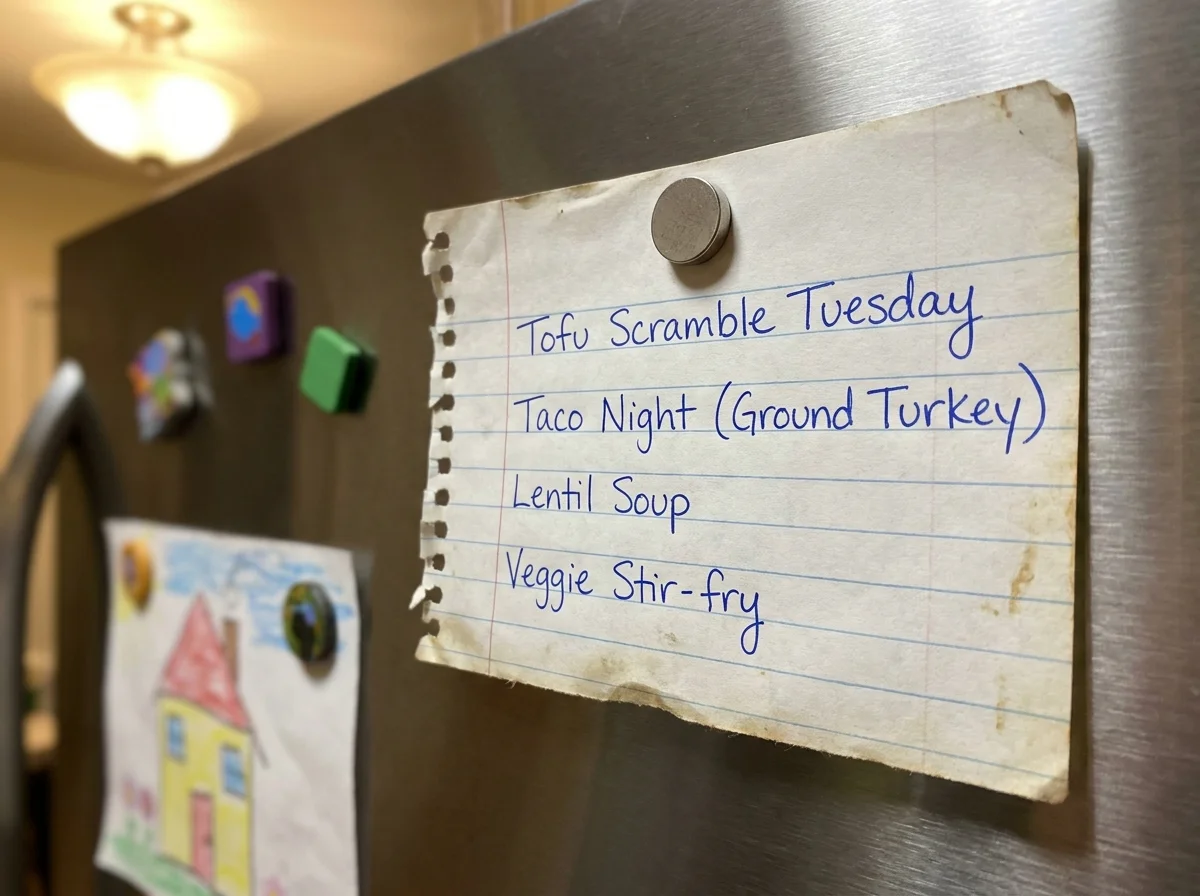
Pillar One: Strategic Meal Planning
The days of wandering the aisles and tossing items into your cart on a whim are officially over. Strategic meal planning anchors your entire food budget. Begin by conducting a thorough, honest inventory of your pantry, refrigerator, and deep freezer before writing a single item on your shopping list. Design your upcoming weekly meals around the ingredients you already possess. Embrace the power of batch cooking—preparing large quantities of versatile, inexpensive foundational foods like brown rice, roasted root vegetables, or stewed lentils. This proactive approach minimizes food waste, which is essentially throwing away hard-earned money, and ensures you always have the healthy building blocks of a meal ready to assemble after a long workday.
Pillar Two: Cultivating a Nutrient Focus
Instead of fixating on specific recipes that require expensive, out-of-season ingredients, train yourself to focus on the underlying nutrients those ingredients provide. If a recipe calls for expensive fresh spinach but you only need the dietary iron and vitamin K, you can easily swap in frozen chopped spinach or inexpensive seasonal greens like collards or Swiss chard. If fresh blueberries cost too much during the winter months, you can retrieve the exact same brain-boosting anthocyanins and dietary fiber from frozen berries. This nutrient-first mentality gives you the ultimate flexibility to adapt to store sales and seasonal markdowns without ever compromising the structural integrity of your diet.
Pillar Three: Building Sustainable Grocery Habits
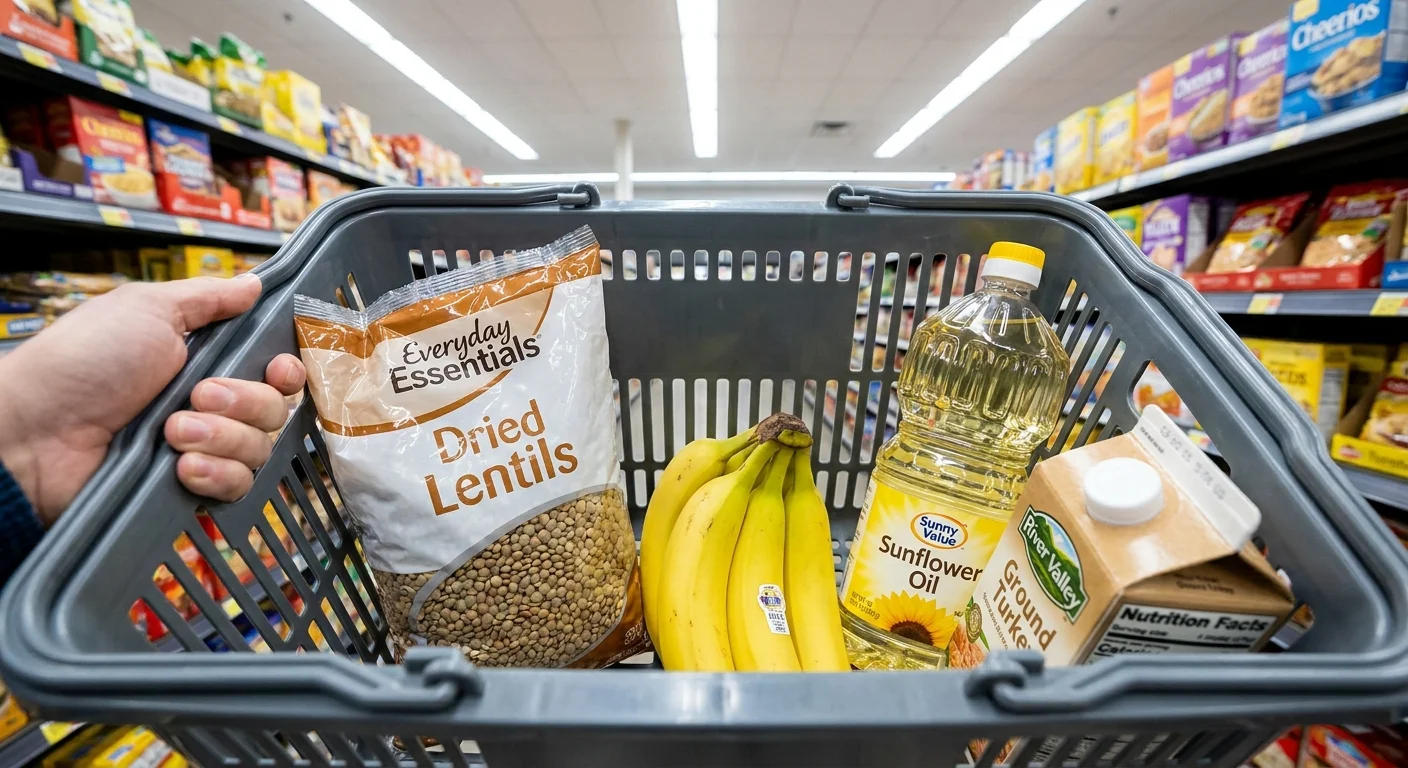
Habit formation determines long-term budget success. Train yourself to shop the perimeter of the grocery store where whole foods are located, but absolutely do not ignore the immense value hidden in the frozen and canned food aisles. Develop the critical habit of comparing unit prices—the cost per ounce or per pound—rather than just looking at the overall sticker price, ensuring you receive the maximum value for your money. Furthermore, as suggested by the United States Department of Agriculture, lean into plant-based proteins at least twice a week. Dried beans, lentils, and split peas remain incredibly stable in price and offer spectacular amounts of fiber and protein to fuel your body affordably.

Expert Insights and Lived Voices
Clinical dietitians and financial wellness experts consistently agree that culinary flexibility is the ultimate weapon against food inflation. Many registered dietitians emphasize that the concept of “perfect eating” is a harmful myth that often drives unnecessary grocery spending and severe food anxiety. When you finally release the pressure to buy only fresh, organic, or premium-branded items, you open the door to incredible financial savings and a much healthier relationship with food.
Community members who have successfully reduced their grocery bills often report that embracing frozen vegetables and bulk bins was their biggest turning point. Flash-frozen produce retains its peak nutritional value because it is harvested and frozen immediately, halting nutrient degradation. Families balancing tight budgets frequently note that mixing half ground meat with half cooked brown lentils in tacos, chili, or pasta sauces not only slashes their meat budget in half but also dramatically increases their meal’s dietary fiber content—a brilliant dual victory for both long-term health and short-term finances.

Safety, Personalization, and Dietary Precautions
While exploring budget-friendly substitutions is highly recommended, you must always prioritize your unique physiological needs and personal medical history. Swapping expensive animal proteins for budget-friendly plant alternatives like soy, tree nuts, or legumes works perfectly for many people, but these foods also represent major, potentially life-threatening allergens. If you or your family members manage severe food allergies, never experiment with unknown substitute ingredients without thoroughly reading manufacturing labels to check for hidden cross-contamination risks.
Individuals managing specific, chronic medical conditions require tailored dietary approaches. For instance, if you take prescription blood-thinning medications, drastically changing your intake of vitamin K-rich leafy greens to save money can dangerously interfere with your medication’s efficacy. Likewise, if you manage a sensitive thyroid condition and decide to drastically increase your consumption of affordable soy products, you should absolutely discuss this transition with your healthcare provider first. Always consult with a registered dietitian or your primary physician before making significant dietary overhauls, ensuring your budget strategies safely align with your clinical needs.
Frequently Asked Questions About Managing Food Costs
What is the most affordable source of high-quality protein?
Dried legumes—such as green lentils, black beans, pinto beans, and chickpeas—consistently rank as the most cost-effective protein sources available globally. They provide complex carbohydrates, essential dietary fiber for gut health, and substantial protein per serving. If you strongly prefer animal proteins, canned light tuna, canned wild salmon, and large tubs of plain Greek yogurt offer excellent nutritional profiles at a mere fraction of the cost of fresh meat or fish. You can seamlessly incorporate these budget-friendly proteins into hearty salads, comforting casseroles, and quick lunch wraps.
How can I afford healthy fats if olive oil and avocados are too expensive?
You can easily secure essential fatty acids without purchasing premium, luxury items. Whole flaxseeds and chia seeds remain incredibly budget-friendly when purchased in bulk and provide robust amounts of anti-inflammatory omega-3 fatty acids. Standard peanut butter and sesame tahini offer highly affordable, calorie-dense sources of monounsaturated fats that stabilize blood sugar. Additionally, regular canola oil serves as a perfectly safe, heart-healthy cooking oil that costs significantly less than extra virgin olive oil while providing a very similar, heat-stable fat profile for your daily cooking needs.
Does buying frozen produce mean I am getting fewer nutrients?
Absolutely not. According to evidence-based guidance from the Academy of Nutrition and Dietetics, frozen fruits and vegetables are often equally, if not more, nutrient-dense than their fresh counterparts out of season. Because agricultural companies freeze produce at the exact peak of ripeness, the extreme cold locks in water-soluble vitamins that slowly degrade while fresh produce sits in transport trucks or languishes on brightly lit grocery store shelves. Utilizing frozen produce is a spectacular way to maximize your family’s nutrition while entirely eliminating the risk of costly food spoilage.
Are canned foods nutritionally adequate for a healthy diet?
Canned foods serve as an excellent, budget-friendly pantry staple, provided you make careful selections while shopping. The high-heat canning process preserves most macronutrients and hardy micronutrients efficiently. However, you must actively monitor the added sodium in canned vegetables and the added processed sugars in canned fruits. To optimize your cardiovascular health, purchase vegetables strictly labeled as “no salt added” and choose fruits packed in one hundred percent water or their own natural juice. If low-sodium options are unavailable at your local store, simply dumping regular canned beans and vegetables into a colander and rinsing them thoroughly under cold running water can remove up to forty percent of the excess sodium.
Take Control of Your Grocery Budget Today
Rising food costs do not have to derail your unwavering commitment to a vibrant, health-conscious lifestyle. By understanding the complex economic forces behind the surging prices of everyday items like eggs, olive oil, and premium meats, you can successfully detach from the stress of the grocery aisle and focus on practical, nutrient-dense alternatives. You already possess the tools to make strategic substitutions, plan your meals efficiently, and embrace the unparalleled power of frozen and canned staples. Take one concrete step in the next twenty-four hours: open your pantry, take a quick inventory, and plan just one upcoming dinner using exclusively the ingredients you already own. You will immediately feel the immense financial relief and nutritional empowerment that comes from proactive, mindful eating.