As you age, changing taste buds can suddenly turn your favorite meals into bitter or bland disappointments, but understanding this biological shift allows you to reclaim the joy of healthy eating. Your palate naturally loses sweet and salty receptors first, leaving bitter and sour flavors to dominate your dining experience. When foods you once loved start tasting harsh, you might inadvertently skip essential nutrients or overcompensate with unhealthy amounts of sugar and salt. Recognizing exactly which ingredients clash with your evolving senses helps you adjust your cooking methods and substitute ingredients effectively. By adapting your approach to aging nutrition, you can build a vibrant, flavorful diet that protects your long-term wellness.
The Biological Science Behind Your Shifting Palate
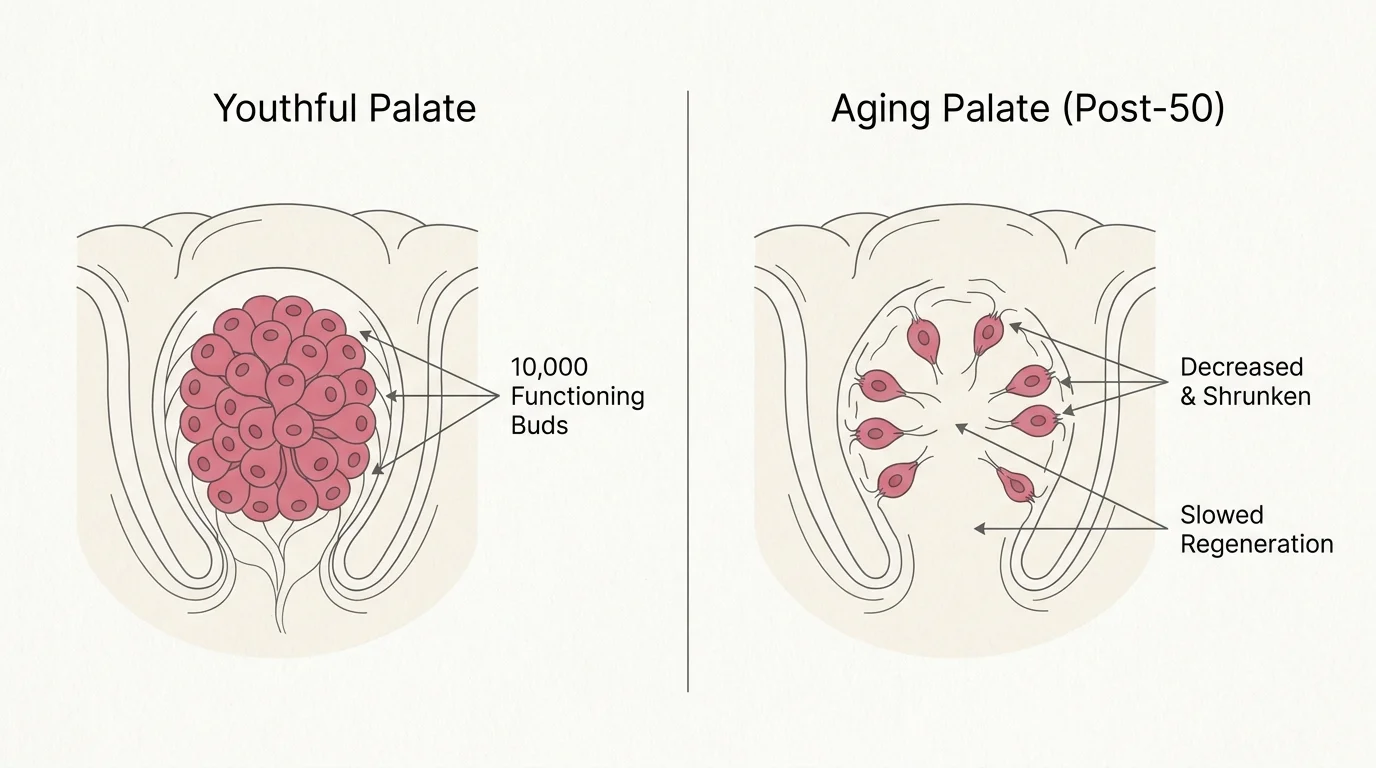
Your tongue houses thousands of tiny sensory organs known as papillae, which detect sweet, salty, sour, bitter, and umami flavors. During your younger years, you possess roughly ten thousand functioning taste buds that regenerate constantly. However, as you pass your fiftieth birthday, this regeneration process slows significantly; your taste buds decrease in number and the remaining ones physically shrink. This natural stage of human development alters how flavor molecules interact with your nervous system, leading to a noticeable decline in flavor intensity.
Sweet and salty receptors fade the fastest, shifting the baseline of your entire palate. Because your sour and bitter receptors remain relatively intact, foods that carry mild bitter notes suddenly feel overwhelmingly harsh. Furthermore, your sense of smell closely dictates how you perceive complex flavors. The olfactory nerve endings located high inside your nasal cavity lose sensitivity over time, dampening the aroma of your meals. Researchers highlight this physiological change in clinical reviews published by the National Institute on Aging, demonstrating that flavor distortion serves as a standard component of growing older rather than a personal failing.
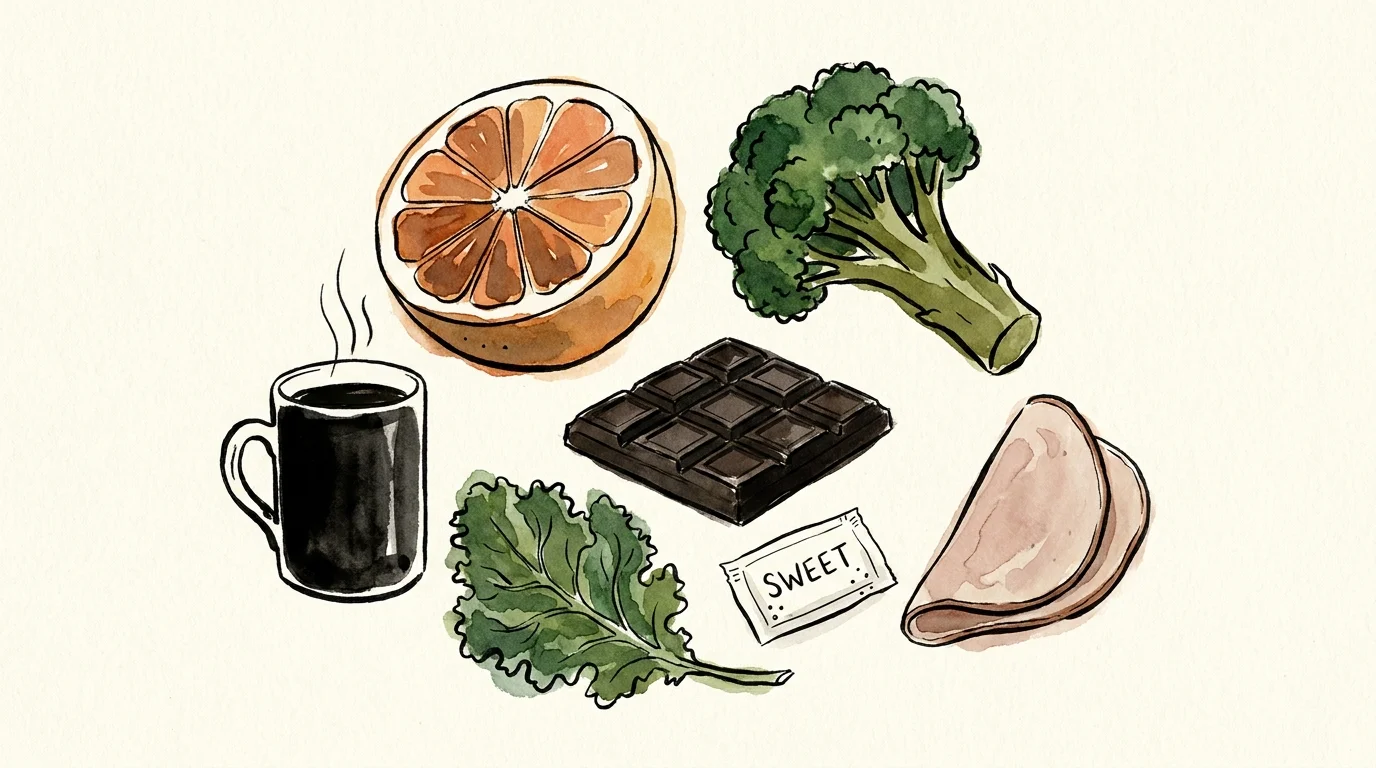
7 Everyday Foods That Become Less Appealing Over Time
1. Grapefruit and Tart Citrus
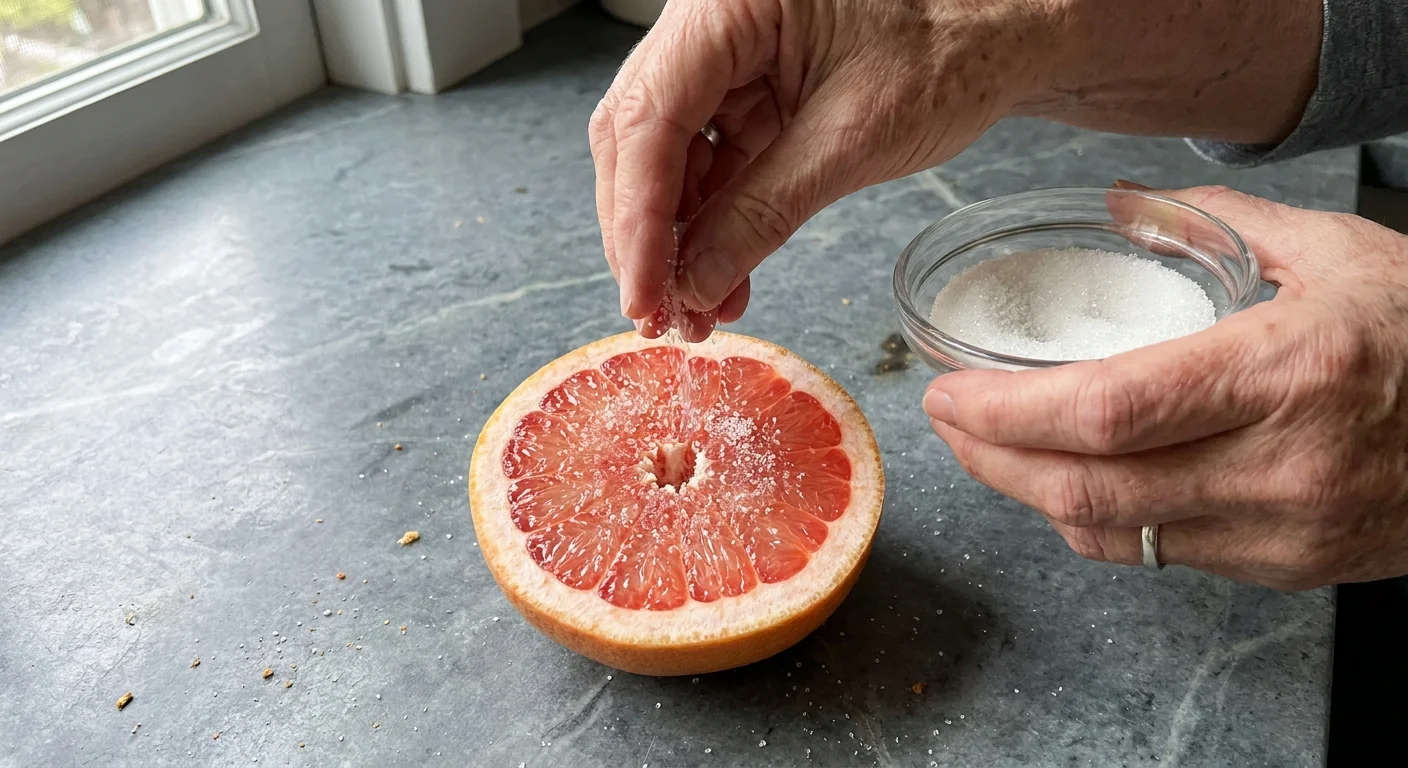
Grapefruit traditionally offers a refreshing balance of sweet, acidic, and slightly bitter profiles. When your sweet receptors decline, the naturally occurring chemical compound naringin—which provides that signature grapefruit tang—takes over your palate completely. Without the protective cushion of sweetness, grapefruit and other highly acidic citrus fruits like lemons or limes can taste aggressively sour, causing many seniors to abandon these vitamin C-rich staples altogether.
2. Broccoli and Brussels Sprouts
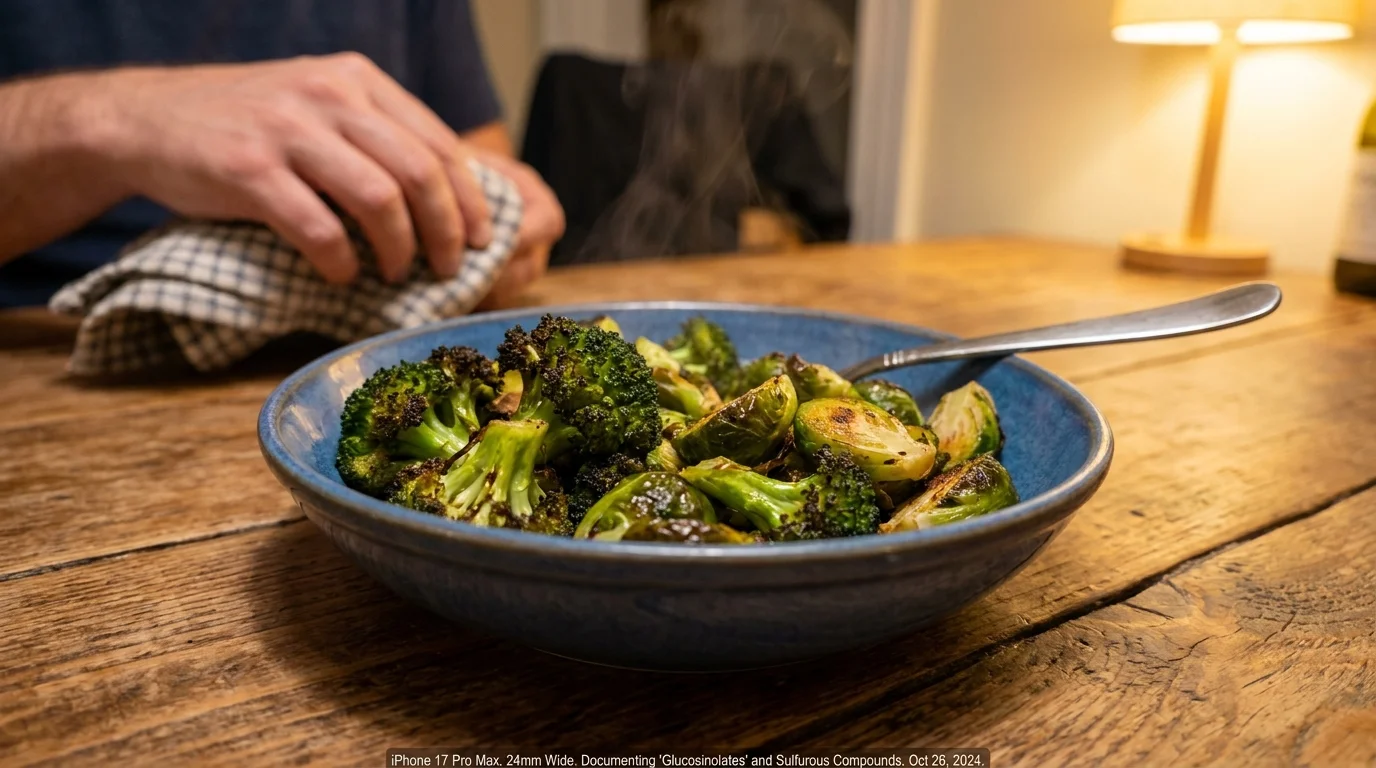
Cruciferous vegetables pack dense nutritional value, providing essential dietary fiber and cancer-fighting compounds. They also contain glucosinolates, which are organic sulfur-containing chemicals that carry a distinctly bitter edge. While younger taste buds easily mask this bitterness with the natural, earthy sweetness of the vegetable, older palates often register nothing but abrasive sulfur compounds. A vegetable that once tasted robust and comforting might suddenly seem medicinal and highly unpleasant.
3. Dark Chocolate
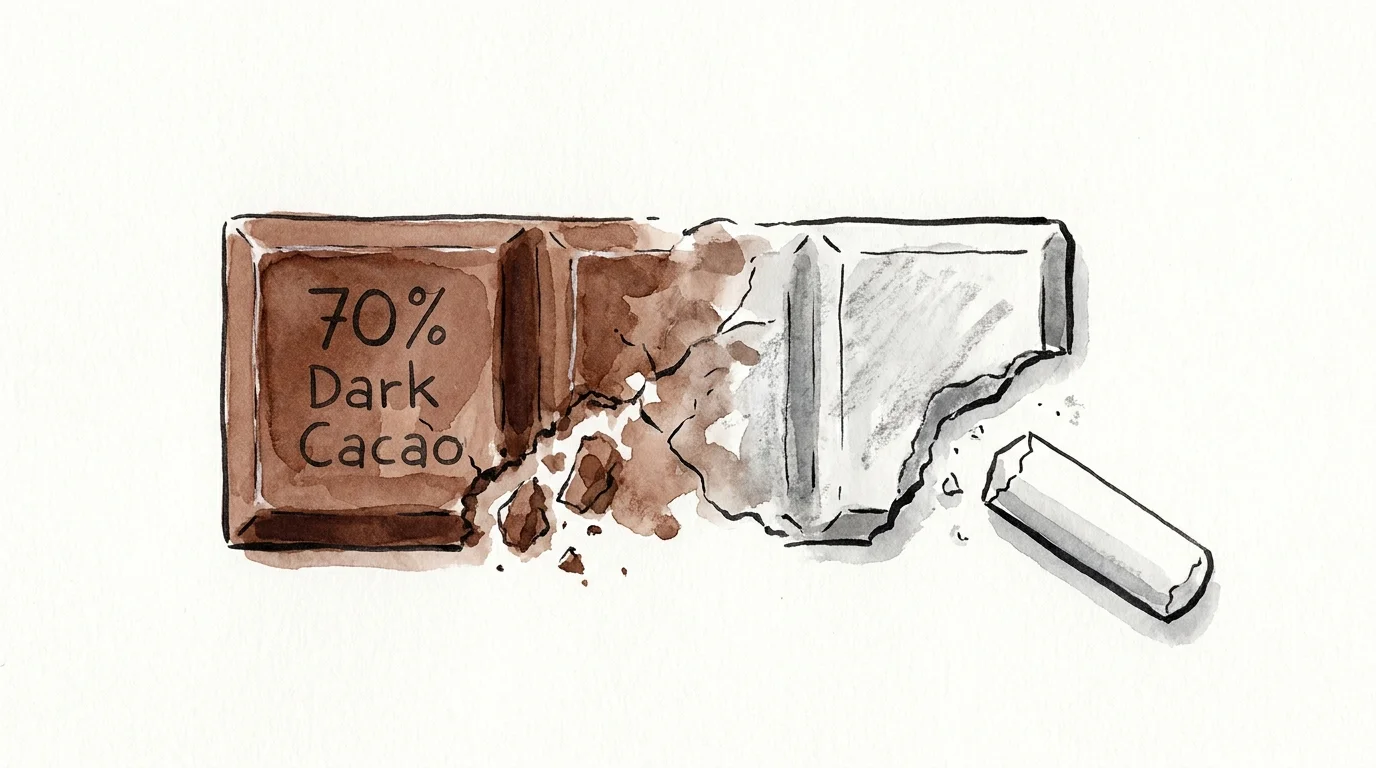
Health enthusiasts frequently praise dark chocolate for its high antioxidant concentration and cardiovascular benefits. Unfortunately, raw cacao is intensely bitter by nature. Chocolate manufacturers add precise amounts of sugar and milk fat to round out the harshness and create a smooth flavor profile. As you lose the ability to detect those subtle sweet sugars, a square of seventy percent dark chocolate stops tasting like a luxurious dessert and starts tasting like dry, burnt chalk.

4. Black Coffee
Millions of people rely on their morning cup of black coffee, enjoying the complex roasted notes and energizing caffeine. Coffee beans contain high levels of tannins and chlorogenic acids, which give the brew its dark, astringent quality. Once your taste buds stop registering the subtle caramel and chocolate undertones of the roasted bean, the remaining liquid simply tastes highly acidic and aggressively bitter. You might find yourself tempted to dump heavy cream or artificial sweeteners into a beverage you previously enjoyed plain.
5. Raw Spinach and Kale
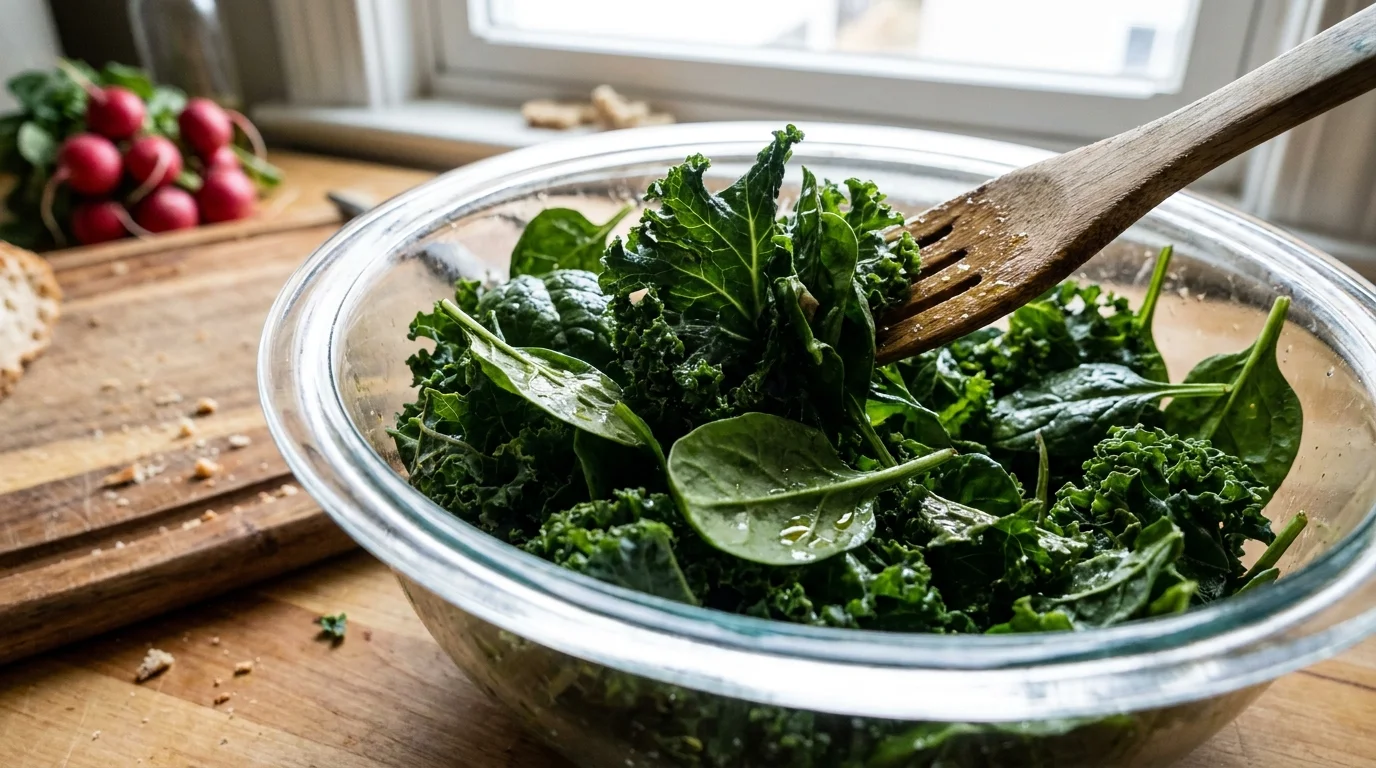
Dark leafy greens serve as the nutritional foundation of countless healthy salads and smoothies. Raw spinach and kale contain high amounts of oxalic acid, which produces a sharp, earthy flavor and a slightly gritty mouthfeel. Without a strong sensory perception of the surrounding flavors in a salad—like the bright sweetness of a cherry tomato or the saltiness of a light vinaigrette—the oxalic acid dominates the dish. Chewing through a bowl of raw kale can suddenly feel like an exhausting, flavorless chore.

6. Artificial Sweeteners
Many health-conscious individuals switch to artificial sweeteners like saccharin or aspartame to manage their blood sugar or reduce caloric intake. These sugar substitutes often carry a metallic or chemical aftertaste that healthy taste buds easily ignore in favor of the intense sweetness. As your sweetness perception dulls over the decades, that metallic aftertaste steps into the spotlight. Diet sodas and artificially sweetened yogurts can leave a lingering, unpleasant chemical residue on your tongue that ruins the remainder of your meal.

7. Highly Processed Deli Meats
Processed meats rely heavily on massive amounts of sodium and chemical preservatives like sodium nitrite to maintain their shelf life and savory appeal. As your ability to detect salt diminishes, the underlying chemical preservatives become glaringly obvious. A slice of packaged turkey or salami that used to taste like a salty indulgence may suddenly present a strange, synthetic flavor profile that feels completely unnatural to your palate.
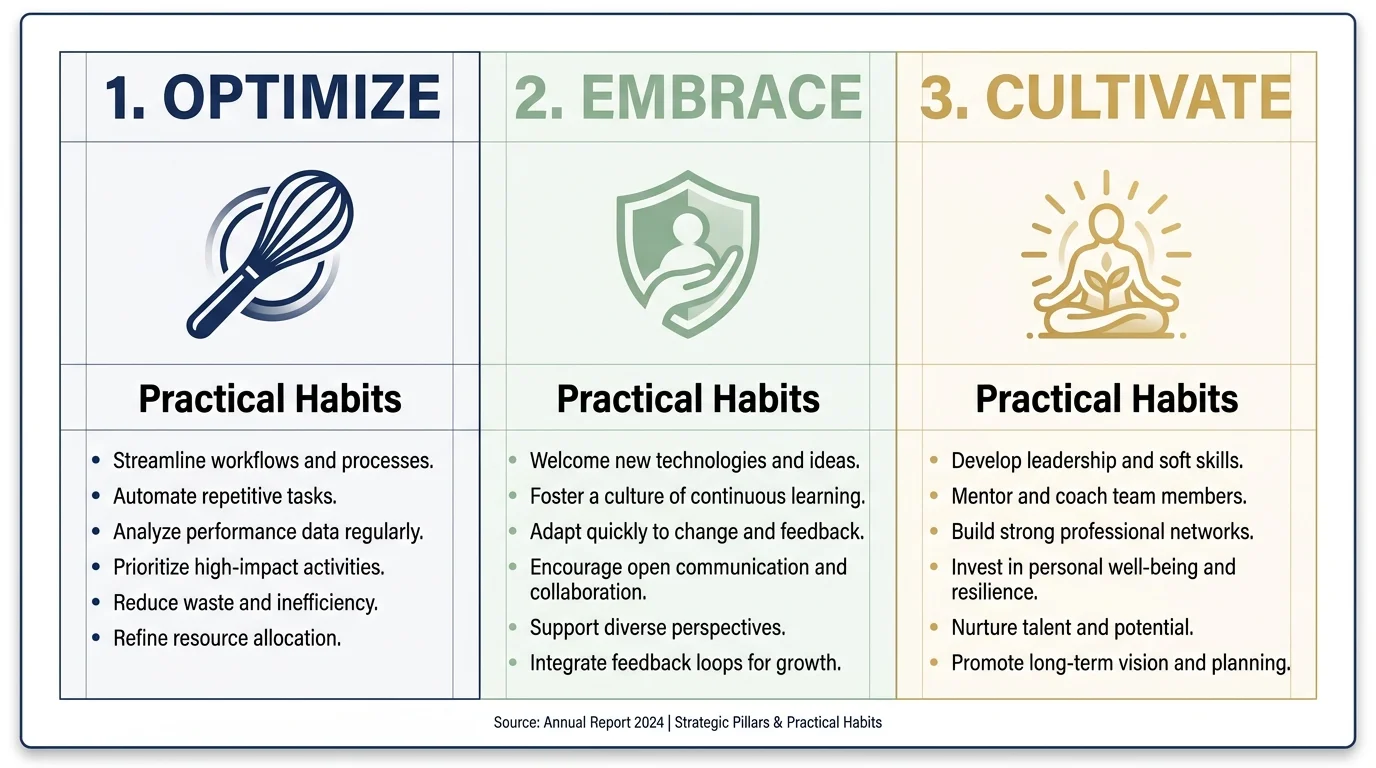
Strategy Pillars: Navigating Taste Changes with Practical Habits
Reclaiming your enjoyment of food requires an active, intentional approach to how you prepare and season your meals. By adjusting your culinary food habits, you can outsmart your changing taste buds and ensure you continue absorbing vital nutrients.
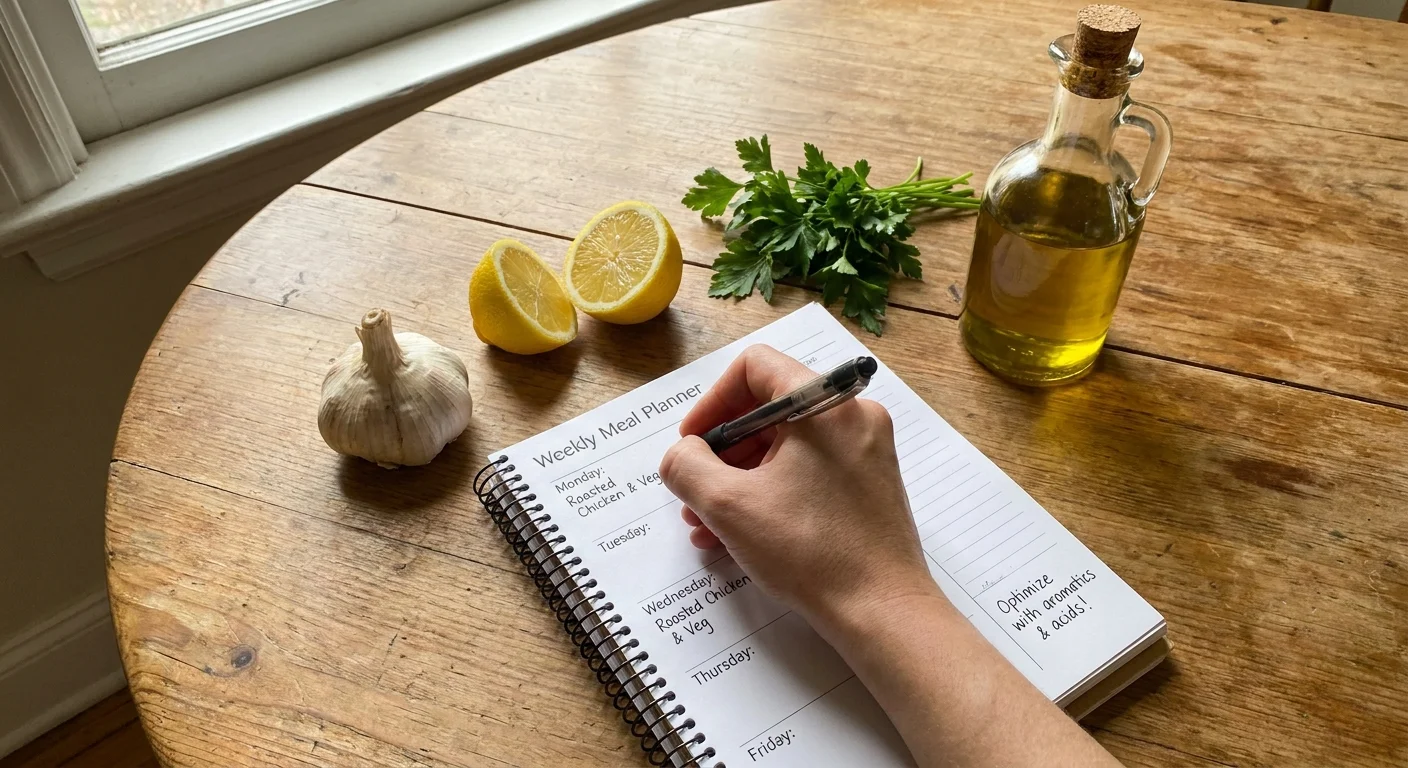
Optimize Your Meal Planning and Preparation
Rethinking your cooking methods fundamentally changes how food interacts with your tongue. Instead of boiling or steaming your cruciferous vegetables, try roasting broccoli and Brussels sprouts in the oven at a high temperature. The dry heat triggers the Maillard reaction, a chemical process that breaks down tough fibers and caramelizes natural plant sugars, effectively muting the bitter glucosinolates. Pair these roasted vegetables with healthy fats, such as extra virgin olive oil or avocado, because fat coats the tongue and physically blocks bitter flavor molecules from fully binding to your receptors.
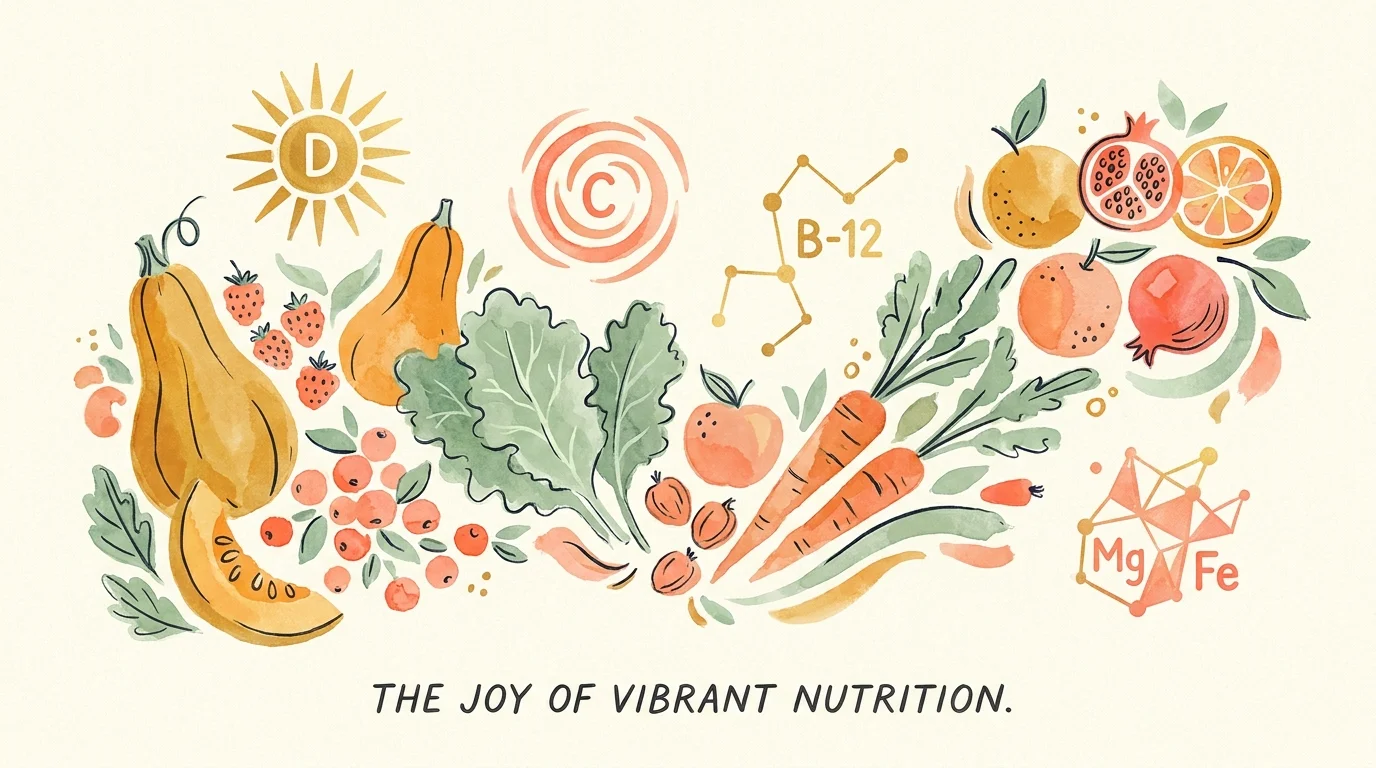
Embrace a New Nutrient Focus
When food tastes bland, your immediate instinct might push you to grab the salt shaker. To protect your cardiovascular health, you must pivot toward umami, the deeply savory fifth taste that rarely diminishes with age. Incorporate naturally rich umami sources like roasted mushrooms, tomato paste, low-sodium soy sauce, and nutritional yeast into your daily recipes. By layering these savory ingredients, you stimulate the entire palate without relying on excessive sodium. You can explore a variety of heart-healthy flavor strategies outlined in nutrition guidelines provided by the American Heart Association to keep your meals exciting and safe.
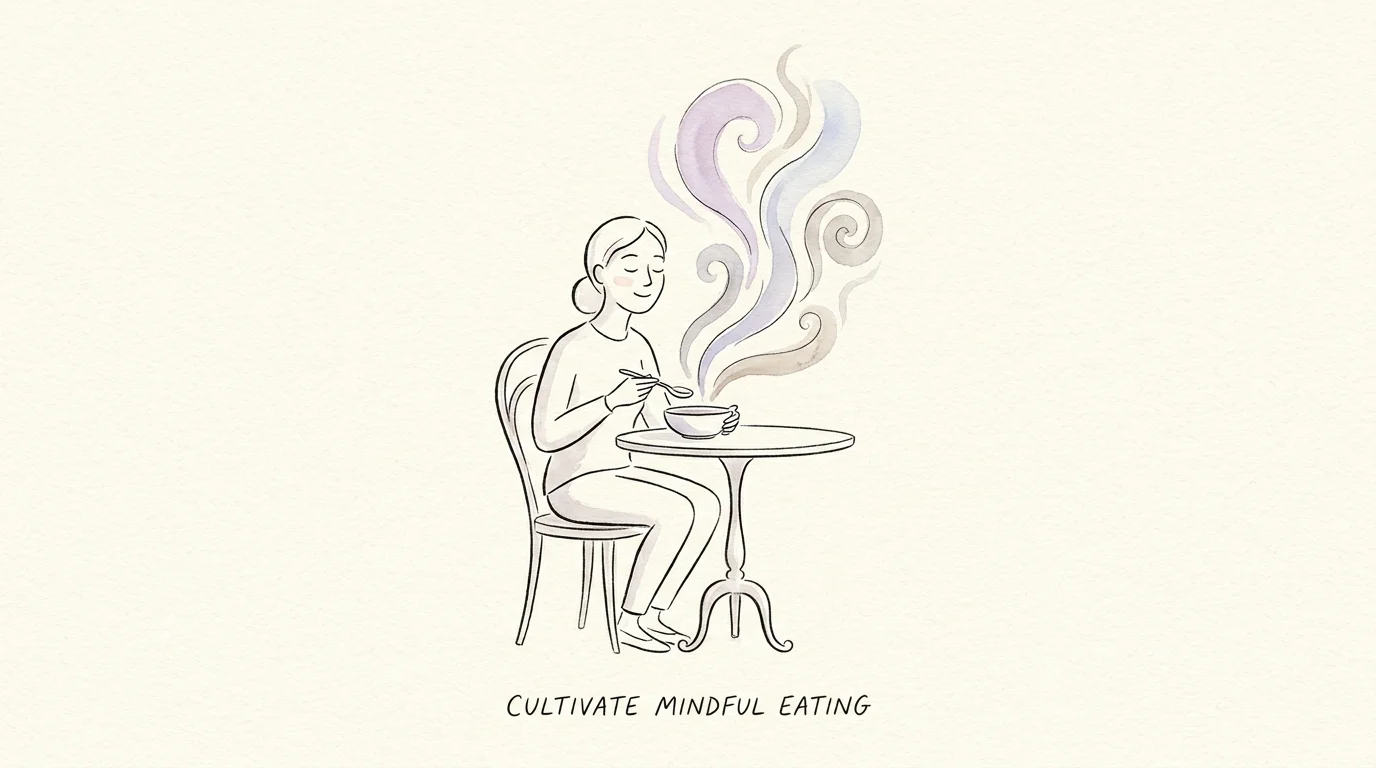
Cultivate Mindful Eating Habits
Flavor perception relies heavily on temperature and texture. Warm foods release more aromatic compounds into the air, traveling up your nasal passages to enhance the overall taste. Conversely, varying the textures on your plate keeps your brain engaged during the meal. Combine crunchy toasted seeds with soft roasted vegetables to force your senses to pay attention to the mechanical action of eating, which tricks your brain into perceiving a more satisfying dining experience.

Expert and Community Perspectives on Aging Nutrition
Clinical dietitians constantly observe the profound emotional impact of taste loss among older populations. Geriatric nutritionists emphasize that eating should remain a pleasure, not merely a biological necessity. When food loses its appeal, seniors face a drastic increase in the risk of malnutrition and unintentional weight loss, which immediately compromises immune function and bone density. Dietitians strongly advocate for aggressive flavor enhancement using fresh herbs, robust spices, and acidic marinades like apple cider vinegar to awaken dormant taste buds, a strategy that aligns perfectly with dietary guidance from the Academy of Nutrition and Dietetics.
Community members actively navigating these changes often share creative breakthroughs that transform their daily routines. Many older adults report that switching from dried, generic spices to fresh, intensely aromatic herbs like cilantro, basil, and rosemary completely revived their love for cooking. One common community insight involves marinating lean proteins in citrus juices; although raw citrus might taste too sour on its own, utilizing it as a tenderizing marinade breaks down tough meat fibers and leaves behind a bright, pleasant tang that cuts through culinary monotony.

Safety, Personalization, and When to Consult a Clinician
While age-related taste decline is natural, you must remain vigilant about how you compensate for these sensory shifts. Drowning your food in table salt dramatically spikes your blood pressure, while heavily sweetening your beverages accelerates insulin resistance. Always prioritize safe, salt-free flavor enhancers to elevate your dishes. If you suffer from severe acid reflux or specific food allergies, naturally acidic ingredients like lemon juice or certain nightshade vegetables might trigger uncomfortable physical reactions; always adapt these recommendations to fit your unique biological needs.
You should also recognize the difference between a gradual dulling of flavor and a sudden, severe loss of taste. Rapid alterations in your palate can indicate underlying medical conditions, such as a localized oral infection, severe zinc deficiency, or neurological complications. Furthermore, hundreds of common prescription medications—particularly blood pressure drugs, antihistamines, and antidepressants—list dysgeusia, or taste distortion, as a primary side effect. If your food suddenly tastes rancid or metallic overnight, you should seek guidance from your primary care physician to adjust your medication or screen for deficiencies. For a comprehensive understanding of these shifts, review information on taste disorders from the National Institute on Deafness and Other Communication Disorders.
Frequently Asked Questions About Taste Changes and Healthy Eating
Why does my food suddenly taste like metal?
A metallic taste in your mouth usually stems from external factors rather than natural aging. Poor dental hygiene, untreated gingivitis, and specific vitamin deficiencies directly impact your oral environment. More commonly, prescription medications alter the chemical composition of your saliva, leaving a lingering metallic residue. You should consult your dentist or doctor if this metallic sensation persists across multiple meals.
Can I regenerate my taste buds to improve flavor perception?
Your taste buds naturally die and regenerate on a continuous cycle every ten to fourteen days. Unfortunately, as you age, your body simply replaces fewer of them, permanently reducing your overall sensory density. While you cannot physically grow more taste buds, you can actively stimulate the ones you have left by introducing contrasting temperatures, varied textures, and bold, complex spice blends into your daily meals.
How do I cook vegetables so they do not taste overwhelming and bitter?
The secret to eliminating vegetable bitterness lies in your cooking technique and ingredient pairing. Steaming and boiling tend to trap bitter sulfur compounds inside the plant tissue. Instead, coat your vegetables lightly in a high-quality cooking oil and roast them until the edges turn slightly brown. The intense heat caramelizes the natural plant sugars, while a quick squeeze of fresh citrus or a dash of balsamic vinegar applied just before serving neutralizes any residual bitterness.
Does drinking more water actually help improve flavor perception?
Yes, adequate hydration directly influences your ability to taste your food. Saliva acts as a necessary solvent that breaks down flavor molecules and carries them directly to your taste receptors. Many older adults experience chronic dry mouth, formally known as xerostomia, which creates a physical barrier between the food and the sensory nerves. Drinking ample water throughout the day ensures your mouth produces enough saliva to properly digest and taste every bite.
A Fresh Start for Your Palate
Losing the ability to enjoy your favorite meals can feel discouraging, but this natural transition presents a unique opportunity to revitalize your culinary routine. Your changing palate demands bold, intentional flavors, and stepping outside your traditional comfort zone allows you to discover entirely new nutritional staples. You possess the power to control your dietary wellness by adjusting how you shop, season, and prepare your daily plates.
Within the next twenty-four hours, take one concrete step toward accommodating your evolving senses. Choose a vegetable you normally boil and try roasting it with a drizzle of olive oil, or swap out your salt shaker for a vibrant new blend of salt-free herbs. By making small, proactive adjustments in your kitchen today, you guarantee that healthy eating remains a delicious and satisfying cornerstone of your life for years to come.