
You carefully curate your grocery cart to prioritize your longevity, yet your routine blood panels reveal creeping glucose levels that leave you and your physician puzzled. Age-related metabolic shifts make your body less efficient at processing carbohydrates, turning even the most innocent-looking staples into unexpected metabolic stressors. Uncovering these hidden culprits empowers you to reclaim control over your metabolic health without sacrificing flavor or completely overhauling your lifestyle. Many heavily marketed wellness items conceal concentrated sugars and refined starches that overwhelm an aging pancreas. By identifying these eight surprisingly deceptive foods, you can immediately adjust your daily intake, stabilize your energy levels throughout the afternoon, and protect your long-term cognitive and cardiovascular vitality.
The Science of Aging and Blood Sugar
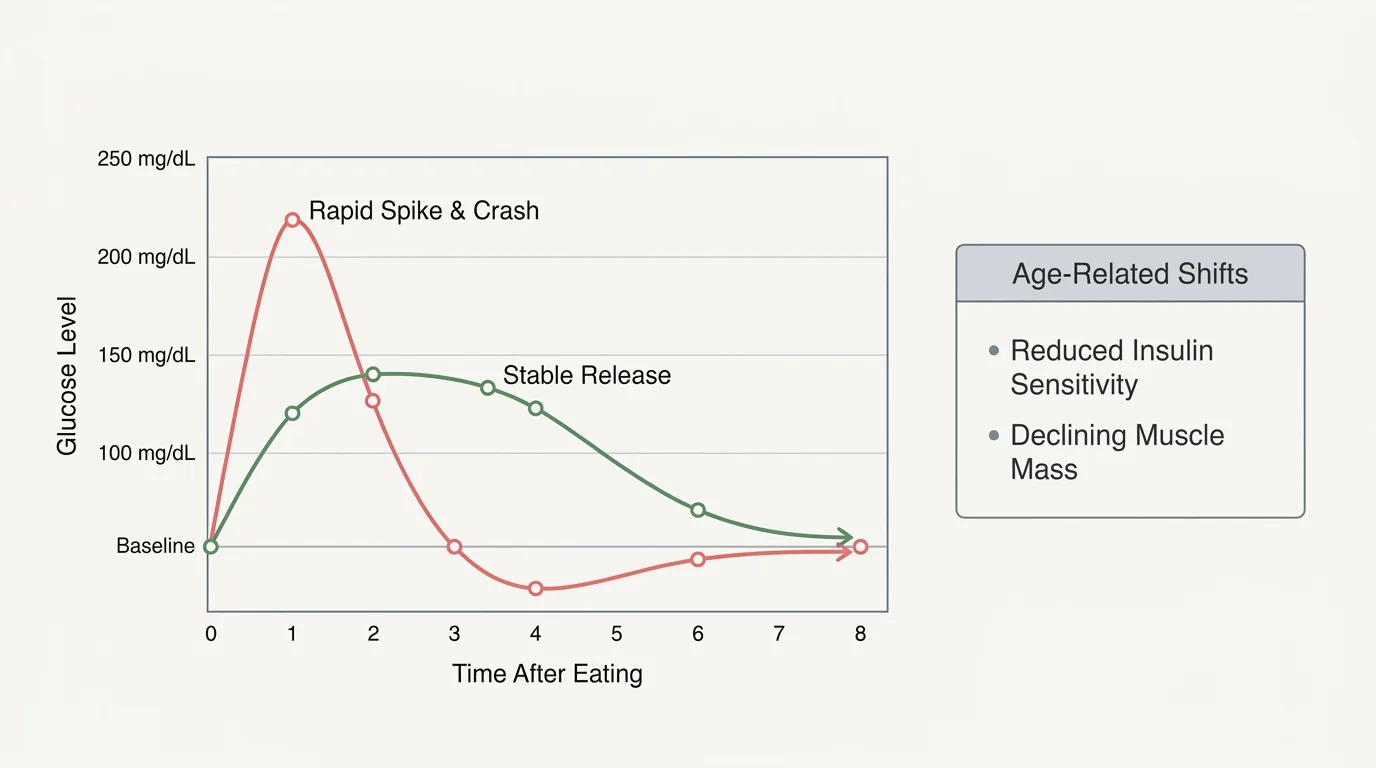
As you accumulate decades of life experience, your physiological landscape undergoes natural, subtle changes that directly influence how your cells respond to the food you consume. Muscle mass naturally declines over time while visceral fat tends to increase; this shift gradually reduces your overall insulin sensitivity. Your pancreas must work significantly harder to pump out enough insulin to clear glucose from your bloodstream after a meal. According to National Institute on Aging research, maintaining balanced blood sugar extends far beyond basic diabetes management; it serves as a crucial defensive strategy for preserving your cognitive function, protecting your delicate blood vessels, and sustaining your daily energy. When you consume rapidly digesting carbohydrates, you provoke sharp spikes in blood glucose, followed by precipitous crashes that leave you feeling fatigued, irritable, and unusually hungry. Recognizing how your body processes different macronutrients allows you to make strategic dietary adjustments that align with your current metabolic reality, empowering you to thrive in your senior years.
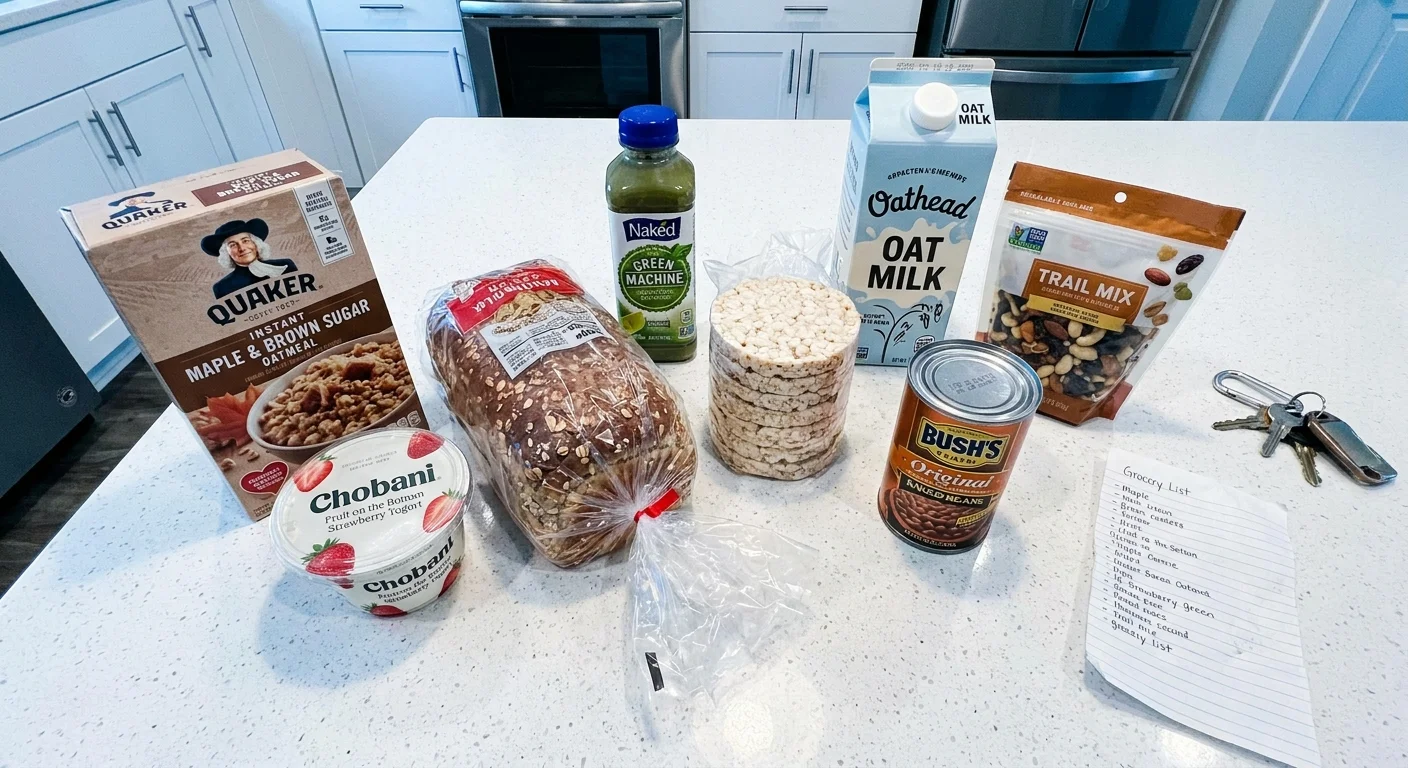
8 Healthy-Seeming Foods Spiking Your Blood Glucose

1. Instant Flavored Oatmeal
Oatmeal holds a well-deserved reputation as a heart-healthy breakfast choice capable of lowering cholesterol, leading many older adults to make it their daily morning staple. However, the instant varieties sitting in your pantry undergo aggressive mechanical processing that completely strips away the structural integrity of the natural oat kernel. Manufacturers pre-cook, dry, and roll these oats incredibly thin so they will cook in mere minutes using just boiling water or a microwave. This physical alteration means your digestive enzymes break the starches down into simple glucose almost instantaneously. When you combine this rapid digestion with the generous dusting of brown sugar, artificial maple flavoring, or dehydrated fruit found inside these convenient packets, you create the perfect biological storm for a massive mid-morning glucose crash. Instead of abandoning oats entirely, you can easily transition your routine to feature steel-cut or thick-rolled oats. These robust, minimally processed alternatives require your digestive system to work much harder, resulting in a gentle, sustained release of energy rather than a sudden, overwhelming tidal wave of sugar entering your bloodstream.

2. Fruit-on-the-Bottom Yogurt
Yogurt provides an excellent, accessible source of dietary calcium and beneficial probiotics to support your aging bones and delicate digestive system. Unfortunately, commercial dairy brands frequently camouflage up to twenty grams of added sugar beneath a healthy, natural halo, particularly within the wildly popular fruit-on-the-bottom varieties. The fruit compote utilized in these single-serve plastic cups resembles a heavily processed jam far more than it resembles fresh produce, delivering highly concentrated fructose and refined cane sugar directly into your system. When you consume this for a light, seemingly responsible breakfast or a quick afternoon snack, your blood sugar spikes dramatically, forcing your aging pancreas into immediate overdrive. You can effortlessly replicate the sweet, creamy satisfaction of this snack by purchasing plain, whole-milk Greek yogurt and folding in a handful of fresh blueberries or a spoonful of crushed walnuts. The abundant healthy fats and exceptionally high protein content naturally present in plain Greek yogurt act as a metabolic buffer; they slow gastric emptying and keep your glucose levels remarkably steady until your next meal.
3. Multi-Grain and Dark Breads
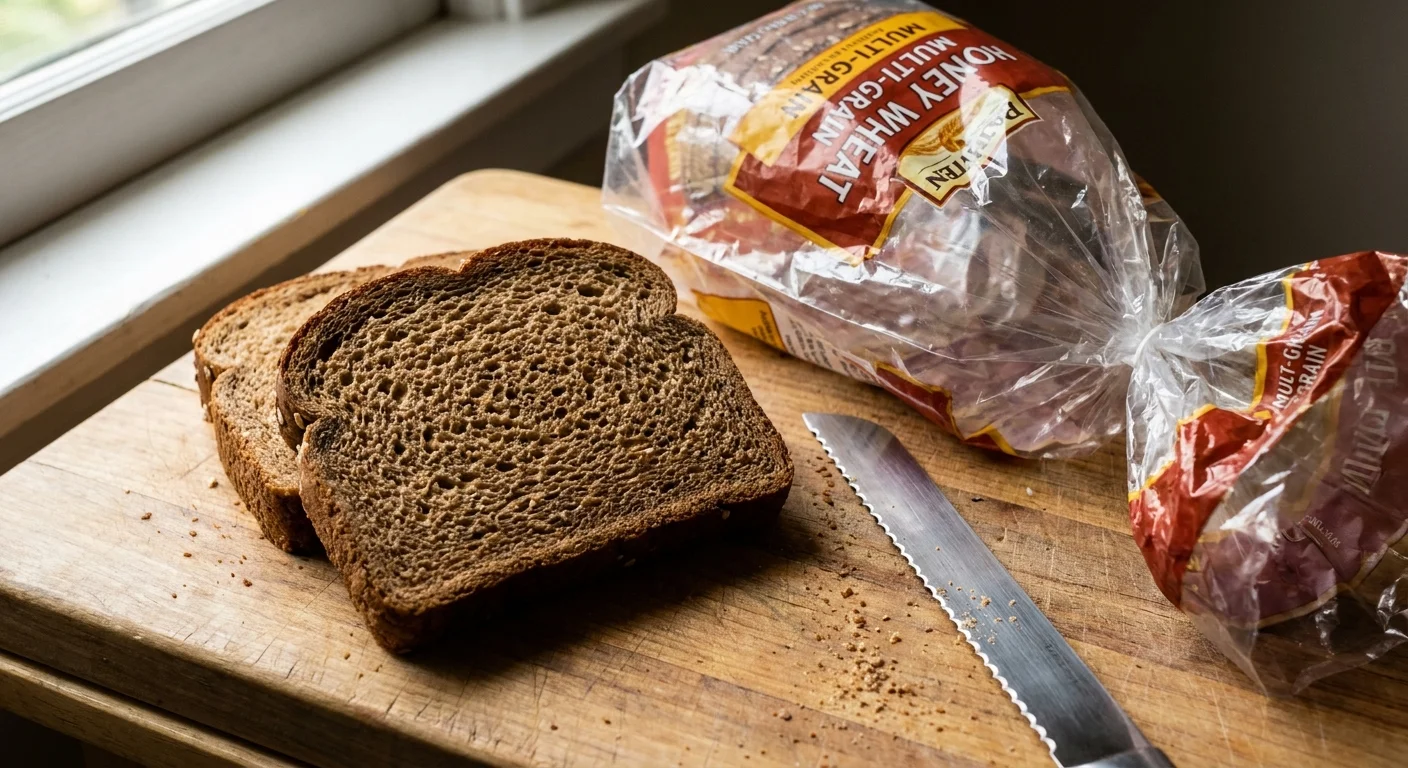
The commercial bread aisle relies heavily on deceptive marketing tactics to convince you that dark, seed-speckled loaves are inherently superior to traditional white bread. Many common products proudly labeled “multi-grain” or “seven-grain” actually contain heavily refined wheat flour as their primary ingredient, using caramel coloring or dark molasses to artificially mimic a rustic, wholesome appearance. Furthermore, even genuine whole-wheat breads are frequently milled so aggressively fine that their starchy core behaves exactly like pure table sugar the moment it makes contact with the enzymes in your saliva. Your body rapidly converts these pulverized, microscopic grains into glucose, sparking a swift and intense glycemic response. You must carefully examine the fine print on ingredient labels and search specifically for breads where the very first ingredient specifies “sprouted grains” or “intact whole grains.” Traditional sourdough bread also presents a fantastic, flavorful option; the natural fermentation process consumes much of the available starch before the bread even enters the oven, significantly lowering the overall glycemic impact of your lunchtime sandwich or your morning toast.

4. Bottled Green Smoothies
Beverage companies masterfully package emerald-green smoothies in sleek, premium bottles adorned with vibrant images of fresh kale, crisp spinach, and nutrient-dense spirulina. While these expensive drinks do contain trace amounts of vegetable purees, the primary ingredients driving the sweet flavor profile are almost always highly concentrated apple, white grape, or pear juices. The industrial blending process completely annihilates the complex, insoluble fiber matrix of the fruits and vegetables; this essential fiber normally acts as a crucial physical barrier that slows sugar absorption in your small intestine. Drinking just one of these commercial smoothies delivers a massive, unbuffered dose of liquid carbohydrate that hits your bloodstream faster than a can of traditional caffeinated soda. If you genuinely enjoy drinking your daily nutrients, you should invest time in preparing your own smoothies at home. You can create a nutritionally superior beverage by using a base of unsweetened almond milk, adding a scoop of high-quality whey or pea protein powder, packing in abundant leafy greens, and utilizing just a small fraction of a whole green apple to provide a refreshing hint of tartness without the metabolic penalty.

5. Rice Cakes and Gluten-Free Crackers
Many older adults proactively switch to plain rice cakes or assorted gluten-free crackers, genuinely believing these airy, low-calorie snacks provide a completely guilt-free method to satisfy a lingering craving for a salty crunch. This dangerous assumption completely ignores the physiological reality of how extruded, puffed starches interact with your unique metabolism. The extreme heat and high pressure required to successfully puff a grain of rice into a uniform, circular cake gelatinize the internal starches, ultimately granting them a glycemic index that registers higher than pure, crystalline table sugar. Similarly, gluten-free snack products routinely rely on highly refined potato starch, tapioca flour, and white rice flour to achieve a palatable, crunchy texture, entirely lacking the protective dietary fiber found in complex, unrefined carbohydrates. Eating these barren crackers alone guarantees a rapid glucose elevation followed by a steep, uncomfortable drop that leaves you feeling hungry, shaky, and deeply fatigued. When you desire a satisfying crunchy snack, you will discover far better metabolic stability by choosing dry-roasted almonds, crisp celery sticks paired with rich, unsweetened almond butter, or dense seed-based crackers constructed entirely from flax, pumpkin, and chia seeds.

6. Plant-Based Milk Substitutes
The alternative dairy market has exploded in recent years, with oat milk rapidly emerging as the undisputed favorite choice for frothy lattes and comforting morning cereals. While oat milk undeniably tastes rich, sweet, and perfectly creamy, its commercial production involves specific enzymatic treatments that purposefully break down the complex, slow-digesting oat starches into maltose—a simple sugar possessing an extraordinarily high glycemic index. Even the cartons explicitly labeled as unsweetened oat milk naturally contain significant amounts of this rapidly digesting, highly reactive sugar. Pouring a generous cup of oat milk over your morning bowl of cereal or heavily blending it into your daily coffee effectively injects a potent liquid sugar solution into your vascular system before you even begin to navigate your day. You can easily sidestep this hidden metabolic trap by switching your go-to refrigerator staple to unsweetened macadamia nut, almond, or organic soy milk. These nut and legume-based dairy alternatives provide the milky, luxurious texture you desire with only a tiny fraction of the disruptive carbohydrate load.
7. Canned Baked Beans and Soups
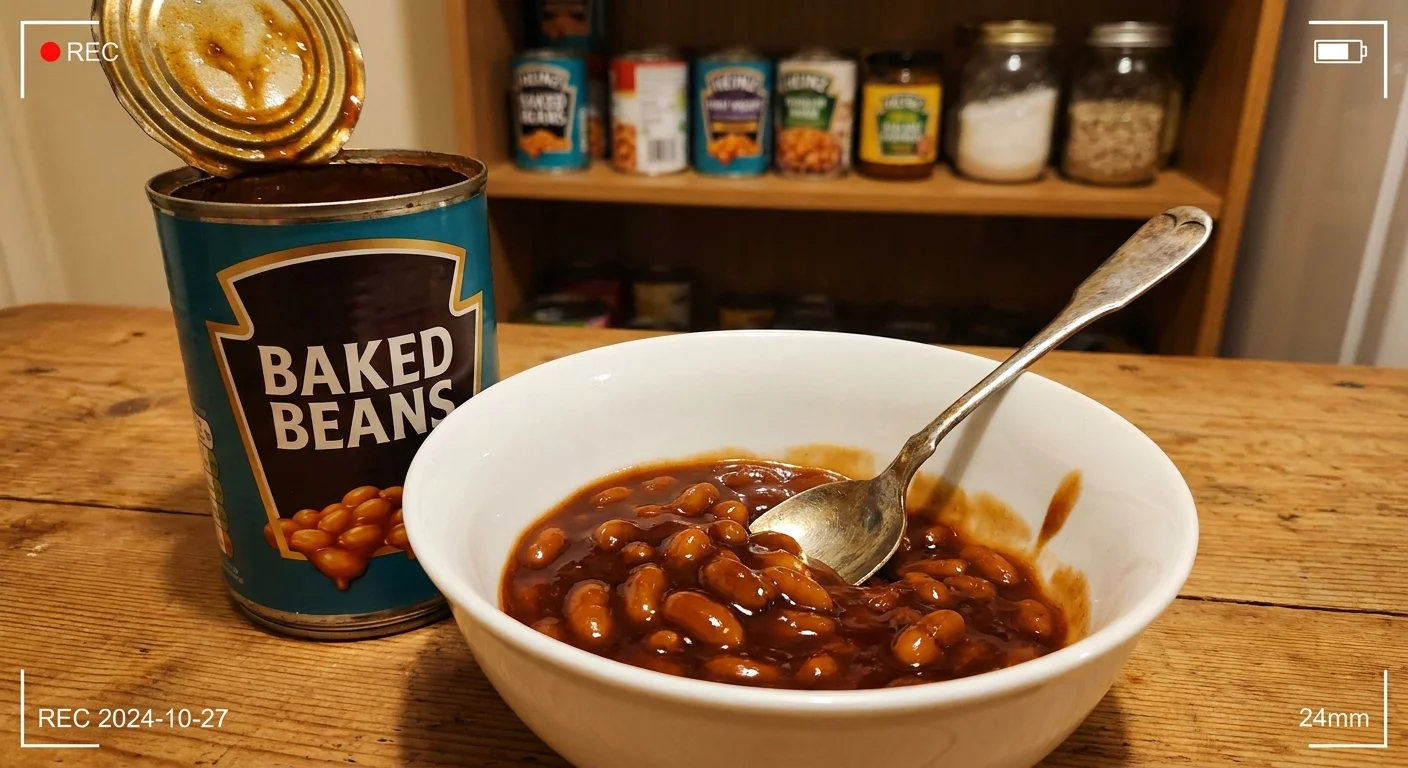
Beans naturally offer a stellar, unmatched combination of satiating plant-based protein and cholesterol-lowering soluble fiber, making them an objectively excellent foundation for a longevity-focused diet. However, commercially prepared canned baked beans are typically submerged in a thick, cloying syrup composed of dark brown sugar, heavy molasses, and highly refined high-fructose corn syrup. A single, modest half-cup serving can easily harbor just as much added sugar as a decadent chocolate candy bar, completely negating the powerful metabolic benefits of the underlying legumes. Similarly, canned vegetable and chicken soups—even those prominently branded as heart-healthy or low-sodium—frequently utilize modified food starch or processed cornstarch as a cheap thickening agent; these thickeners behave exactly like pure glucose once inside your digestive tract. You can reclaim the true nutritional power of beans by purchasing plain black, pinto, or navy beans and seasoning them yourself with aromatic cumin, smoked paprika, and a drizzle of extra virgin olive oil. Furthermore, preparing your own comforting soups at home allows you to thicken rich broths using pureed cauliflower or blended cannellini beans instead of relying on refined, glucose-spiking commercial starches.

8. Trail Mixes with Dried Fruit
Trail mix frequently presents itself as the ultimate, natural snack solution, masterfully combining the robust, heart-healthy nutrition of tree nuts with the vibrant, quick energy of fruit. The hidden danger lies entirely in the dried fruit components, such as shriveled raisins, dried cranberries, and chopped Medjool dates. Removing the natural water volume from any fruit fundamentally concentrates its natural fructose into a dense, sticky, highly caloric package. Furthermore, food manufacturers routinely coat naturally tart fruits, like cranberries or cherries, in additional layers of refined cane sugar just to make them palatable to the average consumer. Grabbing a casual handful of a commercial trail mix from your pantry can effortlessly deliver forty grams of simple carbohydrates in mere seconds. Your aging metabolism fiercely struggles to process this highly concentrated burst of energy efficiently, leading to prolonged periods of elevated blood sugar. You can construct a vastly superior, blood-sugar-friendly custom mix by combining raw walnuts, crunchy pumpkin seeds, a generous dusting of ground cinnamon, and unsweetened toasted coconut flakes, completely bypassing the metabolic chaos routinely caused by commercially dehydrated fruits.
Strategy Pillars for Stable Blood Sugar

Mastering Smart Meal Planning
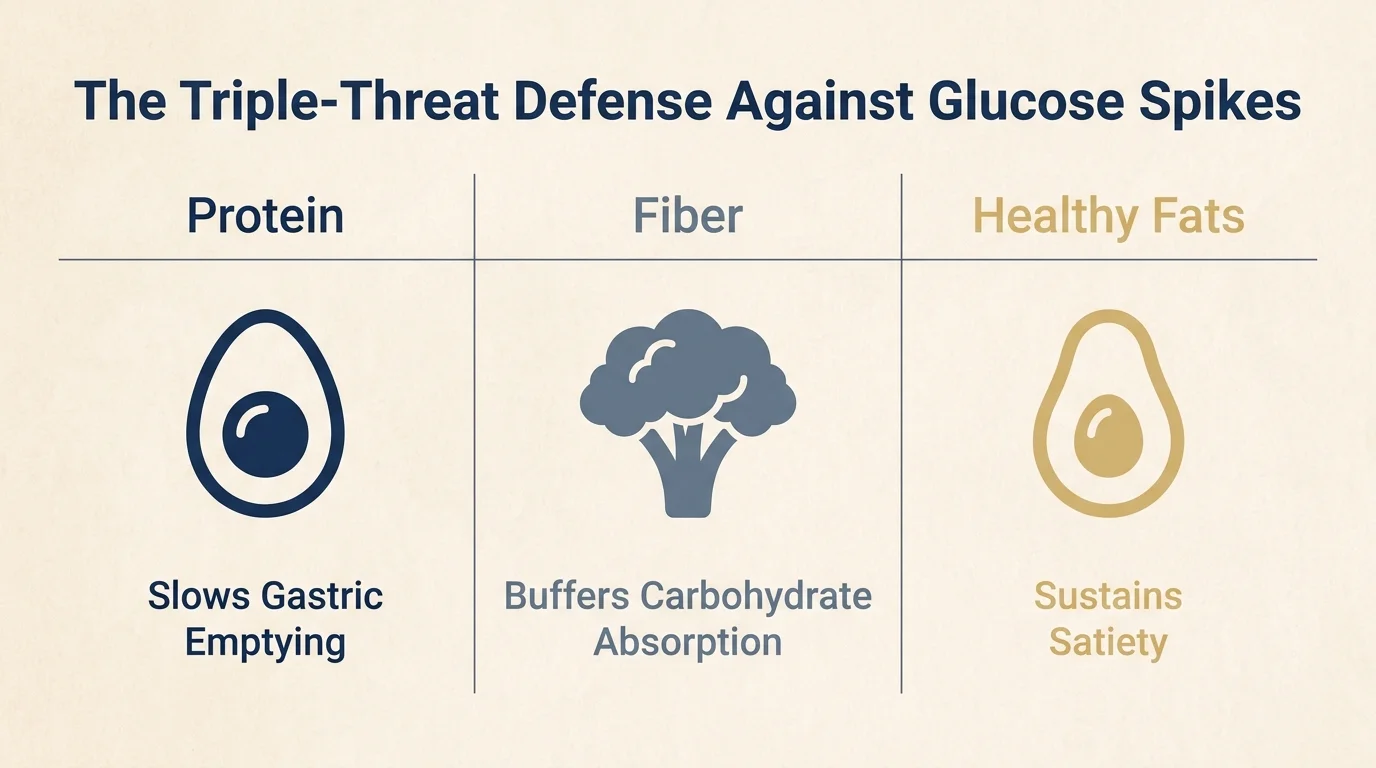
Strategic meal planning serves as your strongest daily defense against unexpected glucose spikes. You must shift your focus away from restrictive calorie counting and instead prioritize constructing meals that physically slow down the digestive process. Embrace the clinically proven plate method: fill exactly half of your plate with colorful, non-starchy vegetables like roasted broccoli, fresh leafy greens, or sautéed zucchini. Dedicate one quarter of the plate to a high-quality, lean protein source, such as grilled chicken, baked salmon, or firm tofu. The final quarter remains for complex, fiber-rich carbohydrates like quinoa, sweet potatoes, or intact whole grains. This specific spatial arrangement guarantees that you consume enough fiber and protein to dilute the glycemic impact of the carbohydrates. Following this template allows glucose to trickle slowly and safely into your bloodstream rather than rushing in all at once, a strategy strongly endorsed by the Academy of Nutrition and Dietetics.
Nutrient Focus for Slower Digestion
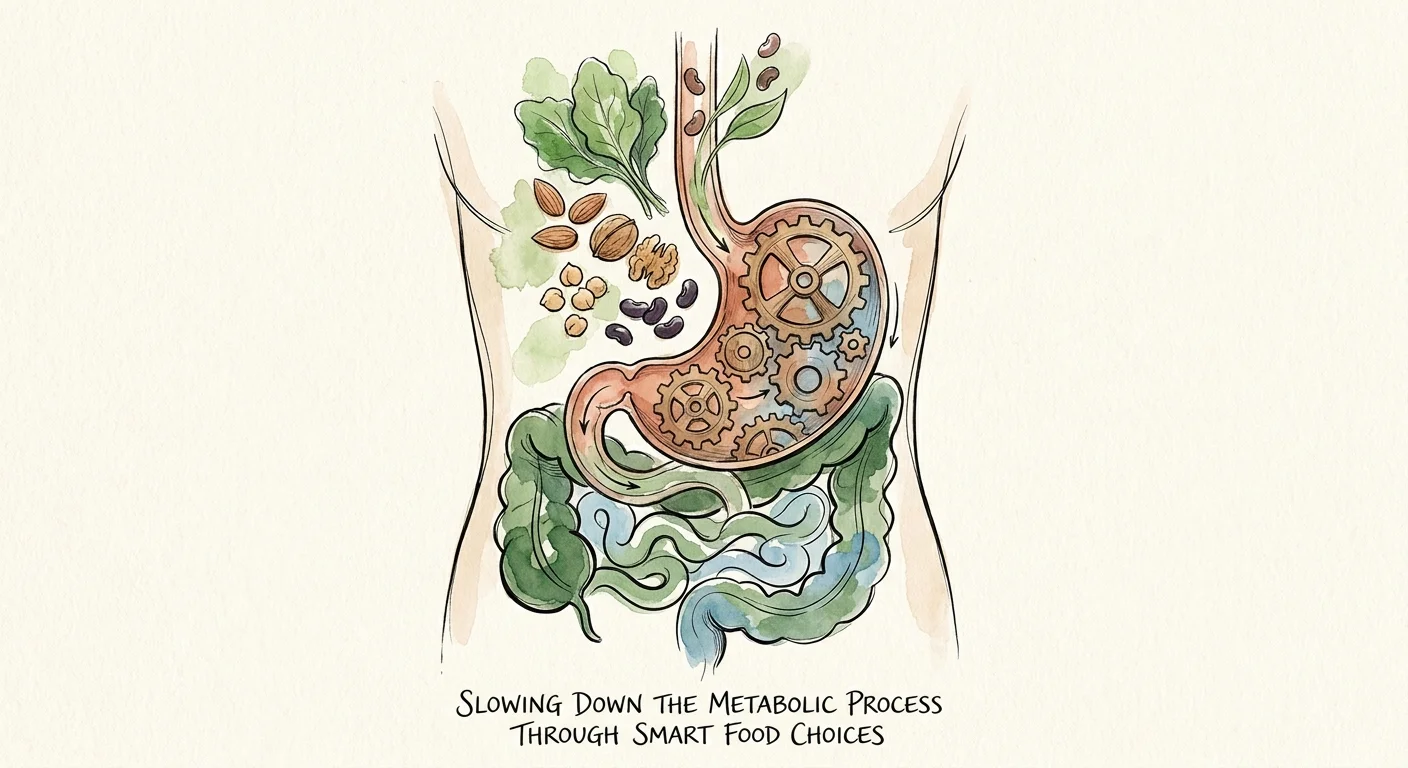
Understanding the mechanical role of specific nutrients empowers you to make smarter choices at the grocery store. Dietary fiber and healthy fats operate as the absolute ultimate metabolic regulators. When you eat fiber, particularly the soluble variety found in chia seeds, Brussels sprouts, and legumes, it forms a thick, viscous gel inside your stomach. This gel physically traps carbohydrate molecules, actively preventing your digestive enzymes from breaking them down too rapidly. Similarly, incorporating healthy fats from avocados, extra virgin olive oil, and raw nuts slows the overall rate of gastric emptying. According to Centers for Disease Control and Prevention guidelines, increasing your daily fiber intake not only stabilizes your immediate blood sugar but also dramatically improves your long-term cardiovascular health and cholesterol profile.

Habit Formation for Daily Success
Consistency inevitably trumps perfection when you seek to manage your metabolic health over the long term. You can profoundly influence your body’s insulin response simply by establishing a daily routine of post-meal movement. Taking a leisurely, fifteen-minute walk immediately after finishing your lunch or dinner actively forces your skeletal muscles to absorb circulating glucose from your bloodstream, entirely bypassing the need for your pancreas to secrete large amounts of insulin. You do not need to engage in vigorous, sweat-inducing exercise to reap these metabolic benefits; gentle, continuous movement effectively blunts the post-meal glucose spike. Pair this physical habit with a consistent sleep schedule and adequate hydration, and you create an internal physiological environment where your blood sugar remains reliably flat, predictable, and fully under your conscious control.

Voices from the Field
Clinical dietitians and geriatric nutrition experts frequently observe a distinct pattern of frustration among older adults who genuinely believe they are adhering to a strict, healthy diet. Registered dietitians note that patients often express profound shock when they discover their beloved morning bowl of instant oatmeal and their daily glass of processed orange juice are directly responsible for their rising glucose levels. Real-world success stories consistently emerge when seniors replace these high-glycemic imposters with savory, protein-forward breakfasts. Individuals who transition from eating a plain bagel to enjoying two scrambled eggs with fresh spinach consistently report experiencing drastically improved mental clarity, fewer mid-afternoon energy crashes, and a noticeable reduction in their cravings for sweet snacks. These lived experiences strongly reinforce the biological reality that food quality, structural integrity, and macronutrient balance matter significantly more than simply eating foods that merely carry a culturally accepted health halo.

Safety, Personalization, and Contraindications
While prioritizing protein and fiber serves as a universally sound strategy, you must always tailor these general nutritional guidelines to your unique medical circumstances. If you currently manage chronic kidney disease, you must consult your nephrologist or a specialized renal dietitian before dramatically increasing your daily protein intake, as damaged kidneys struggle to process excessive amino acids. Furthermore, if you possess a sensitive digestive tract or a history of diverticulitis, you should increase your dietary fiber intake very gradually over several weeks; sudden, massive increases in roughage can provoke severe bloating, uncomfortable gas, and painful gastrointestinal distress. Most importantly, if you currently take prescription medications to lower your blood sugar, you must work closely with your prescribing physician. Improving your diet and lowering your carbohydrate intake can significantly increase your risk of experiencing dangerous hypoglycemia if your physician does not simultaneously adjust your medication dosages to match your new, healthier lifestyle.
Frequently Asked Questions
Do I need to completely cut out all fruit to manage my blood sugar?
You absolutely do not need to eliminate fresh fruit from your daily diet. Whole, fresh fruits contain essential antioxidants, vital vitamins, and abundant water, packaged perfectly alongside protective dietary fiber. You should focus primarily on consuming fruits with a naturally lower glycemic index, such as fresh raspberries, blackberries, strawberries, and crisp green apples. Always pair your fruit portion with a small source of healthy fat or protein—like a handful of almonds or a slice of sharp cheese—to further blunt the digestive speed and keep your glucose response minimal and entirely manageable.
How quickly does blood sugar typically rise after eating a trigger food?
When you consume a highly refined carbohydrate or a liquid sugar source on an empty stomach, your blood glucose levels can begin to surge violently in as little as fifteen to twenty minutes. The peak of this metabolic spike generally occurs approximately one hour after your first bite. By the two-hour mark, your pancreas has usually released a massive wave of insulin to drive the sugar into your cells, frequently resulting in a reactive drop in blood sugar that leaves you feeling suddenly exhausted, irritable, and craving even more carbohydrates.
Are artificial sweeteners a safe, healthy substitute for seniors?
Artificial sweeteners can serve as a helpful, temporary stepping stone when you are actively trying to reduce your intake of refined sugar, but you should not view them as a permanent nutritional solution. Current peer-reviewed nutritional studies suggest that while non-nutritive sweeteners do not spike your blood sugar directly, consuming them in large quantities can negatively alter your fragile gut microbiome and subtly perpetuate your brain’s natural craving for intensely sweet foods. You will experience better long-term success by gradually training your palate to appreciate the subtle, natural sweetness of whole foods like cinnamon, vanilla extract, and fresh berries.
Can I still eat white potatoes if I chill them first?
Yes, you can leverage a fascinating chemical process known as resistant starch formation to enjoy potatoes with a significantly lower metabolic impact. When you cook a starchy food like a white potato or white rice and then thoroughly cool it in your refrigerator for at least twelve hours, the physical structure of the starches fundamentally changes. These cooled starches become highly resistant to your digestive enzymes, meaning they pass through your stomach and small intestine largely intact, functioning more like beneficial dietary fiber than a simple sugar. Even if you gently reheat the potato the next day, it will produce a notably smaller spike in your blood sugar.
Take Action Today
Transforming your metabolic health does not require you to execute a flawless, overnight overhaul of your entire kitchen pantry; in fact, gradual, deliberate changes yield the most sustainable, long-lasting results. Your challenge for the next twenty-four hours is incredibly simple: identify just one of the deceptive foods mentioned above that currently resides in your daily routine and consciously swap it for its high-fiber or high-protein alternative. Whether you decide to replace your afternoon flavored yogurt with plain Greek yogurt or trade your morning glass of juice for a completely whole piece of fruit, you are actively taking a powerful, scientifically backed step toward stabilizing your energy. Embrace this single, manageable change today, and you will immediately begin to protect your vitality, nourish your body, and secure your independence for the vibrant years ahead.