Your taste buds undergo a dramatic transformation as you age, often turning lifelong food aversions into newfound culinary delights. Understanding this biological shift allows you to unlock a wider, more nutrient-dense diet that supports your long-term wellness. The foods you pushed around your plate as a child—like bitter greens and pungent cheeses—often become the very ingredients you crave later in life. This evolution happens because your olfactory receptors and taste papillae naturally change over the decades, making aggressive flavors feel more balanced and nuanced. By reintroducing certain controversial foods to your meals, you can effortlessly boost your intake of essential antioxidants, fiber, and healthy fats while deeply satisfying your evolving palate.
The Science Behind Your Evolving Palate
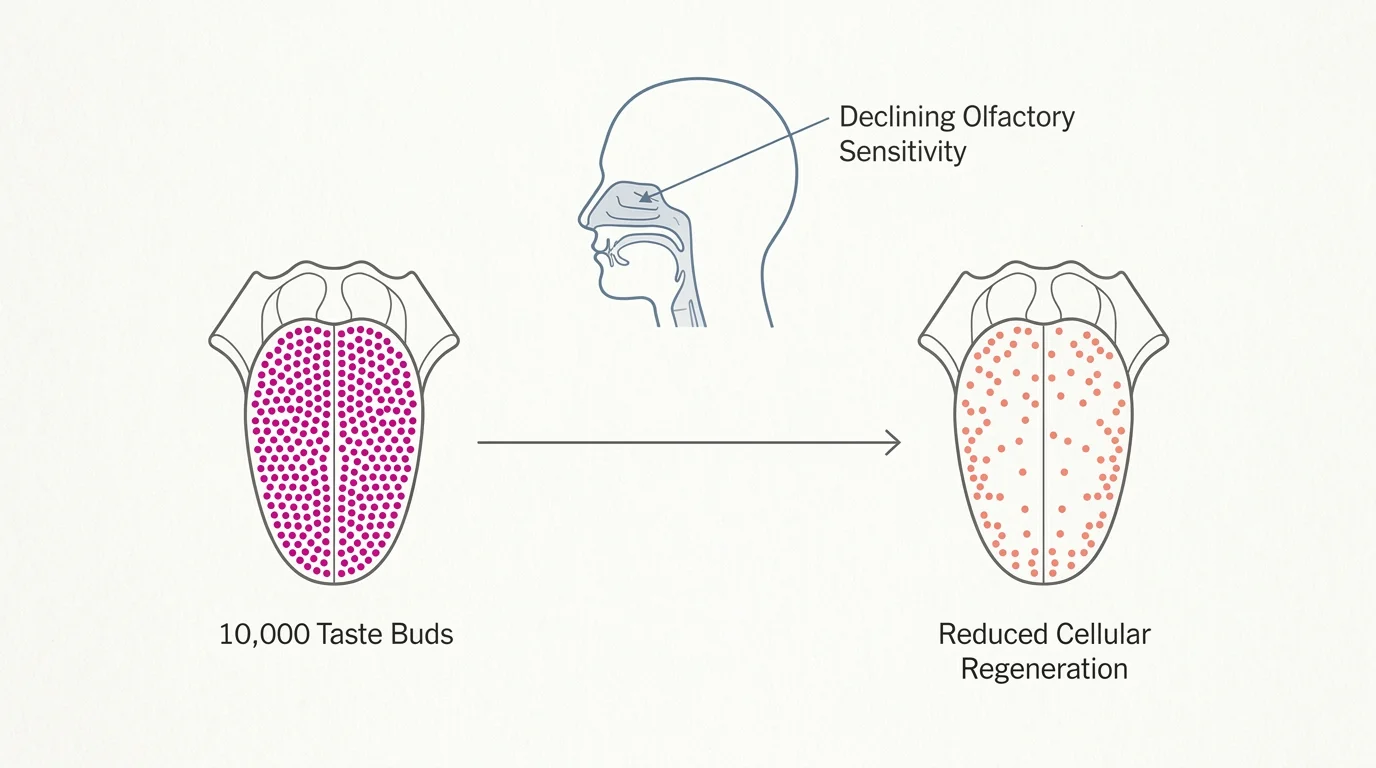
The human tongue is a complex organ that evolves continuously throughout your life. At birth, you possess roughly ten thousand taste buds, which are highly sensitive to bitterness. This heightened sensitivity serves an evolutionary purpose; it protects young children from ingesting toxic plants. However, as you cross into your forties and fifties, the cellular regeneration of these sensory receptors begins to slow down. The overall number of functioning taste buds decreases, and the ones that remain require a stronger stimulus to send flavor signals to your brain.
Simultaneously, your olfactory system—which plays a massive role in how you perceive flavor—experiences a gradual decline in sensitivity. The combination of these two physiological changes means that overwhelmingly intense, bitter, or pungent foods suddenly lose their aggressive edge. What once tasted like a sharp, unpleasant assault on your senses now registers as a complex, savory, or earthy profile. According to research published by the National Institute on Aging, these shifts in smell and taste are entirely normal parts of the aging process. Embracing this sensory evolution rather than fighting it provides a brilliant opportunity to expand your culinary horizons and profoundly improve your nutritional intake.
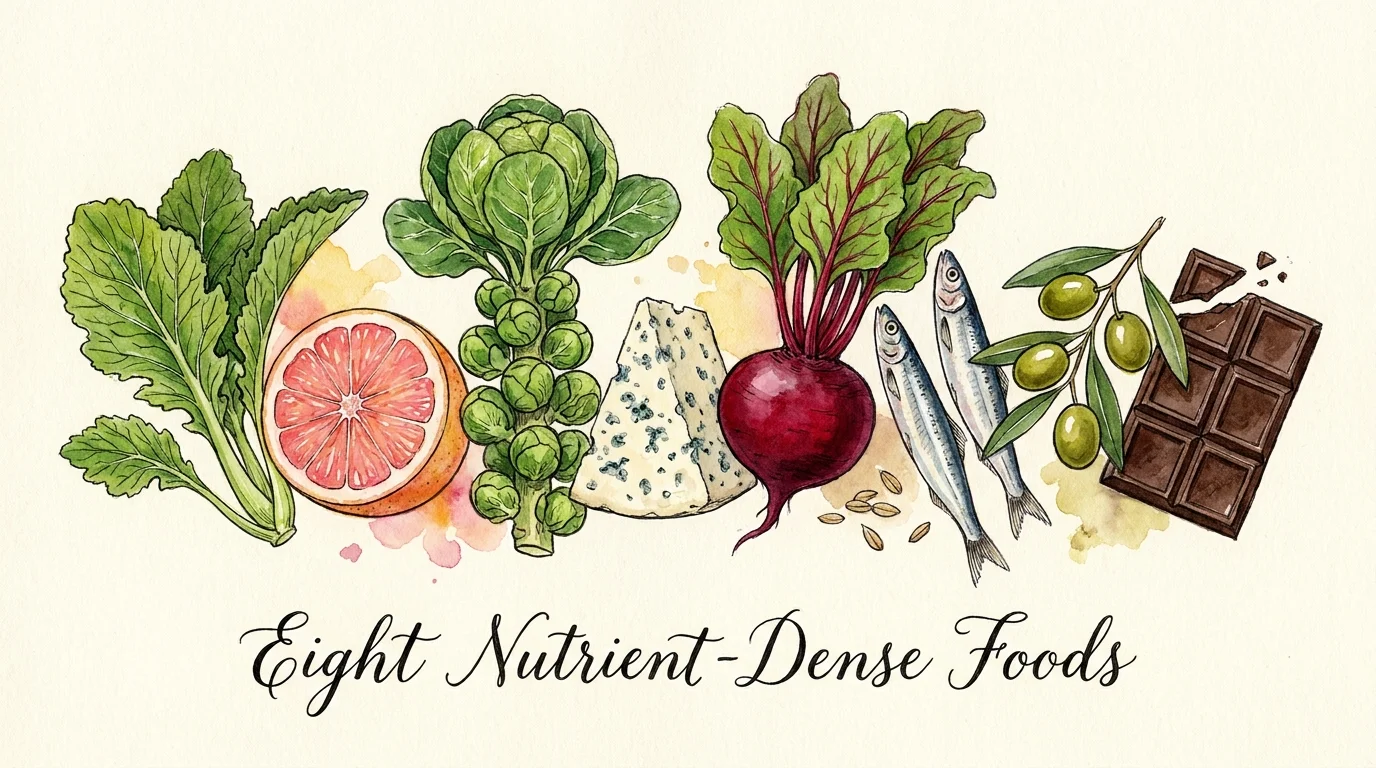
Eight Nutrient-Dense Foods Your Evolving Palate Will Love

Brussels Sprouts
Many adults hold onto traumatic childhood memories of mushy, sulfurous Brussels sprouts. If you have avoided them for decades, it is time to give these miniature cabbages another well-deserved chance. Brussels sprouts are packed with glucosinolates, which are organic compounds responsible for their characteristic bitter bite. As your bitterness threshold naturally increases, you will likely find their flavor profile earthy and satisfying rather than overwhelming. Furthermore, modern cooking methods have completely transformed how we prepare them. Tossing Brussels sprouts in olive oil and roasting them at a high temperature caramelizes their natural sugars, beautifully overriding any residual bitterness. Nutritionally, they provide an exceptional dose of vitamin K, vitamin C, and dietary fiber, making them a powerhouse for bone density and immune health.

Dark Chocolate
Milk chocolate dominates the preferences of younger palates due to its extraordinarily high sugar and fat content. However, as you grow older, the extreme sweetness of milk chocolate can become cloying and unappealing. Dark chocolate—specifically varieties containing seventy percent cacao or higher—offers a sophisticated, slightly astringent alternative that mature taste buds truly appreciate. The rich, deep flavors of dark chocolate come from flavanols, which are potent plant-based antioxidants linked to improved vascular health. Data from the American Heart Association highlights that these specific flavanols can help lower resting blood pressure and improve blood flow to both the brain and the heart. Snacking on a high-quality square of dark chocolate gives you a deeply satisfying dessert experience without the inevitable sugar crash associated with traditional processed candies.
Olives
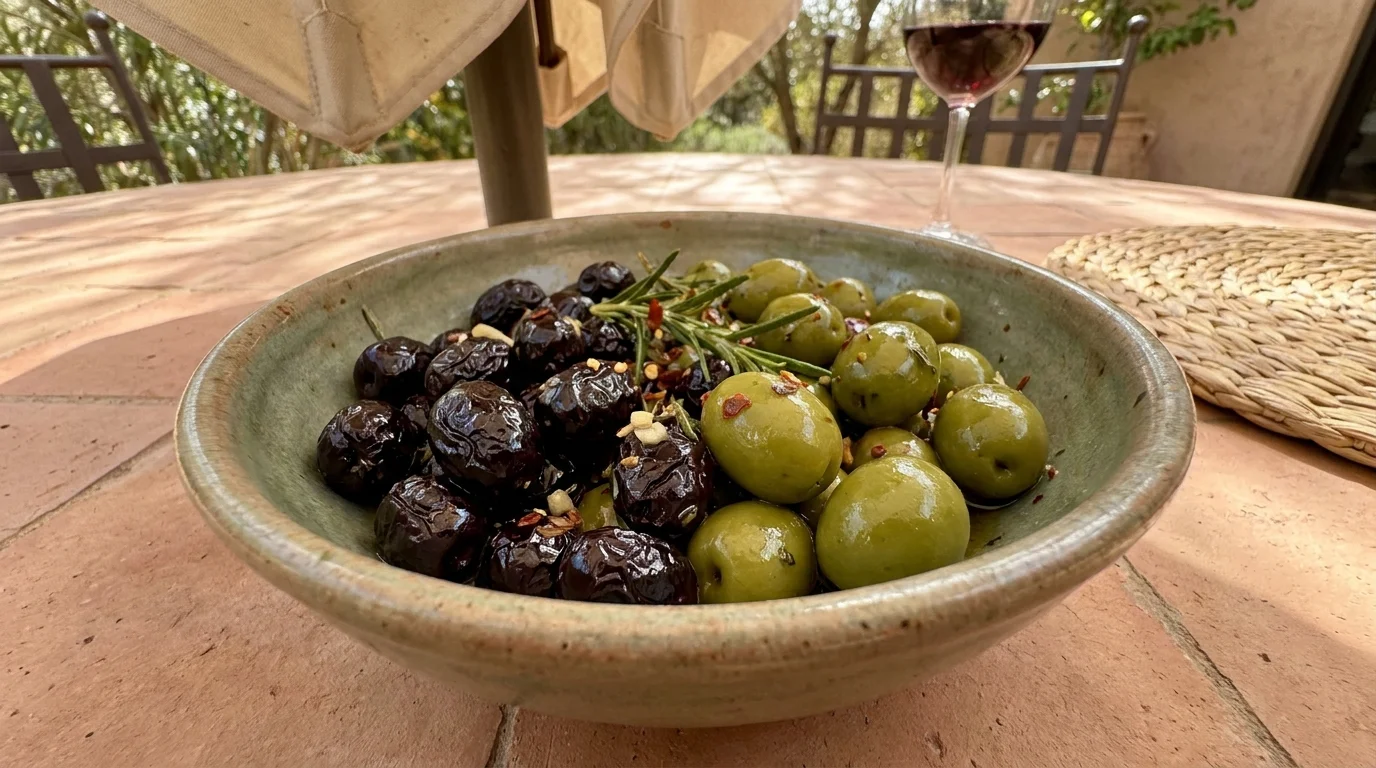
Olives are a remarkably polarizing food; their brine-soaked, salty, and slightly bitter nature frequently repels young eaters. Yet, they remain a foundational staple of the Mediterranean diet, which is widely celebrated across the globe for promoting longevity and cognitive health. The traditional curing process gives olives a distinct umami flavor that older adults often find incredibly appealing. Incorporating olives into your daily meals provides a substantial serving of oleic acid, a heart-healthy monounsaturated fat that actively helps reduce systemic inflammation. Whether you toss Kalamata olives into a vibrant Greek salad or snack on buttery Castelvetrano olives alongside a handful of raw almonds, you are doing your cardiovascular system a massive favor. They also offer a steady dose of vitamin E, which rigorously protects your cellular structures from daily oxidative stress.
Grapefruit
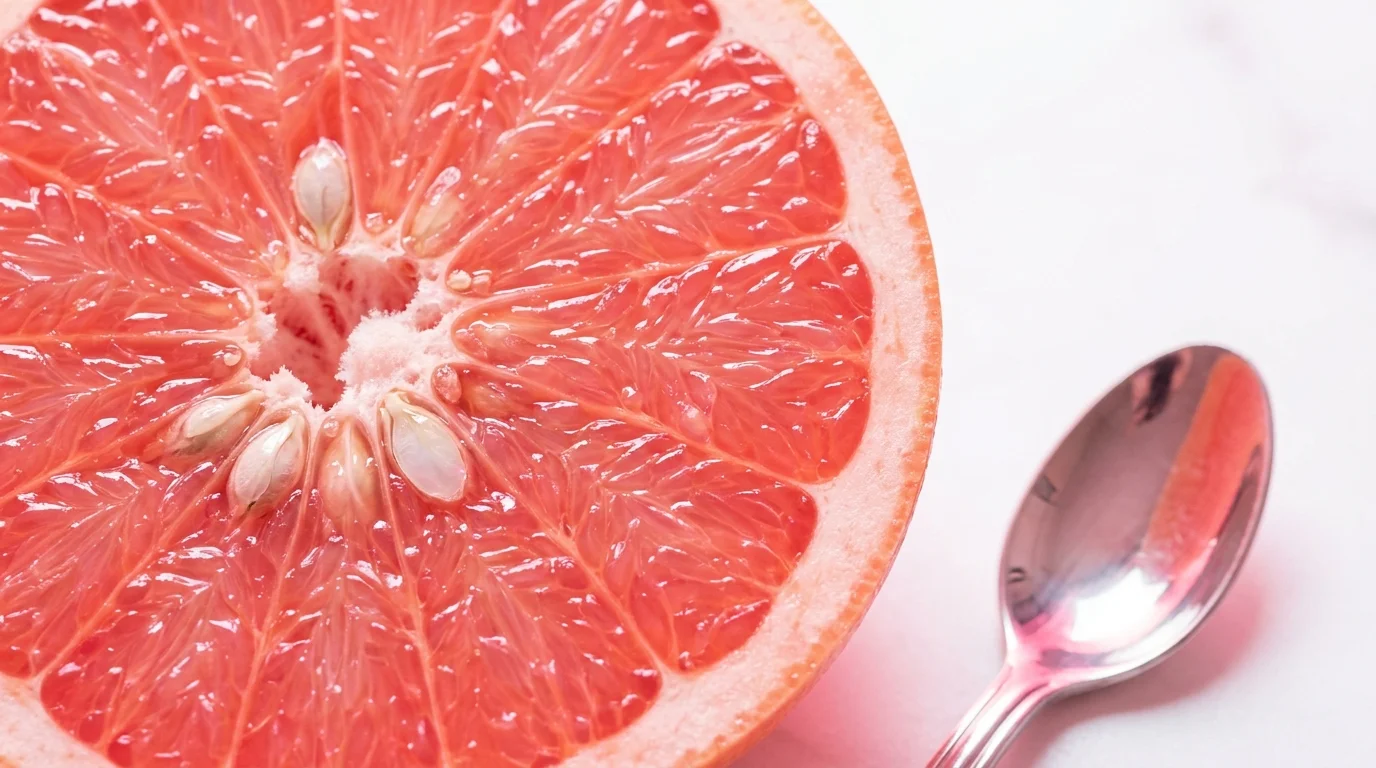
The sheer, unapologetic tartness of grapefruit makes it a tough sell for children, but it stands as a incredibly refreshing, vibrant fruit for mature adults. This citrus powerhouse owes its slightly bitter edge to a flavonoid called naringenin. While a sensitive young palate perceives naringenin as harsh, an older palate recognizes it as crisp and invigorating. Eating half a ruby red grapefruit for breakfast provides a significant boost of morning hydration, dietary fiber, and immune-supporting vitamin C. The fruit also contains high levels of lycopene, a powerful antioxidant known for protecting long-term skin health and reducing the risk of certain chronic diseases. If you still find the citrus flavor slightly too sharp, a brief stint under the broiler can seamlessly coax out the fruit’s hidden natural sweetness.
Blue Cheese
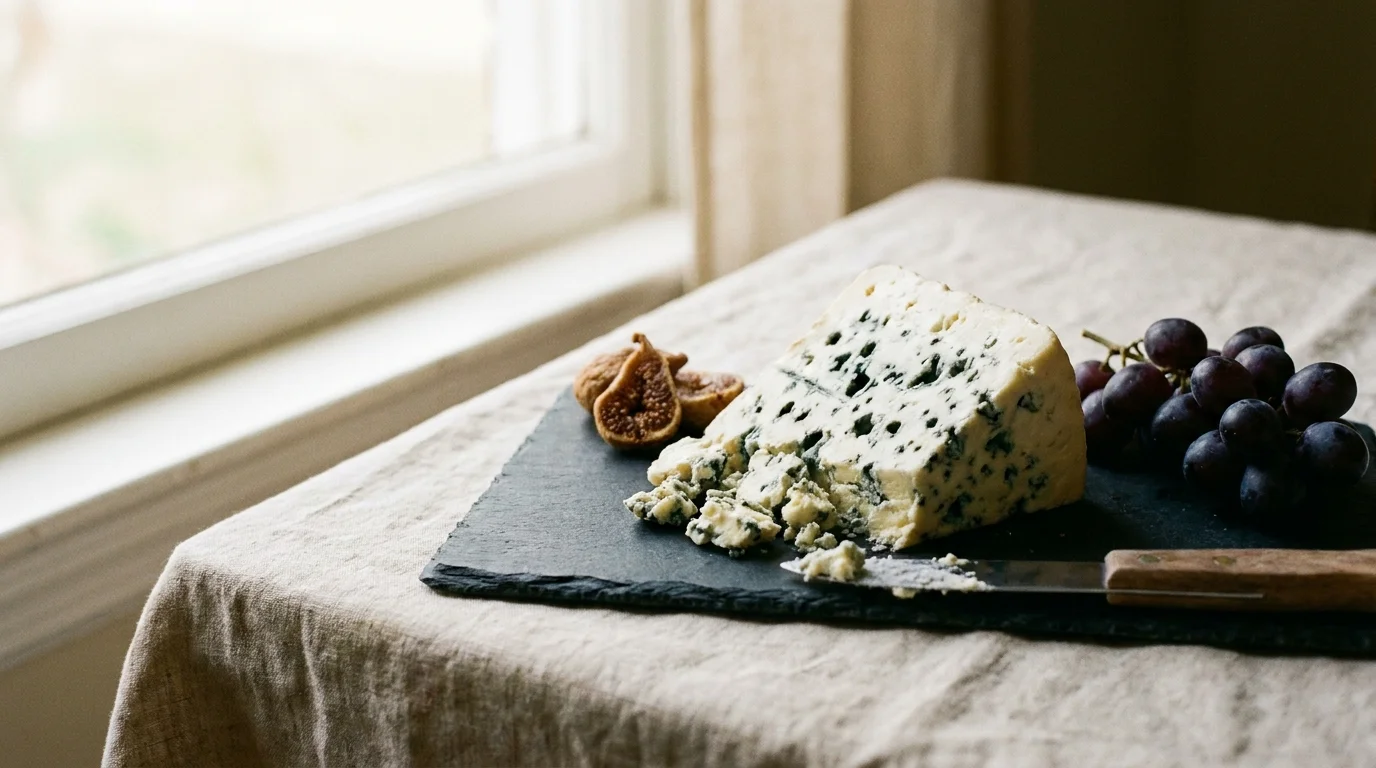
Pungent, mold-ripened cheeses like Roquefort, Gorgonzola, and Stilton frequently intimidate inexperienced eaters. The unmistakable aroma and sharp, salty bite derive directly from the Penicillium roqueforti mold utilized during the traditional aging process. As your sensory thresholds adjust with age, the perceived harshness of blue cheese gracefully mellows out, allowing you to finally detect the creamy, nutty, and subtly sweet undertones that make it a revered gourmet delicacy. Beyond its sophisticated taste, blue cheese provides a dense source of high-quality protein and highly bioavailable calcium, which is absolutely vital for maintaining strong bone density as you navigate the aging process. It also acts as a natural fermented food, offering beneficial bacteria that support a diverse, resilient, and healthy gut microbiome.
Beets
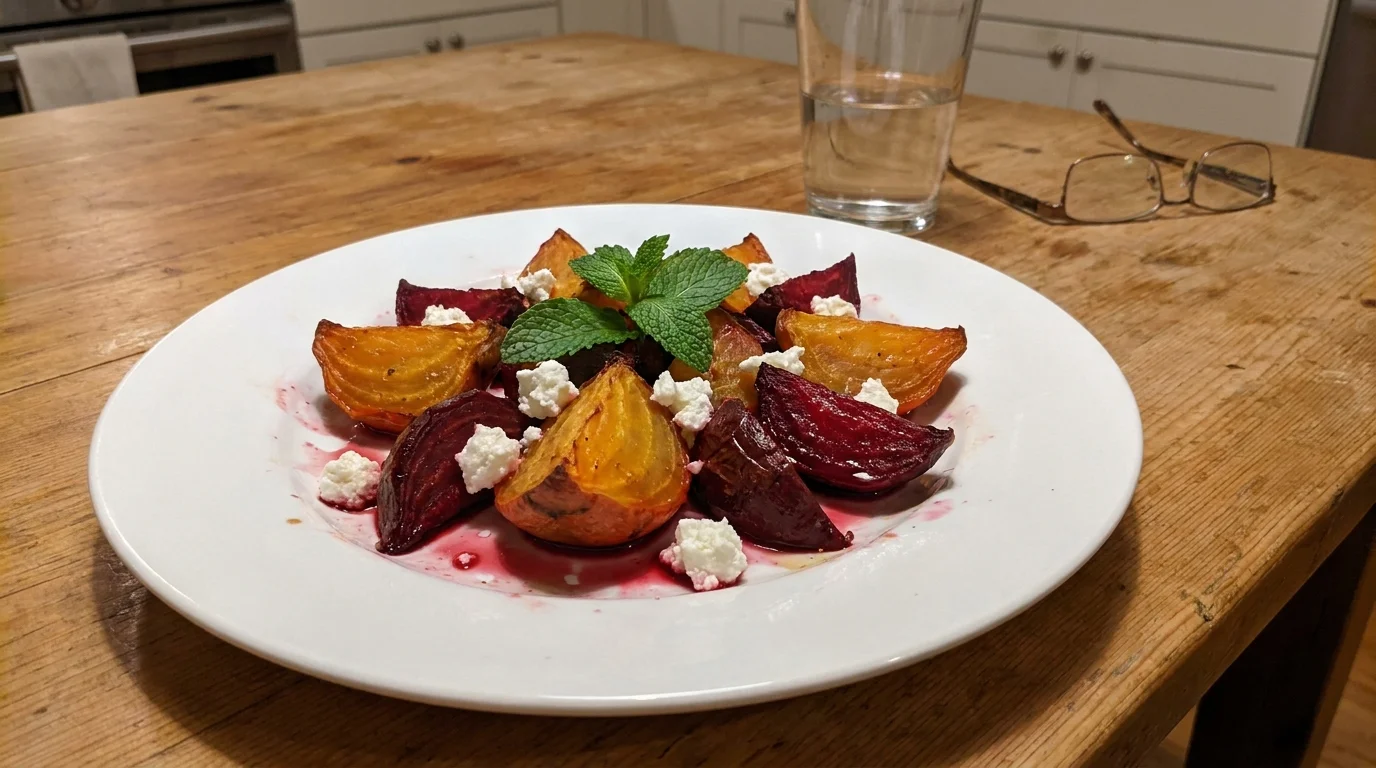
Beets often receive a bad reputation for tasting uncomfortably like dirt. This polarizing earthy flavor profile comes from an organic compound naturally present in the vegetable called geosmin. Human taste buds are remarkably sensitive to geosmin, but age-related sensory dulling tempers this earthiness, allowing the deep, natural sweetness of the beet to successfully shine through. Roasting beets slowly in the oven concentrates this sweetness even further, creating a tender, caramelized vegetable that pairs beautifully with acidic citrus or creamy goat cheese. From a purely clinical perspective, beets are nothing short of spectacular. They are loaded with naturally occurring dietary nitrates, which your body efficiently converts into nitric oxide. This biological process actively relaxes your blood vessels, significantly improving overall circulation and athletic endurance.
Anchovies
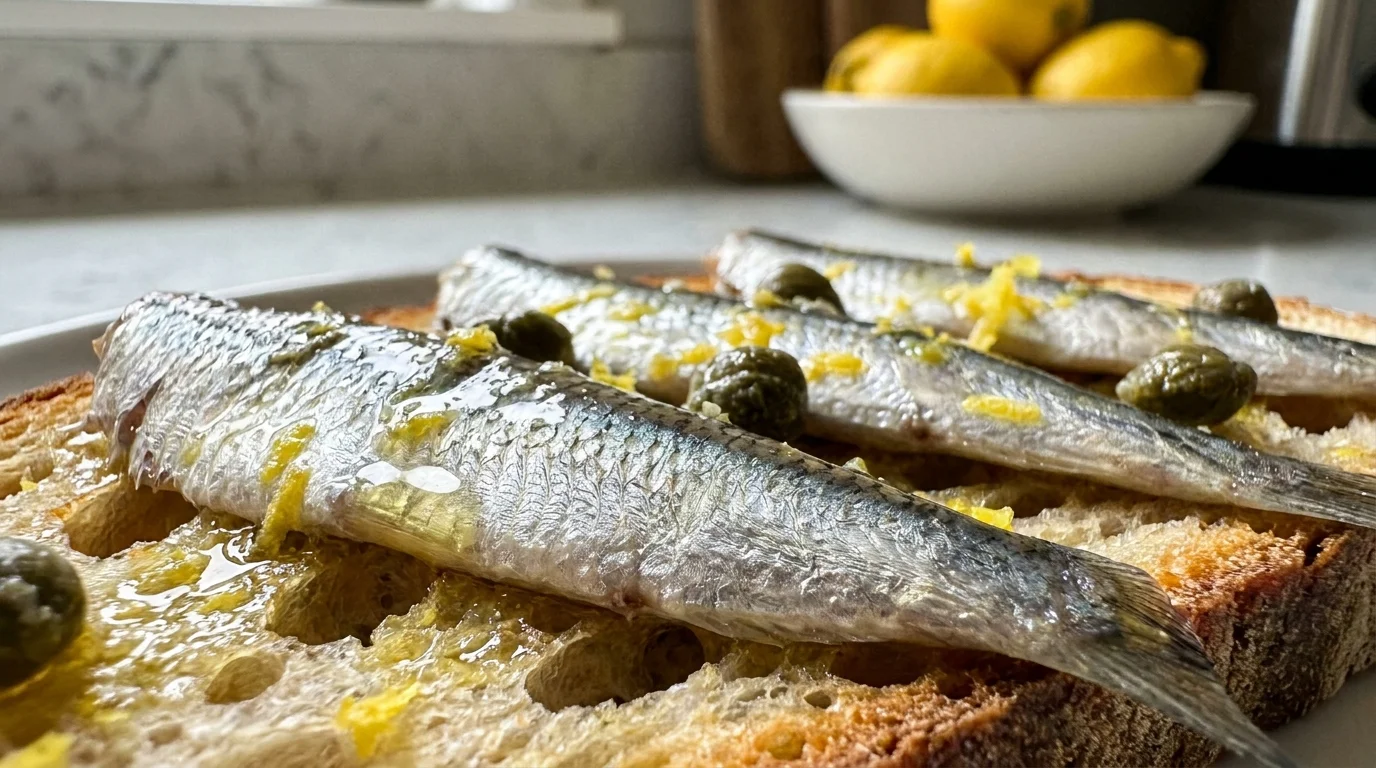
If you have always banished anchovies from your pizza orders, your older self might want to seriously reconsider this stance. These tiny, oily fish are intensely salty and distinctly fishy—qualities that can easily overpower a highly sensitive young palate. However, anchovies are the ultimate, inexpensive source of umami, the deeply savory fifth taste that humans naturally crave more frequently as they age. Dissolving a single anchovy fillet into a rich pasta sauce, a robust salad dressing, or a hearty winter stew adds an unparalleled depth of savory flavor without making the final dish taste undeniably like fish. From a nutritional standpoint, anchovies deliver a highly concentrated dose of omega-3 fatty acids, which are critically important for protecting joint health and maintaining sharp cognitive function over the decades.

Mustard Greens
Leafy greens like standard spinach and romaine lettuce are incredibly easy to love, but mustard greens pack a peppery, horseradish-like punch that generally takes ample time and maturity to fully appreciate. The sharp, pungent bite of raw mustard greens serves as an excellent culinary mechanism to wake up tired or diminished taste buds. Sautéing these robust greens with a touch of fresh garlic and a bright splash of apple cider vinegar softens their assertive flavor profile while carefully preserving their impressive nutritional integrity. Incorporating a hearty serving of mustard greens into your weekly dinner rotation delivers a massive payload of vitamin K, vitamin A, and crucial folate. These micronutrients work synergistically within your body to support optimal vision health, assist in rapid cellular repair, and ensure proper blood clotting functionality.
Strategy Pillars for Embracing New Flavors
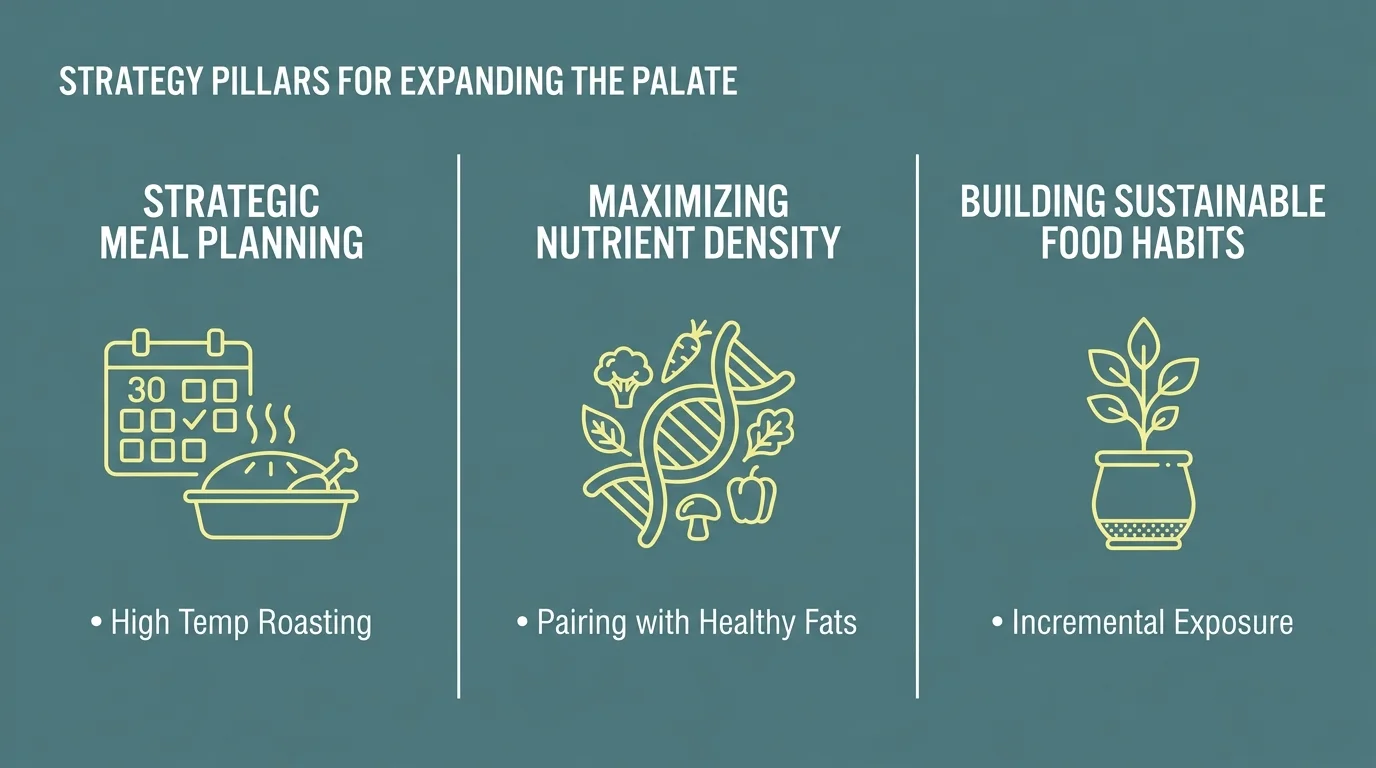
Strategic Meal Planning
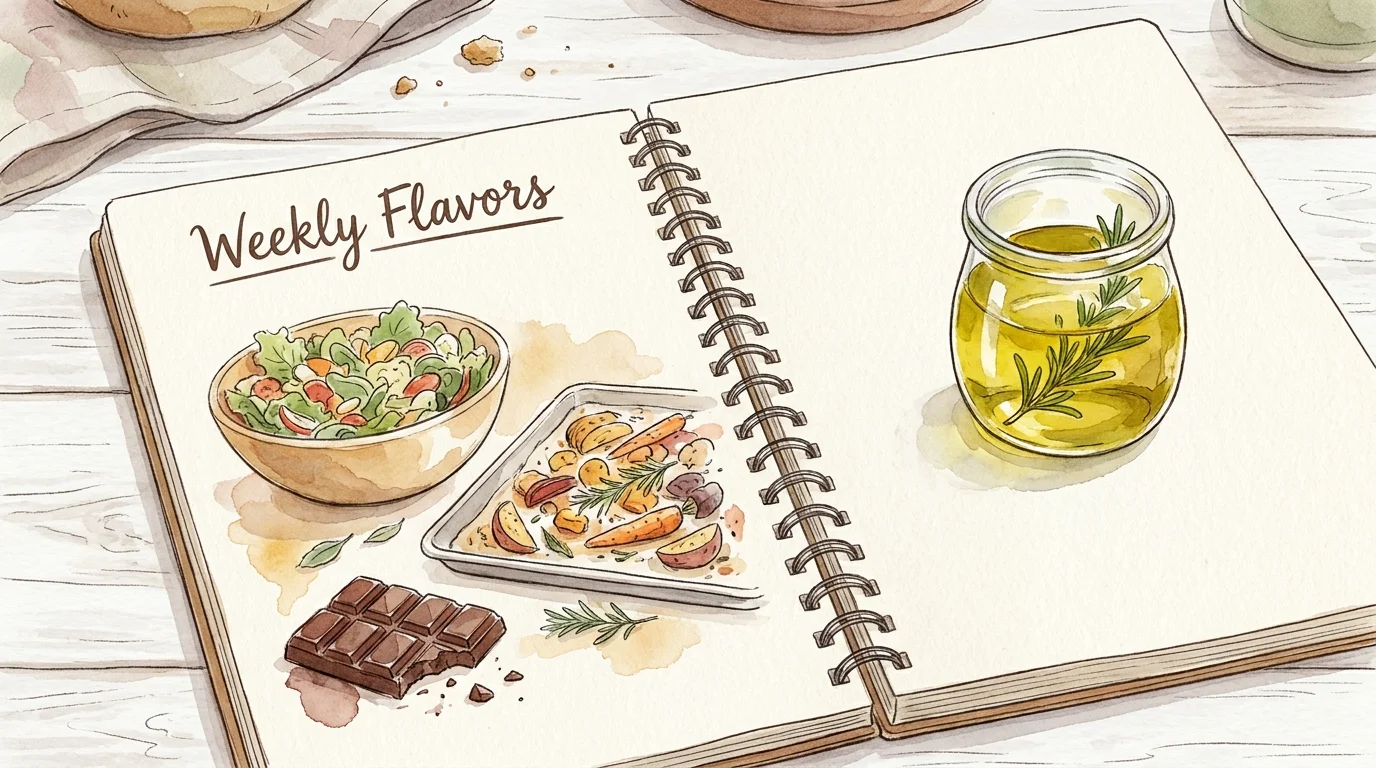
Introducing previously disliked foods into your mature diet requires intentional, thoughtful meal planning. Instead of forcing yourself to immediately eat a large, unappetizing bowl of steamed Brussels sprouts or raw beets, slowly weave remarkably small amounts of these ingredients into dishes you already know and love. Chop dark, bitter leafy greens into a familiar, comforting vegetable soup, or grate a tiny, conservative amount of strong blue cheese over a beautifully seared steak. Pair your new bitter foods with highly complementary flavors; natural sweetness, bright acidity, and savory salt all effectively mask overwhelming bitterness. A rich drizzle of balsamic glaze or a fresh squeeze of lemon juice can easily transform a challenging vegetable into a highly anticipated, delicious side dish. By thoughtfully integrating these items, you actively prevent palate fatigue and gradually build strongly positive associations with new ingredients.
Maximizing Nutrient Density
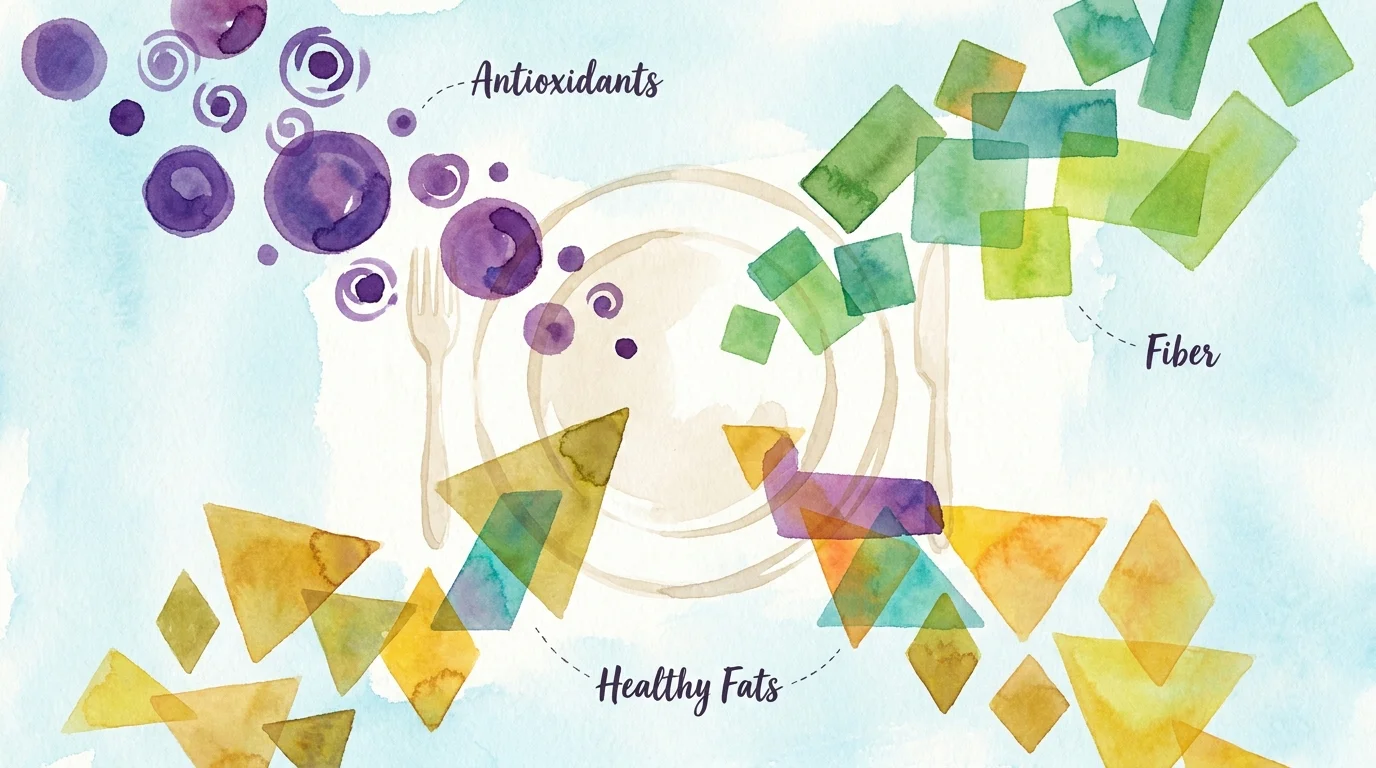
As your metabolic rate naturally slows down with advancing age, every single calorie you consume needs to work significantly harder to meet your daily nutritional requirements. Choosing foods that pack a phenomenally heavy punch of essential vitamins, minerals, and antioxidants ensures you stay fully nourished without accidentally overeating. The robust foods that mature taste buds naturally favor—like dark chocolate, fatty fish, and sulfurous cruciferous vegetables—happen to be exceptionally nutrient-dense. Focus your culinary energy on building your daily meals around these specific powerhouse ingredients. A hearty lunch salad composed of peppery mustard greens, sweet roasted beets, and a few briny Kalamata olives delivers an incredibly broad spectrum of necessary micronutrients that actively fight cellular aging and reduce systemic inflammation.
Building Sustainable Food Habits
Established taste preferences absolutely do not change overnight, even if the necessary biological groundwork is already securely in place. Unwavering consistency remains the single most critical factor in successfully expanding your daily dietary horizons. Nutritional research consistently indicates that it can take up to fifteen separate exposures to a completely new flavor profile before you genuinely begin to enjoy and crave it. Approach your actively evolving palate with profound patience and open curiosity. If you try roasted Brussels sprouts on a Tuesday and remain thoroughly unimpressed, do not abandon them entirely; try them shredded raw in a crunchy slaw the following week. Keeping an exceptionally open mind and continuously exposing your sensory receptors to diverse, complex flavor profiles builds a deeply resilient, joyful approach to healthy, long-term eating.

Insights from Nutrition Experts and Community Members
Clinical dietitians frequently observe a profound, noticeable shift in their clients’ daily eating habits as they pass middle age. A core foundational principle championed by the Academy of Nutrition and Dietetics strongly emphasizes that intentional flavor enhancement is a vital, non-negotiable strategy for successfully preventing malnutrition in older adult populations. When regular food suddenly tastes bland due to entirely natural age-related sensory changes, individuals often quickly lose their appetite or excessively rely on highly processed convenience foods laden with refined salt and added sugar. By leaning into naturally robust, aggressively flavored whole foods like anchovies, sharp cheeses, and mustard greens, you effectively stimulate your appetite safely, healthfully, and naturally.
Many active community members and health-conscious readers continuously echo this clinical observation in their own kitchens. People frequently report with great surprise that their lifelong intense cravings for overly sweet, processed desserts naturally wane over time, organically replaced by a strong desire for a savory slice of sharp cheese or a satisfying handful of roasted, lightly salted nuts. Wholeheartedly embracing this biological shift rather than stubbornly trying to replicate youthful childhood cravings predictably leads to a much more satisfying and profoundly healthful relationship with your daily food. Your body intuitively and brilliantly pushes you toward the exact complex, savory nutrients it desperately requires to continue thriving.
Safety Considerations and Personalizing Your Plate
While enthusiastically expanding your daily diet offers incredibly diverse nutritional benefits, you must always prioritize your highly individual medical needs and specific physical tolerances. Grapefruit, for instance, is a wonderful, hydrating addition to your morning routine, but it notoriously interacts quite dangerously with several incredibly common prescription medications, including specific statins utilized to lower high cholesterol and certain medications designed to manage blood pressure. Always thoroughly consult your primary care physician or a licensed pharmacist before adding raw grapefruit or grapefruit juice to your regular dietary rotation. Furthermore, according to guidance from the Centers for Disease Control and Prevention, strictly managing your daily sodium intake is crucial for maintaining cardiovascular health. Because foods like cured olives, aged blue cheese, and canned anchovies are exceptionally high in natural sodium, you should strategically use these ingredients as light, flavorful garnishes rather than the primary, heavy components of your meal if you are currently managing hypertension.
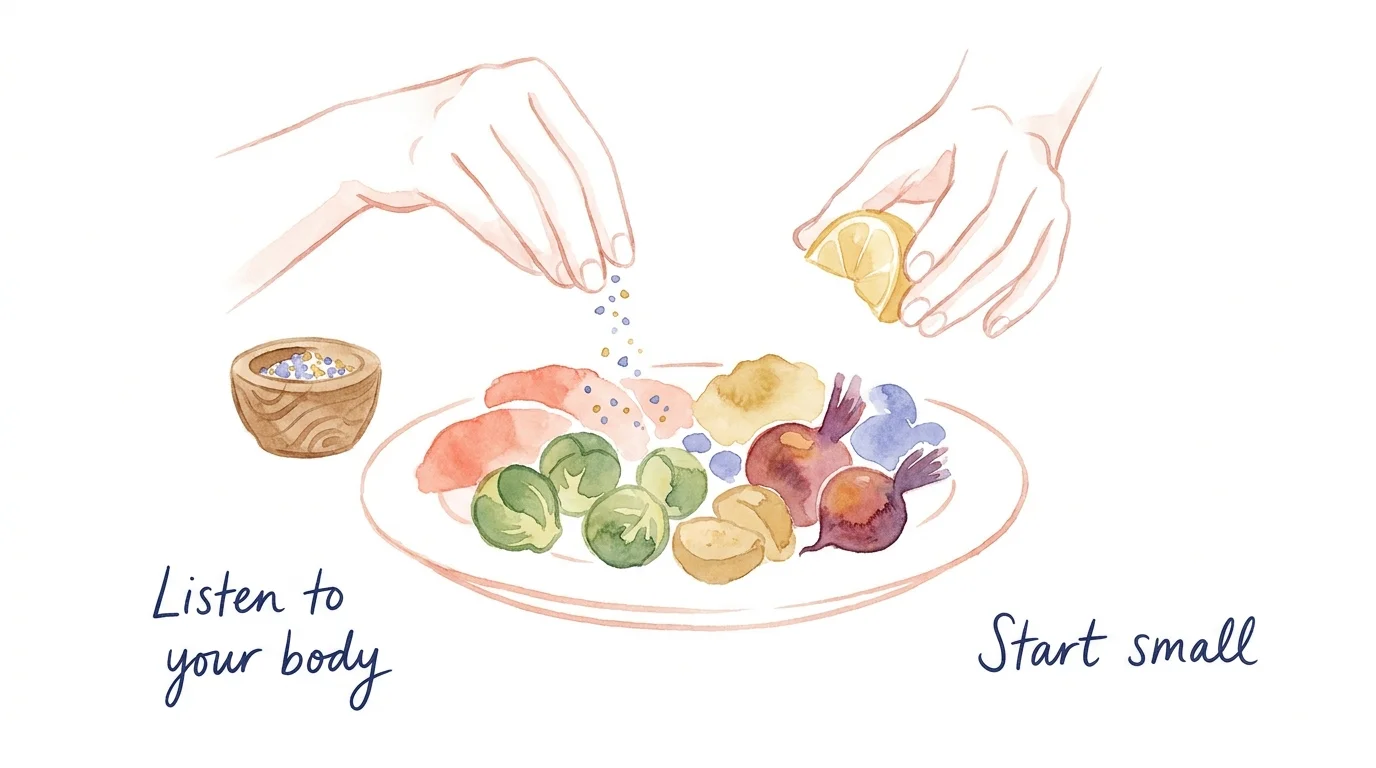
Equally importantly, listen strictly and attentively to your own body regarding personal food sensitivities and known allergies. Just because a specific food is theoretically excellent for your aging palate does not automatically mean your unique digestive system will tolerate it perfectly. If eating cruciferous vegetables like Brussels sprouts predictably causes painful abdominal bloating or severe gastrointestinal distress, simply swap them out for gentler, more easily digestible nutrient sources. The ultimate goal of expanding your palate is to deeply nourish your aging body, absolutely not to force uncomfortable compliance with a specific, rigid ingredient list.
Frequently Asked Questions
Why do I suddenly crave bitter foods?
Craving notably bitter foods as you get older is a direct, natural result of structural biological changes in your taste buds and olfactory receptors. Your tongue gradually loses some of its extreme, youthful sensitivity to harsh bitter compounds, effectively making previously intolerable foods like dark chocolate, kale, and black coffee taste much milder and far more nuanced. Additionally, your body instinctively seeks out robust, highly complex flavors to properly stimulate your daily appetite as your overall baseline sense of taste slightly diminishes over the decades.
Can I speed up the process of liking a new food?
You can effectively accelerate flavor adaptation by consistently pairing the challenging new food with familiar ingredients you already genuinely enjoy. Adding a familiar, comforting fat, like high-quality olive oil or grass-fed butter, alongside a bright acid, such as fresh lemon juice, helps brilliantly bridge the sensory gap. Repeated, low-pressure exposure is the ultimate key to success; try taking just one incredibly small bite of the new food prepared in several drastically different ways over the course of several consecutive weeks.
Does losing my sense of taste mean I am unhealthy?
A highly gradual, mild reduction in your baseline taste and smell is a completely standard biological part of the normal aging process and absolutely does not necessarily indicate poor underlying health. However, a highly sudden, rapid, or severe loss of taste or smell can occasionally be a warning symptom of an active viral infection, a specific nutritional deficiency, or a developing neurological issue. If your personal sensory changes happen rapidly or feel alarming, you should promptly schedule a comprehensive medical evaluation with your primary care physician.
Are there foods that taste worse as you get older?
Many mature adults readily find that overwhelmingly sugary items, such as commercial milk chocolate bars, brightly colored artificial candies, and heavily frosted bakery goods, become surprisingly unappealing. Because your evolving palate naturally begins to heavily favor savory complexity over simple, aggressive sweetness, these highly processed foods can easily taste flat, cloying, or even physically uncomfortable to consume. Highly processed snack foods relying heavily on artificial, chemical flavorings also rapidly tend to lose their youthful appeal.
Embrace Your New Palate Today
Your beautifully evolving taste buds present a tremendous, exciting opportunity to completely revitalize your daily meals and dramatically improve your overall nutritional intake. Rather than stubbornly sticking to the exact same rigid, uninspired grocery list you have comfortably used for decades, lean confidently into the bold, complex flavors your aging body is finally ready to fully appreciate. Within the next twenty-four hours, actively challenge yourself to purchase just one single food item you historically disliked—perhaps a remarkably small wedge of pungent blue cheese or a single, high-quality dark chocolate bar. Prepare it simply, keep an open mind, and joyfully discover the immense satisfaction of feeding your mature, sophisticated palate.