
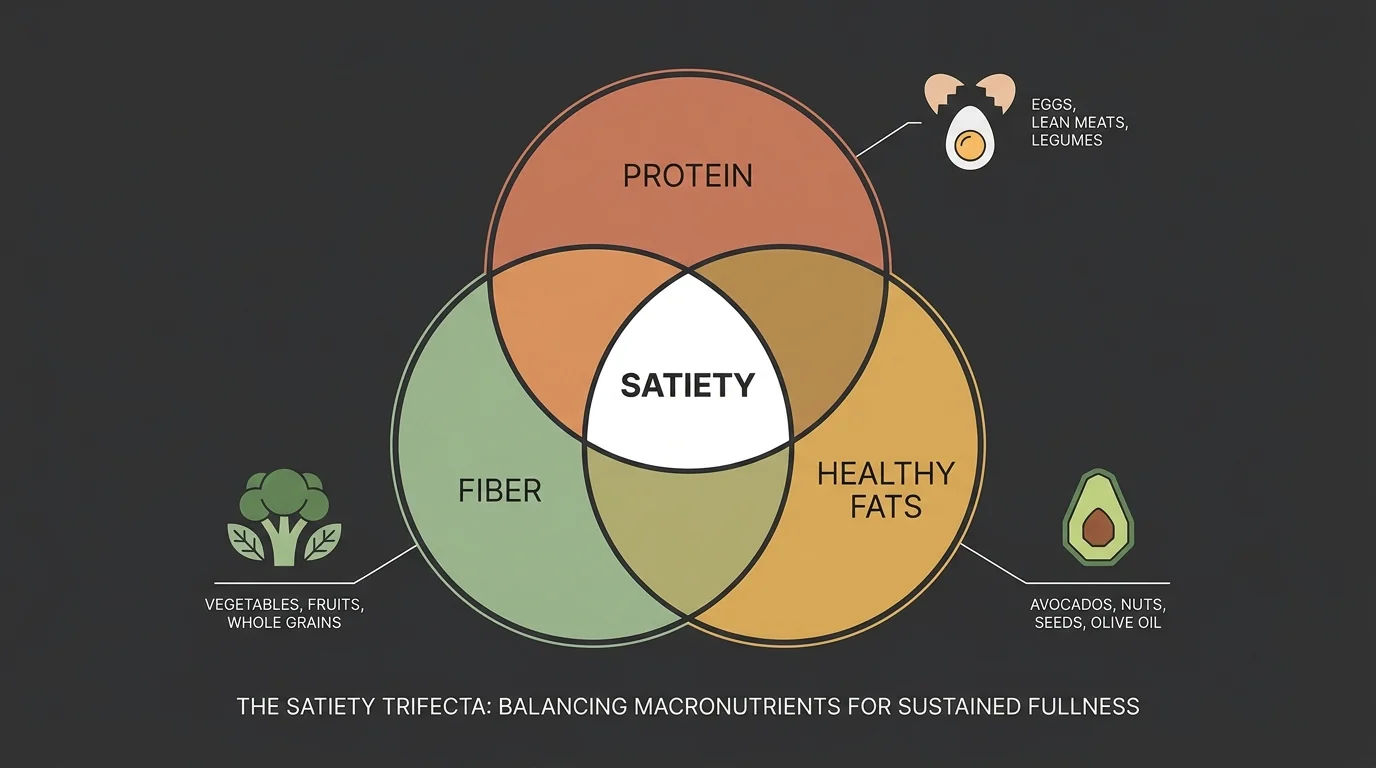
Managing hunger is the secret to sustaining energy levels and reaching your wellness goals without feeling deprived throughout the day. Selecting specific, nutrient-dense ingredients naturally suppresses appetite, stabilizes blood sugar, and provides lasting physical satisfaction between meals. Understanding the biological mechanics of satiety allows you to step away from constant grazing and focus on sustained nourishment. Incorporating foods rich in protein, dietary fiber, and healthy fats delays gastric emptying and influences hunger hormones, keeping your stomach quiet and your mind sharp. By adjusting your daily dietary choices, you can conquer mid-afternoon energy crashes and nighttime cravings, ultimately building a sustainable approach to healthy eating that honors your appetite rather than fighting it.
The Science of Satiety and Appetite Control
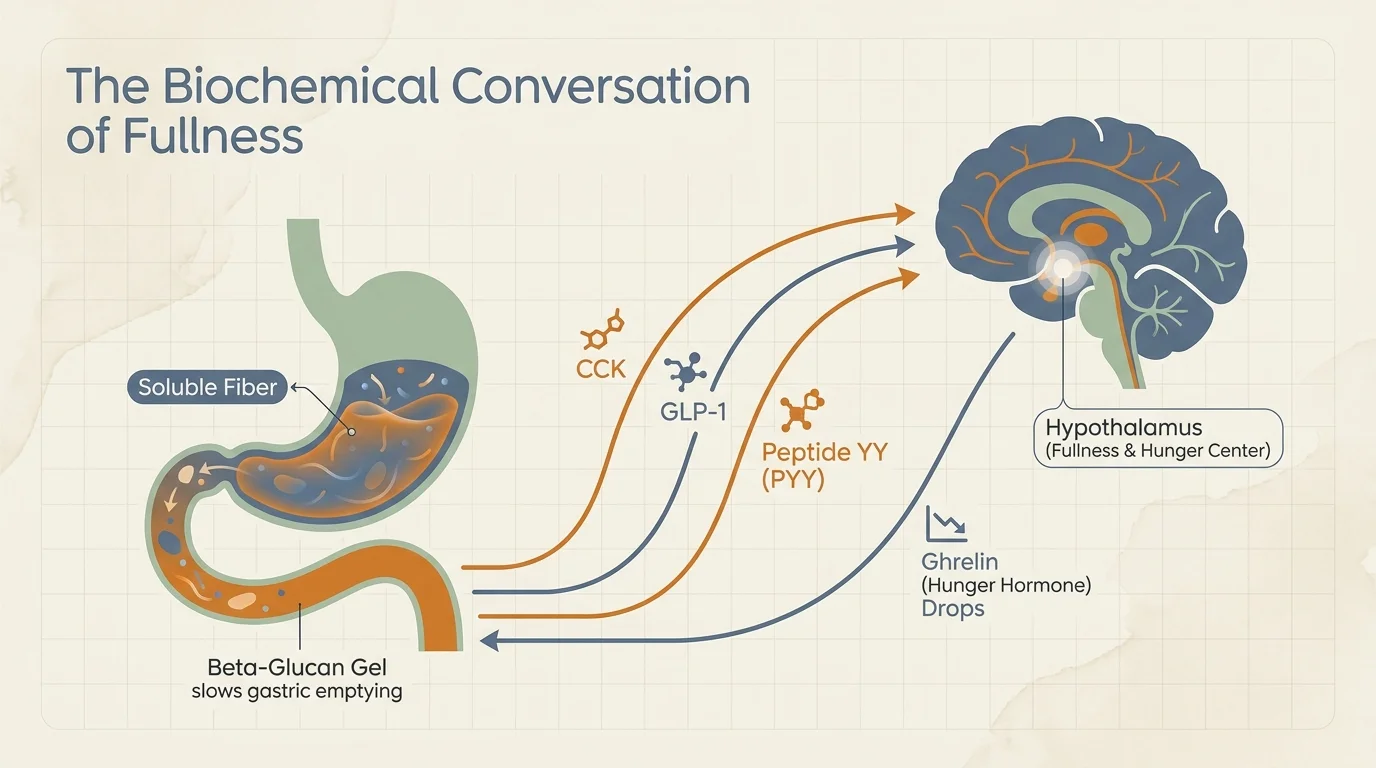
Feeling full is not merely a matter of stretching your stomach; it is a complex biochemical conversation between your digestive system and your brain. When you consume a meal, your gastrointestinal tract releases specific hormones—such as cholecystokinin (CCK), glucagon-like peptide-1 (GLP-1), and peptide YY (PYY)—which travel to your hypothalamus to signal that you have received adequate nourishment. Simultaneously, the production of ghrelin, commonly known as the hunger hormone, drops significantly. Foods that effectively trigger these hormonal cascades share three primary characteristics: high protein content, rich dietary fiber, and a substantial volume of water.
Macronutrients digest at vastly different speeds, fundamentally altering your daily hunger patterns. Simple carbohydrates metabolize rapidly, causing a sharp spike in blood glucose followed by a rapid crash that leaves you reaching for another snack an hour later. Conversely, protein and complex carbohydrates require significant time and enzymatic effort to break down. Dietary fiber, particularly soluble fiber, absorbs water and forms a thick gel in your digestive tract. This gel physically slows the emptying of your stomach into your small intestine, ensuring a steady, prolonged release of nutrients into your bloodstream. Relying on clinical nutrition studies allows us to identify the exact ingredients that maximize this physiological effect, providing you with a reliable roadmap for building deeply satisfying meals.
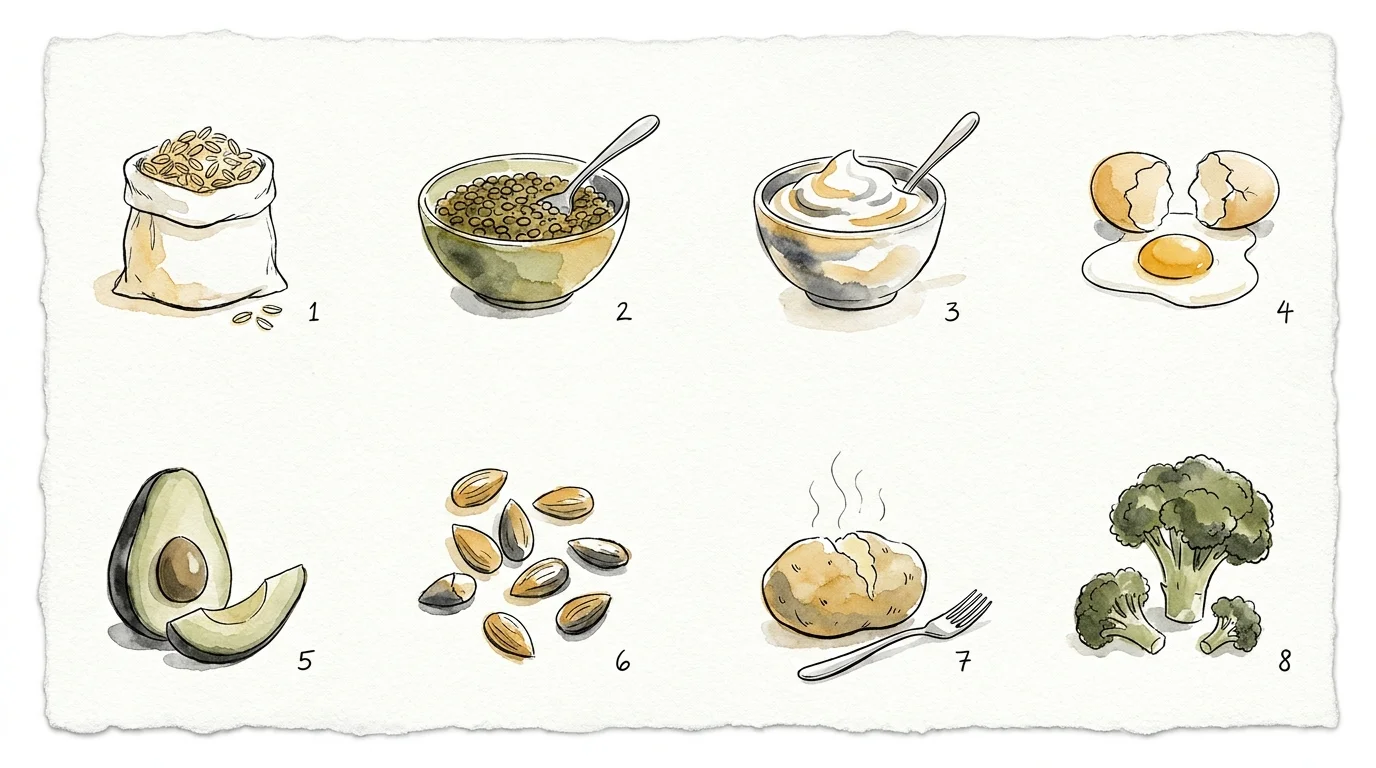
8 Powerhouse Foods for Lasting Fullness

1. Whole Grain Oats
Oats are a cornerstone of appetite management due to their exceptional concentration of a specific soluble fiber called beta-glucan. When you consume a bowl of oatmeal, the beta-glucan absorbs surrounding liquid and transforms into a viscous, gel-like substance in your digestive tract. This physical barrier profoundly delays gastric emptying, ensuring that your breakfast provides a slow, steady drip of energy rather than a fleeting sugar rush. To maximize their satiating power, you should opt for steel-cut or rolled oats rather than heavily processed instant packets, which often strip away beneficial fiber and add unnecessary sugars. Preparing your morning oats with dairy or soy milk instead of water further enhances the meal by adding a critical dose of protein.

2. Legumes and Pulses
Beans, lentils, chickpeas, and peas represent some of the most potent, budget-friendly tools for conquering hunger. Legumes offer a rare and powerful combination of complex carbohydrates, soluble fiber, and plant-based protein. This dual-action nutrient profile means they take a considerable amount of time to digest, significantly blunting the blood sugar spikes that lead to afternoon crashes. Incorporating black beans into your lunchtime salad, blending chickpeas into a smooth hummus, or simmering lentils into a hearty evening stew provides dense nutrition that respects diverse cultural culinary traditions. Their versatility makes them an effortless addition to almost any savory dish you already enjoy preparing.

3. Greek Yogurt
Traditional yogurt undergoes a straining process to become Greek yogurt, a method that removes much of the liquid whey and concentrates the remaining protein. A standard serving of plain Greek yogurt can deliver between fifteen and twenty grams of high-quality protein, which requires substantial digestive effort and powerfully suppresses ghrelin production. The thick, creamy texture also contributes to a psychological sense of indulgence, helping you feel deeply satisfied after eating. You can leverage Greek yogurt as a tart base for sweet berries and seeds, or use it as a savory substitute for sour cream atop baked potatoes and hearty chili, making it a highly adaptable ingredient for appetite control.

4. Eggs
Eggs consistently rank near the absolute top of the satiating food spectrum, primarily due to their dense concentration of highly bioavailable protein and essential amino acids. Early research on the Satiety Index demonstrated that individuals who consume eggs for breakfast experience profoundly less hunger and consume significantly fewer calories throughout the rest of the day compared to those who eat a bagel of identical caloric value. The combination of protein in the egg white and healthy fats in the yolk provides a comprehensive nutritional package that signals total nourishment to your brain. Hard-boiling a batch of eggs at the beginning of the week guarantees you always have a filling, portable snack on hand when unexpected hunger strikes.

5. Avocados
While many people fear dietary fat, incorporating the right types of fat is absolutely crucial for muting hunger signals. Avocados are loaded with heart-healthy monounsaturated fats and an astonishing amount of dietary fiber—often containing up to ten grams per whole fruit. Fat is the slowest macronutrient to leave the stomach, meaning that adding just half an avocado to your sandwich or salad fundamentally alters the digestion rate of your entire meal. The rich, buttery mouthfeel also enhances the sensory experience of your food, sending immediate signals of satisfaction and abundance to your nervous system before the chemical digestion even begins.
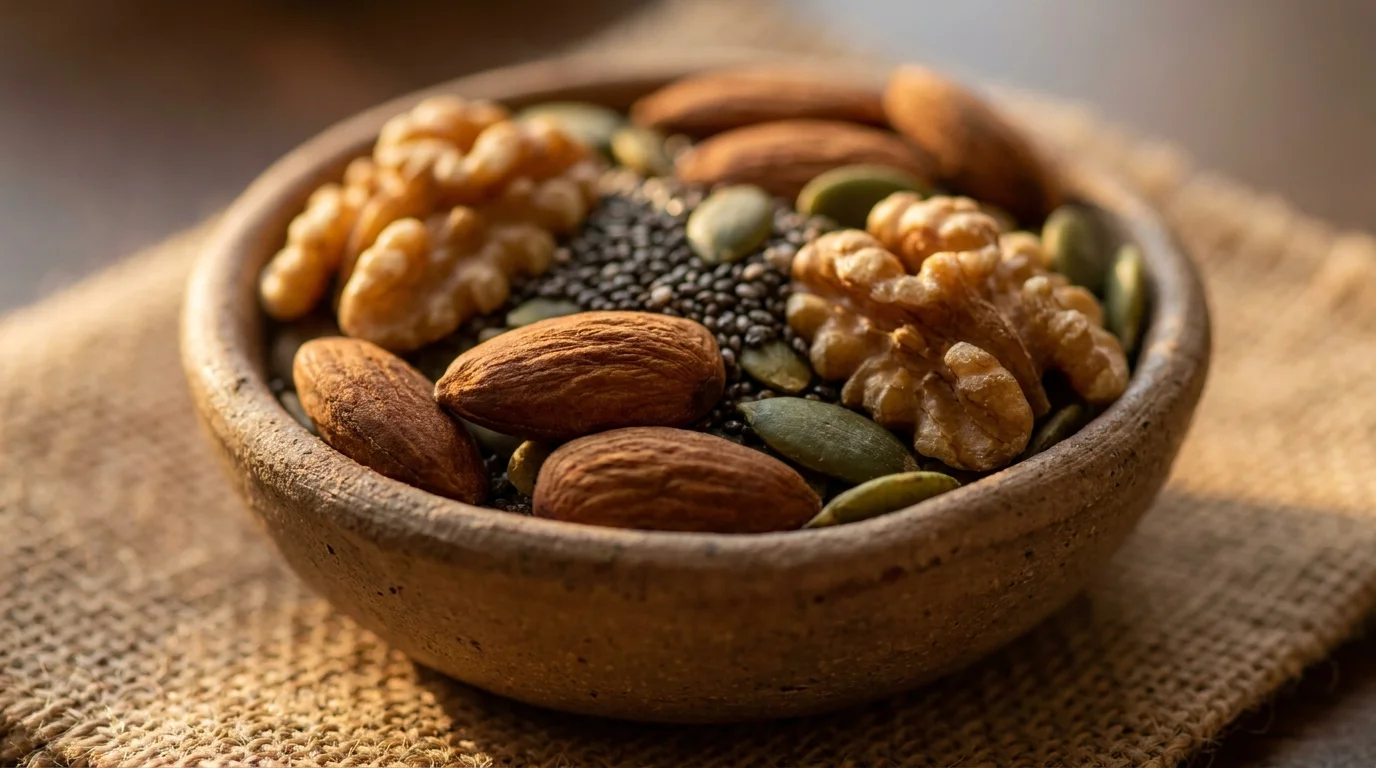
6. Nuts and Seeds
Almonds, walnuts, chia seeds, and flaxseeds deliver a trifecta of appetite-suppressing nutrients: plant-based protein, healthy fats, and dense dietary fiber. Furthermore, the physical act of eating nuts requires significant mastication; chewing crunchy foods thoroughly sends mechanical signals to your brain that heavily influence your perception of fullness. Chia seeds, in particular, expand to several times their original size when exposed to liquid, taking up physical volume in your stomach. While nuts are calorically dense and require mindful portioning, strategically sprinkling a small handful over your meals or enjoying them as an afternoon bridge snack effectively prevents the ravenous hunger that leads to overeating at dinner.

7. Boiled Potatoes
Potatoes have suffered an unfair reputation in diet culture, yet plain, boiled potatoes actually score higher on the Satiety Index than any other tested food. Their ability to fill you up stems from their high water content and a specific type of carbohydrate known as resistant starch. When you boil potatoes and allow them to cool—such as in a potato salad—the starches undergo a structural change, becoming resistant to normal digestion. Instead of breaking down into glucose, resistant starch travels intact to your large intestine, where it ferments and feeds beneficial gut bacteria. This fermentation process produces short-chain fatty acids that trigger the release of powerful fullness hormones.

8. Cruciferous Vegetables
Broccoli, cauliflower, Brussels sprouts, and cabbage are the undisputed champions of volume eating. These vegetables boast exceptionally high water and fiber contents while remaining remarkably low in calories. You can fill an entire dinner plate with roasted broccoli, physically stretching the mechanoreceptors in your stomach wall to signal extreme fullness to your brain, without disrupting your energy balance. The robust, fibrous cellular walls of cruciferous vegetables demand extensive chewing and prolonged gastric processing. Roasting them with a drizzle of olive oil and a pinch of salt enhances their natural flavors while adding a touch of fat to aid in the absorption of their fat-soluble vitamins.
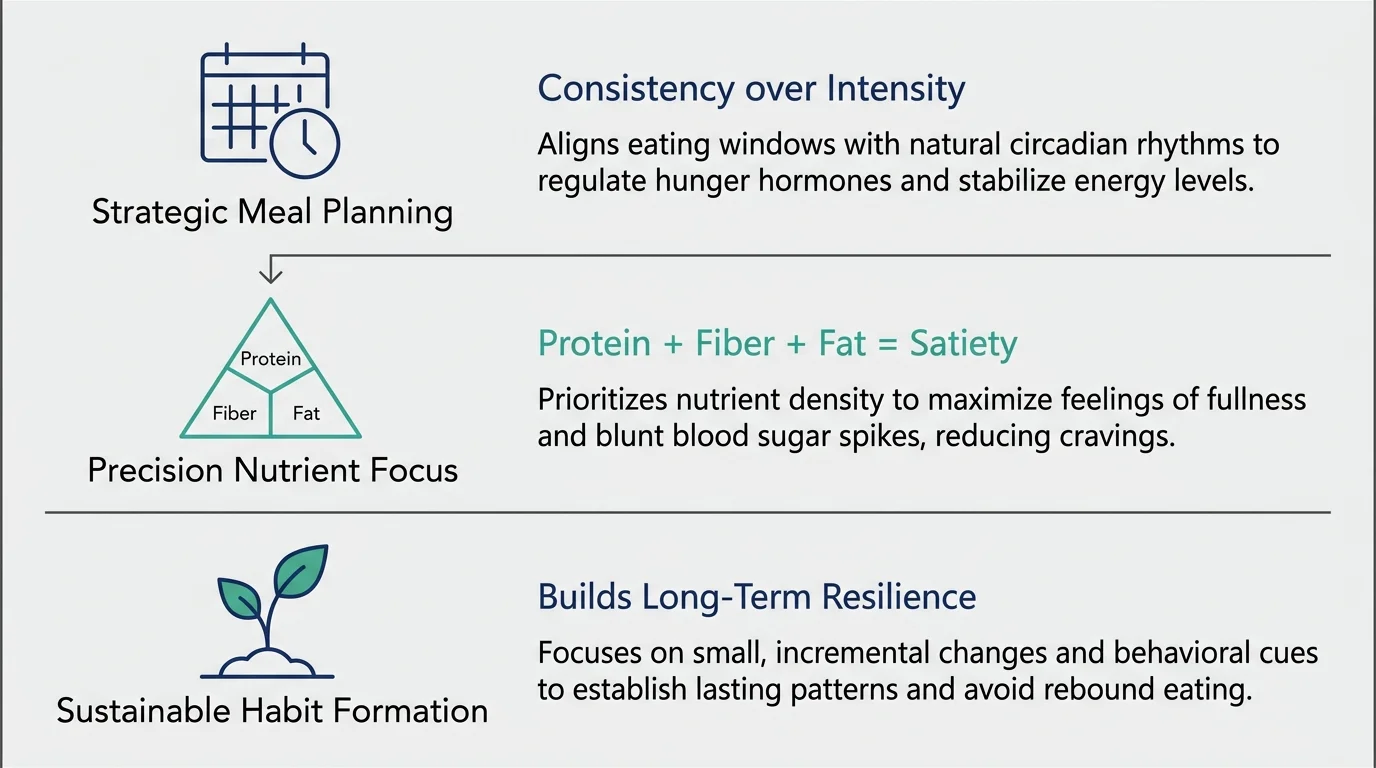
Strategy Pillars for Managing Your Appetite

Strategic Meal Planning
Consistency is the foundation of a quiet, satisfied appetite. Approaching your week with a clear meal plan prevents the chaotic, last-minute food decisions that usually favor heavily processed, fast-digesting snacks. You can easily batch-cook quinoa, roast trays of vegetables, and prepare lean proteins on a Sunday afternoon, ensuring that every meal throughout the week contains the necessary components for lasting energy. When you proactively design your environment to feature satisfying whole foods prominently, you remove the friction from healthy eating and protect yourself against unexpected hunger spikes during busy workdays.
Precision Nutrient Focus
Rather than obsessing over what to remove from your diet, you should focus your attention on what to add to your plate. Structuring your meals around clear nutritional targets transforms your approach to eating. Aiming for a minimum of twenty to thirty grams of protein and eight to ten grams of fiber per meal guarantees a slow, steady digestive process. Following established dietary fiber recommendations ensures you are consuming the necessary bulk to keep your digestive tract engaged. When you prioritize these two specific macronutrients, the rest of your dietary choices naturally align with long-term fullness and vibrant health.

Sustainable Habit Formation
The pace and environment in which you consume your meals profoundly influence your perception of fullness. Eating while distracted by a smartphone or television prevents your brain from fully registering the visual and sensory inputs of your food, often leading to a feeling of emptiness even after consuming a large meal. Practicing mindful eating—putting your fork down between bites, chewing your food completely, and taking twenty minutes to finish a meal—gives your gut the necessary time to transmit hormonal fullness signals to your brain. Adopting these sustainable eating strategies fundamentally changes your relationship with your meals.

Expert Perspectives and Lived Experiences
Registered dietitians consistently observe that individuals who shift their breakfast focus from refined carbohydrates to protein-dense, fiber-rich ingredients experience a dramatic reduction in mid-morning snacking. Clinical experts routinely highlight that hunger is not a character flaw or a lack of willpower; it is a predictable physiological response to inadequate meal composition. Many community members who have adopted these dietary patterns report a profound sense of cognitive clarity and emotional stability once they stop riding the aggressive peaks and valleys of blood sugar fluctuations. People frequently note that incorporating simple habits—like adding a scoop of Greek yogurt to their morning routine or swapping white rice for a dense serving of lentils—completely eliminates the dreaded three o’clock afternoon slump. This shift from restrictive dieting to additive nourishment empowers individuals to trust their bodies and their hunger signals once again.
Safety Considerations and Personalizing Your Plate
While ramping up your intake of satiating foods provides immense benefits, you must approach dietary changes with respect for your unique biological baseline. Drastically increasing your dietary fiber overnight often leads to uncomfortable bloating, excessive gas, and gastrointestinal distress. You should increase your fiber intake gradually over several weeks while simultaneously increasing your water consumption to help the fiber move smoothly through your digestive tract. Individuals diagnosed with Irritable Bowel Syndrome (IBS) may find that certain highly satiating foods—particularly legumes and cruciferous vegetables—trigger severe symptoms due to their fermentable carbohydrate content. If you have specific medical conditions, food allergies, or a history of disordered eating, you should always consult with a registered dietitian or review digestive health guidelines before making significant alterations to your daily dietary routines.
Frequently Asked Questions About Fullness
Does drinking water help with feeling full?
Yes, hydration plays a surprisingly critical role in appetite management. Thirst signals are frequently misinterpreted by the brain as hunger cues, leading you to seek out snacks when your body actually requires fluid. Drinking a large glass of water approximately twenty minutes before sitting down to a meal physically occupies space in your stomach, gently stretching the gastric walls and initiating early satiety signals. Furthermore, water is essential for helping soluble fiber expand into the gel-like substance that delays digestion.
Why do I feel hungry immediately after eating a large meal?
Experiencing hunger shortly after a massive meal usually indicates a macronutrient imbalance rather than a lack of total calories. If your meal consisted entirely of simple carbohydrates—such as a large plate of plain pasta or a stack of pancakes with syrup—your body rapidly converted that food into glucose. This prompts a massive insulin release, which quickly sweeps the sugar out of your bloodstream, resulting in a reactive blood sugar crash that your brain interprets as an immediate need for more food. Adding protein and fat stabilizes this process entirely.
Can I eat these filling foods if I have digestive sensitivities?
Many satiating foods can be adapted for sensitive digestive systems. If whole beans cause severe bloating, you might tolerate pureed lentils or edamame much better. If raw cruciferous vegetables trigger discomfort, thorough cooking or steaming often breaks down the tough cellular walls, making them gentler on your gastrointestinal tract. You can also rely more heavily on gentle, low-fiber satiating foods like eggs, poultry, and plain Greek yogurt while working with a healthcare professional to determine your specific triggers and tolerances.
Do artificial sweeteners impact hunger signals?
The relationship between artificial sweeteners and hunger remains a complex area of nutritional research. While zero-calorie sweeteners do not physically provide energy, their intense sweetness can trigger a cephalic phase response, where the brain anticipates incoming calories. When those calories never arrive, some individuals experience a compensatory increase in appetite later in the day. If you notice that consuming diet sodas or artificially sweetened snacks consistently leaves you feeling ravenous, you might benefit from transitioning to unsweetened sparkling water or teas.
Your Next Step Toward Lasting Energy
Transforming your daily energy levels and conquering distracting hunger does not require a complete overnight overhaul of your kitchen or an extreme commitment to restrictive dieting. You hold the power to change your physical experience simply by optimizing the ingredients already available to you. Tomorrow morning, choose just one actionable strategy from this guide to experiment with. Try stirring a tablespoon of chia seeds into your oats, scrambling an extra egg for your breakfast, or swapping your standard afternoon snack for a handful of roasted almonds. By leaning into the science of satiety, you will build a vibrant, satisfying relationship with food that powers your life with genuine, lasting energy.