You can eat prepared foods and maintain a deeply nourishing diet while saving hours of exhausting kitchen prep every week. For decades, wellness culture wrongly vilified ready-made meals, convincing busy people that only from-scratch cooking holds nutritional value. This restrictive mindset strips away the sheer convenience of modern supermarket foods, leaving you unnecessarily overwhelmed. Today, food science and manufacturing practices have evolved dramatically, bringing nutrient-dense convenience options to grocery aisles everywhere. By examining the clinical evidence and debunking pervasive food myths, you can reclaim your time without sacrificing your long-term health goals. Embracing smart grocery shopping tips empowers you to leverage these convenient options effectively, making nutritious eating both sustainable and enjoyable for your demanding lifestyle.
The Science Snapshot: Why We Misunderstand Convenience
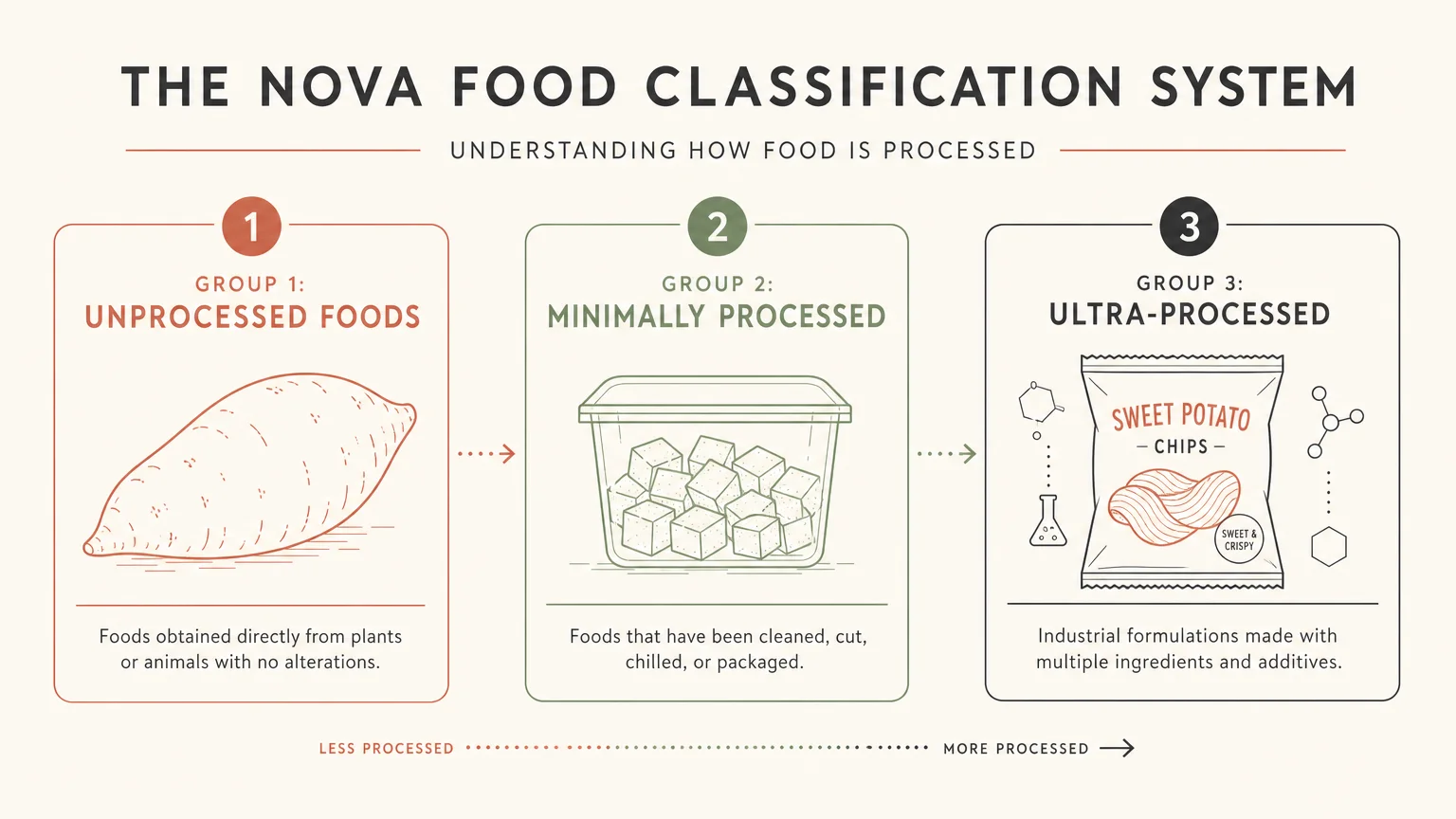
Nutrition scientists utilize the NOVA classification system to categorize foods based on their level of industrial processing. While heavily ultra-processed items loaded with refined sugars and trans fats rightly deserve scrutiny, this complex system does not universally condemn all convenience items. Pre-cooked whole grains, flash-frozen vegetable blends, and canned legumes undergo minimal processing that actually enhances their digestibility and shelf life. When you evaluate observational data regarding food processing, it becomes clear that appropriately prepared foods successfully preserve the structural integrity of the raw ingredients. Discarding the nuance of food science leaves you needlessly afraid of perfectly healthy, incredibly convenient options that support your demanding lifestyle.
Myth 1: All Prepared Foods Are Packed With Sodium
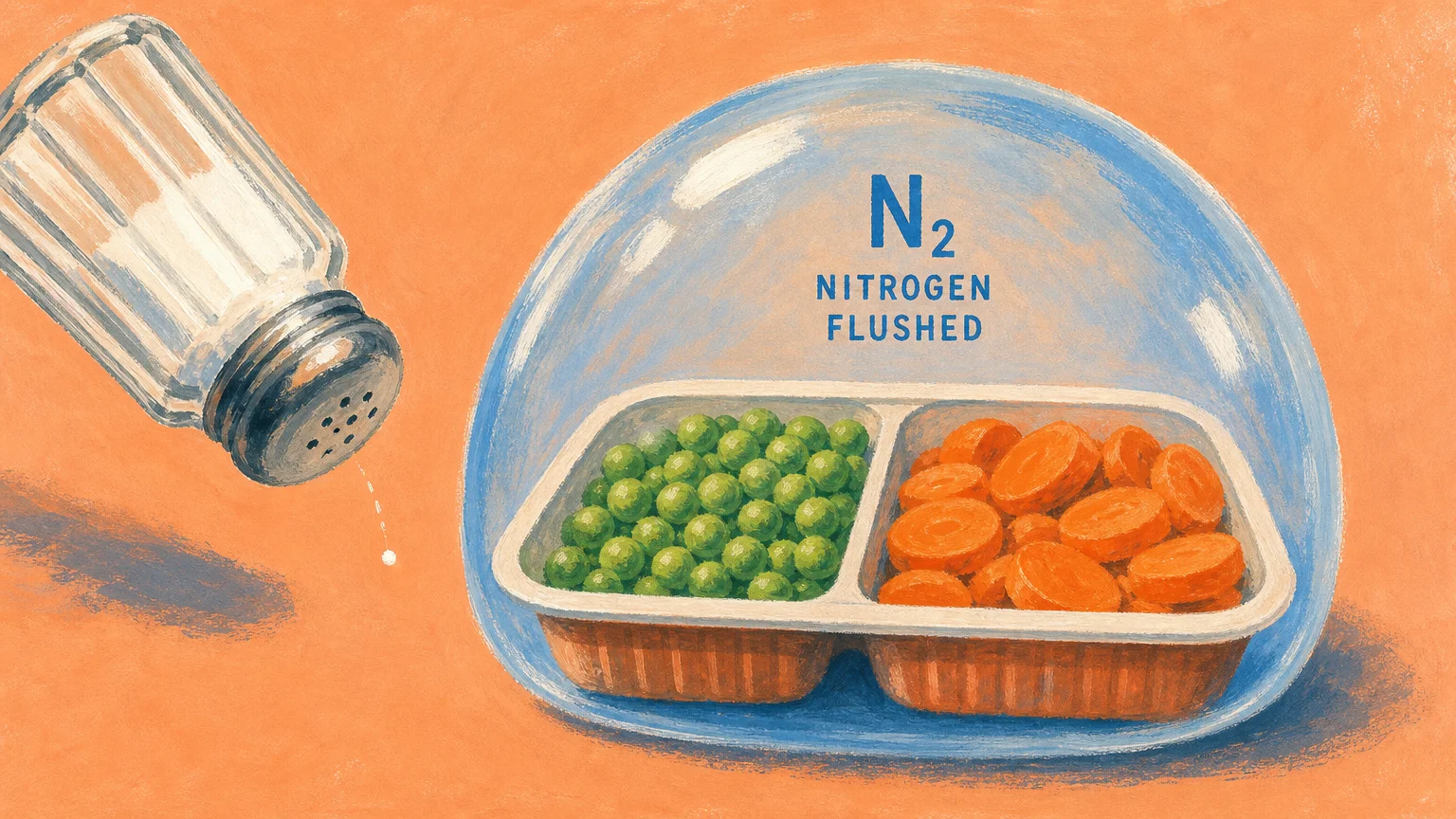
Many people immediately associate packaged items with a dangerous sodium spike. Decades ago, manufacturers relied heavily on sodium chloride to prevent bacterial growth during long supply chain journeys. Today, food technology utilizes modified atmosphere packaging. This process replaces oxygen with an inert gas like nitrogen, effectively halting spoilage without excess salt. If you actively monitor your cardiovascular health, you can reference the guidelines on sodium intake to determine your specific daily thresholds. You simply need to read the nutrition facts panel and select meals that fit within your personal electrolyte requirements.
Myth 2: Ready-Made Meals Lack Meaningful Nutrients
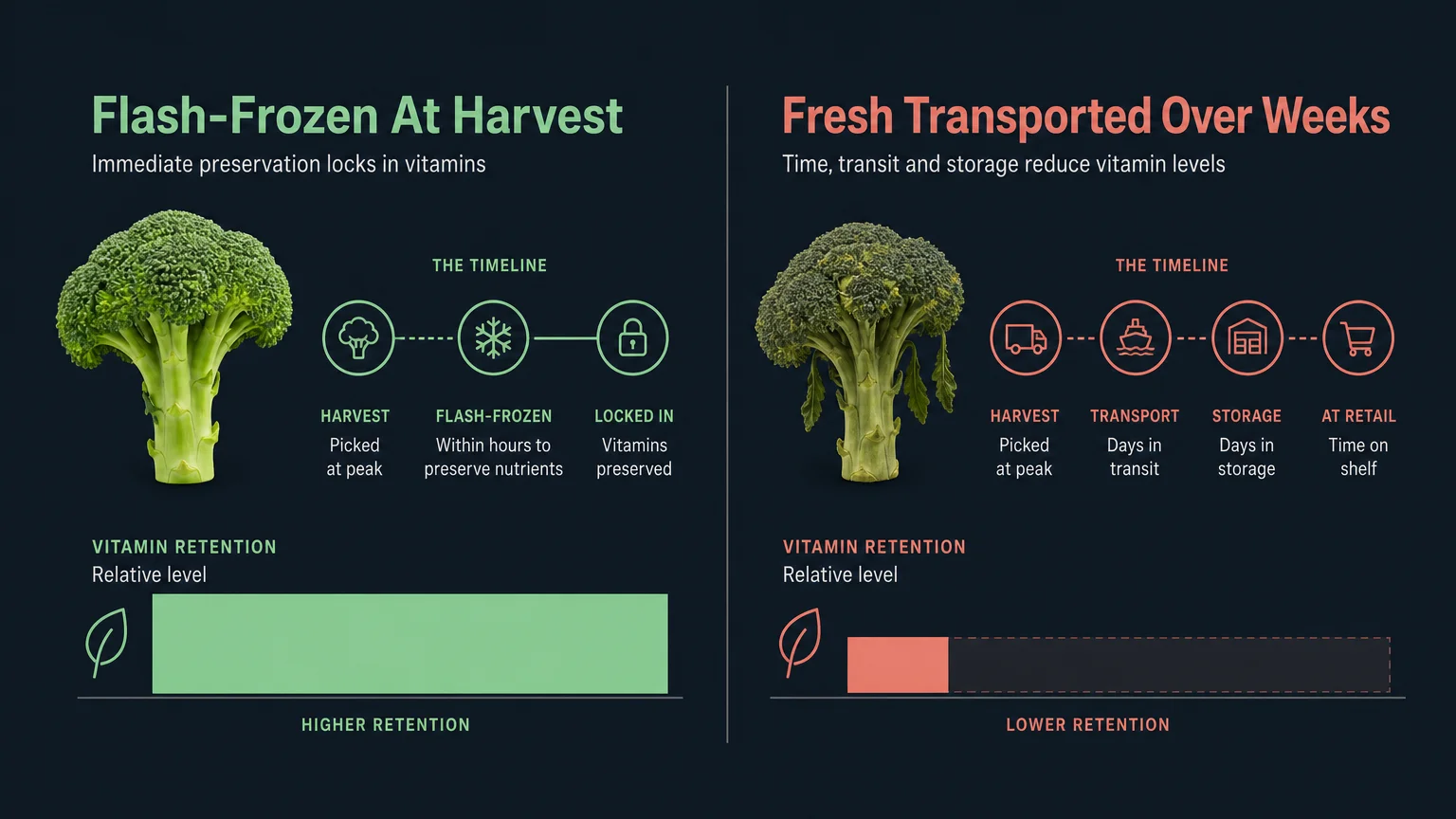
The belief that processing automatically destroys nutritional value ignores modern agricultural practices. When farmers harvest vegetables, the produce immediately begins losing volatile water-soluble vitamins like vitamin C. If that broccoli spends a week on a truck and another three days wilting in your crisper drawer, its nutrient profile depletes significantly. Conversely, producers typically flash-freeze ready-made meal ingredients within hours of harvest. Researchers publishing data on nutrient retention demonstrate that flash-frozen prepared ingredients often contain higher concentrations of essential vitamins than exhausted fresh counterparts.
Myth 3: Fresh Produce Always Beats Pre-Chopped or Frozen
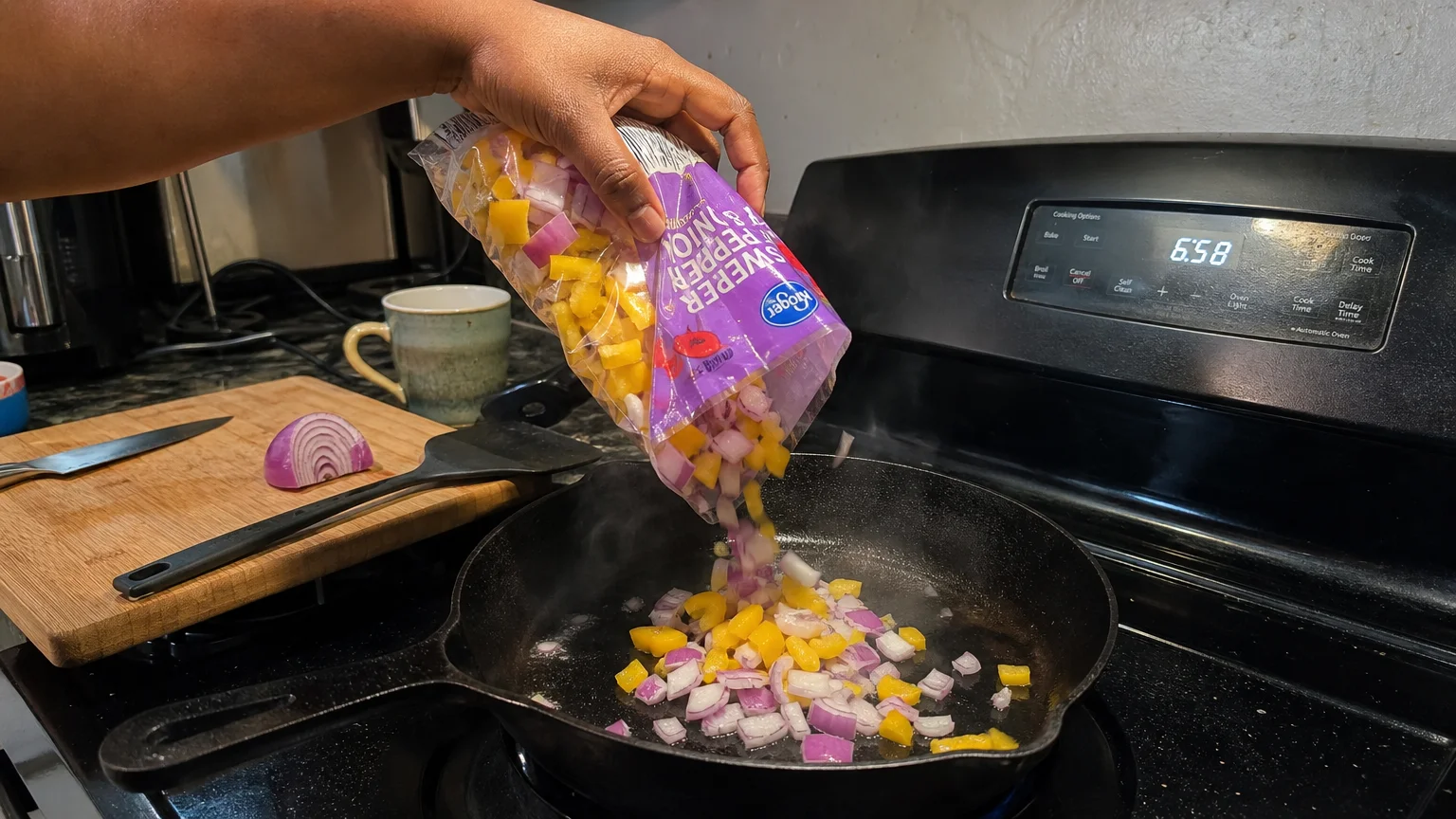
Purists often claim that buying pre-chopped onions or pre-marinated proteins represents a compromise that degrades your diet. This assumption completely misses the behavioral psychology of eating. The absolute best vegetable for your health is the one you actually consume, rather than the aspirational head of cabbage rotting in your refrigerator. Pre-washed and chopped produce removes the friction from cooking. When you come home exhausted, a bag of pre-cut fajita vegetables makes a nutritious meal highly accessible. By choosing these supermarket foods, you guarantee your nutrient intake while simultaneously reducing household food waste.
Myth 4: Supermarket Foods Are Full of Dangerous Preservatives
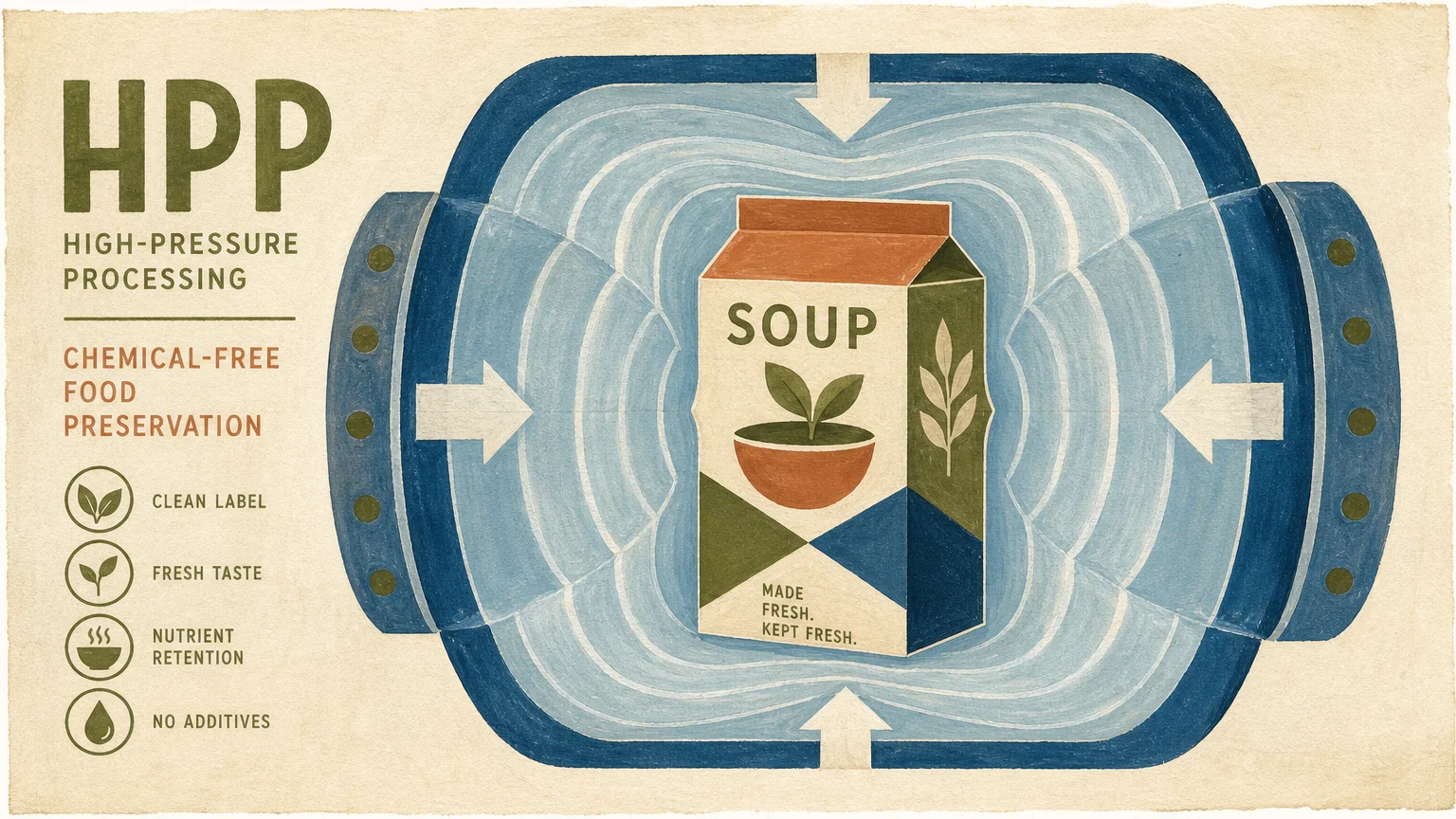
Chemical-sounding names on an ingredient list frequently trigger unnecessary panic. Wellness influencers routinely mispronounce these scientific terms, framing them as dangerous industrial toxins. In reality, these ingredients serve vital, completely safe functions. Ascorbic acid is simply vitamin C, added to prevent apples from turning brown when exposed to oxygen. Tocopherols represent various forms of vitamin E, naturally derived compounds that stop healthy fats from going rancid. Citric acid naturally occurs in lemons, providing a tart flavor while regulating acidity to prevent harmful bacterial growth.
Myth 5: You Cannot Lose Weight Eating Prepared Foods
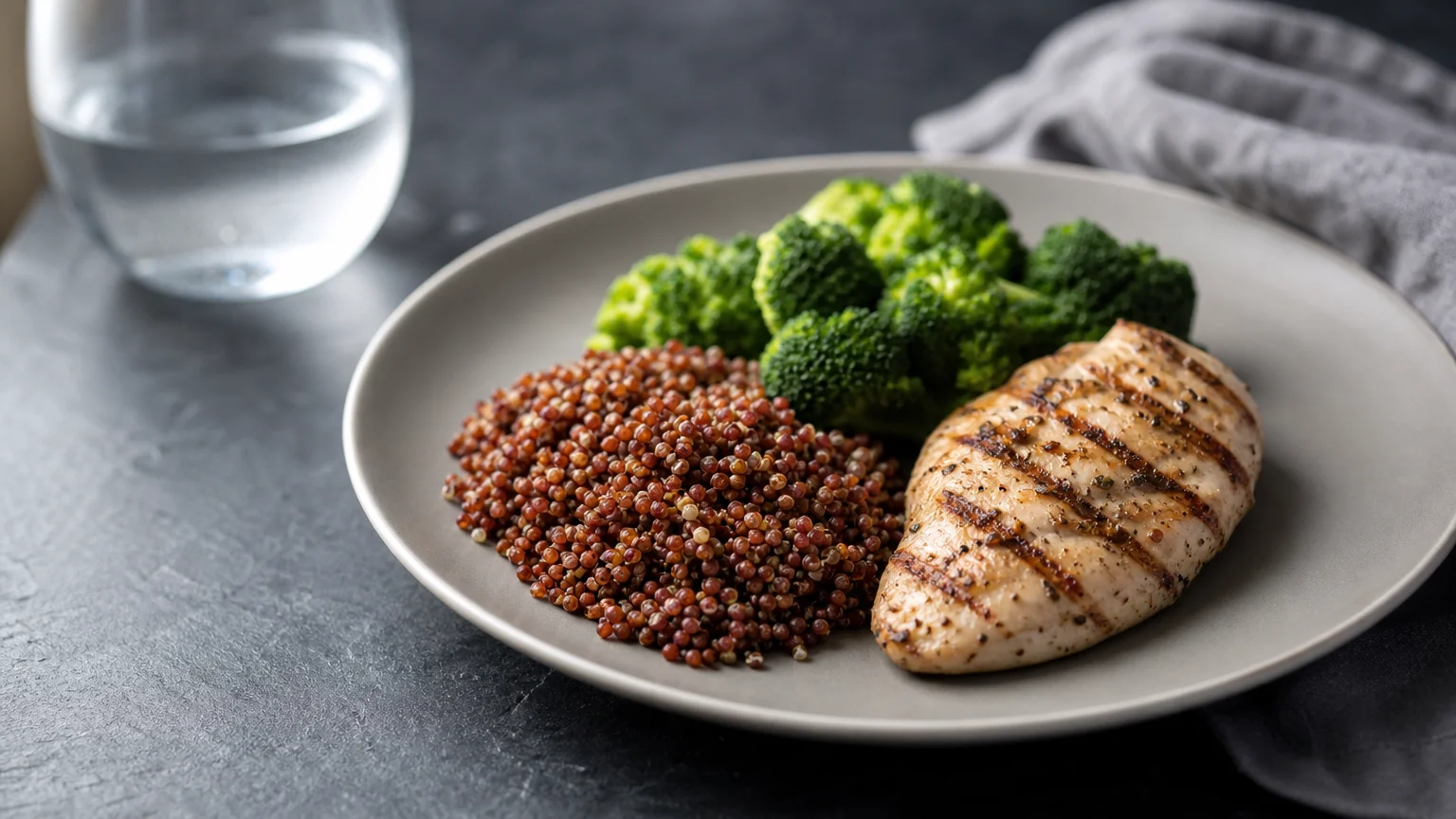
A pervasive myth suggests that weight management requires exclusively eating whole foods prepared from scratch. While whole foods are incredibly important, weight loss fundamentally depends on energy balance—consuming fewer calories than your body expends. Cooking at home introduces significant variables. A healthy home-cooked stir-fry can escalate in caloric density when you pour cooking oil without measuring. Prepared foods provide mathematically accurate macronutrient profiles and exact portion control. When a package states it contains four hundred calories, you know precisely how that fits into your daily energy requirements.
Myth 6: Prepared Foods Are Too Expensive for a Budget
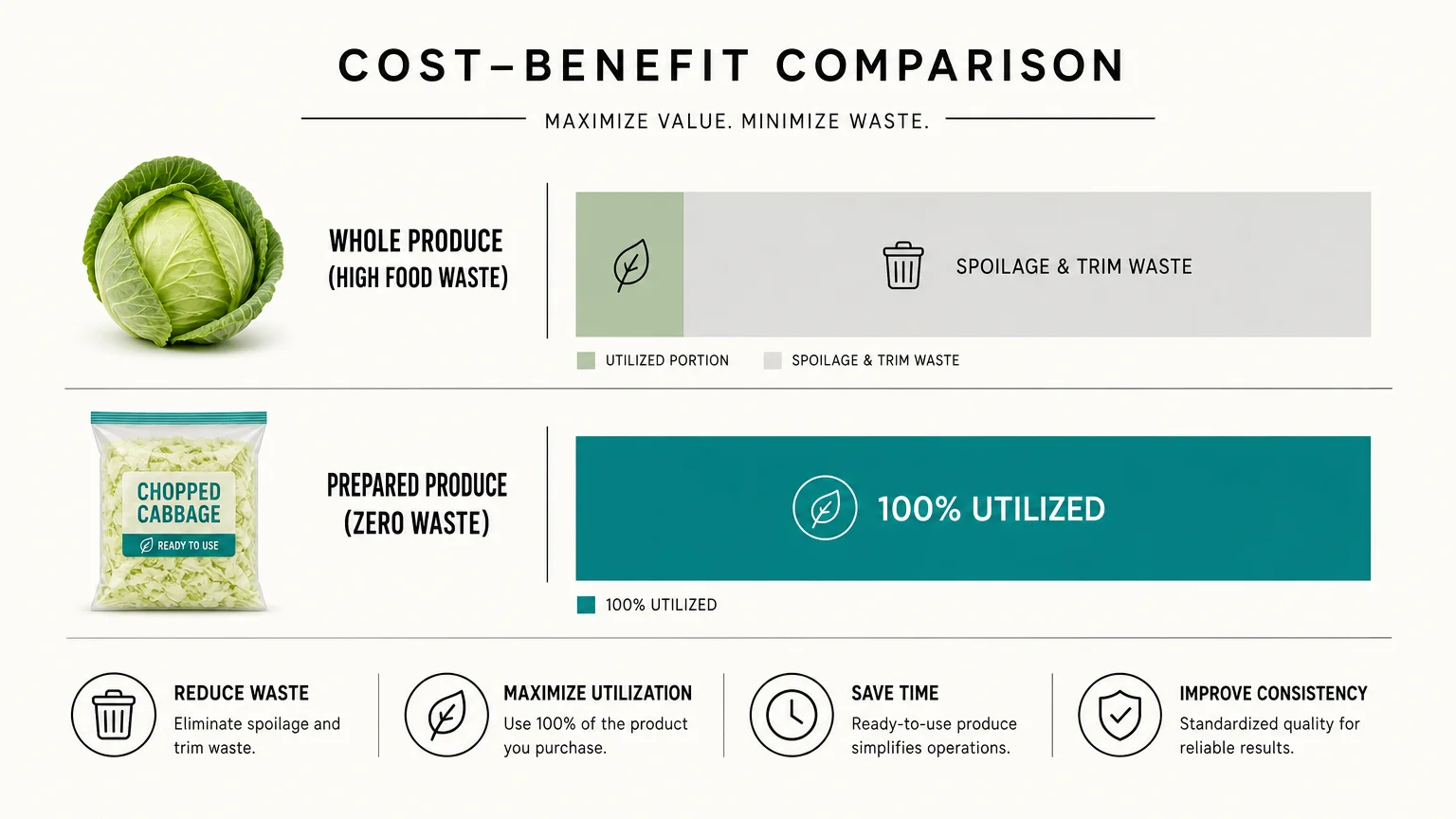
Many shoppers abandon the prepared foods section, assuming the premium price per ounce automatically disqualifies these items from a strict budget. This calculation ignores the hidden costs of aspirational cooking. Purchasing fifteen dollars worth of specialty grains and raw vegetables seems economical until your busy schedule derails your meal plan, leaving half those groceries to spoil. Throwing away unused produce equates to tossing cash directly into the garbage. Buying a seven-dollar prepared salad guarantees zero waste. You eat every ounce you purchase, making it a highly efficient financial choice.

Myth 7: Relying on Convenience Foods Means You Are Lazy
Diet culture equates physical suffering and intensive labor with dietary virtue. This toxic philosophy implies that if you did not spend three hours meal prepping on Sunday, you somehow cheated your way to health. Reaching for convenience foods does not indicate a lack of discipline; it demonstrates brilliant strategic planning. You are not taking the easy way out—you are building a resilient, sustainable nutritional system that functions perfectly on your most exhausted days.
Strategy Pillars: Integrating Convenience Without Compromise
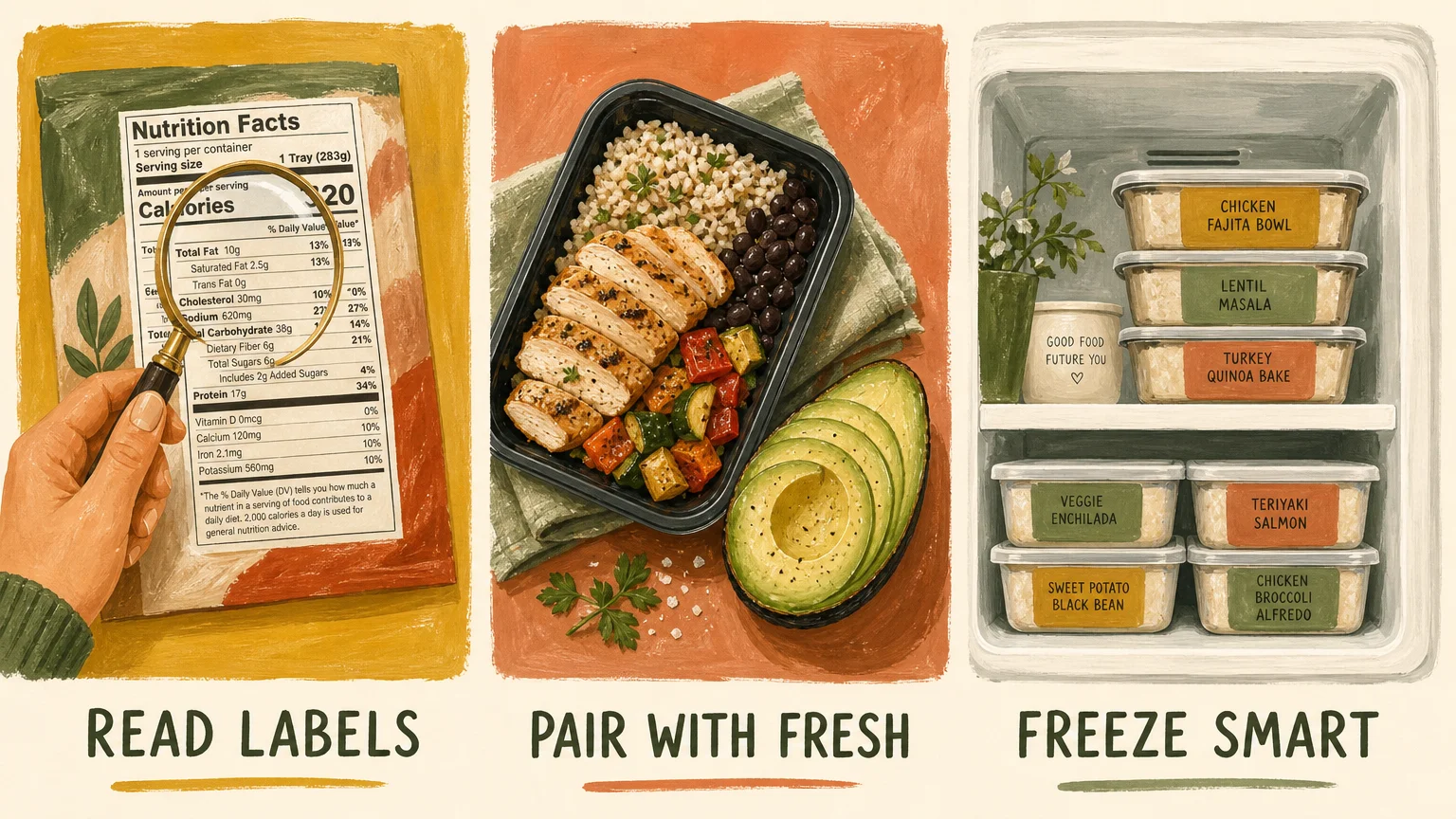
You can seamlessly weave these convenient options into your dietary framework by adopting a few strategic behaviors. Implementing these targeted approaches ensures you maximize nutrition while minimizing your time investment.
Meal Planning Around Supermarket Shortcuts
You do not need to choose between cooking a complicated meal from scratch and ordering expensive takeout. The most sustainable approach lies right in the middle. You can build highly nutritious dinners by combining a freshly prepared supermarket protein—like a rotisserie chicken—with microwavable grain pouches and a fortified bagged salad. This semi-homemade technique drastically reduces your kitchen hours while allowing you to control your macronutrient intake. You simply assemble the components rather than managing the entire cooking process.
Nutrient Focus: Reading Labels Like a Pro
Selecting the best options requires a sharp eye for specific nutritional data. Instead of fearing the length of the ingredient list, analyze the structural components of the meal. Prioritize dishes offering at least fifteen grams of protein and five grams of dietary fiber per serving. These two macronutrients dramatically slow digestion and stabilize your blood sugar. For detailed guidance, consult the guidelines on reading nutrition labels accurately provided by certified dietitians. Learning this skill turns the overwhelming grocery aisle into an easily navigable landscape.
Habit Formation: Building Sustainable Routines
Relying entirely on willpower to cook every single night guarantees eventual burnout. You can prevent this by systematically building convenience into your weekly routine. Identify your two most exhausted days of the week and preemptively schedule ready-made meals for those specific nights. Having a delicious, fully prepared frozen option waiting in your freezer completely eliminates the decision fatigue that drives late-night cravings. This habit transforms convenience foods from an emergency fallback into a deliberate, protective strategy for your long-term adherence.

Expert and Lived Voices on the Frontlines of Nutrition
Clinical dietitians consistently observe that perfectionism remains the biggest obstacle to long-term dietary success. When healthcare professionals counsel individuals working stressful shifts, they routinely prescribe high-quality frozen meals rather than demanding extensive meal prep. These professionals understand that a perfectly balanced home-cooked meal you do not have the energy to make is infinitely inferior to a nutrient-dense prepared meal you actually eat. Removing the performative pressure of cooking everything from scratch fosters a much healthier psychological relationship with food.
Safety, Contraindications, and Personalization
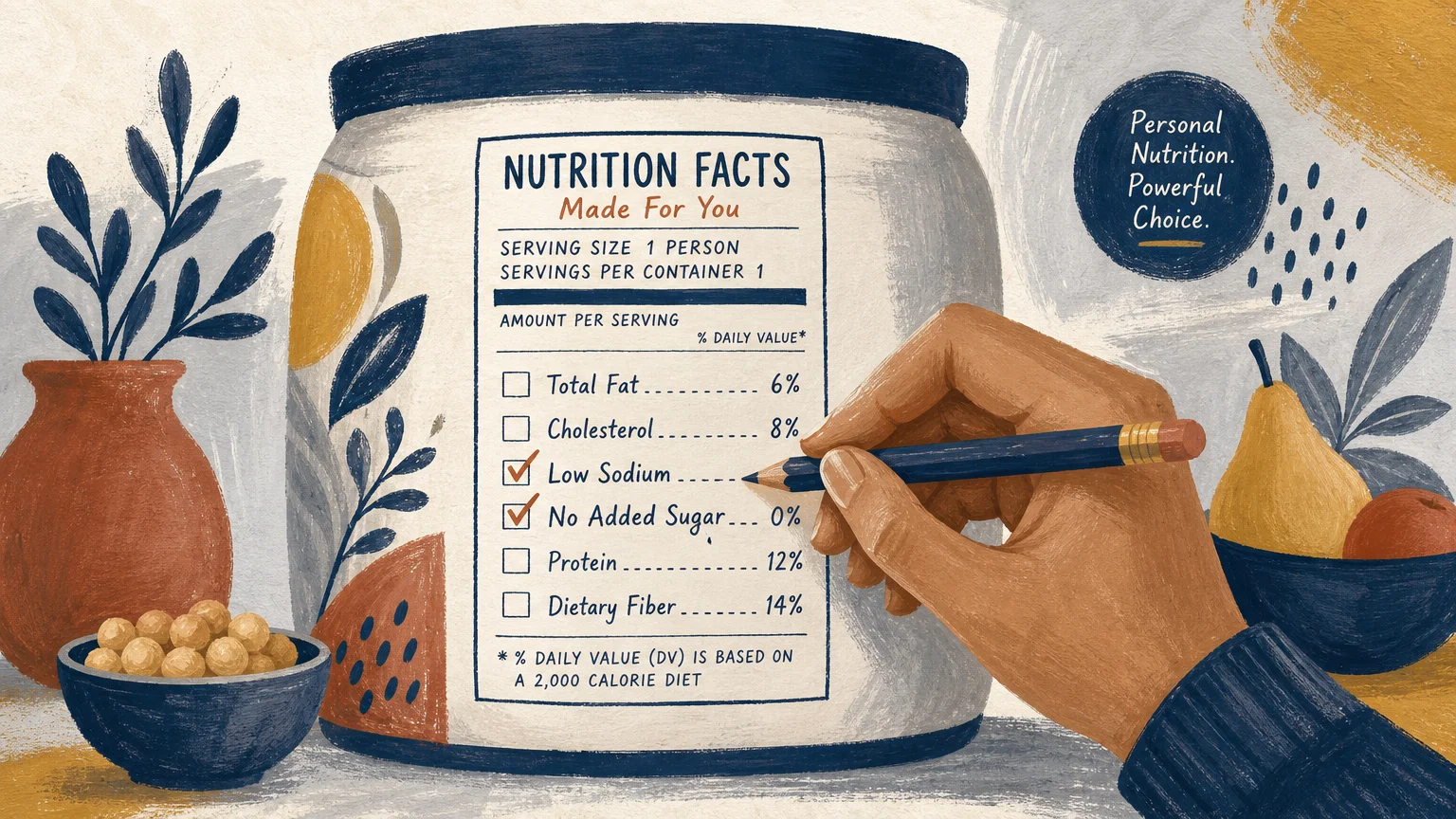
While convenience foods offer massive benefits, certain medical conditions dictate a more cautious approach. If you manage severe hypertension or congestive heart failure, you must track your electrolyte intake meticulously. Even modernized prepared meals can accumulate substantial sodium when consumed multiple times a day. Additionally, individuals navigating celiac disease or severe food allergies must remain vigilant. You must always look for independent, third-party certifications—such as the certified gluten-free label—rather than relying solely on the ingredient list. Consulting directly with a registered dietitian ensures you safely integrate these foods into your unique physiological framework while preventing dangerous physiological reactions.
Frequently Asked Questions
Do prepared foods naturally cause chronic inflammation?
The inflammation potential of any food depends entirely on its specific biochemical composition, not the simple fact that a manufacturer prepared it. Meals loaded with artificial trans fats and massive amounts of added sugars promote inflammatory pathways. However, a flash-frozen meal consisting of wild-caught salmon and broccoli provides a massive influx of omega-3 fatty acids and antioxidants. These specific compounds actively reduce systemic inflammation. You simply need to evaluate the macro and micronutrient profile of the meal rather than dismissing the entire category.
How can I identify a high-quality ready-made meal quickly?
You can rapidly assess a meal’s quality by checking three distinct data points on the packaging. First, locate the protein source and verify it provides an adequate dosage to support muscle health—typically between twenty and thirty grams. Next, inspect the dietary fiber content, aiming for at least five grams derived from whole grains, legumes, or vegetables. Finally, ensure the saturated fat and added sugar metrics align with your daily metabolic targets. When a meal satisfies these criteria, you have found a health-promoting option.
Are traditional canned vegetables considered prepared foods?
Yes, the canning industry represents one of the oldest forms of food preparation and preservation. Canned vegetables offer an incredibly economical and shelf-stable method to increase your daily fiber and micronutrient intake. Many people worry about the high sodium content traditionally associated with the canning process. You can easily mitigate this issue by pouring the canned vegetables into a strainer and thoroughly rinsing them under cold running water. This simple mechanical action washes away up to forty percent of the excess surface sodium.
Can I safely feed supermarket convenience meals to my developing children?
You can absolutely utilize these convenient options to feed your family, provided you select meals with balanced nutritional profiles. Children require substantial energy, protein, and healthy fats to support rapid neurological and physical development. High-quality prepared meals—such as pre-baked turkey meatballs or frozen vegetable medleys—often introduce children to diverse textures and flavors they might otherwise refuse. Combining a convenient ready-made element with a fresh piece of fruit creates an entirely appropriate, deeply nourishing meal for growing bodies while preserving your sanity.
Your Next Step Toward Food Freedom
Breaking free from the exhausting all-or-nothing diet mentality requires taking immediate, deliberate action. You now understand the profound science supporting these convenient supermarket foods, recognizing them as powerful tools for your physical and mental well-being. Over the next twenty-four hours, look at your upcoming weekly schedule and identify your single most demanding day. Go to the grocery store and intentionally purchase one high-quality, fully prepared meal specifically for that difficult evening. Give yourself profound permission to enjoy the sheer ease of heating a nutritious dinner in minutes. Reclaiming your time and energy is not a compromise—it is the ultimate strategy for lifelong dietary success.