
As you age past 60, optimizing your daily protein intake becomes the single most effective strategy for preserving muscle mass, maintaining independence, and supporting metabolic health. Most older adults unknowingly consume far less protein than their aging bodies require, putting them at increased risk for sarcopenia, falls, and prolonged illness recovery. Your physiological needs shift dramatically in later decades, meaning the dietary habits that worked in your thirties fall short today. Fixing these common nutritional oversights allows you to rebuild strength, boost your daily energy levels, and protect your mobility. You can easily adjust your meals once you recognize the hidden missteps sabotaging your healthy aging efforts.
The Science Snapshot: Why Protein Needs Shift After 60
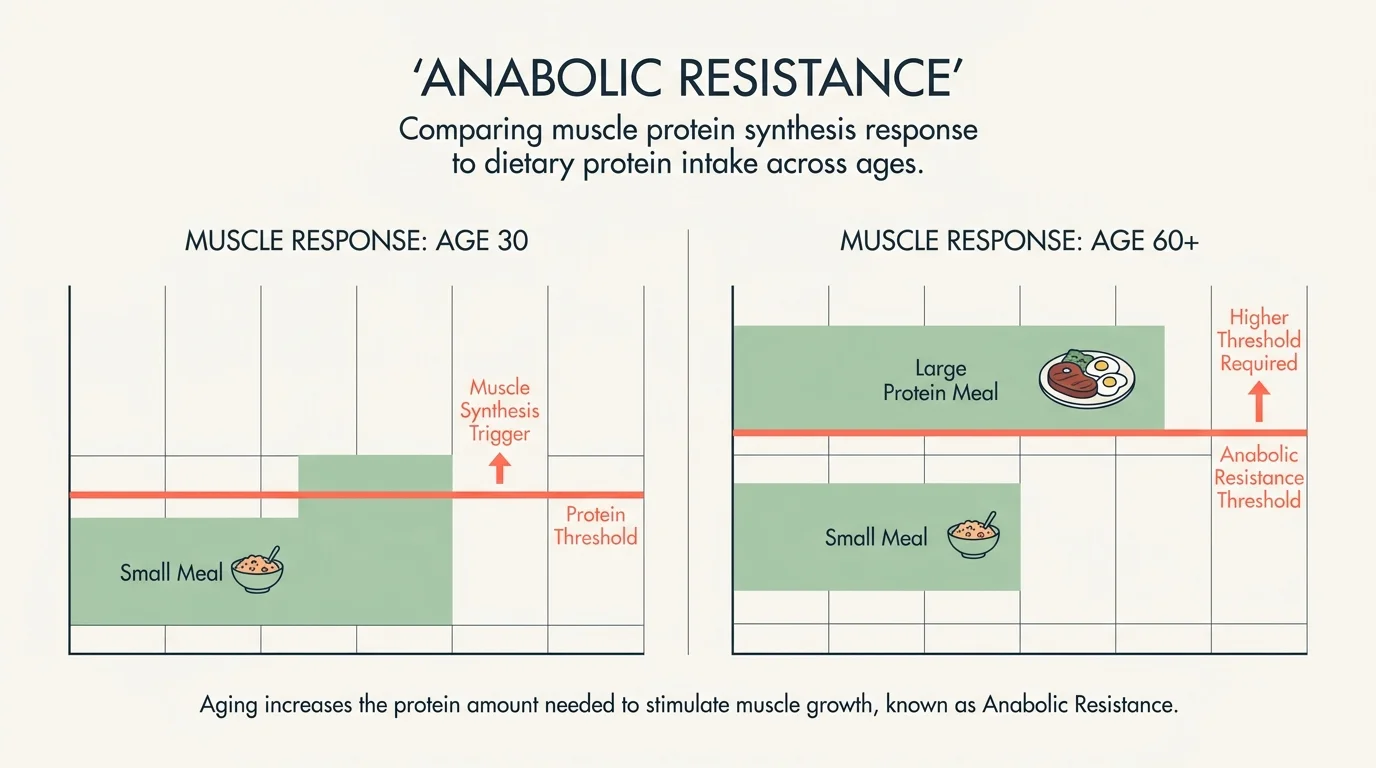
Your body naturally becomes less efficient at processing and utilizing amino acids as the years go by. Researchers call this phenomenon age-related anabolic resistance, meaning your muscles demand a higher threshold of dietary protein to trigger the same muscle-building response you experienced in your youth. While a younger adult might easily stimulate muscle protein synthesis with a small handful of almonds and a piece of toast, an older adult requires a significantly more robust dose of amino acids to achieve the exact same physiological outcome.
This biological shift intersects dangerously with another natural aging process: sarcopenia. Starting in your thirties, you steadily lose muscle mass, but this decline accelerates significantly after age 60. Losing muscle tissue goes far beyond cosmetic changes; it fundamentally compromises your metabolic rate, reduces your body’s ability to regulate blood sugar, and drastically increases your risk of frailty. By strategically adapting how and when you consume your macronutrients, you actively fight back against anabolic resistance and keep your skeletal system well-supported by strong, functional muscle tissue.

Eight Common Protein Mistakes and How to Fix Them
Mistake 1: Relying Exclusively on the Outdated Recommended Dietary Allowance
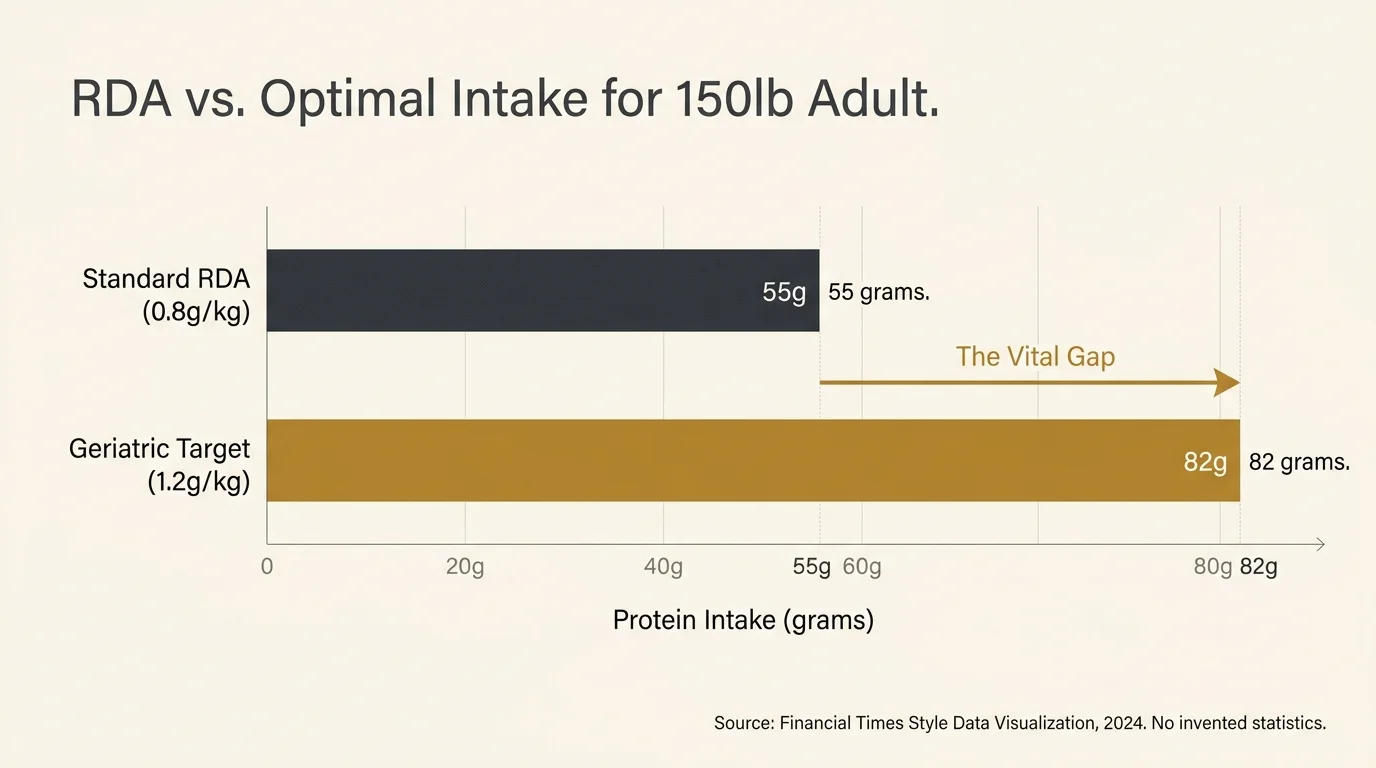
Many health-conscious adults diligently track their food to hit the Recommended Dietary Allowance (RDA) of 0.8 grams of protein per kilogram of body weight, mistakenly believing this represents optimal nutrition. The RDA represents the bare minimum required to prevent a severe clinical deficiency in a sedentary young adult—it does not reflect the optimal amount needed for healthy aging. Geriatric nutrition experts and the Academy of Nutrition and Dietetics advocate for at least 1.0 to 1.2 grams of protein per kilogram of body weight for adults over 65.
If you weigh 150 pounds, the standard RDA suggests you only need about 55 grams of protein daily. However, utilizing the updated geriatric recommendations, your target jumps to a minimum of 68 to 82 grams per day. If you regularly engage in physical activity or are recovering from a medical procedure, your demands climb even higher. Treating the RDA as a ceiling rather than a baseline floor actively sabotages your body’s ability to maintain lean tissue.
Mistake 2: Backloading Protein Heavily at Dinner
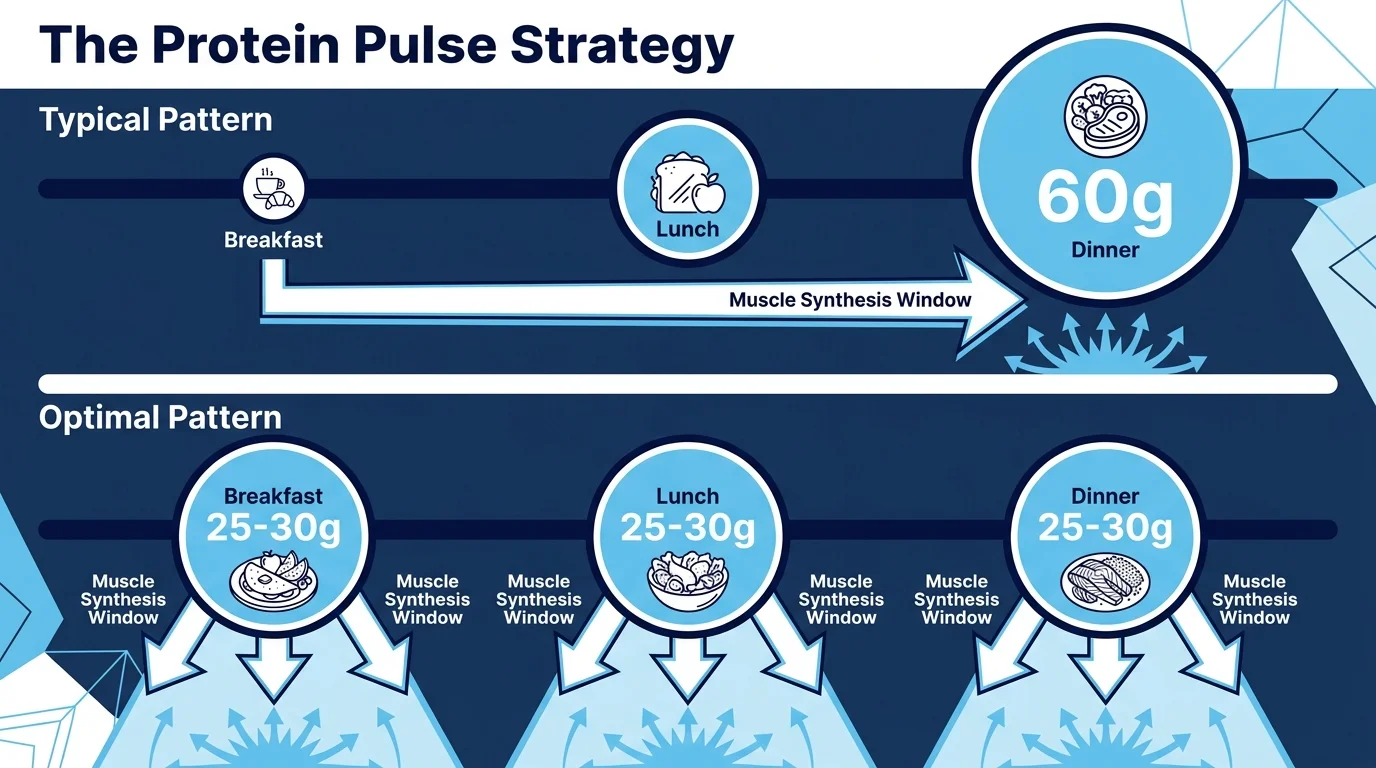
The traditional Western diet follows a highly skewed distribution pattern: a carbohydrate-heavy breakfast, a light lunch, and a massive portion of meat at dinner. Your body cannot store excess protein for later use in the same way it stores fat or carbohydrates; instead, there is a hard cap on how much protein your muscles can synthesize in a single sitting. Consuming 60 grams of protein in one large evening meal does not provide double the benefit of eating 30 grams.
To overcome anabolic resistance, you must pulse your protein intake throughout the day. Aim to secure roughly 25 to 30 grams of high-quality protein at every single meal. Reimagining breakfast offers the most immediate benefit. Swap a plain bowl of oatmeal for a serving of Greek yogurt topped with hemp hearts, or incorporate two whole eggs and a slice of high-protein sprouted grain bread. Distributing your intake evenly keeps the muscle-building machinery continuously active from morning until night.
Mistake 3: Overlooking Plant-Based Protein Varieties
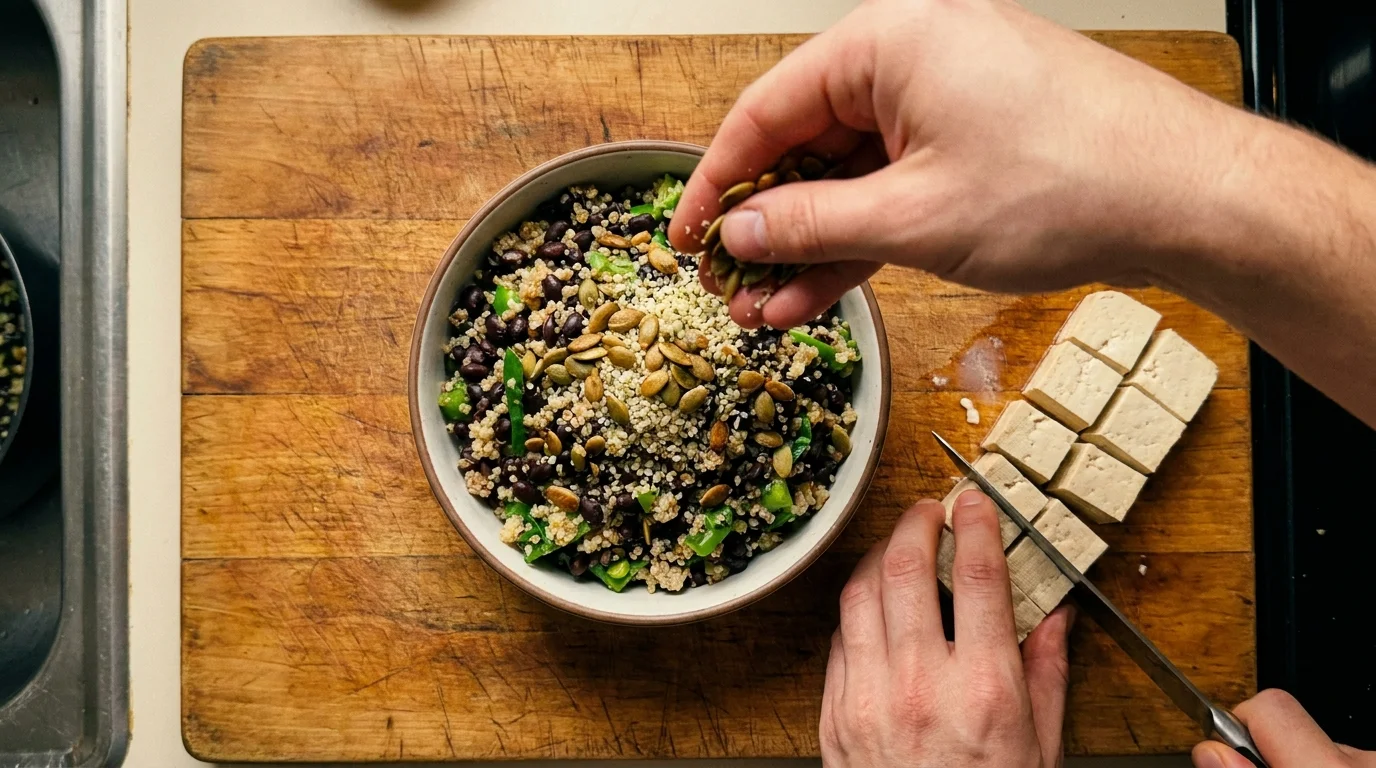
When trying to increase their protein intake, many older adults immediately double down on beef, poultry, and pork. While animal products provide complete amino acid profiles, relying on them exclusively forces you to miss out on the incredible longevity benefits of plant-based proteins. Legumes, lentils, tempeh, edamame, and various beans offer massive doses of dietary fiber, phytonutrients, and essential minerals without the saturated fat load associated with heavy meat consumption.
Incorporating diverse plant proteins also accommodates tightening grocery budgets and protects digestive health. As gastrointestinal motility naturally slows with age, the high fiber content in plant proteins helps maintain regular bowel movements and supports a thriving gut microbiome. Try substituting half the ground meat in a chili recipe with black beans, or experiment with adding firm tofu to a vegetable stir-fry. You achieve your daily macro targets while simultaneously nourishing your cardiovascular and digestive systems.
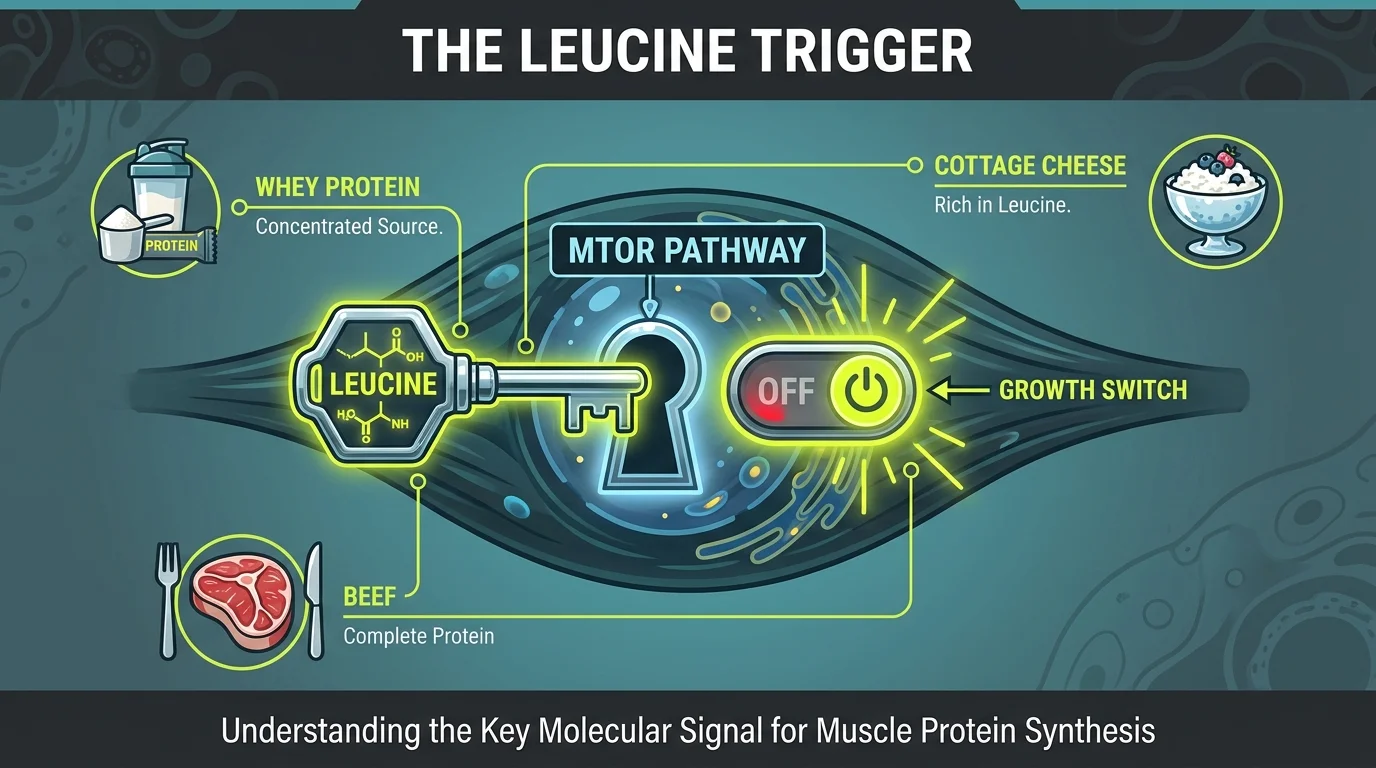
Mistake 4: Ignoring the Leucine Factor
Not all proteins function exactly the same way inside your body. Leucine, a specific essential amino acid, acts as the biological light switch that turns on muscle protein synthesis. Because aging muscles are stubborn, they require a concentrated hit of leucine—roughly 2.5 to 3 grams per meal—to initiate the rebuilding process. You might eat what appears to be a high-protein snack, but if it lacks sufficient leucine, your body will simply burn those calories for energy rather than using them to repair tissue.
Dairy products represent one of the most efficient, bioavailable sources of leucine available. Whey protein, cottage cheese, and milk are uniquely dense in this vital amino acid. If you follow a strict plant-based diet, you must pay even closer attention to leucine by combining complementary foods. Lentils, soy products, and pumpkin seeds offer respectable amounts of leucine, but you will need slightly larger portion sizes to hit that critical 2.5-gram activation threshold.

Mistake 5: Failing to Pair Nutrition with Physical Activity
Eating adequate protein provides the raw building blocks for muscle, but physical activity provides the blueprint for where those blocks need to go. Consuming high amounts of protein without challenging your muscles through exercise yields mediocre results. Resistance training creates microscopic tears in the muscle fibers, which sensitizes the tissue and forces it to pull amino acids from your bloodstream to heal and grow stronger.
You do not need to lift heavy barbells in a crowded gym to see results. The resistance training guidelines from the CDC emphasize that activities like carrying heavy groceries, utilizing resistance bands in your living room, or engaging in bodyweight exercises like wall push-ups and chair squats all count. Pairing a solid protein-rich diet with two to three days of functional strength training creates a powerful synergistic effect that neither strategy can accomplish alone.
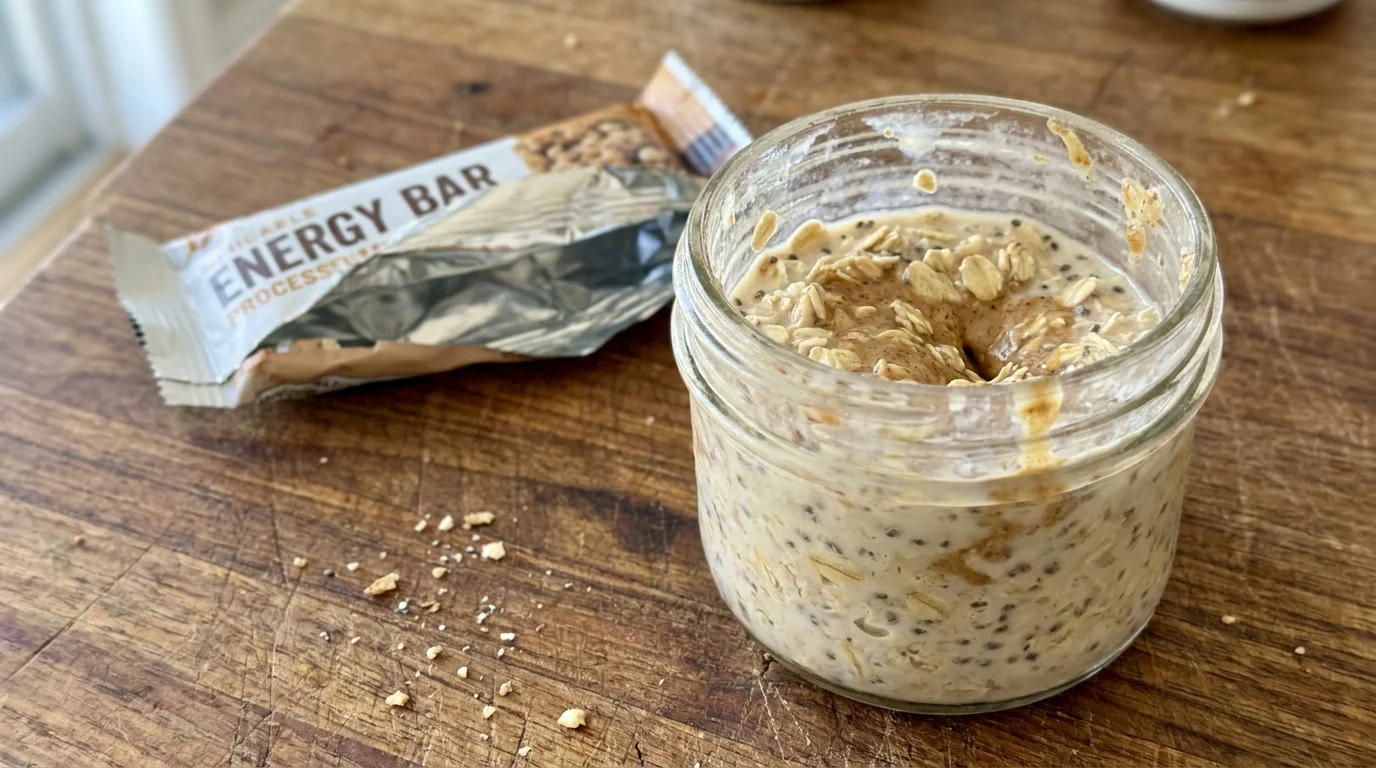
Mistake 6: Settling for Low-Quality Snack Options
The snack aisle aggressively targets older demographics with products marketed as healthy aging solutions, yet many of these convenient options fall completely short on quality nutrition. Reaching for a handful of pretzels, a plain rice cake, or a standard granola bar between meals spikes your blood sugar without delivering the structural nutrients your body craves. Furthermore, heavily processed snacks often contain excessive sodium and inflammatory oils.
Rethink your snacking habits by treating them as miniature bridging meals. A quarter cup of roasted almonds paired with string cheese, a hard-boiled egg with a dash of black pepper, or apple slices dipped in natural peanut butter deliver stable, slow-digesting energy. By swapping carbohydrate-dense convenience foods for protein-forward whole foods, you stabilize your energy levels, prevent late-afternoon fatigue, and effortlessly bump up your daily intake.

Mistake 7: Letting Poor Dentition Dictate Dietary Choices
Changes in dental health, ill-fitting dentures, and naturally reduced saliva production make chewing tough foods laborious and unappealing. Consequently, many adults over 60 slowly phase out dense meats like steak, chicken breast, and pork chops from their weekly rotation. While avoiding discomfort makes logical sense, it often creates a severe, unaddressed nutritional void that accelerates physical decline.
You can easily secure high-quality protein without the exhausting effort of chewing tough fibers. Slow-cooking meats until they shred effortlessly with a fork bypasses dental strain completely. Flaky fish like salmon and cod melt in the mouth while providing heart-healthy omega-3 fatty acids. Soft scrambles, pureed lentil soups, hummus, and smooth protein shakes all offer exceptional nutritional profiles without demanding heavy mechanical breakdown in the mouth.

Mistake 8: Forgetting Hydration When Increasing Protein
When you actively increase your protein intake, your body produces higher levels of urea as a natural byproduct of amino acid metabolism. Your kidneys require an adequate volume of water to efficiently filter and excrete this urea through your urine. Unfortunately, the natural sensation of thirst dramatically diminishes as you age, causing many older adults to exist in a chronic state of mild dehydration.
Increasing your protein without simultaneously increasing your fluid intake places unnecessary stress on your renal system and often leads to constipation. You must consciously drink fluids throughout the day rather than waiting for your brain to trigger a thirst cue. Keep a dedicated water bottle visible on your counter, drink a full glass of water with every single meal, and remember that herbal teas and broths absolutely count toward your daily hydration targets.
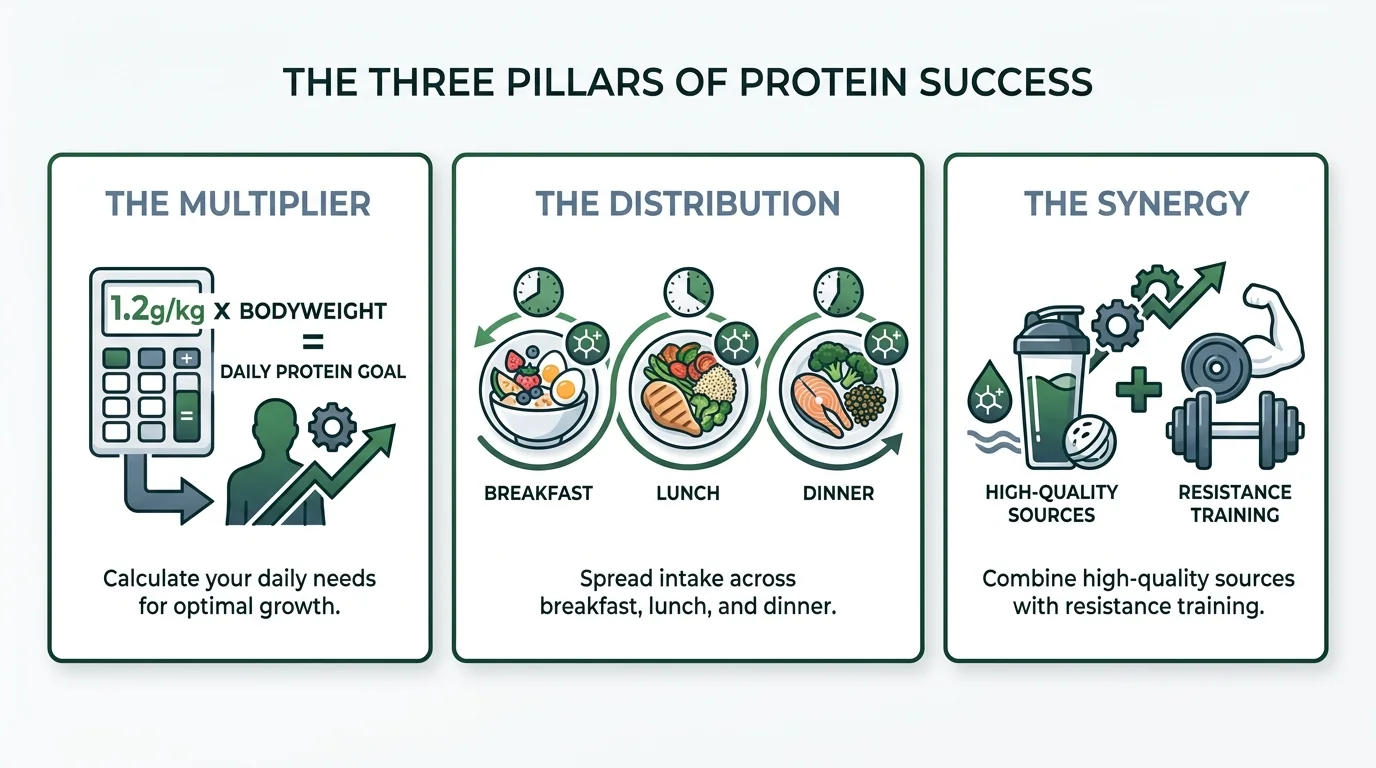
Strategy Pillars for Better Protein Habits
Transforming your daily dietary approach requires more than just understanding the science; you need practical execution strategies. The first pillar involves aggressive meal planning focused on the morning hours. Because breakfast usually presents the biggest protein deficit, plan this meal the night before. Pre-mixing overnight oats with high-quality protein powder or hard-boiling a dozen eggs on Sunday afternoon guarantees you start each day by overcoming the anabolic threshold.
The second pillar centers on nutrient synergy. Protein works best when accompanied by other vital micronutrients. When you consume plant-based iron sources like spinach alongside your protein, adding a squeeze of lemon juice provides vitamin C, which dramatically increases nutrient absorption. This holistic approach to plate construction ensures your body extracts maximum value from every single bite you consume.
The final pillar relies on behavioral habit anchoring. Dietitians and gerontologists frequently observe that older adults succeed when they attach a new nutritional habit to an established daily routine. If you reliably drink a cup of coffee every morning at 7:00 AM, anchor your new habit of eating a protein-dense yogurt to that specific coffee time. Lived experience proves that gradual, anchored changes outlast sudden, drastic dietary overhauls every single time.

Safety Considerations and Personalization
While bumping up your protein intake benefits the vast majority of aging adults, personalization remains critical. If you have a documented history of chronic kidney disease (CKD), particularly in stages three through five, your kidneys cannot process large loads of amino acids. In these specific clinical scenarios, a high-protein diet accelerates renal decline. You must strictly follow the modified intake guidelines provided by your nephrologist.
Additionally, those managing conditions like gout need to be highly selective about their protein sources. Foods high in purines, such as certain organ meats, shellfish, and specific legumes, can trigger painful joint flare-ups. Always consult with a registered dietitian or your primary care physician before making aggressive changes to your macronutrients, especially if you take prescription medications for blood pressure or blood sugar management. Check the National Institute on Aging resources for comprehensive guidance on interacting conditions.
Frequently Asked Questions
Can I eat too much protein in a single day? For healthy older adults with normal kidney function, consuming a moderately high amount of protein poses no immediate danger. However, continuously eating far beyond your caloric needs will result in the excess calories being stored as fat. Additionally, extreme protein consumption that pushes out essential complex carbohydrates and healthy fats creates a severe nutritional imbalance. Aim for the sweet spot of 1.0 to 1.2 grams per kilogram of body weight.
Are commercial protein powders safe and effective for seniors? Yes, high-quality protein powders provide a highly effective, convenient way to reach your daily targets, especially if you struggle with poor appetite. Look for products that feature whey isolate, pea, or soy protein with minimal added sugars or artificial fillers. A simple scoop blended with milk and half a banana delivers around 25 grams of highly bioavailable protein without requiring any cooking.
Does plant protein build muscle as efficiently as animal meat? Plant proteins absolutely build and preserve muscle, provided you eat a wide variety of them and consume slightly larger quantities. Because most individual plant foods lack one or more essential amino acids, combining sources—like eating beans alongside rice, or lentils with whole wheat—ensures your body receives the complete amino acid profile required to combat age-related muscle loss.
How do I know if I am digesting my new high-protein diet poorly? If you experience sudden bloating, excessive gas, or changes in bowel regularity after increasing your protein, your digestive system is likely struggling to adapt. This usually happens when people increase their meat intake while simultaneously dropping their fiber intake. Counteract these unpleasant symptoms by drinking significantly more water, prioritizing high-fiber plant proteins, and taking a brief, brisk walk after your heaviest meals to stimulate digestion.
Take Action Today
Reading about macronutrients only benefits your body if you translate this knowledge into your daily routine. You hold the power to directly influence your mobility, energy, and independence simply by adjusting what you put on your plate. Within the next 24 hours, choose just one of the common mistakes outlined above to correct. Add an extra egg to your morning scramble, trade your afternoon crackers for a serving of edamame, or perform ten wall push-ups before dinner. Small, consistent adjustments will rapidly compound, giving you the strength and vitality needed to fully enjoy your later decades.