
Protecting your vision as you age requires more than just updating your prescription lenses; it demands a strategic approach to daily nutrition. Age-related macular degeneration and cataracts remain the leading causes of vision impairment in older adults, but specific dietary interventions can significantly reduce your risk. Your eyes rely on a steady supply of antioxidants, vitamins, and minerals to repair cellular damage caused by ultraviolet light and natural aging. By incorporating nutrient-dense whole foods into your meals, you fortify the delicate tissues of your retina and macula. This proactive strategy preserves your independence and enhances your overall quality of life.
The Science Behind Aging Eyesight
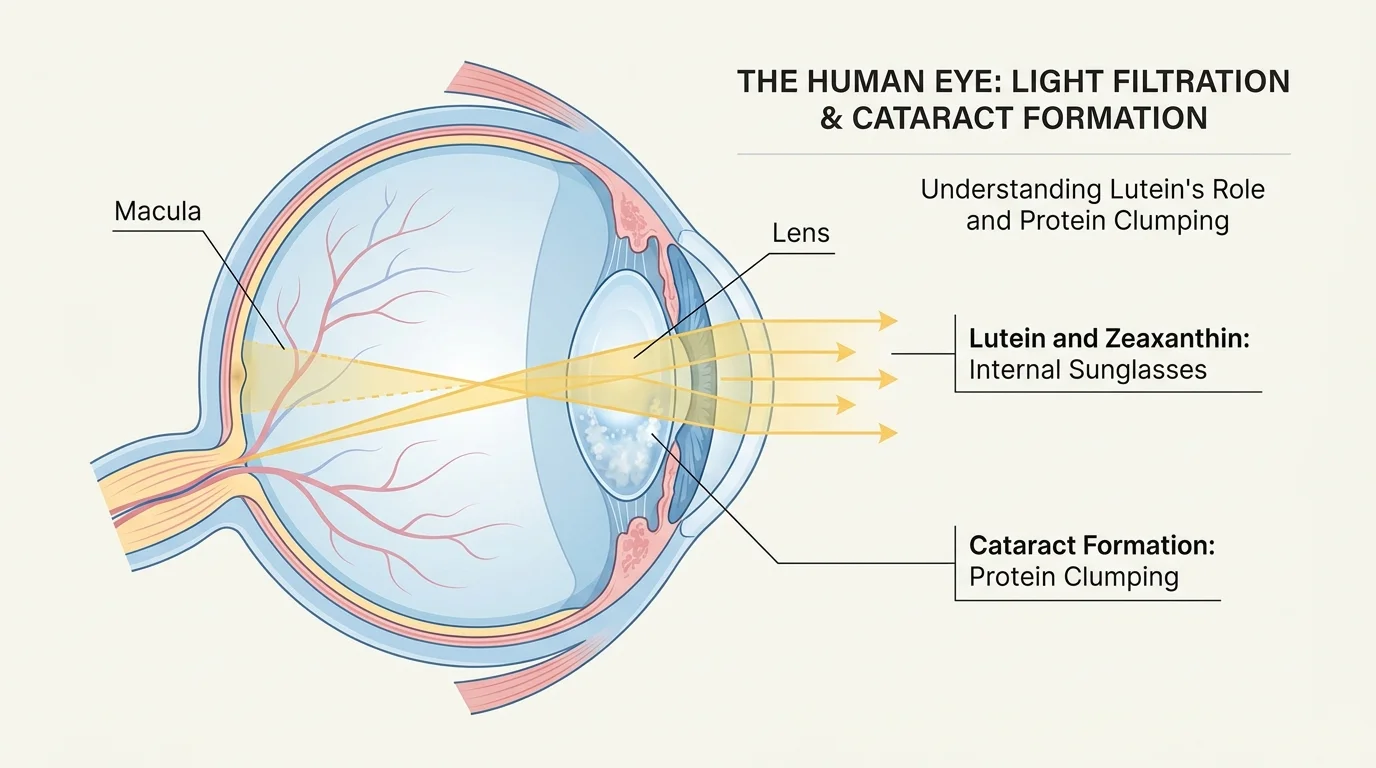
Your eyes are highly metabolically active organs requiring constant nourishment to function properly. As you age, cumulative exposure to sunlight, bright screens, and environmental toxins generates free radicals within your delicate ocular tissues. These unstable molecules cause oxidative stress, which gradually degrades the macula—the highly sensitive central part of your retina responsible for sharp vision. When the macula deteriorates, reading a book, driving a car, and recognizing faces become increasingly difficult. Furthermore, specialized proteins inside your lens can clump together over time, forming cloudy, opaque areas known as cataracts.
Fortunately, specific micronutrients act as powerful biochemical shields against this ongoing cellular damage. The National Eye Institute conducted extensive, long-term research—notably the Age-Related Eye Disease Studies—proving that high doses of specific antioxidants significantly slow the progression of advanced macular degeneration in older adults. Lutein and zeaxanthin function as internal sunglasses, actively filtering harmful blue light before it pierces your retina. Simultaneously, omega-3 fatty acids maintain the structural integrity of cell membranes and support healthy tear production, preventing the chronic dryness that frequently frustrates seniors. By delivering these therapeutic compounds consistently through your diet, you actively maintain your visual acuity.
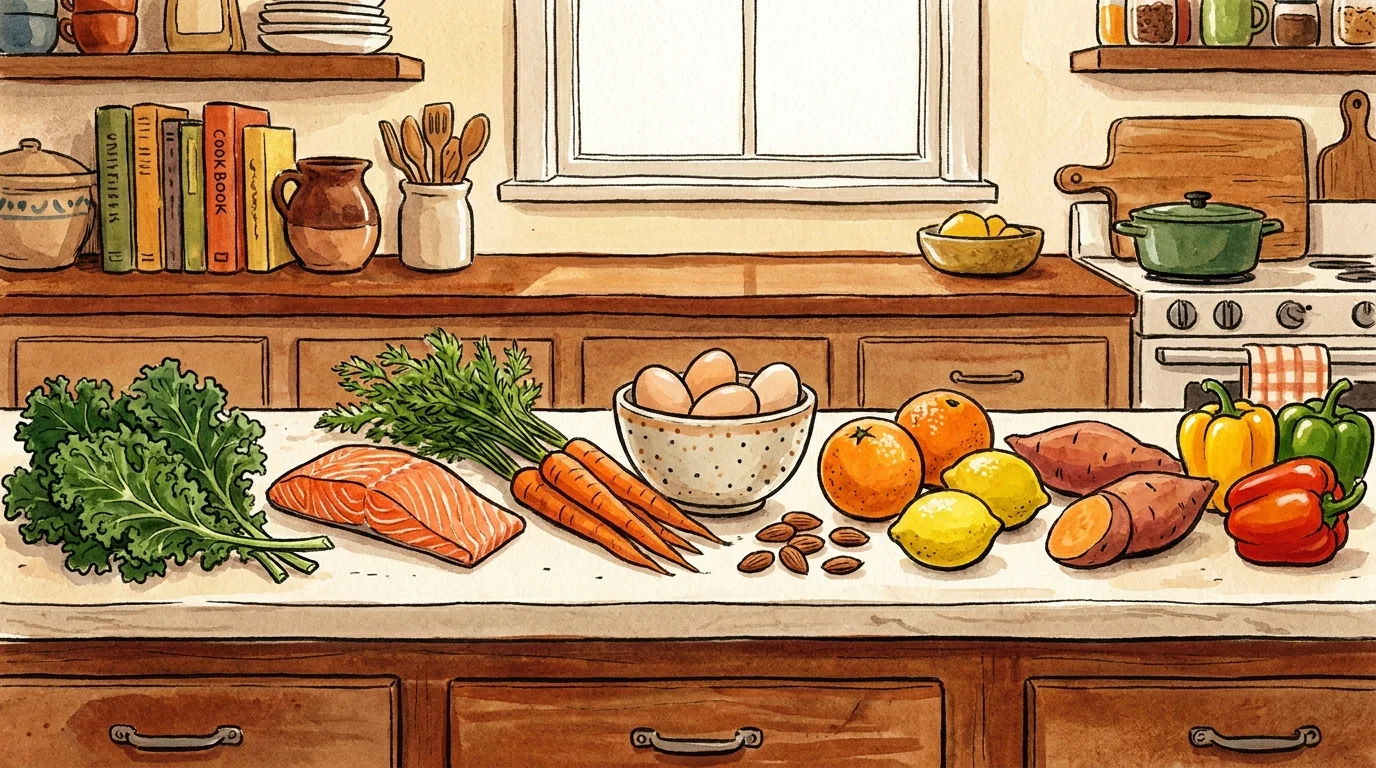
8 Nutrient-Dense Foods to Support Eye Health
1. Leafy Dark Greens
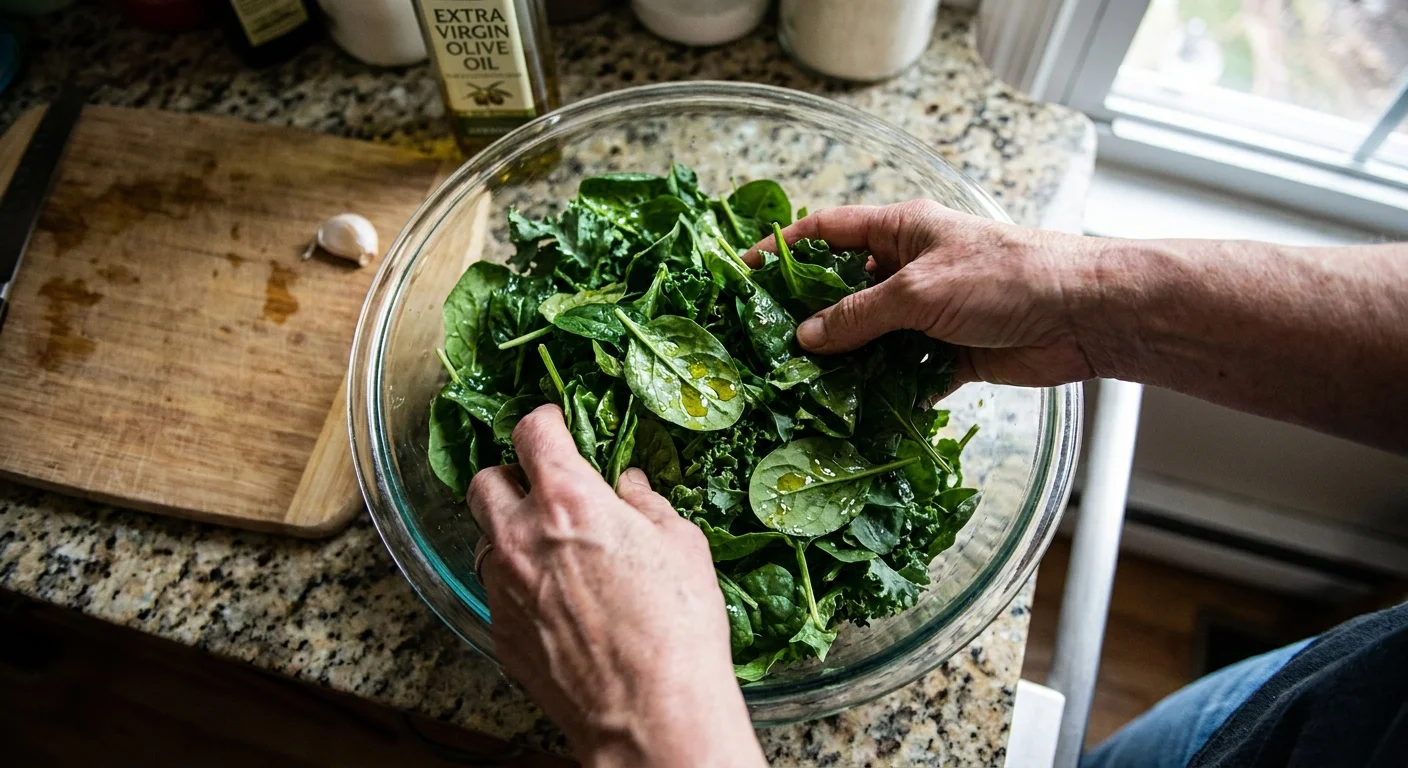
Spinach, kale, and collard greens stand out as nutritional powerhouses packed with lutein and zeaxanthin. These specific plant pigments accumulate directly in your macula to absorb damaging light rays and neutralize harmful free radicals before they cause tissue damage. To maximize your body’s absorption rate, pair these fat-soluble antioxidants with a healthy dietary fat. Sauté a handful of fresh spinach in extra virgin olive oil for an omelet, or toss tender baby kale with an avocado oil dressing. Eating just one cup of cooked greens daily provides a robust defense against degenerative eye conditions.
2. Cold-Water Fatty Fish
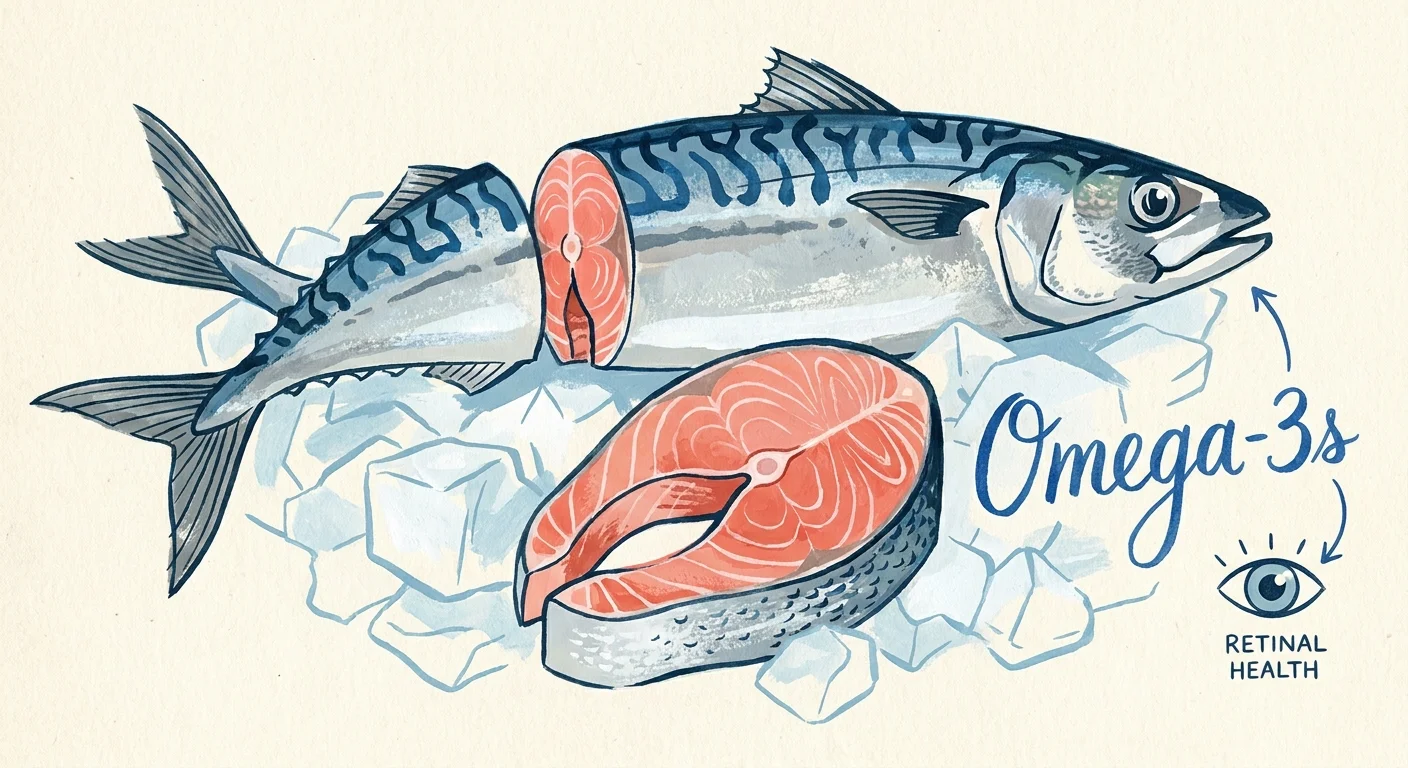
Wild-caught salmon, sardines, and Atlantic mackerel offer incredibly potent sources of eicosapentaenoic acid and docosahexaenoic acid, the omega-3 fatty acids crucial for retinal health. Docosahexaenoic acid is highly concentrated in your retina naturally, making it indispensable for maintaining optimal visual function and warding off dry eye syndrome. Aim to consume a four-ounce serving of baked or grilled fatty fish twice a week. Canned wild salmon serves as a highly convenient, budget-friendly alternative that you can easily mix into whole-grain pasta dishes or form into savory lunch patties.
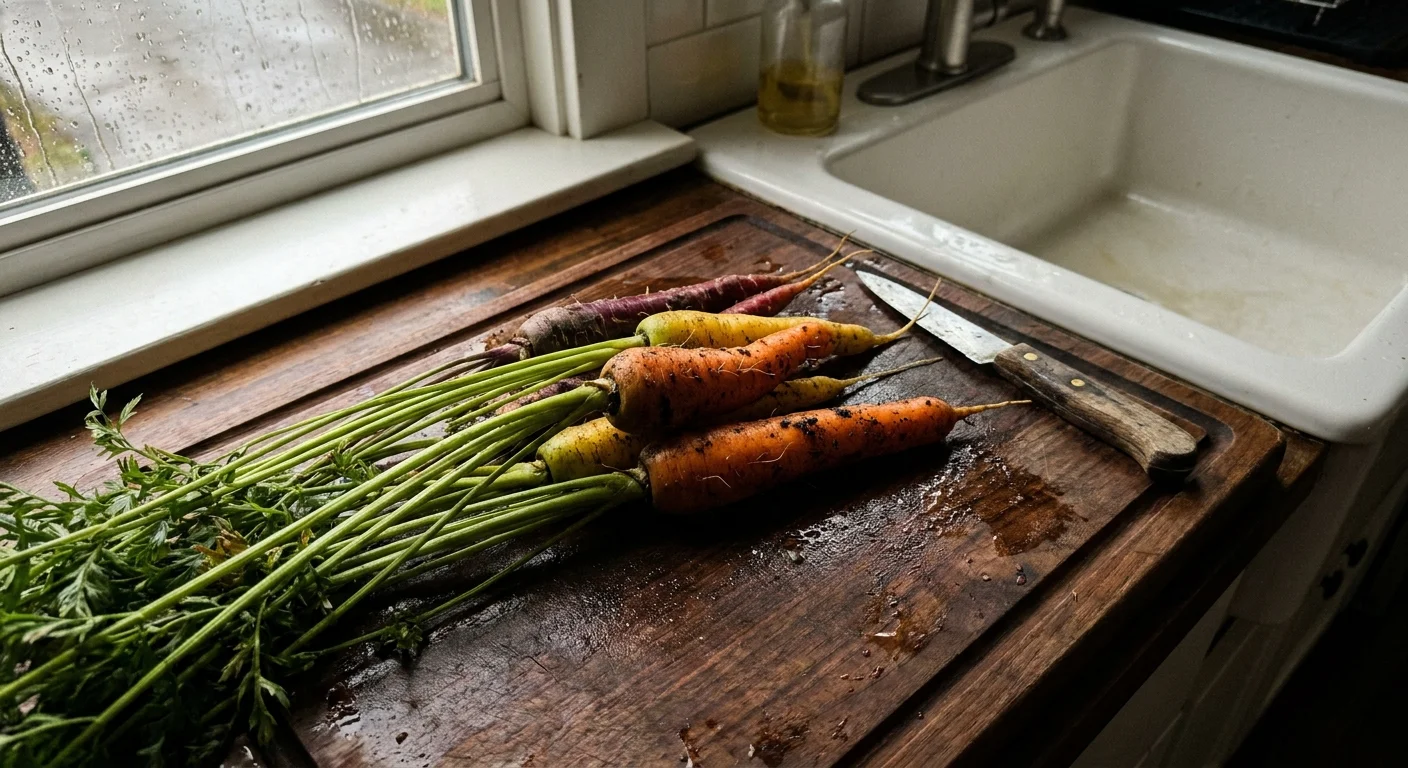
3. Bright Orange Carrots
The classic childhood advice about eating carrots for your vision holds deep scientific truth. Carrots contain abundant beta-carotene, a vital precursor your body safely converts into active vitamin A. This essential vitamin produces rhodopsin, a specialized protein in your eyes allowing your retina to process images in low-light conditions. A subtle deficiency in this nutrient leads directly to night blindness, a dangerous concern for older drivers. Enjoy gently roasted carrots seasoned with cinnamon, or dip raw baby carrots into a protein-rich hummus for a satisfying crunch that safeguards your night vision.

4. Farm-Fresh Eggs
Farm-fresh eggs offer a highly bioavailable package of zinc, lutein, zeaxanthin, and vitamins C and E. The trace mineral zinc found abundantly in egg yolks helps transport vitamin A from your liver directly to your retina, accelerating the production of protective melanin pigment. Because the vital antioxidants in eggs are already bound to healthy fats within the yolk, your digestive system absorbs them with remarkable efficiency. Poach or hard-boil a whole egg to top your morning avocado toast, ensuring you receive a sustained release of metabolic energy alongside optical protection.
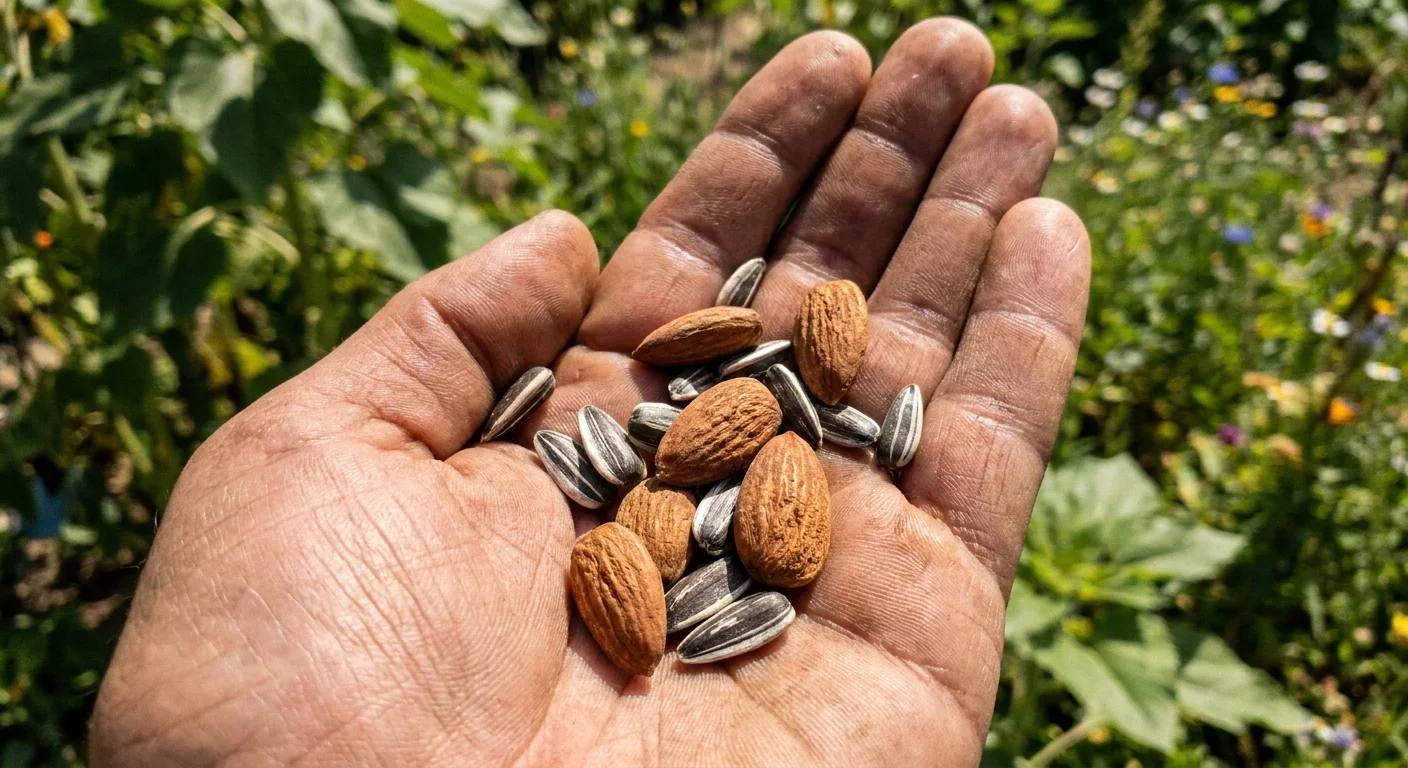
5. Almonds and Sunflower Seeds
Vitamin E acts as a frontline defender against systemic oxidative stress, actively preventing rogue free radicals from destroying healthy eye tissue. Almonds, hazelnuts, and sunflower seeds deliver this protective fat-soluble vitamin in delicious, easy-to-snack portions. The Centers for Disease Control and Prevention specifically highlights vitamin E as a critical component in the fight against age-related cataracts. Keep a small glass jar of unsalted almonds on your kitchen counter to grab on the go, or generously sprinkle roasted sunflower seeds over a warm bowl of morning oatmeal.
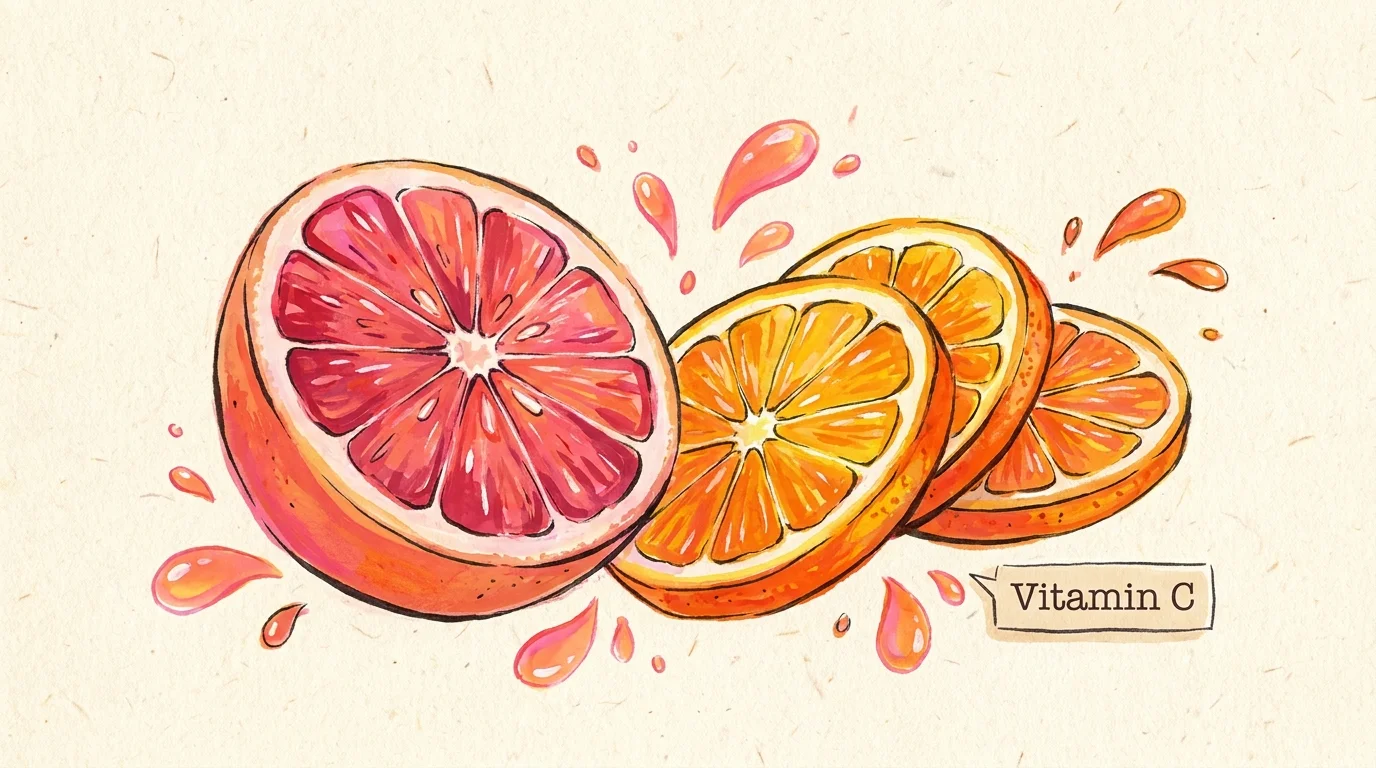
6. Citrus Fruits
Fresh oranges, grapefruits, and lemons brim with vitamin C, a versatile water-soluble antioxidant that explicitly supports the health of the delicate blood vessels supplying oxygen to your eyes. Vitamin C works synergistically with vitamin E to rapidly repair and regenerate damaged tissues throughout your entire visual system. Regular daily consumption of citrus fruits lowers your overall risk of developing cloudy cataracts as the years pass. Incorporate half a ruby red grapefruit into your breakfast routine, or squeeze fresh lemon juice heavily over baked white fish to deliver a concentrated dose of vascular support.

7. Sweet Potatoes
Similar to carrots, sweet potatoes boast exceptional levels of vision-supporting beta-carotene, alongside a substantial amount of dietary potassium and gut-friendly fiber. A single medium baked sweet potato yields more than double your daily requirement of vitamin A. Consuming this starchy root vegetable promotes a thoroughly hydrated, healthy ocular surface and fiercely defends your eyes against age-related macular degeneration. Bake a whole sweet potato and top it with a savory spoonful of plain Greek yogurt, or roast seasoned sweet potato cubes in the oven to add hearty, nutritious volume to your evening salads.

8. Bell Peppers
Crisp red, yellow, and orange bell peppers deliver an incredibly high concentration of vitamin C per calorie, making them an unparalleled vegetable choice for seniors managing their daily caloric intake. The brightly colored varieties provide significant amounts of vision-protecting plant compounds that support vascular health inside the eye. Because high cooking heat rapidly degrades sensitive vitamin C, eating these peppers raw yields the maximum nutritional benefit. Slice sweet red peppers into strips to accompany a hearty turkey sandwich, or dice them finely to add a vibrant crunch to your homemade chicken salad.

Lifestyle Habits to Protect Your Vision
Nutrition works best when supported by a holistic lifestyle foundation. Regular cardiovascular exercise actively improves blood circulation throughout your entire body, including the tiny microvascular networks within your eyes. A brisk daily walk or a gentle water aerobics class reduces intraocular pressure, fundamentally helping protect against glaucoma. Sleep also plays a non-negotiable role in ocular health; during deep, restorative rest, your eyes clear out accumulated cellular debris and replenish essential moisture. Chronic stress elevates cortisol levels, potentially disrupting blood flow and contributing to severe visual fatigue. Engage in mindfulness practices, such as deep breathing exercises or community gardening, to successfully manage tension. Connecting with local community support groups provides vital emotional resilience and highly practical tips for navigating age-related vision changes, ensuring you never feel isolated in your ongoing health journey.

Medical Monitoring and Supplement Safety
While a food-first approach forms the solid foundation of good health, vigilant medical monitoring remains absolutely crucial. Schedule a comprehensive dilated eye exam with your optometrist or ophthalmologist at least once a year. The American Optometric Association emphasizes that routine procedures allow your doctor to inspect the back of your eye for early signs of macular degeneration, diabetic retinopathy, and glaucoma long before you notice any symptom changes. If you are considering specialized eye supplements—such as an AREDS2 formula—you must consult your primary care physician first. High doses of certain vitamins can interact adversely with prescription medications; for example, high-dose vitamin E may amplify the effects of blood-thinning drugs. The World Health Organization stresses the paramount importance of coordinated care, so always bring a complete, updated list of your dietary supplements to your medical appointments.
Frequently Asked Questions About Eye Health Nutrition
How can I make vision-friendly choices when dining out?
Navigating restaurant menus requires simple strategy to find eye-healthy options. Look for grilled salmon or trout as a main course, and ask your server to substitute heavy potato sides with steamed broccoli or a mixed green salad. Request olive oil and vinegar on the side instead of creamy dressings to ensure you consume healthy fats. Avoid deeply fried foods, which contain pro-inflammatory trans fats that completely counteract your dedicated nutritional efforts.
What are some budget-friendly alternatives to expensive fresh seafood and produce?
Eating for your eyesight does not require a premium grocery budget. Canned sardines, mackerel, and tuna provide excellent omega-3 fatty acids at a fraction of the cost of fresh fillets. Frozen vegetables—such as spinach, peas, and carrots—are flash-frozen at peak ripeness, flawlessly locking in their vitamin C and beta-carotene content. They are often much cheaper than fresh produce and produce zero waste. Dried beans and lentils also offer a highly affordable source of zinc.
Should I rely on supplements if I struggle to eat enough greens?
Dietary supplements should bridge nutritional gaps, never replace a balanced diet. Whole foods provide a complex matrix of fiber, vitamins, and phytonutrients that isolated pills simply cannot replicate. If chewing fibrous greens proves difficult due to dental issues, try blending spinach into a fruit smoothie or pureeing vegetables into hearty soups. If you still fall short of your targets, speak with your physician about incorporating an evidence-based eye health supplement tailored to your clinical needs.
How can I adapt these dietary recommendations to fit my cultural meals?
You can easily integrate vision-supporting nutrients into diverse culinary traditions. If your cultural cuisine features frequent rice dishes, stir in turmeric and dark leafy greens. For Latin American diets, rely on eggs, black beans, and avocado to deliver zinc, lutein, and healthy fats. In Mediterranean cooking, emphasize the existing staples of olive oil, tomatoes, and oily fish. The Academy of Nutrition and Dietetics encourages modifying traditional recipes by simply increasing the ratio of colorful vegetables to refined carbohydrates.
Take Charge of Your Visual Health Today
Protecting your eyesight is a lifelong commitment that begins with your next trip to the grocery store. You hold the power to defend your vision through the simple, daily choices you make at the dinner table. Start small by tracking just one new habit this week—perhaps adding a handful of spinach to your morning eggs or swapping an afternoon cookie for fresh citrus. Share this specific goal with your healthcare team during your next visit. By embracing a proactive, nutrient-rich lifestyle, you actively safeguard your independence and ensure you continue to see the world clearly.






1 thought on “8 Foods That Help Seniors Protect Their Eyesight”
Interesting information on Eye Health!
Thank you,
Darlene