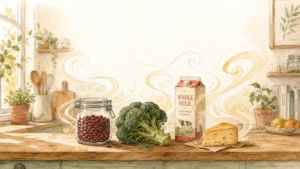
Protecting your skeletal frame as you age ensures you maintain your independence, enjoy favorite physical activities, and avoid life-altering fractures. After age fifty, bone breakdown naturally outpaces formation, stripping calcium and crucial minerals from your skeleton at an accelerated rate. Fortunately, targeted nutrition serves as your strongest defense against osteoporosis and brittle bones. By incorporating specific, nutrient-dense ingredients into your daily meals, you supply your body with the exact building blocks necessary for structural repair. You hold the power to slow density loss and rebuild foundational strength through simple dietary shifts. Focus on the most effective ingredients scientifically proven to fortify your skeleton, allowing you to age with incredible resilience, confidence, and lasting stability.
The Science Behind Your Changing Skeleton
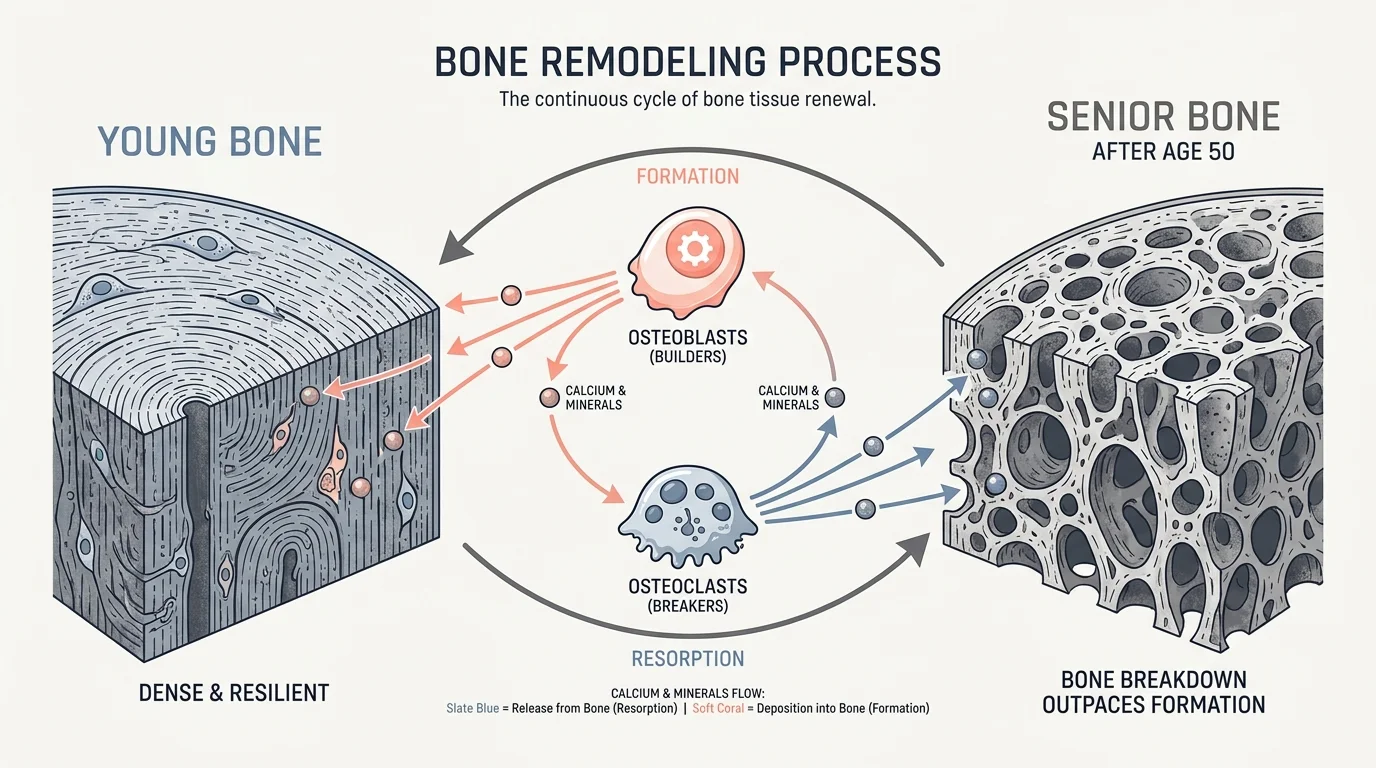
Your bones are living, dynamic tissues that undergo a constant process of remodeling. Throughout your younger years, specialized cells called osteoblasts build new bone faster than osteoclasts break it down. As you transition into your senior years, this delicate biological equation shifts. Hormonal changes—particularly the sharp decline in estrogen during menopause for women and the gradual decrease in testosterone for men—cause bone resorption to accelerate. Without intervention, your bones gradually become porous, fragile, and significantly more susceptible to breaks from minor falls or everyday impacts.
Dietary intervention directly interrupts this rapid degradation. Strong bones require much more than just a glass of milk; they demand a symphony of synergistic nutrients. Calcium provides the dense structural matrix, but your body cannot properly absorb it without adequate Vitamin D. Furthermore, Vitamin K acts as a biological traffic cop, directing calcium out of your arteries and into your bone tissue where it belongs. Magnesium, potassium, and lean proteins also play critical roles in maintaining the flexible collagen network within your skeleton. According to researchers tracking bone health in older adults, a proactive approach to daily nutrition significantly lowers your lifetime fracture risk and preserves your mobility.
8 Powerhouse Foods for Senior Bone Health
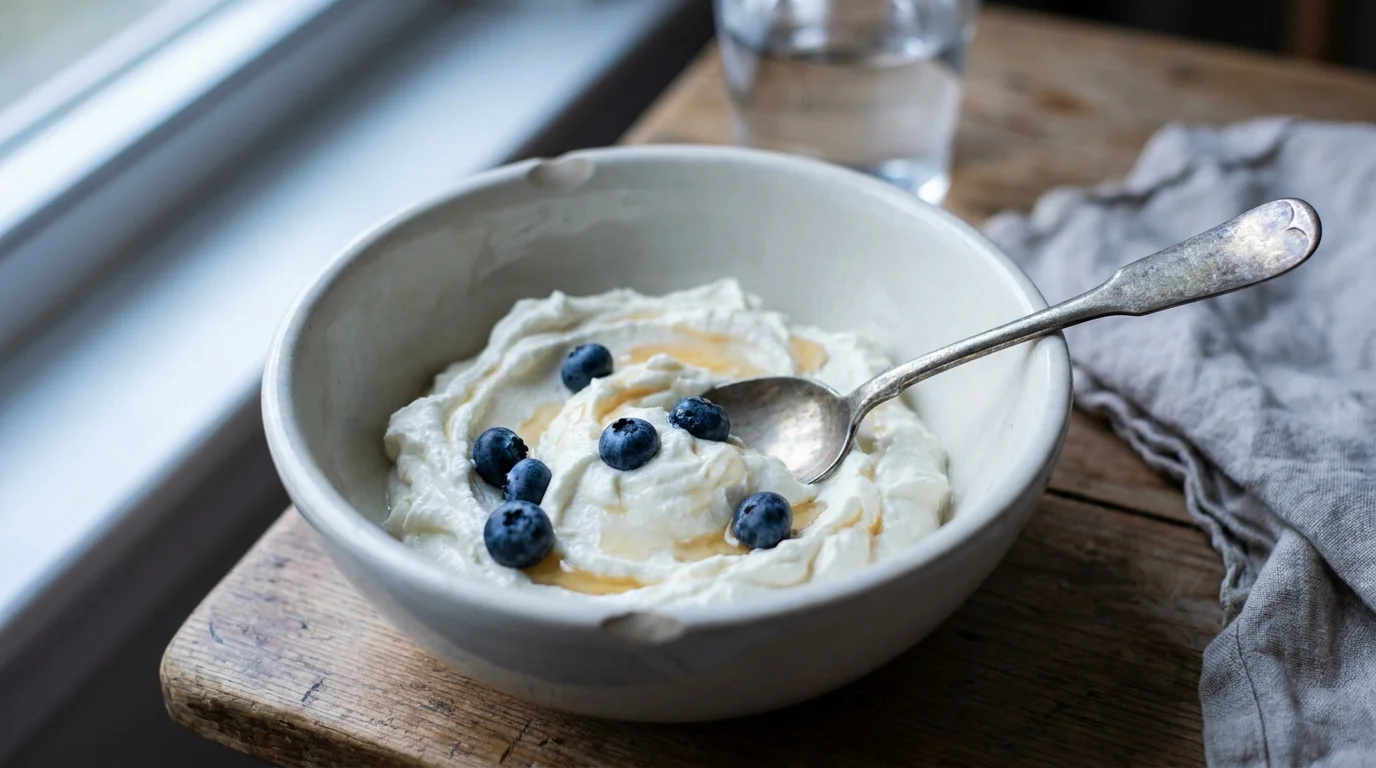
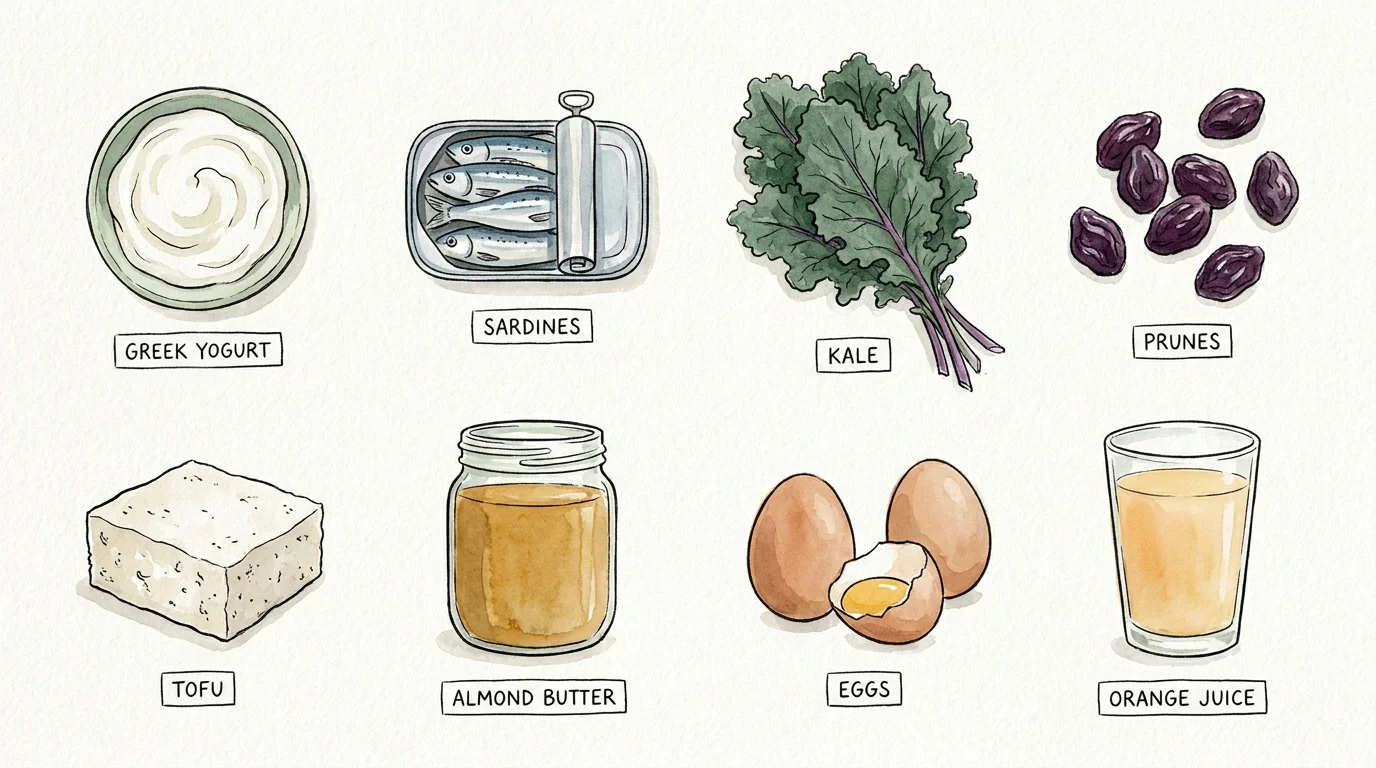
1. Plain Greek Yogurt
Dairy products remain a traditional cornerstone of skeletal health for a valid reason, but plain Greek yogurt offers unique advantages over standard milk. The fermentation process introduces beneficial probiotics that support your gut microbiome, which emerging research links to improved mineral absorption. Furthermore, Greek yogurt undergoes a straining process that concentrates its nutritional profile, delivering an impressive amount of high-quality protein alongside highly bioavailable calcium. Protein makes up roughly fifty percent of your bone volume; without it, your bones lose their flexibility and become brittle. Choose unsweetened varieties to avoid the inflammatory effects of added sugars, and stir in your own fresh fruit or a touch of honey for natural flavor.
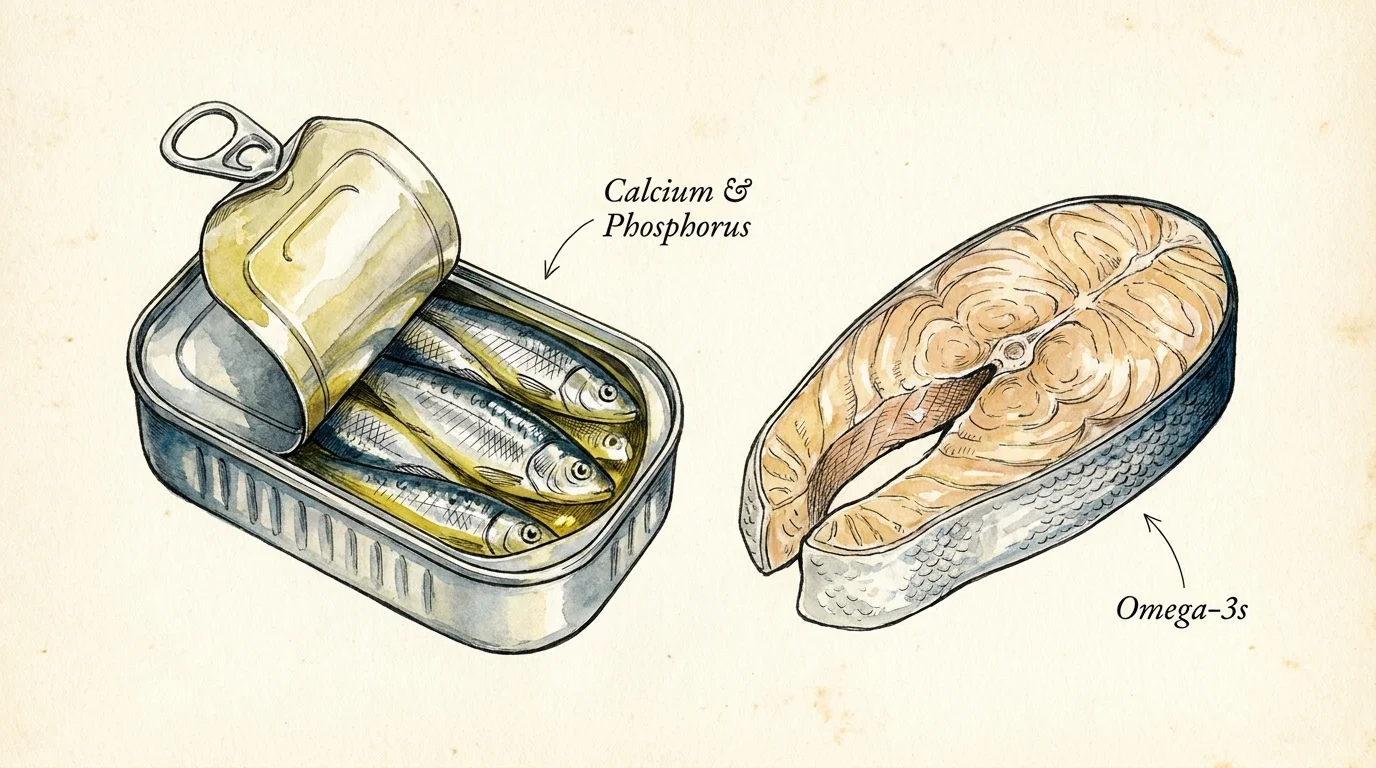
2. Sardines and Canned Salmon
If you bypass the canned fish aisle at the grocery store, you are missing out on one of the most effective skeletal superfoods available. Canned sardines and salmon are uniquely valuable because they are processed with their soft, edible bones intact. When you consume these tiny bones, you ingest calcium and phosphorus in the exact ratios your body requires for human bone formation. Additionally, cold-water fatty fish provide a tremendous dose of Omega-3 fatty acids and Vitamin D. Omega-3s help reduce systemic inflammation—a hidden culprit that accelerates bone loss—while Vitamin D unlocks the cellular doors in your intestines, allowing calcium to enter your bloodstream. Mash these flavorful fish into spreads, mix them into salads, or bake them into savory patties.
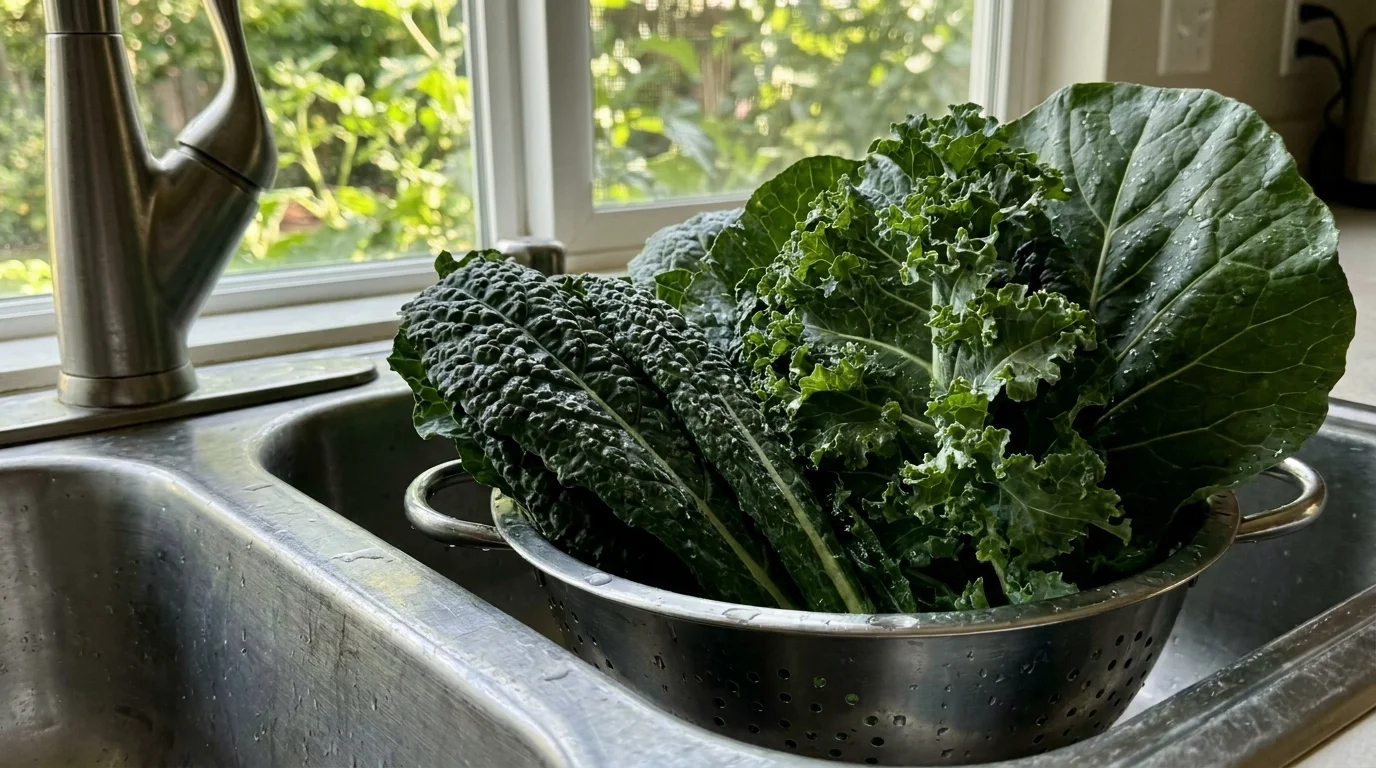
3. Dark Leafy Greens
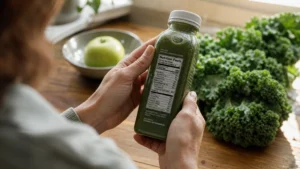
Vegetables offer a powerful defense mechanism for aging bones, and dark leafy greens stand at the absolute top of the hierarchy. Collard greens, kale, bok choy, and turnip greens provide robust amounts of plant-based calcium, magnesium, and Vitamin K. Vitamin K is especially crucial because it activates osteocalcin, a specific protein that binds calcium molecules securely into your bone matrix. You must exercise a bit of strategy when choosing your greens, however. Spinach and Swiss chard, while highly nutritious, contain high levels of oxalates—compounds that bind to calcium and prevent your body from absorbing it. Focus your daily dietary efforts on low-oxalate greens like kale and bok choy to maximize your mineral intake.
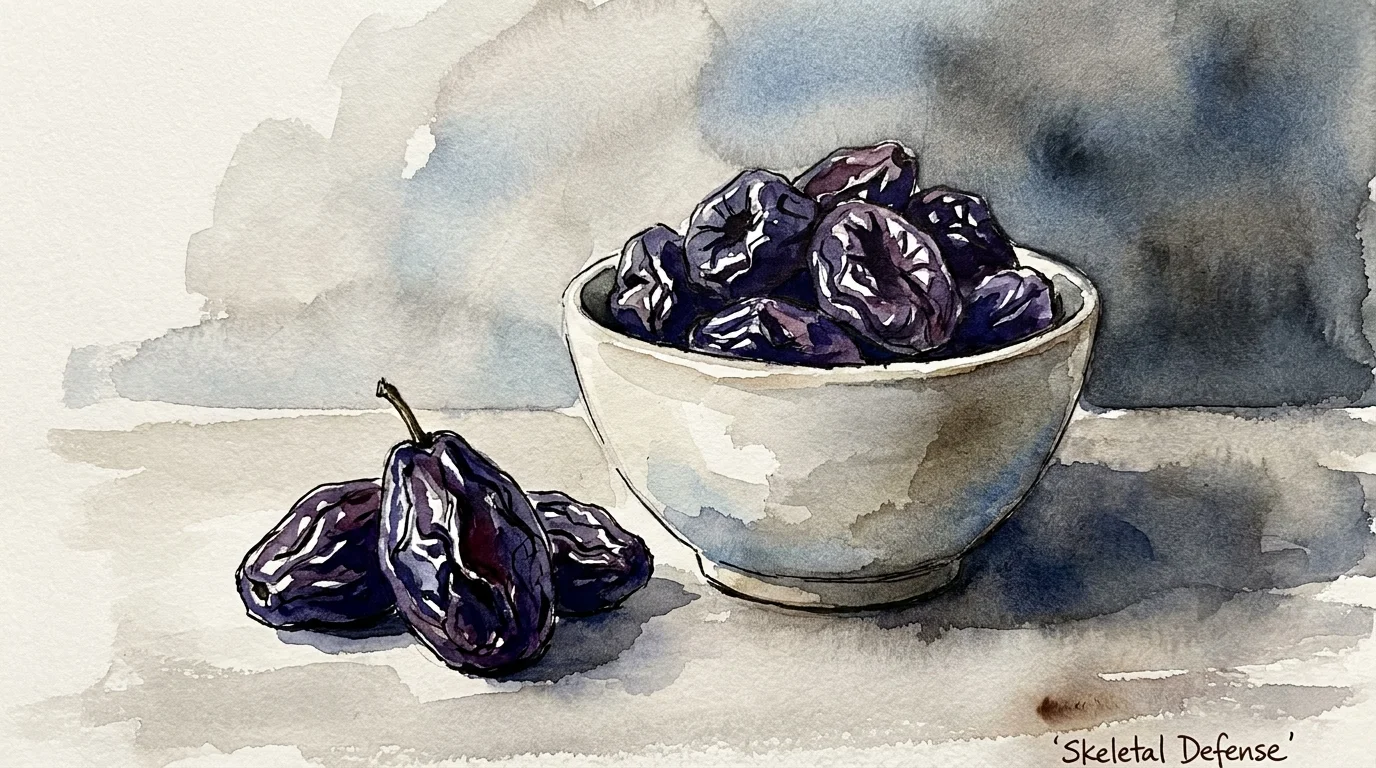
4. Prunes (Dried Plums)
Prunes have long been championed for digestive health, but scientists now recognize them as a therapeutic powerhouse for skeletal density. Extensive clinical trials show that consuming just five to six prunes daily can prevent the loss of bone mineral density in older adults. Prunes deliver a concentrated dose of boron, a trace mineral heavily involved in the preservation of bone tissue. They are also packed with phenolic compounds—powerful antioxidants that suppress the chronic inflammation responsible for triggering excessive osteoclast activity. Adding prunes to your morning oatmeal, blending them into smoothies, or simply enjoying them as a midday snack offers an easy, affordable way to protect your skeletal frame.
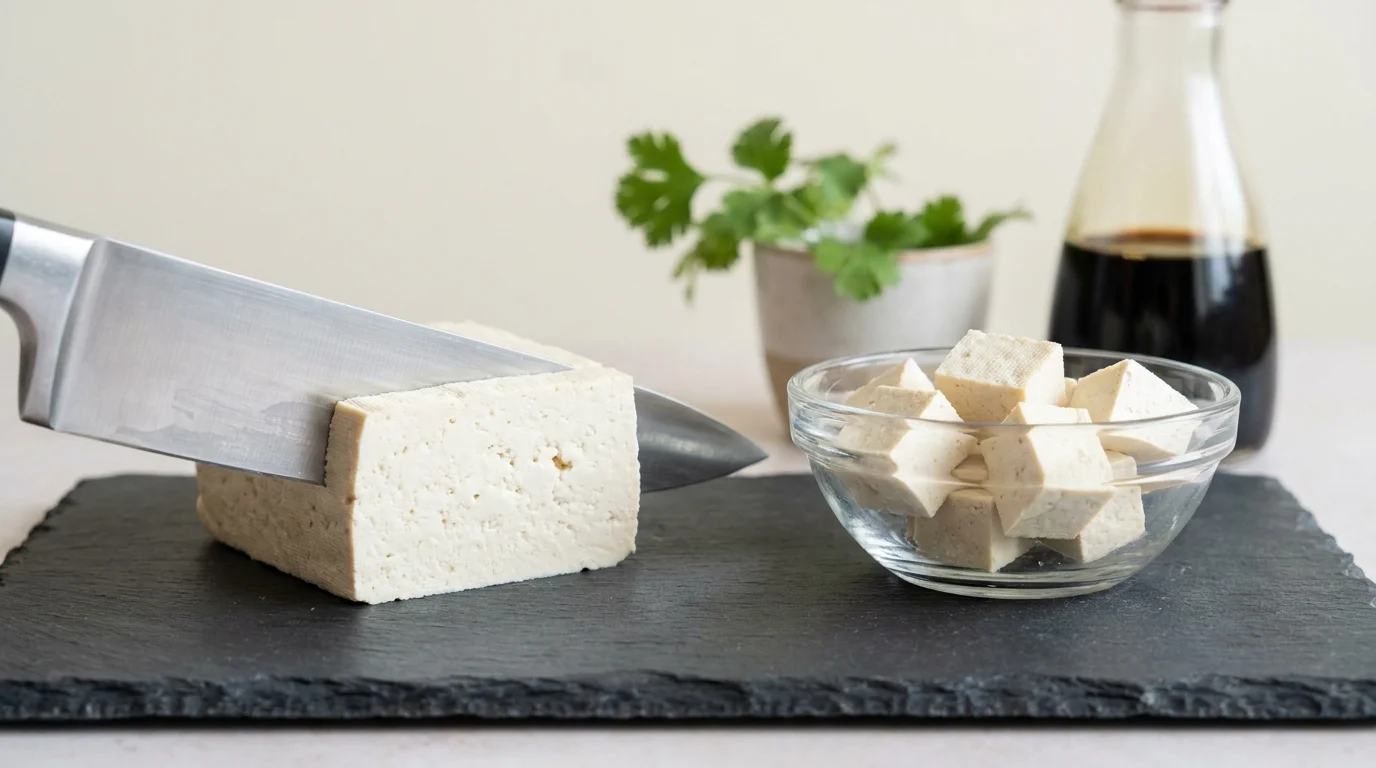
5. Tofu Set with Calcium
For seniors pursuing a plant-based diet, or those simply looking to reduce their meat consumption, tofu serves as a remarkable structural ally. You must read the ingredient label carefully and select tofu prepared with calcium sulfate, as this specific manufacturing process infuses the soy curds with substantial amounts of skeletal-building minerals. Beyond calcium, tofu contains isoflavones, which are natural plant compounds known as phytoestrogens. These isoflavones gently mimic the protective effects of human estrogen in the body, helping to slow the aggressive rate of bone resorption frequently experienced by postmenopausal women. Bake marinated tofu cubes, scramble them in place of eggs, or toss them into a vibrant vegetable stir-fry.
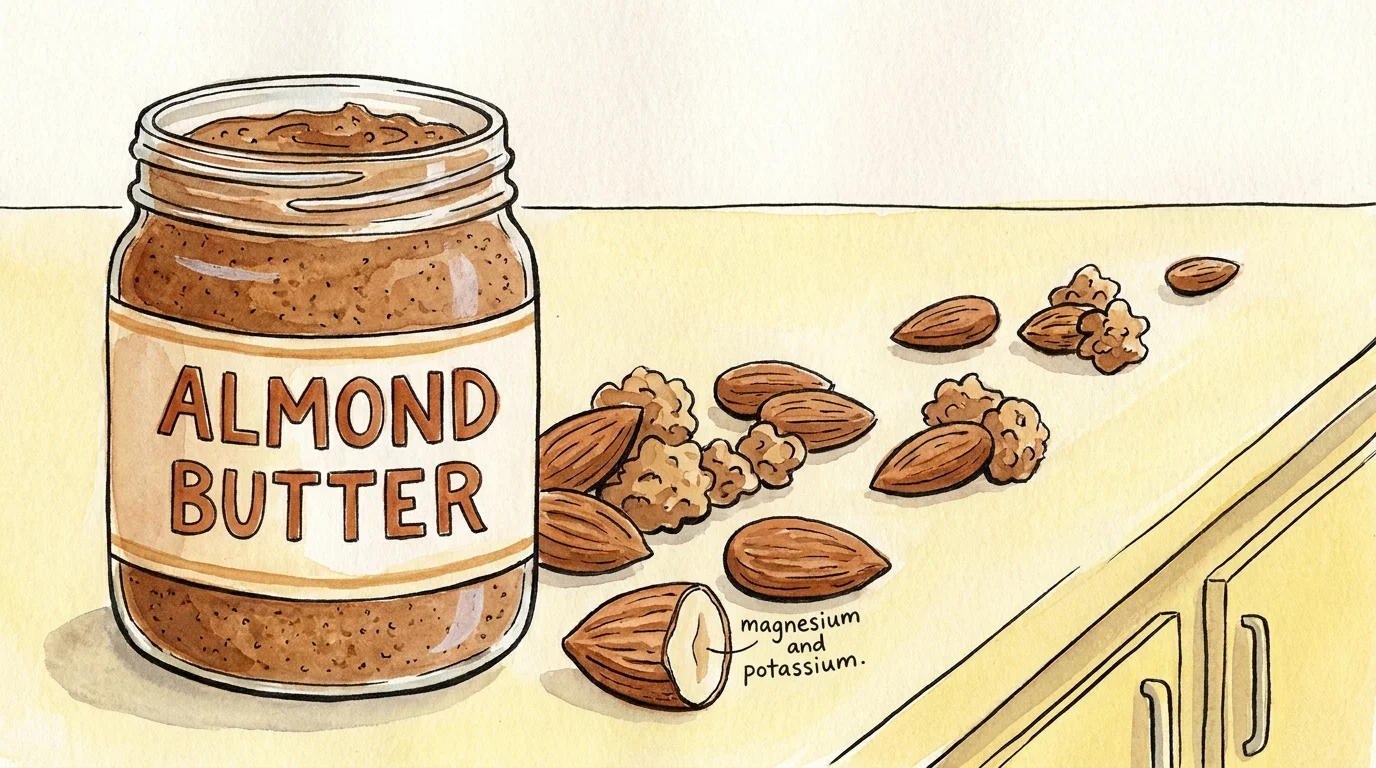
6. Almonds and Almond Butter
Nuts provide exceptional caloric density and nutritional value, but almonds specifically shine when evaluating skeletal benefits. A single handful of almonds supplies a hefty dose of magnesium, a mineral that directly stimulates the hormone calcitonin. Calcitonin draws calcium out of your blood and pushes it into your skeletal tissues. Without adequate magnesium, your bones cannot physically absorb the calcium you consume. Almonds also provide plant-based protein and healthy monounsaturated fats, which are necessary for the absorption of fat-soluble vitamins like D and K. Keep a jar of natural, unsweetened almond butter in your pantry to spread on whole-grain toast or blend into your morning protein shake.
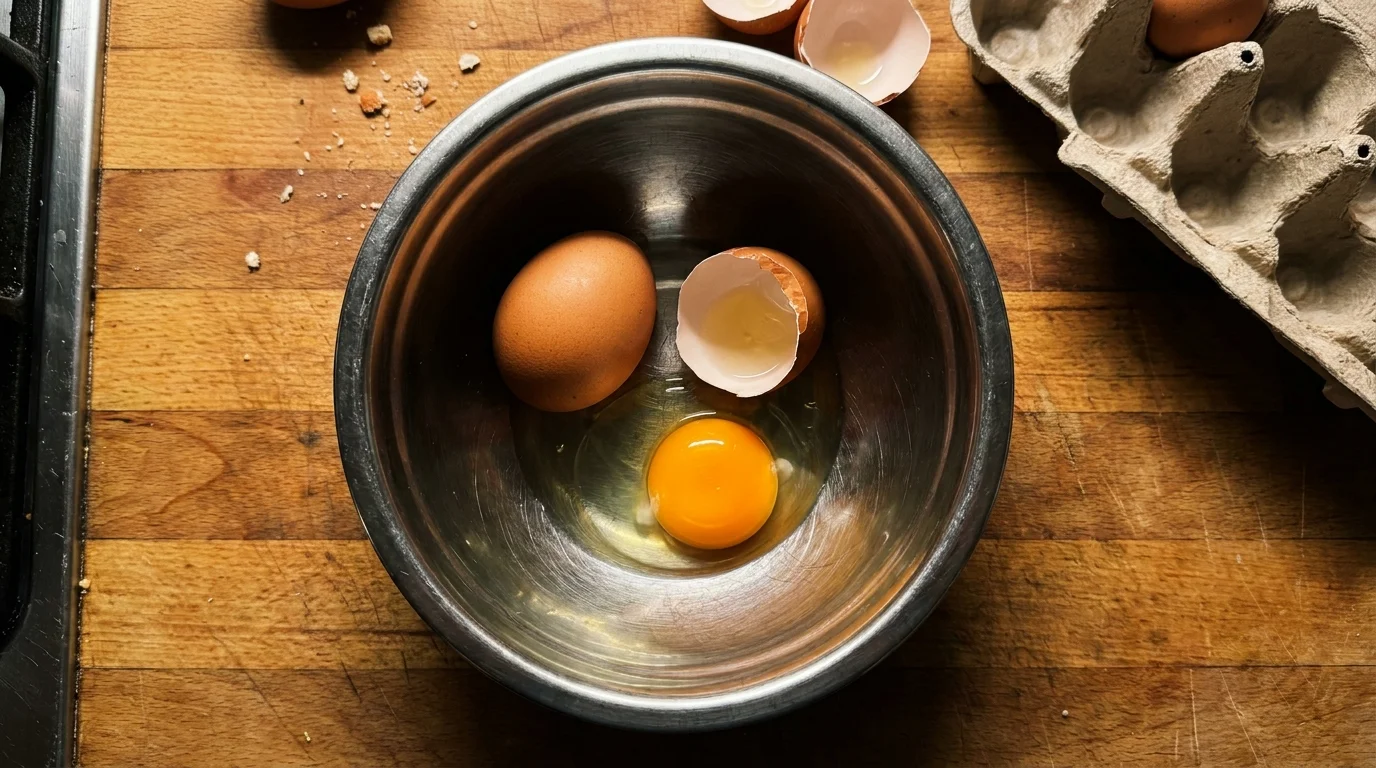
7. Eggs
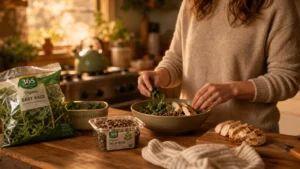
Eggs are a culinary staple that offer comprehensive benefits for aging bodies, provided you eat the yolks. Many older adults incorrectly avoid egg yolks due to outdated cholesterol fears, but the yolk holds the majority of the egg’s skeletal-protective nutrients. Egg yolks are one of the few natural food sources of Vitamin D, making them essential for seniors who spend limited time in direct sunlight. Furthermore, eggs contain lutein and zeaxanthin, along with high-quality protein and choline. Hard-boil a batch of eggs for easy weekly snacking, or prepare a nutrient-dense frittata loaded with low-oxalate leafy greens to create a comprehensive bone-building meal.
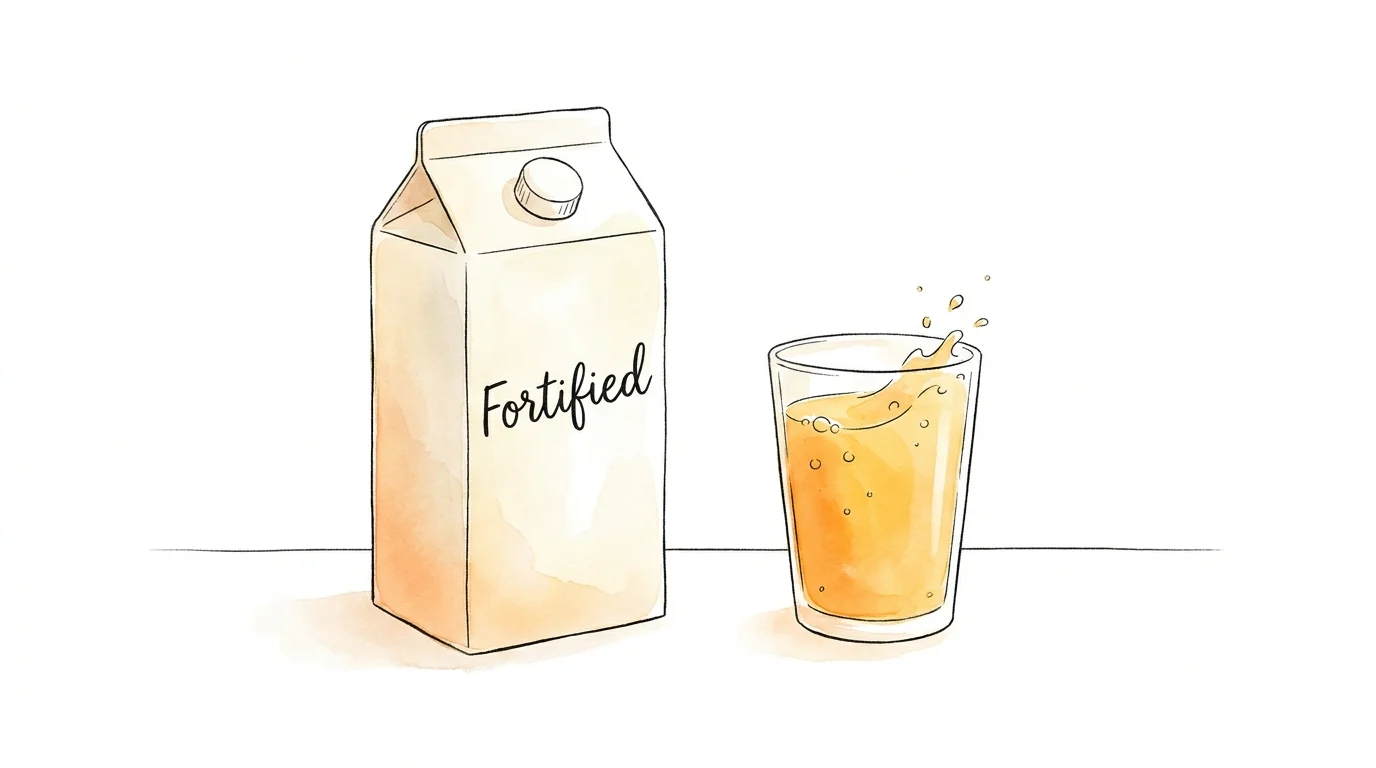
8. Fortified Plant Milks and Orange Juice
Lactose intolerance becomes increasingly common as you age, making traditional dairy consumption uncomfortable or completely impossible for many seniors. Fortunately, modern food fortification ensures you never have to miss out on essential nutrients. High-quality almond, oat, and soy milks are frequently fortified with calcium carbonate or calcium citrate, bringing their mineral profile perfectly in line with cow’s milk. Fortified orange juice offers another fantastic vector for nutrients, pairing calcium and Vitamin D with Vitamin C. Vitamin C is scientifically necessary for the synthesis of collagen, the primary protein framework that gives your bones their shock-absorbing flexibility. Always shake these fortified beverages vigorously before pouring, as the heavy added minerals naturally sink to the bottom of the carton.
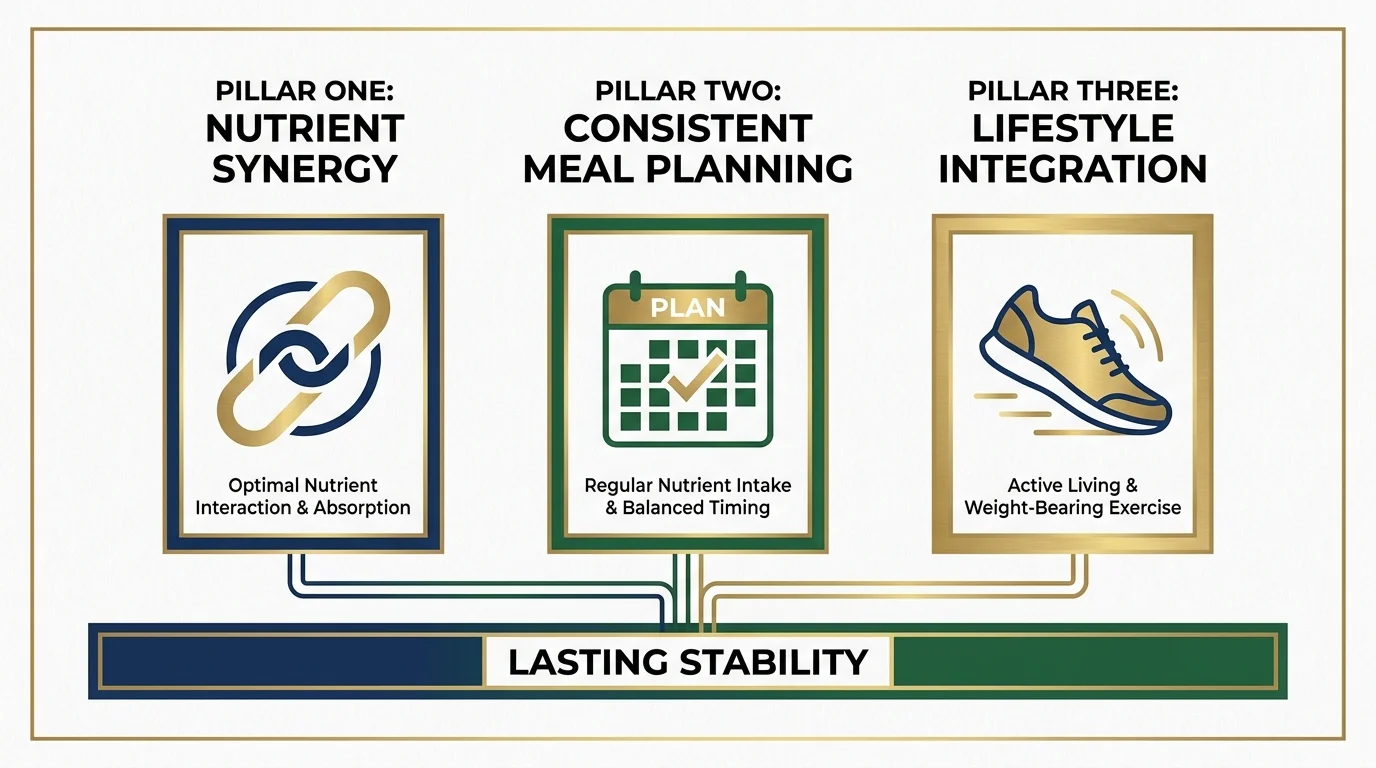
Strategy Pillars for Stronger Bones
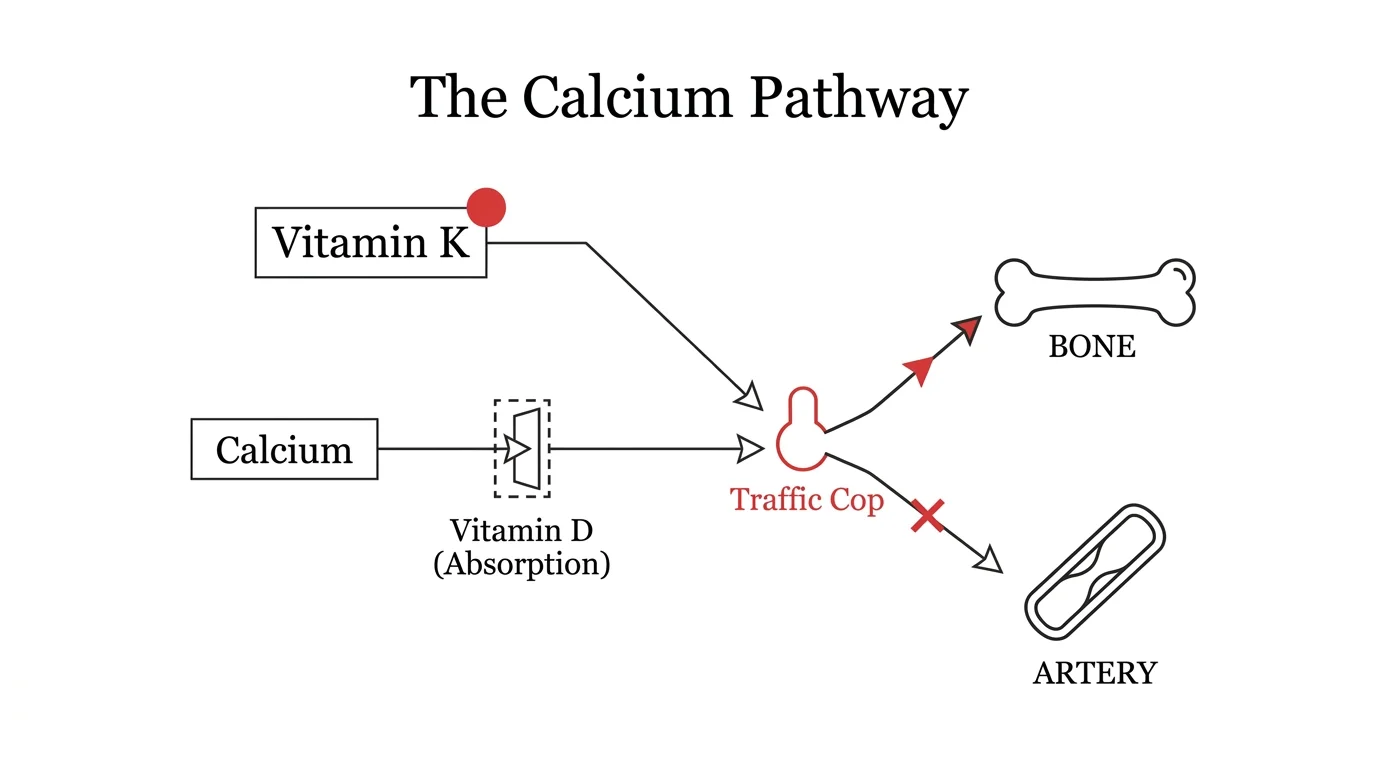
Pillar One: Nutrient Synergy
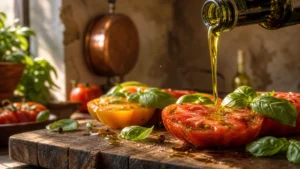
Consuming bone-building foods in isolation limits their effectiveness. You must leverage nutrient synergy—the biological reality that certain vitamins and minerals require partners to function correctly. Never consume your calcium-rich foods completely fat-free; pair your dark leafy greens with a drizzle of olive oil so your digestive tract can absorb the fat-soluble Vitamin K. Similarly, avoid pairing extremely high-sodium meals with your calcium sources. Your kidneys flush excess sodium out through your urine, and unfortunately, sodium pulls precious calcium out of your body alongside it. Keep your meals balanced and colorful to facilitate maximum absorption.
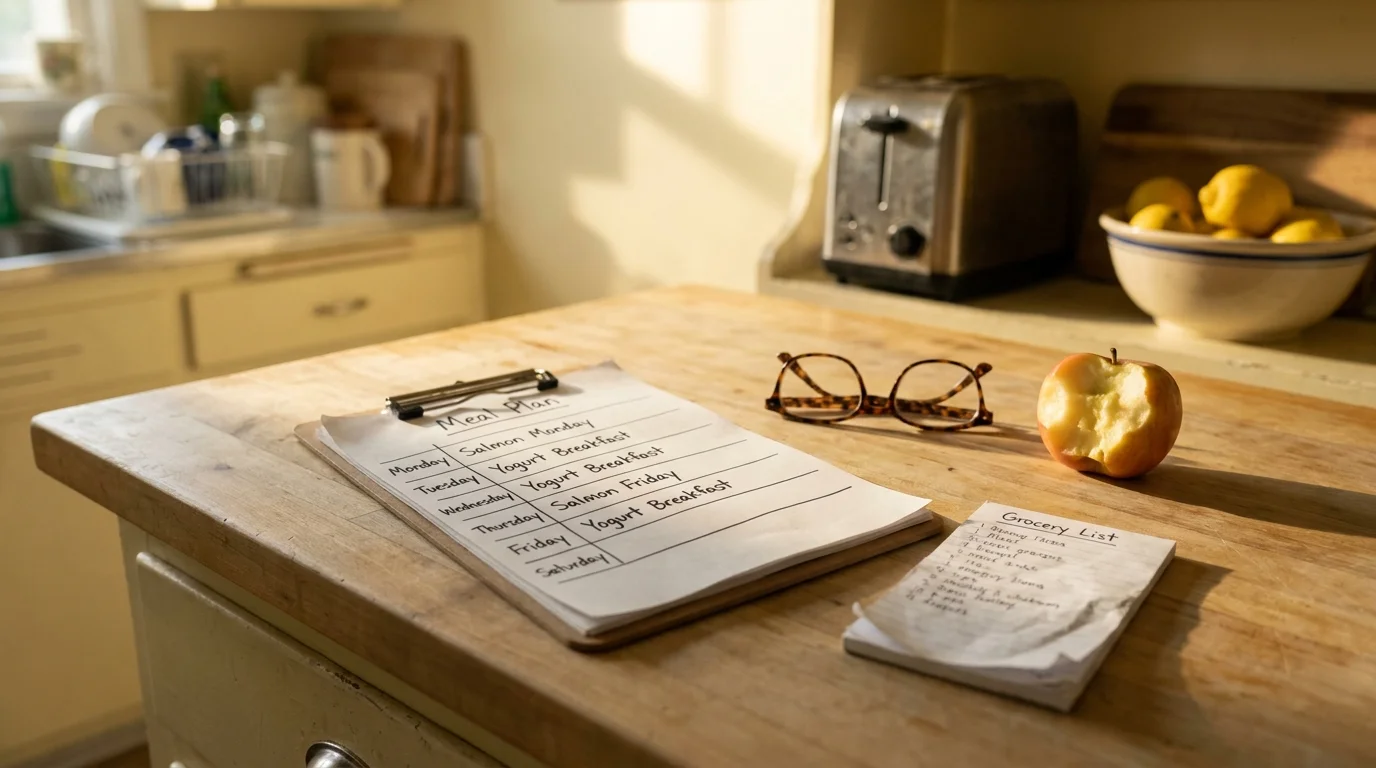
Pillar Two: Consistent Meal Planning
Your body operates on biological limits; it cannot absorb infinite amounts of nutrients at one time. Clinical evidence demonstrates that the human digestive tract can only absorb roughly five hundred milligrams of calcium in a single sitting. If you consume a massive serving of dairy and fortified juices at breakfast, your body will absorb its limit and flush the rest away. To maximize your internal fortification, you must space your calcium-rich foods evenly across your morning, afternoon, and evening meals. Strategic meal planning ensures a slow, steady drip of building materials to your skeletal system throughout the entire day.
Pillar Three: Habit Formation and Lifestyle Integration
Dietary changes require the physical stimulus of movement to lock in their benefits. When you participate in weight-bearing exercises—such as brisk walking, dancing, or light resistance training—you create micro-stressors on your bones. Your brain registers this stress and immediately dispatches the raw nutritional materials you ate to rebuild those bones stronger than they were before. Nutrition provides the bricks, but physical activity provides the blueprint. Consult resources from organizations dedicated to physical activity for older adults to safely integrate movement into your daily routine.

Voices from the Field: Expert and Community Perspectives
Clinical dietitians continually emphasize that it is never too late to begin a skeletal nutrition protocol. Registered dietitians frequently observe that older adults fall into rigid dietary routines, eating the exact same meals out of convenience rather than nutritional intent. By simply swapping a processed afternoon snack for a handful of almonds or a few dried prunes, seniors rapidly improve their nutrient density without feeling overwhelmed. Healthcare professionals note that a proactive approach shifts the mindset from fearing fractures to feeling empowered about physical longevity.
Consider the lived experiences of active seniors who have reclaimed their mobility through dietary diligence. Many older adults report that after committing to a diet rich in fortified foods, greens, and quality proteins, their subsequent bone density scans stabilize or improve. The psychological relief of receiving a positive, or at least stabilized, scan from a physician is immense. Knowing that your daily food choices actively build an internal armor gives you the confidence to navigate stairs, travel, and play with grandchildren without the constant, looming anxiety of a severe injury.
Safety First: Personalization and Medical Considerations
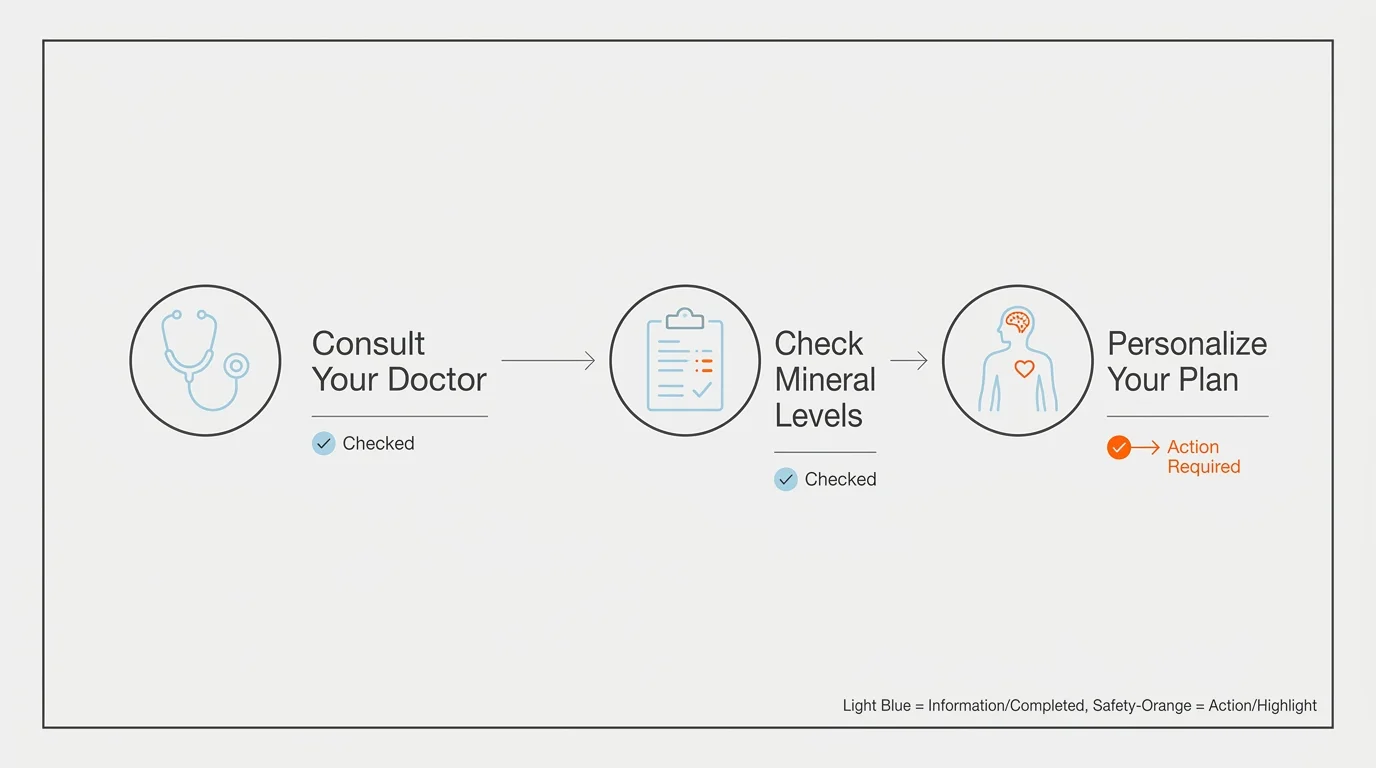
While natural foods are overwhelmingly safe, highly specific medical conditions require individualized nutritional navigation. If your physician has prescribed a blood-thinning medication like Warfarin, you must maintain a consistent daily intake of Vitamin K. Suddenly increasing your consumption of dark leafy greens can drastically alter the effectiveness of your medication, placing you at risk for dangerous clotting issues. Always discuss major dietary overhauls with your prescribing doctor to ensure your culinary choices align with your pharmaceutical needs.
Additionally, pay close attention to your body’s history with kidney stones. While the calcium naturally present in food actually protects against kidney stones by binding to oxalates in the digestive tract, high-dose calcium supplements act quite differently. Excessive supplementation can spike calcium levels in your urine, significantly increasing your risk for painful stones. This biological reality underscores why you should always prioritize obtaining calcium through whole foods before resorting to concentrated pills, utilizing supplements only when clinically directed to fill unavoidable dietary gaps.
Frequently Asked Questions About Bone Nutrition
Do I still need calcium supplements if I eat these foods?
The necessity of supplementation depends entirely on your ability to meet your daily requirements through food alone. Most clinical guidelines recommend that women over fifty and men over seventy aim for twelve hundred milligrams of calcium daily. If you successfully integrate yogurt, greens, fortified milks, and fish into your regular rotation, you can absolutely hit this target without pills. Supplements should serve strictly as an insurance policy. Relying on food first ensures you also receive the proteins, healthy fats, and trace minerals completely absent from a standard calcium tablet.
How does caffeine affect my bone density?
Moderate coffee and tea consumption is perfectly safe for seniors and offers powerful antioxidant benefits, but excessive caffeine intake acts as a mild diuretic. When you consume large amounts of caffeine, your body excretes calcium through urine at an accelerated pace. To mitigate this effect, limit your coffee intake to roughly three cups per day. You can also offset minor calcium losses by stirring a splash of fortified plant milk or traditional dairy into your morning cup, neutralizing the nutrient drain before it even begins.
Can I actually build new bone after age sixty-five?
While the rapid bone-building phase of your youth is behind you, your skeleton never stops its remodeling process. It is highly unlikely that you will regain the dense skeletal structure of a twenty-year-old, but you can absolutely slow down further degradation and make incremental improvements to your bone architecture. By combining a nutrient-dense diet with targeted resistance training, you encourage your body to reinforce its existing structure. Think of this process as renovating a historic home—you preserve the foundation and strengthen the load-bearing walls to ensure it stands the test of time.
Why do doctors emphasize Vitamin D as much as calcium?
You can consume a massive amount of calcium daily, but without Vitamin D, your body will pass it through your digestive system completely unused. Vitamin D functions as the biological key that unlocks the cellular receptors in your intestines, allowing calcium to enter your bloodstream. Because aging skin becomes significantly less efficient at synthesizing Vitamin D from sunlight, seniors face a high risk of deficiency. Evaluating your status with your physician and prioritizing Vitamin D-rich foods ensures your calcium intake actually fortifies your skeleton rather than going to waste.
Take Action Today
Knowledge only transforms your health when you convert it into tangible daily action. You possess the exact roadmap required to reinforce your skeletal frame, slow the natural degradation of aging, and step into your upcoming years with physical confidence. Take inventory of your kitchen right now and identify one simple upgrade you can execute immediately. Buy a bag of prunes to keep on your counter, swap your standard lettuce for deep green spinach or kale, or select a calcium-fortified beverage for your morning routine. Commit to eating just one serving of a bone-boosting food within the next twenty-four hours. Your skeleton supports you through every moment of your life; today is the perfect day to start returning the favor.