As you age, your metabolic needs shift while your appetite frequently wanes, making strategic snacking essential for maintaining strength, cognitive function, and steady energy. Registered dietitians view snacks not as mindless indulgences, but as vital nutritional interventions designed to preserve lean muscle mass, stabilize blood sugar levels, and fill micronutrient gaps. Consuming nutrient-dense mini-meals helps prevent sarcopenia—the age-related loss of muscle mass—while supporting digestive efficiency and joint health. You can easily upgrade your daily nutrition without spending hours in the kitchen or buying expensive specialty items. Discover seven dietitian recommended snacks tailored specifically for seniors to enhance vitality, protect long-term health, and keep you feeling fully satisfied throughout the day.
The Science Behind Senior Nutrition and Snacking
Aging alters human physiology in profound ways that directly impact nutritional requirements. Beyond age 30, adults naturally lose approximately three to eight percent of their muscle mass per decade; this rate accelerates substantially after age 60. Clinical research archived by the National Institutes of Health demonstrates that distributing high-quality protein evenly throughout the day, rather than concentrating it in a single evening meal, significantly enhances muscle protein synthesis. When you consume ten to fifteen grams of digestible protein during mid-morning or mid-afternoon snacks, your body receives a continuous supply of essential amino acids required to repair cellular tissue and preserve physical mobility.
Furthermore, age-related changes in gastrointestinal motility and hormonal signaling often diminish thirst and hunger cues. This physiological shift increases the risk of involuntary weight loss, key micronutrient deficiencies, and unstable blood glucose levels. Snacking strategically allows you to overcome reduced stomach capacity by delivering concentrated nutrients in smaller, manageable portions. Combining complex carbohydrates with healthy fats and lean proteins buffers the absorption of sugar into your bloodstream; this prevents energy crashes and supports steady cognitive focus. By understanding these metabolic shifts, you transform casual snacking into a precise health-building tool.
7 Snacks Dietitians Actually Recommend for Seniors
Selecting the right snacks requires balancing macronutrients, physical texture, and taste. Dietitians prioritize whole foods that offer maximal nutritional returns for minimal prep work. Incorporating these nutritious snack ideas into your daily routine helps satisfy cravings, support metabolic health, and accommodate varying physical needs.
1. Plain Greek Yogurt with Flaxseed and Berries
Plain Greek yogurt serves as an ideal nutritional foundation for older adults because it packs up to fifteen grams of protein per six-ounce serving. The natural fermentation process breaks down much of the lactose, making it gentle on mature digestive systems while delivering live probiotics that bolster gut microbiota. Adding a tablespoon of ground flaxseed introduces essential alpha-linolenic acid—an omega-3 fatty acid—and soluble fiber, which together support cardiovascular health and steady bowel movements. Tossing in a quarter-cup of fresh or thawed frozen blueberries yields powerful anthocyanin antioxidants that fight oxidative stress in brain tissue. If you prefer a sweeter taste profile, a light drizzle of raw honey or a pinch of ground cinnamon enhances flavor without causing dramatic blood sugar spikes.
2. Cottage Cheese with Sliced Peaches or Tomatoes
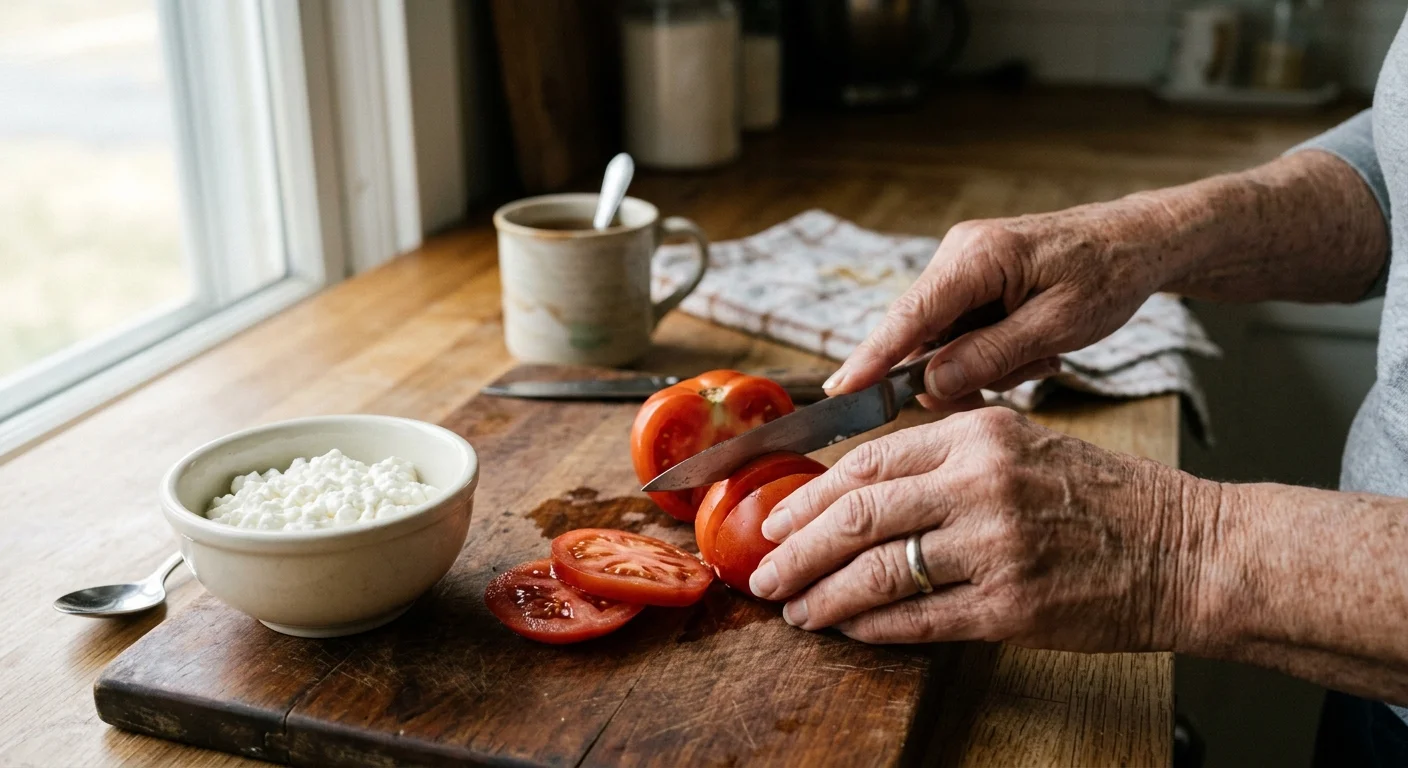
Cottage cheese remains a staple in senior nutrition plans due to its high casein protein content. Casein digests slowly, providing a sustained release of amino acids into your bloodstream over several hours; this makes cottage cheese an exceptional mid-afternoon or evening snack to combat overnight muscle breakdown. Half a cup of low-sodium cottage cheese provides roughly twelve grams of protein alongside essential calcium for bone density maintenance. Pair it with soft sliced peaches for vitamin A and natural sweetness, or mix in diced ripe tomatoes, cracked black pepper, and extra virgin olive oil for a savory Mediterranean twist. This versatile option requires zero cooking and works exceptionally well if you require softer food textures.
3. Avocado and Hard-Boiled Egg on Whole Grain Toast
Combining hard-boiled eggs with mashed avocado on dense whole-grain bread creates a balanced mini-meal packed with brain-boosting nutrients. According to dietary guidelines from the Academy of Nutrition and Dietetics, whole eggs supply superior protein alongside choline, a critical nutrient for memory and neurological health. Mashed avocado adds monounsaturated fats that help manage cholesterol levels, while whole-grain bread delivers complex carbohydrates and dietary fiber for snacks for blood sugar control. To prepare this efficiently, keep hard-boiled eggs stored in your refrigerator for quick assembly throughout the week. If chewing firm toast presents difficulty, lightly steam or dip the bread in warm broth, or choose a soft whole-wheat bread variety.
4. Nut Butter Spread on Soft Apple Slices or Banana
Nut butters—such as almond, peanut, or sunflower seed butter—deliver dense calories, healthy plant fats, and vitamin E in small, manageable quantities. When spread over soft apple slices or a ripe banana, nut butter acts as a glycemic buffer, slowing the absorption of fruit sugars and preventing sharp insulin spikes. This combination provides dietary potassium to support healthy blood pressure alongside plant fats that nourish cell membranes. For older adults who experience difficulty chewing crisp apples, gently microwave-steaming apple slices softens their texture while preserving their rich pectin fiber content. Always opt for natural nut butters without added hydrogenated oils or sugars to maximize heart benefits.
5. Steamed Edamame with Sesame Oil and Sea Salt
Edamame, or young soybeans, offers one of the few complete plant-based protein sources available, containing all nine essential amino acids. A single cup of cooked edamame delivers seventeen grams of protein and eight grams of dietary fiber, making it an extraordinary option for healthy snacks for seniors seeking plant-focused nutrition. Steaming frozen edamame pods or pre-shelled edamame takes under five minutes in a microwave or stovetop steamer. Drizzling a teaspoon of toasted sesame oil and a light pinch of sea salt creates a rich, savory flavor profile that stimulates diminished taste buds. Edamame also contains plant isoflavones, which support bone mineral density and reduce systemic inflammation.
6. Creamy Hummus with Soft Whole-Wheat Pita
Made from blended chickpeas, tahini, olive oil, and garlic, hummus offers a nutrient-dense spread rich in dietary fiber, plant protein, and heart-healthy monounsaturated fats. Pairing a quarter-cup of hummus with warm, soft whole-wheat pita pockets creates a comforting snack that stabilizes energy for hours. Chickpeas contain slow-digesting complex carbohydrates that promote intestinal motility and foster beneficial gut bacteria. If you want additional micronutrients, dip soft steamed carrot rounds, cooked zucchini slices, or peeled cucumber slices into the hummus. This Mediterranean classic provides essential iron and folate, which support red blood cell production and help combat fatigue.
7. Canned Wild Salmon or Tuna on Whole Grain Crackers
Canned seafood represents a convenient, budget-friendly powerhouse for senior nutrition. Canned wild salmon and tuna provide rich amounts of eicosapentaenoic acid (EPA) and docosahexaenoic acid (DHA)—omega-3 fatty acids that lower systemic inflammation, protect joint cartilage, and support cardiovascular health. Public health data from the Centers for Disease Control and Prevention highlights the role of omega-3 rich diets in managing risk factors for chronic cardiovascular conditions. Mixing canned salmon with a small spoon of olive oil mayonnaise or Greek yogurt, lemon juice, and black pepper creates a delicious spread. Serving it on low-sodium whole-grain crackers delivers essential vitamin D and calcium—especially if you choose salmon with soft, edible bones.
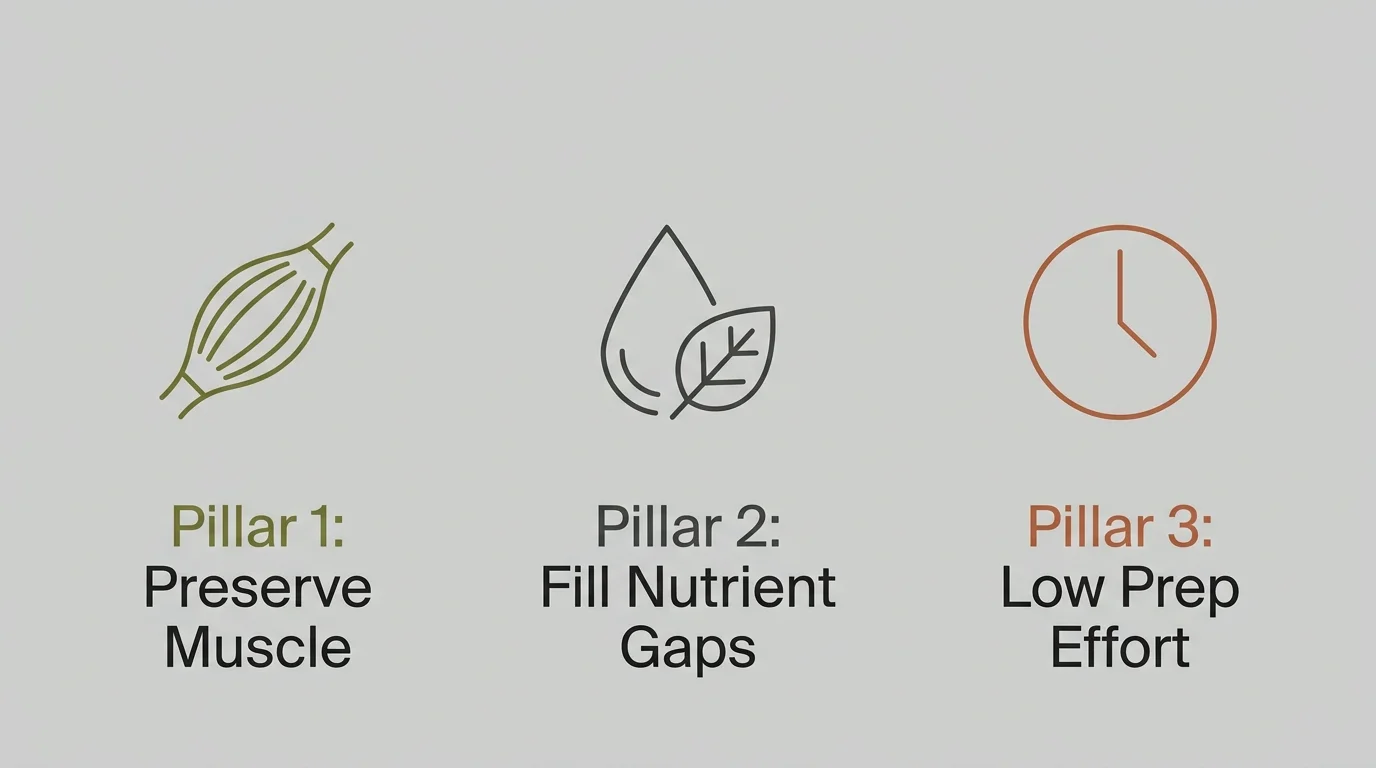
Three Pillars of Senior Snacking Strategies
Integrating new snacks into your routine requires more than just knowing which foods to buy; it demands a structured approach that aligns with your daily habits, physiological needs, and physical capabilities. Dietitians emphasize three strategic pillars to help you succeed long-term.
Pillar 1: Meal Planning and Strategic Timing
Consistency is paramount when managing daily energy levels and blood sugar. Instead of waiting for strong hunger cues—which often fade with age—schedule two planned snack times each day, such as 10:30 AM and 3:30 PM. Spacing your mini-meals three to four hours apart keeps your metabolism active and prevents severe fluctuations in blood glucose. Keep pre-portioned containers of berries, boiled eggs, or hummus in the front of your refrigerator so that nutritious choices remain immediately visible and effortless to grab.
Pillar 2: Functional Nutrient Focusing
Every snack should serve a specific functional purpose. Aim for a simple formula: pair a high-protein food with a fiber-rich carbohydrate or healthy fat. This nutrient triad delays gastric emptying, ensuring that glucose enters your bloodstream gradually while keeping you feeling satisfied. Prioritize foods packed with micronutrients that become harder to absorb as you age, such as vitamin B12, calcium, magnesium, and potassium.
Pillar 3: Texture Adaptation and Accessibility
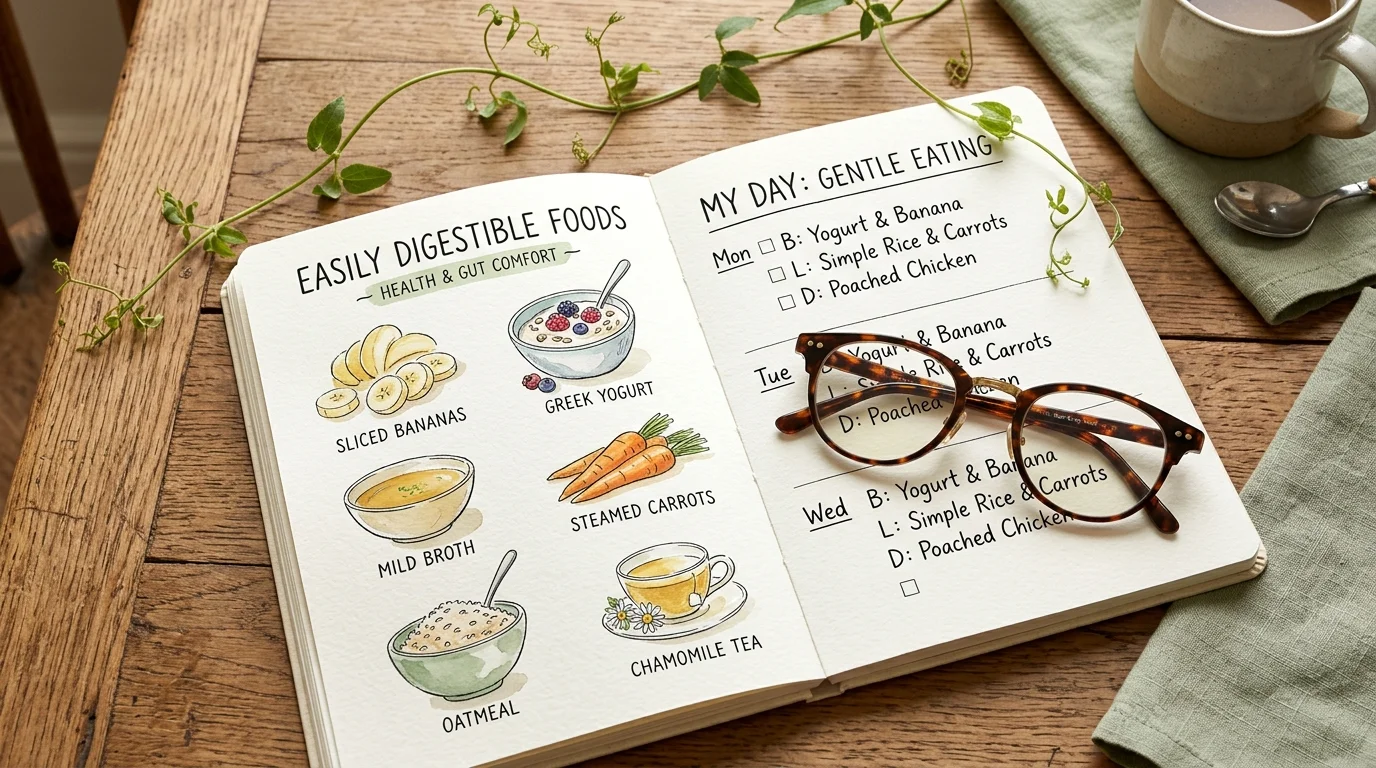
Nutritious food only benefits you if you can comfortably eat and enjoy it. If dental work, dry mouth, or swallowing difficulties present challenges, adapt textures without sacrificing nutrition. Blend fruits and greens into rich smoothies, choose naturally soft protein sources like cottage cheese or hummus, and steam crunchy vegetables until tender. Keeping budget-friendly items like canned beans, frozen berries, and canned fish stocked in your pantry guarantees accessible nutrition regardless of mobility constraints or weather conditions.

Expert Insights and Lived Senior Experiences
Clinical dietitians emphasize that senior snacking tips must prioritize personal enjoyment and cultural preferences alongside clinical targets. According to dietary framework research from the U.S. Department of Agriculture, personalized eating patterns yield significantly higher long-term adherence than rigid, restrictive diets. Geriatric nutrition specialists frequently note that small, flavor-packed snacks help overcome the loss of taste sensitivity that often accompanies aging, encouraging adequate daily caloric intake.
Consider the experience of Arthur, a 74-year-old retired schoolteacher who struggled with afternoon fatigue and involuntary weight loss. “I simply didn’t feel hungry enough to eat large meals,” Arthur shares. “My dietitian suggested replacing my afternoon coffee and sweet biscuit with Greek yogurt and flaxseed or cottage cheese with fruit. Within two weeks, my afternoon energy stabilized completely, and I regained three pounds of lean muscle over two months.” Stories like Arthur’s demonstrate how minor, intentional adjustments in daily snacking yield profound improvements in stamina and independence.
Safety, Medical Considerations, and Personalization
While nutrient-dense snacks offer immense health advantages, individual medical conditions require tailored adjustments. If you manage chronic kidney disease (CKD), you may need to limit high-potassium or high-phosphorus foods like nuts, bananas, and certain dairy products; always work directly with your nephrologist or renal dietitian to set appropriate targets. Similarly, if you take blood-thinning medications such as warfarin, keep your intake of vitamin K-rich leafy greens consistent rather than making sudden dramatic increases.
Individuals living with diabetes must monitor total carbohydrate intake during snacks to maintain optimal glucose control. Always check food labels for hidden sodium, added sugars, and artificial additives. If you experience dysphagia—difficulty swallowing—consult a speech-language pathologist or clinical dietitian to determine appropriate food liquid viscosities and textures. Always consult your primary care clinician before making major dietary overhauls, ensuring your snack plan aligns with your medical history and prescription regimens.
Frequently Asked Questions About Senior Snacking
How much protein should a senior aim for in a single snack?
Most registered dietitians recommend aiming for ten to fifteen grams of protein per snack. This amount provides sufficient leucine and essential amino acids to stimulate muscle protein synthesis without overwhelming digestion or crowding out other essential nutrients.
What are the best soft snacks for seniors with dental or chewing difficulties?
Soft, nutrient-rich options include plain Greek yogurt, cottage cheese, avocado mashed on soft whole-wheat bread, scrambled eggs, creamy hummus, and fruit smoothies made with protein powder or milk. Steaming fruits and vegetables until tender also makes them easily chewable.
How can seniors manage late-night blood sugar spikes with evening snacks?
To stabilize blood sugar overnight, choose a bedtime snack dominated by slow-digesting casein protein and healthy fats with minimal simple sugars. Cottage cheese, a small handful of almonds, or Greek yogurt with a pinch of cinnamon digest slowly, preventing midnight hypoglycemia and morning rebound hyperglycemia.
Are store-bought packaged snacks safe for seniors on low-sodium diets?
Many processed packaged snacks contain elevated sodium levels to extend shelf life. However, you can safely select packaged options by reading nutrition facts panels carefully. Look for items labeled “low sodium” or “no salt added,” such as raw or dry-roasted unsalted nuts, low-sodium canned fish, and plain unsweetened yogurt.
Take Charge of Your Daily Nutrition
Promoting healthy aging does not require drastic dietary transformations or complicated recipes. By selecting dietitian recommended snacks rich in lean protein, healthy fats, and dietary fiber, you actively safeguard your muscle mass, protect your cognitive health, and maintain steady daily vitality. Take one simple step today: choose a single snack from this list—such as Greek yogurt with flaxseed or avocado on toast—and incorporate it into your routine within the next 24 hours. Your body will thank you with renewed strength, sharper focus, and lasting energy.