You can extinguish systemic inflammation without relying solely on over-the-counter pain relievers that irritate your digestive tract. Whole foods provide complex bioactive compounds that modulate inflammatory pathways safely and steadily over time.
Nonsteroidal anti-inflammatory drugs offer rapid relief during acute flare-ups, yet they carry well-documented cardiovascular and gastrointestinal risks when taken long-term. Targeted daily nutrition addresses the underlying chemical cascades fueling your chronic aches.
Stocking your kitchen with nutrient-dense ingredients gives your cells the biochemical tools required to resolve cellular stress at the root. Here is how fifteen research-backed foods outmatch standard medication strategies for sustainable, lifelong vitality.
The Real Cost of Chronic Inflammation
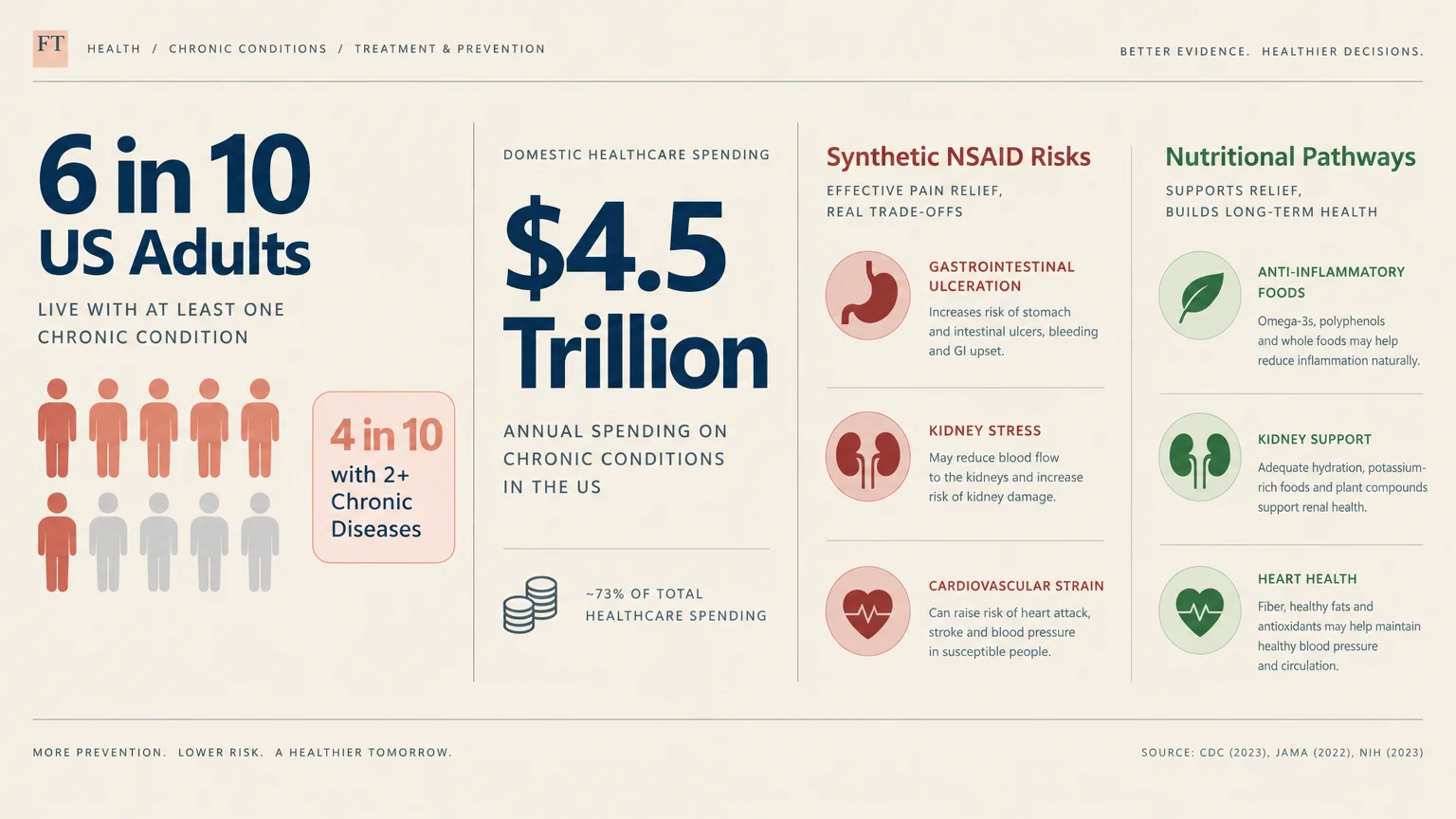
According to the Centers for Disease Control and Prevention, six in ten American adults live with at least one chronic condition. Four in ten carry two or more systemic diseases.
Systemic chronic inflammation drives our leading causes of disability and mortality, including cardiovascular disease, type 2 diabetes, and arthritis. This persistent internal stress accounts for an astonishing 4.5 trillion dollars in annual domestic healthcare spending.
Medications like nonsteroidal anti-inflammatory drugs, or NSAIDs, temporarily suppress pain by blocking key signaling pathways. However, chronic pharmaceutical use frequently causes gastrointestinal ulceration, kidney stress, and elevated cardiovascular strain.
Choosing anti-inflammatory foods enables you to calm the root mechanisms of tissue breakdown without enduring severe pharmaceutical side effects.
Science Snapshot: Dietary Bioactives Versus Synthetic Inhibitors
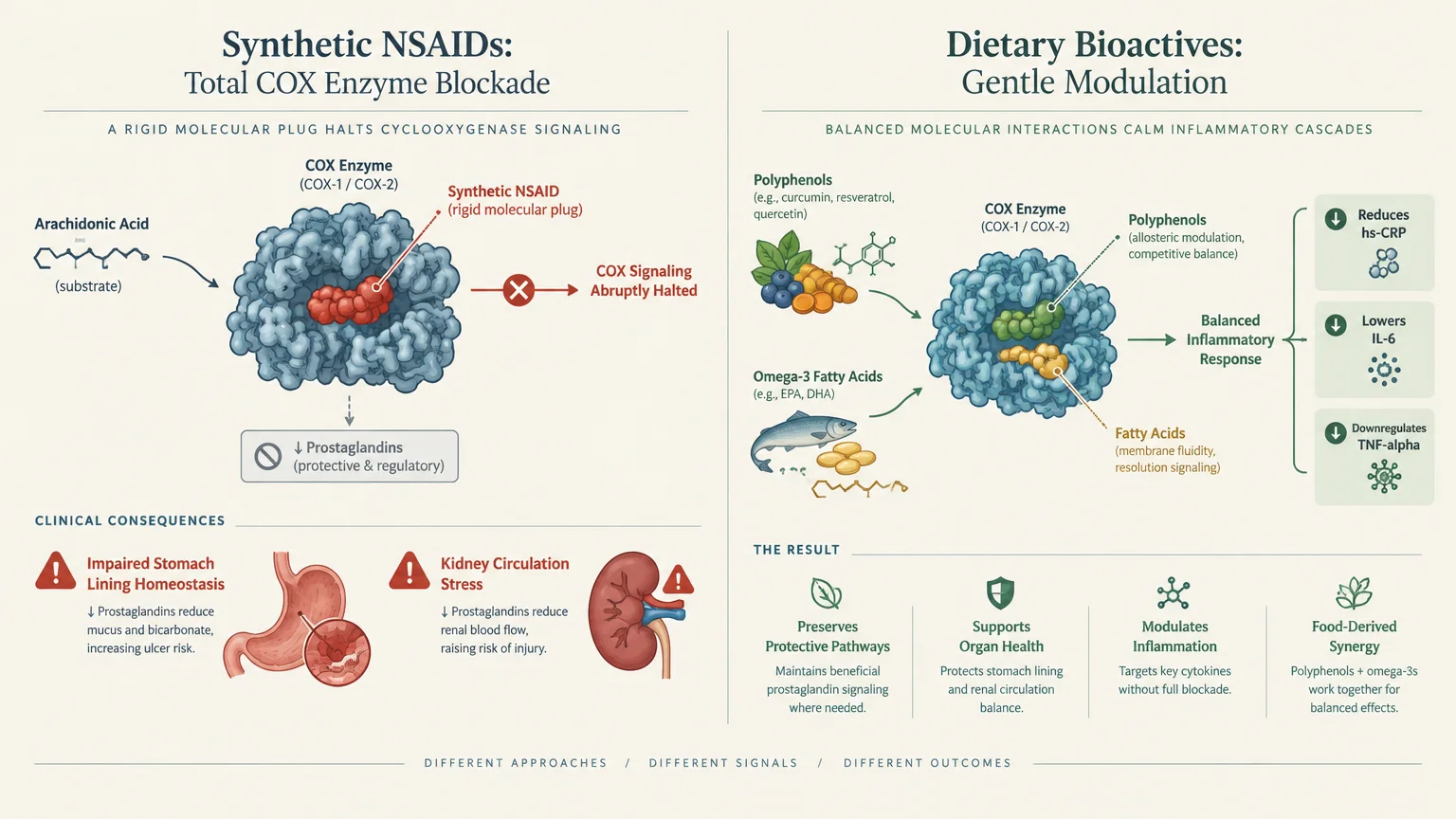
Synthetic pain relievers function like blunt instruments by blocking cyclooxygenase enzymes completely. While this sudden blockade halts acute pain signaling, it also disables vital homeostatic functions that maintain your stomach lining and kidney circulation.
Conversely, nutritional biochemistry delivers hundreds of balancing polyphenols, carotenoids, and fatty acids within a single meal. These compounds modulate cellular signaling gently, promoting long-term immune resilience rather than total enzymatic shutdown.
A whole-food approach systematically reduces high-sensitivity C-reactive protein, interleukin-6, and tumor necrosis factor-alpha. You achieve sustained physical comfort through biological synergy rather than synthetic suppression.
15 Foods That Outperform Medication for Inflammation
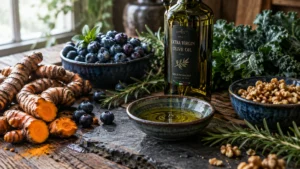
1. Turmeric Root
Curcumin, the primary polyphenol in turmeric root, suppresses nuclear factor-kappa B to switch off widespread inflammatory gene expression. Its molecular potency rivals conventional pharmaceutical pain management for persistent joint stiffness.
In a randomized clinical trial published in Clinical Interventions in Aging, 1,500 milligrams of daily turmeric extract delivered pain reduction identical to 1,200 milligrams of ibuprofen with significantly fewer gastrointestinal complications.
2. Extra Virgin Olive Oil
Cold-pressed extra virgin olive oil contains oleocanthal, a unique phenolic compound that creates a characteristic peppery bite in your throat. This bioactive molecule acts as a natural analogue to nonprescription analgesics.
A landmark study published in Nature proved that oleocanthal inhibits cyclooxygenase enzymes via the exact biochemical pathway as ibuprofen. Consuming 3.4 tablespoons daily delivers an anti-inflammatory effect comparable to ten percent of an adult ibuprofen dose.
3. Wild Salmon and Fatty Fish
Cold-water species like wild salmon, sardines, and mackerel supply concentrated eicosapentaenoic acid and docosahexaenoic acid. These essential omega-3 fatty acids displace pro-inflammatory arachidonic acid within your cell membranes.
In a neurosurgical study published in Surgical Neurology, 1,200 milligrams of daily omega-3 fatty acids enabled fifty-nine percent of spine pain patients to discontinue prescription NSAID medications completely.
4. Tart Cherries
Montmorency tart cherries are loaded with potent anthocyanins that accelerate tissue repair and clear excessive uric acid. Their antioxidant density directly inhibits inflammatory cytokine cascades in stressed joints and muscles.
A clinical study published in Arthritis and Rheumatism revealed that consuming cherries over two days lowered gout attack recurrence by thirty-five percent. Combining cherries with the prescription drug allopurinol reduced flare risks by seventy-five percent.
5. Fresh Ginger Root
Ginger provides pungent gingerols and shogaols that inhibit the enzymatic synthesis of pro-inflammatory prostaglandins and leukotrienes. This aromatic rhizome calms acute tissue irritation while actively protecting your delicate gastric lining.
Research in the Journal of Alternative and Complementary Medicine demonstrated that 250 milligrams of ginger powder taken four times daily relieved menstrual pain as effectively as 400 milligrams of ibuprofen without causing stomach irritation.
6. Blueberries and Wild Berries
Blueberries deliver concentrated anthocyanidins, pterostilbene, and vitamin C that protect delicate vascular endothelial cells from circulating free radicals. They reinforce immune surveillance without triggering autoimmune hyper-reactivity.
Habitual berry consumption lowers systemic biomarkers of metabolic dysfunction, including high-sensitivity C-reactive protein. Enjoying one cup of wild berries daily shields your cardiovascular system from progressive oxidative damage.
7. Dark Leafy Greens
Dark leafy vegetables such as kale, Swiss chard, and spinach supply exceptional quantities of lutein, zeaxanthin, and natural folates. These phytonutrients neutralize destructive reactive oxygen species before they degrade cellular lipids.
Regular intake of dark greens shields your vascular walls from structural stiffness and suppresses interleukin-6 production. Steam greens lightly with extra virgin olive oil to maximize your absorption of fat-soluble vitamins.
8. Green Tea and Matcha
Green tea is exceptionally rich in epigallocatechin gallate, a polyphenol that interrupts cytokine signaling cascades at the cellular level. This natural antioxidant inhibits inflammatory signaling pathways far more comprehensively than synthetic single-target drugs.
Regular green tea consumption attenuates systemic inflammation in individuals with metabolic syndrome and joint stiffness. Drink two to three cups of freshly brewed green tea daily to support healthy vascular elasticity.
9. Garlic and Allium Vegetables
Crushed garlic releases allicin, diallyl disulfide, and other organosulfur compounds that modulate nuclear factor signaling and inhibit pro-inflammatory enzymes. These volatile molecules support healthy circulatory dynamics while calming tissue irritation.
Regular garlic consumption significantly lowers systemic inflammatory markers in adults with high cardiovascular risk. Crush fresh garlic cloves and let them stand for ten minutes before cooking to maximize enzymatic allicin production.
10. Raw Walnuts
Walnuts represent the only tree nut containing meaningful quantities of plant-based alpha-linolenic acid alongside unique polyphenols known as ellagitannins. This dual biochemical action protects delicate neurological tissue from inflammatory decline.
Your gut microbiome metabolizes walnut ellagitannins into urolithins, bioavailable compounds that downregulate systemic inflammatory cytokines. Snack on one ounce of raw walnuts daily to protect your arterial and brain health.
11. Broccoli and Cruciferous Vegetables
Broccoli, Brussels sprouts, and cauliflower contain glucoraphanin, which converts into sulforaphane when chewed or chopped. Sulforaphane activates the master antioxidant Nrf2 pathway, turning on your body’s innate defenses against chronic inflammation.
This endogenous antioxidant activation operates continuously, unlike synthetic pain relievers that wear off within a few hours. Lightly steam your cruciferous vegetables for three minutes to protect the sensitive myrosinase enzyme.
12. Fermented Foods
Fermented staples like kefir, plain yogurt, sauerkraut, and kimchi deliver diverse populations of live probiotic bacteria directly to your digestive tract. A flourishing microbiome produces short-chain fatty acids that regulate systemic immune tolerance.
Clinical trials reveal that daily fermented food consumption diversifies your intestinal flora and systematically lowers nineteen circulating inflammatory proteins. Add a quarter cup of unpasteurized kimchi or kefir to your lunch daily.
13. Hass Avocados
Avocados supply a potent matrix of oleic acid, carotenoids, and natural alpha-tocopherol that shields cellular membranes from lipid peroxidation. Their unique combination of healthy fats and soluble fiber suppresses post-meal inflammatory spikes.
Clinical research shows that adding half an avocado to a meal prevents the acute inflammatory cytokine surge typically triggered by processed foods. Slice fresh avocado onto salads or sprouted grain toast for lasting vascular protection.
14. Shiitake and Maitake Mushrooms
Culinary mushrooms like shiitake and maitake contain bioactive beta-glucans and ergothioneine, an exceptional intracellular antioxidant. These fungal compounds educate immune cells, preventing unwarranted inflammatory flares while maintaining robust natural defenses.
Ergothioneine concentrates within vulnerable tissues, shielding cellular mitochondria from degenerative oxidative stress. Sauté fresh mushrooms in extra virgin olive oil with minced garlic for a potent anti-inflammatory culinary combination.
15. Pure Dark Cacao
High-percentage dark chocolate and raw cacao beans provide concentrated reservoirs of flavanols, specifically epicatechin. These bioactives enhance nitric oxide production, relaxing vascular smooth muscle and quenching inflammatory oxidative stress.
Regular intake of dark cacao decreases circulating levels of C-reactive protein and improves arterial elasticity. Enjoy one or two squares of chocolate containing at least eighty-five percent cacao solids as a health-promoting treat.

Three Pillars for Building an Anti-Inflammatory Routine
Pillar 1: Proactive Plate Planning
Transitioning away from inflammatory eating patterns requires thoughtful structural upgrades rather than extreme, unsustainable deprivations. Build every meal around colorful whole foods by filling half your plate with non-starchy vegetables and deeply pigmented fruits.
Allocate the remaining space to clean proteins like wild seafood and healthy fats like cold-pressed olive oil. This simple visual framework crowds out refined carbohydrates and industrial seed oils that trigger internal inflammation.
Pillar 2: Nutrient Bioavailability and Synergy
Anti-inflammatory nutrition works through biological cooperation rather than isolated molecular actions. Combining fat-soluble phytonutrients like lycopene and curcumin with healthy dietary fats enhances their intestinal absorption by several hundred percent.
Pair your cruciferous vegetables with alliums, and season your golden turmeric dishes with freshly ground black pepper. These strategic culinary pairings dramatically improve systemic bioavailability, delivering clinical-level protective benefits to your tissues.
Pillar 3: Habit Anchoring and Consistency
Achieving clinical results from nutrition requires daily repetition rather than sporadic dietary perfection. Anchor new anti-inflammatory foods to your existing routines so that healthy choices become second nature.
If you brew morning tea every day, use that moment to grate fresh ginger into your mug. When packing your workday lunch, habitually include a handful of raw walnuts alongside fermented vegetables.

Expert Perspectives and Clinical Safety Guidelines
Integrative physicians and registered dietitians emphasize that food acts as biological information rather than a blunt symptom blocker. Sustained cellular repair demands patience because nutritional shifts remodel tissues over weeks and months rather than minutes.
Dietary bioactives fundamentally remodel cell membranes and enzymatic pathways, creating profound systemic relief that lasts. However, you must align dietary upgrades with clinical supervision, especially when taking prescription medications for chronic inflammatory conditions.
Personalization remains essential when modifying your anti-inflammatory intake. Individuals taking anticoagulants must monitor their intake of high-vitamin-K greens, while those with histamine intolerance may need to moderate fermented foods and aged items.
Under federal regulations outlined by the Food and Drug Administration, whole foods cannot claim to diagnose, cure, mitigate, or replace prescription drugs. Always consult your personal physician before modifying, reducing, or discontinuing any prescribed pharmaceutical regimen.
Frequently Asked Questions
Can an anti-inflammatory diet completely replace my prescription medications?
Dietary interventions significantly reduce inflammatory biomarkers and may allow your doctor to lower drug dosages over time. However, you should never abruptly discontinue prescribed treatments without close clinical supervision and objective diagnostic monitoring.
How long does it take to feel noticeable relief from dietary changes?
Many individuals experience improved energy, diminished morning stiffness, and superior digestive comfort within two to three weeks of consistent dietary improvement. Deep structural tissue healing and significant biomarker reductions generally require eight to twelve weeks of dedicated nutritional adherence.
Are frozen fruits and vegetables as anti-inflammatory as fresh produce?
Commercially flash-frozen produce retains equivalent—and sometimes superior—antioxidant and polyphenol levels compared to fresh produce that has traveled long supply chains. Frozen berries, spinach, and wild salmon offer cost-effective, nutrient-dense alternatives that make consistent anti-inflammatory eating accessible.
Which common foods trigger the worst systemic inflammation?
Ultra-processed snack foods, refined sugars, deep-fried items, and industrial seed oils rich in oxidized omega-6 fatty acids drive severe systemic inflammation. Minimizing your consumption of these inflammatory drivers is just as critical as adding restorative whole foods to your daily plate.
Your 24-Hour Anti-Inflammatory Action Plan
Sustainable health transformations start with a single, deliberate action rather than an overwhelming lifestyle overhaul. You do not need to empty your entire pantry today to begin extinguishing cellular inflammation.
Choose one powerful anti-inflammatory food from this guide and incorporate it into your next meal within the next twenty-four hours. Swap your afternoon snack for a handful of raw walnuts and wild blueberries, or finish your dinner vegetables with high-phenolic extra virgin olive oil.
Your cells respond to every nourishing compound you provide. Take control of your cellular vitality today through the quiet, restorative power of whole foods.