
Chronic stress drives prolonged cortisol elevation, draining your daily energy and disrupting metabolic health. You can counter this physiological strain immediately by choosing foods that stabilize your adrenal response.
Nutrient-dense foods supply the biochemical building blocks your endocrine system requires to dial down systemic inflammation. They also regulate blood sugar spikes, which are notorious triggers for unwanted cortisol surges.
Clinical studies confirm that strategic eating habits buffer your body against daily tension and support restorative sleep. Here is how targeted nutrition restores your hormonal equilibrium naturally.
Understanding Cortisol and Your Adrenal Response
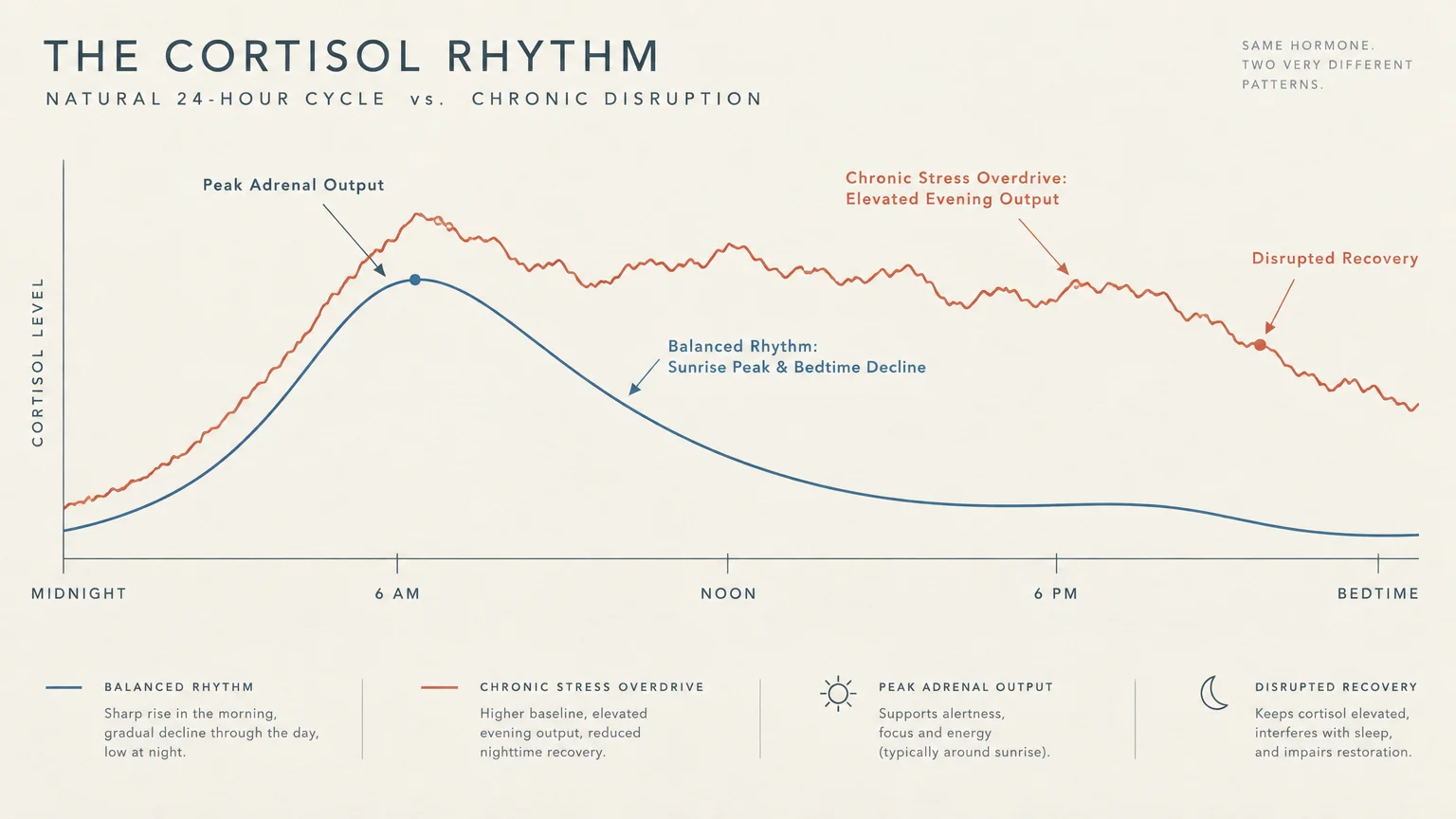
Cortisol is a vital steroid hormone produced by your adrenal glands to help you manage physical and environmental demands. Under balanced conditions, your body releases it in a natural rhythm that peaks at sunrise and declines by bedtime.
Persistent modern pressures, however, can lock this protective mechanism into overdrive. When perceived demands remain unrelenting, the hypothalamic-pituitary-adrenal axis triggers sustained hormone production that depletes your energy.
According to research cataloged by the National Institutes of Health, chronic cortisol output promotes visceral fat storage, impairs glucose regulation, and suppresses immunity. This continuous biochemical cascade leaves you feeling exhausted yet wired.
Fortunately, food acts as a primary biological signaling system to communicate safety to your central nervous system. What you eat directly influences systemic inflammation, neurotransmitter balance, and metabolic stability.
Three Pillars of Cortisol-Lowering Nutrition
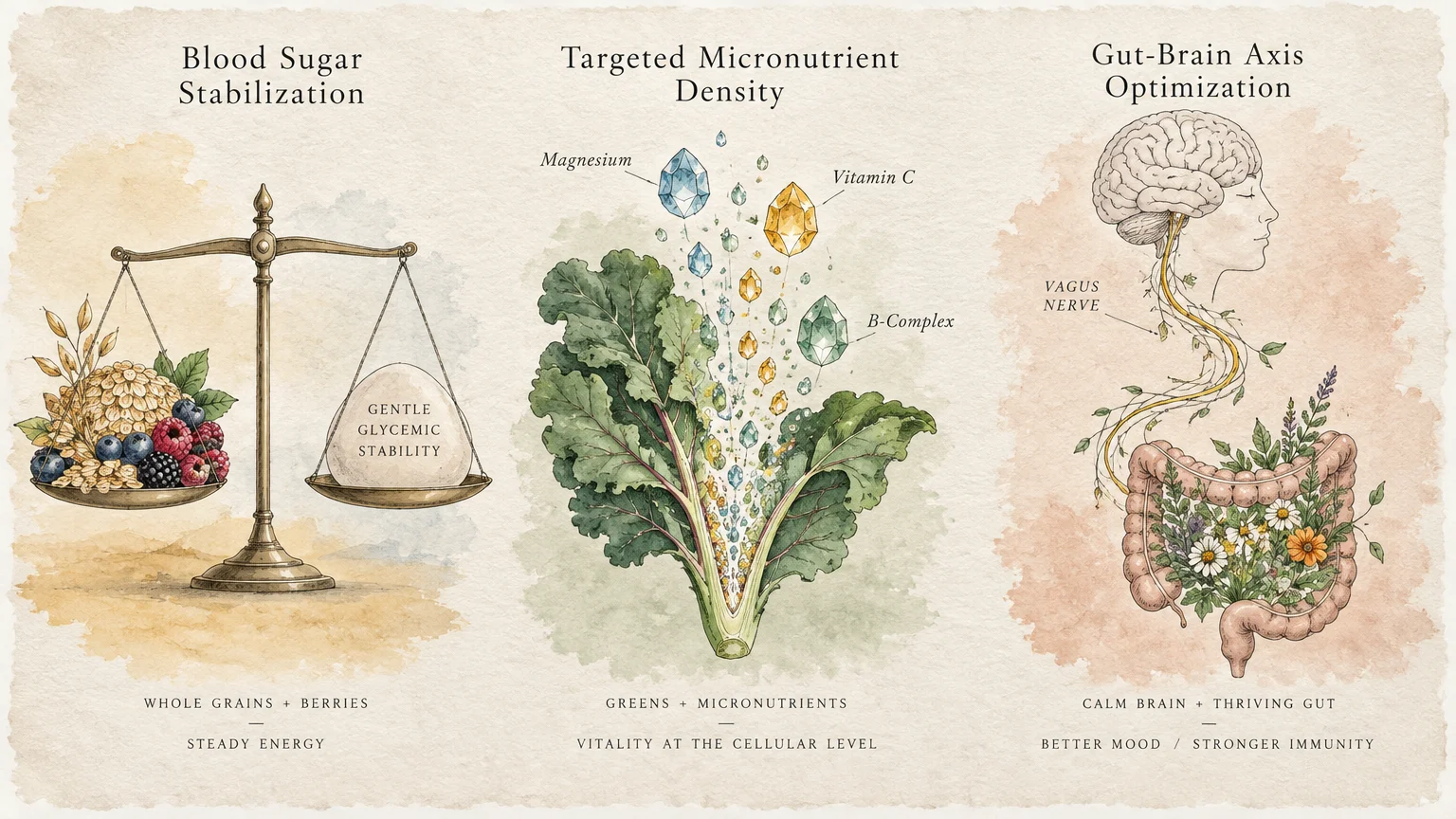
Lowering stress hormones requires a coherent nutritional framework rather than isolated quick fixes. You can strengthen your defenses by anchoring daily meals around three core physiological pillars.
Pillar 1: Blood Sugar Stabilization
Fluctuating glucose levels represent a major internal stressor for your endocrine system. When blood sugar plunges, your adrenal glands release emergency cortisol to mobilize stored glycogen and protect brain function.
Pairing complex carbohydrates with clean proteins and healthy dietary fats flattens volatile glycemic curves. This steady fuel delivery prevents reactive hormone surges throughout your afternoon.
Pillar 2: Targeted Micronutrient Density
During sustained stress, your adrenal glands consume large quantities of vitamin C, magnesium, and B vitamins. Chronic tension quickly exhausts these reserves, impairing your body’s ability to regulate oxidative stress.
Replenishing these cellular fuels allows metabolic enzymes to clear waste and synthesize calming neurotransmitters efficiently. Prioritizing nutrient-rich foods supplies the biochemical raw materials your tissues require.
Pillar 3: Gut-Brain Axis Optimization
Your gastrointestinal tract communicates bidirectionally with your central nervous system through the vagus nerve. An inflamed gut lining triggers inflammatory cytokines that directly stimulate hypothalamic stress pathways.
Feeding your microbiome prebiotic fiber and fermented foods reinforces the intestinal barrier. According to published microbiome studies, beneficial gut bacteria generate short-chain fatty acids that signal relaxation to your brain.
10 Foods That Lower Cortisol Naturally
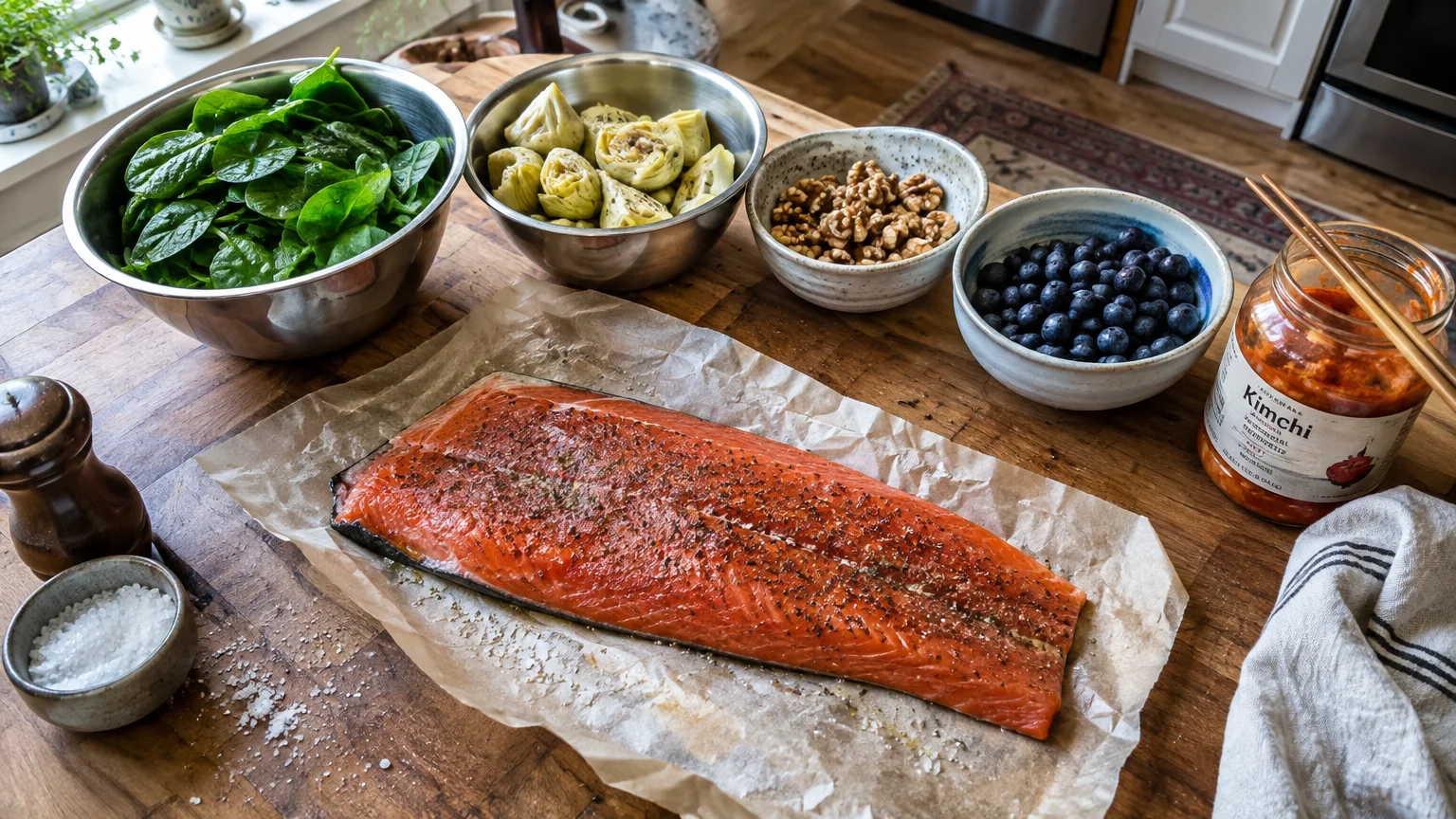
Incorporating specific whole foods into your weekly routine provides reliable biological support against daily tension. These ten items offer scientifically validated mechanisms to soothe your stress response.
1. Wild Salmon and Fatty Cold-Water Fish
Cold-water fish like wild salmon, sardines, and mackerel provide rich concentrations of omega-3 fatty acids, specifically EPA and DHA. These essential fats incorporate into cell membranes, dampening inflammatory cascades that stimulate cortisol release.
A clinical review from the National Library of Medicine highlights that omega-3 intake significantly lowers cortisol output during acute psychological stress. Enjoy baked salmon or grilled sardines twice weekly for optimal cellular defense.
2. Pumpkin Seeds
Pumpkin seeds serve as an outstanding plant-based reservoir of elemental magnesium. Magnesium blocks excess calcium from exciting nerve cells, facilitating neuromuscular relaxation and blunting exaggerated stress reactivity.
A simple quarter-cup serving delivers nearly half of your daily magnesium requirement alongside restorative zinc. Sprinkle raw pepitas over salads, roasted vegetables, or grain bowls for an effortless mineral boost.
3. Dark Leafy Greens
Spinach, Swiss chard, and kale deliver abundant folate and bioavailable minerals to support cellular repair. Folate acts as an indispensable cofactor in synthesizing dopamine and serotonin, which regulate emotional stability.
Guidance from the Academy of Nutrition and Dietetics notes that leafy greens help reduce systemic oxidative burden during stressful life phases. Sauté them lightly with olive oil to maximize nutrient absorption.
4. Fermented Foods
Unsweetened kefir, live sauerkraut, and kimchi introduce diverse strains of beneficial microbes into your digestive tract. These bacteria synthesize gamma-aminobutyric acid, an inhibitory neurotransmitter that calms hyperactive neural pathways.
Consuming fermented foods daily reinforces intestinal integrity and reduces circulating endotoxins that trigger adrenal activation. Add a forkful of sauerkraut to your lunch or drink a small glass of kefir.
5. Avocados
Avocados supply monounsaturated fats, dietary fiber, and more potassium than medium bananas. Potassium helps regulate arterial blood pressure and balances fluid dynamics when stress hormones attempt to elevate vascular tension.
Their healthy fats also slow gastric emptying, preventing sharp glucose spikes that provoke subsequent adrenal reactions. Add half an avocado to your morning eggs or blend it into a dressing.
6. Blueberries and Dark Berries
Dark berries are rich in anthocyanins, powerful antioxidant flavonoids that cross the blood-brain barrier to protect cognitive function. These compounds shield vulnerable neural tissues from the damaging oxidation that accompanies chronic stress.
Berries also supply bioavailable vitamin C, which adrenal tissues consume rapidly during demanding situations. Enjoy a cup of fresh or frozen blueberries in morning oats to replenish these critical stores.
7. Pasture-Raised Eggs
Pasture-raised eggs provide high-quality complete protein alongside concentrated doses of choline and B vitamins. Choline serves as a precursor for acetylcholine, a neurotransmitter that supports parasympathetic nervous activity and heart rate variability.
Starting your morning with eggs prevents post-meal hypoglycemia and suppresses premature mid-morning cortisol surges. Scramble two eggs with leafy greens for a grounding, nutrient-dense breakfast.
8. Green Tea and Matcha
Green tea contains L-theanine, an amino acid that stimulates soothing alpha brain waves without causing drowsiness. L-theanine buffers against the physiological impacts of caffeine, creating sustained mental clarity without adrenal exhaustion.
Its predominant polyphenol, epigallocatechin gallate, supports metabolic resilience and protects vascular tissue from chronic strain. Sip a warm cup of green tea during morning work intervals for calm alertness.
9. Whole Rolled Oats
Rolled oats offer beta-glucan soluble fiber, which digests slowly and delivers a gradual, dependable stream of glucose. This slow absorption prevents acute hypoglycemia, eliminating a primary trigger for emergency cortisol production.
Oats also stimulate gentle insulin release that assists tryptophan in reaching your brain for serotonin synthesis. Prepare overnight oats with chia seeds and unsweetened milk for an easy stress-reducing breakfast.
10. Dark Chocolate (70% Cacao or Higher)
Dark chocolate delivers dense concentrations of flavanols that improve vascular elasticity and cerebral blood flow. These plant compounds actively modulate neuroendocrine pathways, dampening the physiological impact of mental distress.
Research demonstrates that enjoying moderate amounts of dark chocolate reduces urinary excretion of stress metabolites over time. Savor a single square of 70% dark chocolate mindfully in the evening to unwind.
Expert Perspectives and Clinical Observations
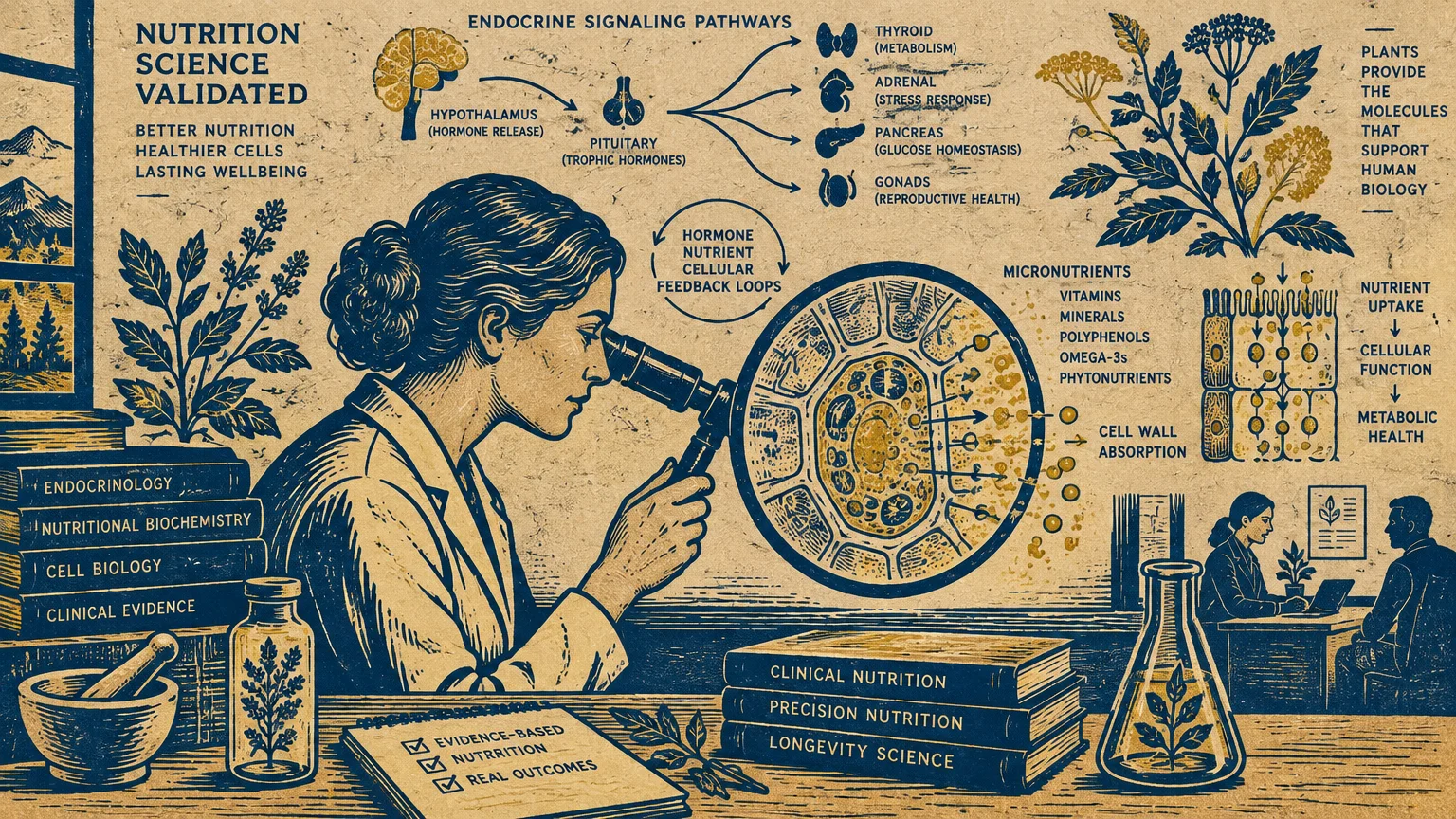
Integrative nutritionists observe that biochemical stress and dietary choices create a powerful feedback loop. When emotional tension rises, cravings for refined starches and stimulants escalate because your brain seeks immediate fuel.
Clinical experts note that chronic stress accelerates the excretion of protective minerals through urinary pathways. Re-establishing baseline nutrient density halts this depletion, allowing your endocrine system to regain sensitivity to feedback inhibition.
Evidence compiled by the Centers for Disease Control and Prevention highlights that poor sleep habits severely compound endocrine strain. Integrating hormone-supporting foods alongside consistent sleep schedules creates the foundation for lasting physiological recovery.
Registered dietitians emphasize sustainable progress over drastic overhauls when supporting stressed individuals. Adding protective foods systematically builds internal resilience far more effectively than following rigid, stressful meal rules.

Personalization, Allergies, and Clinical Precautions
While these ten foods offer robust hormonal benefits, you should personalize your intake around existing sensitivities and health conditions. A food that soothes one individual can easily provoke inflammation in someone with specific intolerances.
If you experience histamine intolerance, fermented items like kefir, kimchi, and aged foods may trigger flushing or headaches. You can swap fermented foods for cooked fiber sources like stewed apples or chia pudding.
Individuals diagnosed with chronic kidney disease need to monitor potassium-rich selections, including avocados, pumpkin seeds, and dark greens. Always collaborate with a renal dietitian to align these recommendations with your laboratory markers.
Furthermore, pay close attention to personal caffeine clearance when enjoying green tea. If even minimal caffeine disrupts your evening rest, switch to herbal alternatives like chamomile, holy basil, or rooibos.
Never alter prescribed medications or hormone therapies without guidance from your healthcare provider. Nutritional strategies should complement, rather than replace, comprehensive medical evaluation for suspected adrenal or endocrine pathology.
Frequently Asked Questions About Diet and Cortisol
How quickly can changing my diet lower cortisol levels?
You can stabilize your blood glucose within hours of eating a balanced meal, preventing reactive cortisol surges that same afternoon. Meaningful shifts in baseline circulating cortisol, however, generally take three to six weeks of consistent dietary changes.
This timeline allows depleted tissue reserves to rebuild and your neuroendocrine feedback loops to recalibrate. Regular habits yield far greater hormonal stability than sporadic, short-term dietary interventions.
Does intermittent fasting raise or lower cortisol?
Fasting naturally elevates cortisol because your body must release stored energy to maintain baseline blood sugar concentrations. In healthy individuals, this mild hormonal elevation acts as a beneficial adaptive stimulus.
If you currently struggle with chronic burnout, adrenal strain, or insomnia, extended fasting windows may amplify systemic stress. Eating balanced, predictable meals every three to four hours often provides superior endocrine stability.
Should I completely avoid coffee if my cortisol is high?
You do not need to eliminate coffee completely, but timing and serving size matter tremendously. Consuming caffeine on an empty stomach immediately upon waking magnifies your natural morning cortisol peak.
Enjoy your coffee alongside or after a balanced breakfast containing protein and dietary fat. Limit your consumption to morning hours to protect restorative sleep quality and evening hormone clearance.
Can supplements replace these whole foods for stress relief?
Supplements offer concentrated active ingredients, but they lack the complex food matrix that optimizes nutrient absorption. Whole foods provide balanced fibers, cofactors, and polyphenols that work together to downregulate inflammation.
While targeted supplements like magnesium glycinate or ashwagandha can offer situational support, they cannot override an erratic diet. Treat whole foods as your non-negotiable foundation before exploring supplemental therapies.
Take Your First Step Today
Regulating your cortisol does not require an intimidating kitchen makeover or complicated meal protocols. Lasting hormonal equilibrium begins with small, deliberate choices that communicate stability to your nervous system.
Choose one single food from this guide to include in your next meal within the next 24 hours. You might add pumpkin seeds to lunch or swap an afternoon soda for iced green tea.
Observe how steady energy feels as your body receives the nourishment it needs to adapt. Every balanced meal strengthens your biological resilience against the demands of daily life.