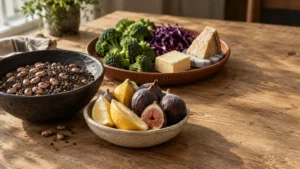
You can eliminate painful post-meal bloating and restore digestive ease simply by adjusting how you combine everyday ingredients. Certain nutrient-dense foods spark excessive gas and severe cramping when their distinct breakdown speeds collide in your gastrointestinal tract.
Mainstream advice urges you to eliminate high-fiber staples, but smart food combinations prevent distress without restrictions. You can continue eating your favorite vegetables, grains, and proteins without post-lunch distension.
Understanding how these biological interactions work allows you to build balanced plates that energize your body without generating trapped gas.
The Science of Digestive Fermentation
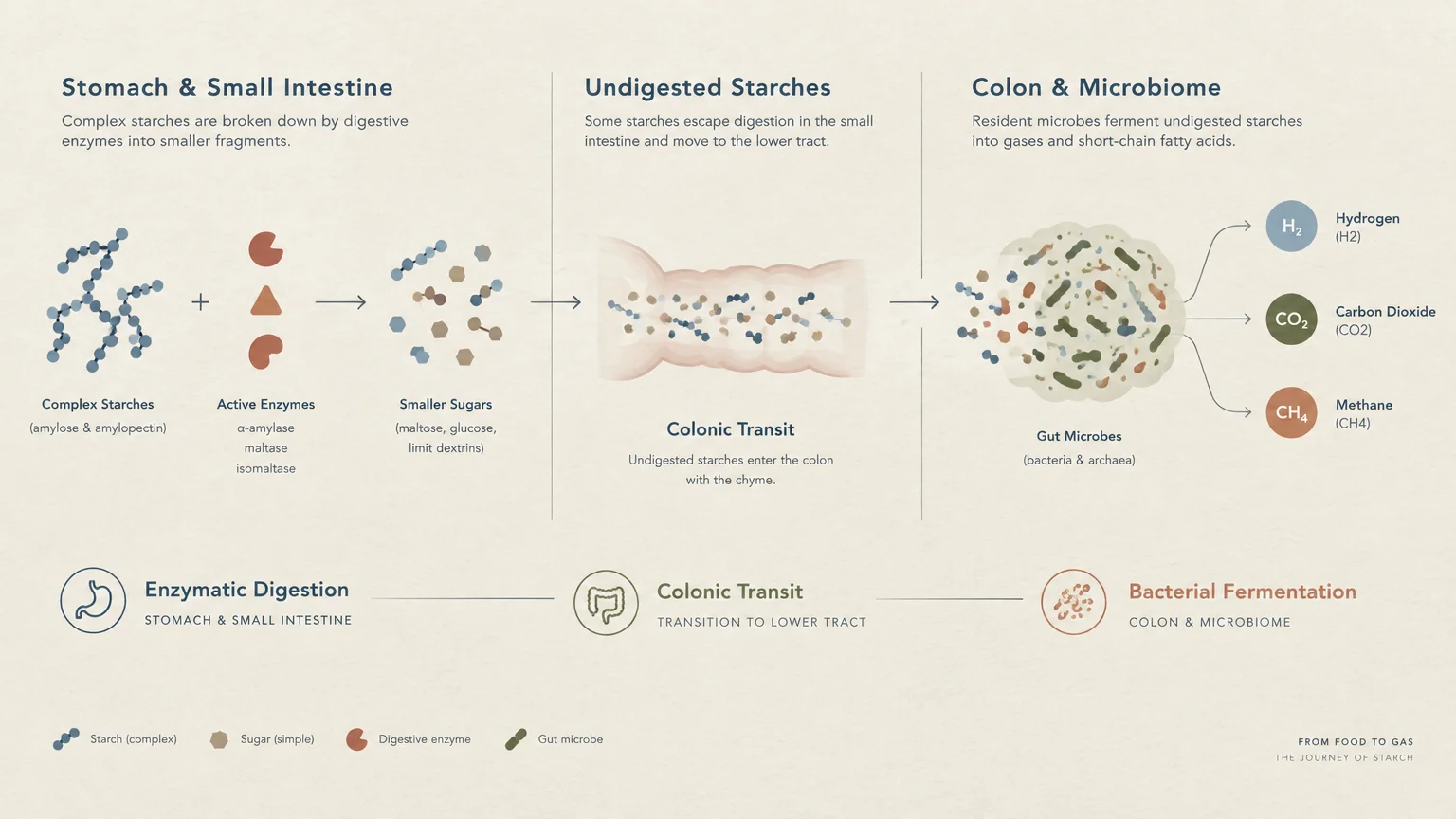
Your digestive tract functions like a finely tuned chemical processing plant. Specialized enzymes break down macronutrients sequentially as food moves from your stomach into your small intestine.
The National Institute of Diabetes and Digestive and Kidney Diseases notes that undigested carbohydrates pass into your colon. Resident microbes ferment these starches, producing hydrogen, carbon dioxide, and methane.
While moderate gas production signals normal microbial activity, rapid fermentation causes sharp distension and uncomfortable intestinal pressure.
Certain food pairings exacerbate this fermentation rate by trapping rapid-fermenting compounds behind slow-digesting nutrients. The trapped food ferments prematurely, creating pockets of painful gas that struggle to exit smoothly.
Why Certain Food Pairings Cause Severe Gas
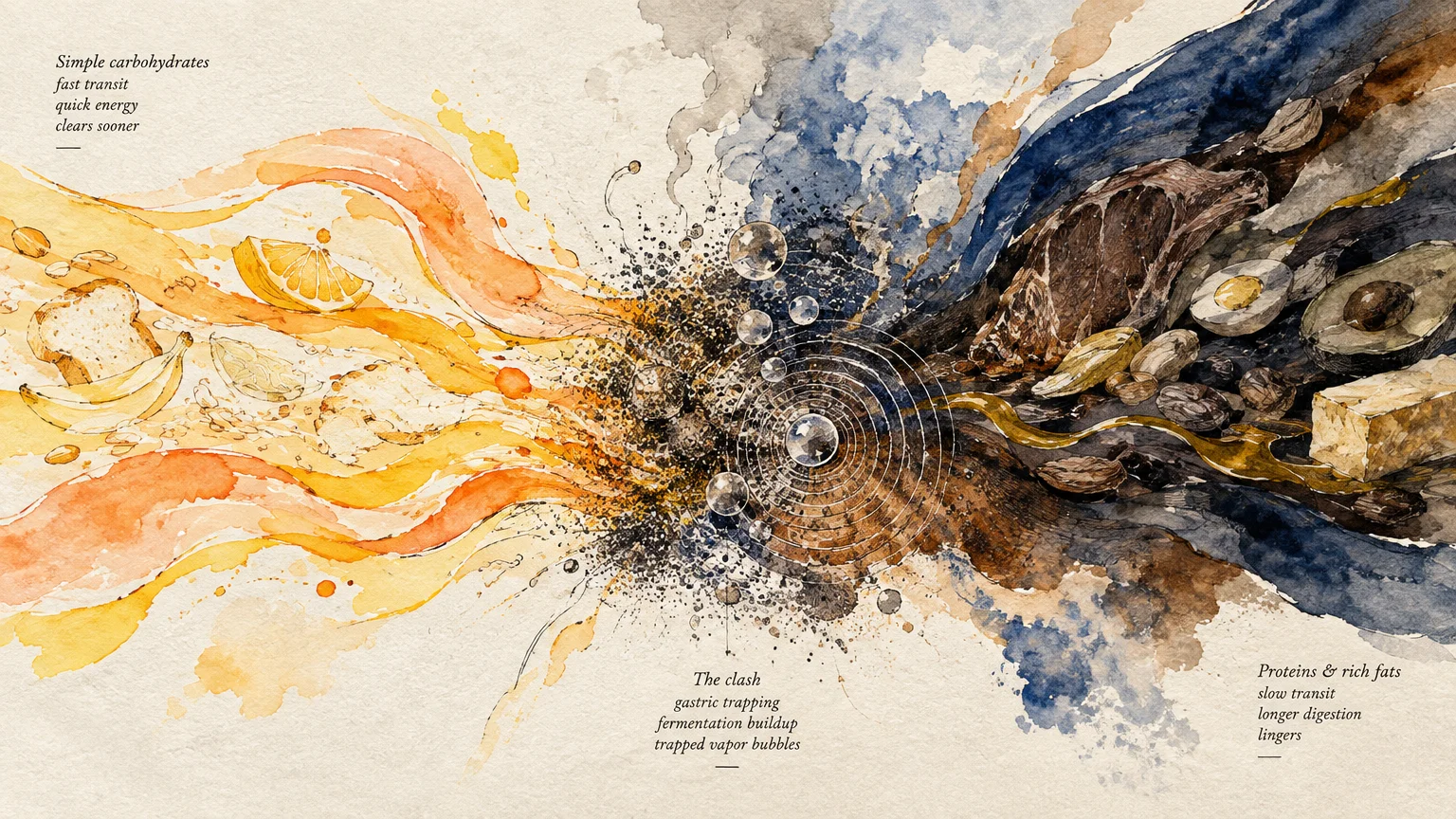
Digestion rates vary widely across different food groups. Simple sugars pass through your stomach rapidly, whereas dense proteins and complex fats require hours of enzymatic processing.
When you mix fast-clearing items with slow-digesting proteins, gastric transit slows down dramatically. The lighter carbohydrates remain trapped in the warm, acidic stomach environment far longer than intended.
This delay triggers early bacterial fermentation before the food reaches your lower colon. The resulting gas creates upper abdominal pressure, painful belching, and sour reflux symptoms.
Research in the National Institutes of Health highlights osmotic shifts from fermentable carbohydrates. Osmotic pressure pulls water into your bowel, compounding gaseous bloating with watery distension.
7 Problematic Food Pairings to Reconsider
1. Beans and High-Sugar Fruits
Beans contain oligosaccharides like raffinose, which human digestive enzymes cannot break down. Pairing them with sweet fruits delivers two distinct fermentable fuels simultaneously.
The simple fructose in fruit digests rapidly, but the heavy bean fiber delays its passage. Bacteria swarm the trapped sugars, producing immediate carbon dioxide and sharp lower abdominal cramps.
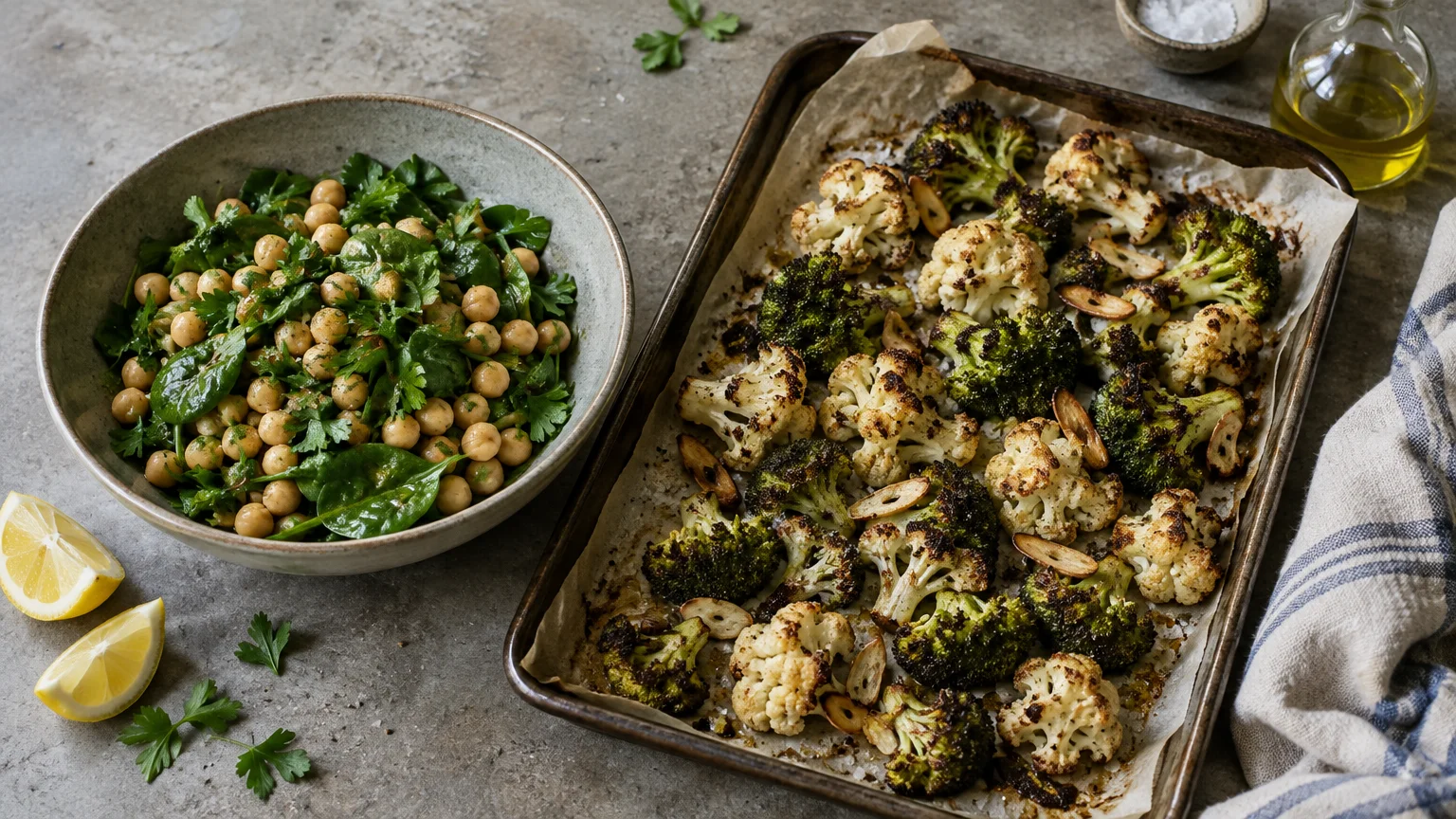
Pair your beans or chickpeas with savory vegetables and non-starchy greens instead. Enjoy fresh fruit at least two hours away from bean-heavy meals.
2. Cruciferous Vegetables and Rich Dairy
Cruciferous vegetables contain sulfur compounds alongside indigestible trisaccharides. Smothering them in heavy cream or cheese slows their digestion to a crawl.
Dairy fats require extensive emulsification by bile salts in your small intestine. This delayed transit allows colonic bacteria extended time to metabolize vegetable sulfur, generating foul-smelling hydrogen sulfide gas.
Roast your brassica vegetables in extra virgin olive oil and lemon juice instead of cheese sauces. This healthy fat facilitates nutrient absorption without impeding normal digestive speed.
3. Starchy Carbs and Acidic Citrus
Salivary amylase begins digesting starches—such as potatoes, rice, and bread—the moment food enters your mouth. However, highly acidic citrus fruits deactivate this vital enzyme before it can finish its job.
Dousing a starch-heavy meal with sour lemons, grapefruits, or oranges halts upper carbohydrate breakdown. The partially digested starches arrive unprepared in your small intestine, forcing gut bacteria to ferment them vigorously.
Season your grains and root vegetables with fresh culinary herbs like rosemary or thyme instead. Save your citrus segments for light, water-dense salads or standalone afternoon snacks.
4. Lentils and Carbonated Drinks
Lentils provide stellar plant protein, yet their soluble fiber content naturally generates gas. Drinking carbonated beverages during a lentil meal compounds this pressure exponentially.
Fizzy beverages introduce dissolved carbon dioxide gas straight into your upper gastrointestinal tract. When this exogenous gas encounters dense, expanding lentil fibers, trapped air bubbles distend your stomach walls painfully.
Hydrate with warm ginger tea, peppermint water, or plain still water alongside your pulses. These still fluids relax intestinal smooth muscles and encourage smoother downward motility.
5. High-Protein Meats and Sweet Desserts
Consuming sugary desserts immediately after dense meats creates severe digestive competition. Animal proteins demand intense acid and pepsin secretion over several hours.
While your stomach labors over the protein, simple sucrose and fructose sit idling above the bolus. The warmth of your stomach ferments these simple sugars rapidly, creating trapped methane gas.
Allow your stomach to clear dense protein meals before introducing concentrated sweets. If you desire a post-dinner treat, wait ninety minutes or sip a gentle chamomile infusion instead.
6. Whole Grains and Large Portions of Raw Alliums
Whole grains contain high concentrations of insoluble fiber and resistant starches. Raw alliums pack dense fructans, which are powerful fermentable carbohydrates.
Combining rough grain husks with uncooked alliums creates an overwhelming fermentation payload for your gut. Sensitive individuals experience rapid swelling, audible gurgling, and severe flatulence within thirty minutes.
Sauté your onions and garlic thoroughly in olive oil before mixing them into grain dishes. Cooking breaks down tough fructan chains into simpler, easily tolerated components.
7. Stone Fruits and Sugar Alcohols
Stone fruits naturally carry polyols, an osmotic type of carbohydrate. Combining them with sugar-free sweets containing sorbitol or xylitol doubles down on gut stress.
Sugar alcohols and natural polyols pull substantial water into your intestines through direct osmotic action. When colonic microbes ferment this watery slurry, you experience sudden bloating and uncomfortable loose bowels.
Satisfy your sweet tooth with modest portions of lower-polyol fruits such as blueberries or strawberries. Check ingredient labels carefully to avoid pairing packaged diet snacks with fresh summer fruit.
Three Pillars to Optimize Digestive Harmony
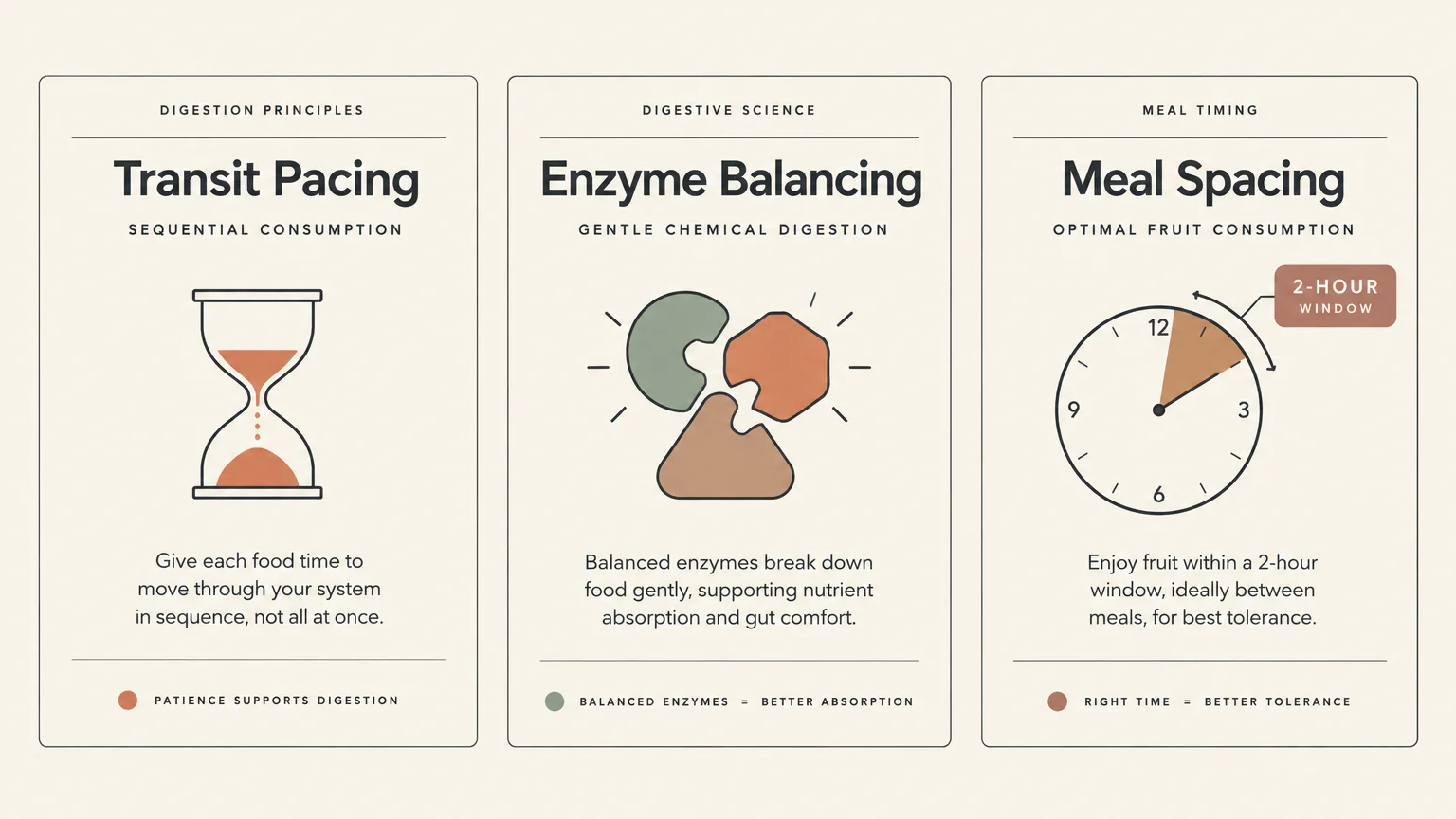
Pillar 1: Strategic Meal Planning and Spacing
Spacing challenging foods across your daily meals prevents your digestive capacity from becoming overwhelmed. Give your gastrointestinal tract adequate recovery time between heavy fiber and concentrated protein loads.
The migrating motor complex—an electrical cleansing wave—sweeps leftover debris from your small intestine every ninety minutes between meals. Constant grazing shuts this cleansing mechanism down, leaving fermentable scraps behind.
Structure three balanced meals with four hours between them to allow complete motility clearance. You will notice immediate reductions in residual trapped gas and mid-afternoon stomach heaviness.
Pillar 2: Nutrient Balance and Digestive Enzymes
Balancing plate macronutrients stabilizes gastric emptying. The Academy of Nutrition and Dietetics notes that gradual fiber increases with adequate hydration prevent gastrointestinal distress.
Incorporate naturally enzyme-rich foods like fermented sauerkraut, papaya, or sprouted seeds into your meals. These foods provide exogenous enzymes that pre-digest complex plant compounds before bacteria intervene.
Soaking dry beans with a pinch of baking soda also strips away bloat-inducing oligosaccharides. Small culinary tweaks significantly minimize the gaseous output of your favorite plant-based meals.
Pillar 3: Mindful Eating Habits and Pacing
Aerophagia, or the unconscious swallowing of air, accounts for a massive portion of intestinal gas. Rushing through meals while talking or working forces large air pockets into your stomach.
Chew every bite thoroughly until it reaches a smooth, liquid consistency before swallowing. This mechanical breakdown exposes more surface area to salivary enzymes, reducing the workload on your stomach.
Set your utensils down between mouthfuls and sit upright while eating. Good posture prevents compressed organs from trapping gas pockets in the flexures of your colon.

Clinical Perspectives and Real-World Insights
Gastroenterologists frequently observe that patients misattribute food pairing distress to food allergies. In clinical practice, separating conflicting fermentable substrates resolves symptoms for many individuals without requiring restrictive diets.
Dietitians emphasize that personal tolerance levels fluctuate based on stress, sleep, and overall microbiome diversity. What causes painful bloat during a stressful workday might cause zero distress on a relaxing weekend.
Community members who adopt proper food spacing often report renewed energy within forty-eight hours. They discover that intelligent pairing allows them to reintroduce nutritious foods they previously feared.
Treating your digestion with curiosity rather than frustration helps you identify your unique digestive boundaries. You build lasting intestinal resilience when you work in harmony with your physiology.
When Gas Signals a Deeper Issue
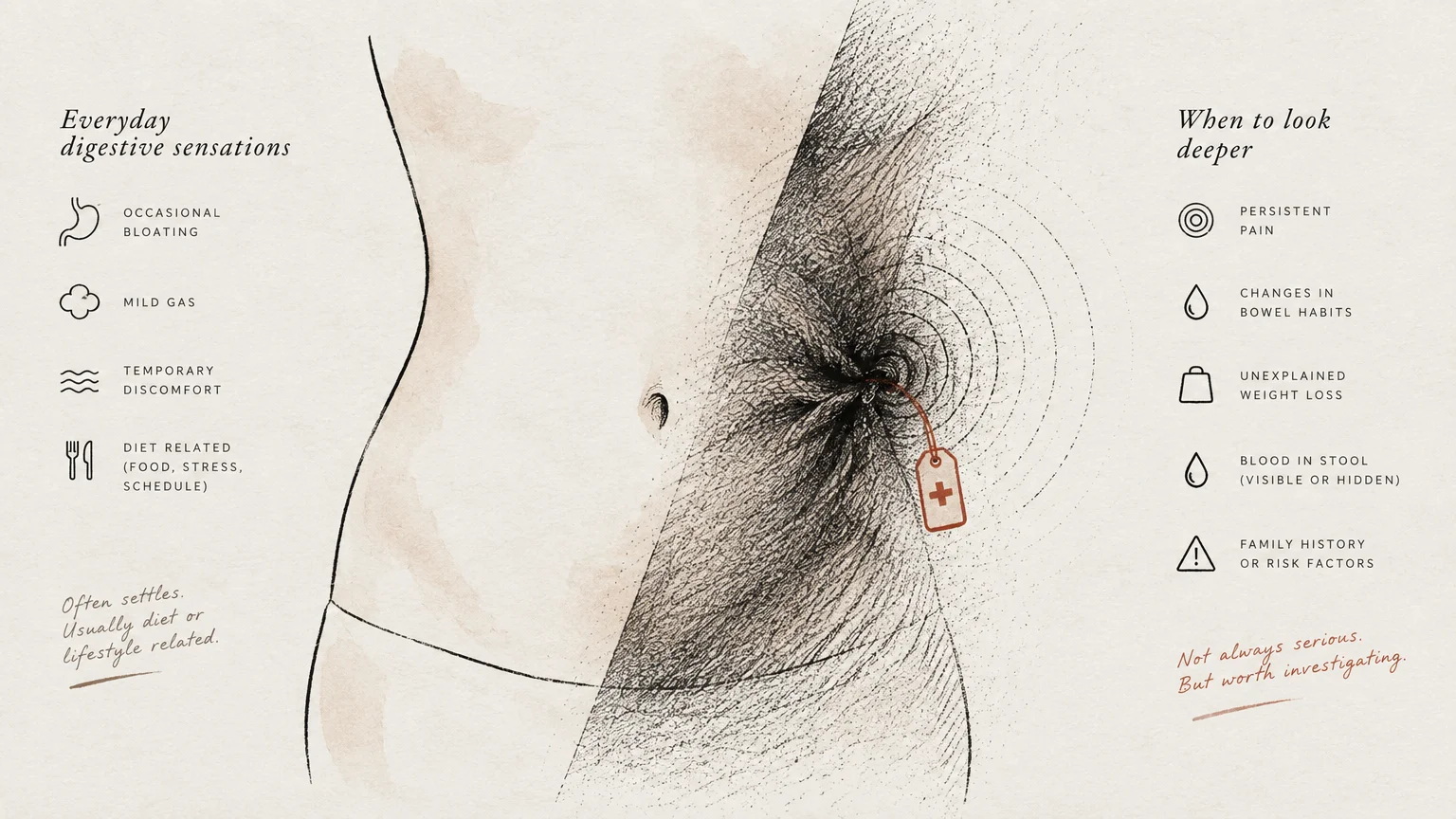
Occasional gas remains a normal byproduct of human digestion, but chronic, debilitating pain warrants medical evaluation. Certain warning signs indicate underlying conditions that require clinical intervention rather than kitchen adjustments.
Consult your physician if you experience unexplained weight loss, persistent diarrhea, or rectal bleeding. These red flags suggest conditions requiring clinical evaluation rather than dietary tweaks.
The Centers for Disease Control and Prevention notes that persistent gastrointestinal changes require thorough diagnostic screening. Never ignore severe symptoms under the assumption that they stem purely from poor combinations.
Work alongside a registered dietitian to navigate personalized elimination and reintroduction protocols safely. Professional guidance ensures you maintain robust nutritional variety while systematically isolating your digestive triggers.
Frequently Asked Questions
Does proper pairing mean you can never eat protein and carbohydrates together?
No, your body produces multiple digestive enzymes simultaneously and handles standard protein-carbohydrate combinations well. The primary issues arise when pairing extreme opposites, like rapid-fermenting sugars with ultra-heavy animal fats.
Most people comfortably tolerate balanced whole grains paired with lean proteins. Focus on avoiding the specific mismatched combinations that trigger your personal discomfort.
How long should you wait between eating fresh fruit and a heavy meal?
Waiting roughly thirty minutes before a meal or two hours afterward allows fast-clearing fruit sugars to exit your stomach. This buffer prevents fruit from fermenting atop slow-moving proteins and fats.
If you have a particularly sluggish digestive system, stretching that post-meal interval to three hours yields even greater comfort.
Can digestive enzyme supplements fix bad food combinations completely?
Enzyme supplements containing alpha-galactosidase or lactase certainly help dismantle complex sugars before microbes ferment them. They provide valuable support when dining out or eating complex mixed dishes.
However, supplements cannot fully compensate for poor eating habits or extreme ingredient clashes. Relying on thoughtful plate composition remains your most dependable long-term digestive strategy.
Why do some people tolerate these combinations without any bloating?
Gut microbiome composition varies dramatically among individuals due to genetics, diet, antibiotics, and lifestyle. Some people harbor microbial communities that produce less hydrogen and methane gas during fermentation.
Additionally, visceral hypersensitivity causes some individuals to feel acute pain from normal gas volumes. Honor your unique physiological tolerance rather than comparing your plate to others.
Your 24-Hour Digestion Reset
You can experience measurable digestive relief starting with your very next meal. Choose one problematic combination from this guide and separate those two ingredients on your plate today.
Swap your post-dinner fruit for a warm herbal tea, or separate your lentils from fizzy drinks. Notice how much lighter and more comfortable your abdomen feels throughout the afternoon.
Small, intentional adjustments yield profound improvements in your daily digestive comfort. Take control of your gut health today and enjoy your meals with renewed confidence.