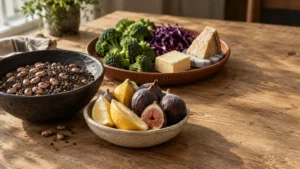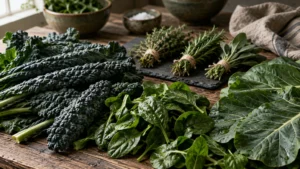
Adding dark leafy greens to your plate delivers an unmatched concentration of vitamins, minerals, and bioactive plant compounds that fuel cellular health. You can easily elevate your energy and safeguard your cardiovascular system by mastering how these powerful vegetables work.
Most adults struggle to eat enough colorful produce each day despite knowing the widespread physical benefits. Understanding the specific micronutrients in your favorite greens transforms grocery shopping into an intentional, health-promoting habit.
This comprehensive guide breaks down the science behind twelve vital nutrients found in kale, spinach, and collards. You will discover practical culinary methods that maximize your absorption and protect your long-term vitality.
Why Leafy Greens Form the Core of Daily Vitality
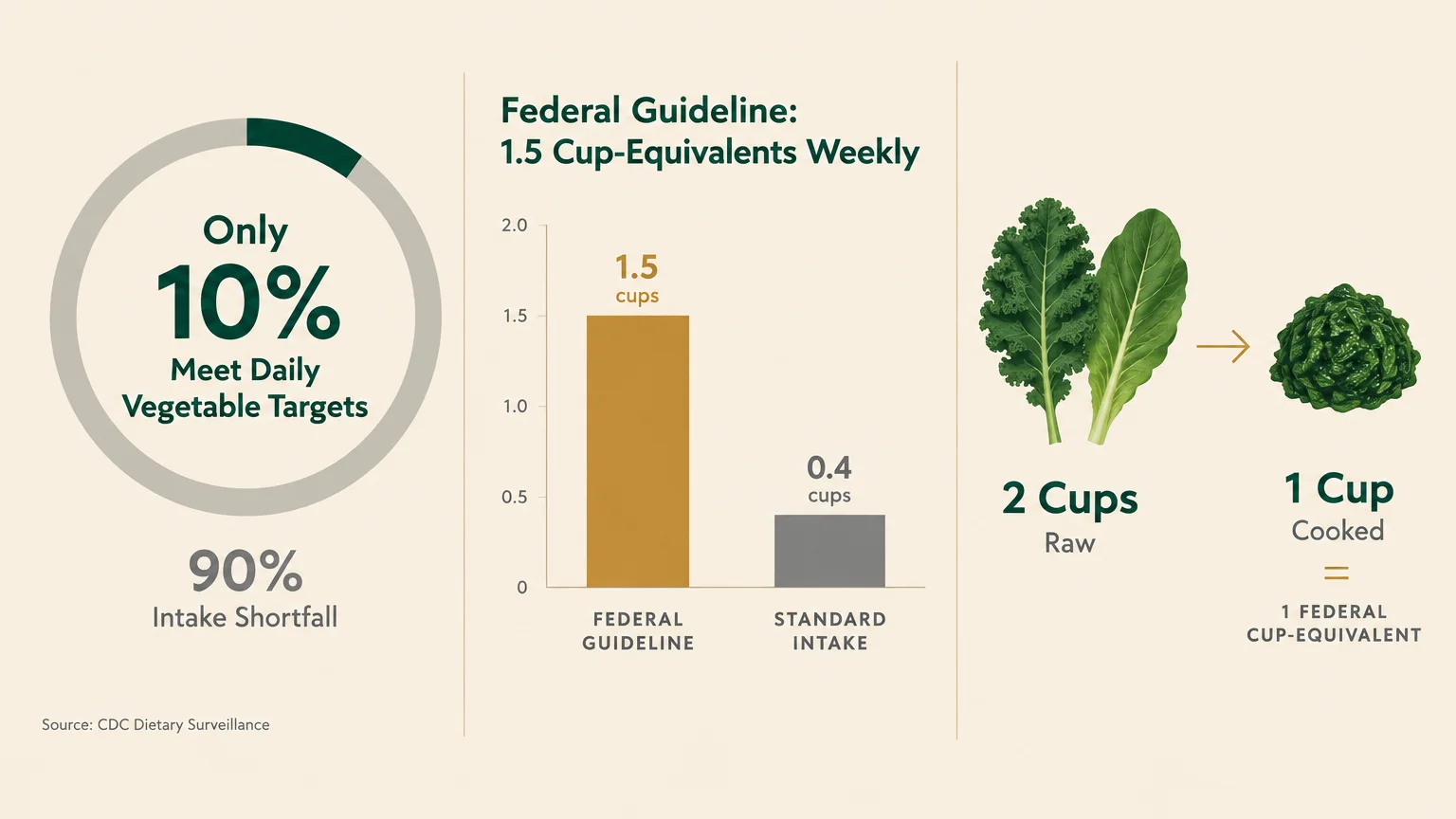
The Dietary Guidelines for Americans recommend consuming 1.5 cup-equivalents of dark green vegetables weekly for a standard 2,000-calorie pattern. In federal cup-equivalent measurements, two cups of fresh raw greens count as one cup of cooked vegetables.
Despite these modest federal benchmarks, recent CDC dietary surveillance data reveals that only 10% of American adults meet daily vegetable intake targets. This shortfall leaves substantial gaps in essential micronutrient intake across the broader population.
Dark greens bridge these deficits more efficiently than almost any other food group available in the grocery aisle. Consuming them routinely reinforces physiological pathways ranging from bone remodeling to cardiovascular protection.
Twelve Essential Nutrients Found in Dark Leafy Greens
1. Vitamin K1 (Phylloquinone)
Vitamin K plays a foundational role in human biochemistry by activating proteins responsible for normal blood clotting and bone mineralization. The Food and Drug Administration established the Daily Value (DV) for vitamin K at 120 micrograms.
Leafy greens represent the most concentrated dietary source of phylloquinone available. A single cup of raw spinach provides 144.9 micrograms, which supplies approximately 121% of your daily requirement.
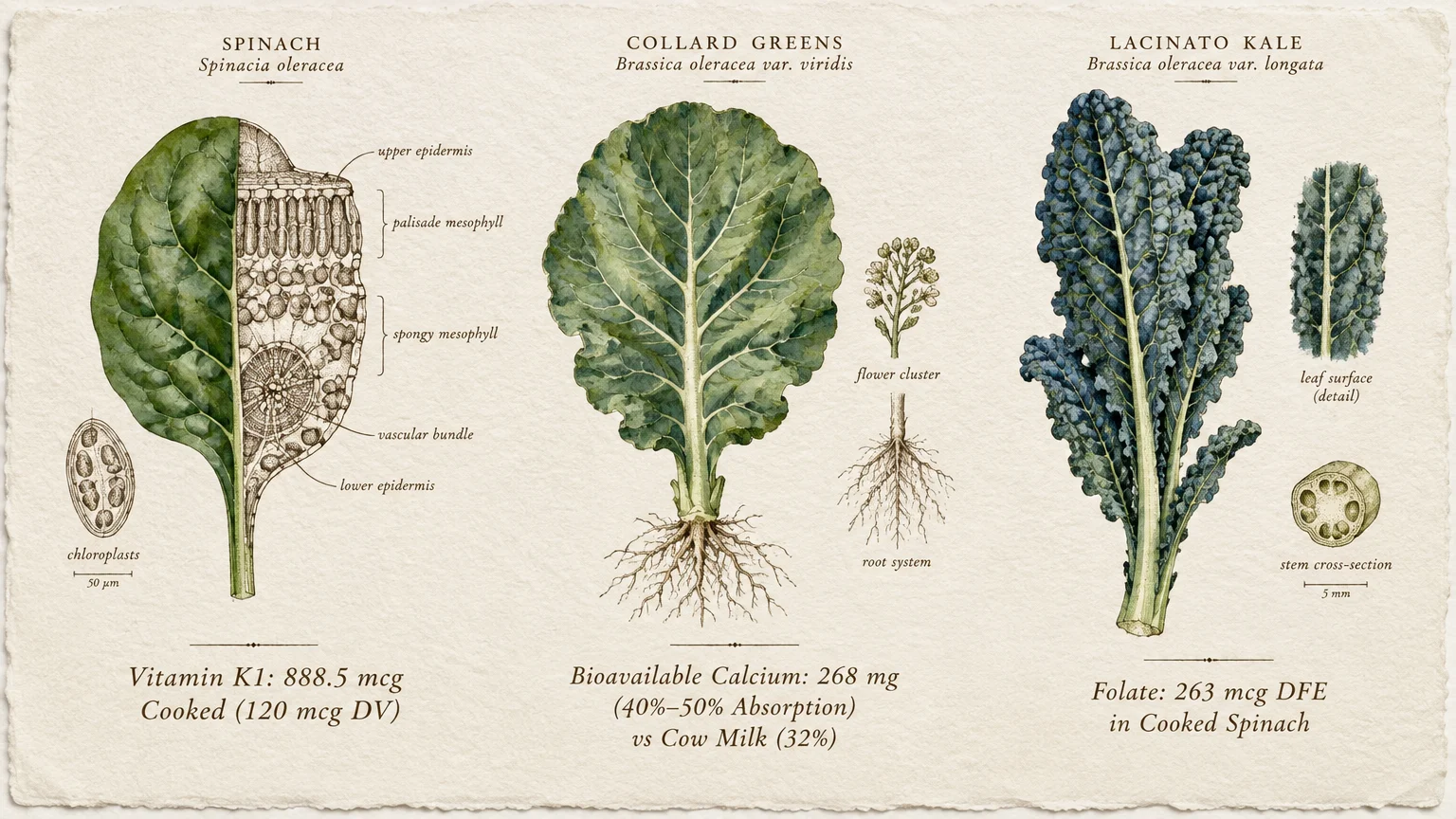
Cooking condenses these delicate leaves dramatically and concentrates the vitamin payload. One cup of cooked spinach delivers an astonishing 888.5 micrograms, while one cup of cooked kale supplies 544.1 micrograms.
2. Folate (Vitamin B9)
Folate regulates fundamental cellular operations, including DNA synthesis, amino acid metabolism, and healthy red blood cell formation. According to the NIH Office of Dietary Supplements, adults require 400 micrograms of Dietary Folate Equivalents daily.
Dark leafy greens supply natural food folate, differing structurally from the synthetic folic acid added to refined grain products. One cup of cooked spinach packs 263 micrograms DFE, fulfilling roughly 66% of your daily benchmark.
3. Bioavailable Calcium
Many people associate calcium exclusively with dairy foods, but leafy greens serve as an exceptional plant-based mineral source. The daily value stands at 1,300 milligrams to preserve skeletal density and muscular signaling.
Cooked collard greens supply 268 milligrams of calcium per cup, delivering nearly 21% of your daily requirement. Furthermore, low-oxalate greens like collards, kale, and bok choy exhibit an absorption rate between 40% and 50%.
This biological absorption rate surpasses cow milk, which averages around 32% bioavailability. Conversely, spinach binds its calcium with oxalic acid, limiting your actual absorption to approximately 5%.
4. Non-Heme Iron
Your body relies on dietary iron to synthesize hemoglobin, a red blood cell protein that ferries oxygen to active tissues. The established daily value for iron is 18 milligrams.
Greens like Swiss chard, spinach, and beet greens deliver meaningful quantities of non-heme iron to support systemic energy production. You can significantly enhance iron uptake by consuming these greens alongside vitamin C-rich foods.
5. Magnesium
Magnesium occupies the central position in every chlorophyll molecule, making deep green leaves naturally rich in this mineral. Adults require approximately 420 milligrams of magnesium each day to support cellular operations.
This versatile element participates in more than 300 enzymatic reactions, including energy production and muscle relaxation. Consuming cooked dark greens consistently helps stabilize resting blood pressure and supports restful sleep architecture.
6. Vitamin A Precursors (Beta-Carotene)
Dark greens contain generous reserves of provitamin A carotenoids, most notably beta-carotene, which your intestines convert into active retinol. The current daily value for vitamin A is 900 micrograms of Retinol Activity Equivalents.
Active vitamin A maintains the structural integrity of your respiratory lining, digestive tract, and surface ocular tissues. It also commands specialized immune cell proliferation to defend against invading environmental pathogens.
7. Lutein and Zeaxanthin
Lutein and zeaxanthin are specialized carotenoids that selectively accumulate inside the macula of your human retina. They act as natural internal sunglasses by absorbing damaging high-energy blue light waves.
Clinical trials associate higher macular pigment optical density with preserved visual acuity as you age. A single cup of cooked spinach delivers more than 20,000 micrograms of these ocular defenders.
8. Vitamin C (Ascorbic Acid)
Ascorbic acid functions as a potent water-soluble antioxidant that neutralizes reactive free radicals throughout systemic circulation. It also catalyzes enzymatic steps required to produce resilient collagen fibers for skin and joints.
Raw kale, mustard greens, and turnip greens provide robust amounts of vitamin C in every serving. Because prolonged boiling degrades this fragile nutrient, brief steaming or raw preparations protect its biological potency.
9. Dietary Fiber
Leafy greens provide a beneficial blend of soluble and insoluble fibers that optimize your digestive mechanics. Insoluble fiber adds gentle bulk to stool, which promotes regular, comfortable gastrointestinal transit times.
Meanwhile, fermentable soluble fibers nourish beneficial bacteria residing inside your large colon. These specialized microbes convert dietary fiber into anti-inflammatory short-chain fatty acids like acetate and butyrate.
10. Potassium
Potassium operates as a vital intracellular electrolyte that counterbalances sodium to maintain systemic fluid equilibrium. Adequate dietary potassium encourages blood vessel walls to relax, blunting excess tension across arterial pathways.
Swiss chard and beet greens rank among the most potassium-dense botanical foods you can add to your dinner table. Eating them regularly protects cardiovascular health and preserves normal neuromuscular communication.
11. Dietary Nitrates
Dark greens like wild arugula and spinach absorb inorganic nitrates naturally from mineral-rich soil beds. Your oral bacteria and blood vessels convert these compounds into bioactive nitric oxide gas.
Nitric oxide signals vascular smooth muscle to dilate, improving systemic peripheral circulation and exercise efficiency. Consuming nitrate-rich salads before aerobic workouts can noticeably bolster muscle endurance and recovery.
12. Chlorophyll and Protective Polyphenols
Chlorophyll gives leafy plants their characteristic vibrant pigment while providing direct antioxidant protection against cellular stress. Dark leaves also synthesize potent polyphenolic flavonoids, such as quercetin, rutin, and kaempferol.
Researchers at the Harvard T.H. Chan School of Public Health highlight that diverse dietary polyphenols reduce chronic inflammation. These bioactive plant chemicals systematically mute oxidative stress signals before cellular damage occurs.

Three Practical Strategies to Maximize Daily Absorption
1. Pair Greens with Healthy Dietary Fats
Vitamins A and K, alongside carotenoids like lutein, require dietary lipids for efficient micellar absorption in your gut. Eating completely fat-free steamed greens leaves a significant portion of these valuable nutrients unabsorbed.
Drizzle extra virgin olive oil over your salads or saute chopped greens in avocado oil. You can also toss toasted pumpkin seeds or slivered almonds into your bowl for healthy fat and crunch.
2. Match Cooking Methods to Specific Leaf Varieties
Different leafy greens possess unique cellular structures and chemical compositions that respond distinctively to culinary heat. Tailoring your kitchen technique ensures you extract maximum nutrition from every single bunch.
Blanch or steam dense varieties like collards and kale to soften structural cellulose and unlock bounded minerals. Conversely, enjoy tender baby greens like spinach or watercress raw or lightly wilted to preserve heat-sensitive vitamin C.
3. Build Sustainable Greens Micro-Habits
Long-term dietary consistency matters far more than sporadic juice cleanses or oversized salads eaten once a week. You can easily integrate greens into everyday routines without overhauling your entire family menu.
Stir two cups of chopped baby spinach directly into simmering pasta sauce during the final two minutes. The tender leaves will wilt down instantly, increasing nutrient density without altering the recipe flavor.
Keep a bag of pre-washed greens in your crisper drawer right at eye level. When preparing morning eggs or grain bowls, toss a generous handful directly into the pan.
Clinical Safety, Medications, and Individual Considerations
While dark greens offer exceptional health advantages, individual medical contexts require thoughtful personalization and clinical awareness. You should always align dietary modifications with your personalized health history.
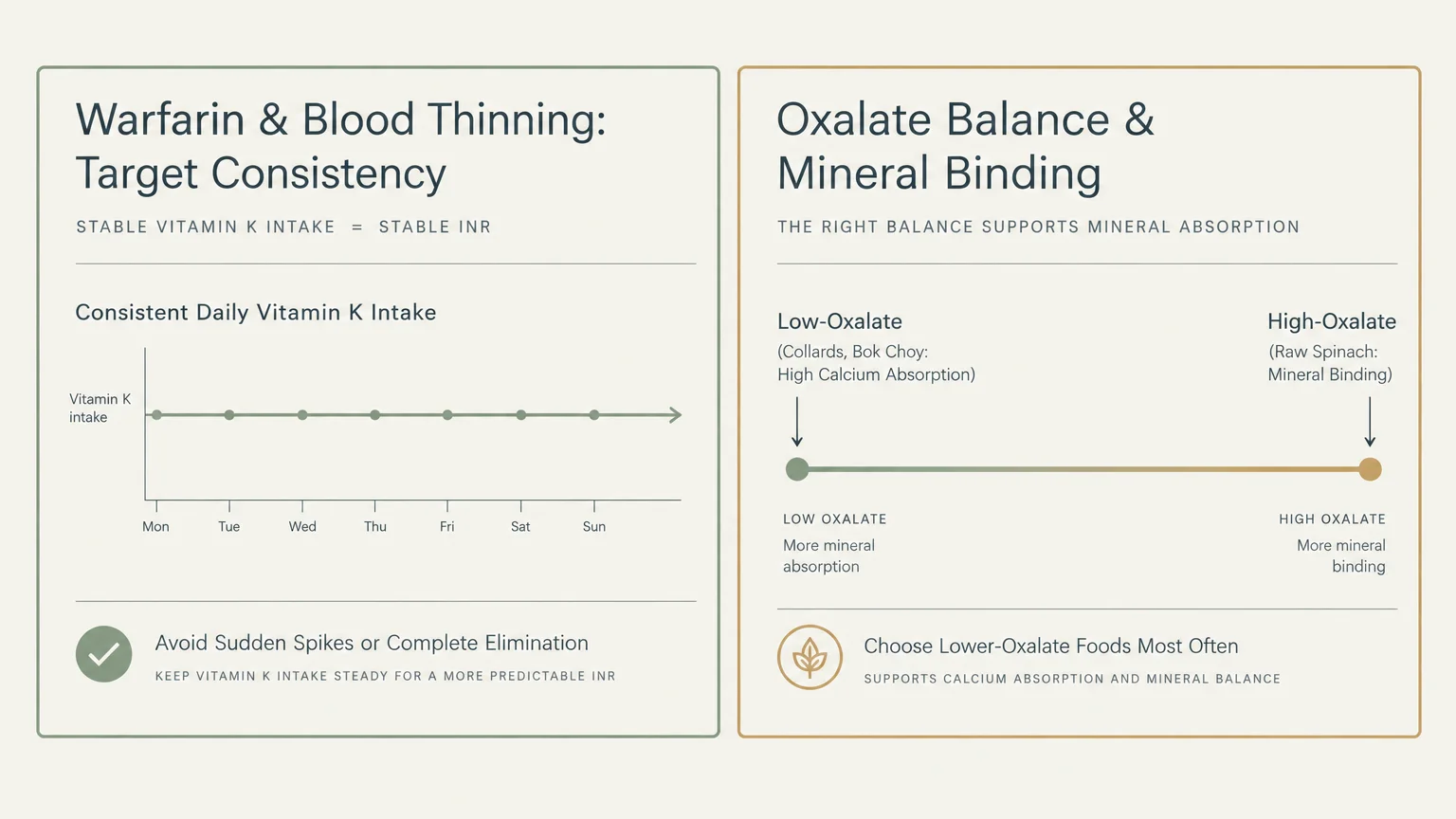
Clinical guidelines from the National Institutes of Health vitamin K guidance outline vital precautions for patients taking warfarin or Coumadin. Because vitamin K directly promotes blood clotting, you must keep your dietary intake consistent rather than erratic.
Sudden increases or abrupt reductions in dietary greens can alter your medication efficacy and destabilize international normalized ratio levels. Consult your prescribing physician or anticoagulant clinic before making dramatic dietary shifts.
Individuals with a personal history of calcium oxalate kidney stones must also pay close attention to leafy varieties. High-oxalate greens like spinach and Swiss chard can raise urinary oxalate levels in susceptible individuals.
Fortunately, low-oxalate alternatives like dinosaur kale, bok choy, and mustard greens deliver rich micronutrients without elevating stone risks. Boiling high-oxalate greens and discarding the cooking water also reduces free oxalate concentrations significantly.
Frequently Asked Questions
Can you eat too many dark leafy greens in one day?
Healthy individuals rarely experience toxicity from whole leafy vegetables because the digestive tract regulates absorption naturally. However, eating massive quantities raw may cause transient digestive bloating due to sudden increases in insoluble roughage.
Gradually increasing your intake while drinking plenty of water allows your intestinal microbiome to adapt smoothly without discomfort.
Does cooking dark greens destroy their beneficial nutrients?
Cooking reduces certain heat-sensitive vitamins like vitamin C and some B vitamins, particularly during prolonged boiling. However, gentle steaming or sautéing softens rigid cell walls, significantly improving the bioavailability of lutein, beta-carotene, and vitamin K.
Rotating between raw salads and gently cooked preparations gives you the comprehensive benefits of both nutritional states.
Which leafy green offers the most absorbable calcium?
Bok choy, turnip greens, and collard greens provide the most bioavailable calcium among dark leafy plants. Their low oxalate content allows your intestinal tract to absorb approximately half of their total mineral content.
This makes Brassica greens superior to spinach for skeletal calcium support, despite spinach showing high total calcium on paper.
How can I make dark greens taste less bitter?
Bitter flavors in greens stem from beneficial glucosinolates and polyphenols that defend the plant against pests. You can balance bitterness effectively by pairing greens with sea salt, an acid like lemon juice, and healthy fats.
Sautéing greens with minced garlic and sweet caramelized onions also rounds out sharp herbal flavor profiles deliciously.
Your Next Step: Build Your Leafy Habit Today
Achieving the federal benchmark of 1.5 cup-equivalents weekly requires only small, consistent kitchen actions rather than dramatic lifestyle changes. Start by picking one green vegetable you genuinely enjoy eating.
Within the next 24 hours, add two cups of raw spinach to your lunch wrap or wilt kale into dinner. Your cells will readily put those twelve vital nutrients to work for your lasting health.