Unexplained fatigue, persistent muscle twitches, and lingering brain fog often signal that your cells lack critical minerals. You can rebuild your physical energy and mental resilience by adding targeted whole foods to your daily routine.
When you supply your metabolism with the right elemental building blocks, your organ systems function with renewed efficiency. Strategic food choices reverse silent depletion long before clinical complications arise.
This clinical guide outlines practical grocery strategies to resolve common mineral shortfalls naturally and sustainably. You will discover exactly which nutrient-dense foods replenish your body without expensive guesswork.

The Modern Mineral Dilemma and Public Health Concerns
Modern agricultural practices, extensive soil depletion, and heavily refined food streams have stripped essential elements from daily meals. Consequently, millions of individuals consume sufficient calories while starving their cells of vital micronutrients.
The federal government addressed this widespread nutritional gap directly in recent policy updates. Released in January 2026 by the USDA and HHS, the Dietary Guidelines for Americans urge everyone to eat real, nutrient-dense foods.
This framework replaces older consumer graphics with an inverted food pyramid that prioritizes wholesome ingredients. It highlights dairy, meats, vegetables, healthy fats, fruits, and whole grains while advising a sharp reduction in ultra-processed items.
Under these guidelines, public health officials designate calcium and potassium as primary underconsumed minerals of concern for the general population. Many adults do not meet basic baseline thresholds for these two critical elements.
The guidelines also emphasize that iron and iodine represent urgent public health concerns for pregnant and postpartum individuals. Young children and women of reproductive age face substantial vulnerability to iron shortfalls as well.
Global data reveal an equally concerning trend across international communities. According to the World Health Organization, more than two-thirds of non-pregnant women of reproductive age experience at least one micronutrient deficiency.
Furthermore, the same global health agency reports that over half of children under age five suffer from micronutrient deficiencies worldwide. These shortfalls are driven primarily by inadequate levels of iron and zinc in everyday diets.
Understanding your unique biochemical requirements allows you to counter these widespread vulnerabilities. Proactive food choices serve as your primary defense against creeping fatigue, compromised immunity, and skeletal breakdown.
Deciphering Food Labels: Understanding Daily Values
Navigating the grocery store requires a clear understanding of federal labeling standards. The Food and Drug Administration mandates specific mineral disclosures on standard Nutrition Facts panels.
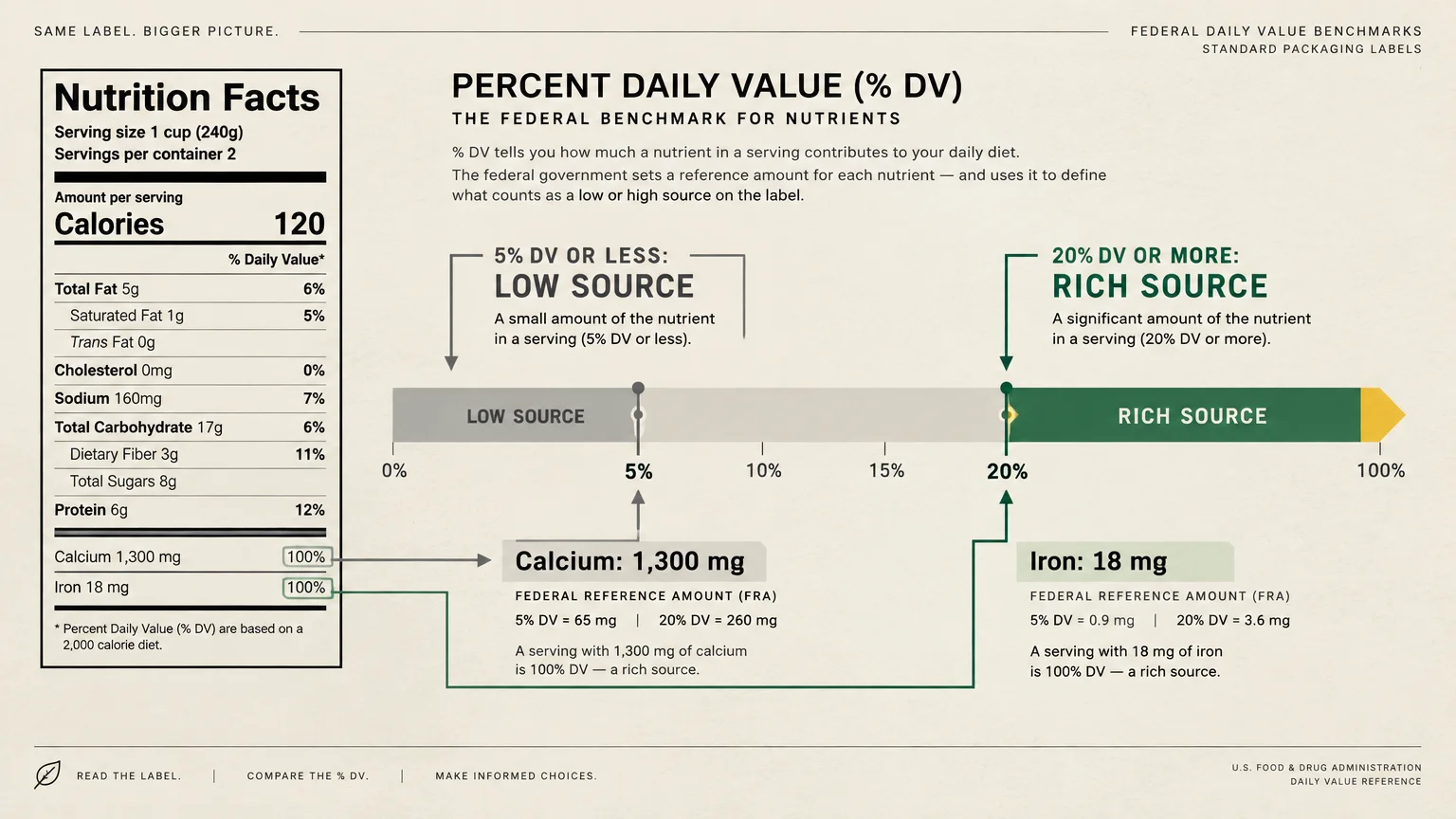
Under current federal regulations, food manufacturers must list the exact milligram amount and Percent Daily Value for calcium, iron, and potassium. Manufacturers may choose whether to list magnesium or zinc voluntarily.
You can quickly assess any packaged food by applying the standard benchmark formula. A product providing 5% Daily Value or less per serving is considered low in that mineral.
Conversely, any food delivering 20% Daily Value or more per serving represents an exceptionally rich source. Utilizing this simple benchmark helps you build a nutrient deficiency diet with total confidence.
The official reference Daily Values establish clear targets for an adult consuming a standard 2,000-calorie diet. For instance, the reference Daily Value for calcium is 1,300 milligrams.
The established Daily Value for iron stands at 18 milligrams, while magnesium is benchmarked at 420 milligrams. Potassium carries a Daily Value of 4,700 milligrams across packaged nutrition panels.
Zinc has an official reference value of 11 milligrams, iodine requires 150 micrograms, and selenium requires 55 micrograms daily. These reference metrics empower you to select foods that directly support your biological needs.
Iron: Restoring Cellular Oxygen and Vital Energy
Iron forms the functional core of hemoglobin, the protein responsible for transporting oxygen through your bloodstream. Without adequate iron, your cells experience oxygen starvation, leaving you drained and physically weak.
Common symptoms of low iron include chronic lethargy, brittle fingernails, uncharacteristic cold sensitivity, and persistent lightheadedness. Addressing this deficiency early preserves cognitive stamina and physical endurance.
According to the National Institutes of Health, adult men and postmenopausal women require 8 milligrams of iron daily. Women aged 19 to 50 need 18 milligrams each day.
Pregnancy increases physiological blood volume significantly, raising the daily iron requirement to 27 milligrams. Meeting this increased demand ensures proper fetal development and maternal health throughout gestation.
Dietary iron exists in two separate forms: heme iron from animal sources and non-heme iron from plant tissues. Heme iron boasts superior bioavailability, absorbing directly through the intestinal wall with minimal interference.
Plant-based non-heme iron exhibits lower bioavailability in the digestive tract. Because of this physiological difference, vegetarians and vegans require 1.8 times more dietary iron than individuals who consume animal proteins.
Top animal-based iron rich foods include grass-fed beef, pastured chicken livers, dark poultry meat, and canned sardines. A single serving of lean beef delivers readily absorbable heme iron directly to working muscle tissue.
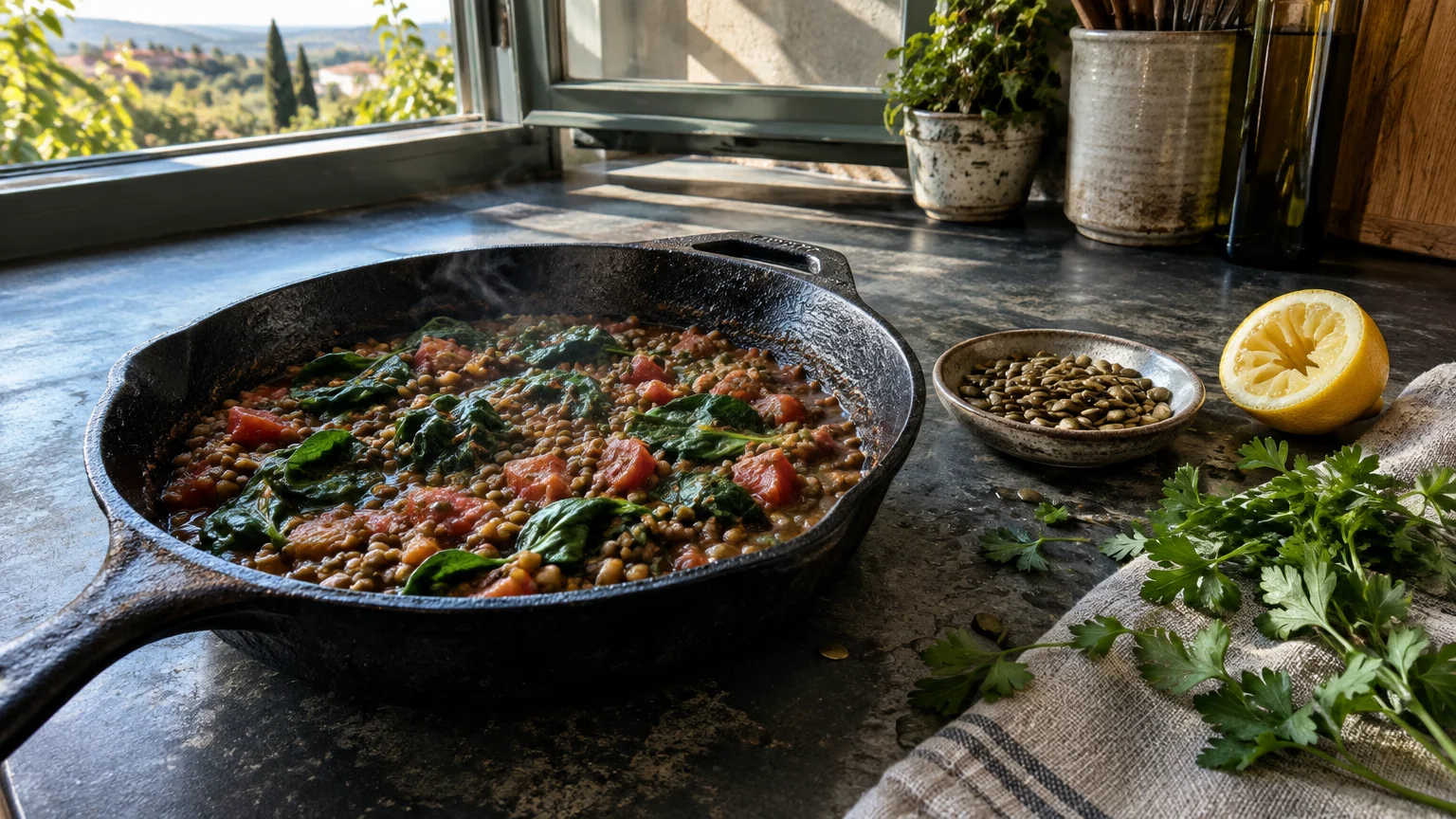
For plant-based eaters, exceptional non-heme iron foods include brown lentils, chickpeas, pumpkin seeds, and cooked black beans. Steamed spinach and firm tofu also provide valuable mineral contributions to plant-centered meals.
You can dramatically improve non-heme iron absorption by pairing these plant foods with a source of vitamin C. Squeezing fresh lemon juice over steamed greens converts non-heme iron into a more bioavailable state.
Be mindful to separate your consumption of black tea and coffee from iron-rich meals. Polyphenols and tannins present in these brewed beverages bind tightly to dietary iron, significantly diminishing intestinal absorption.
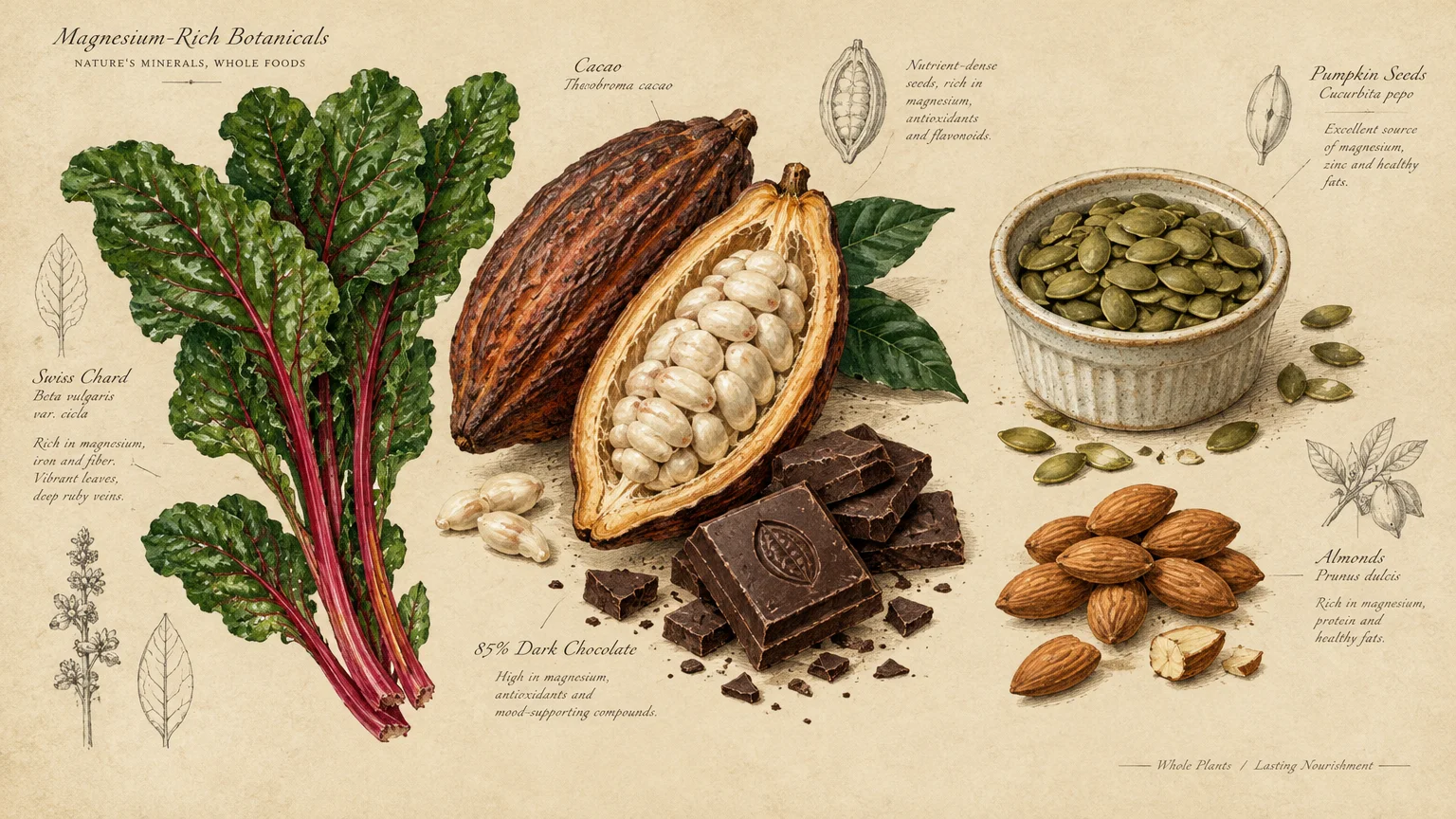
Magnesium: Calming Nerves and Fueling Energy Production
Magnesium participates in over 300 essential enzymatic reactions throughout the human body. It orchestrates cellular energy production, assists DNA synthesis, regulates muscle contractions, and supports peaceful sleep cycles.
A June 2026 study published in The Journal of Nutrition revealed significant national shortfalls. Researchers examined NHANES blood data from over 6,000 U.S. participants to evaluate population-level status.
The investigators discovered that approximately two-thirds of U.S. adults are at risk of magnesium deficiency. Furthermore, participants diagnosed with high blood pressure or diabetes exhibited significantly lower serum magnesium concentrations.
The Recommended Dietary Allowance for adult men ranges from 400 to 420 milligrams daily. Adult women require 310 to 320 milligrams per day, increasing to 350 to 360 milligrams during pregnancy.
Early signs of subclinical magnesium deficiency manifest as muscle twitches, eyelid spasms, sleep disruption, and elevated anxiety. Long-term deficiency compromises bone density and destabilizes healthy blood glucose regulation.
Pumpkin seeds, often called pepitas, rank among the absolute best foods for magnesium deficiency. Just a small handful of shelled pumpkin seeds delivers a concentrated dose of bioavailable magnesium.
Other nutrient-dense seed and nut choices include whole chia seeds, roasted almonds, and raw cashews. Adding these seeds to morning oats or afternoon snacks helps you hit your daily mineral goals.
Dark leafy greens also supply high quantities of magnesium because the mineral sits at the core of the chlorophyll molecule. Cooked Swiss chard, spinach, and tender beet greens offer exceptional cellular replenishment.
Legumes and ancient grains provide additional dietary insurance against depletion. Black beans, edamame, and cooked quinoa supply reliable magnesium alongside plant protein and prebiotic dietary fiber.
For an evening treat, dark chocolate containing at least 70% cocoa solids delivers meaningful amounts of magnesium. Pairing dark chocolate with roasted almonds creates a delicious, calming bedtime snack that supports muscular recovery.

Potassium: Balancing Fluids and Supporting Vascular Health
Potassium functions as the primary intracellular electrolyte in human physiology. It works in continuous opposition to sodium, relaxing vascular walls and regulating fluid volume across every cell membrane.
When your potassium intake lags, your blood pressure often climbs, and your skeletal muscles experience sudden cramping. Adequate potassium intake softens arterial tension and promotes rhythmic cardiac contractions.
Federal dietary data illustrate a profound consumption gap across the modern adult population. According to NHANES dietary records, average daily potassium intake from food is just 3,016 milligrams for men.
Adult women consume even less, averaging a meager 2,320 milligrams of dietary potassium per day. Both numbers fall noticeably below established health guidelines, leaving cardiovascular systems vulnerable to chronic stress.
The clinical Adequate Intake target established by health authorities is 3,400 milligrams daily for adult men. For adult women, the Adequate Intake benchmark is 2,600 milligrams daily, rising to 2,900 milligrams during pregnancy.
Many people assume bananas represent the premier potassium source, but several common whole foods contain far higher amounts. A simple baked russet potato with its skin intact provides outstanding electrolyte density.
Sweet potatoes, acorn squash, and roasted butternut squash also provide exceptional amounts of natural potassium. Their complex carbohydrates release slowly, supplying steady energy alongside cellular hydration.
Creamy avocados offer substantial potassium alongside heart-healthy monounsaturated fats. Combining diced avocado with black beans and leafy greens creates a potent, potassium-packed meal that optimizes blood pressure regulation.
Dried fruits such as unsweetened apricots and sun-dried tomatoes offer convenient, shelf-stable potassium options. Incorporating these nutrient-dense ingredients into salads or grain bowls dramatically elevates your daily electrolyte intake.
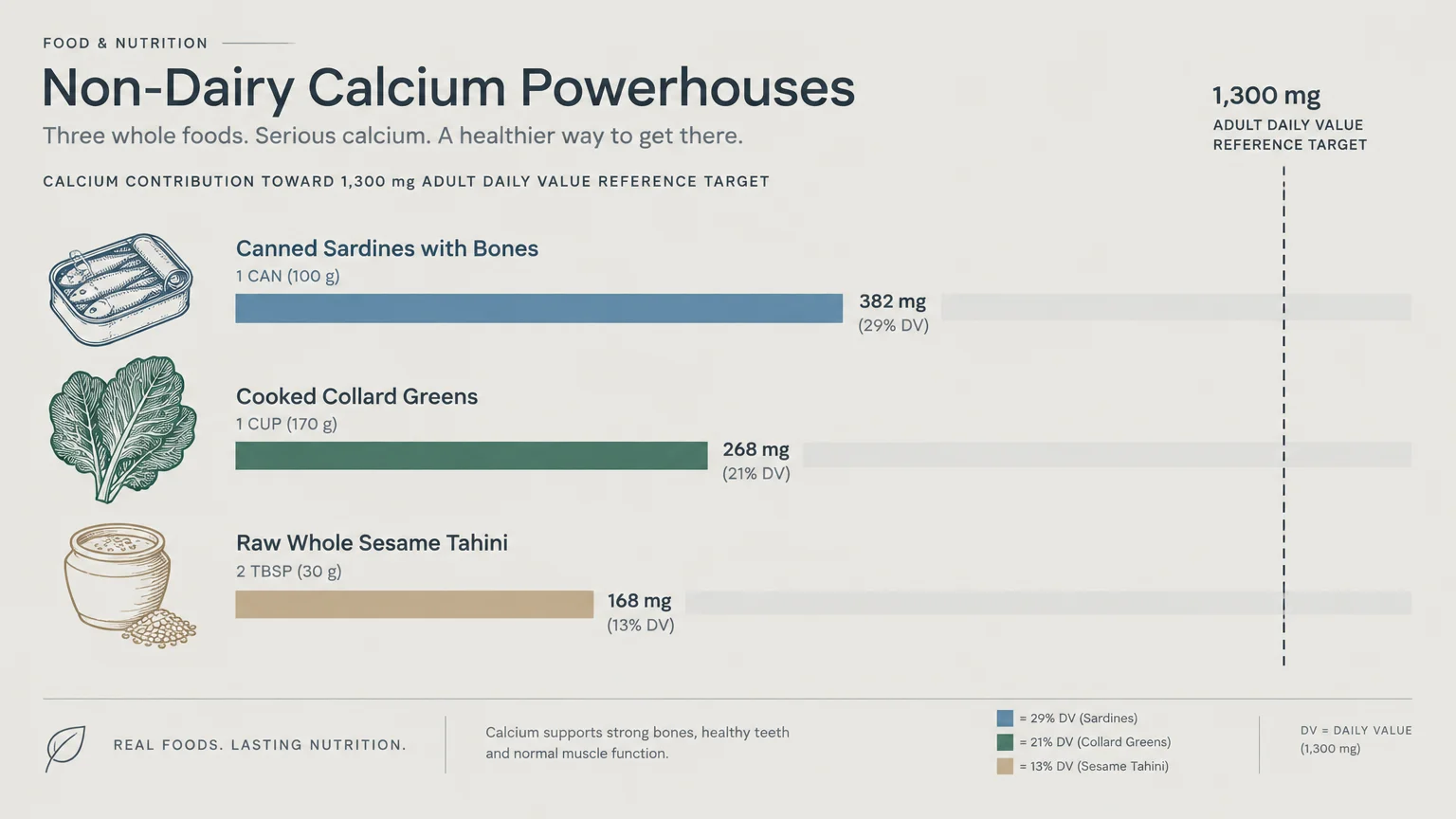
Calcium: Fortifying Skeletal Density Beyond Dairy
Calcium does far more than build strong bones; it enables blood clotting, transmission of nerve impulses, and muscular contractions. When dietary intake falls short, your body leaches calcium directly from bone tissue to protect vital organs.
The 2025–2030 federal dietary guidelines identify calcium as an underconsumed mineral of major public health concern. Chronic underconsumption increases the lifetime risk of osteopenia, osteoporosis, and bone fractures.
Clinical authorities establish the Recommended Dietary Allowance for calcium at 1,000 milligrams daily for adults aged 19 to 50. Men aged 51 to 70 maintain this 1,000-milligram baseline target.
Women aged 51 and older, along with men aged 71 and older, require 1,200 milligrams per day. Meanwhile, the FDA reference Daily Value used on packaged food labels sits at 1,300 milligrams.
Traditional dairy products offer convenient and highly bioavailable sources of dietary calcium. Plain Greek yogurt, fermented kefir, cottage cheese, and hard aged cheeses like parmesan supply concentrated calcium that your body absorbs efficiently.
If you avoid dairy products, excellent whole-food alternatives provide comparable mineral support. Canned wild sardines and canned salmon packed with soft, edible bones deliver abundant calcium alongside anti-inflammatory omega-3 fatty acids.
Plant-based eaters can turn to calcium-set firm tofu, which absorbs calcium salts during traditional production. Cooked collard greens, bok choy, and kale also deliver bioavailable calcium with minimal oxalate interference.
Always remember that calcium absorption requires adequate vitamin D levels in your bloodstream. Exposing your skin to moderate sunlight or consuming egg yolks and fatty fish ensures efficient mineral uptake in the intestines.

Zinc: Fueling Immune Defense and Cellular Repair
Zinc plays a crucial catalytic role in more than 100 specific enzymes within human cells. It orchestrates immune defense, drives protein synthesis, accelerates wound healing, and preserves your senses of taste and smell.
A subclinical zinc deficiency often shows up as frequent colds, sluggish wound repair, hair thinning, and diminished appetite. Maintaining consistent intake protects your immune system against seasonal respiratory challenges.
The established Recommended Dietary Allowance for zinc is 11 milligrams per day for adult men. Adult women require 8 milligrams daily, which increases to 11 milligrams during pregnancy and 12 milligrams during lactation.
Wild oysters stand as the undisputed champion among zinc deficiency foods, containing more zinc per serving than any other food. Lean beef, braised lamb shank, and steamed king crab also deliver exceptional quantities of bioavailable zinc.
Plant sources of zinc include raw pumpkin seeds, shelled hemp hearts, brown lentils, and garbanzo beans. Consuming a variety of these seeds daily supports healthy immune resilience for individuals following plant-based eating patterns.
Grains and legumes naturally contain phytates, which can bind to zinc and reduce its intestinal absorption. Soaking dry beans overnight and choosing sprouted grain products deactivates these binding compounds, unlocking the mineral for your body.
Fermenting whole grains into sourdough bread represents another proven, traditional culinary method for improving zinc bioavailability. Natural fermentation breaks down mineral-binding phytates, allowing your digestive system to absorb zinc with greater ease.
Adding toasted hemp seeds to morning oatmeal or tossing pumpkin seeds across roasted vegetables provides an effortless daily zinc boost. Consistent, small culinary upgrades safeguard your cellular defenses throughout the year.
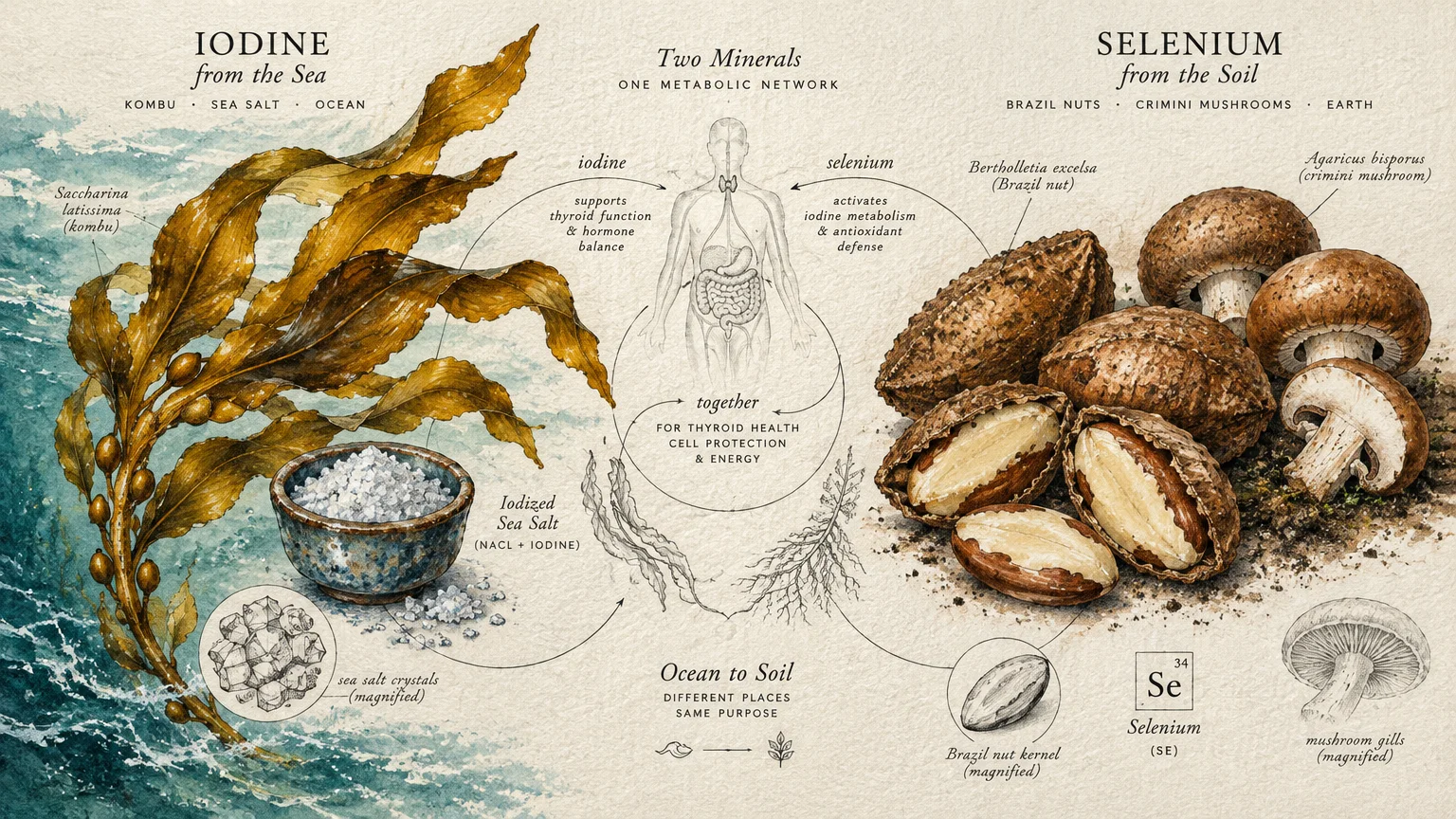
Iodine and Selenium: The Metabolic Guardians
Your thyroid gland relies on a continuous supply of dietary iodine to manufacture essential thyroid hormones. These hormones regulate basal metabolic rate, core body temperature, protein synthesis, and cellular repair across all tissues.
The FDA reference Daily Value for iodine is set at 150 micrograms for healthy adults. Federal health agencies emphasize iodine as a critical mineral of concern for pregnant and lactating individuals.
Marine foods serve as the most concentrated natural sources of dietary iodine. Sea vegetables such as nori sheets, kelp flakes, and dulse supply abundant trace minerals alongside wild cod and haddock.
Iodized table salt provides a reliable, accessible source of iodine for individuals who do not consume seafood regularly. Using a modest pinch of iodized salt in home cooking prevents silent metabolic decline.
Selenium works in close partnership with iodine, defending the thyroid gland against oxidative stress. It forms the catalytic core of glutathione peroxidase, one of your body’s most powerful antioxidant enzymes.
The reference Daily Value for selenium stands at 55 micrograms daily for adults. Just one or two Brazil nuts per day easily satisfy your entire daily requirement for this potent trace mineral.
Yellowfin tuna, wild halibut, canned sardines, and sunflower seeds provide reliable secondary sources of selenium. Incorporating these varied whole foods into your weekly meals ensures balanced trace mineral support.
Maintaining balanced levels of both iodine and selenium preserves metabolic energy and supports steady hormone production. Neither mineral should be consumed in extreme excess, making a whole-food approach the safest route.
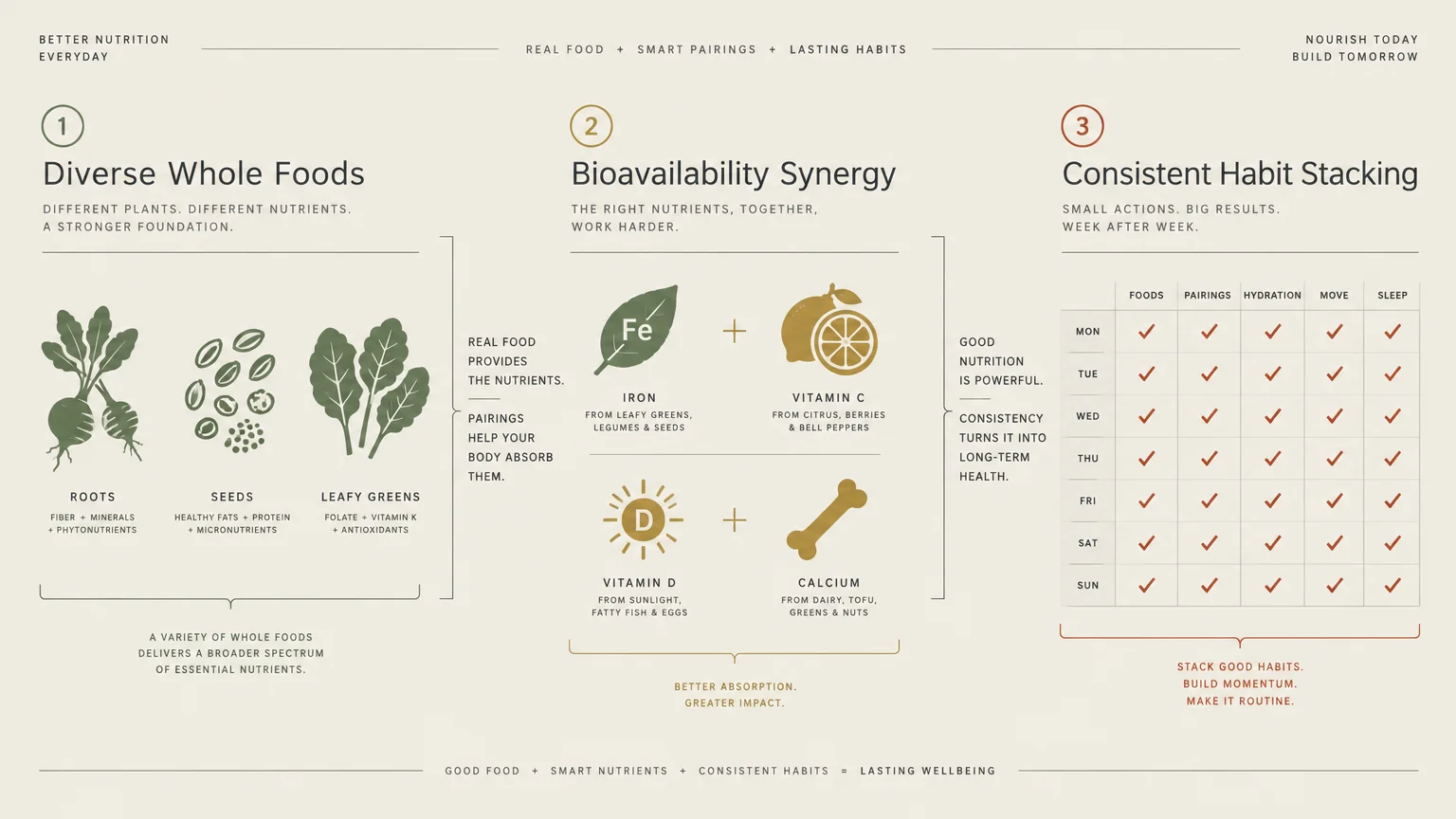
Three Core Pillars for a Nutrient Deficiency Diet
Resolving nutritional shortfalls requires more than memorizing mineral lists; you need a sustainable operational strategy. Adopting systematic kitchen habits guarantees consistent micronutrient density across every meal you prepare.
Pillar One: Strategic Synergy and Meal Planning
Nutrient synergy occurs when specific vitamins and minerals work together to amplify digestive absorption. Combining non-heme plant iron with ascorbic acid, known as vitamin C, transforms ferric iron into easily absorbable ferrous iron.
To put this into practice, top your lentil bowls with diced red bell peppers or freshly squeezed lime juice. You can also pair iron-rich spinach salads with juicy orange segments or sliced strawberries.
Similarly, pair calcium-rich foods with healthy fats that carry fat-soluble vitamin D. Serving steamed wild salmon alongside sautéed collard greens creates an ideal physiological environment for bone mineralization.
Dr. Elena Alvarez, an integrative dietitian specializing in cellular metabolism, emphasizes that real food matrices enhance trace mineral absorption. Whole foods supply natural companion nutrients that synthetic pills simply cannot duplicate.
Pre-planning your grocery basket around whole mineral sources prevents last-minute reliance on nutrient-poor convenience foods. Stocking your pantry with diverse nuts, seeds, and canned legumes guarantees rapid access to essential elements.
Pillar Two: Kitchen Preparation and Managing Anti-Nutrients
Raw plant foods contain natural defense compounds such as phytates, oxalates, and lectins. While these compounds offer certain antioxidant benefits, they also bind to minerals and hinder intestinal uptake.
You can easily reduce anti-nutrient levels by applying traditional food preparation methods in your kitchen. Soaking dried beans, whole grains, and raw seeds in warm water overnight activates phytase enzymes that break down phytates.
Cooking leafy greens significantly reduces soluble oxalate content, freeing up locked calcium and magnesium. Lightly boiling or steaming spinach and Swiss chard allows your body to absorb far more minerals than eating them raw.
Sprouting raw seeds and buying naturally leavened sourdough bread further enhances micronutrient bioavailability. These simple culinary techniques unlock dormant nutrients, maximizing the biological value of every bite.
Integrating these preparation habits ensures you absorb the maximum amount of nutrition from your grocery investments. Thoughtful food preparation turns ordinary pantry items into potent therapeutic tools.
Pillar Three: Sustainable Habit Formation
Lasting nutritional success depends on small, frictionless habits rather than dramatic dietary overhauls. Upgrading existing meals with a mineral-dense ingredient ensures long-term consistency without emotional burnout.
Begin by keeping a jar of mixed pumpkin, chia, and hemp seeds directly on your dining table. Sprinkling a spoonful over breakfast porridge, salads, or roasted vegetables adds immediate magnesium and zinc to your day.
Swap low-nutrient snacks for whole foods that satisfy hunger while supplying essential elements. Replacing refined chips with roasted seaweed sheets, almonds, or dried apricots bridges critical daily mineral gaps effortlessly.
Dedicate thirty minutes on weekends to batch-cooking nutrient-dense staples like quinoa, sweet potatoes, and black beans. Having these prepped ingredients in your refrigerator makes assembling balanced, mineral-rich lunches fast and stress-free.
Community members who adopt this prep habit report sustained energy levels throughout demanding workdays. Consistent routines eliminate decision fatigue and establish reliable nutrient intake patterns.

Clinical Safety, Nutrient Interactions, and Medical Guidance
While obtaining minerals through whole foods is remarkably safe, high-dose mineral supplements carry serious biological risks. Excess minerals taken in isolated pill form can quickly induce imbalances, toxicity, and unintended metabolic damage.
For example, consuming high-dose zinc supplements over extended periods suppresses intestinal copper absorption. This competitive inhibition often triggers severe, unexplained copper-deficiency anemia and neurological dysfunction.
Indiscriminate iron supplementation presents another major clinical hazard for individuals without diagnosed deficiency. Unbound elemental iron acts as a potent pro-oxidant, generating free radicals that can damage liver tissue and vascular linings.
Potassium supplementation also requires strict medical supervision, particularly for older adults or those with impaired renal function. Excessive serum potassium, known as hyperkalemia, can induce dangerous cardiac arrhythmias and sudden cardiac arrest.
Individuals taking common medications like ACE inhibitors, angiotensin receptor blockers, or potassium-sparing diuretics must exercise caution. These medications impair potassium excretion, making supplemental potassium dangerous without regular blood monitoring.
Always consult a registered dietitian or licensed physician before initiating high-dose single-mineral supplements. A healthcare professional will order targeted diagnostic blood tests to establish your true baseline status.
Requesting tests such as serum ferritin for iron stores or red blood cell magnesium provides far greater clinical accuracy than routine panels. Objective laboratory data ensure you address verified deficiencies safely and effectively.
Adopting a food-first philosophy provides built-in safety mechanisms that protect against accidental mineral overdoses. Whole foods supply natural ratios of complementary nutrients that human digestive physiology recognizes and handles safely.
Frequently Asked Questions About Mineral Deficiencies
How can I tell if my fatigue is caused by low iron or low magnesium?
Iron deficiency fatigue typically stems from decreased oxygen delivery to active tissues. It often presents with shortness of breath during exertion, lightheadedness, pale conjunctiva, and chronically cold fingers or toes.
Magnesium deficiency fatigue, by contrast, involves impaired cellular energy production and neuromuscular overexcitability. It frequently accompanies muscle cramps, eyelid twitches, elevated physical tension, and restless nighttime awakenings.
Because these subjective symptoms can overlap, you should never guess which mineral you lack. Schedule a comprehensive blood panel with your physician to evaluate both serum ferritin and red blood cell magnesium accurately.
Can I obtain enough calcium on a strict plant-based diet without dairy?
You can achieve optimal calcium status on a plant-based diet through careful food selection and preparation. Traditional staples like calcium-set tofu, cooked collard greens, bok choy, and sesame tahini provide rich mineral density.
Ensure you choose low-oxalate greens like kale and bok choy rather than relying entirely on raw spinach. Spinach contains high oxalate levels that bind tightly to its calcium, limiting intestinal absorption.
Including fortified unsweetened plant milks can also help you easily meet the daily 1,000 to 1,200 milligram clinical targets. Check product labels to ensure the calcium is properly distributed throughout the beverage before pouring.
Why do coffee and tea interfere with mineral absorption?
Coffee and black tea contain concentrated natural polyphenols, chlorogenic acids, and tannins. These astringent phytochemical compounds bind to non-heme iron and zinc molecules in the digestive tract, forming insoluble complexes.
Once bound to these plant tannins, minerals cannot pass across the intestinal barrier into the bloodstream. This chemical interaction significantly reduces the net nutritional value of your meal.
To protect your mineral uptake, enjoy your morning coffee or afternoon tea at least one hour away from mineral-dense meals. This modest separation allows your digestive tract to absorb vital nutrients undisturbed.
How long does it take to correct a mineral deficiency through diet alone?
The timeframe for resolving a mineral shortfall depends on the severity of your depletion and the specific element involved. Cellular electrolytes like potassium and magnesium often produce noticeable symptom improvements within several weeks.
Rebuilding depleted iron stores, however, requires significantly more time and metabolic patience. Replenishing depleted bone marrow and serum ferritin levels through diet generally takes three to six months of consistent nutritional focus.
Work closely with your healthcare provider to schedule follow-up blood work after three months of dietary changes. Periodic laboratory testing ensures your nutritional strategy is working effectively and safely.
Your Next Steps: A 24-Hour Mineral Upgrade
Overcoming mineral shortfalls does not demand an intimidating lifestyle overhaul or expensive supplement regimens. Lasting vitality begins with a single intentional choice made at your very next meal.
Take action within the next 24 hours by adding one high-density mineral food to your grocery cart. Pick up a bag of raw pumpkin seeds, a bunch of dark leafy greens, or a sweet potato.
Incorporate that single ingredient into dinner tonight, whether you roast the potato or sprinkle seeds across your greens. Your cells will immediately utilize these bioavailable building blocks to restore enzymatic function and energy production.
Listen closely to your body as you nourish it with real, unprocessed foods each day. Consistent, mindful food choices build a resilient foundation for lifelong health, physical strength, and mental clarity.