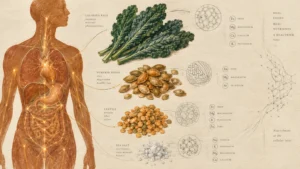
You can protect your long-term vitality today by learning which industrial chemicals enter your kitchen through common packaged staples. Taking control of what you consume requires neither an enormous grocery budget nor an extreme lifestyle overhaul.
Ultra-processed foods often carry synthetic colorants, antimicrobial preservatives, and chemical stabilizers designed for shelf stability rather than human biology. Understanding these ingredients empowers you to select wholesome alternatives that fuel your body cleanly and sustainably.
This guide provides clear, science-backed guidance to help you navigate modern grocery aisles with confidence. You will discover practical label strategies that immediately reduce your synthetic chemical exposure while keeping your favorite meals enjoyable.
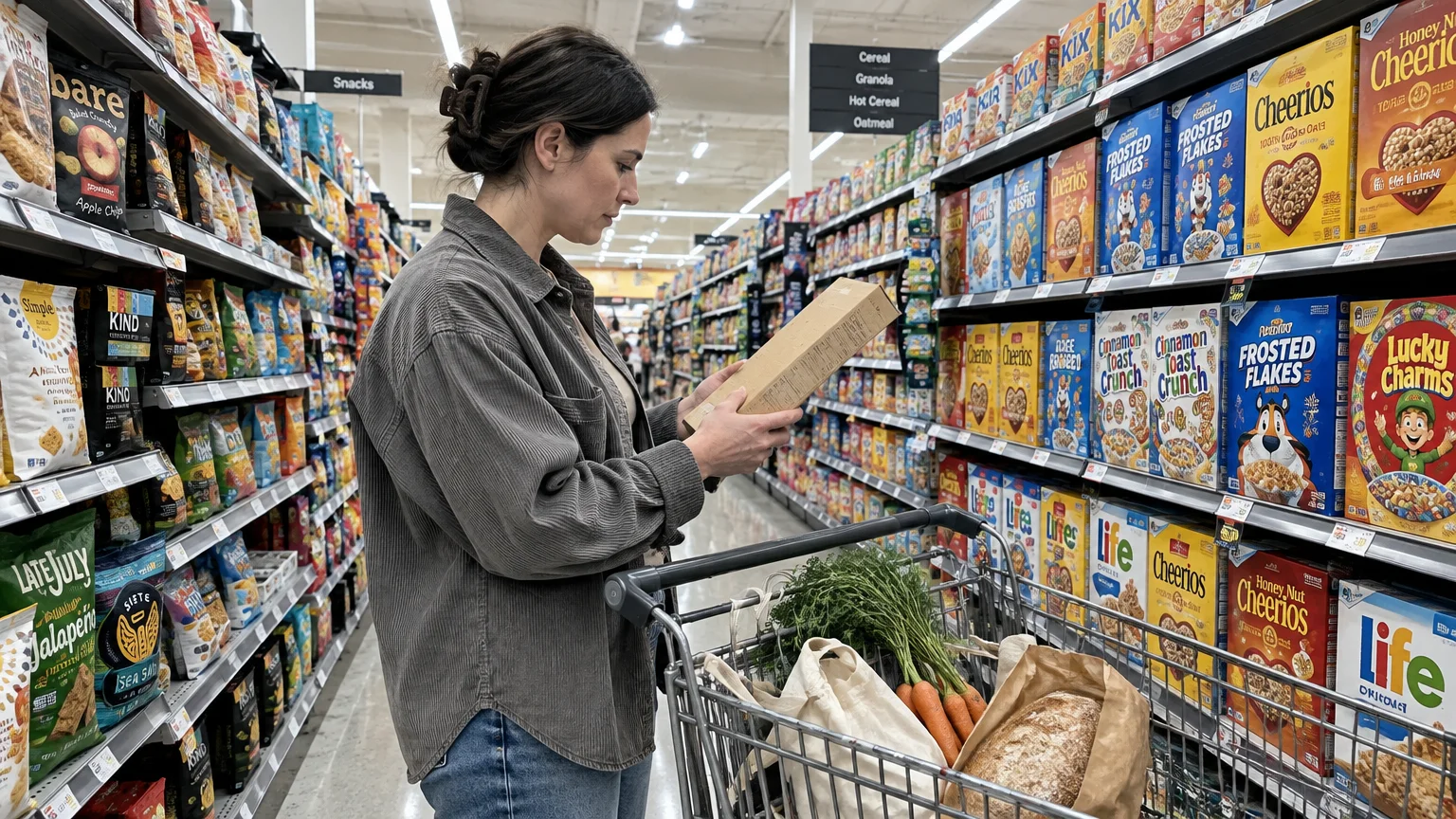
Understanding What Sits on Grocery Shelves
Modern food manufacturing relies heavily on chemical compounds to extend product shelf life and create vivid artificial appearances. While these substances keep foods fresh in shipping containers, they offer your digestive system zero nutritional benefit.
You might assume that any product appearing on a supermarket shelf has passed comprehensive safety evaluations. In reality, historical regulatory frameworks allowed thousands of substances to bypass rigorous human feeding trials before entering consumer pantries.
Food processors frequently combine multiple synthetic agents to achieve specific textures, moisture retention, and colors. Eating these items daily creates cumulative exposure—a scenario that standard single-ingredient safety reviews rarely evaluate.
Dietary choices directly shape your gut microbiome and cellular resilience over time. When you replace heavily formulated convenience products with minimally processed alternatives, you immediately lessen the biological burden on your body.
Taking command of your kitchen does not require you to eliminate all convenience foods overnight. Gradual, informed changes produce lasting protective benefits for you and your family.
The Science Snapshot: What Recent Research Reveals
Toxicologists and nutrition scientists increasingly investigate how chronic exposure to synthetic additives alters cellular function. Research from the National Institutes of Health highlights subtle physiological disruptions linked to artificial emulsifiers, dyes, and synthetic antioxidants.
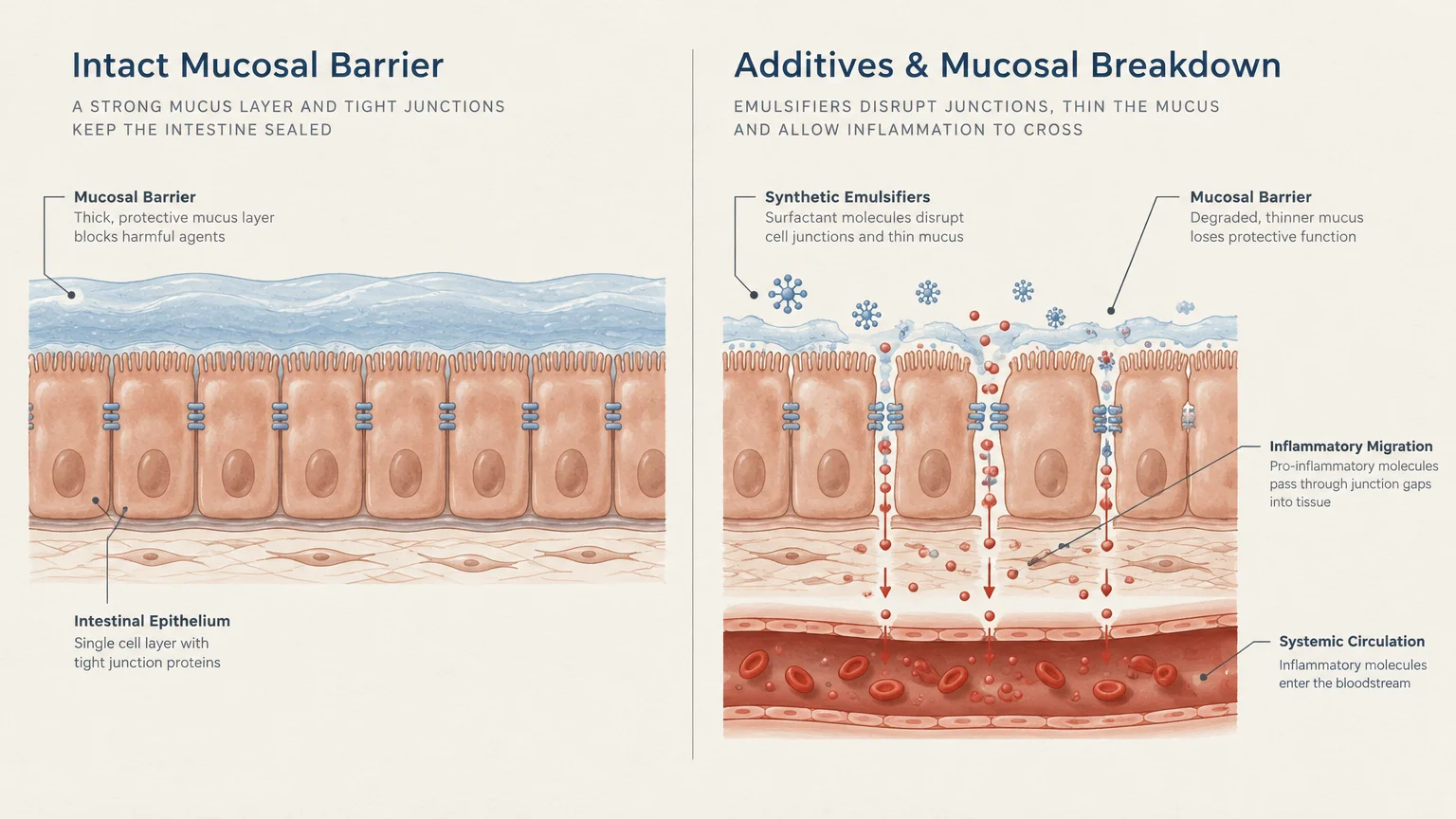
Your gut lining features a delicate single-cell mucosal barrier that blocks harmful pathogens while absorbing vital nutrients. Certain industrial additives degrade this protective mucus layer, fostering low-grade systemic inflammation and microbial imbalance.
When synthetic agents thin the intestinal barrier, inflammatory molecules pass freely into your bloodstream. This systemic migration triggers immune responses that can manifest as chronic joint discomfort, skin irritation, or persistent fatigue.
Emerging studies also indicate that specific artificial compounds can disrupt normal metabolic messaging. When synthetic chemicals interact with cellular receptors, they can alter insulin sensitivity and disrupt natural hormonal cascades.
Furthermore, scientists observe distinct behavioral and neurological reactions in sensitive children who consume synthetic food dyes. Removing petroleum-derived additives often yields noticeable improvements in focus and irritability.
These scientific findings underscore why nutrition professionals advocate for whole-food dietary patterns. By understanding how synthetic compounds behave in human tissue, you can make informed decisions at the checkout aisle.
The Additives Under Scrutiny: From Food Dyes to Preservatives
Food additives span several functional classes, each serving an industrial purpose during manufacturing. Learning about the most prevalent chemicals helps you spot them quickly on standard ingredient panels.
Petroleum-Based Synthetic Dyes
Synthetic food dyes deliver vibrant artificial hues to cereals, beverages, candies, and condiments. Manufacturers synthesize these coloring agents from petroleum distillates rather than botanical extracts.
On January 15, 2025, the U.S. Food and Drug Administration revoked authorization for FD&C Red No. 3 in foods and ingested drugs under the Delaney Clause. The agency took action following extensive evidence linking the dye to cancer in laboratory animals.
Food companies must remove Red No. 3 from their formulations by January 15, 2027. Ingested drug manufacturers have until January 18, 2028, to meet full compliance.
Regulatory scrutiny expanded significantly on April 22, 2025, when federal health agencies announced a comprehensive national phase-out initiative. The initiative targets six synthetic color additives: Red 40, Yellow 5, Yellow 6, Blue 1, Blue 2, and Green 3.
Federal authorities set a deadline to phase out these petroleum-based colorings from the food supply by the end of 2027. Regulators also finalized the revocation of Orange B and proposed revoking Citrus Red No. 2.
Children face the highest relative exposure to synthetic dyes because manufacturers heavily market brightly colored snacks toward youth. You can protect your children by swapping artificially colored treats for snacks tinted with beet juice, turmeric, or paprika.
Industrial Emulsifiers and Stabilizers
Industrial emulsifiers blend immiscible liquids like oil and water to maintain uniform texture and prevent separation. Beverage bottlers historically relied on brominated vegetable oil (BVO) to keep citrus flavoring oils evenly suspended.
The FDA officially revoked authorization for BVO on July 2, 2024, after animal studies demonstrated bioaccumulation and organ toxicity. The final compliance deadline for manufacturers to remove BVO from retail store shelves passed on August 2, 2025.
Beyond BVO, other widely used emulsifiers—such as polysorbates and carboxymethylcellulose—continue to raise concerns among gastrointestinal researchers. These compounds can thin the protective intestinal mucus layer, potentially exacerbating inflammatory bowel symptoms.
When synthetic emulsifiers dissolve the intestinal mucosal barrier, commensal gut bacteria come into direct physical contact with epithelial cells. This abnormal cellular contact drives mucosal inflammation and alters healthy microbial composition.
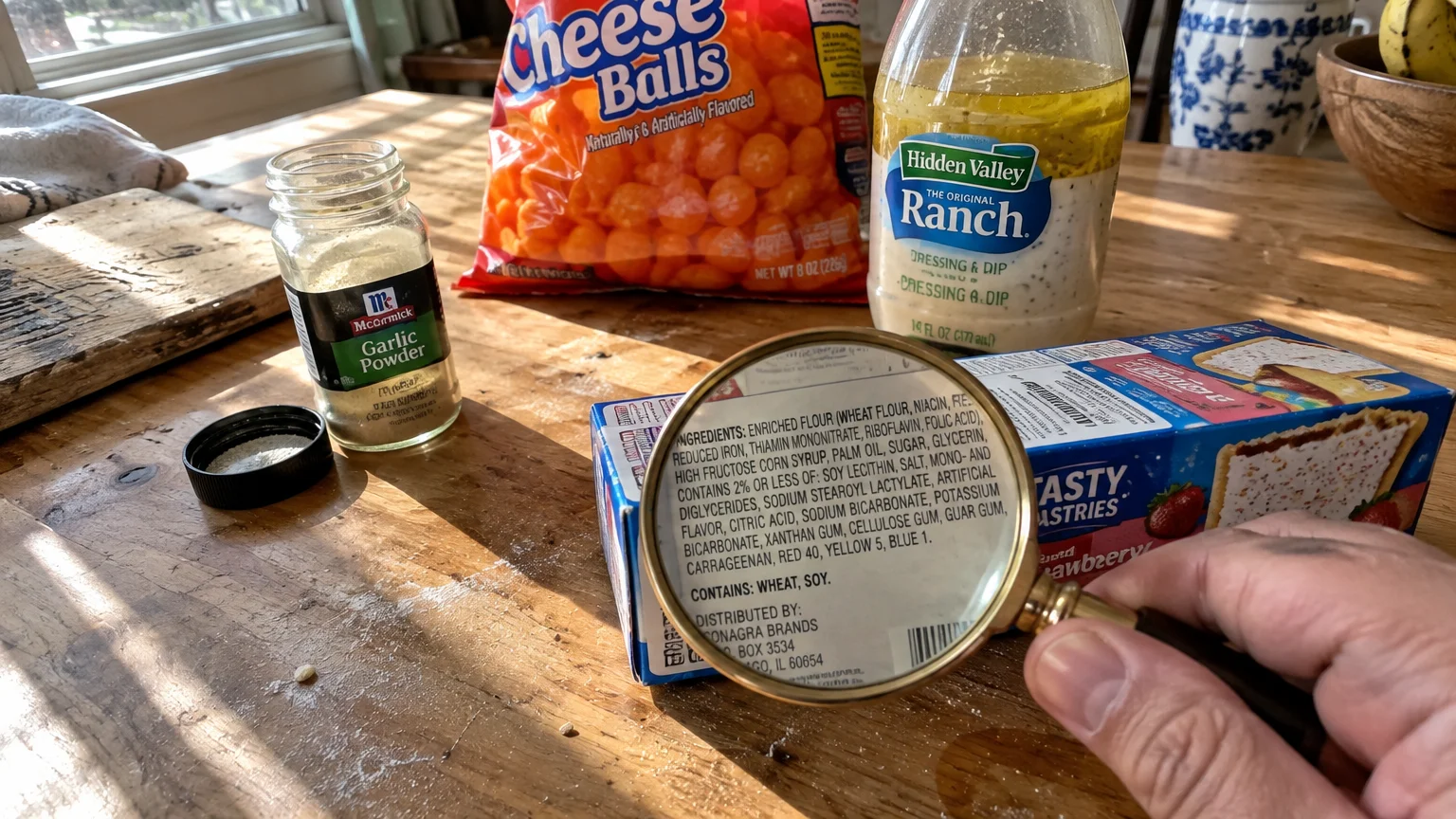
You can identify emulsifiers on food packaging by scanning for polysorbate 80, mono- and diglycerides, and sodium carboxymethylcellulose. Opting for simple vinaigrettes made from olive oil and lemon juice eliminates the need for these chemical stabilizers.
Bakery Dough Conditioners and Whitening Agents
Commercial baking facilities often utilize industrial chemical conditioners to accelerate dough elasticity and withstand high-speed machinery. Two prominent chemicals in this category include potassium bromate and azodicarbonamide (ADA).
Potassium bromate strengthens dough structure, but health authorities view it with suspicion because scientific panels classify it as a potential carcinogen. Many international food safety authorities banned the substance decades ago.
Azodicarbonamide functions as both a flour bleaching agent and a dough improver in commercial bread production. When heated during baking, ADA breaks down into byproducts that require careful toxicological assessment.
On May 12, 2026, the FDA finalized its Food Chemical Safety Post-Market Assessment Program and launched formal safety reassessments into ADA. This federal inquiry reflects mounting pressure from consumer protection groups and health practitioners.
You can sidestep both additives by purchasing organic loaves or artisan breads made solely from flour, water, yeast, and salt. Traditional sourdough bread utilizes natural bacterial fermentation rather than chemical agents to achieve superior rise and flavor.
Synthetic Antioxidants and Preservatives
Manufacturers add synthetic antioxidants to fatty foods to delay rancidity and extend room-temperature shelf life. Butylated hydroxytoluene (BHT) and propylparaben represent two widely distributed chemical preservatives in commercial snacks.
The FDA included BHT in its May 12, 2026, post-market safety review to evaluate ongoing questions regarding endocrine disruption. Toxicologists continue to assess whether long-term low-dose consumption alters human hormonal pathways.
BHT frequently lines cereal packaging and snack bags, migrating directly into fatty cereals and chips over months of storage. Even when absent from the primary ingredient line, packaging materials can transfer BHT into your food.
Propylparaben appears in commercial tortillas, baked goods, and shelf-stable desserts as an antimicrobial agent. Studies suggest that parabens mimic estrogen in biological systems, raising valid concerns about reproductive health.
Look for products preserved with natural antioxidants like mixed tocopherols (vitamin E) or rosemary extract instead. These plant-derived compounds prevent lipid oxidation without burdening your endocrine system.

Regulatory Shifts and the Changing Policy Landscape
State governments across the United States have accelerated chemical safety reform in response to federal regulatory delays. California pioneered this state-level movement by passing landmark consumer protection legislation.
The California Food Safety Act takes effect on January 1, 2027, prohibiting the manufacture, sale, or distribution of foods containing four chemicals. The banned substances include Red Dye No. 3, potassium bromate, BVO, and propylparaben.
Food companies violating the California law face financial penalties of up to $5,000 for a first offense and up to $10,000 for subsequent offenses. These substantial penalties compel major food manufacturers to reformulate products distributed nationwide.
California enacted another targeted measure known as AB 2316 to safeguard school environments. By the end of 2027, public schools in California cannot serve foods containing synthetic dyes Red 40, Yellow 5, Yellow 6, Blue 1, Blue 2, and Green 3.
Following California’s decisive actions, at least 37 U.S. states introduced legislation targeting synthetic food dyes and harmful chemical additives in 2025. States including Illinois, New York, Pennsylvania, Texas, Utah, and West Virginia have enacted or considered similar bans.
This unprecedented legislative surge signals a fundamental shift in how state lawmakers view industrial chemicals in the food supply. Public health advocates actively leverage state momentum to demand comprehensive national protection.
Federal regulators have simultaneously attempted to modernize long-standing administrative procedures. On August 10, 2026, the FDA proposed a new rule to close the controversial Generally Recognized as Safe (GRAS) loophole.
Under Docket FDA-2025-N-3262, the agency proposed making pre-market GRAS notifications mandatory rather than voluntary for manufacturers. This transition aims to prevent chemical corporations from introducing unreviewed compounds into the marketplace secretly.
However, consumer safety advocates raised serious alarms in October 2026 over a secondary provision within that same regulatory proposal. The draft rule expands the Threshold of Regulation exemption for non-carcinogenic substances.
This controversial clause would permit direct chemical additions without safety reviews if dietary concentrations remain below 0.5 parts per billion. The exemption also applies if the dose stays below 0.025 micrograms per kilogram of body weight per day.
The public comment period for this contested FDA proposal closes on December 9, 2026. Everyday consumers and public health organizations can submit official testimony to demand transparent safety standards across all food categories.
Three Strategic Pillars for Everyday Food Safety
Eliminating unwanted chemicals from your household does not require extreme perfectionism. Adopting three systematic nutritional pillars will substantially reduce your exposure while keeping meal preparation realistic and affordable.
Pillar One: Strategic Meal Planning and Label Literacy
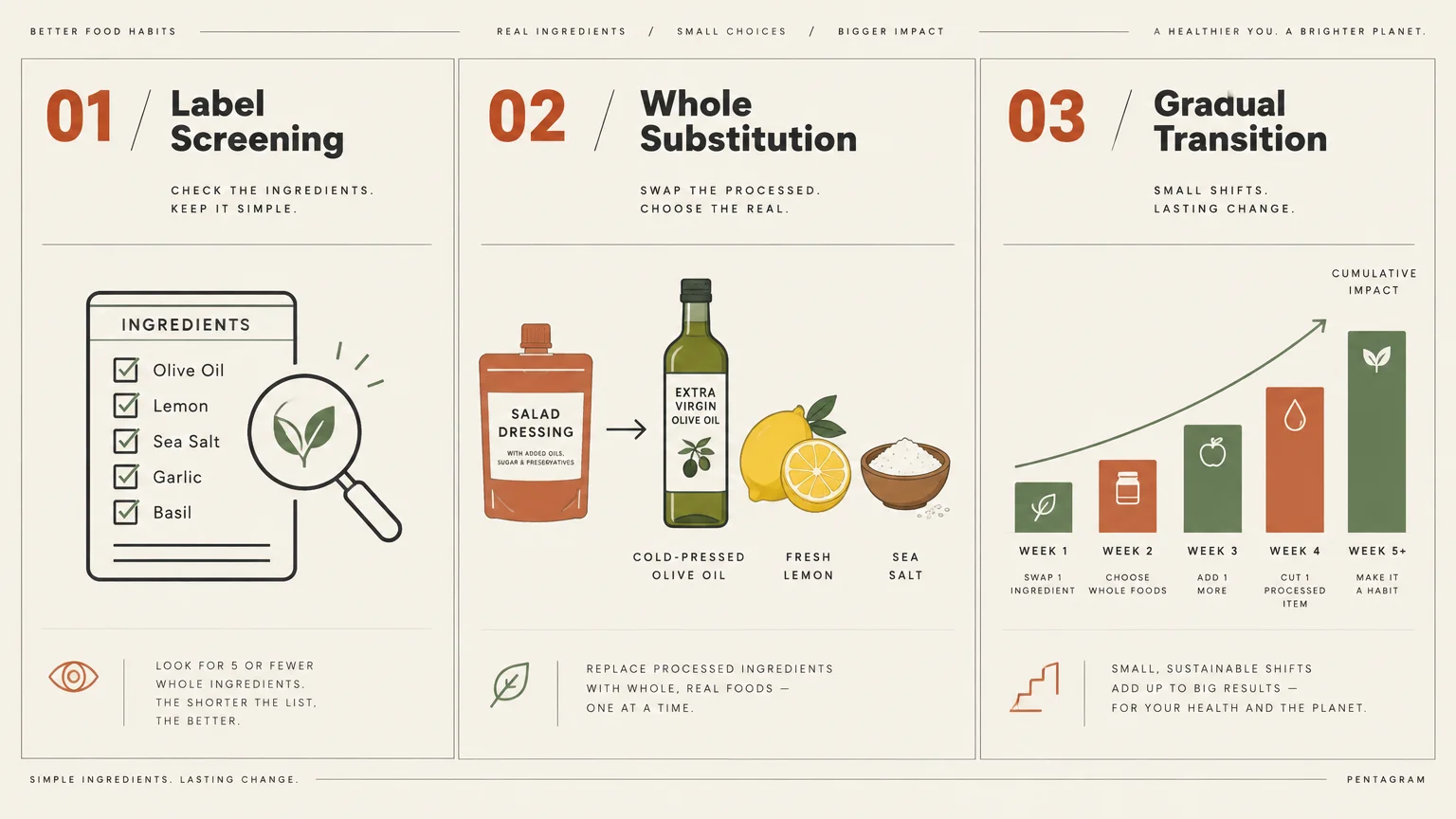
Marketing terms like natural, artisan, and pure on front packaging possess zero legal meaning regarding chemical additives. You must flip the package over to inspect the actual ingredient list beneath the nutrition facts box.
A practical guideline is to favor packaged foods with short, recognizable ingredient lists. When you spot chemical names like azodicarbonamide, propylparaben, or artificial colors, set the item back on the shelf.
Plan your weekly menu around single-ingredient staples before adding pre-packaged components. Building meals around whole grains, legumes, fresh vegetables, and fresh meats instantly cuts your chemical exposure in half.
Shop the outer perimeter of your grocery store where grocers place produce, fresh seafood, poultry, and refrigerated whole foods. The interior center aisles house the majority of heavily preserved and artificially colored packaged goods.
Free mobile scanning applications can decode complicated ingredient names instantly while you shop. These digital tools flag synthetic colorants and controversial preservatives within seconds, saving you valuable time in grocery aisles.
Prioritize purchasing organic versions of items known to carry chemical preservatives, particularly commercial sandwich breads and breakfast pastries. Organic certification standards strictly prohibit synthetic dyes, artificial preservatives, and chemical dough conditioners.
Pillar Two: Nutrient Focus to Counteract Toxin Exposure
Your liver, kidneys, and intestinal walls work continuously to filter and eliminate unwanted foreign compounds. You can actively enhance these natural detoxification mechanisms through targeted, nutrient-dense nutrition.
Cruciferous vegetables such as broccoli, cabbage, kale, and Brussels sprouts provide glucosinolates that activate phase two liver detoxification enzymes. Incorporating these vegetables daily assists your body in processing environmental chemicals safely.
Sulfur-rich foods like garlic, onions, shallots, and leeks support glutathione production—the primary cellular antioxidant in human tissue. Robust glutathione levels protect your vital organs from oxidative damage caused by synthetic compounds.
Adequate dietary fiber binds bile acids and waste products within your digestive tract, expediting their elimination before reabsorption occurs. Oats, chia seeds, lentils, and apples provide exceptional prebiotic fiber that also reinforces your protective gut barrier.
Guidelines from the Centers for Disease Control and Prevention stress the protective role of whole fruits and vegetables. Their rich polyphenol content defends your tissues against oxidative stress provoked by foodborne chemical additives.
Maintaining proper hydration supports optimal renal filtration and toxin excretion. Drinking sufficient water throughout the day ensures your kidneys effectively clear water-soluble metabolic byproducts from your bloodstream.
Pillar Three: Sustainable Habit Formation in the Kitchen
Relying entirely on commercial pre-made foods increases your additive exposure, but cooking everything from scratch can feel overwhelming. Sustainable habit formation focuses on replacing high-additive products one simple category at a time.
Begin by making your own salad dressings and condiments using cold-pressed olive oil, vinegar, garlic, and Dijon mustard. Commercial dressings rank among the heaviest carriers of synthetic emulsifiers, artificial colors, and chemical preservatives.
Batch cooking on weekends provides quick meals during busy workweeks without relying on additive-heavy frozen entrees. Preparing large pots of brown rice, roasted tubers, and stewed beans creates wholesome foundations for diverse weekday bowls.
Replace artificially dyed snacks with nutrient-rich alternatives that celebrate diverse cultural culinary traditions. Roasted spiced chickpeas, salted edamame, plantain chips, and fruit slices sprinkled with chili powder deliver satisfying crunch without artificial chemicals.
Store your leftovers in glass or ceramic containers rather than plastic vessels. Heating food in plastic containers can cause chemical plasticizers to leach directly into your home-cooked meals.
Over time, these micro-habits reshape your home kitchen into a resilient sanctuary that supports your wellbeing. Small, consistent actions compound into lasting physiological protection without causing kitchen fatigue.

Perspectives from Clinical Practice and Real Kitchens
Clinical dietitians frequently observe measurable health improvements when patients transition away from ultra-processed, additive-dense diets. Patients consistently report reduced bloating, fewer allergic flare-ups, and more sustained energy throughout the workday.
When individuals eliminate synthetic additives, their palates quickly recalibrate to appreciate the subtle flavors of whole foods. Highly engineered chemical flavor enhancers often desensitize taste buds to natural sweetness and savory notes.
Pediatricians also document positive changes when families remove synthetic color additives from their households. Parents frequently notice that children sleep more soundly and experience fewer behavioral disruptions during school tasks.
Community members living on strict budgets demonstrate that chemical-free eating does not demand expensive specialty boutique shopping. Buying dry beans, brown rice, whole oats, and frozen unseasoned vegetables in bulk keeps meal costs remarkably modest.
Culinary professionals emphasize that authentic flavors naturally surpass artificial flavorings and chemical flavor enhancers. Using fragrant herbs, toasted spices, citrus zest, and fermented ingredients creates extraordinary depth without any industrial additives.
By viewing cooking as an act of self-care, you transform grocery shopping into an empowering health decision. You gain full ownership of what enters your kitchen, your meals, and your body.

Safety, Personalization, and Clinical Considerations
Nutrition advice must always adapt to individual biochemistry, medical history, and personal digestive capacity. What works effectively for one individual may require careful adjustment for someone with specific health conditions.
Individuals diagnosed with irritable bowel syndrome or inflammatory bowel conditions often react sharply to synthetic emulsifiers and preservatives. If you suspect an additive sensitivity, consult a registered dietitian through the Academy of Nutrition and Dietetics.
Certain individuals experience severe sensitivity to sulfites, which processors use as preservatives in dried fruit and wine. For these individuals, accidental ingestion can trigger immediate bronchospasms or severe hives.
Pregnant individuals must exercise particular caution regarding synthetic food chemicals and endocrine-disrupting preservatives. Developing fetuses are exceptionally sensitive to chemical exposures during critical gestational developmental windows.
Maintaining a balanced perspective is essential for mental and emotional wellbeing. Striving for absolute purity can foster orthorexia—an unhealthy obsession with eating only clean foods.
Your overall dietary pattern matters far more than an isolated exposure at a celebration or during travel. Approach clean eating with curiosity and balance rather than fear and rigid restriction.
Frequently Asked Questions About Chemical Additives
Are all food additives dangerous to human health?
Not all food additives carry health risks or cause bodily harm. Many additives—such as ascorbic acid (vitamin C), citric acid, and pectin—are benign compounds derived from natural food sources.
The primary concerns center on petroleum-based synthetic dyes, chemical dough conditioners, and synthetic preservatives that research links to cellular damage. Scrutinize industrial chemical additives while recognizing that safe, natural preservatives also exist.
Why does the United States permit additives that other countries ban?
Regulatory approaches differ significantly across international borders. European regulators apply the precautionary principle, restricting substances until manufacturers conclusively prove long-term safety.
Historically, the United States required government regulators to demonstrate definitive proof of harm before removing an ingredient from commerce. However, recent state bans and updated federal initiatives are closing this regulatory gap rapidly.
Can washing produce remove chemical additives and synthetic waxes?
Washing whole fruits and vegetables with water and gentle friction removes surface dust and some pesticide residues. However, it cannot alter internal chemical food additives used during industrial processing.
Processed products incorporate synthetic chemicals directly into their recipes, making mechanical washing ineffective for those foods. The most effective strategy remains choosing minimally processed, whole food ingredients whenever possible.
How can I reduce chemical additives on a limited grocery budget?
Focusing on inexpensive whole-food staples is the most cost-effective way to avoid chemical additives. Dried lentils, black beans, whole grain oats, and seasonal root vegetables cost significantly less than processed snacks.
Frozen unseasoned fruits and vegetables offer the exact same nutritional density as fresh produce without synthetic preservatives. Choosing store-brand whole foods over heavily marketed packaged items keeps your food budget completely manageable.
Your 24-Hour Kitchen Reset
You do not need to overhaul your entire kitchen pantry today to achieve meaningful health improvements. Commit to completing one simple, empowering action within the next 24 hours.
Walk to your refrigerator or pantry and examine three packaged items you consume regularly. Read the complete ingredient lists carefully and identify any artificial dyes, chemical dough conditioners, or synthetic preservatives.
If you spot an additive like azodicarbonamide, BHT, or petroleum dyes, choose a clean alternative during your next market visit. Replacing single problem items systematically creates massive positive momentum for your long-term health.
Every wholesome whole food you place in your shopping cart represents an investment in your personal health. Take your first decisive step today toward a cleaner, more vibrant kitchen.