
Managing hunger and maintaining steady energy levels becomes crucial as you age to prevent muscle loss and sustain your independence. You can achieve this by choosing nutrient-dense foods that trigger satiety hormones and stabilize your blood sugar throughout the day. While metabolism slows down, your need for quality protein and fiber increases to support overall health. Strategic dietary choices allow you to stay satisfied between meals without relying on empty calories that lead to inevitable energy crashes. Let us explore the specific nutritional strategies and eight essential ingredients that will keep your appetite in check and fuel your daily activities with lasting vitality.
The Science of Satiety and Aging
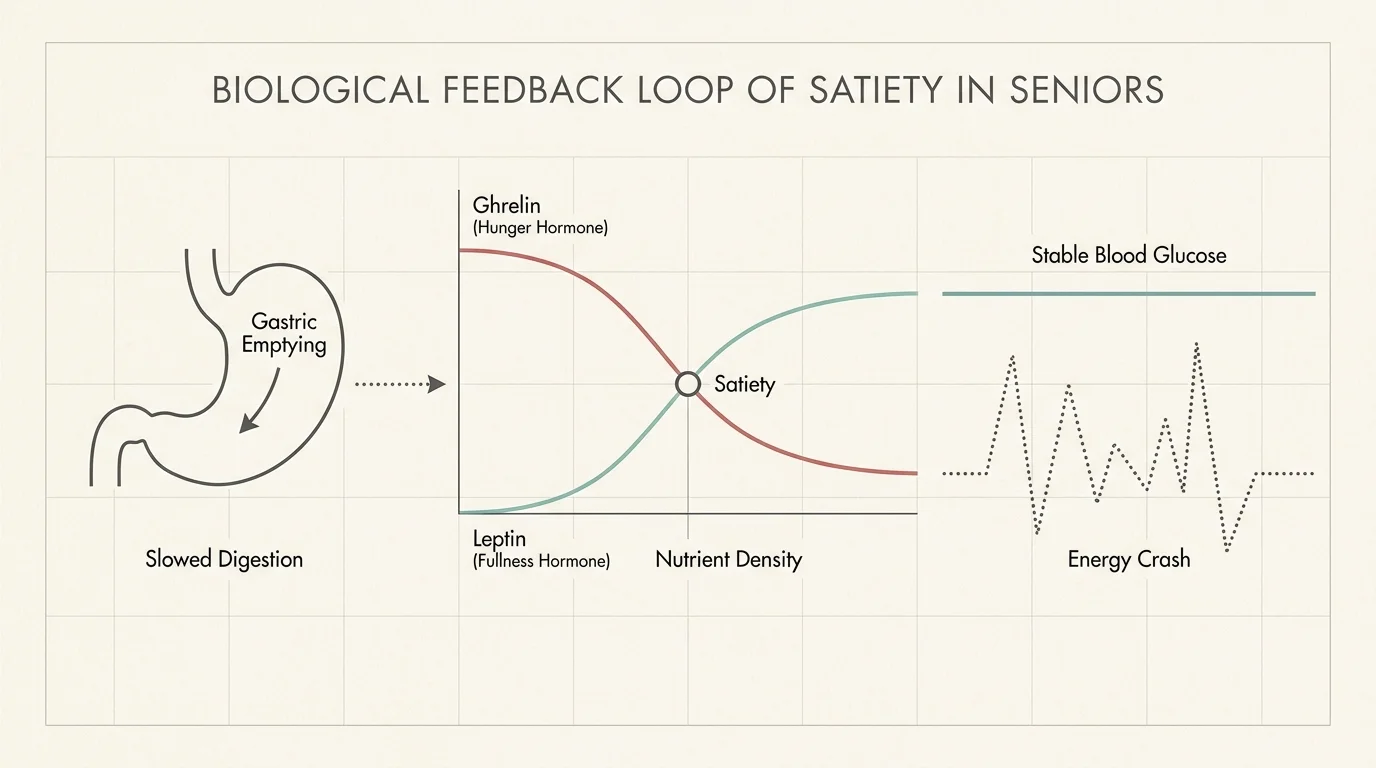
Your body undergoes significant physiological shifts as you enter your senior years; these changes directly influence how you experience hunger and fullness. The communication between your digestive tract and your brain begins to operate differently, altering the release of key appetite-regulating hormones like ghrelin and leptin. Consequently, many older adults experience what clinicians call the anorexia of aging—a natural decline in appetite that can inadvertently lead to malnutrition, frailty, and a loss of muscle mass known as sarcopenia.
To counteract these challenges, you must focus on the quality of your meals rather than sheer volume. Satiety—the feeling of fullness that persists after eating—relies heavily on the macronutrient composition of your food. Consuming foods rich in protein and complex carbohydrates slows down the rate at which your stomach empties. This delayed gastric emptying ensures a steady release of glucose into your bloodstream, preventing the sharp spikes and sudden drops in blood sugar that typically trigger premature hunger pangs and fatigue.
Federal guidance on nutrition for healthy aging emphasizes that nutrient density must become your primary focus. When your caloric needs decrease due to a naturally slowing metabolism, every bite must deliver a higher concentration of vitamins, minerals, and macronutrients. By prioritizing ingredients that naturally promote fullness, you support your metabolic health while making daily eating a much more satisfying and enjoyable experience.

Strategy Pillar 1: Focusing on Satiety-Boosting Nutrients
The foundation of lasting fullness rests upon choosing the right ingredients. Incorporating foods that deliver sustained energy requires a strategic mix of high-quality proteins, dietary fibers, and healthy fats. The following eight foods represent accessible, versatile, and highly effective options for keeping your appetite properly managed throughout the day.

1. Whole Eggs
Eggs stand out as one of the most bioavailable sources of protein available, meaning your body can easily absorb and utilize their amino acids. The combination of protein in the egg white and healthy fats in the yolk creates a powerful satiety effect that can sustain you for hours. Furthermore, eggs are incredibly easy to chew and digest, making them an ideal staple for seniors who may struggle with tougher cuts of meat. Scrambled, poached, or hard-boiled, eggs provide essential nutrients like choline, which supports cognitive function, and lutein, which protects eye health.

2. Steel-Cut and Rolled Oats
Oats provide an exceptional source of a specific soluble fiber known as beta-glucan. When beta-glucan mixes with water in your digestive tract, it forms a thick, gel-like substance that significantly slows down digestion. This process delays the absorption of carbohydrates and promotes an extended feeling of fullness. Numerous research analyzing the satiety effects of dietary fiber demonstrate that consuming oatmeal for breakfast leads to reduced calorie intake during subsequent meals. For the best results, choose steel-cut or traditional rolled oats over heavily processed instant varieties that often contain added sugars.

3. Greek Yogurt
Through the straining process, Greek yogurt retains a dense concentration of protein—often delivering twice the amount found in traditional yogurt. The high protein content, specifically the slow-digesting casein protein, suppresses appetite and provides building blocks for muscle preservation. Greek yogurt also supplies a robust dose of calcium to support bone density and probiotics to maintain a healthy gut microbiome. You can easily modify its texture by mixing in soft fruits or a splash of milk, ensuring a comfortable eating experience regardless of dental challenges.

4. Lentils and Beans
Legumes represent a unique nutritional powerhouse because they simultaneously deliver high amounts of plant-based protein and complex dietary fiber. This dual-action nutrient profile makes lentils, chickpeas, and black beans incredibly effective at stabilizing blood sugar and stretching out the sensation of fullness. They also serve as an excellent, budget-friendly alternative to animal proteins. If whole beans cause digestive discomfort or pose chewing difficulties, you can easily blend them into smooth soups, creamy hummus, or mashed side dishes to reap all their nutritional benefits.
5. Avocados
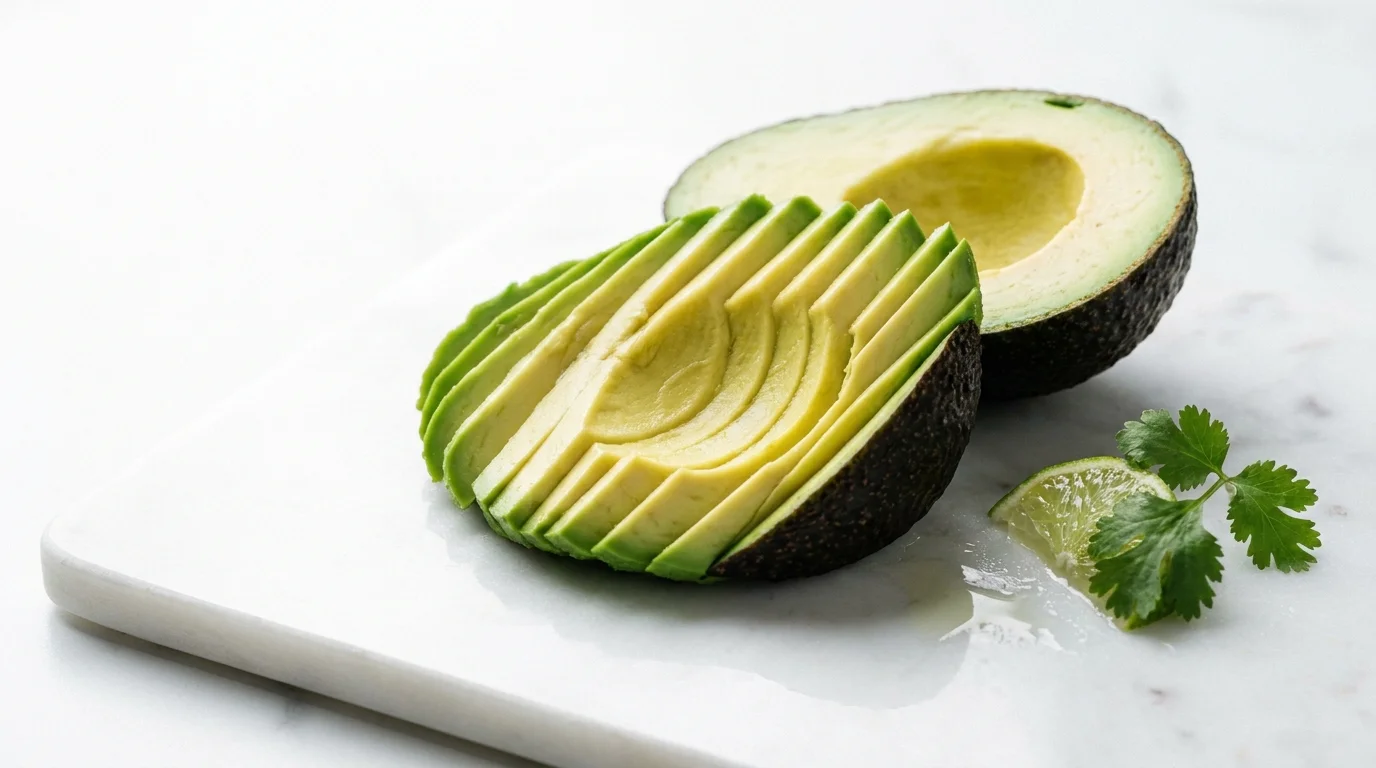
Fats digest much slower than carbohydrates, and the monounsaturated fats found in avocados are among the healthiest options you can consume. Adding just half an avocado to your meal can significantly extend the time it takes for your stomach to empty. Beyond their fat content, avocados contain an impressive amount of soluble fiber and essential minerals like potassium, which aids in blood pressure regulation. Their naturally soft, buttery texture makes them effortless to incorporate into a senior diet—whether mashed onto whole-grain toast or blended into a morning smoothie.

6. Lean Poultry
Chicken and turkey breast provide essential, high-quality protein without the heavy saturated fat load associated with some red meats. Adequate protein intake remains critical for seniors; studies examining protein requirements in older populations suggest that older adults actually need more protein per pound of body weight than younger adults to maintain muscle mass. The amino acids in lean poultry strongly stimulate the release of satiety hormones. To keep the meat tender and easy to consume, try slow-cooking, poaching, or shredding the poultry and mixing it into broths or light sauces.

7. Mixed Berries
While fruit provides natural sweetness, berries like raspberries, blackberries, and blueberries offer an unparalleled ratio of fiber to calories. Their high water content and physical volume physically stretch the stomach receptors, which then signal the brain that you are full. The tiny seeds in raspberries and blackberries deliver exceptional amounts of roughage, supporting regular bowel movements—a common concern for many older adults. Berries also pack a heavy dose of antioxidants that help combat cellular inflammation associated with aging.
8. Chia Seeds and Walnuts
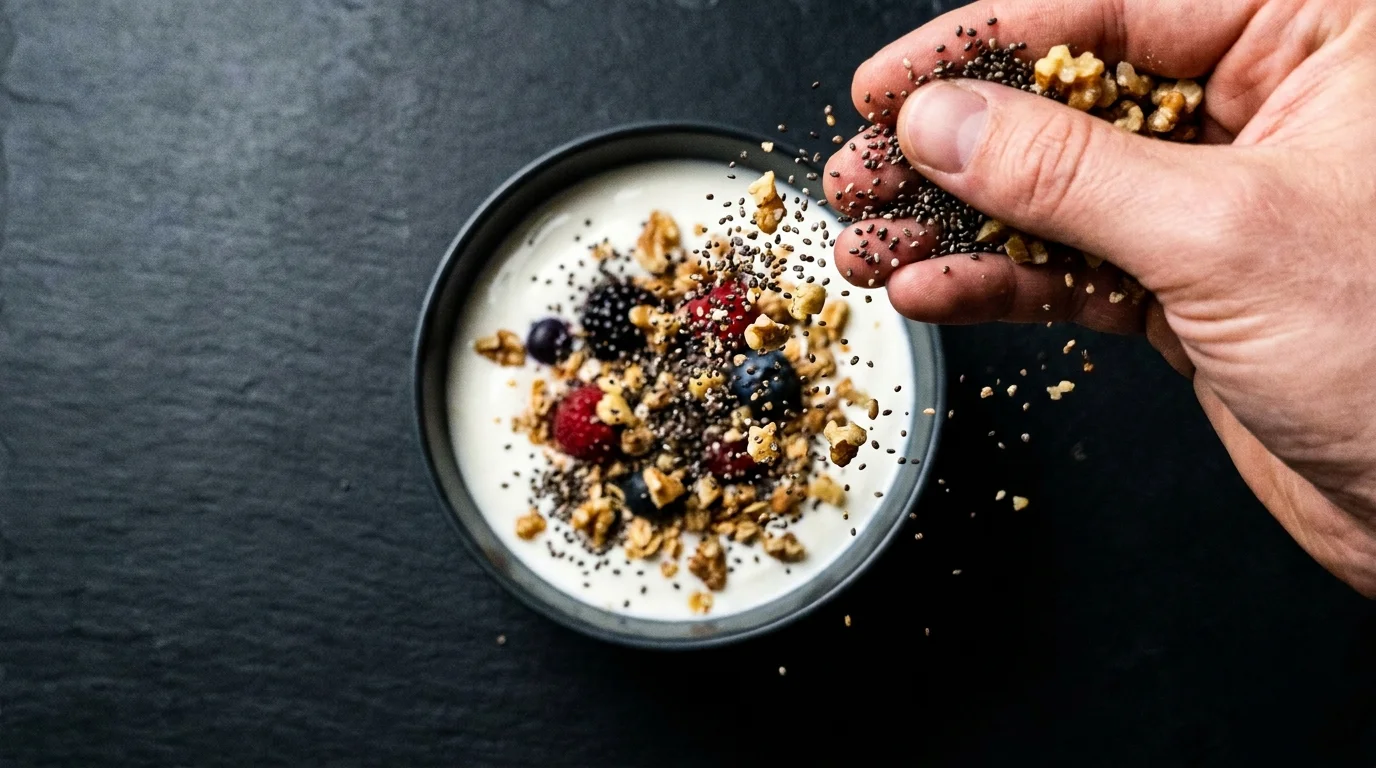
Nuts and seeds offer a trifecta of satiating nutrients: protein, fiber, and healthy fats. Chia seeds possess the remarkable ability to absorb up to twelve times their weight in liquid, expanding in your stomach to create a profound sense of fullness while hydrating your digestive tract. Walnuts contribute anti-inflammatory omega-3 fatty acids and provide a satisfying crunch that triggers sensory satiety cues in the brain. If chewing whole nuts is challenging, you can easily use ground flaxseeds or walnut butter to achieve the same lasting fullness.
Strategy Pillar 2: Intentional Meal Planning
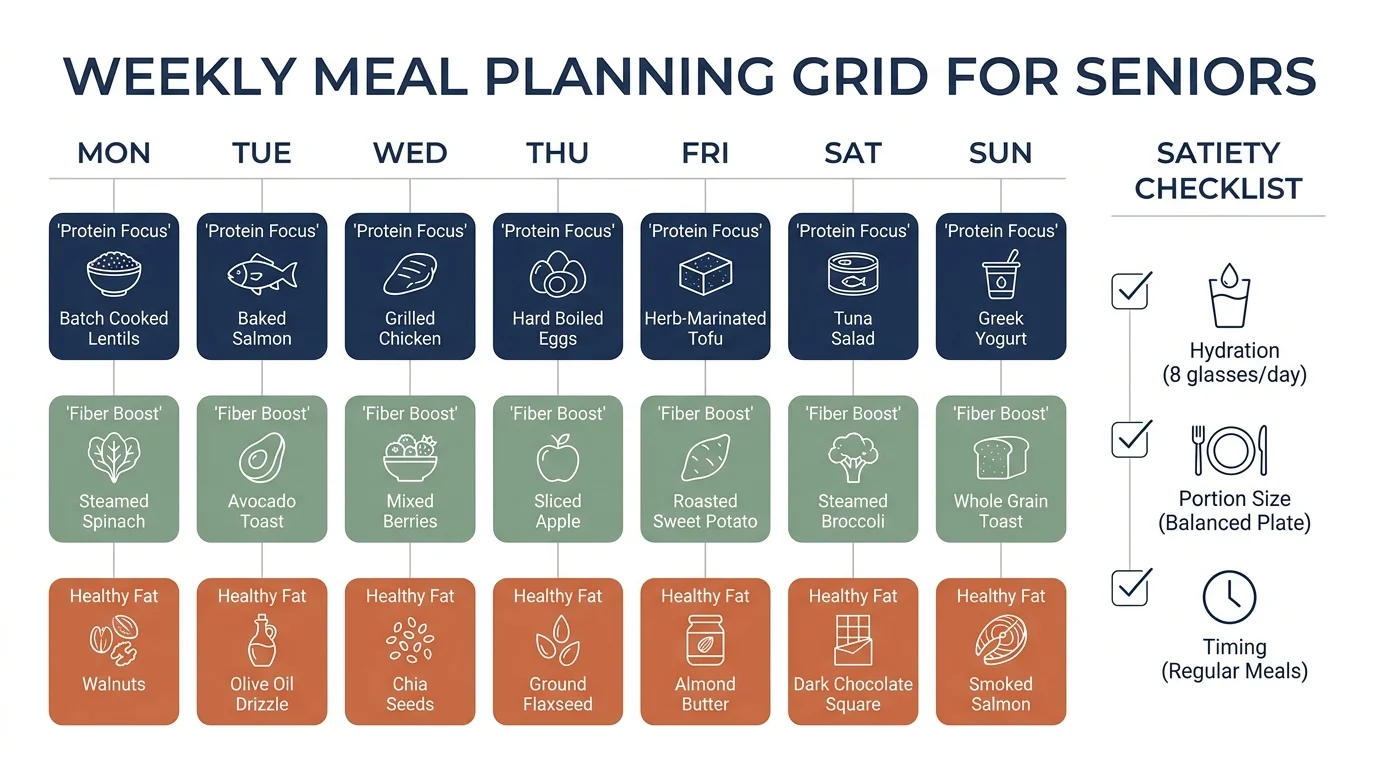
Selecting the right foods solves only half the puzzle; timing and structuring your meals dictate how effectively those foods manage your hunger. Rather than eating one large meal and several sparse snacks, aim to distribute your protein and fiber evenly throughout your day. Eating approximately twenty-five to thirty grams of protein at breakfast, lunch, and dinner maximizes muscle protein synthesis and keeps your appetite hormones balanced from morning until night.
Hydration plays a deceivingly critical role in appetite control. As you age, your natural thirst mechanism begins to dull, making it incredibly easy to mistake mild dehydration for hunger. Before you reach for a snack between meals, drink a small glass of water and wait twenty minutes. Often, this simple act resolves the craving entirely. Following public health recommendations for daily fluid intake ensures your metabolism functions efficiently and helps fibrous foods move smoothly through your digestive tract.

Strategy Pillar 3: Building Sustainable Eating Habits
The environment in which you eat dramatically influences your perception of fullness. Mindless eating—such as consuming a meal while watching television or scrolling through a tablet—distracts your brain from recognizing satiety signals. Dedicate time to sit at a table, focus on the flavors of your food, and chew thoroughly. The physical act of chewing initiates the digestive process and gives your brain the necessary twenty minutes it takes to register that your stomach is full.
Furthermore, aging often alters your sense of taste and smell, which can make meals seem bland and unappealing. Instead of relying on excess salt or sugar to boost flavor—which can compromise your cardiovascular health and blood sugar levels—experiment with robust herbs, spices, and citrus. Adding garlic, rosemary, turmeric, or a squeeze of fresh lemon juice enhances the sensory experience of your meal, leaving you feeling psychologically satisfied and less likely to hunt for sweet treats shortly after eating.

Insights from Nutrition Experts and Community Members
Registered dietitians working in geriatric care consistently observe that minor shifts in macronutrient balance yield dramatic improvements in daily energy. Clinical professionals emphasize that a “tea and toast” diet—a common default for older adults living alone—frequently leads to severe energy crashes and relentless afternoon hunger. Transitioning from refined carbohydrates to protein-anchored meals transforms this dynamic completely.
Consider the experience of seniors who have successfully optimized their diets. Many report that swapping their traditional morning cereal for a bowl of Greek yogurt topped with berries and chia seeds completely eliminates their mid-morning fatigue. Community feedback highlights that feeling full longer does not require eating larger quantities; rather, it requires eating smarter combinations. When you anchor your meals with ingredients that require sustained digestive effort, you liberate yourself from the constant cycle of snacking and crashing.

Safety, Contraindications, and Personalization
While increasing your intake of fibrous and protein-rich foods provides excellent health benefits, you must implement these changes thoughtfully. If your current diet lacks fiber, introducing beans, oats, and seeds too rapidly can result in uncomfortable bloating, gas, and gastrointestinal distress. You should slowly titrate your fiber intake over several weeks, ensuring you simultaneously increase your daily water consumption to help your digestive system adapt.
Additionally, structural challenges such as poor dentition, poorly fitting dentures, or a history of stroke can make chewing and swallowing difficult. If you experience dysphagia—a medical term for swallowing difficulties—you must prioritize safety above all else. Reviewing clinical overviews of swallowing disorders can help you identify warning signs. Fortunately, all eight foods highlighted in this guide can be modified. You can puree legumes into soups, blend oats into smoothies, and mash avocados to achieve a safe, manageable consistency without sacrificing their satiating properties. Always consult with your primary care physician or a registered dietitian before making significant dietary changes, especially if you take medications that interact with specific nutrients.
Frequently Asked Questions
Does drinking water actually help with feeling full?
Yes, adequate hydration directly impacts satiety. The brain often confuses the signals for thirst and hunger, leading you to eat when your body actually requires fluids. Drinking water stretches the stomach slightly, providing a temporary feeling of fullness. More importantly, consuming fluids alongside high-fiber foods allows the fiber to expand properly in your stomach, which maximizes and prolongs the satiating effect of your meal.
How much protein should a senior aim to eat per meal?
Current geriatric nutrition guidelines suggest aiming for twenty-five to thirty grams of high-quality protein per meal. This specific threshold activates muscle protein synthesis, helping to preserve lean body mass while keeping your appetite hormones regulated. You can easily achieve this target by combining a serving of lean poultry, a cup of Greek yogurt, or a generous portion of eggs and beans in your meals.
Can I eat these foods if I wear dentures or have trouble chewing?
Absolutely. You can easily adapt these satiating foods to accommodate dental restrictions. You can enjoy eggs scrambled softly, process oats into a fine powder before cooking, and blend berries into a smooth liquid. Greek yogurt and mashed avocados naturally require minimal chewing. You should focus on altering the physical texture of the food through cooking, mashing, or blending rather than eliminating the ingredient entirely.
Why do I feel hungry so soon after eating regular breakfast cereal?
Most traditional breakfast cereals consist primarily of refined carbohydrates and added sugars, lacking sufficient protein and dietary fiber. When you eat them, your blood sugar spikes rapidly, prompting your pancreas to release a large surge of insulin. This insulin quickly clears the glucose from your blood, leading to a sharp drop in blood sugar. This rapid crash triggers your brain to signal intense hunger, often just an hour or two after eating.
Take Action Today
You possess the power to reshape your daily energy levels and take control of your appetite through intentional, science-backed nutritional choices. The shift does not require a complete overhaul of your kitchen; it simply demands a few strategic substitutions. Look at the eight foods discussed today and select just one to incorporate into your routine tomorrow morning. Try swapping your usual morning toast for a protein-rich bowl of oatmeal topped with walnuts, or add a scoop of Greek yogurt to your breakfast. By taking this single, practical step, you lay the foundation for sustained energy, better metabolic health, and a more vibrant, independent lifestyle.