Chronic joint pain does not have to dictate your daily activities when you leverage specific anti-inflammatory foods to cool inflammation at its source. By incorporating targeted nutritional strategies, you can naturally lubricate joints, reduce stiffness, and reclaim your mobility without relying solely on medication. Millions of adults face inflammatory joint conditions that limit their independence and diminish their overall quality of life. Current clinical research reveals that what you put on your plate directly influences the inflammatory pathways driving joint discomfort. Shifting your dietary patterns offers a potent, accessible tool for managing symptoms. You will discover exactly which evidence-based ingredients deliver the most profound relief and how to seamlessly integrate them into your existing routines for lasting results.
The Science Behind Food and Joint Inflammation
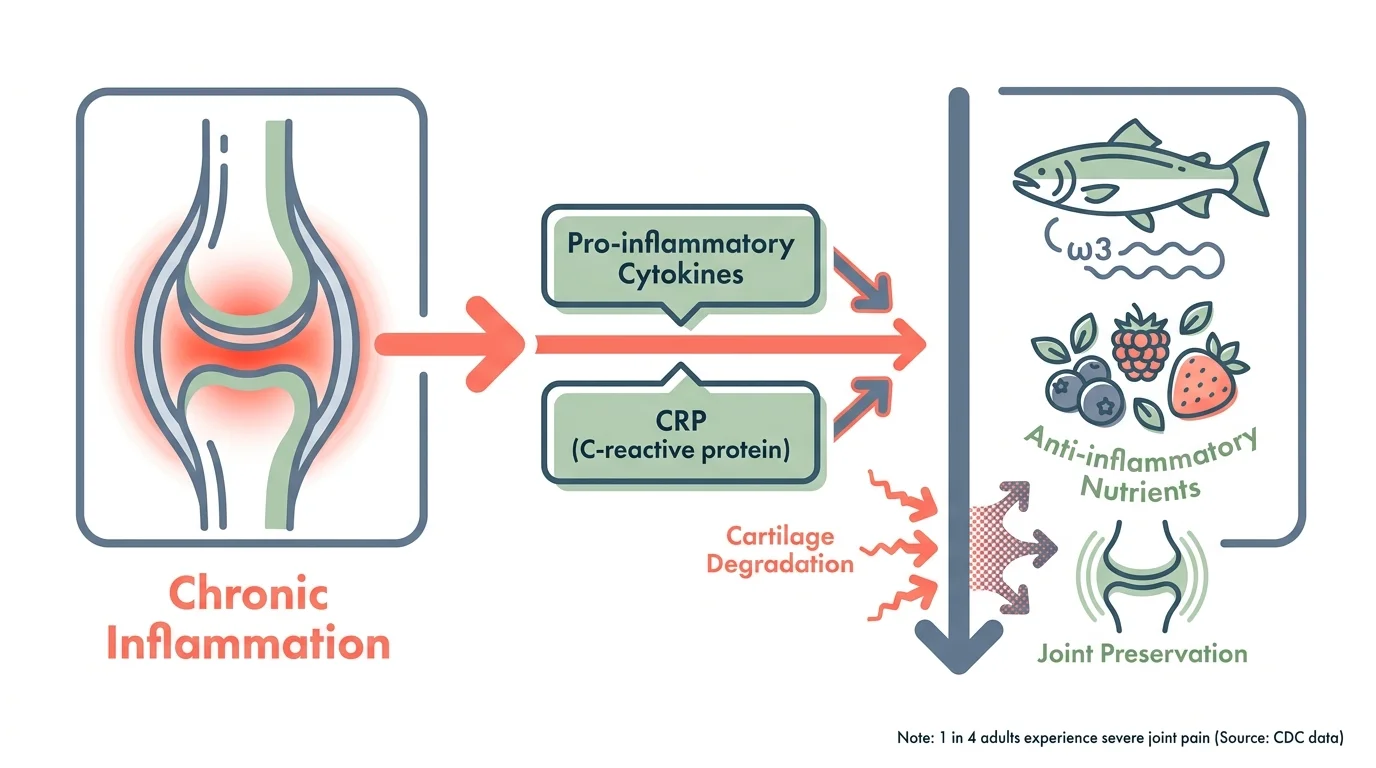
To effectively combat joint discomfort, you must understand the mechanisms driving it. When your immune system detects cellular damage, it triggers an inflammatory response. In conditions like osteoarthritis and rheumatoid arthritis, this immune response remains chronically activated; your body produces pro-inflammatory compounds called cytokines, which degrade cartilage and irritate synovial fluid. According to data published by the Centers for Disease Control and Prevention, nearly one in four adults experiences some form of severe joint pain, underscoring the urgent need for accessible management strategies.
Certain dietary compounds possess the unique ability to interrupt this destructive cycle. Nutrients like antioxidants, omega-3 fatty acids, and specific phytochemicals actively neutralize free radicals—unstable molecules that damage joint tissue. By systematically replacing ultra-processed, pro-inflammatory foods with nutrient-dense alternatives, you lower your circulating levels of C-reactive protein (CRP), a primary biological marker of systemic inflammation. You essentially provide your body with the biological raw materials it requires to repair cellular damage rather than exacerbate it.
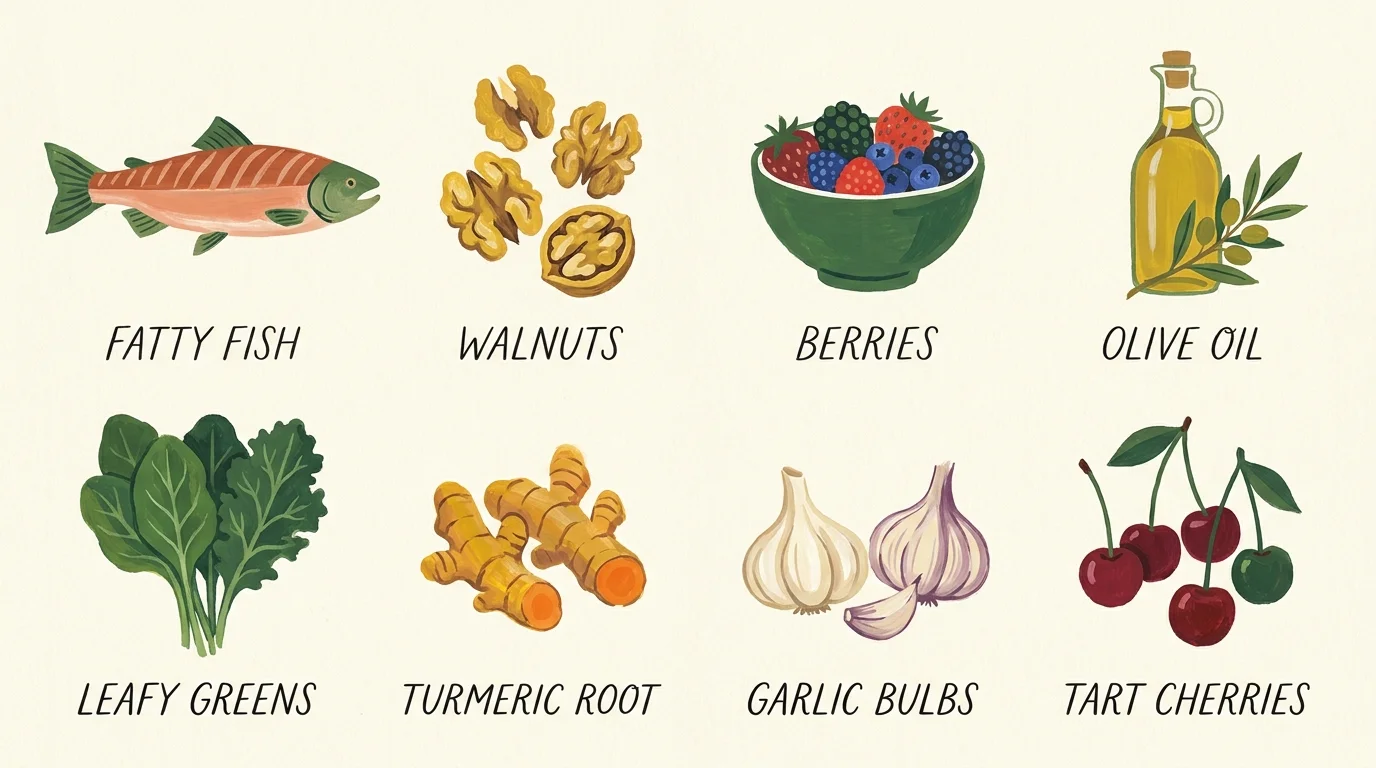
8 Potent Foods for Joint Health

Fatty Fish
Fatty fish deliver the most concentrated dietary sources of eicosapentaenoic acid (EPA) and docosahexaenoic acid (DHA). These potent omega-3 fatty acids directly interfere with immune cells called leukocytes and enzymes known as cytokines, both of which drive joint inflammation. Regular consumption can reduce morning stiffness and joint tenderness. Clinical evidence regarding omega-3 fatty acids consistently demonstrates their ability to modulate inflammatory pathways. You do not need to spend heavily on fresh seafood to reap these benefits; canned salmon, sardines, and mackerel offer highly affordable, shelf-stable options that provide the exact same omega-3 profile as their expensive counterparts.
Walnuts
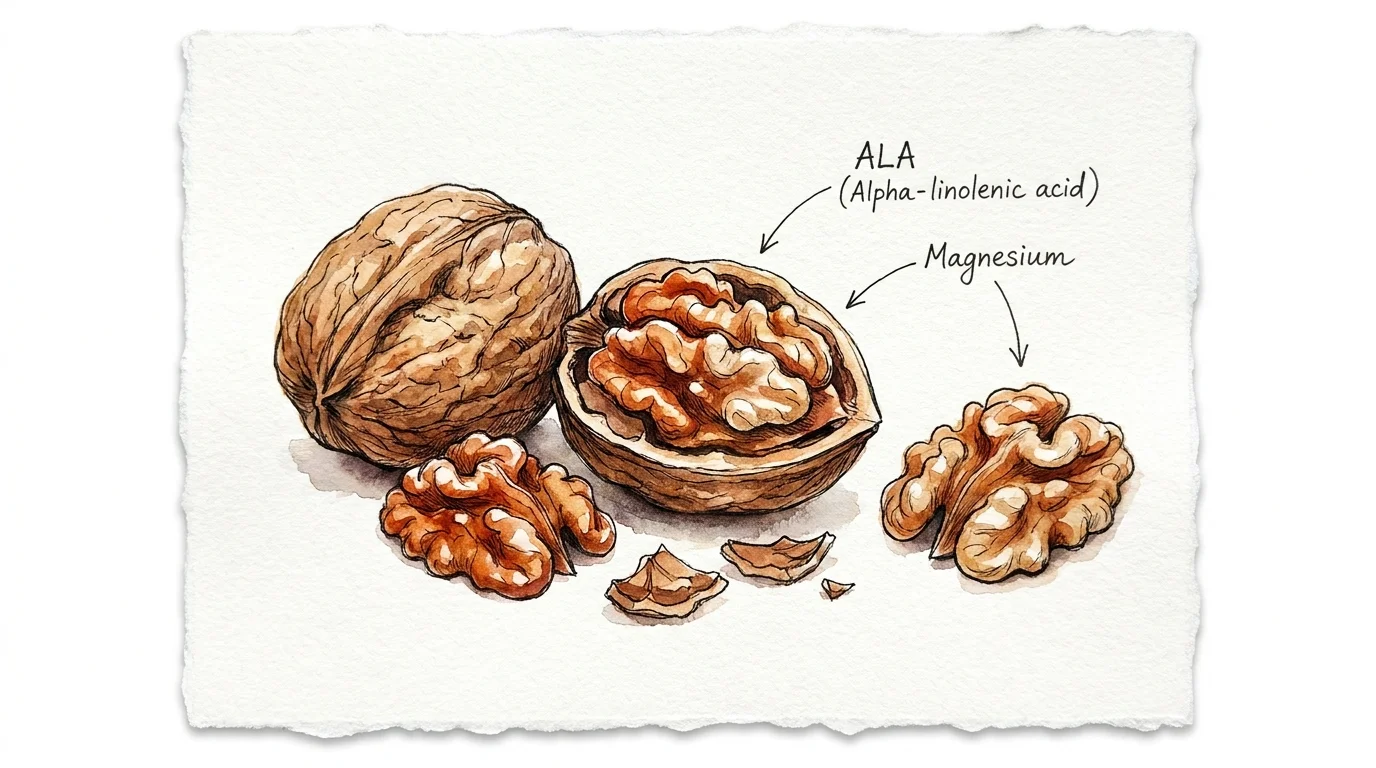
If you prefer plant-based nutrition or have a seafood allergy, walnuts stand out as a premier joint-protecting food. They contain exceptionally high levels of alpha-linolenic acid (ALA), a plant-based omega-3 fatty acid. While the body must convert ALA to EPA and DHA, walnuts still effectively lower C-reactive protein levels in the bloodstream. Beyond healthy fats, walnuts supply robust amounts of magnesium, a crucial mineral for maintaining strong bone density and supporting muscle function around vulnerable joints. Try chopping a handful of walnuts over your morning oatmeal or blending them into a thick, nutrient-dense smoothie to effortlessly increase your daily intake.
Berries
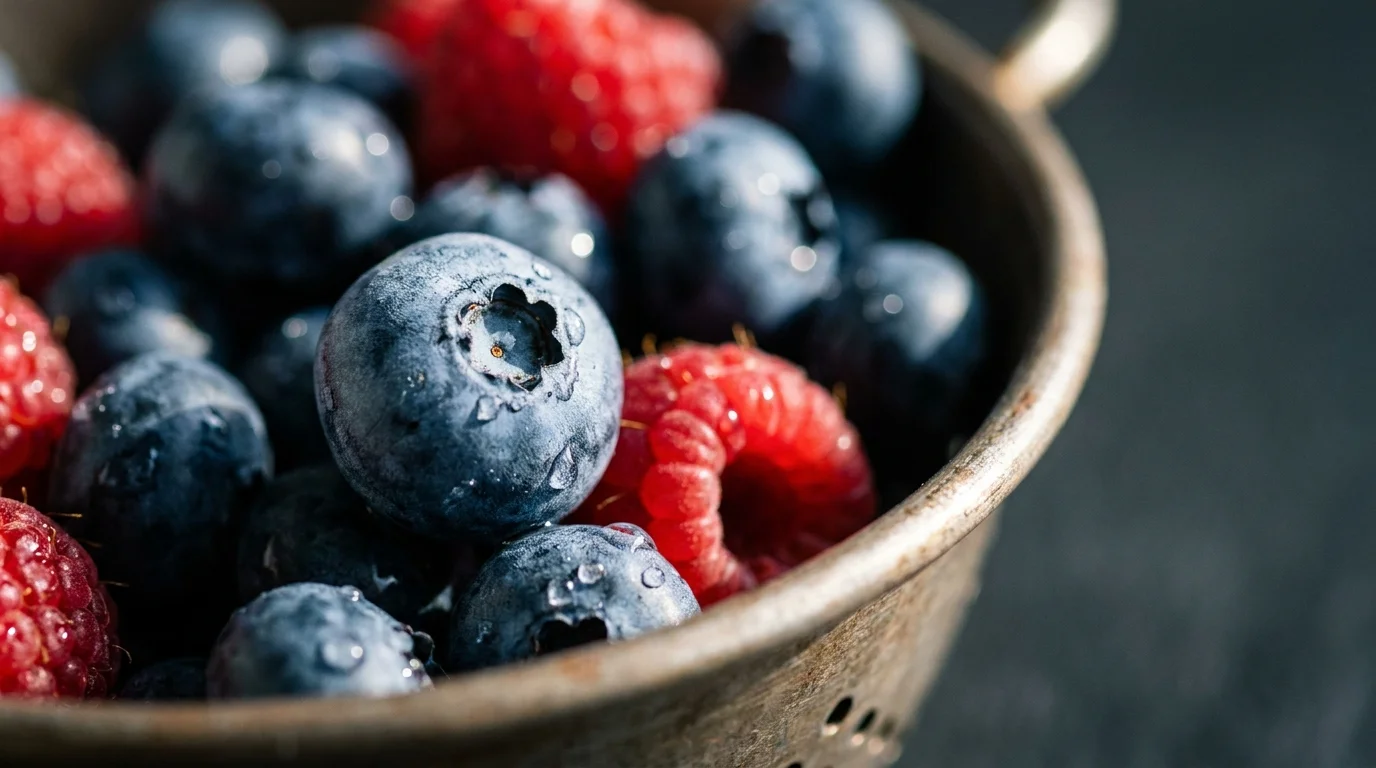
Strawberries, blueberries, blackberries, and raspberries pack immense anti-inflammatory power due to their deep, vibrant pigments. These colors come from anthocyanins—a highly active class of antioxidant compounds. Anthocyanins actively turn off inflammatory responses at the cellular level and protect existing joint cartilage from further oxidative degradation. Berries also provide ample quercetin and rutin, two specific plant compounds known to block inflammation-producing enzymes. Frozen berries are picked and flash-frozen at peak ripeness, making them a budget-friendly and nutrient-dense alternative to out-of-season fresh berries.

Extra Virgin Olive Oil
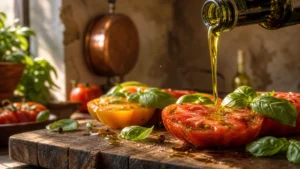
Extra virgin olive oil contains a remarkable phenolic compound called oleocanthal. This natural compound behaves remarkably similarly to over-the-counter non-steroidal anti-inflammatory drugs (NSAIDs) like ibuprofen. Oleocanthal inhibits the production of COX-1 and COX-2 enzymes, which are the primary chemical drivers of pain and swelling in arthritis patients. To preserve these delicate compounds, you must treat your olive oil properly. Avoid exposing it to high-heat frying; instead, use extra virgin olive oil as a finishing oil. Drizzle it generously over roasted vegetables, whisk it into a homemade salad dressing, or use it as a flavorful dip for whole-grain bread to maximize its therapeutic potential.
Dark Leafy Greens
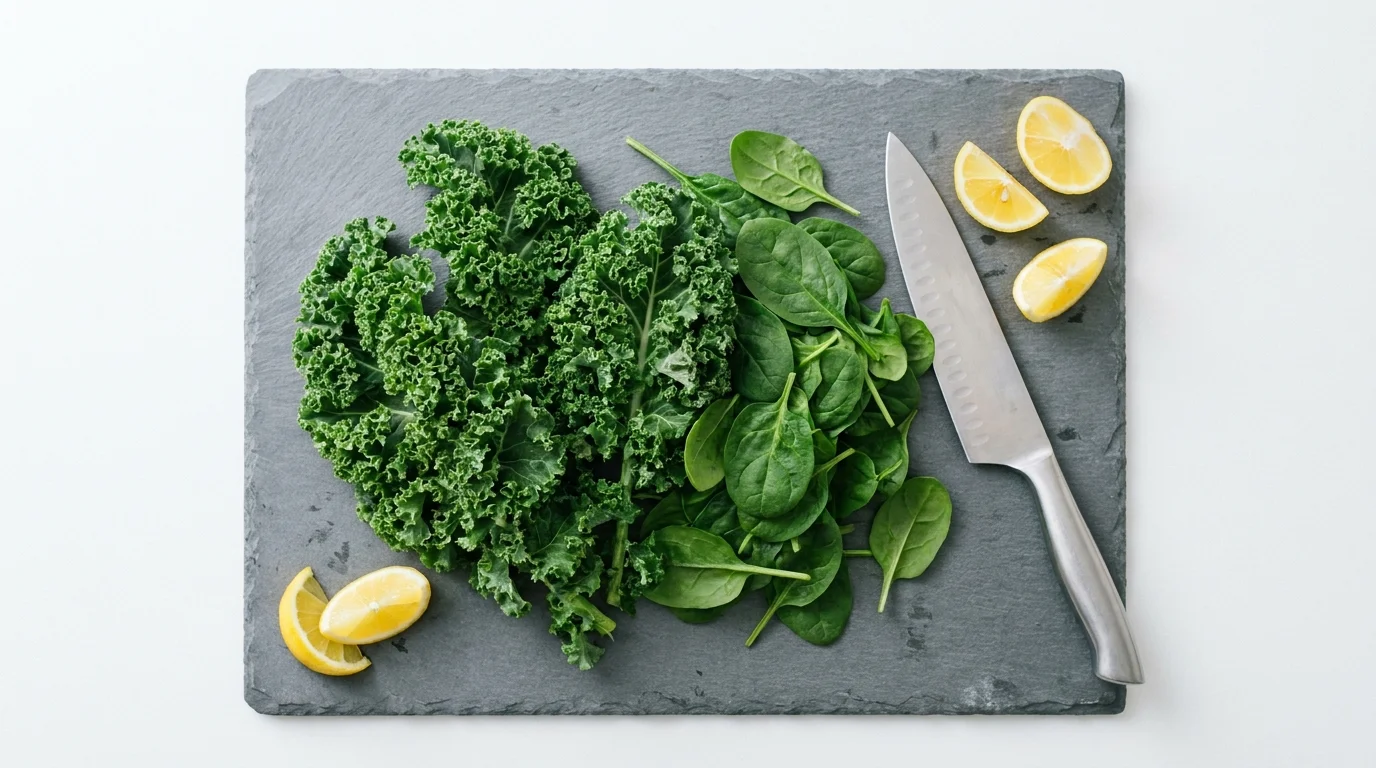
Dark leafy greens like spinach, kale, Swiss chard, and collard greens act as internal armor against cellular damage. They are loaded with vitamin E and vitamin C. Vitamin C serves as an essential co-factor in the body’s synthesis of collagen—the primary structural protein that forms your joint cartilage. Without adequate vitamin C, your body cannot effectively rebuild the protective cushioning between your bones. These greens also deliver a heavy dose of antioxidants that quench free radicals before they can attack joint tissues. Lightly sautéing your greens with a splash of olive oil not only improves their flavor but also enhances your body’s ability to absorb their fat-soluble vitamins.

Turmeric
Turmeric contains curcumin, an extensively studied compound that demonstrates powerful targeted anti-inflammatory properties. Curcumin works by blocking inflammatory cytokines and enzymes across multiple molecular pathways. However, curcumin notoriously suffers from low bioavailability, meaning your digestive system struggles to absorb it efficiently. You can instantly solve this biological hurdle by combining turmeric with a pinch of black pepper. Black pepper contains piperine, a compound proven in studies detailing curcumin absorption to increase curcumin bioavailability by up to 2,000 percent. Stir turmeric and black pepper into soups, roasted root vegetables, or warm milk for a comforting, joint-soothing beverage.

Garlic
Garlic provides far more than robust culinary flavor; it belongs to the allium family and contains a compound called diallyl disulfide. Researchers have identified that this specific organosulfur compound limits the behavior of cartilage-damaging enzymes in human cells. Consistently incorporating garlic into your meals can fundamentally alter the microscopic environment of your joints, preserving the connective tissue that prevents painful bone-on-bone friction. To activate garlic’s most potent medicinal compounds, crush or mince the fresh cloves and let them sit undisturbed on your cutting board for exactly ten minutes before exposing them to heat.

Tart Cherries
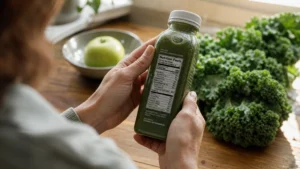
Tart cherries, particularly the Montmorency variety, offer unique relief for individuals struggling with osteoarthritis or gout—a severely painful form of arthritis triggered by crystallized uric acid in the joints. The specific anthocyanins found in tart cherries aggressively reduce systemic uric acid levels and decrease overall joint tenderness. Drinking pure, unsweetened tart cherry juice has become a staple recovery protocol for both professional athletes and adults seeking natural pain management. When shopping for tart cherry juice, scrutinize the nutrition label to ensure you avoid products diluted with cheap apple juice or overloaded with added cane sugar.

Practical Strategies for Your Anti-Inflammatory Routine

Meal Planning for Consistency
Translating nutritional science into daily practice requires deliberate planning. Haphazard eating rarely results in the therapeutic doses of nutrients required to cool chronic inflammation. Begin by structuring your meals around a concept known as the anti-inflammatory plate. Dedicate half of your plate to colorful vegetables and dark leafy greens. Fill one-quarter with lean proteins—prioritizing fatty fish or plant-based proteins like lentils—and reserve the final quarter for complex, fiber-rich carbohydrates like quinoa or sweet potatoes. Dedicate two hours on Sunday to batch-cook a large portion of whole grains and roast a tray of seasonal vegetables. Having these foundational ingredients prepared drastically reduces the temptation to order processed, pro-inflammatory takeout on busy weekday evenings.

Building Habits That Stick
To successfully transition your diet, you must embrace the concept of habit stacking. Rather than overhauling your entire life overnight, anchor a new, joint-healthy habit to an existing routine. If you already drink a glass of water every morning, stir in a spoonful of tart cherry juice. If you regularly eat an afternoon snack, replace processed crackers with a handful of walnuts and fresh berries. These micro-adjustments bypass the mental fatigue associated with strict dieting and gradually accumulate into a powerful, inflammation-fighting lifestyle. Consistency always outpaces intensity when you are remodeling your biological response to pain.

Expert Insights and Real-World Success
Clinical dietitians and rheumatologists continually emphasize that nutritional interventions yield the best results when viewed as long-term investments rather than quick fixes. Dietary guidelines for pain relief set by professional nutrition organizations reflect this reality. Experts observe that patients who systematically eliminate highly refined carbohydrates and trans fats while introducing therapeutic foods like extra virgin olive oil and fatty fish report significant improvements in morning mobility.
In practice, many individuals who adopt these changes find themselves naturally reducing their reliance on pain medication. By addressing the root cause of the inflammation rather than simply masking the subsequent pain, these individuals break the cycle of chronic discomfort. Nutritional therapy empowers you to take an active role in your own pain management, transforming your daily meals into functional medicine.
Safety, Allergies, and Personalization
While natural foods present a lower risk profile than synthetic medications, you must approach dietary changes with an awareness of your unique physiology and medical history. Powerful foods can interact with prescription medications. For example, the high levels of vitamin K found in dark leafy greens can directly interfere with the efficacy of blood-thinning drugs like warfarin. Similarly, concentrated doses of turmeric or high-potency omega-3 fish oil can enhance the effects of anti-coagulants, potentially increasing your risk of bruising or bleeding.
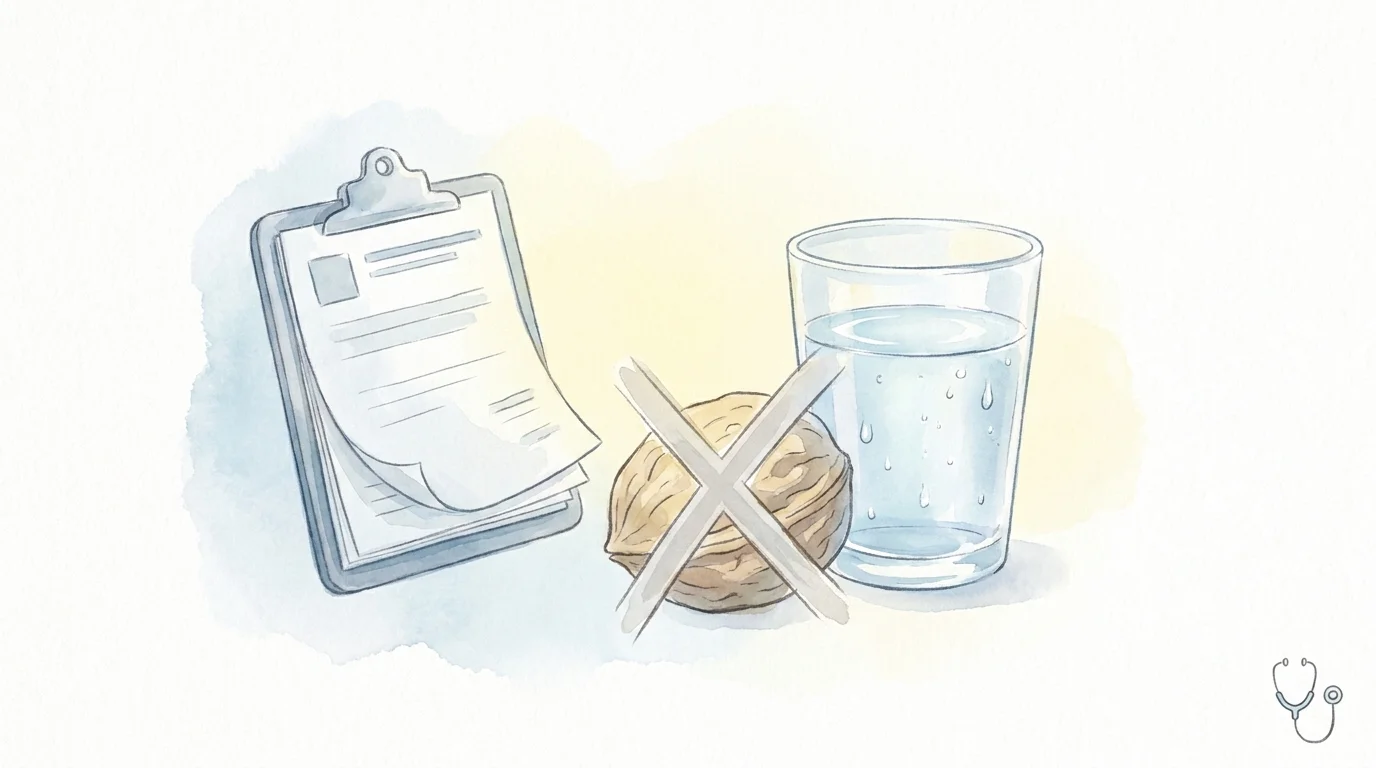
Food allergies also require strict navigation. If tree nuts trigger anaphylaxis, you must completely avoid walnuts and source your plant-based omega-3s from ground flaxseeds or chia seeds instead. Always monitor your body’s signals when introducing significant quantities of new foods, particularly fibrous vegetables that may initially cause mild gastrointestinal bloating. Consult a registered dietitian or your primary care physician to tailor these general recommendations to your specific metabolic needs, ensuring your path to joint relief remains exceptionally safe.
Frequently Asked Questions
How quickly can diet changes improve joint pain?
Dietary changes do not work like a fast-acting painkiller. Because you are fundamentally altering cellular processes and rebuilding tissue health, it typically takes between three to eight weeks of consistent anti-inflammatory eating to notice a significant reduction in joint stiffness and pain. Patience and daily consistency are vital for systemic inflammation reduction.
Do nightshade vegetables trigger arthritis symptoms?
Nightshade vegetables—including tomatoes, eggplants, peppers, and white potatoes—contain a compound called solanine. While anecdotal reports occasionally blame nightshades for joint flares, rigorous clinical studies show no universal link between nightshades and increased joint inflammation for the general population. In fact, these vegetables are dense in joint-protecting antioxidants. However, if you suspect a personal sensitivity, try removing them strictly for three weeks, then reintroduce them carefully to gauge your body’s specific response.
Can I take supplements instead of eating these foods?
While specific high-quality supplements can bridge nutritional gaps, they cannot fully replicate the synergistic benefits of whole foods. A whole berry provides dietary fiber, hydration, and a complex matrix of vitamins that interact perfectly with the body; an isolated supplement pill lacks this comprehensive structure. Food should always serve as your primary intervention, with supplements acting only as secondary support when advised by a clinician.
Does cooking destroy the anti-inflammatory properties of these foods?
The method you use to prepare your food matters immensely. High-heat, dry cooking methods like deep frying or aggressively grilling meats produce advanced glycation end products (AGEs)—harmful compounds that aggressively provoke joint inflammation. Conversely, gentle cooking methods like steaming, boiling, or light sautéing preserve delicate antioxidants. For instance, lightly cooking spinach actually makes its iron and vitamin A much easier for your body to absorb compared to eating it completely raw.
Your Next Steps
Taking control of your joint health begins with a single, deliberate choice at your next meal. Look at your kitchen right now and identify one pro-inflammatory food you can swap out. Commit to adding just one handful of walnuts to your breakfast or drizzling authentic extra virgin olive oil over your salad tomorrow. Small, strategic additions to your plate will systematically extinguish joint inflammation and restore your physical freedom.