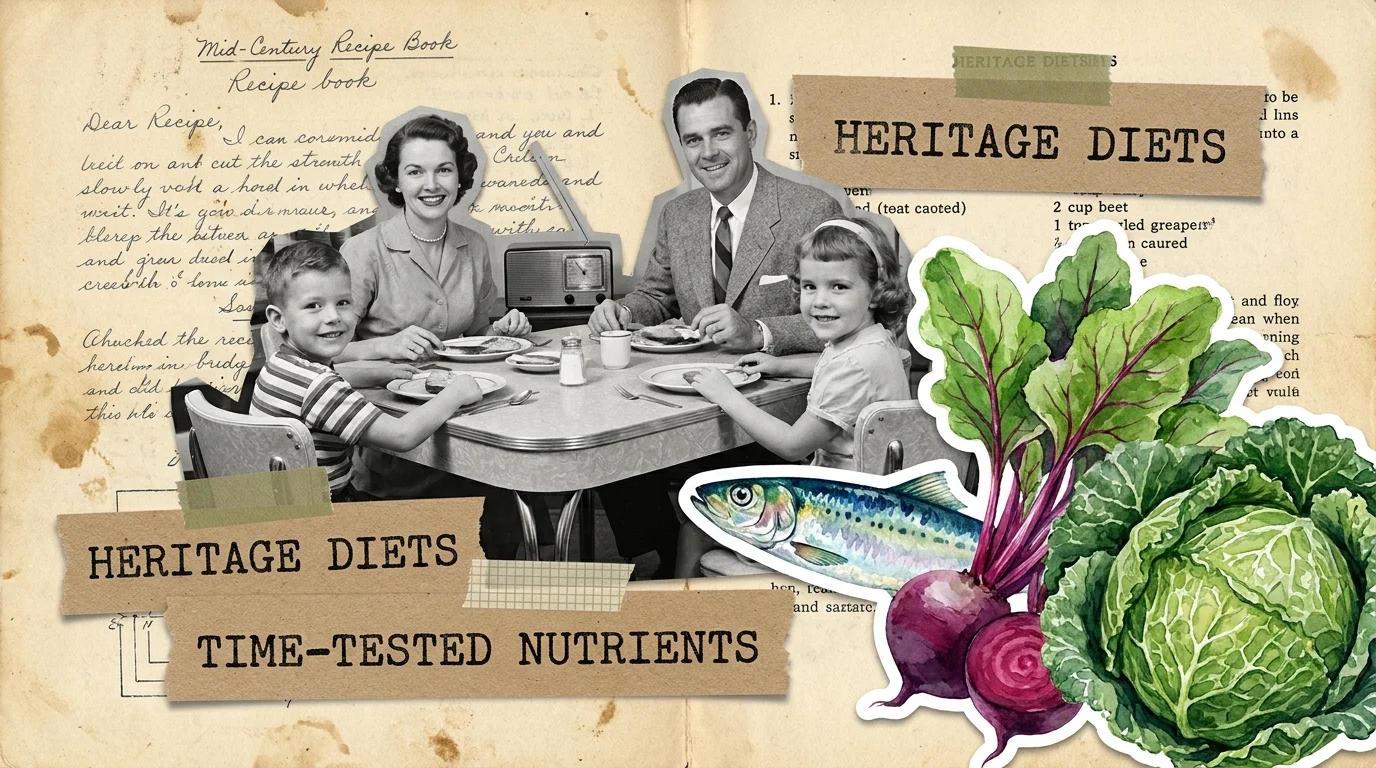
Modern grocery aisles overwhelm us with engineered superfoods, yet the most powerful longevity dietary staples already lived in your grandparents’ kitchen. Revisiting these traditional, unrefined whole foods provides a straightforward blueprint for optimizing your health without relying on expensive supplements or complicated diet trends.
Long before slick marketing campaigns dictated our grocery lists, older generations naturally consumed meals rich in bioavailable nutrients, naturally occurring probiotics, and essential fatty acids.
By integrating these time-tested heritage ingredients back into your daily routine, you support robust digestion, enhance cellular repair, and build lasting metabolic resilience. You can effortlessly bridge the gap between historical culinary wisdom and modern nutritional science by embracing these eight surprisingly beneficial staple foods.
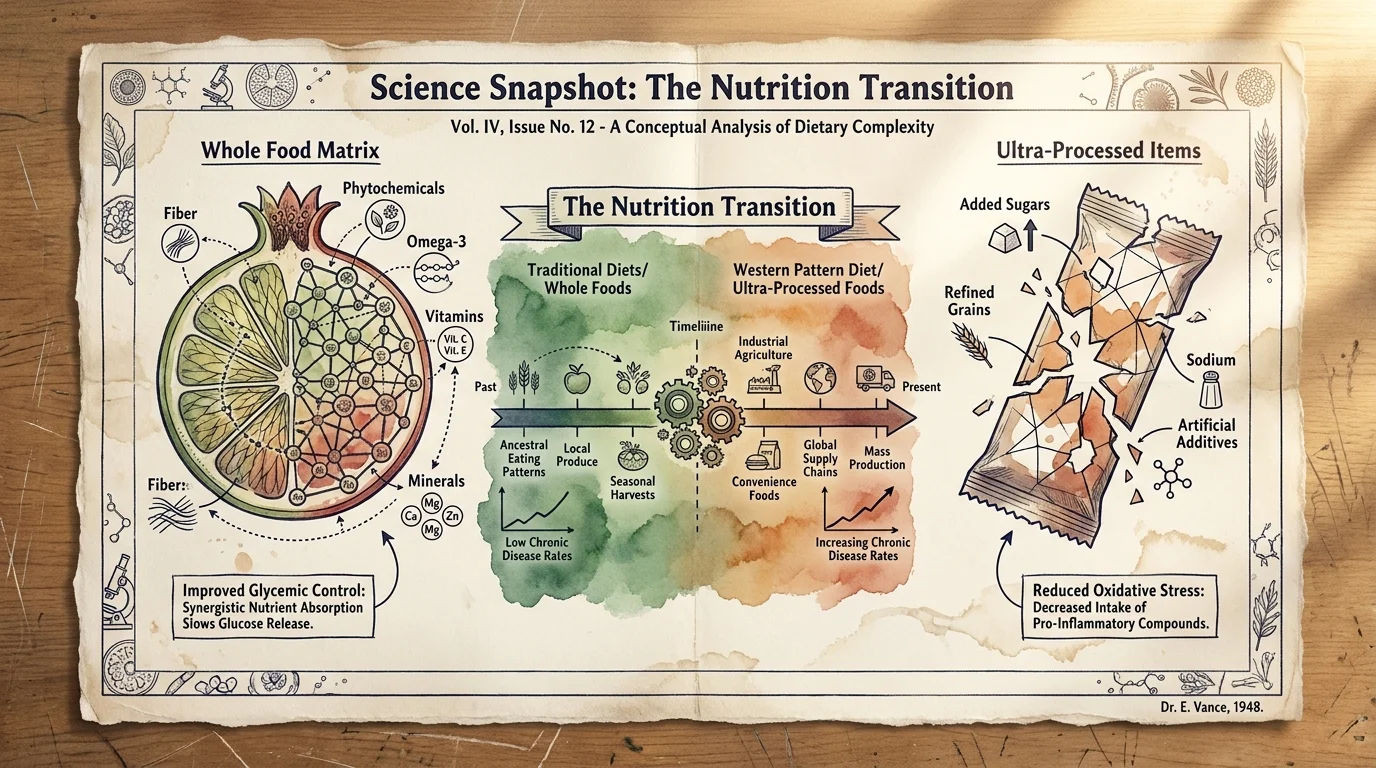
The Science Snapshot: Why Heritage Diets Work
Nutritional science increasingly validates the dietary patterns of our recent ancestors. Before the mid-twentieth century explosion of ultra-processed convenience items, human diets primarily consisted of whole, single-ingredient foods prepared at home.
Researchers refer to this shift as the nutrition transition; it closely correlates with modern increases in metabolic dysfunction. Old-fashioned diets naturally contained higher levels of dietary fiber, crucial omega-3 fatty acids, and diverse phytochemicals.
When you consume foods in their natural matrix, your body digests and absorbs these nutrients more efficiently.
Clinical observations published through the National Institutes of Health demonstrate that replacing heavily refined items with intact, historically consumed foods dramatically improves glycemic control and reduces systemic oxidative stress.
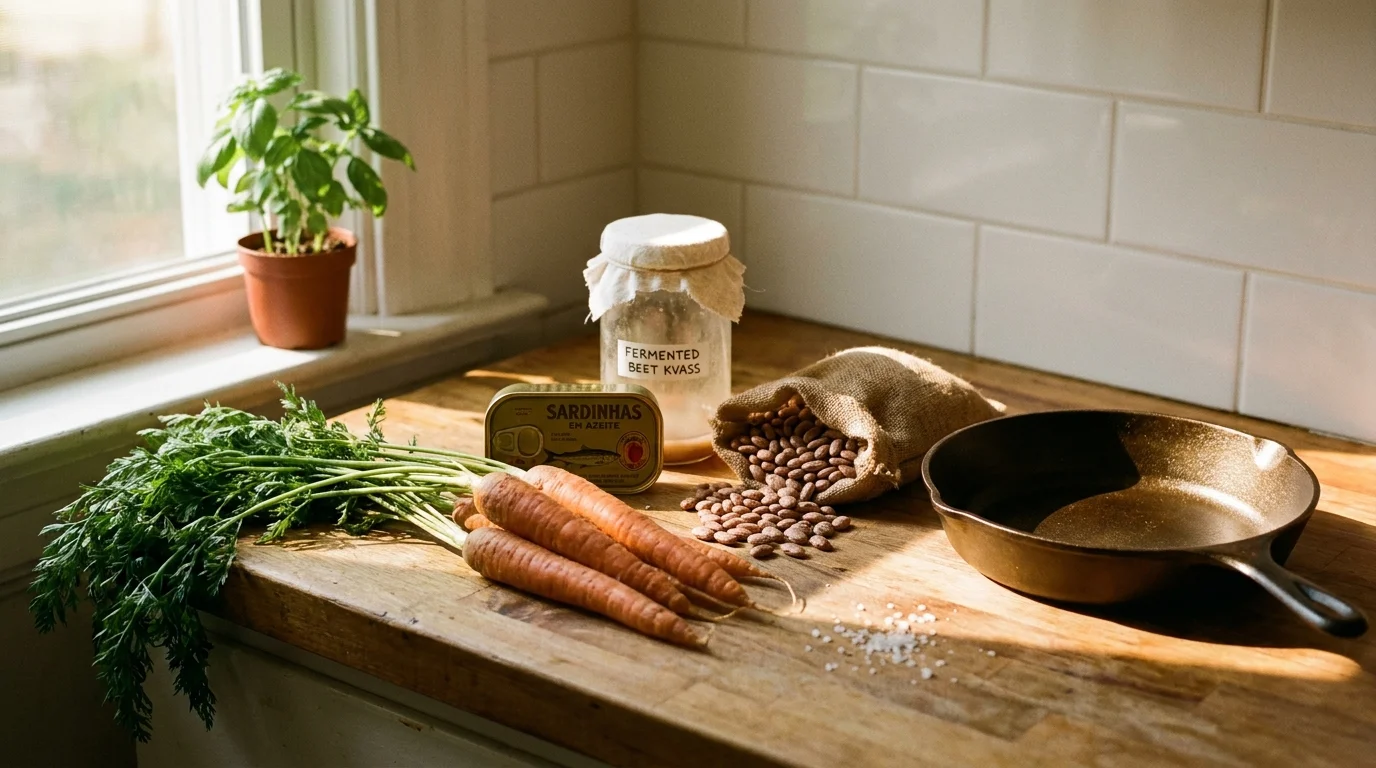
8 Old-Fashioned Foods to Revive in Your Kitchen
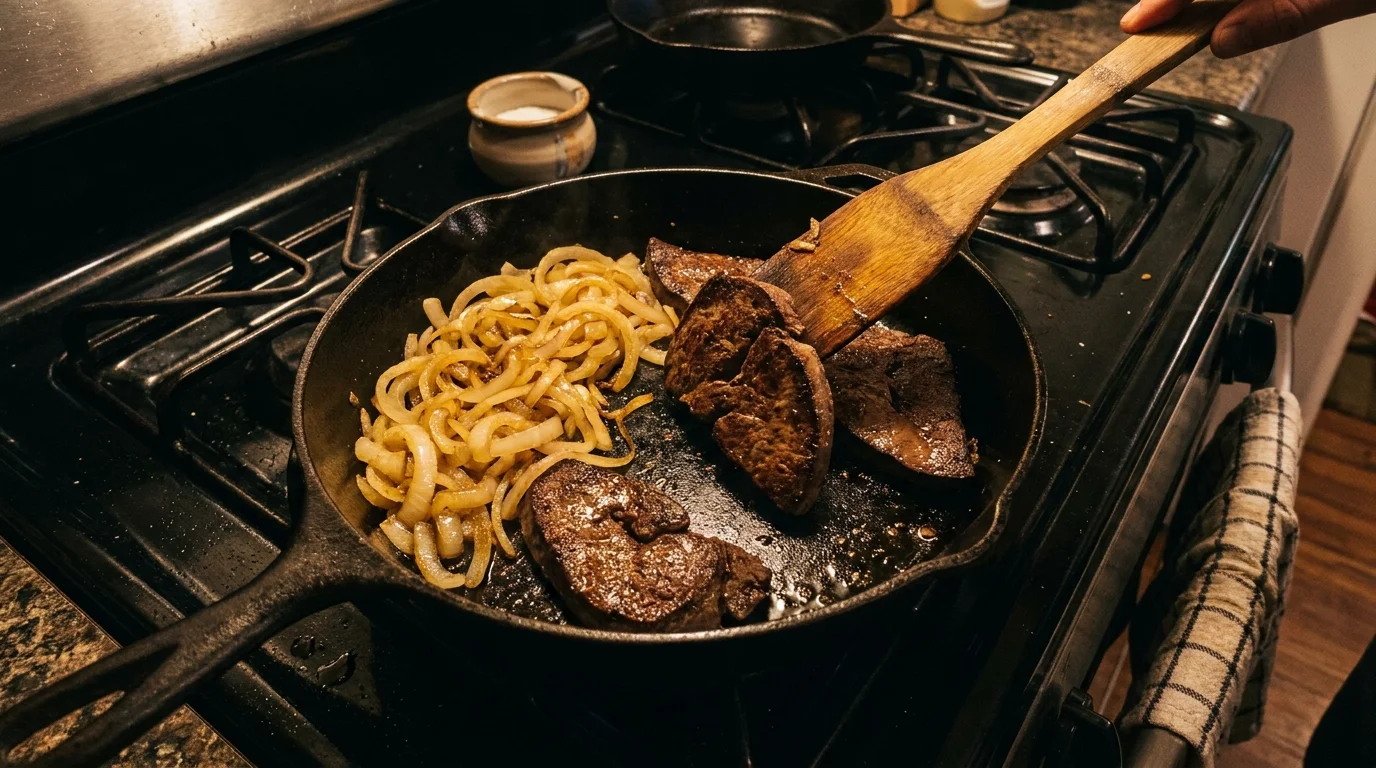
1. Organ Meats and Beef Liver
Beef and chicken livers frequently appeared on dinner tables several decades ago, often pan-fried with onions. While modern palates sometimes avoid its distinct flavor, liver remains an incredibly nutrient-dense food.
A single serving provides highly bioavailable heme iron, preventing fatigue and supporting oxygen transport. Liver also delivers an unmatched concentration of vitamin B12, essential for healthy nerve function, alongside abundant fat-soluble vitamin A to preserve optimal vision.
If you find the taste intimidating, you can effortlessly camouflage it. Mincing liver and blending it into spiced ground beef mixtures for meatballs allows you to harvest these profound benefits while enjoying familiar culinary textures.
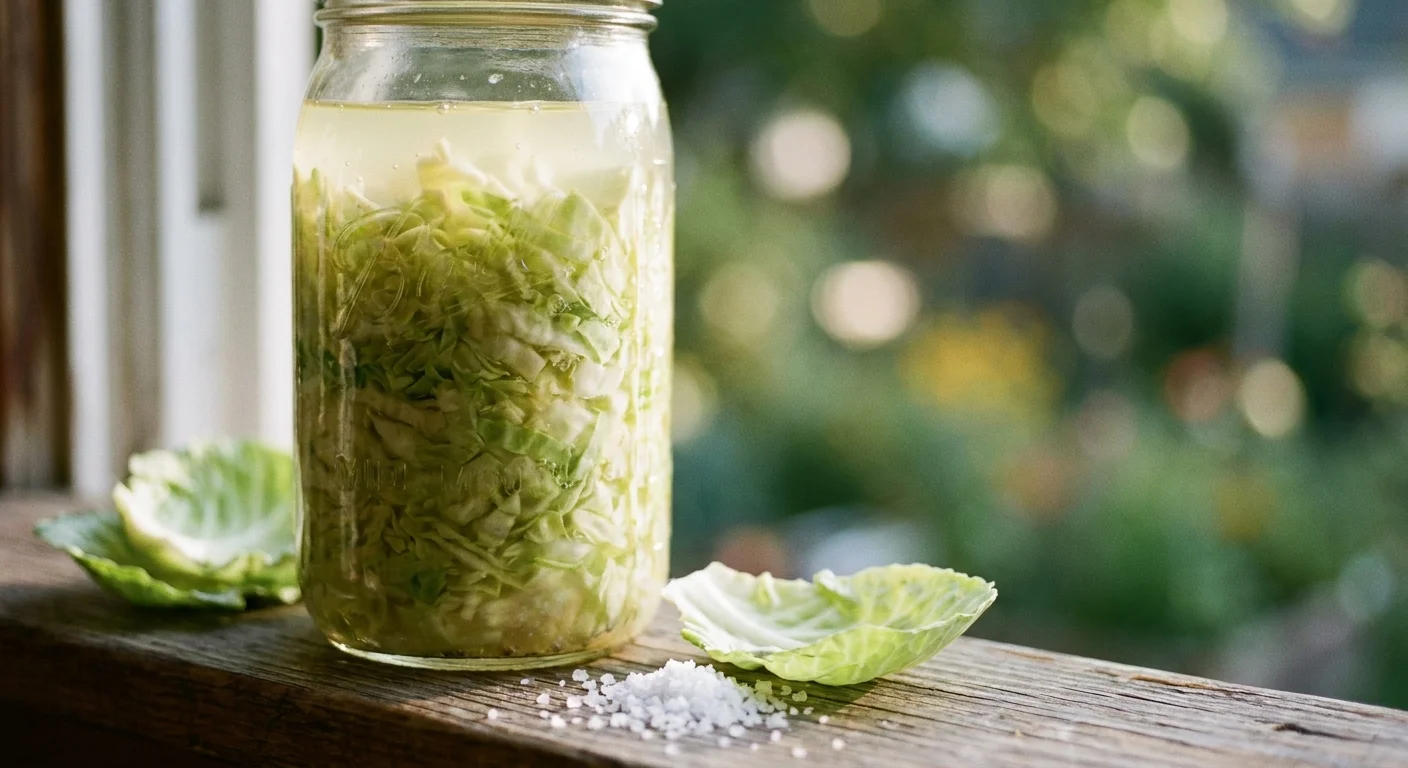
2. Naturally Fermented Sauerkraut
Before widespread refrigeration, fermentation served as a primary method for preserving the autumn harvest. Traditional sauerkraut relies entirely on raw cabbage, salt, and time, producing a powerhouse of functional nutrition.
The wild lactic acid bacteria rapidly multiply during fermentation, creating a naturally probiotic-rich food that deeply nourishes your gut microbiome. These microbes help maintain your intestinal lining and optimize nutrient absorption.
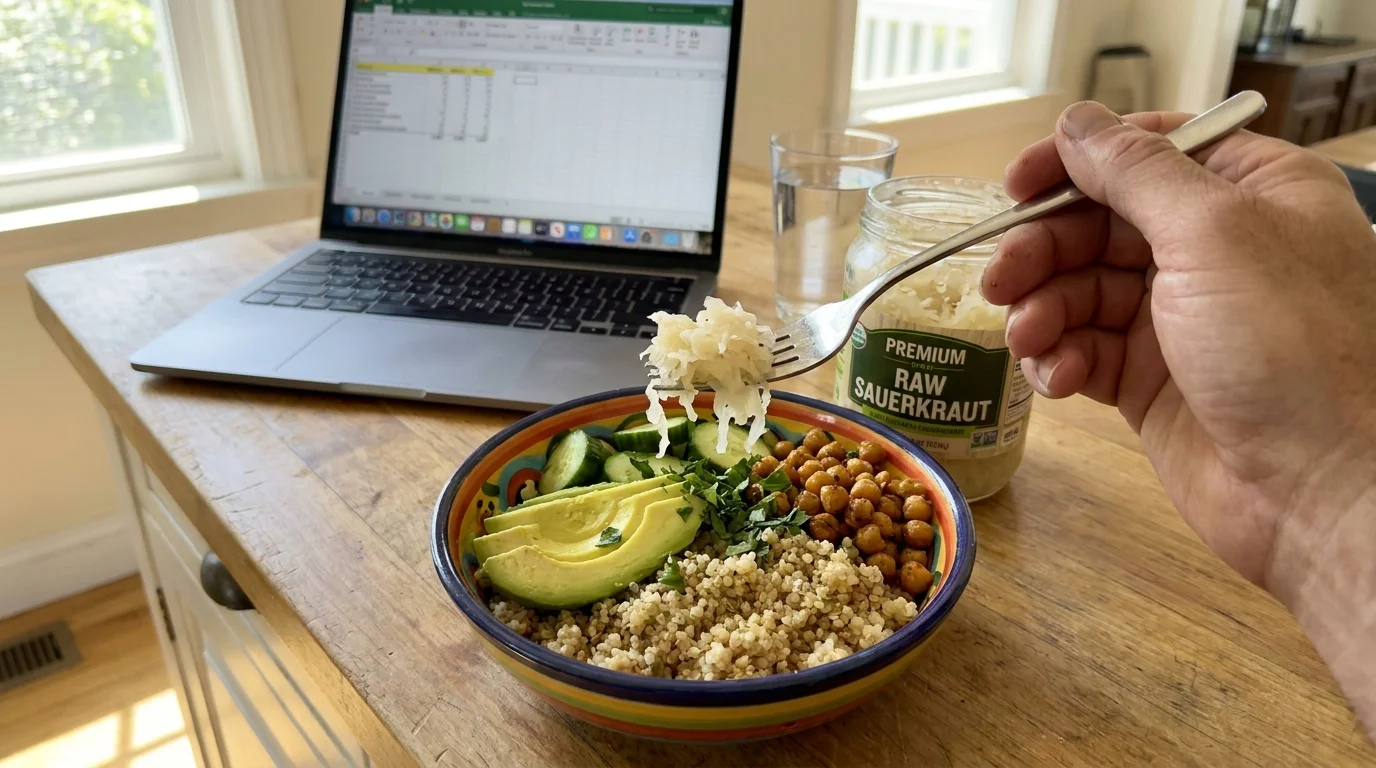
Unlike pasteurized condiments, unpasteurized sauerkraut retains active bacterial cultures while predigesting the tough cellular walls, making inherent vitamin C far more accessible. Adding raw sauerkraut to daily salads introduces an ideal balance of prebiotic fiber and probiotic strains for lasting immune resilience.

3. Small Canned Fish
Your grandparents likely kept tins of sardines in the pantry for economical meals. Today, these small, oily fish represent a nutritional bargain that deserves a prominent place in your diet.
Because sardines occupy the bottom of the marine food chain, they accumulate virtually no heavy metals compared to larger predators. Instead, they offer pristine sources of essential omega-3 fatty acids responsible for lowering triglycerides and supporting cognitive function.
Beyond their impressive fat profile, bone-in sardines supply highly absorbable dietary calcium. Since the canning process softens the tiny bones entirely, mashing sardines over toasted sourdough effortlessly boosts your long-term skeletal health.
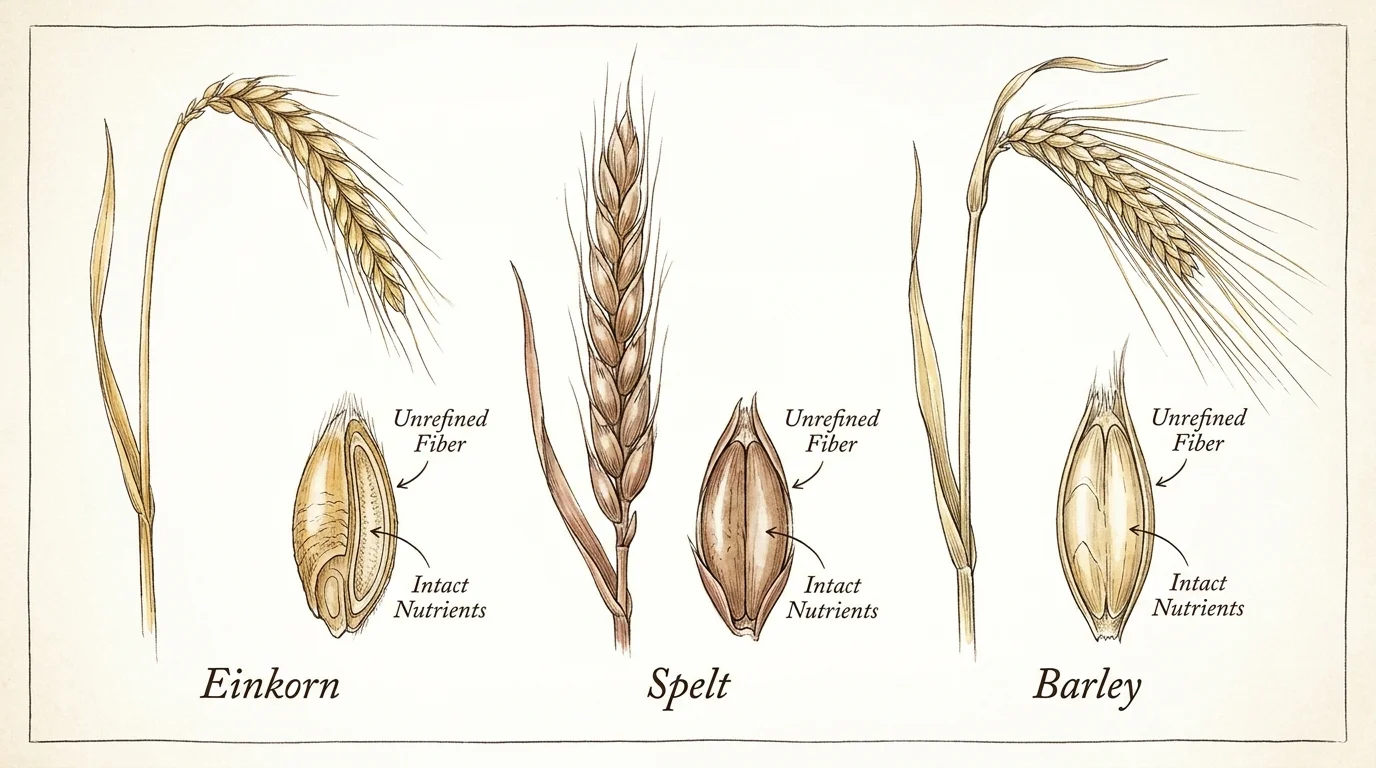
4. Unrefined Ancient Grains
Oats, barley, rye, and buckwheat served as the unglamorous but vital foundation of many ancestral diets. Unlike modern hyper-refined wheat flour, intact ancient grains retain their germ and bran layers, ensuring you receive their full nutritional spectrum.
Barley delivers immense quantities of beta-glucan, a soluble fiber proven to actively bind with cholesterol in your digestive tract. Consuming these hearty grains slows glucose release into your bloodstream, providing sustained energy rather than sharp crashes.
Integrating heritage grains into your current rotation requires minimal effort. Substituting chewy pearl barley into favorite soups instead of white rice effortlessly upgrades your sustainable metabolic health.

5. Slow-Simmered Bone Broth
Frugality drove our ancestors to utilize every part of the animals they raised, leading to the ubiquitous practice of simmering leftover bones to create gelatinous broths. Modern nutrition recognizes this thrifty habit as a brilliant method for extracting structural proteins.
When you slowly boil marrow bones, they release collagen and glycine into the cooking liquid. These specific amino acids act as essential building blocks for your joint cartilage and skin elasticity.
You can easily create this restorative elixir at home. Simmering roasted chicken carcasses gently for several hours pulls maximum minerals from the skeletal matrix, instantly upgrading ordinary meals.
6. Hardy Root Vegetables
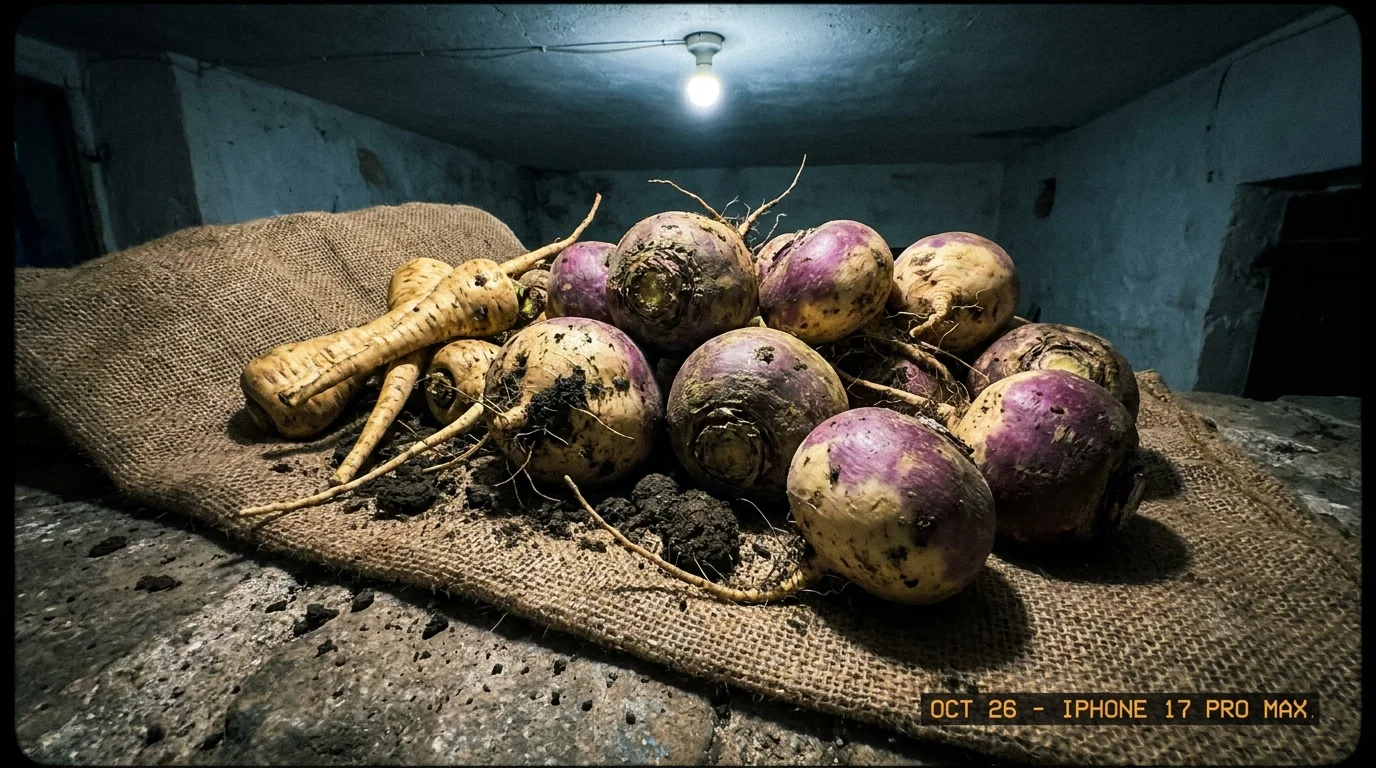
Before global shipping networks provided fresh tomatoes in January, populations relied heavily on robust root vegetables stored in cellars. Turnips, rutabagas, parsnips, and beets sustained entire generations through freezing temperatures, yet they remain overlooked today.
These starchy tubers offer an exceptional array of complex carbohydrates, crucial dietary fiber, and unique phytonutrients. Beets contain natural dietary nitrates that your body converts into nitric oxide, actively dilating blood vessels to lower resting blood pressure.
Roasting a diverse medley of cubed rutabaga and parsnips with olive oil creates a magnificent, nutrient-dense alternative to the standard baked potato.

7. Foraged Bitter Greens
Springtime historically signaled the arrival of fresh, wild greens like dandelion, mustard, and chicory. Older generations intuitively gathered these bitter plants to awaken their digestive systems after relying on preserved winter provisions.
Modern science confirms that bitter flavors directly stimulate the vagus nerve, prompting your stomach to produce essential digestive acids while signaling your gallbladder to release bile. This physiological response dramatically improves your ability to break down dietary fats.
Lightly sautéing these antioxidant-rich greens with minced garlic and lemon juice maximizes the bioavailability of their plant-based iron and protects your long-term eye health.
8. Heirloom Beans and Legumes
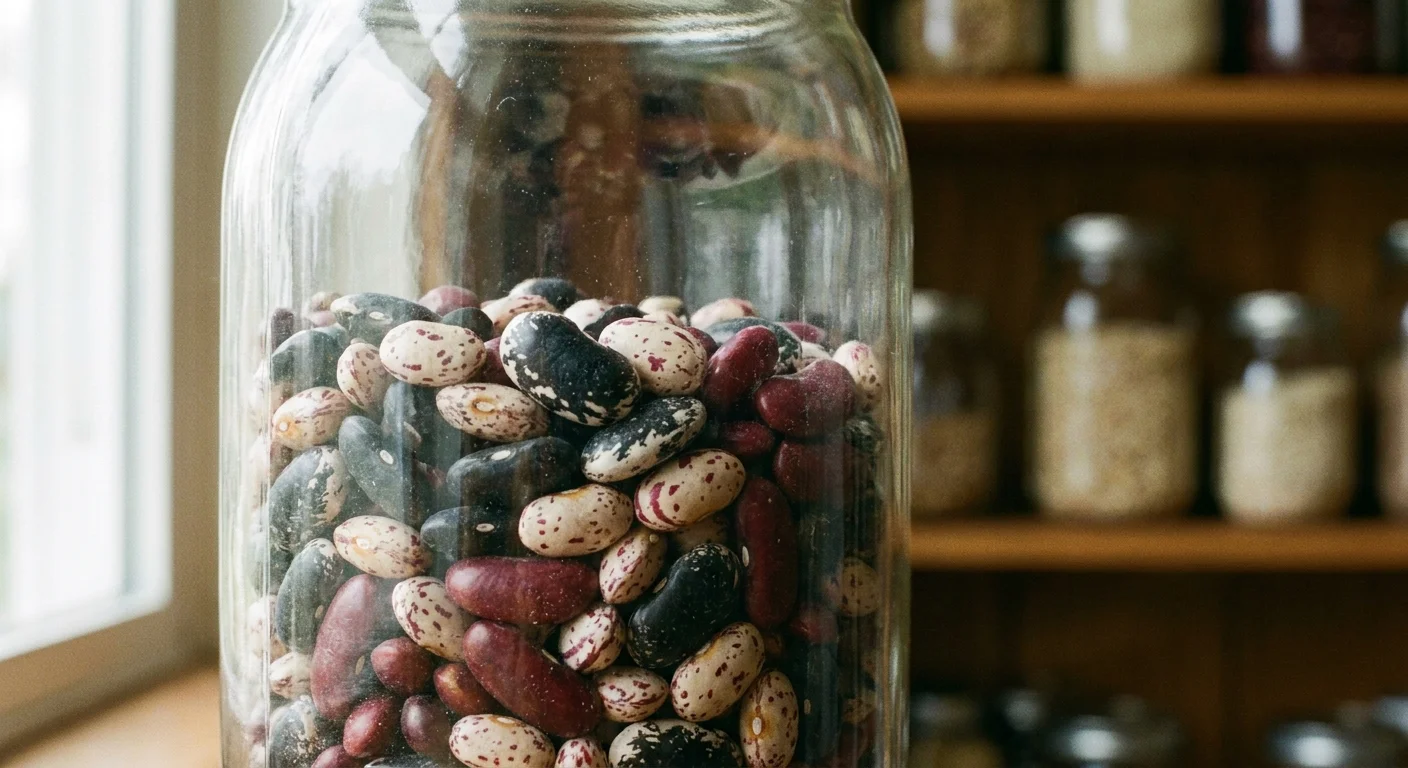
A simmering pot of beans represented the ultimate comfort food for many families across different eras. Lentils, split peas, and heirloom beans provided incredibly cheap, shelf-stable protein that nourished households through difficult times.
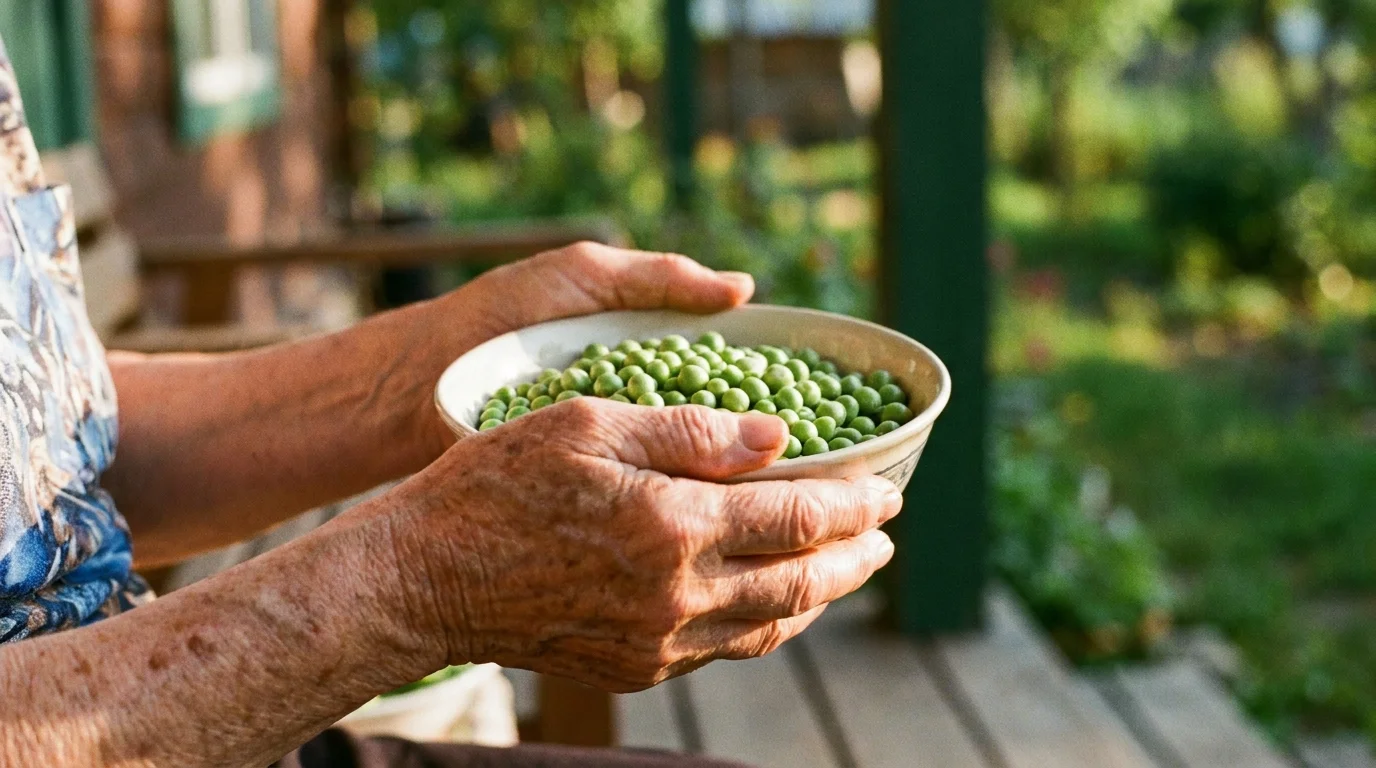
Researchers funded by the National Institute on Aging note that consuming diverse legumes represents the most significant dietary denominator among centenarians. Beans offer an unmatched combination of soluble fiber, plant-based protein, and folate, making them champions of cardiovascular wellness.
Preparing dried beans from scratch produces a far superior texture. Soaking dried beans overnight reduces cooking time and effectively breaks down phytic acid for improved nutrient absorption.
Core Strategies for Embracing Old-Fashioned Nutrition
Meal Planning with Historical Sensibility
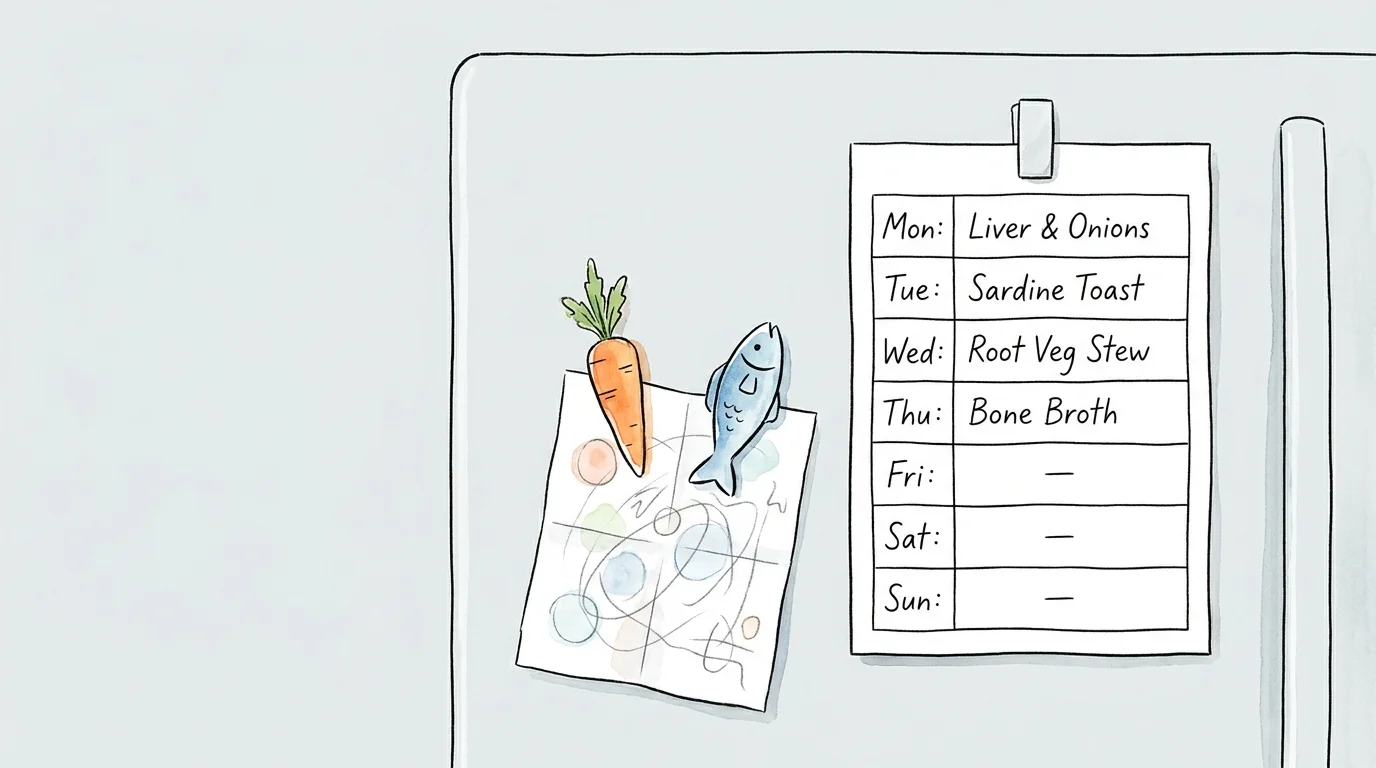
Adopting an ancestral approach does not require abandoning modern convenience. Instead, you can focus on batch cooking hearty foundational ingredients just as previous generations did during harvest seasons.
Preparing a large pot of heirloom beans on Sunday guarantees you have nutrient-dense options readily available during busy workdays. This proactive strategy dramatically reduces your reliance on hyper-processed takeout foods when your energy levels dip in the evening.
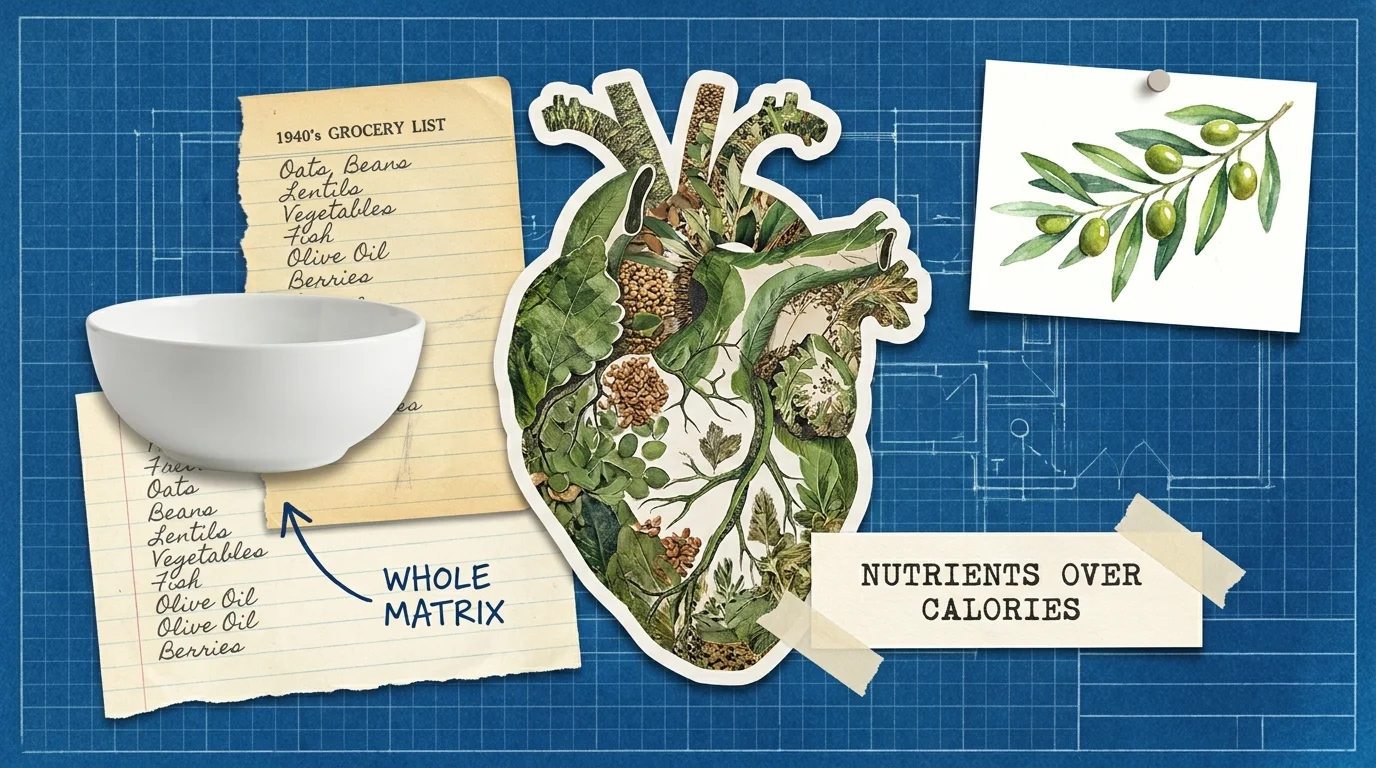
Nutrient Focus Over Calorie Counting
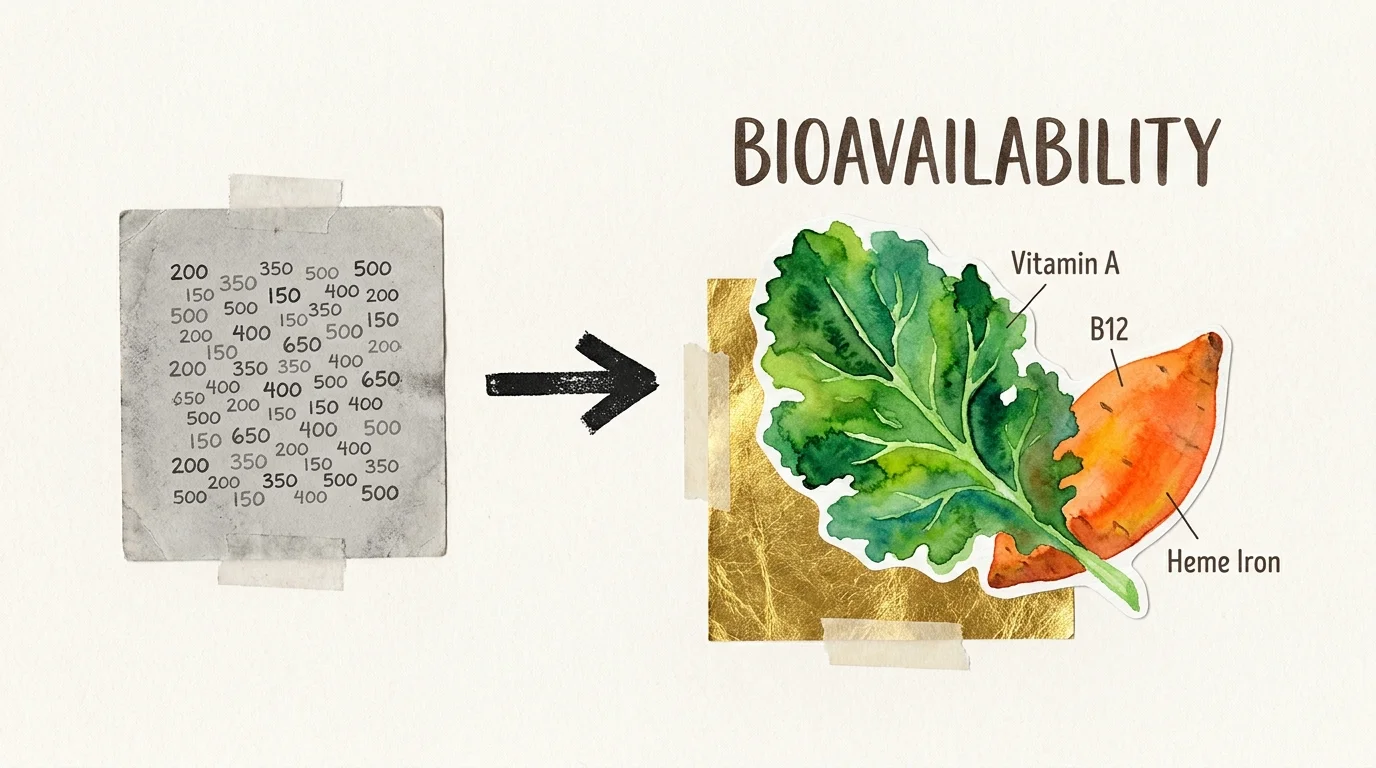
Your grandparents rarely calculated macronutrients; they intuitively sought out foods that provided sustained energy. When you prioritize highly bioavailable foods like liver, sardines, and ancient grains, your body naturally receives the signaling it needs to regulate appetite hormones effectively.
By shifting your perspective away from restriction and toward robust nourishment, you effortlessly maintain a healthy metabolic rate while enjoying rich, flavorful heritage meals.
Habit Formation Through Incremental Changes
Attempting to overhaul your entire pantry overnight often leads to frustration. You will experience far greater success by introducing just one old-fashioned staple into your routine each week.
You might begin by swapping your standard breakfast cereal for warm steel-cut oats, or trading your usual sandwich for one made with mashed sardines. These tiny, incremental adjustments eventually compound into a resilient, health-promoting lifestyle.
Expert and Lived Perspectives
Clinical practitioners specializing in metabolic health consistently advocate for returning to traditional dietary principles. Dietitians frequently observe that patients who integrate fermented foods and organ meats report significant improvements in energy levels, digestive regularity, and mental clarity.
By stepping away from the endless cycle of novel superfood powders, you reestablish a fundamental biological connection with your food.
Community members who adopt these practices often express a deep sense of culinary satisfaction, noting that cooking from scratch grounds them in a comforting rhythm of self-care.

Safety Considerations and Personalization
While heritage foods offer remarkable health benefits, you must always contextualize them within your unique physiological needs. Individuals managing gout should approach organ meats and small fish with caution, as these contain high concentrations of naturally occurring purines.
If you struggle with histamine intolerance, the potent bioactive compounds in fermented sauerkraut might trigger unwanted inflammatory responses. Pregnant women should consult their healthcare providers before consuming liver due to excessive preformed vitamin A.
Whenever fundamentally altering dietary patterns, checking with a qualified medical professional ensures safety.
Frequently Asked Questions
How can I make liver taste better if I hate the strong flavor?
The secret to improving liver palatability lies in proper preparation. Always soak raw liver in whole milk for several hours prior to cooking to extract the metallic bitterness.
When ready to cook, finely mince the organ meat and mix it at a ratio of one part liver to three parts ground beef. This technique hides the distinct flavor within familiar recipes like chili or seasoned taco meat.
Are canned sardines safe to eat every day regarding mercury exposure?
Sardines are considered exceptionally safe for frequent consumption. Because these tiny fish sit at the bottom of the marine food web, they do not bioaccumulate heavy metals the way tuna or swordfish do.
You can comfortably enjoy sardines several times a week to harvest their cardiovascular benefits without worrying about the mercury toxicity risks associated with larger ocean fish.
Can I buy store-bought sauerkraut or must I ferment it myself?
You can purchase store-bought sauerkraut, but you must carefully read the label. Standard shelf-stable sauerkraut sold in the canned vegetable aisle has been pasteurized, destroying all beneficial bacteria.
Look in the refrigerated section for unpasteurized, raw sauerkraut that lists only cabbage, water, and salt as the ingredients, avoiding any brands that rely on vinegar for sour flavor.
Do ancient grains contain gluten like modern refined wheat?
Gluten content varies significantly depending on the specific ancient grain. Grains like farro, spelt, and barley contain structural gluten, though individuals with mild sensitivities often find them easier to digest than modern wheat.
If you have diagnosed celiac disease, you must strictly avoid these options and choose naturally gluten-free ancient staples like buckwheat, millet, or certified gluten-free oats.
Your Next Actionable Steps
Reclaiming the robust health of previous generations does not require a massive grocery budget. The incredible power of traditional nutrition lies in its simplicity, emphasizing whole ingredients over processed convenience.
Review the eight heritage foods discussed above and select just one item that intrigues your palate.
Whether you decide to toss raw sauerkraut into your lunchtime salad tomorrow or simmer a pot of heirloom beans this weekend, take that single step within the next twenty-four hours.
Your body possesses a brilliant capacity for healing when you finally provide it with the foundational nourishment it recognizes and craves.