Understanding why your palate suddenly shifts toward pungent cheeses or bitter greens offers a vital roadmap to optimizing your health as you age. Your body communicates its evolving nutritional requirements through these sudden and unexpected urges, steering you toward the exact vitamins and minerals you need to thrive. Decades of biological changes alter your olfactory senses, taste bud regeneration rates, and cellular metabolic demands, completely rewiring what sounds appetizing for dinner. Unlocking the science behind your newfound love for fermented cabbage or dark chocolate empowers you to embrace these natural physiological changes; it allows you to build a resilient, deeply nourishing dietary pattern perfectly tailored to your current stage of life.
The Science Behind Changing Taste Buds and Nutritional Demands
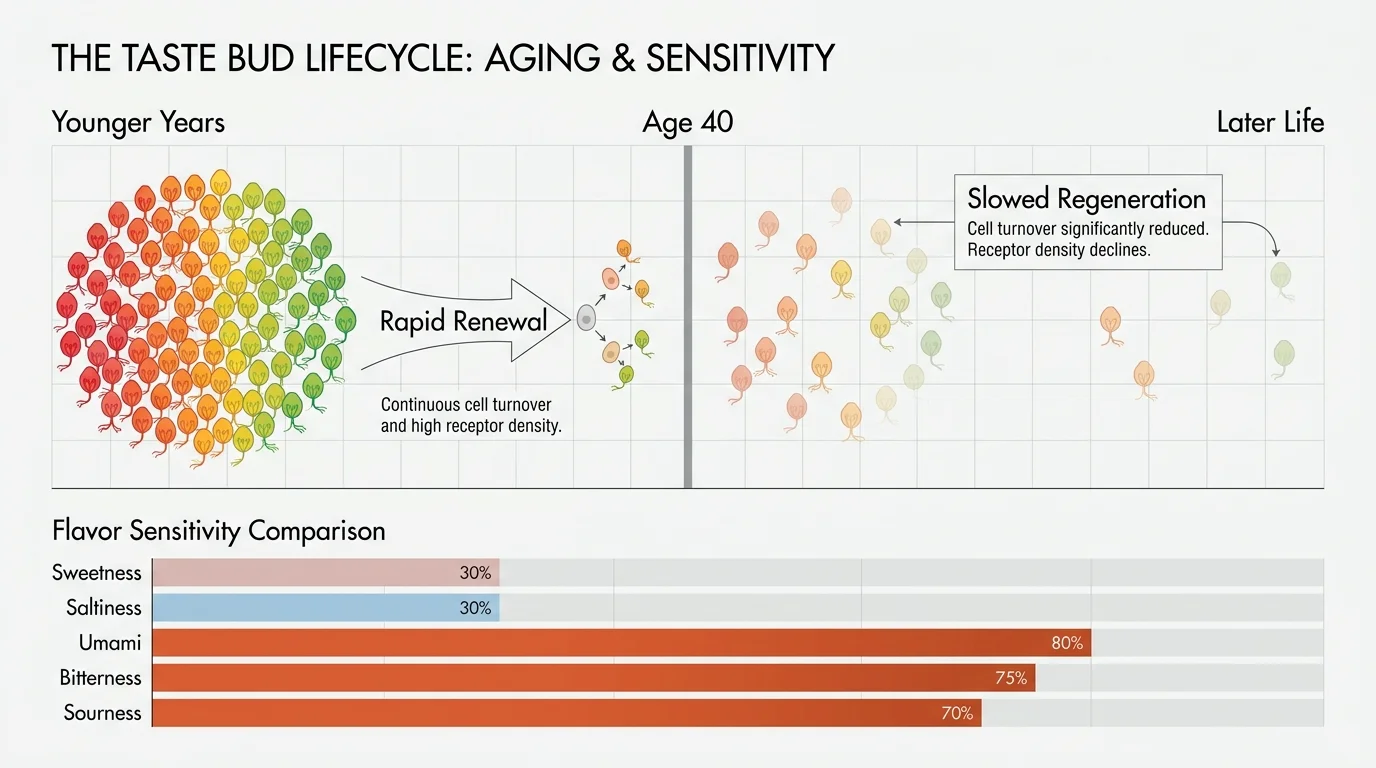
Human taste buds and olfactory receptors undergo a profound transformation as the decades pass. You are born with thousands of highly sensitive taste receptors that renew themselves rapidly; however, this regeneration process slows down significantly after your fortieth birthday. This natural biological shift blunts your sensitivity to certain flavors—particularly sweetness and mild saltiness—meaning you naturally start seeking out foods with much bolder, more robust flavor profiles to achieve the same level of culinary satisfaction.
Your sense of smell also plays a dominant role in how you perceive flavor. Olfactory nerve endings gradually lose their sharpness, which directly diminishes your ability to detect nuanced aromas. To compensate for this sensory decline, your brain begins craving foods packed with umami, bitterness, and sourness. Furthermore, your cellular metabolism and digestive efficiency change. Your body requires more specific micronutrients to maintain bone density, cognitive function, and cellular repair. Current research on sensory changes demonstrates that these sudden cravings often represent a brilliant physiological adaptation. Your brain actively nudges you toward nutrient-dense foods that deliver exactly what your aging physiological systems demand to function optimally.
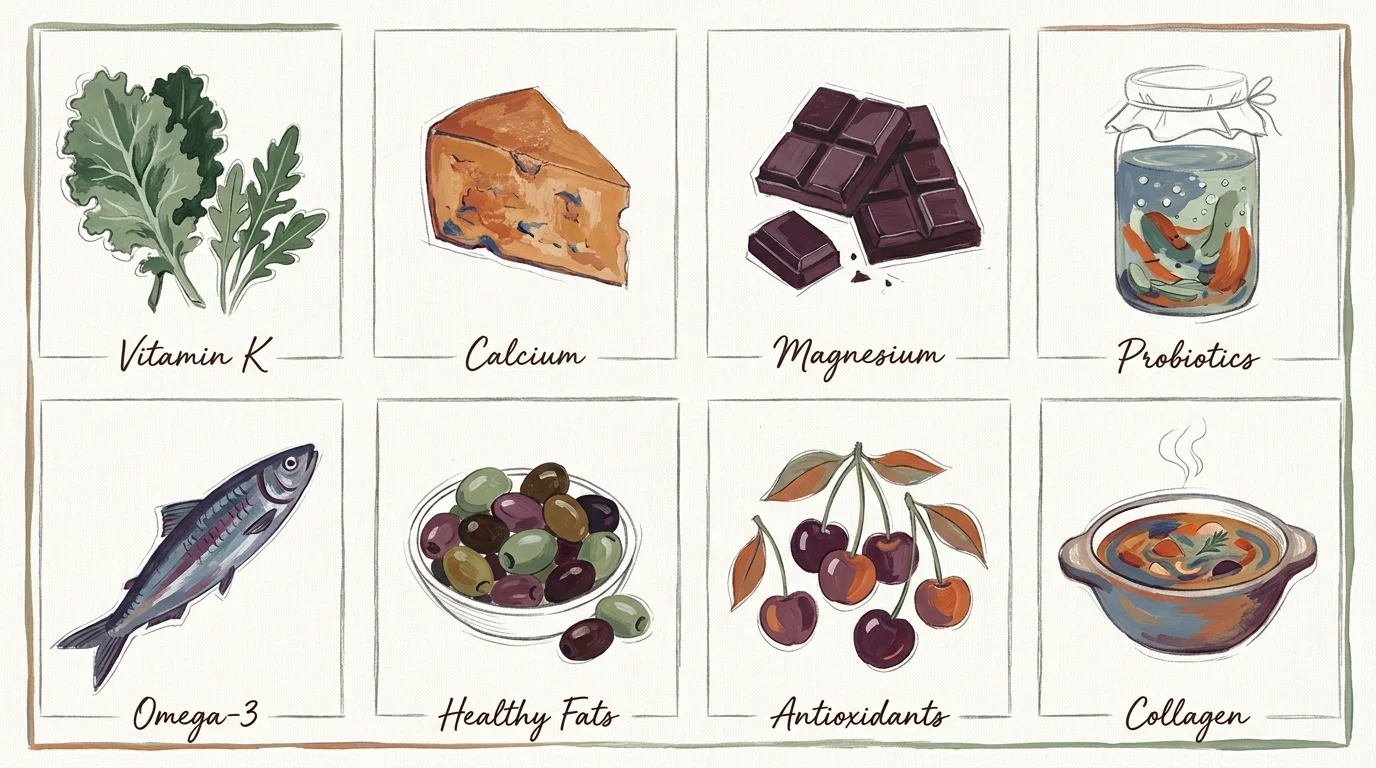
8 Foods You Suddenly Crave and What They Mean
1. Bitter Greens
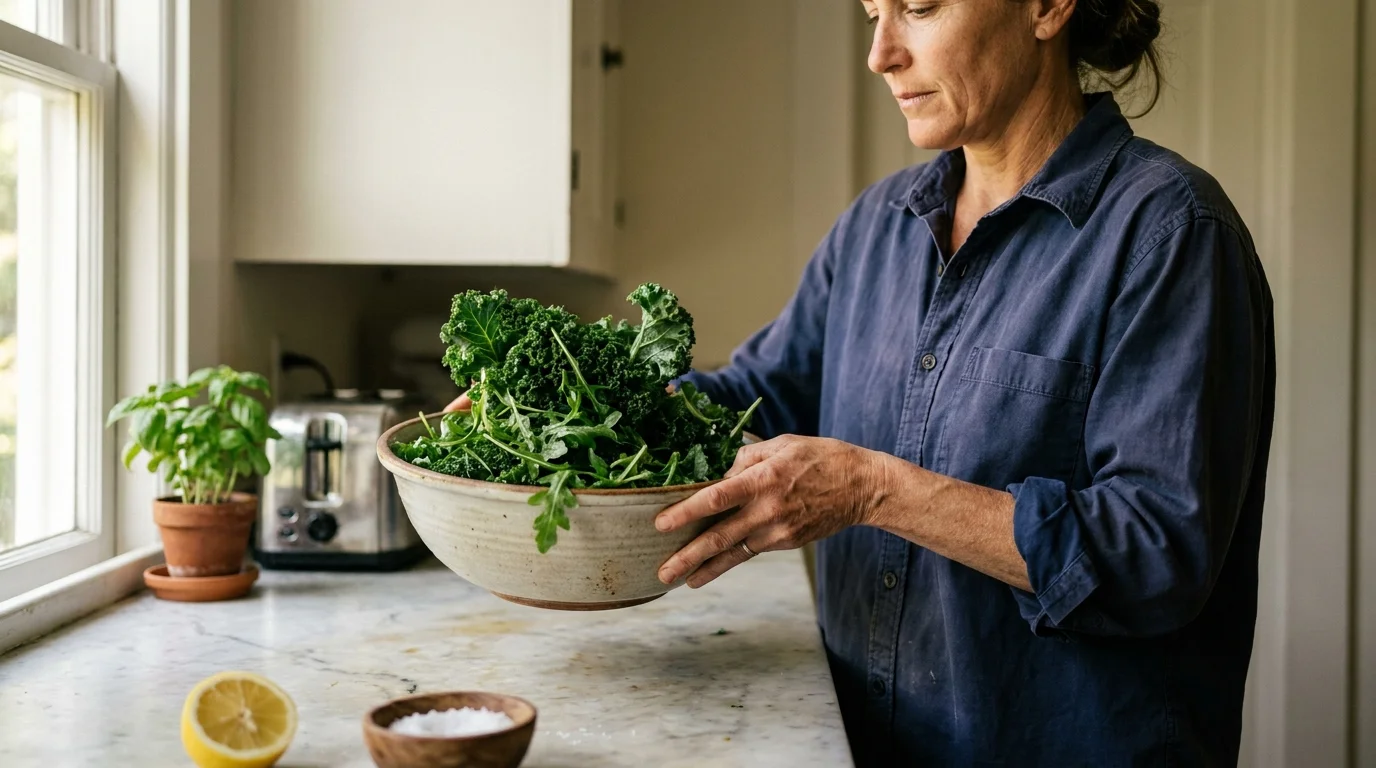
Arugula, mustard greens, and kale often graduate from plate garnishes to main cravings later in life. In your younger years, your taste buds naturally reject excessive bitterness as an evolutionary defense mechanism against toxins. As your palate matures and receptor sensitivity decreases, the complex, peppery bite of these vegetables becomes highly desirable. These dark leafy greens deliver massive doses of vitamin K, folate, and powerful phytonutrients necessary for cardiovascular health and cognitive preservation. Your sudden urge for a massive kale salad signifies your body asking for cellular protection and enhanced blood vessel support.
2. Aged and Pungent Cheeses
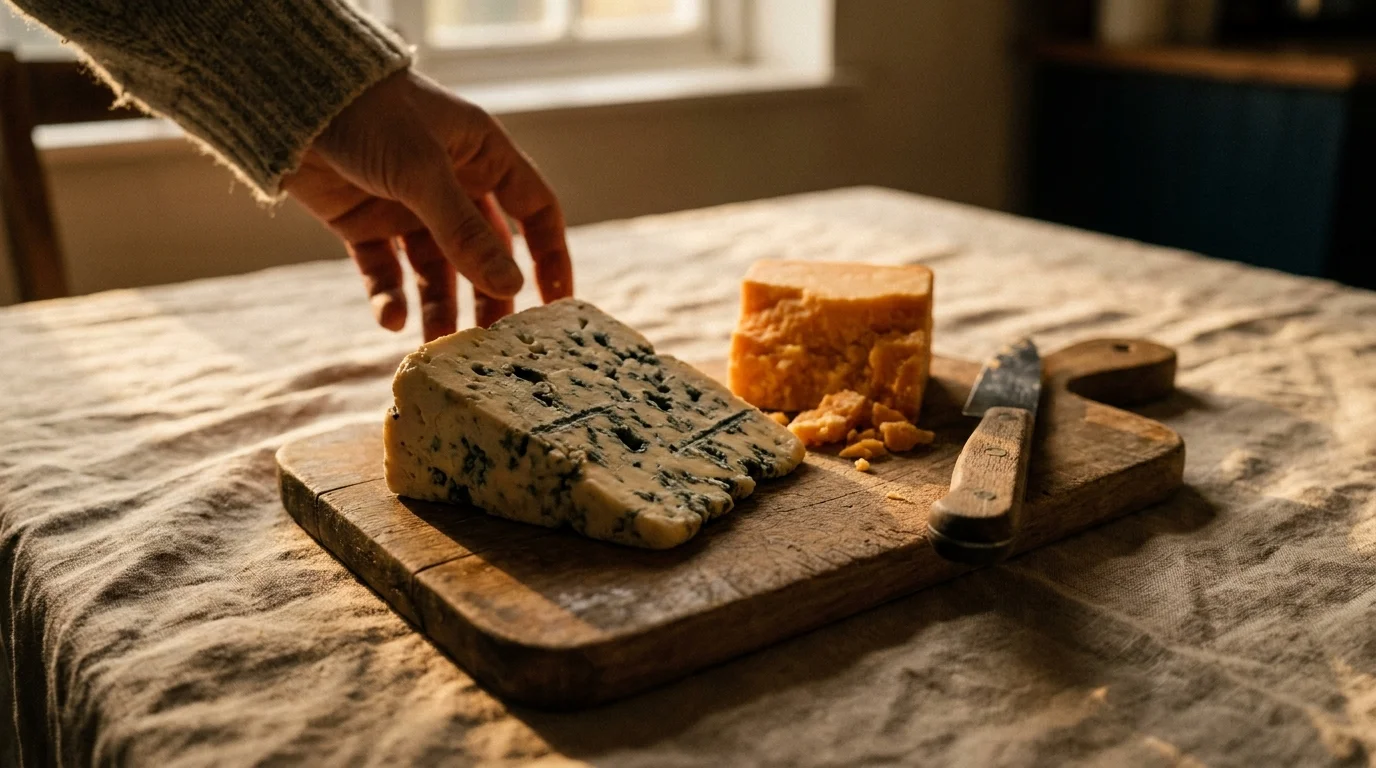
Sharp cheddar, gorgonzola, and aged gouda provide an intense blast of umami and salt that effortlessly cuts through a blunted sense of taste. Aging alters your calcium absorption rates and increases your daily protein requirements to prevent muscle loss. By craving highly concentrated dairy products, you intuitively guide yourself toward readily available sources of calcium, phosphorus, and high-quality fats. The rich, concentrated flavor profile of an aged cheese satisfies your sensory pathways while simultaneously delivering the structural building blocks required to maintain strong bones and preserve lean muscle mass.

3. Dark Chocolate
Moving away from cloying milk chocolate toward intense, high-percentage dark chocolate represents one of the most common dietary shifts. This craving frequently points straight to your body’s changing magnesium requirements. Magnesium regulates muscle contractions, nerve function, and blood sugar levels; unfortunately, absorption efficiency drops as you get older. Dark chocolate offers a dense, delicious source of this essential mineral alongside potent antioxidants called flavonoids. Your preference for the bitter snap of a ninety-percent cacao bar reflects an acquired taste maturity combined with a deep physiological need for cardiovascular and nervous system support.

4. Pickled and Fermented Foods
Kimchi, sauerkraut, and traditional dill pickles bring a sharp, acidic tang that easily excites older taste receptors. Beyond the punchy flavor, this craving highlights a fundamental shift in your gastrointestinal tract. Stomach acid production often decreases with age, and the composition of your gut microbiome changes, occasionally leading to sluggish digestion. Fermented foods supply natural probiotics and organic acids that optimize your intestinal environment. When you suddenly want to eat pickles straight from the jar, you are actively seeking digestive enzymes and beneficial bacteria to streamline nutrient absorption and support your robust immune system.
5. Sardines and Fatty Fish
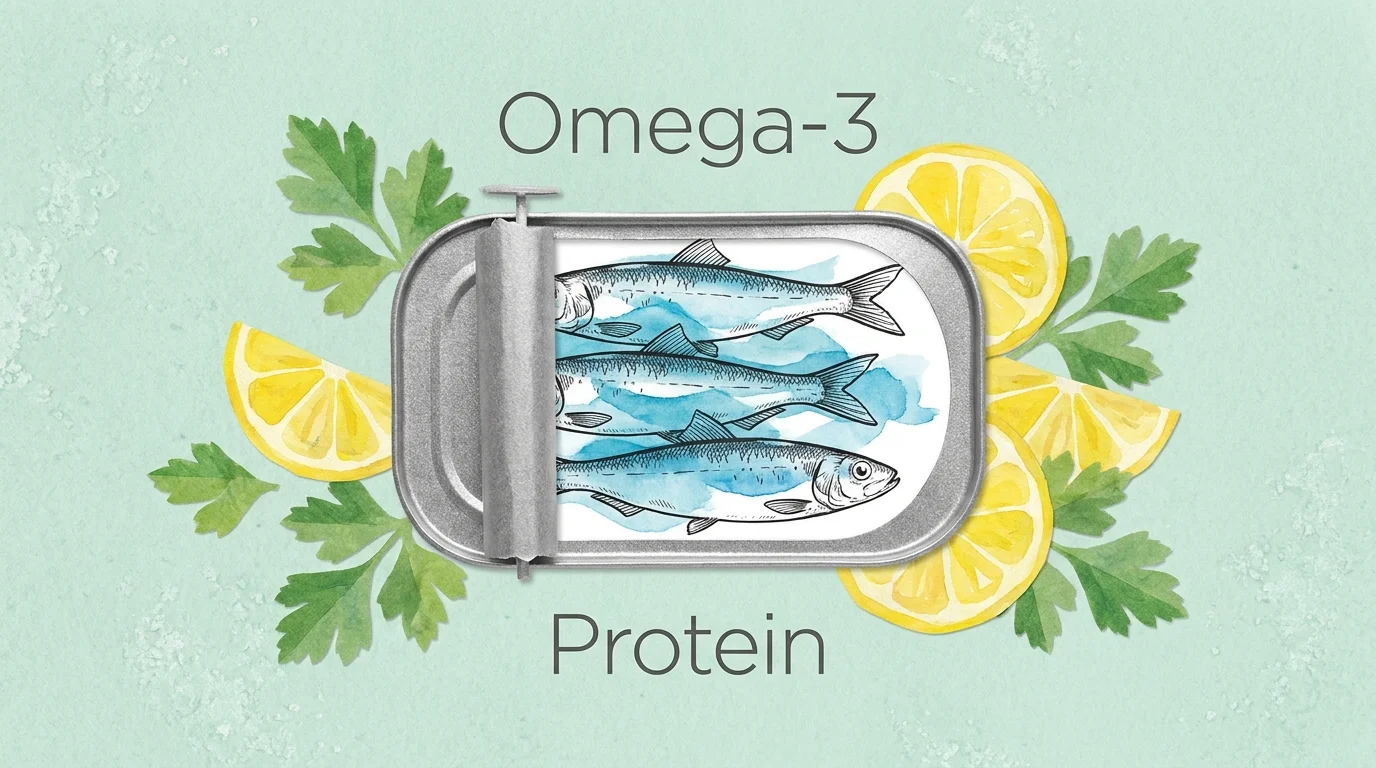
Many individuals who avoided oily fish for decades suddenly find themselves stocking up on sardines, mackerel, and salmon. Your joints, brain, and cardiovascular system demand increased levels of omega-three fatty acids to combat systemic inflammation as you age. These fish provide high concentrations of eicosapentaenoic acid and docosahexaenoic acid—fats directly linked to preserving cognitive function and joint mobility. Additionally, flaky fish provides an incredibly digestible source of protein that requires far less energy to break down compared to dense cuts of beef or pork, making it an incredibly efficient fuel source for your evolving digestive system.
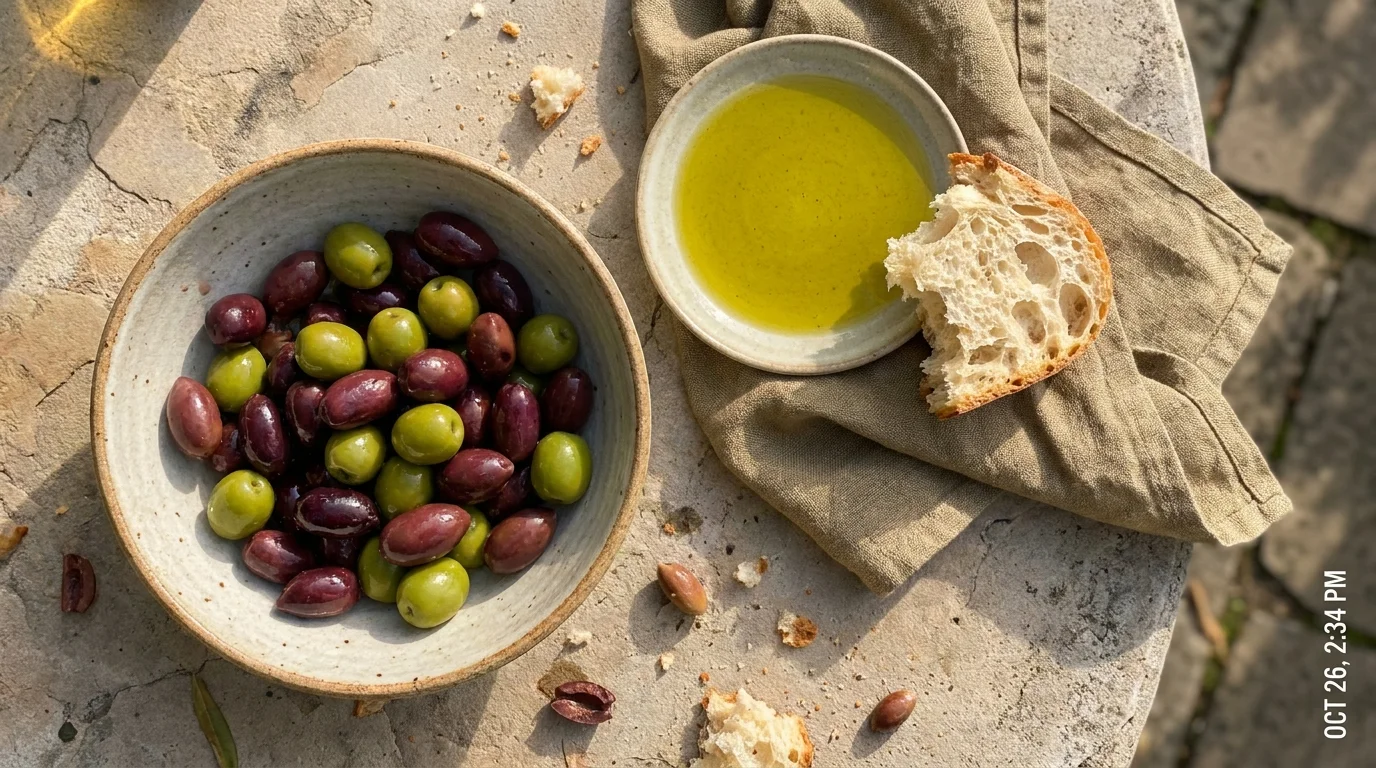
6. Olives and Olive Oil
Craving the briny pop of kalamata olives or the rich mouthfeel of extra virgin olive oil indicates a dual need for healthy fats and electrolytes. Fluid balance mechanisms change over time; your thirst cues become less pronounced, and your kidneys may excrete water and sodium differently. The saltiness of cured olives helps trigger your natural thirst mechanism while supplying monounsaturated fats that lubricate your joints and support healthy cholesterol levels. This craving expertly combines sensory satisfaction with fundamental hydration and cardiovascular maintenance.
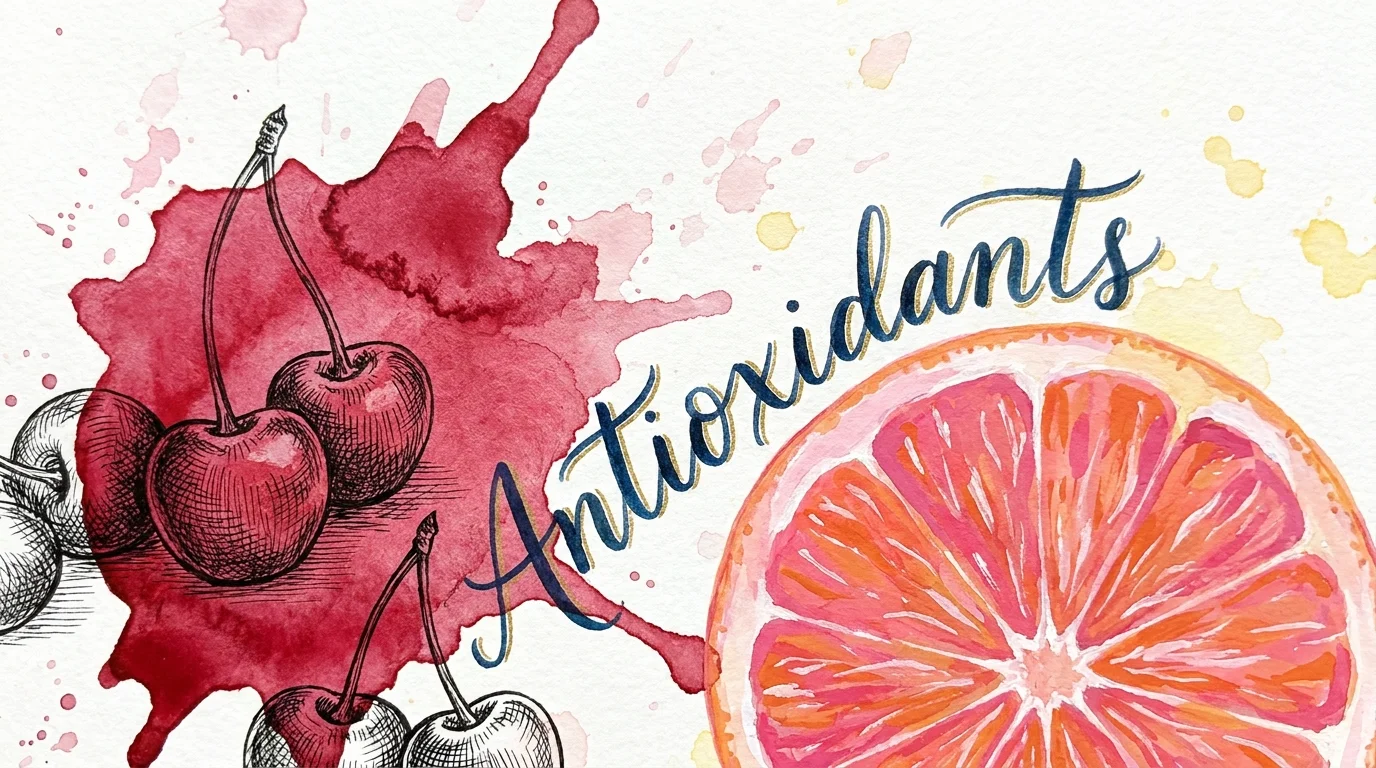
7. Tart Cherries and Citrus
Grapefruit, lemons, and tart cherries provide an astringent, sour profile that wakes up resting taste buds. A sudden preference for these tart fruits over extremely sweet alternatives often points to your body seeking concentrated vitamin C and specific antioxidants. Tart cherries, for example, contain natural melatonin and anthocyanins that help regulate disrupted sleep cycles and reduce joint inflammation. Craving a sour grapefruit for breakfast delivers an immediate hydration boost alongside vital immune-supporting nutrients, effectively bypassing the sugar crashes associated with sweeter morning pastries.

8. Bone Broth and Savory Soups
Sipping on warm, collagen-rich bone broth provides deep, soothing umami flavors that require zero chewing effort. Dental changes and minor swallowing difficulties can subtly influence your food choices, making nutrient-dense liquids highly appealing. Bone broth delivers easily assimilated amino acids like glycine and proline, which directly support the integrity of your own cartilage, skin, and intestinal lining. This intense craving for savory, warm liquids ensures you maintain adequate hydration and protein intake without stressing your digestive mechanics.
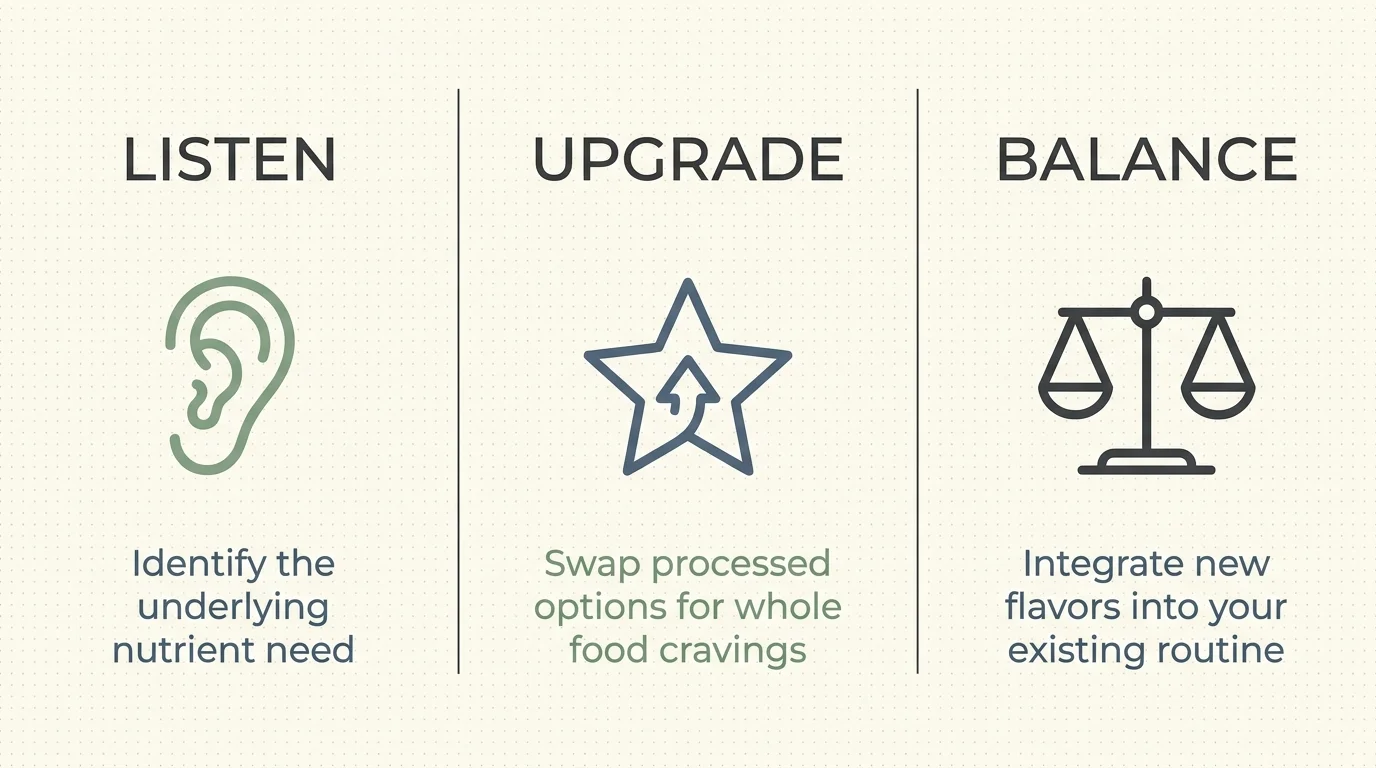
Strategy Pillars for Managing New Food Habits
Adapting to these sudden culinary shifts requires intentional planning to maximize nutritional benefits. Your first strategy involves comprehensive meal planning that honors your new flavor preferences without relying on overly processed options. When you crave intense flavors, you might feel tempted by heavily salted restaurant meals or commercial snacks. Instead, plan your weekly menus around whole-food sources of these robust tastes. Batch-cook tangy vegetable soups, roast massive trays of bitter greens with garlic, and keep high-quality fermented foods perfectly stocked in your refrigerator. Proactive planning ensures you satisfy your shifting palate with ingredients that actively fortify your health.
Your second strategy centers entirely on nutrient focus and density. You want to make every single calorie and craving count toward your overall vitality. When a specific urge strikes, pair the craved item with a complementary macronutrient to stabilize your blood sugar and maintain steady energy. If you desperately want dark chocolate, enjoy it alongside a handful of raw walnuts for added protein and healthy fats. If you crave the salty bite of olives, mix them into a quinoa salad to boost your dietary fiber. Consulting resources on maintaining digestive health confirms that combining distinct cravings with high-fiber anchors keeps your digestive tract functioning smoothly and optimizes nutrient extraction.
The final pillar relies on strategic habit formation. Establishing a new, healthy dietary pattern works best when you anchor the new behavior to an existing daily routine—a concept known as habit stacking. If you suddenly enjoy tart cherry juice for its anti-inflammatory benefits, integrate a small glass into your established evening wind-down routine rather than drinking it randomly throughout the day. By systematically attaching these beneficial new food urges to solid, pre-existing habits, you transform fleeting cravings into permanent, health-promoting rituals that effortlessly support your long-term wellness goals.

Expert Perspectives and Real-Life Experiences
Clinical dietitians and geriatric physicians routinely observe these fascinating palate transformations in their practice. Medical professionals consistently note that patients who embrace their shifting taste preferences—rather than fighting them or clinging to their childhood diets—exhibit better overall nutritional markers. Dietitians frequently encourage you to view these new urges not as strange anomalies, but as brilliant biological directives. When you listen to your body’s request for stronger, more complex flavors, you naturally diversify your gut microbiome and expand your micronutrient intake.
Community wellness groups echo these clinical findings through countless lived experiences. Many active older adults report entirely abandoning heavily sweetened baked goods in favor of savory, umami-rich breakfasts like smoked salmon on seeded crackers or kimchi folded into scrambled eggs. These individuals consistently report that surrendering to their evolving tastes resulted in higher daily energy levels, improved joint mobility, and much better digestive comfort. Real-life success stems directly from paying close attention to these internal cues and treating your changing palate with curiosity rather than resistance.

Safety, Contraindications, and Personalizing Your Diet
While leaning into your new food preferences generally improves your nutritional status, you must navigate a few important medical safety considerations. Potent foods often carry powerful biological effects that can interact with your health profile. For example, suddenly craving and consuming large quantities of grapefruit can prove dangerous if you take specific cholesterol-lowering statins or blood pressure medications. Grapefruit compounds block an enzyme in your liver, potentially causing dangerous amounts of the medication to accumulate in your bloodstream. You must always review specific medication interactions with your pharmacist before making drastic dietary changes.
Similarly, indulging an intense craving for cured meats, pickles, and aged cheeses requires careful moderation if you manage hypertension. These incredibly flavorful foods contain massive amounts of sodium. The clinical guidelines for sodium consumption strongly recommend balancing these salty cravings with potassium-rich whole foods like avocados or potatoes to maintain healthy blood pressure levels. Furthermore, if you struggle with histamine intolerance, a sudden influx of fermented foods or aged dairy might trigger headaches or digestive distress. Always personalize your approach; consult a registered dietitian or your primary care physician to ensure your newfound culinary passions align safely with your unique medical history.
Frequently Asked Questions
Can sudden cravings indicate a severe nutrient deficiency?
Yes, in some cases, severe and highly specific urges can indicate a physiological deficiency. For instance, an overwhelming desire to chew on ice or eat dirt—a condition called pica—often signals a severe iron or zinc deficiency. However, an everyday craving for dark leafy greens or aged cheese typically points to a general shift in metabolic needs rather than a critical, life-threatening nutrient depletion. If a craving feels compulsive, you should request a basic blood panel from your physician.
Why do I no longer crave excessively sweet foods?
Your tolerance for concentrated sweetness often diminishes due to age-related changes in your taste receptor sensitivity and shifting metabolic hormone levels. As you age, the intense sugar levels found in commercial candies or frostings can become overwhelming or trigger immediate energy crashes. Your brain naturally starts steering you toward more complex, balanced flavors that provide steady energy without heavily taxing your insulin response.
How do prescription medications alter my daily food preferences?
Many common prescription drugs—especially blood pressure medications, antidepressants, and antihistamines—cause dry mouth by significantly reducing your saliva production. Because saliva transports flavor molecules to your taste buds, a dry mouth mutes your ability to taste food properly. This pharmacological side effect frequently causes you to crave highly seasoned, acidic, or extremely moist foods to compensate for the lack of natural salivary transport.
Should I indulge every new food urge I experience?
You should view cravings as helpful suggestions rather than absolute commands. While a sudden desire for wild-caught salmon or fresh arugula represents an excellent cue to follow, an intense craving for heavily processed, high-sodium snack foods requires a more strategic approach. Identify the root flavor profile you want—such as salt or crunch—and satisfy it using a whole-food alternative to protect your cardiovascular and metabolic health.
Your Next Step Toward Better Nutrition
Your constantly evolving palate acts as a deeply intelligent guide toward optimal health and longevity. Instead of forcing yourself to eat the same bland meals you tolerated a decade ago, you can confidently explore these robust, complex flavors. Within the next twenty-four hours, identify one strong flavor you have recently started desiring—whether it is a handful of Kalamata olives, a square of dark chocolate, or a tangy serving of kimchi—and intentionally build a balanced, nourishing meal around it. Honor your biological wisdom; nourish your body exactly as it asks to be nourished today.