
Canned seafood provides an affordable, shelf-stable way to boost your intake of omega-3 fatty acids, high-quality protein, and essential micronutrients without the hassle of cooking fresh fillets. Knowing how to select the healthiest options allows you to reap these cardiovascular and cognitive benefits while keeping excess sodium at bay. The grocery store aisles are packed with dozens of tins, pouches, and jars, making shopping feel overwhelming when you simply want to find a nutritious lunch staple. By understanding the specific nutritional profiles of different fish varieties and learning to navigate nutrition labels effectively, you can confidently stock your pantry with convenient choices that support both your long-term health goals and your weekly budget.

The Science Behind Canned Seafood
Preserving fish in a can or pouch does not destroy its macronutrient profile. In fact, the canning process protects delicate omega-3 fatty acids from light and oxygen exposure, preventing the lipids from oxidizing and going rancid. When you open a tin of fish, you access a highly bioavailable source of eicosapentaenoic acid (EPA) and docosahexaenoic acid (DHA). Extensive clinical evidence on omega-3 fatty acids demonstrates their ability to lower triglyceride levels, reduce systemic inflammation, and support healthy brain function across all stages of life. The heat applied during the commercial canning process also softens the bones of certain small fish, rendering them entirely edible and transforming the product into an exceptional, non-dairy source of dietary calcium.
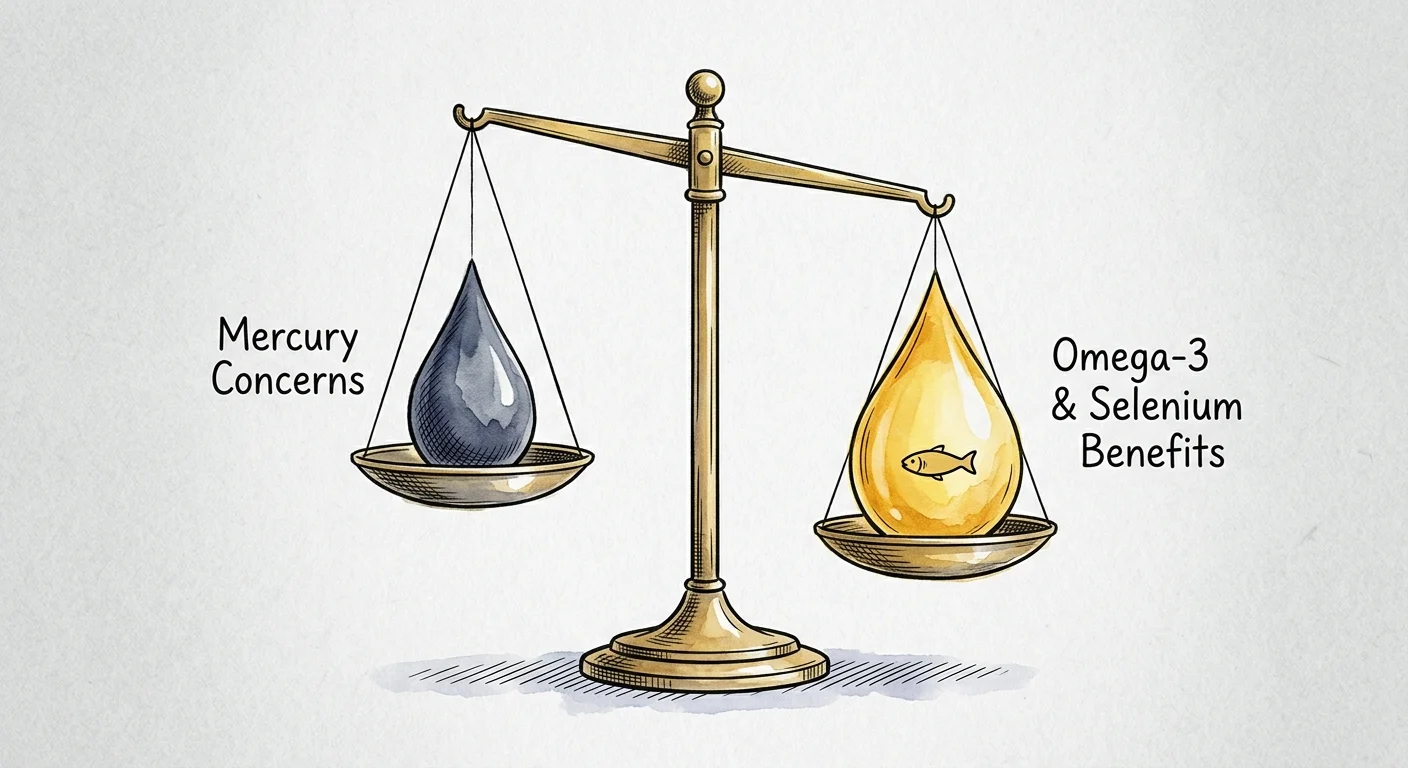
Beyond healthy fats and calcium, canned fish delivers a dense matrix of essential micronutrients that regulate metabolism and cellular repair. You will find significant amounts of vitamin D, selenium, iodine, and vitamin B12 in most varieties. Selenium acts as a powerful antioxidant, mitigating cellular damage and playing a unique biological role in binding to heavy metals to reduce their toxicity. By routinely incorporating these preserved proteins into your meals, you provide your body with the exact building blocks required to maintain muscle mass, produce vital hormones, and sustain steady energy levels throughout your busy day.
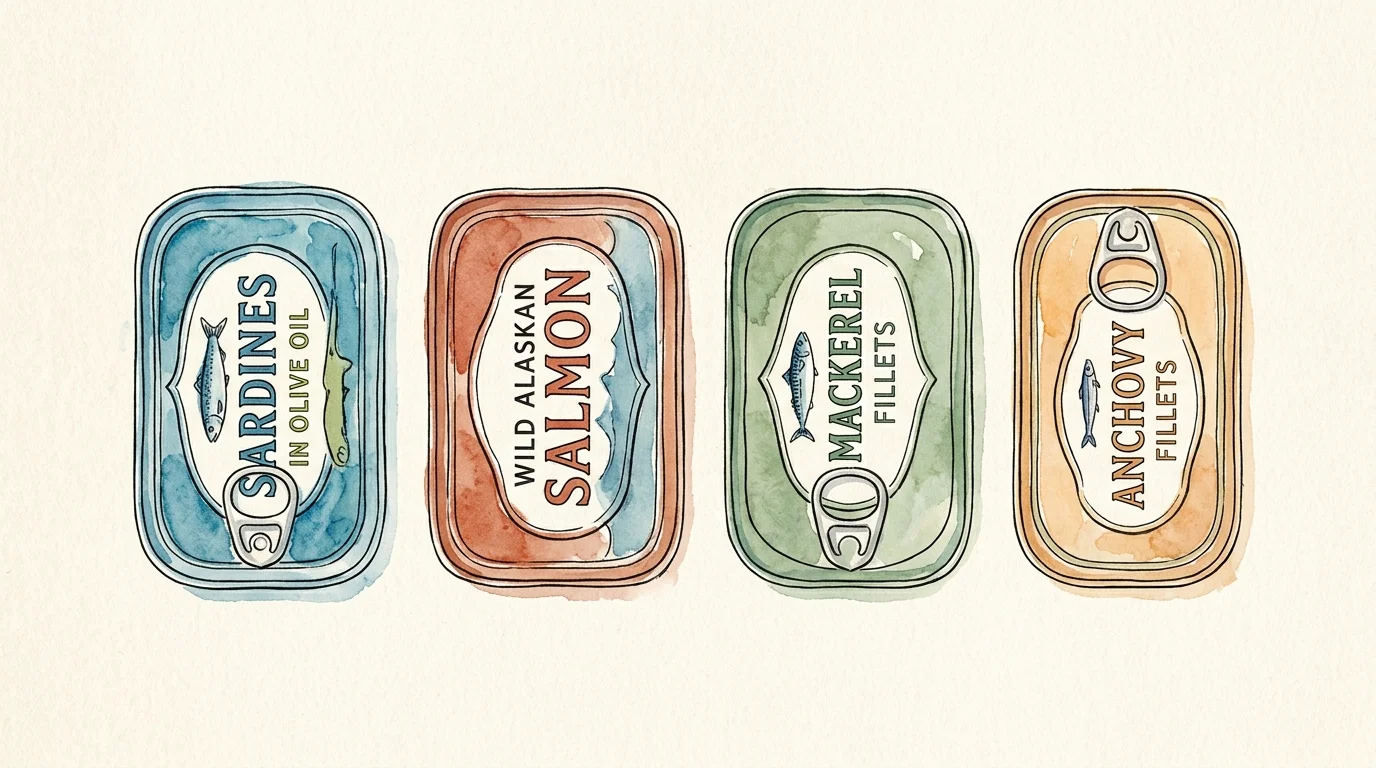
6 Healthiest Canned Fish Options
Sardines: The Tiny Nutritional Powerhouse
Sardines sit at the very top of the nutritional hierarchy. Because they belong to the bottom of the aquatic food chain, they accumulate virtually no mercury while gathering massive amounts of omega-3 fatty acids from the plankton they consume. Purchasing sardines packed with their skin and bones intact provides you with roughly a third of your daily calcium requirements in a single tin. This structural calcium pairs perfectly with the naturally occurring vitamin D in the fish, facilitating optimal bone mineralization and defending against osteopenia.
You can find sardines packed in water, olive oil, or tomato sauce. Choosing sardines in extra virgin olive oil adds complementary monounsaturated fats to your meal, enhancing the absorption of fat-soluble vitamins. If you prefer a lighter caloric footprint, water-packed sardines offer the exact same protein and micronutrient density. Mash them with avocado, a squeeze of lemon juice, and cracked black pepper to create a nutrient-dense spread for toasted sourdough bread.
Wild Alaskan Salmon
Canned wild Alaskan salmon provides an identical nutritional profile to the expensive fresh fillets sitting in the seafood case, but at a fraction of the cost. Wild salmon species—specifically sockeye and pink salmon—boast vibrant color due to astaxanthin, a potent marine antioxidant linked to improved skin elasticity and enhanced cardiovascular health. Sockeye salmon typically delivers a firmer texture and a higher concentration of omega-3s, while pink salmon offers a milder flavor that adapts beautifully to a wide variety of recipes.
Just like sardines, traditional canned salmon includes the softened bones and skin. Mashing these directly into the flesh before forming salmon patties or mixing a salad ensures you capture the full spectrum of calcium and marine collagen. Canned salmon serves as an ideal foundation for high-protein meals; you can mix it with Greek yogurt, diced celery, and fresh dill for a refreshing, heart-healthy alternative to traditional mayonnaise-heavy salads.
Atlantic Mackerel
Atlantic mackerel offers a rich, buttery texture and an exceptionally high concentration of anti-inflammatory fats. Unlike King mackerel, which environmental authorities advise avoiding due to high mercury content, Atlantic mackerel remains a safe, low-mercury choice suitable for regular consumption. This fish delivers over a thousand milligrams of EPA and DHA per serving, making it one of the most efficient ways to achieve the therapeutic doses required to support overall heart health and endothelial function.
Because mackerel possesses a robust, savory flavor profile, it stands up well to strong acidic and spicy ingredients. You can flake canned mackerel over a bed of bitter greens like arugula or radicchio, dressing the salad with a sharp Dijon mustard vinaigrette. This combination balances the natural richness of the fish while providing a satisfying, fiber-rich lunch that prevents mid-afternoon energy crashes.
Skipjack Light Tuna
Tuna remains the undisputed staple of the American pantry, but not all canned tuna offers the same health benefits. Skipjack tuna, frequently labeled as “chunk light,” presents a distinctly healthier profile than albacore or “solid white” tuna. Skipjack matures faster and stays smaller, meaning it accumulates significantly less mercury over its lifespan. This biological advantage makes it a much safer option for weekly consumption, allowing you to enjoy the unparalleled convenience of tuna salad without heavy metal concerns.
Skipjack tuna provides a massive dose of lean protein—often upward of twenty grams per can—making it an exceptional post-workout recovery food. To maximize the health benefits, seek out sustainably pole-and-line caught skipjack packed in water or its own natural juices. You can seamlessly integrate it into whole-grain pasta dishes, fold it into a high-protein omelet, or simply enjoy it atop whole-wheat crackers for a rapid, satisfying snack.
Herring
Herring frequently flies under the radar in North American kitchens, yet it deserves a prime spot in your pantry. Often sold as “kipper snacks” when smoked, canned herring delivers a tremendous payload of omega-3 fatty acids, vitamin B12, and selenium. The smoking process imparts a deep, savory flavor that mimics bacon or cured meats, making it an excellent transitional food for individuals trying to eat less processed meat while increasing their seafood intake.
When selecting herring, pay close attention to the ingredient list, as some smoked varieties contain added sugars or artificial smoke flavors. Look for herring smoked naturally over hardwood and packed in water or its own juices. You can chop smoked herring into fine pieces and fold it into scrambled eggs, or use it to add a protein-rich, smoky element to a hearty potato and leek soup.
Anchovies
Anchovies function less as a standalone protein and more as a powerful, nutrient-dense culinary tool. These tiny fish dissolve almost completely when heated in oil, releasing a burst of umami flavor that deepens the complexity of sauces, stews, and dressings. Despite their small serving size, anchovies provide concentrated amounts of omega-3s, iron, and calcium.
Because processors cure anchovies in salt before canning them in oil, they represent the highest sodium option on this list. You must use them strategically. By relying on two or three anchovy fillets to season an entire pot of marinara sauce or a large batch of Caesar dressing, you eliminate the need to add table salt to the recipe. This strategy allows you to harness their rich nutritional profile and intense flavor without overwhelming your daily sodium budget.

Strategy Pillars for Integrating Canned Fish
Nutrient Focus: Decoding Sodium on the Label
Navigating sodium levels requires a clear understanding of your daily nutritional targets. The current guidelines for daily sodium intake recommend staying below 2,300 milligrams per day to maintain healthy blood pressure. However, the canning process naturally relies on salt as a preservative and flavor enhancer. When you evaluate a can of fish, check the nutrition facts panel specifically for the serving size. A single tin often contains two or three servings; failing to account for this can lead you to unintentionally consume triple the sodium you anticipated.
To assert total control over your sodium intake, explicitly search for cans labeled “No Salt Added.” These products rely entirely on the sterilization of the canning process for preservation rather than chemical curing. If your local grocery store only stocks standard salted varieties, you can employ a simple mechanical intervention: drain the packing liquid completely and rinse the fish under cold, running water for sixty seconds. Clinical analyses show that this simple rinsing technique removes roughly thirty to forty percent of the added sodium while leaving the protein and intracellular omega-3 fats completely intact.
Meal Planning: Simple Daily Additions
Successful meal planning relies on eliminating friction. Canned fish removes the thawing, scaling, and cooking steps that often deter people from eating seafood. Keep your pantry stocked with a baseline inventory of three different varieties—such as skipjack tuna, sardines, and wild salmon—to prevent flavor fatigue. Dedicate specific days of the week to specific routines, like a “Tuna Tuesday” lunch wrap or a “Salmon Sunday” breakfast scramble.
You can easily build balanced, macronutrient-complete meals around a single tin of fish. Combine your chosen seafood with a complex carbohydrate, such as quinoa or brown rice, and a dense source of dietary fiber, like roasted broccoli or fresh spinach. The combination of marine protein, healthy fats, and complex carbohydrates stabilizes blood glucose levels, keeping you feeling full and focused for hours after you finish your meal.
Habit Formation: Sustainable Choices
Building a new dietary habit requires starting small. If you find the robust flavor of sardines or mackerel intimidating, do not force yourself to eat them straight from the tin. Begin by incorporating them into highly flavorful environments. Mash sardines into a deeply spiced tomato sauce served over whole-wheat pasta, where the garlic, oregano, and chili flakes mellow the fish’s natural intensity. Over time, your palate will adapt to these richer flavors, allowing you to enjoy them in simpler preparations.
Environmental sustainability also plays a crucial role in habit formation. Choosing products certified by the Marine Stewardship Council (MSC) ensures you support fishing practices that maintain healthy ocean ecosystems. When you connect your dietary choices to broader environmental health, you cultivate a deeper sense of purpose that sustains your new dietary habits long after the initial motivation fades.
Expert Voices and Safety Considerations
Clinical dietitians consistently emphasize canned seafood as a critical tool for bridging the nutritional gap in the modern diet. Most adults fail to consume the recommended two servings of fish per week required to maximize the cardiovascular benefits of eating fish. Dietitians point out that the financial barrier of fresh seafood often drives this deficiency. By normalizing the use of canned salmon and sardines, nutrition professionals help families achieve optimal nutrition without straining their grocery budgets. Physicians also leverage these foods when counseling patients with dyslipidemia, using the potent anti-inflammatory effects of EPA and DHA to naturally lower elevated triglycerides.
Despite these profound benefits, certain populations must exercise caution and individualize their intake. Pregnant individuals, nursing mothers, and young children should closely follow authoritative recommendations for minimizing mercury exposure. While small fish like sardines and skipjack tuna present very low risks, apex predators like albacore tuna and swordfish can accumulate neurotoxic levels of heavy metals. By rotating your fish choices and favoring species lower on the food chain, you easily mitigate this risk while maintaining a robust nutrient intake.
Additionally, individuals diagnosed with histamine intolerance or certain mast cell activation disorders should approach canned fish carefully. The aging and canning process allows specific amino acids to convert into histamine, which can trigger headaches, hives, or gastrointestinal distress in highly sensitive people. If you experience these symptoms consistently after consuming canned seafood, consult with an allergist or a registered dietitian. They can help you identify whether you need to transition back to flash-frozen fresh fish or if taking a targeted digestive enzyme might alleviate your symptoms.
Frequently Asked Questions
Does rinsing canned fish reduce the sodium content?
Yes. Draining the packing liquid and rinsing your canned fish under cold running water removes a substantial amount of the surface sodium. Research shows that a thorough rinse can eliminate up to forty percent of the added salt. While this process washes away some of the flavor provided by the packing oil or broth, it leaves the internal omega-3 fatty acids and protein matrix entirely unharmed.
Is canned fish as nutritious as fresh fish?
Canned fish retains the vast majority of the nutritional value found in fresh fillets. The heat used during the canning process causes minimal degradation to the protein structures and the healthy fats. In some aspects, canned fish proves superior; the softening of the bones in canned salmon and sardines provides a highly bioavailable source of calcium that you simply cannot get from a fresh, deboned fish fillet.
How often can I safely eat canned tuna?
Your safe consumption frequency depends entirely on the species of tuna. You can safely consume low-mercury varieties like skipjack (chunk light) tuna two to three times per week. Conversely, you should limit your intake of albacore (solid white) tuna to no more than once per week due to its higher heavy metal accumulation. Pregnant women and children should follow even stricter limits as advised by their pediatricians or obstetricians.
What is the difference between fish packed in water versus oil?
Fish packed in water delivers a lower total calorie count and a pure marine flavor, making it ideal if you plan to mix the fish with your own fats, like mayonnaise or avocado. Fish packed in oil—specifically extra virgin olive oil—offers a richer texture and additional heart-healthy monounsaturated fats. The oil helps preserve the delicate texture of the fish, though you should account for the extra calories when incorporating it into your daily meal plan.
Your Next Step
Transforming your nutritional health does not require a massive overhaul of your cooking routine; it simply requires making slightly better choices in the grocery aisle. You now possess the knowledge to identify low-mercury, nutrient-dense fish and the skills to navigate sodium levels on the nutrition label. Choose one variety of fish you have never tried—perhaps a tin of wild Alaskan salmon or a high-quality jar of extra virgin olive oil-packed sardines—and commit to swapping it for your usual lunch protein at least once this week. By taking this single, practical step, you directly invest in your cardiovascular health, support your cognitive function, and open the door to a more resilient, energized version of yourself.