Choosing the healthiest cooking oils transforms your meals from basic sustenance into powerful drivers of cardiovascular wellness and metabolic health. Understanding how heat affects different fats ensures you extract maximum nutritional value without generating harmful oxidative compounds in your kitchen. Walk down any grocery store aisle, and you face a dizzying array of bottles—from extra-virgin olive oil and cold-pressed avocado oil to robust sesame and budget-friendly canola blends. Navigating this liquid landscape requires moving beyond marketing buzzwords to understand the specific smoke points and fatty acid profiles of each option. By stocking your pantry strategically, you elevate both the flavor of your favorite cultural dishes and your long-term health trajectory.
The Science of Dietary Fats and Heat Stability
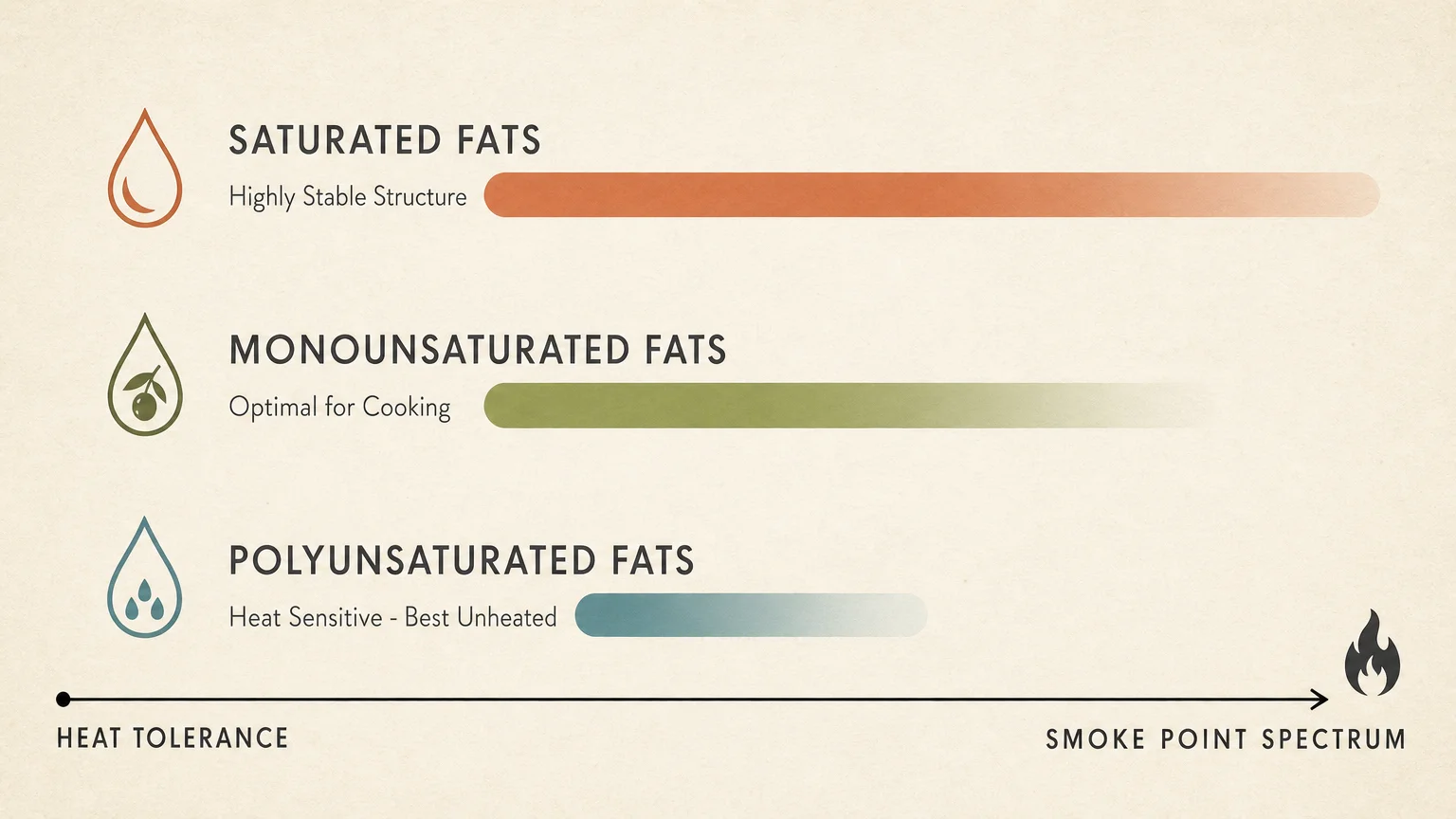
Understanding the chemical behavior of lipids under heat serves as the foundation of smart culinary nutrition. When you heat an oil past its specific thermal threshold—commonly known as the smoke point—the molecular structure begins breaking down rapidly. This degradation destroys sensitive antioxidants and releases harmful free radicals alongside a volatile compound called acrolein, which imparts a bitter flavor to your food. Researchers consistently demonstrate that prioritizing unsaturated fats over processed saturated alternatives yields measurable improvements in cardiovascular outcomes. Monounsaturated fatty acids, found abundantly in olives and avocados, provide remarkable stability during cooking while supporting optimal cholesterol ratios. Polyunsaturated fats contain multiple double bonds; this makes them highly beneficial for brain function but generally less stable when exposed to intense heat. Saturated fats remain solid at room temperature and resist oxidation exceptionally well, yet excessive consumption correlates with negative shifts in lipid panels. Accessing comprehensive data on lipid metabolism empowers you to make informed decisions. The National Institutes of Health provides extensive documentation regarding olive oil benefits and cardiovascular risk reduction, illustrating why this staple remains a cornerstone of longevity diets. Your primary objective is understanding that heat, light, and oxygen actively alter the nutritional value of everything in your skillet.
Strategic Approaches to Stocking Your Pantry
Focusing on Nutrient Density
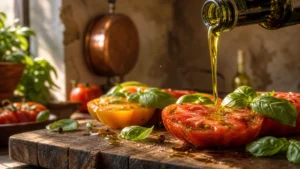
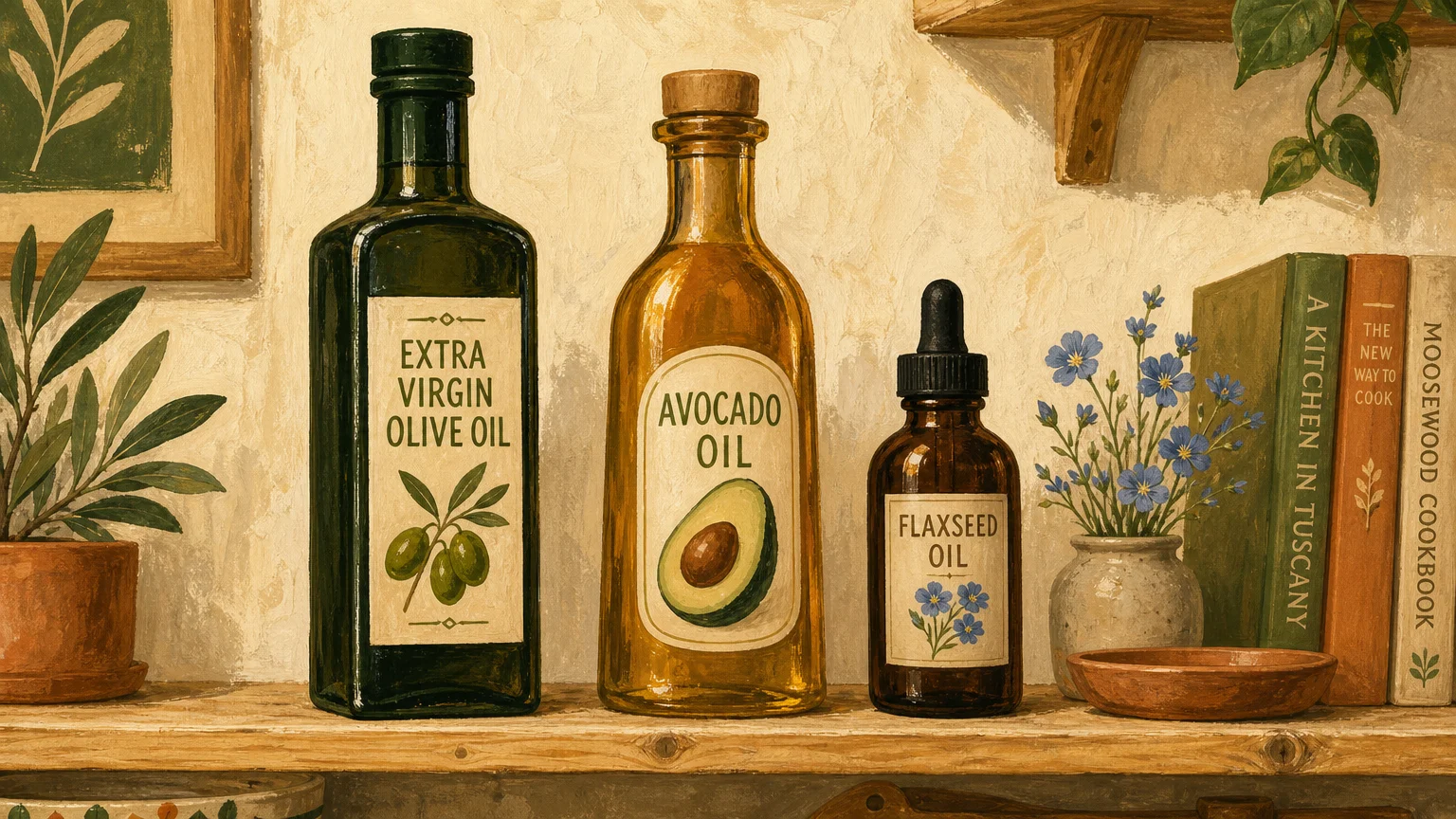
Building a health-promoting pantry starts with prioritizing nutrient density. Extra-virgin olive oil consistently ranks as the gold standard among healthy cooking oils due to its high concentration of oleic acid and potent polyphenols. These bioactive compounds act as aggressive scavengers against oxidative stress, actively mitigating chronic inflammation. When you incorporate premium olive oil into your daily routine, you deliver a robust dose of vitamin E that your cells eagerly absorb. Avocado oil shares a remarkably similar monounsaturated fat profile, offering substantial cardiovascular benefits while providing a completely neutral flavor palette for your recipes. Exploring specialty oils allows you to target specific nutritional gaps. Flaxseed oil and walnut oil supply abundant alpha-linolenic acid, an essential plant-based omega-3 fatty acid that modern diets often lack. Because these delicate polyunsaturated structures degrade rapidly when heated, you must reserve them exclusively for finishing applications—think drizzling over a spinach salad or folding into oatmeal. This targeted nutrient focus ensures you reap maximum physiological benefits from your grocery budget. The Centers for Disease Control and Prevention emphasizes the importance of selecting heart healthy foods to prevent chronic disease, and replacing solid fats with liquid plant oils represents one of the most effective dietary interventions available.
Planning Meals Around Smoke Points
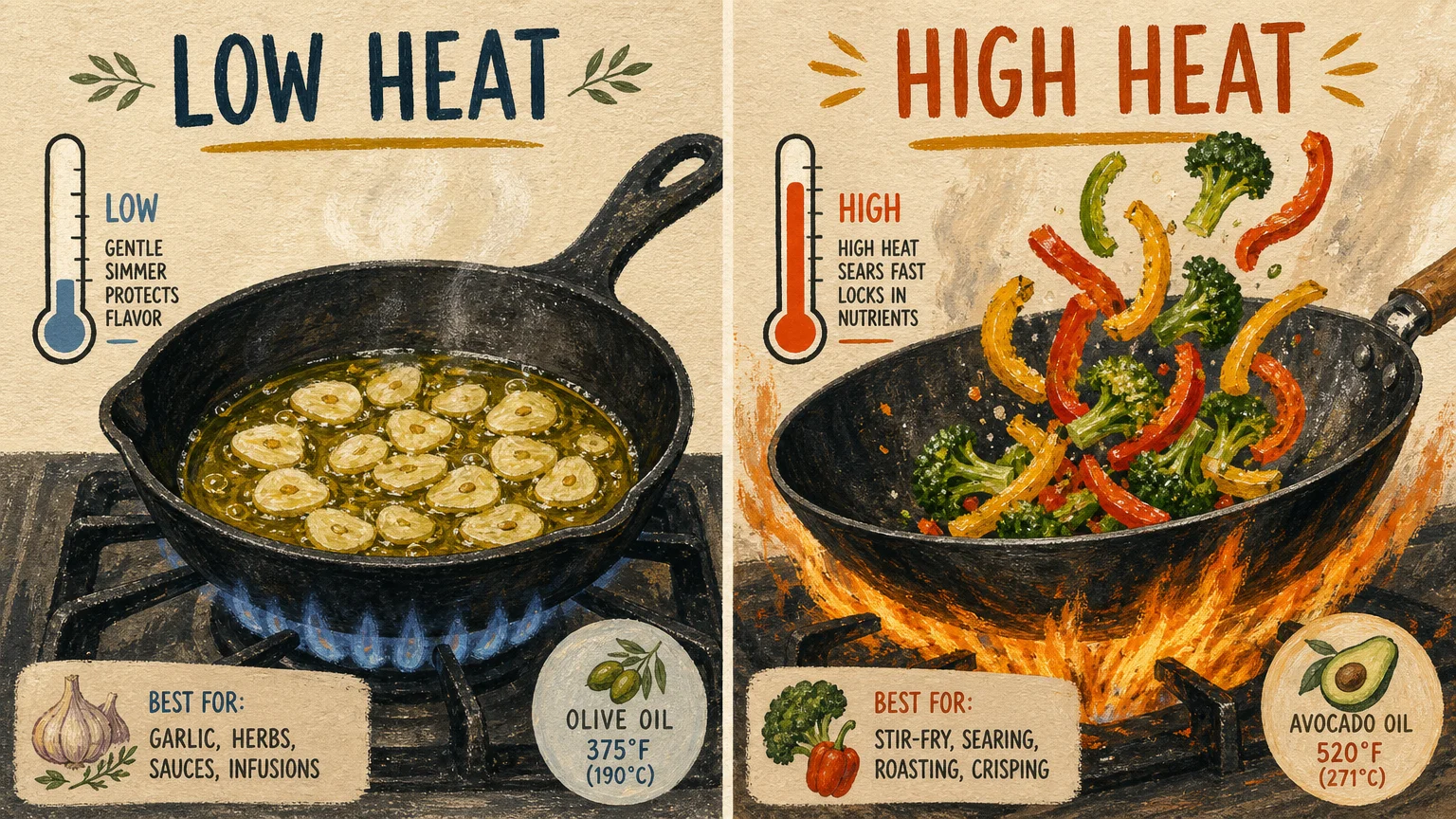
The highest-quality oil loses its nutritional supremacy the moment you heat it incorrectly; therefore, matching your cooking technique to the appropriate smoke point remains critical. For aggressive techniques like searing, broiling, or heavy sautéing, you need a resilient fat capable of withstanding temperatures exceeding 400 degrees Fahrenheit. Refined avocado oil excels in this extreme environment, maintaining molecular integrity up to 500 degrees while ensuring your lean proteins develop a beautiful crust. Light olive oil—which is filtered to remove particulate matter that burns easily—also performs beautifully for high-heat applications. Transitioning to medium-heat cooking opens the door for flavorful, minimally processed options. Extra-virgin olive oil performs exceptionally well for gentle sautéing, baking, and roasting vegetables at temperatures up to 375 degrees Fahrenheit. Contrary to outdated culinary myths, high-quality extra-virgin olive oil boasts impressive oxidative stability due to its dense antioxidant concentration, meaning it protects itself from degradation even when bubbling in a pan. For cold preparations and emulsified dressings, you enjoy total freedom to experiment with fragile oils. Toasted sesame oil delivers profound savory depth to vegetable dishes when added right before serving. The Academy of Nutrition and Dietetics offers detailed guidance on navigating smoke points and healthy fat selection to help streamline your culinary workflow.
Building Sustainable Kitchen Habits
Transforming nutritional intentions into permanent lifestyle changes requires establishing friction-free habits within your kitchen environment. Proper storage practices dictate the actual shelf life and nutritional potency of your oils far more than the expiration date printed on the packaging. Because light and heat accelerate oxidation, you must break the common habit of storing transparent bottles directly next to your warm stove. Relocate your premium oils to a cool, dark cabinet, and consider transferring them into opaque dispensers to block damaging ultraviolet rays. Purchasing oils in smaller quantities ensures you consume them while they remain vibrantly fresh, preventing the subtle rancidity that compromises cardiovascular benefits. Developing a strict rotational system prevents precious ingredients from languishing in the back of your pantry. You might designate avocado oil as your default weeknight cooking companion, reserve an artisanal olive oil strictly for finishing weekend meals, and keep walnut oil in the refrigerator to preserve its delicate omega-3s. Establishing this functional hierarchy simplifies grocery shopping and accelerates meal preparation. Habitual awareness extends to portion control; investing in a high-quality oil mister prevents accidental over-pouring. Cultivating these small routines guarantees that your ingredients deliver their promised nutritional payload every single time you cook.

Expert Perspectives on Selecting Fats
Clinical dietitians and culinary medicine physicians consistently emphasize that no single oil serves as a magic bullet for human health. Practitioners advocate for a diversified portfolio approach, encouraging patients to rotate through various plant-based fats to secure a broad spectrum of fatty acids and vital micronutrients. Real-world applications often highlight the importance of preserving cultural foodways while optimizing cardiovascular markers. For example, community nutritionists successfully adapt traditional Latin American or Asian recipes by identifying modern oils that honor authentic flavor profiles while substantially reducing saturated fat loads. Replacing traditional lard with avocado oil in tamale preparation or substituting refined vegetable blends with high-quality peanut oil for stir-frying honors cultural heritage without compromising metabolic health. Lived experiences from patients managing hyperlipidemia frequently mirror this flexible approach; many individuals report significant reductions in their LDL cholesterol simply by swapping their daily butter habit for olive oil. The American Heart Association validates these clinical observations, recommending that individuals replace saturated fats with healthier alternatives to lower cardiovascular event risks. Ultimately, the consensus among trusted nutrition experts remains clear: the best oil fits your household budget, matches your cooking style, and encourages you to consume more whole vegetables.
Safety Considerations and Personalizing Your Choices
While transitioning to healthier liquid fats generally benefits the broader population, individual biological differences require careful personalization. Food allergies present the most immediate risk when experimenting with specialty culinary oils. Cold-pressed nut and seed varieties—particularly unrefined peanut, walnut, and sesame oils—retain specific allergenic proteins capable of triggering life-threatening anaphylaxis in susceptible individuals. If you frequently cook for guests with severe food sensitivities, you must rigorously isolate these products or rely entirely on safe alternatives like pure olive or canola oil. Beyond immunological responses, respiratory safety demands your attention during high-heat cooking. Inhaling aerosolized smoke from burning oil exposes your sensitive lung tissue to volatile organic compounds; always engage your exhaust hood and open nearby windows when searing proteins. From a clinical perspective, individuals actively managing conditions like severe hypertriglyceridemia or acute pancreatitis may require specialized guidance regarding total lipid intake. While plant-based oils profoundly support heart health, gastroenterologists often advise patients experiencing active gallbladder distress to temporarily minimize all dietary fats. For comprehensive guidance on managing food allergies, the Food and Drug Administration provides extensive resources regarding allergen labeling and cross-contamination prevention. Always consult your primary care physician to tailor these broad recommendations to your specific metabolic panel.
Frequently Asked Questions
Does heating extra virgin olive oil destroy its health benefits? High-quality extra virgin olive oil actually demonstrates remarkable resilience under heat. While prolonged exposure to extreme temperatures diminishes some delicate aromatic compounds, the predominant monounsaturated fats remain completely stable and highly beneficial for sautéing or baking up to 375 degrees Fahrenheit.
Are seed oils actually bad for your health? Despite rampant internet speculation, rigorous epidemiological data does not support the claim that standard seed oils inherently cause systemic inflammation. While heavily processed diets containing massive amounts of low-quality fats promote poor health outcomes, incorporating moderate amounts of canola or sunflower oil within a balanced, vegetable-heavy diet remains a safe and metabolically sound choice.
How long do cooking oils last before going rancid? Most unrefined oils maintain peak nutritional quality for approximately six months after opening, provided you store them in a cool, dark environment away from ambient heat. You can easily detect rancidity by sniffing the bottle; if the contents smell like old paint or stale nuts, harmful oxidation has occurred, and you should discard the product immediately.
Is coconut oil a healthy choice for daily cooking? Because coconut oil consists predominantly of saturated fat, it behaves much more like traditional butter in your bloodstream, predictably raising LDL cholesterol levels in most healthy individuals. While its distinct tropical flavor wonderfully enhances specific baked goods, cardiovascular experts strongly recommend using it sparingly as an occasional treat rather than adopting it as your everyday cooking fat.
Your Next Step Toward Healthier Cooking
Upgrading your culinary oils represents one of the highest-leverage investments you can make in your long-term metabolic health. You now possess the scientific knowledge to navigate grocery store shelves with total confidence, selecting exactly the right bottle for every cooking application. The transition to better dietary fats demands small, deliberate shifts in your daily preparation habits rather than an expensive pantry overhaul. Commit to taking one highly practical step within the next twenty-four hours. Audit your kitchen cabinets tonight, relocate your most expensive olive oil away from the heat of the stove, and use it to dress a fresh salad tomorrow. By intentionally aligning your kitchen practices with evidence-based nutrition science, you immediately elevate the healing potential of every meal you prepare.