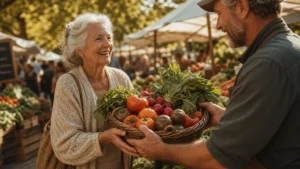
The Senior Farmers Market Nutrition Program gives you direct access to fresh, locally grown fruits, vegetables, honey, and herbs at no cost. This federally funded initiative bridges the gap between agricultural producers and older adults who face nutritional challenges due to fixed incomes. Accessing nutrient-dense produce directly impacts your cognitive health, immune function, and overall vitality. Chronic conditions like hypertension and diabetes disproportionately affect aging populations, yet dietary interventions centered on whole foods provide a measurable defense. By participating in this program, you can stretch your grocery budget while securing the vitamins and minerals necessary for healthy aging. Understanding eligibility criteria, application procedures, and strategic ways to utilize these benefits empowers you to transform daily meals.

The Science Behind Fresh Produce and Aging
As you age, your physiological requirements shift dramatically. Your metabolic rate naturally slows down, meaning you require fewer overall calories to sustain your weight and energy levels. However, your demand for essential vitamins, minerals, and dietary fiber remains exceptionally high—and in the case of nutrients like calcium and vitamin B12, the demand actually increases. This biological paradox makes nutrient density the most critical factor in your daily food choices. Filling your plate with foods that deliver the highest amount of micronutrients per calorie becomes essential for maintaining cellular health, preserving muscle tissue, and preventing chronic disease.
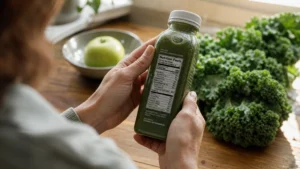
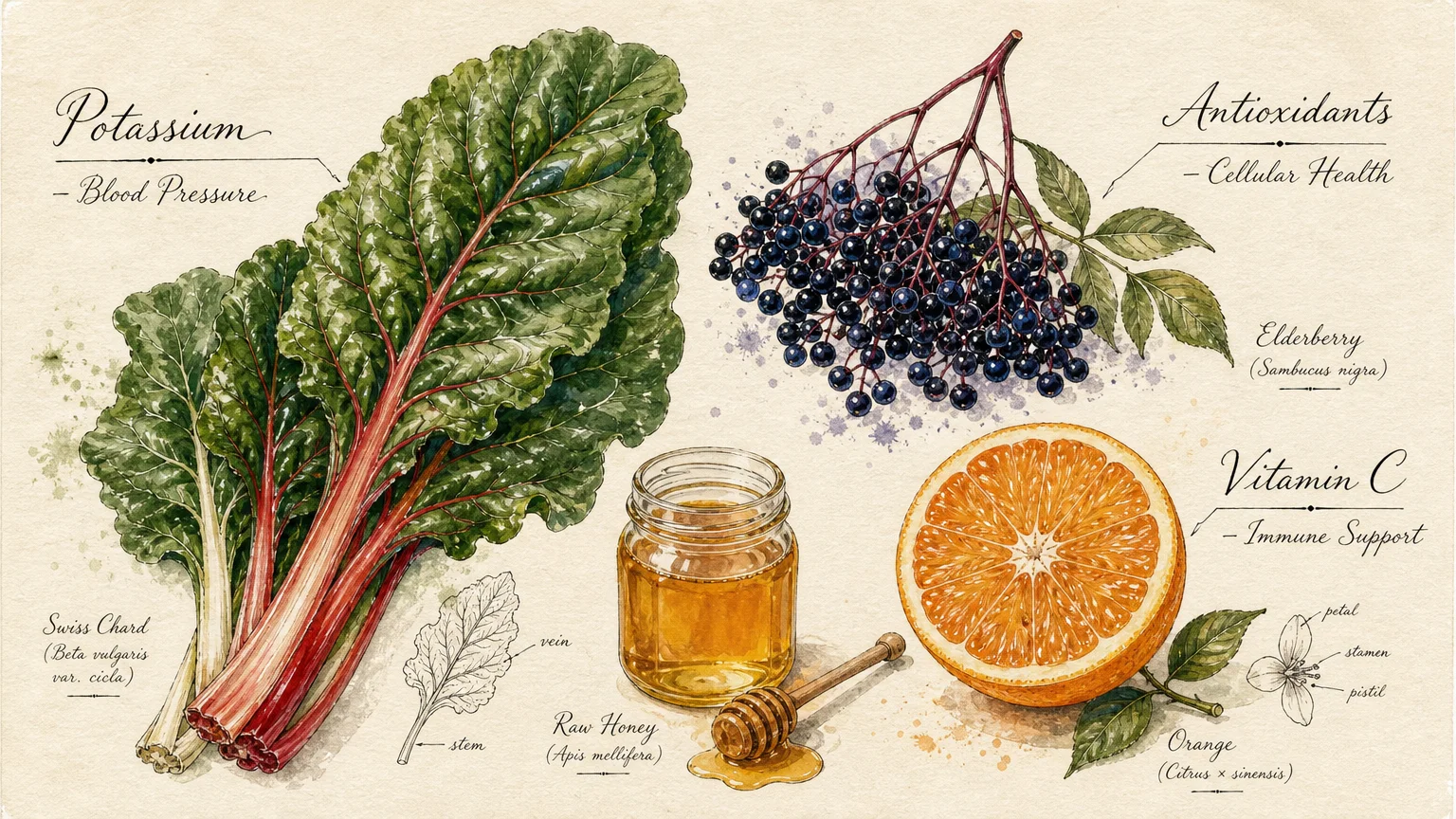
Produce sourced directly from local farmers offers a distinct nutritional advantage over traditional supermarket offerings. Agricultural producers harvest market vegetables and fruits at peak ripeness, often within twenty-four hours of selling them to you. This rapid turnaround preserves highly unstable, water-soluble nutrients—specifically vitamin C and various B vitamins—that typically degrade during long cross-country transit and extended warehouse storage. When you consume produce harvested just hours prior, you absorb a much higher concentration of antioxidants. These compounds neutralize free radicals in your bloodstream, thereby reducing the systemic inflammation associated with joint pain, cognitive decline, and cardiovascular disease. Furthermore, regular consumption of fresh, potassium-rich foods actively helps lower high blood pressure by relaxing the walls of your blood vessels and helping your body excrete excess sodium.
Navigating the Program Mechanics and Eligibility
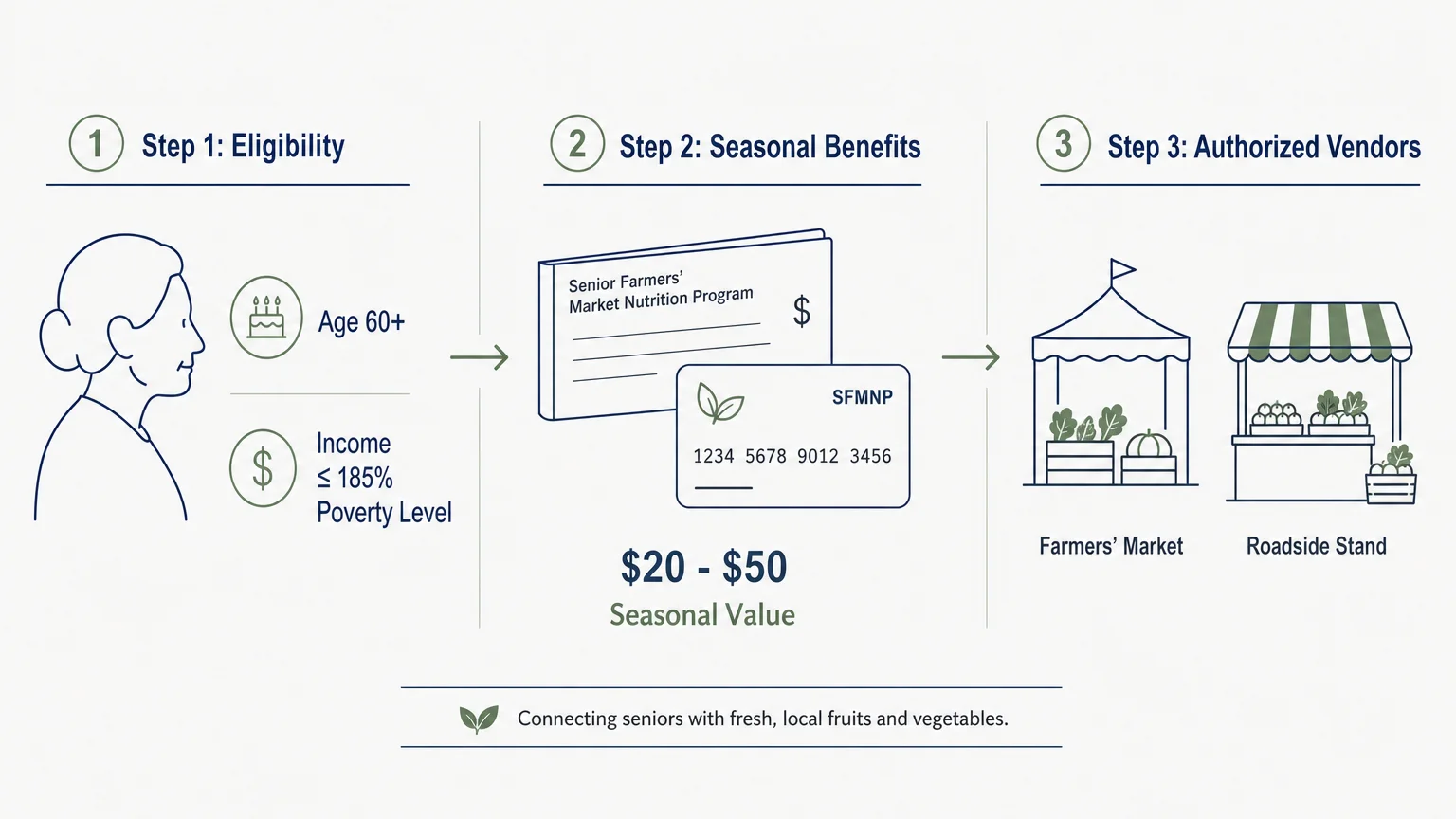
The United States Department of Agriculture funds this vital initiative, yet state agencies, local health departments, and federally recognized tribal organizations administer the operations on a local level. To qualify for these benefits, you must be at least sixty years old and meet specific income guidelines. Generally, your household income must not exceed 185 percent of the federal poverty level, though these thresholds adjust annually and vary slightly depending on your geographic location. Some tribal organizations modify the age requirement to fifty-five to better serve their community demographics and address distinct health disparities.
Once an administering agency approves your application, they will issue your seasonal benefits. Depending on your state’s technological infrastructure, you will receive either a booklet of paper checks or an electronic benefit transfer card. The monetary value of these benefits typically ranges between twenty and fifty dollars per person for the entire harvest season. You can exchange these funds exclusively with authorized vendors at farmers markets, roadside stands, and community-supported agriculture programs. The program strictly limits purchases to fresh, unprepared, locally grown fruits, vegetables, fresh-cut herbs, and raw honey. You cannot use these specific funds to buy processed foods, baked goods, meats, dairy products, or non-food items; the entire focus remains on increasing your intake of raw, nutrient-dense plant foods.
Strategy One: Maximizing Benefits Through Focused Meal Planning
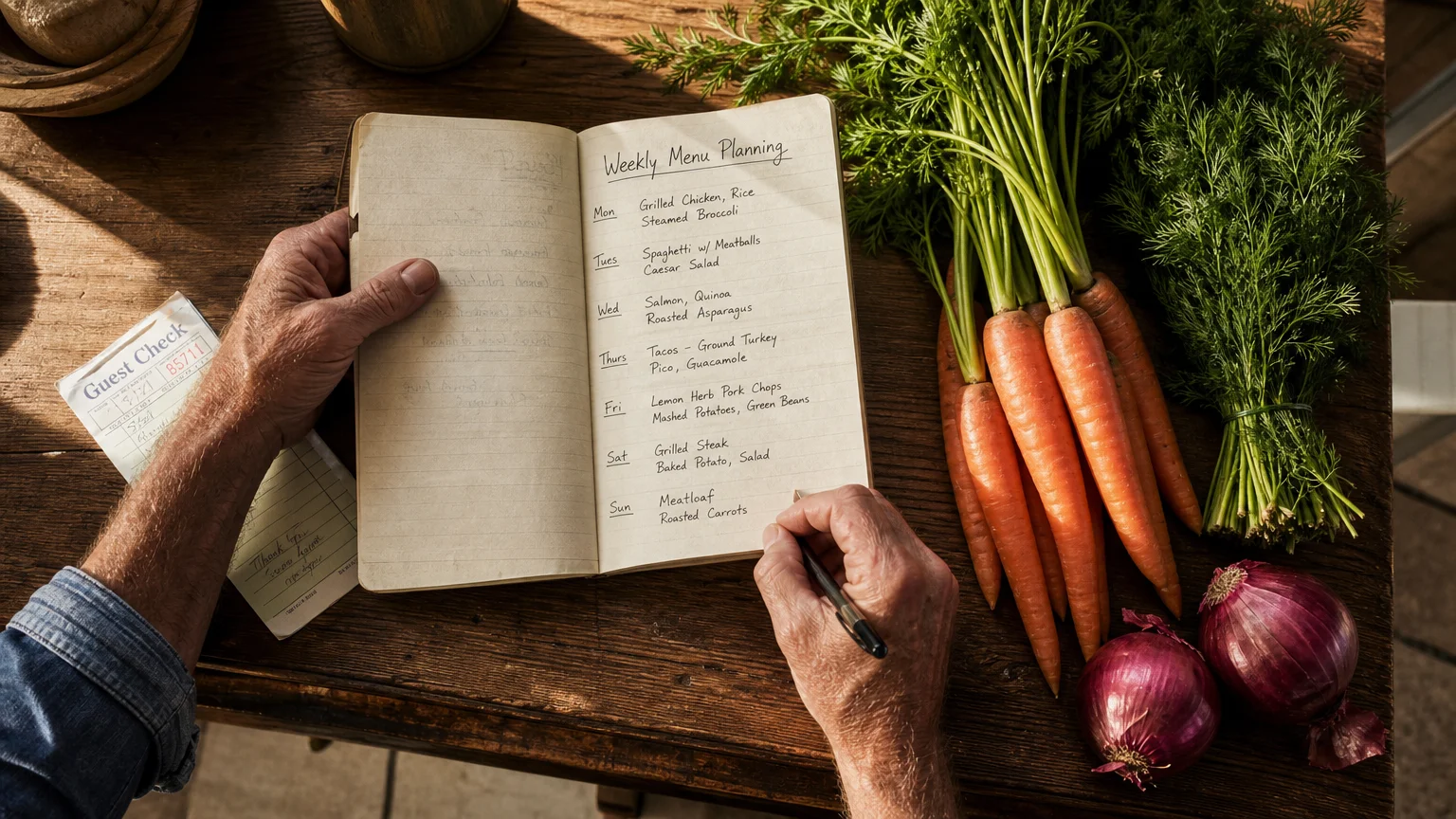
Maximizing a fixed benefit amount requires strategic meal planning and deliberate shopping habits. Before spending a single coupon or swiping your card, walk the entire market to survey the available produce and compare prices among different agricultural vendors. Engaging directly with the farmers offers a unique financial advantage; you can ask them about purchasing “seconds.” Seconds are fruits and vegetables that possess minor cosmetic blemishes—such as a misshapen carrot or a slightly bruised tomato—but remain nutritionally perfect and completely safe to eat. Farmers frequently sell these items at a significant discount, allowing you to stretch your seasonal benefits much further.
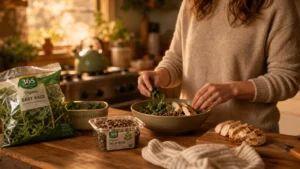
Once you secure your fresh ingredients, focus on batch cooking to ensure absolutely nothing goes to waste. Selecting versatile staple crops forms the foundation of this approach. For example, a large butternut squash provides enough volume for multiple distinct meals throughout your week. You can roast the cubed squash on Monday for a savory side dish, puree the leftovers on Wednesday for a warming nutrient-dense soup, and fold the remaining pieces into a Friday morning egg frittata. Implementing this cross-utilization strategy ensures you consume all the produce you purchase before it spoils, thereby maximizing both your financial benefits and your physiological gains.
Strategy Two: Targeting Essential Nutrients for Aging Bodies
Targeting specific biological needs through your produce selections transforms your market visits into highly effective health interventions. As you navigate the vendor stalls, prioritize colorful foods that directly address the physiological changes associated with aging. Dark leafy greens like Swiss chard, collards, and spinach provide massive doses of vitamin K and folate, which actively support bone density and cognitive function. If you manage concerns related to eye health, specifically macular degeneration or cataracts, seek out foods rich in lutein and zeaxanthin. Fresh sweet corn, dark greens, and brightly colored bell peppers contain exceptionally high concentrations of these protective eye nutrients.
Digestive health also relies heavily on the specific types of fibers found in seasonal market produce. Soluble fiber, abundant in foods like apples, carrots, and beans, dissolves in water to form a gel-like substance in your digestive tract; this process helps lower elevated cholesterol levels and stabilizes blood glucose spikes after meals. Insoluble fiber, found in the tough skins of fruits and the structural components of leafy vegetables, adds bulk to your stool and promotes regular bowel movements. By intentionally selecting a diverse array of colorful, fiber-rich plants, you build a robust defense against common age-related metabolic and gastrointestinal complications.
Strategy Three: Building Sustainable Market Habits
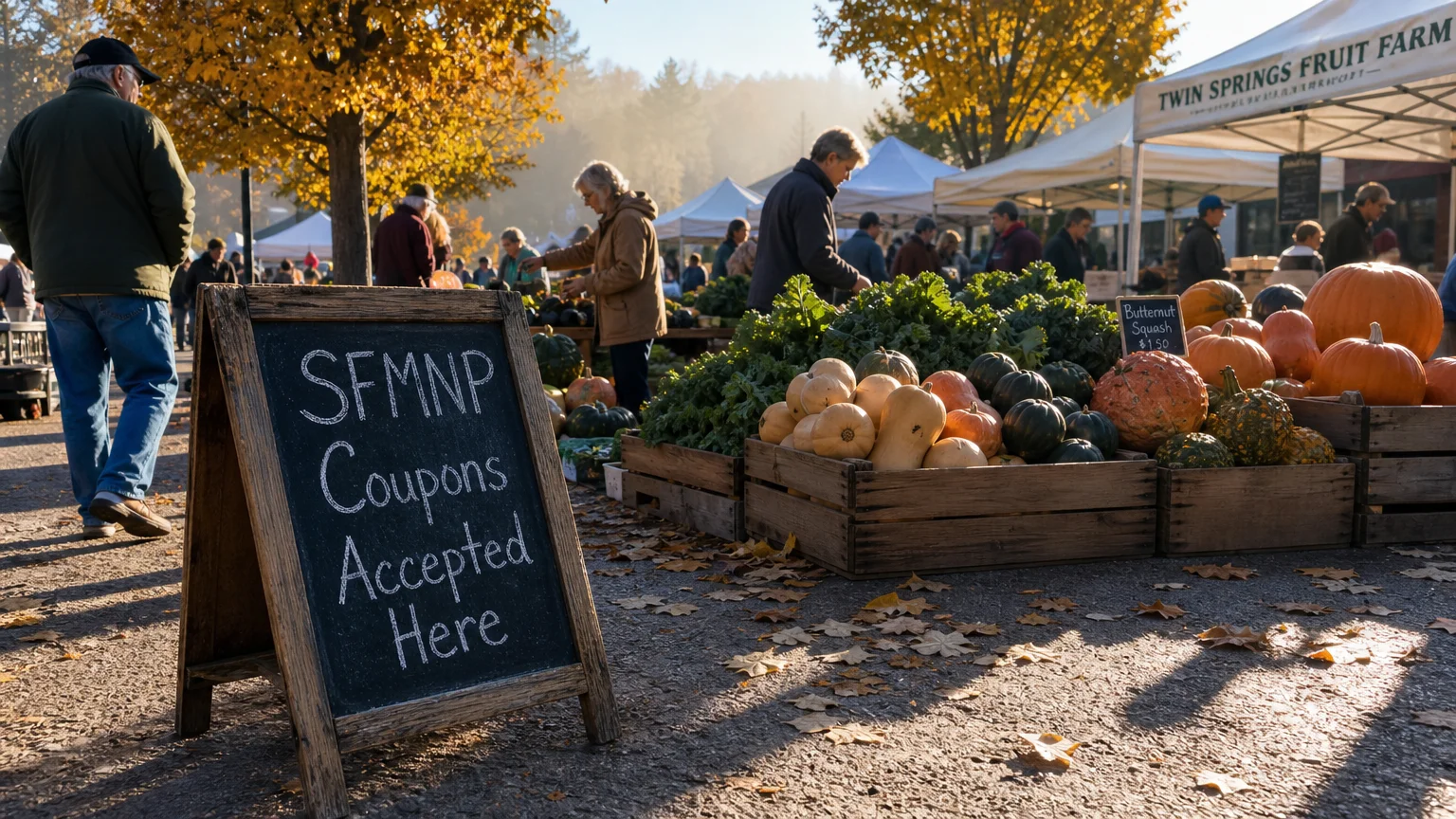
Transforming your dietary lifestyle requires building sustainable habits that seamlessly integrate into your weekly routine. Shopping at a local market demands a completely different rhythm than visiting a conventional, always-open grocery store. Markets operate on specific days and during strictly limited hours, making intentional scheduling essential. Treat your market visit as a non-negotiable appointment for your physical health. Arriving early often guarantees the best selection of produce and allows you to avoid the intense midday heat, which is particularly important for temperature regulation during the peak summer harvest months.
The benefits of this habit extend far beyond the physical nutrients on your plate. Navigating the outdoor stalls provides valuable low-impact cardiovascular exercise and helps maintain your balance and joint mobility over uneven terrain. Furthermore, the social engagement inherent in community markets acts as a powerful psychological intervention. Conversing with local growers about their farming methods and swapping recipes with fellow shoppers actively combats social isolation. According to research on aging and health, prolonged social isolation presents cardiovascular and mental health risks comparable to smoking fifteen cigarettes a day. Making the market a recurring social and physical activity deeply enriches your overall well-being.
Insights from Clinical Dietitians and Community Participants
Clinical dietitians consistently observe that participating in community food programs fundamentally shifts how older adults interact with their daily meals. When you receive a standardized box of generic food, the experience often feels transactional and uninspiring. However, when you hold purchasing power and actively select a vibrant heirloom tomato or a fragrant bunch of basil, you completely reclaim agency over your nutrition. Dietitians note that this sensory engagement naturally stimulates the appetite, which frequently diminishes in older populations due to medication side effects, illness, or an age-related decline in taste and olfactory receptors.
Community participants echo these clinical observations with powerful lived experiences. Many individuals report that the program reignites their lifelong passion for culinary exploration. For example, encountering an unfamiliar vegetable like kohlrabi or a culturally significant ingredient like bitter melon prompts natural conversations with the farmer about preparation methods. These interactions lead to trying new recipes, experimenting with fresh herbs instead of relying on heavy salt for flavor, and ultimately increasing the daily volume of vegetables consumed. This renewed enthusiasm for cooking at home dramatically reduces reliance on ultra-processed, high-sodium convenience foods.
Medical Safety and Personalizing Your Dietary Choices
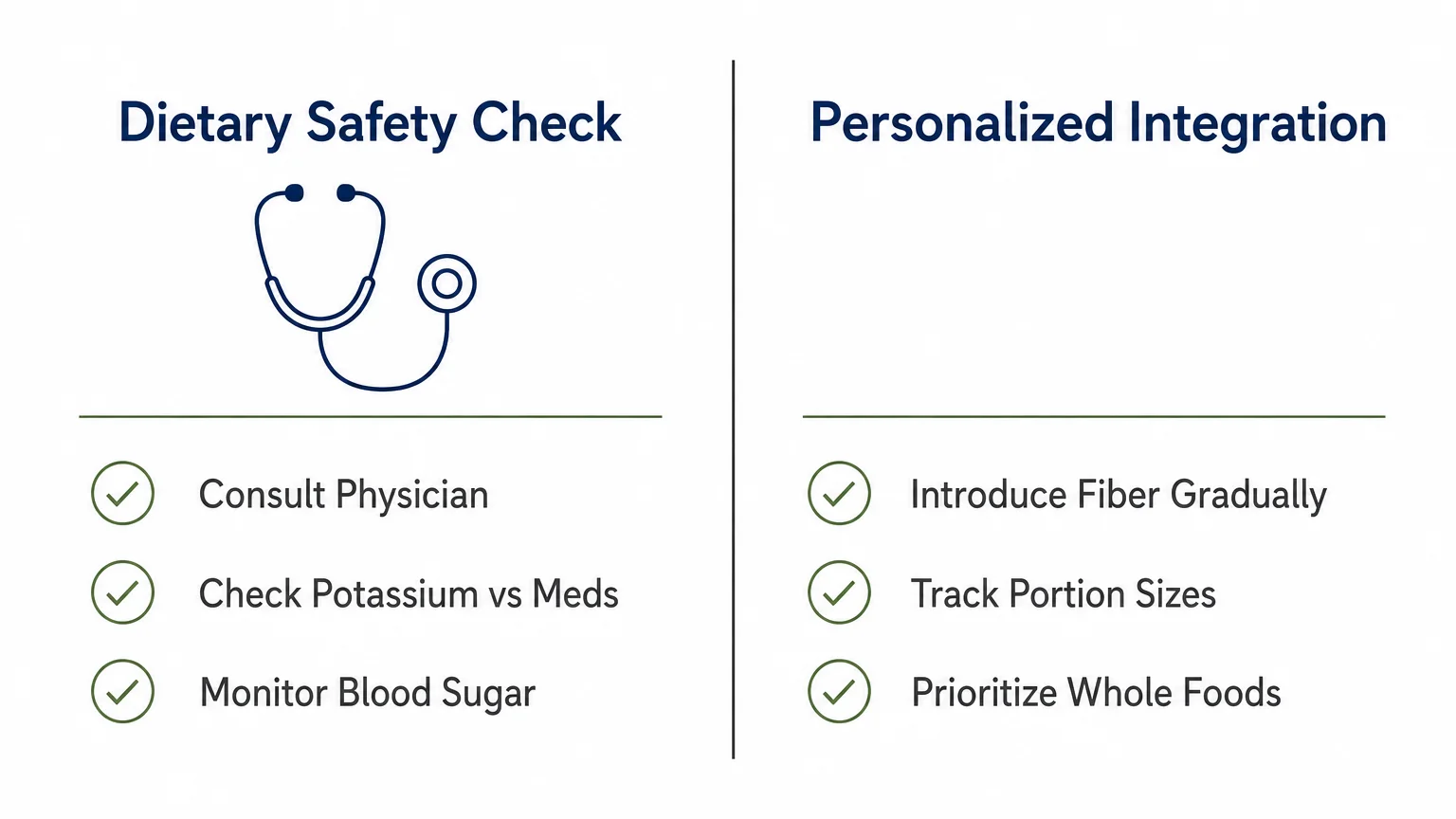
While increasing your intake of fresh produce universally supports long-term health, you must personalize your choices to align with your specific medical profile. Certain potent plant compounds interact directly with common prescription medications. If your physician prescribes blood-thinning medications like warfarin, you must maintain a highly consistent daily intake of vitamin K; sudden spikes in consumption from market-fresh kale or spinach can dangerously alter the medication’s effectiveness. Similarly, if you take specific statins for cholesterol management or calcium channel blockers for blood pressure, you should strictly avoid grapefruit and pomelos, as these fruits contain active compounds that amplify the medication’s absorption to potentially toxic levels.
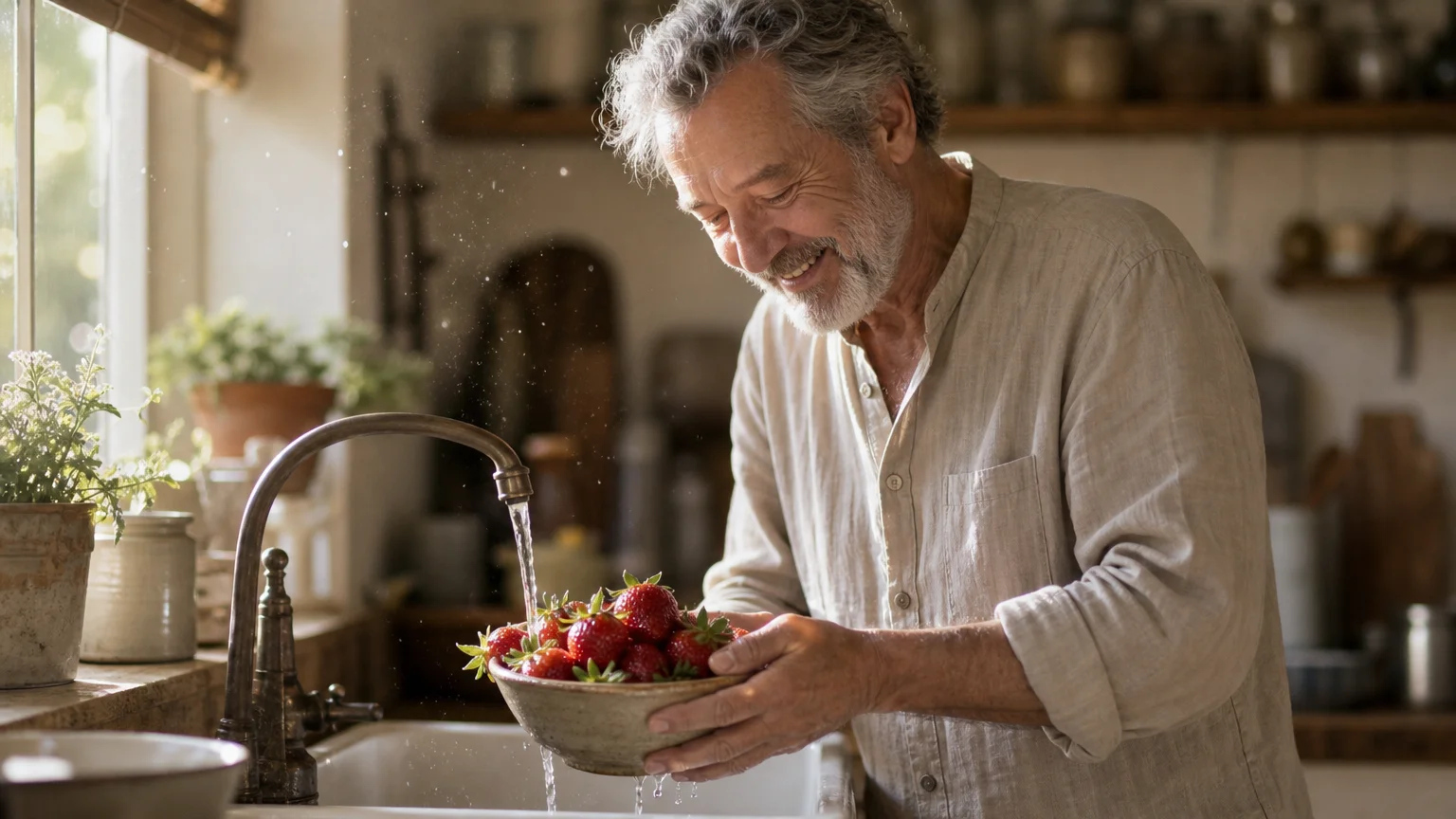
Food safety represents another critical consideration for your demographic. As your immune system naturally weakens over time, your vulnerability to foodborne illnesses increases significantly. You must rigorously wash all market produce under cool, running water—even if you plan to peel the item—to prevent bacteria on the surface from transferring to the edible flesh when cutting. Use a dedicated vegetable brush for firm items like melons, cucumbers, and root vegetables. Before making substantial modifications to your diet, consult your primary care physician or a registered dietitian to ensure your farmers market selections safely support your individual clinical needs. You can review current handling guidelines through the national food safety resources for older adults to protect your digestive health.
Frequently Asked Questions About the Program
What happens if I cannot physically get to the farmers market?
Administering agencies recognize that mobility issues, chronic pain, or lack of reliable transportation frequently prevent older adults from attending outdoor markets. To solve this barrier, the program utilizes a dedicated proxy system. You can officially designate an authorized representative—such as a family member, a trusted neighbor, or an in-home caregiver—to take your coupons or electronic card to the market and shop entirely on your behalf. You simply need to fill out a brief proxy authorization form provided by your local issuing agency, ensuring you never miss out on your nutritional benefits due to physical limitations.
Can I use these benefits at any grocery store or supermarket?
No, you cannot redeem these specific benefits at traditional supermarkets, large grocery chains, or convenience stores. The federal government designed this initiative with a very specific dual purpose: to support your nutritional health and to financially stimulate local agricultural economies. Therefore, you may only spend these funds with explicitly authorized farmers, established roadside farm stands, and community-supported agriculture programs. Authorized vendors usually display a highly visible sign at their booth indicating they accept the senior nutrition program benefits, allowing you to easily identify exactly where you can shop.
Are the benefits treated as taxable income or will they affect my other assistance?
These nutritional benefits function purely as a supplemental health grant and do not count as taxable income under any circumstance. Participating in this program will never negatively impact your eligibility for other vital government assistance programs. You can confidently receive and utilize these market funds without fear of reducing your Supplemental Nutrition Assistance Program (SNAP) benefits, your Social Security Income (SSI), or your federally subsidized housing assistance. The government classifies these funds solely as targeted nutritional support, keeping them entirely separate from your financial income calculations.
When does the program operate and when do the coupons expire?
The program operates seasonally, aligning directly with the natural agricultural growing cycles in your specific geographic region. In most parts of the country, the market season runs heavily from May through October, though southern states with much longer growing seasons may offer extended operation dates. Your paper coupons or electronic funds carry strict expiration dates, typically voiding at the end of October or November depending on your state’s specific administrative guidelines. Because these benefits absolutely do not roll over to the following calendar year, you must spend your entirely allotted amount before the season officially concludes.
Take Action on Your Nutritional Health Today
Taking control of your nutritional health requires decisive, practical action. The fresh, locally grown produce waiting at your community market holds the power to enhance your daily energy levels, support your immune defenses, and protect your long-term physical independence. Every vibrant vegetable and piece of fresh fruit you select represents a direct investment in your biological resilience. You now have the knowledge to navigate the program, the strategies to maximize your benefits, and the understanding of how these whole foods impact your aging body. Find the official program contacts for your state through the USDA Food and Nutrition Service directory today. Challenge yourself to make one phone call or send one email to your local Area Agency on Aging within the next twenty-four hours to begin your application process. Your future health depends on the nutritional choices you make today.