
Including a handful of tree nuts or peanuts in your daily routine delivers a robust dose of healthy fats, protein, and essential minerals that directly support cardiovascular health and brain function.
Research consistently demonstrates that regular nut consumption reduces the risk of chronic diseases and helps regulate blood sugar levels. However, because different types offer highly specific nutritional profiles, rotating your choices maximizes these health benefits.
Almonds provide distinct advantages compared to walnuts or pistachios, meaning your body thrives on variety.
Understanding the precise health benefits of eight unique varieties allows you to strategically enhance your meals, satisfy midday cravings, and build a dietary habit that genuinely protects your long-term well-being without requiring complex meal prep.
A Science Snapshot of Nut Consumption
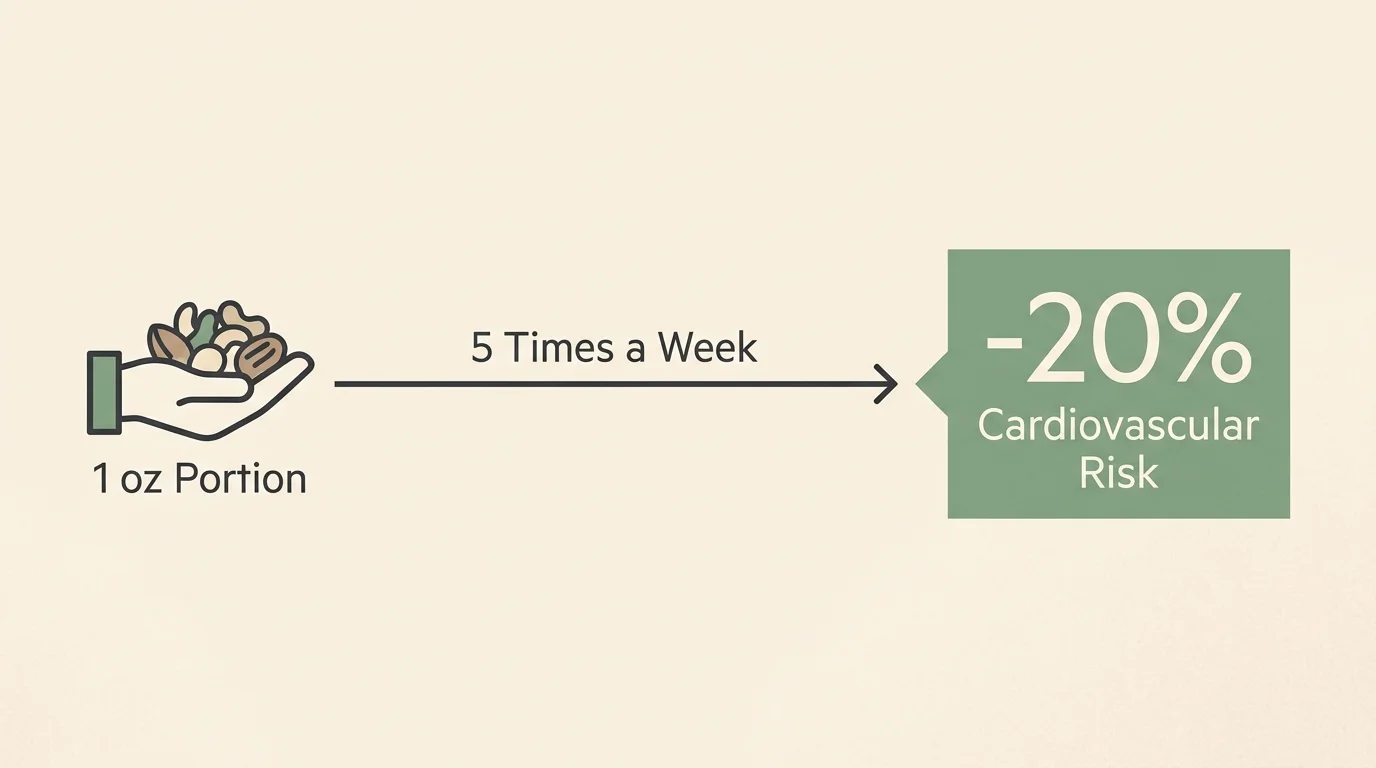
Decades of nutritional epidemiology confirm that making nuts a staple food fundamentally changes your health trajectory. An extensive body of research reveals that eating just one ounce of nuts five times a week can lower your risk of cardiovascular disease by up to twenty percent.
Researchers observing dietary patterns consistently find that the unique matrix of unsaturated fatty acids, plant sterols, and dietary fiber in nuts improves blood lipid profiles.
Instead of causing unwanted weight gain—a common myth surrounding high-fat foods—frequent nut consumption actually correlates with lower body mass indices and reduced waist circumferences. Nuts digest slowly, which significantly increases satiety and prevents the subsequent energy crashes associated with refined carbohydrates.
According to an extensive review regarding nut consumption and health outcomes, the synergistic effect of the vitamins, minerals, and polyphenols found in these foods provides unparalleled anti-inflammatory and antioxidant benefits that protect your cellular integrity over time.
Nutrient Focus: The 8 Different Kinds of Nuts
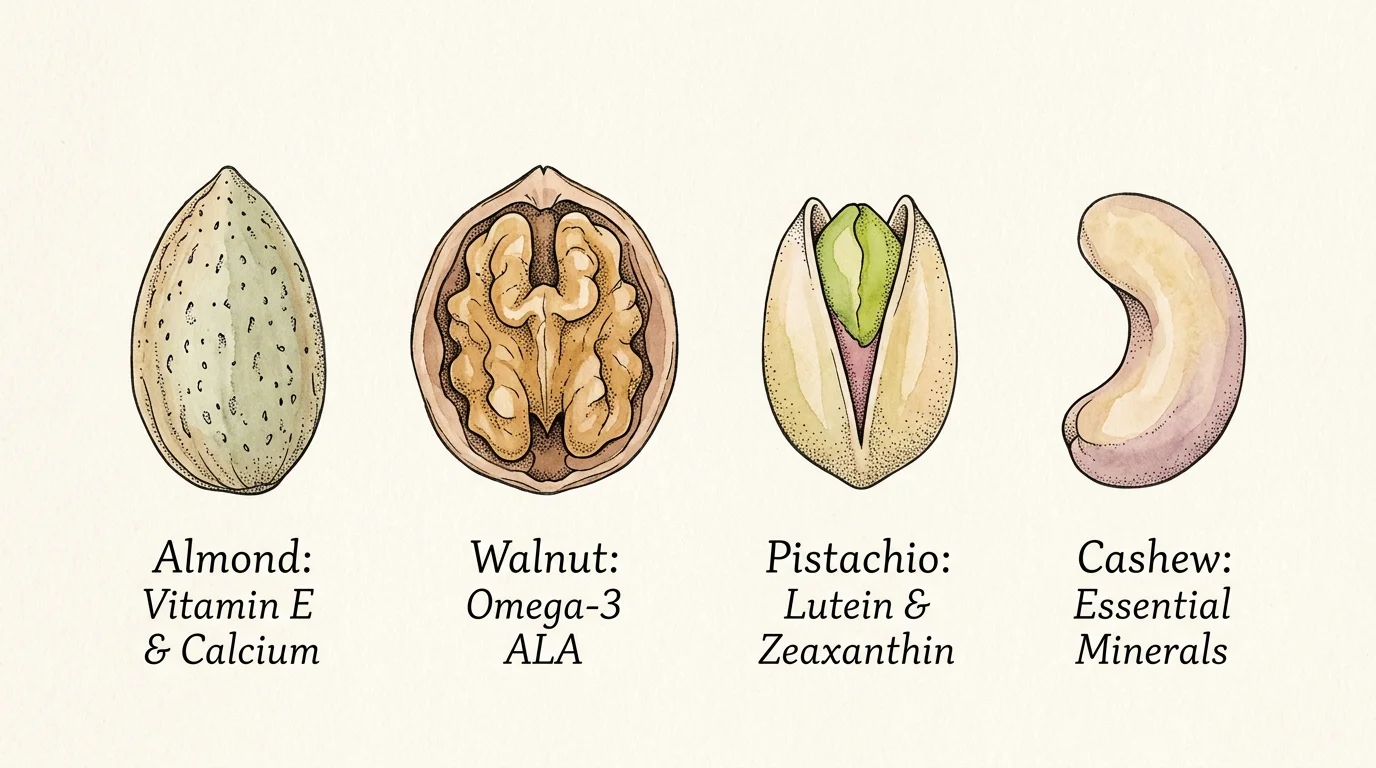
Rather than viewing all nuts interchangeably, analyzing their individual nutritional properties allows you to address your specific health goals. Each variety brings a distinct set of micronutrients to your diet, making a diverse intake the most effective strategy.
Almonds for Bone Health and Vitamin E
Almonds provide an exceptional source of vitamin E, a potent fat-soluble antioxidant that protects your cellular membranes from oxidative stress while promoting vibrant, healthy skin. A single ounce delivers roughly half of your daily requirement for this crucial nutrient.
Furthermore, almonds provide more calcium than any other tree nut, making them an invaluable dietary addition for those who avoid dairy but need to maintain strong bones and teeth.
The high magnesium content in almonds also assists in relaxing blood vessels, regulating blood pressure, and improving overall vascular function throughout your body.
Walnuts for Brain Health and Omega-3s
Recognizable by their distinctly brain-like appearance, walnuts fittingly serve as the ultimate food for cognitive function and neurological preservation. They stand alone as the only tree nut containing significant amounts of alpha-linolenic acid, a plant-based omega-3 fatty acid known to drastically reduce inflammation.
Clinical studies consistently indicate that incorporating walnuts into your diet improves memory, concentration, and information processing speed as you age. Their robust concentration of polyphenols works synergistically with the omega-3s to fight oxidative damage in the brain, keeping your mind sharp and resilient.
Pistachios for Eye Health and Weight Management
Pistachios owe their vibrant green and purple hues to lutein and zeaxanthin, specific antioxidants that accumulate in your retinas to shield your eyes from blue light damage and age-related macular degeneration. Additionally, pistachios remain one of the lowest-calorie nuts available on the market today.
The physical act of removing their shells naturally slows your eating pace; this mechanical delay gives your stomach and brain enough time to communicate and register fullness, which makes pistachios a highly effective snack for long-term weight management and portion control.
Cashews for Immune Support and Iron
For those following a predominantly plant-based or vegetarian diet, cashews offer a vital source of non-heme iron and zinc, two minerals that are notoriously difficult to obtain without consuming animal products.
Zinc plays a mandatory role in developing immune cells and fighting off invading pathogens, while iron ensures adequate oxygen transport throughout your bloodstream to prevent lethargy.
Cashews also contain a high percentage of oleic acid—the same monounsaturated fat popularized by olive oil—which actively supports cardiovascular health and proper joint lubrication.
Pecans for Antioxidant Capacity and Blood Sugar
Pecans boast one of the highest antioxidant capacities among all tree nuts, primarily due to their rich concentration of ellagic acid and flavonoids. These powerful antioxidants neutralize free radicals that would otherwise contribute to rapid cellular aging and chronic disease development.
Due to their incredibly low carbohydrate content and high fat profile, pecans cause virtually no spike in blood glucose levels. This steady, flat metabolic response makes them an incredibly stabilizing and safe snack for individuals managing prediabetes or type 2 diabetes.
Brazil Nuts for Thyroid Function and Selenium
Brazil nuts act as the most potent natural source of selenium on the planet. Your thyroid gland depends heavily on selenium to synthesize the specific hormones that regulate your basal metabolism, body temperature, and daily energy production.
Eating just one single Brazil nut a day provides your entire recommended daily intake of this essential trace mineral. Because they are so highly concentrated, you should consume them in strict moderation to avoid selenium toxicity while still reaping their tremendous metabolic and hormonal benefits.
Macadamia Nuts for Heart Health and Satiety
Although macadamia nuts contain higher calorie counts than other varieties, they are almost entirely composed of heart-protecting monounsaturated fats. This specific lipid profile powerfully reduces LDL cholesterol levels while elevating beneficial HDL cholesterol.
The dense concentration of palmitoleic acid found in macadamia nuts may also enhance fat metabolism and cellular hydration. Their exceptionally rich, buttery texture provides immense sensory satisfaction, meaning a very small portion quickly curbs your appetite and prevents mindless grazing between your primary meals.
Hazelnuts for Cardiovascular Protection and Folate
Hazelnuts deliver a massive dose of proanthocyanidins, a class of polyphenols known to drastically improve blood vessel elasticity and reduce resting blood pressure.
They also stand apart by offering a significant amount of dietary folate, a vital B vitamin critically important for DNA synthesis and ongoing cellular repair.
Integrating crushed or sliced hazelnuts into your morning oatmeal or yogurt provides a delicious, functional nutritional boost that actively supports robust cardiovascular health and promotes normal cellular replication.

Strategy Pillar: Intelligent Meal Planning
Transforming these impressive nutritional facts into daily habits requires strategic, low-friction meal planning. You can seamlessly incorporate varied nuts into your routine by preparing custom trail mixes at the start of the week.
Combine walnuts, almonds, and pistachios in a large glass jar to ensure a balanced, heart-healthy snack remains within reach during busy workdays.
Consider blending cashews or macadamia nuts into your morning smoothies to add a remarkably creamy texture and slow-digesting fats that will keep you full until lunchtime.
You can also crush pecans or hazelnuts to use as a crunchy, nutrient-dense crust for baked fish or poultry, easily replacing traditional refined breadcrumbs.
By keeping different varieties well-stocked in your pantry, you completely remove the friction of decision-making and naturally default to these whole-food choices when hunger strikes.

Strategy Pillar: Mastering Habit Formation
Building a consistent habit around daily nut consumption requires pairing the new action with an existing, ingrained behavior. If you brew a cup of coffee every morning at eight o’clock, place a small container of almonds next to your coffee maker the night before.
This distinct environmental cue triggers you to grab your healthy fat source automatically before starting your day. Because nuts are incredibly calorie-dense, pre-portioning them into exact one-ounce servings prevents the accidental overconsumption that frequently occurs when eating straight from a large, open bag.
Keep a designated quarter-cup measure directly inside your pantry containers to guarantee accurate portions every single time.
This simple habit formation technique leverages your environment to effortlessly support your health goals, ensuring you consistently receive the diverse benefits of different nuts without constantly stressing over precise calorie counting.

Expert Insights and Lived Voices
Clinical dietitians frequently emphasize that the true power of nuts lies in their intact structural food matrix. According to evidence-based recommendations regarding heart-healthy dietary fats, consuming lipids from whole foods provides vastly different physiological responses than consuming extracted, refined oils.
The rigid fibrous cell walls in whole nuts trap a portion of the fat during digestion, meaning your body absorbs fewer total calories while simultaneously feeding beneficial gut bacteria in your lower microbiome.
Consider the real-world experience of a community member named Maria, a high school teacher who historically struggled with severe afternoon fatigue. She deliberately replaced her daily vending machine pretzels with a homemade mix of walnuts and Brazil nuts.
Within just two weeks, she reported sustained, stable energy levels and completely eliminated her typical four o’clock sugar cravings. Her primary care physician later noted marked improvements in her fasting glucose levels, proving that small, sustainable whole-food swaps generate profound and measurable physiological changes.
Safety Guidelines and Personalization
While nuts offer incredible health benefits for the general population, they require careful personalization based on your unique physiological needs and medical history. Tree nut allergies remain one of the most common and potentially severe food allergies globally.
If you experience any tingling in your mouth, facial swelling, or sudden gastrointestinal distress after consuming a specific nut, you must consult an allergist immediately.
Cross-reactivity frequently occurs within botanical families; for example, a verified allergy to cashews often indicates a highly probable allergic reaction to pistachios.
For parents of young children, whole nuts present a significant and dangerous choking hazard. You should strictly utilize smooth nut butters thinned with water or finely ground nut powders for toddlers and infants.
Furthermore, if you currently manage a strict sodium-restricted diet for hypertension or kidney disease, you must carefully read nutrition labels.
Health authorities strongly advise monitoring daily sodium intake to protect vascular health, making raw or dry-roasted unsalted nuts the optimal, non-negotiable choice for cardiovascular protection without triggering unwanted blood pressure spikes.
Frequently Asked Questions
Are raw nuts healthier than roasted nuts?
Both raw and roasted nuts provide excellent nutritional value, but they harbor minor structural differences. Raw nuts retain their maximum antioxidant capacity and preserve delicate, heat-sensitive fats perfectly intact.
Commercial roasting sometimes damages fragile omega-3 fatty acids and frequently introduces unnecessary seed oils or excessive dietary sodium. However, dry-roasting your raw nuts at home at a low temperature dramatically enhances their flavor and crunch without sacrificing many vital nutrients.
Ultimately, the best choice is whichever preparation naturally encourages you to eat them consistently, provided they remain completely unsalted.
Do I need to soak my nuts before eating them?
The culinary practice of soaking or “activating” nuts stems from the idea that it reduces phytic acid, a naturally occurring plant compound that can temporarily bind to minerals in your digestive tract.
While phytic acid certainly exists in nuts, clinical trials repeatedly demonstrate that soaking makes absolutely no statistically significant difference in overall mineral absorption for individuals consuming a generally balanced, varied diet.
You can confidently skip the time-consuming soaking and dehydrating process unless you simply prefer the softer, more digestible texture it provides.
Why are peanuts not considered tree nuts?
Despite their common name and familiar culinary usage, peanuts actually belong to the legume family, making them botanical cousins to black beans, chickpeas, and lentils. They grow entirely underground rather than blooming on trees.
However, from a strictly nutritional perspective, peanuts offer a highly comparable profile of monounsaturated fats, plant-based protein, and essential B vitamins. They serve as an incredibly budget-friendly, accessible alternative to expensive tree nuts while still providing excellent cardiovascular benefits and promoting lasting daily satiety.
Will eating nuts every day cause me to gain weight?
Extensive epidemiological data directly contradicts the pervasive fear that the high fat content in nuts automatically leads to excessive weight gain.
Because nuts are exceptionally rich in protein, dietary fiber, and complex fats, they demand significant metabolic energy to digest and dramatically increase prolonged feelings of fullness. Your digestive system actually fails to absorb up to twenty percent of the calories present in certain whole nuts.
When consumed mindfully in appropriate one-ounce portions, they prevent reactive overeating later in the day and actively support healthy, long-term weight management.
A Motivating Step Forward
Upgrading your daily nutrition does not require a drastic lifestyle overhaul or exhaustive hours of meal preparation; it simply demands consistent, high-quality additions to your existing daily routine.
You now understand precisely how almonds fortify your skeletal system, how walnuts protect your aging brain, and how pistachios shield your vision from modern screens. Knowledge only transforms into vitality when you physically apply it to your plate.
Within the next twenty-four hours, choose just one of these eight nutrient-dense powerhouses that directly aligns with your primary health goal. Purchase a small bag of unsalted nuts and place them directly on your kitchen counter or office desk.
By making this singular, proactive choice today, you establish the fundamental habit required for decades of sustained energy and robust physical health.