
If you wake up feeling drained despite full rest or find yourself struggling through routine tasks, depleted iron reserves could be sabotaging your energy. Iron powers hemoglobin, the essential blood protein that delivers oxygen to your brain, muscles, and tissues. Without sufficient stores of this critical mineral, your system works far harder to execute basic functions, leading to systemic fatigue. Recognizing early iron deficiency signs helps you take targeted action before simple depletion turns into clinical anemia symptoms. By identifying your physical warning signals, seeking precise blood testing, and fine-tuning your daily nutrition, you can rebuild your reserves and restore your baseline vitality.
The Science Behind Iron and Cellular Energy
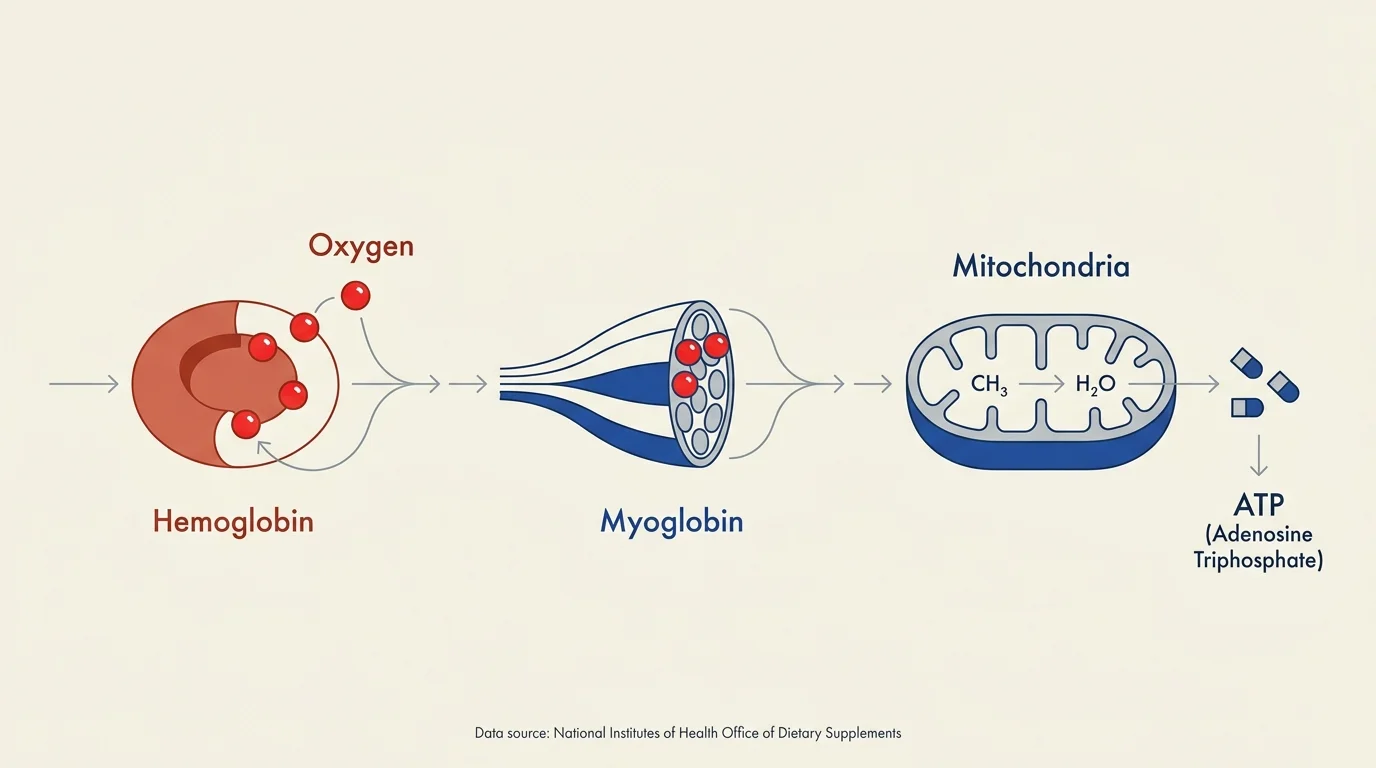
Iron performs indispensable roles inside your body, operating as the essential building block for hemoglobin and myoglobin. Hemoglobin transports oxygen from your lungs to your tissues; myoglobin stores oxygen within muscle cells to support physical exertion. When your iron stores drop below operational thresholds, your cellular machinery starves for oxygen. Research from the National Institutes of Health Office of Dietary Supplements demonstrates that iron serves as a required cofactor for enzymatic reactions governing mitochondrial energy production. Without enough functional iron, your mitochondria cannot efficiently generate adenosine triphosphate—the fundamental currency of cellular energy.
Iron deficiency progresses through three distinct physiological stages before clinical illness appears. Initially, your body depletes stored iron in the liver and bone marrow, marked by falling serum ferritin levels. Next, functional iron deficiency occurs as red blood cell production falters, even though hemoglobin might remain within reference ranges. Finally, iron deficiency anemia develops, characterized by reduced hemoglobin concentrations and small, pale red blood cells. The World Health Organization notes that anemia affects over half a billion women of reproductive age globally, emphasizing how widespread this micronutrient shortfall remains across diverse populations.

7 Critical Signs Your Iron Levels Might Be Low
Your body provides distinct signals when its internal iron reserves plummet. Because iron influences multiple organ systems, symptoms manifest across physical, neurological, and behavioral dimensions. Recognizing these low iron levels warning signs gives you the power to intervene early.
1. Unexplained, Persistent Exhaustion
Systemic fatigue represents the most frequent symptom of compromised iron status. Unlike temporary tiredness from a late night, iron-deficiency exhaustion persists despite adequate rest because it stems from oxygen-starved tissue. When blood carries insufficient oxygen, your cells struggle to produce energy, leaving you physically heavy and mentally sluggish. If everyday tasks feel unusually taxing, reduced hemoglobin capacity may be forcing your body to conserve limited oxygen strictly for vital organs.
2. Pale Skin and Pale Inner Eyelids
Hemoglobin gives blood its vibrant red color, which provides skin with healthy undertones. When iron levels drop, red blood cells become smaller and less saturated with pigment, causing your skin to lose its natural flush. Healthcare providers frequently check specific areas—such as the inner lining of your lower eyelids, lips, gums, and nail beds—for telltale paleness. If your inner lower eyelid appears pale pink or white rather than deep red, your circulating hemoglobin levels may have dropped significantly.
3. Shortness of Breath and Heart Palpitations
If climbing a familiar flight of stairs leaves you gasping for air, depleted iron could be restricting your oxygen supply. When hemoglobin drops, your lungs must work harder to supply oxygen, while your heart accelerates its pumping rate to circulate blood rapidly. This compensatory response often triggers heart palpitations—a fluttering or pounding sensation in your chest; ignoring these cardiovascular iron deficiency signs can place unnecessary structural strain on your heart over time.
4. Cold Hands and Feet
Do your extremities feel chilly even in warm rooms? When your system detects limited oxygen carrying capacity, it initiates peripheral vasoconstriction. Your circulatory network restricts blood flow to non-essential peripheral tissues—like your hands and feet—to prioritize oxygen delivery to core organs. This reduced microvascular circulation leaves your fingers and toes feeling chronically cold and uncomfortable.
5. Brittle Nails and Hair Shedding
Your body prioritizes internal organs over hair follicles and nail matrices during nutritional shortages. As iron reserves fall, matrix cells receive diminished oxygen, compromising structural protein synthesis. You may notice your fingernails becoming brittle or developing vertical ridges; severe cases lead to spoon-shaped nails called koilonychia. Similarly, low iron disrupts normal hair follicle cycles, shifting more strands into the shedding phase and causing noticeable thinning over time.
6. Strange Cravings for Non-Food Items (Pica)
A unique warning sign of iron depletion involves intense compulsions to consume non-nutritional substances—a neurological condition known as pica. You might experience persistent cravings for ice, clay, dirt, chalk, or paper. While researchers continue studying this phenomenon, evidence suggests iron depletion alters brain dopamine pathways. Chewing ice specifically appears to boost cerebral blood flow, temporarily relieving cognitive sluggishness in iron-deficient individuals.
7. Restless Legs Syndrome and Sleep Disruption
An irresistible urge to move your legs while resting in bed often points to depleted central iron stores. Restless Legs Syndrome causes creeping or tingling sensations in the lower limbs that temporarily improve with movement. Iron acts as a critical cofactor for enzymes synthesizing dopamine in the brain. Deficient brain iron impairs dopamine signaling, triggering neuromuscular hyperexcitability that disrupts restful sleep.

Actionable Strategies to Rebuild Your Iron Reserves
Restoring depleted iron reserves requires a strategic approach combining intelligent meal design, nutrient pairings, and habit adjustments. Optimizing absorption efficiency allows you to rebuild your stores effectively without unnecessary digestive strain.
Pillar 1: Strategic Food Pairing for Maximum Absorption
Dietary iron exists in two forms: heme iron, found in animal sources like beef, poultry, and seafood; and non-heme iron, found in plant foods like lentils, spinach, pumpkin seeds, and tofu. Your body absorbs heme iron readily, but absorbs non-heme iron at lower rates. However, pairing plant sources with Vitamin C (ascorbic acid) dramatically increases non-heme iron uptake. Ascorbic acid converts non-heme iron into a more soluble form while preventing it from binding to gut inhibitors. Research supported by the Academy of Nutrition and Dietetics shows that adding citrus, bell peppers, or tomatoes to leafy greens can increase iron absorption by up to 300 percent.
Pillar 2: Managing Dietary Inhibitors
Certain dietary compounds actively block iron absorption by binding to iron molecules within your digestive tract. Polyphenols and tannins in black tea, green tea, and coffee form insoluble complexes with non-heme iron, reducing absorption by up to 70 percent when consumed alongside meals. Similarly, high concentrations of calcium and phytic acid in whole grains can interfere with mineral transport. To protect your nutrient uptake, enjoy coffee or tea at least one hour before or two hours after meals, and space calcium supplements away from iron-rich meals.
Pillar 3: Smart Culinary Habits
Simple kitchen adjustments yield cumulative benefits for your mineral status. Cooking acidic foods—such as tomato marinades—in cast-iron cookware allows small amounts of dietary iron to leach naturally into your meal. Furthermore, soaking, sprouting, or fermenting legumes and grains reduces phytic acid, releasing bound minerals for easier digestion. Incorporating a variety of heme and non-heme sources alongside gut-supportive fermented foods creates an optimal environment for nutrient absorption.
Testing Your Levels Safely and Seeking Professional Guidance
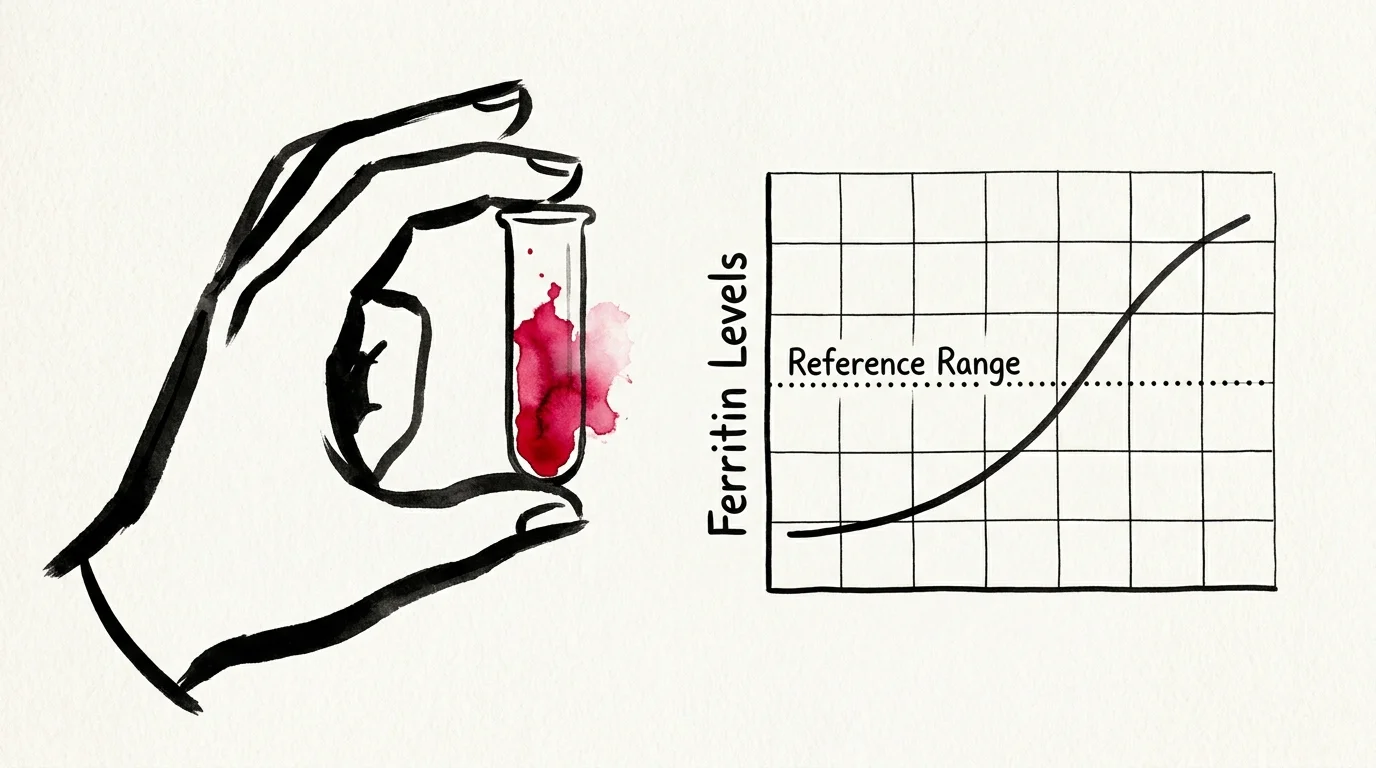
Diagnosing low iron levels requires proper laboratory testing rather than self-diagnosis based on symptoms alone. Standard complete blood counts measure hemoglobin, but these levels often remain normal during early stage iron depletion. Request a complete iron panel from your physician, including serum ferritin; serum ferritin reflects your total stored iron reserves and provides the most sensitive early biomarker for deficiency. The Centers for Disease Control and Prevention highlights that identifying the root cause of low iron—such as dietary gaps, heavy menses, or gastrointestinal loss—is essential before beginning treatment.
While over-the-counter iron supplements offer rapid replenishment for confirmed deficiencies, taking high-dose iron without medical supervision carries serious risks. Excess iron accumulates in tissues, generating oxidative stress that damages the liver, heart, and endocrine glands. Additionally, iron supplements can cause gastrointestinal side effects like nausea and constipation. A registered dietitian or physician can help select the appropriate form—such as gentle ferrous bisglycinate—and establish an effective dosing schedule tailored to your labs, as noted in clinical references from the National Center for Biotechnology Information.
Frequently Asked Questions About Low Iron Levels
How long does it take to increase low iron levels through diet?
Rebuilding depleted iron stores through diet alone requires consistency over time. While energy levels may begin improving within two to four weeks of dietary optimization, fully restoring your ferritin stores usually takes three to six months. Severe deficiencies often require targeted supplementation alongside dietary changes under professional supervision.
Can you experience low iron symptoms if your hemoglobin is normal?
Yes, you can experience classic low iron symptoms even when hemoglobin levels appear normal. Known as non-anemic iron deficiency, this condition occurs when ferritin stores drop low while hemoglobin production remains temporarily stable. Individuals with non-anemic iron deficiency frequently report fatigue and brain fog, making ferritin testing essential.
Should you take iron supplements with food or on an empty stomach?
Your body absorbs iron most efficiently on an empty stomach with water or vitamin C juice, ideally one hour before meals. However, taking iron without food can cause nausea in sensitive individuals. If stomach discomfort occurs, take your supplement with a light meal, avoiding dairy, eggs, coffee, or calcium-rich foods.
Why do plant-based eaters face a higher risk of iron deficiency?
Plant-based eaters rely on non-heme iron, which has lower bioavailability than animal-derived heme iron and is susceptible to inhibitors like phytates. Consequently, recommended iron intakes for vegetarians are higher. Plant-based eaters can maintain healthy levels by using strategic food pairings, cast-iron cookware, and iron-fortified foods.
Take Your First Step Toward Restoring Energy Today
Reclaiming your energy and vitality starts with small, purposeful choices. Do not accept persistent exhaustion as your daily normal when targeted diagnostic testing and simple dietary strategies can restore your baseline health. Take one simple action within the next 24 hours: call your healthcare provider to request a comprehensive serum ferritin blood test, or add a vitamin C-rich food to your next leafy green meal. Prioritizing your iron status today empowers your body with the oxygen-carrying strength it needs to thrive.