You can eat a fresh diet filled with whole grains, lean proteins, and organic greens while still unknowingly driving your blood pressure into dangerous territory. According to the Centers for Disease Control and Prevention, nearly 120 million American adults—approximately 48.1 percent—live with hypertension, yet only about one in four maintains proper control over their numbers. While you might carefully avoid the salt shaker, more than 70 percent of dietary sodium hides inside commercially packaged staples that carry a healthy halo. Understanding which nutritious foods stealthily elevate your blood pressure gives you the power to make simple, heart-protective swaps without sacrificing flavor or convenience.
The Hidden Sodium Trap in Everyday Eating
When you monitor your cardiovascular wellness, tracking your daily sodium intake forms a foundational step. The U.S. Dietary Guidelines for Americans recommend keeping daily sodium intake under 2,300 milligrams, which equals roughly one teaspoon of salt. However, for optimal heart health, the American Heart Association sets an ideal target of 1,500 milligrams per day for adults with elevated blood pressure. Data from the Centers for Disease Control and Prevention shows that average American adults consume over 3,300 to 3,400 milligrams per day—surpassing the upper recommended limit by more than 40 percent.
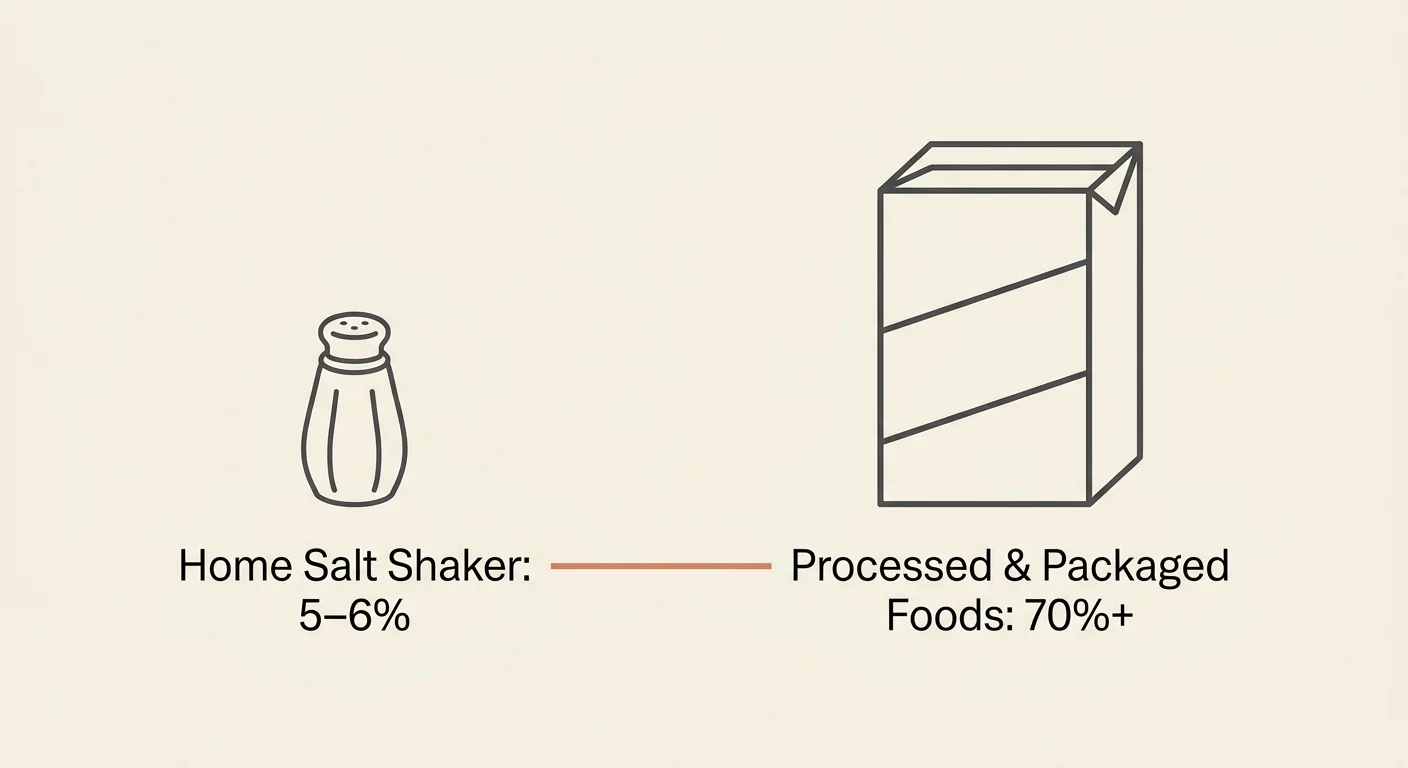
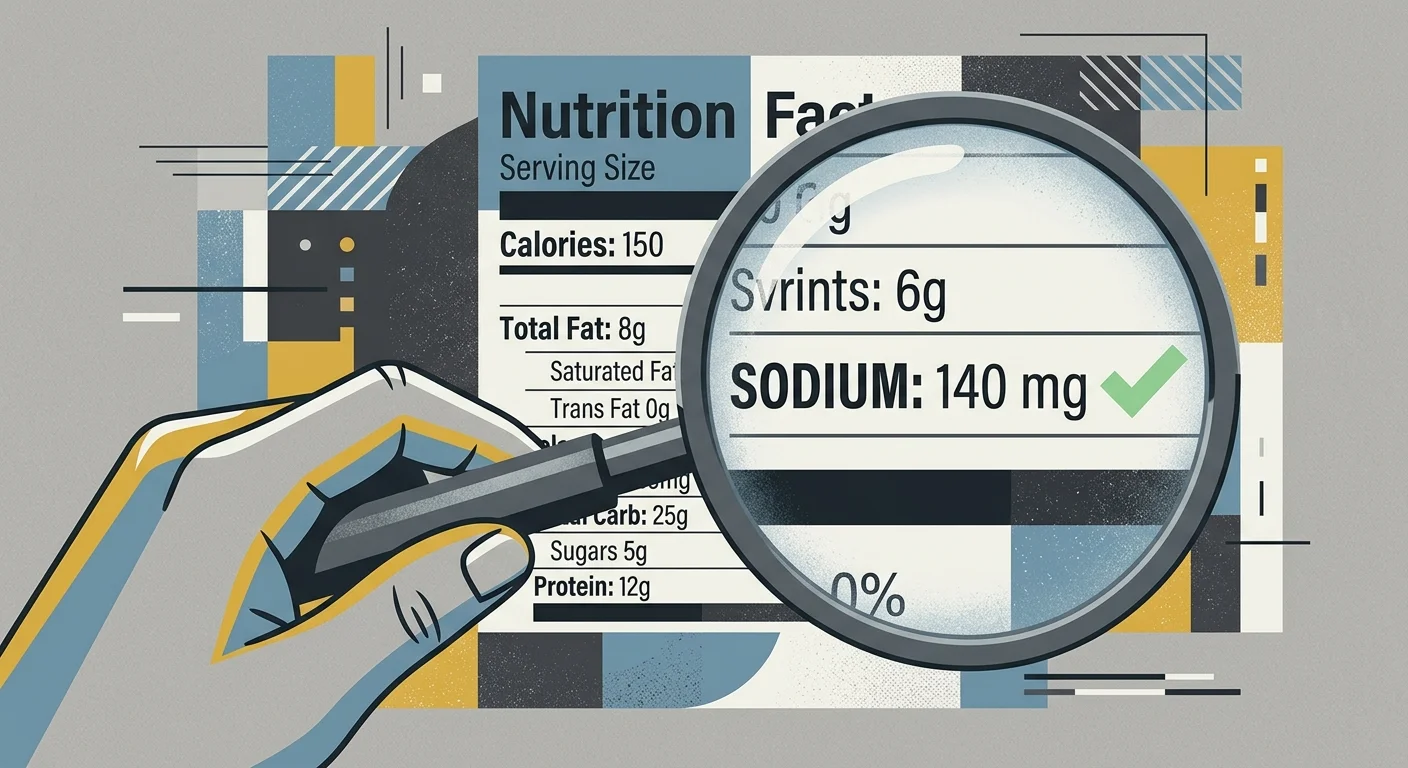
Most of this excess sodium does not come from your home salt shaker, which contributes only 5 to 6 percent of total intake. Instead, over 70 percent comes directly from processed, packaged, and prepared foods. To curb this trend, the Food and Drug Administration released voluntary sodium reduction targets for commercial food manufacturers. Understanding nutrition labels helps you navigate these products. On U.S. packaging, “Low Sodium” means 140 milligrams or less per serving, “Reduced Sodium” indicates at least 25 percent less sodium than the traditional version, and “Sodium-Free” means under 5 milligrams per serving.

10 Nutrient-Dense Foods That Elevate Your Blood Pressure
1. Low-Fat Cottage Cheese
Cottage cheese enjoys a reputation as a health staple due to its high protein content and rich calcium profile. However, manufacturers add significant amounts of salt during production to enhance texture and preserve shelf life. A single half-cup serving of low-fat cottage cheese often contains between 350 and 450 milligrams of sodium, accounting for nearly 20 to 30 percent of your ideal daily allowance. Swap standard cottage cheese for low-sodium varieties, or choose plain Greek yogurt to enjoy protein without the excess sodium.
2. Whole Wheat Bread and Grain Wraps
Whole wheat bread and whole grain wraps deliver essential fiber and B vitamins, making them dietary favorites. Despite these benefits, commercially produced yeast breads rank among the top sources of dietary sodium in the American diet. A single slice of whole wheat bread or one large sandwich wrap can pack 250 to 400 milligrams of sodium. Eating a double-slice sandwich easily adds 800 milligrams before adding fillings. Select bread brands that offer 140 milligrams or less per serving.
3. Veggie Burgers and Plant-Based Meats
Plant-based meat alternatives and commercially frozen veggie burgers provide plant protein and avoid saturated animal fats. However, food manufacturers frequently load these products with sodium and binding agents to replicate the savory flavor and mouthfeel of real meat. A single store-bought veggie patty can contain 400 to 600 milligrams of sodium. Consider making homemade veggie burgers using canned black beans drained of brine, oats, garlic, smoked paprika, and fresh herbs.
4. Canned Beans and Vegetables
Canned legumes and vegetables offer a convenient way to boost fiber, minerals, and vitamins. Unfortunately, commercial canning processes rely heavily on saltwater solutions for preservation and flavor enhancement. A half-cup serving of standard canned black beans or canned peas often carries 350 to 450 milligrams of sodium. You can remove up to 41 percent of this sodium simply by draining and thoroughly rinsing the legumes under cold running water, or by purchasing labeled “no salt added” cans.
5. Commercial Salad Dressings and Marinades
Pouring a healthy vinaigrette over a bowl of raw vegetables seems like an ideal nutritional choice. However, store-bought salad dressings, light vinaigrettes, and marinades rely on concentrated sodium to balance acidity and preserve freshness. Just two tablespoons of a typical bottled dressing can contribute 300 to 500 milligrams of hidden sodium to your meal. You can easily whisk your own heart-healthy dressings at home using extra virgin olive oil, fresh lemon juice, Dijon mustard, and herbs.
6. Store-Bought Vegetable Soups and Broths
Pre-packaged vegetable soups, vegetable broths, and canned minestrones feel like wholesome comfort foods packed with vitamins. Yet, liquid soups represent major sodium traps. A single one-cup serving of commercial vegetable soup frequently contains 600 to 900 milligrams of sodium, and most pre-packaged cans contain two full servings. Choose versions explicitly labeled “Low Sodium” containing 140 milligrams or less per serving, or simmer homemade vegetable broths using fresh root vegetables and garlic.
7. Sauerkraut and Fermented Vegetables
Fermented foods like sauerkraut, kimchi, and pickled vegetables deliver beneficial probiotics that support digestive health and gut microbiota. However, traditional fermentation relies on high concentrations of brine to inhibit harmful bacteria growth. A small quarter-cup serving of sauerkraut can contain over 400 milligrams of sodium. Enjoy fermented items as small flavor accents or garnishes rather than primary side dishes to protect your blood pressure while supporting gut health.
8. Turkey Bacon and Lean Poultry Deli Meats
Many health-conscious shoppers choose turkey bacon and sliced deli poultry over pork bacon or beef cold cuts to lower saturated fat intake. Unfortunately, poultry curing and processing heavily rely on sodium solutions, nitrates, and flavor additives. Two small strips of turkey bacon or three ounces of sliced deli turkey can deliver 500 to 800 milligrams of sodium. Opt for fresh turkey breast or chicken breast cooked at home and sliced thinly for sandwiches.
9. Electrolyte Sports Drinks and Licorice Teas
Electrolyte sports drinks support endurance athletes during extended workouts, but sipping them during routine activities delivers unnecessary sodium into your body. Furthermore, certain herbal teas containing natural licorice root contain glycyrrhizin, a compound that causes your kidneys to retain sodium and excrete potassium. This chemical reaction directly raises blood pressure levels. Drink plain water or fruit-infused water for hydration, and check herbal tea labels for licorice root extract before drinking.
10. Instant Flavored Oatmeal Packets
Whole grain oats contain beta-glucan, a soluble fiber that supports healthy cholesterol levels and heart health. However, pre-portioned instant oatmeal packets often blend added sugars with surprising amounts of sodium to balance sweet flavors. A single packet of flavored instant oatmeal can pack 200 to 300 milligrams of sodium. Buy plain rolled or steel-cut oats instead, cooking them with water or milk and adding natural cinnamon, berries, and raw seeds.

Three Science-Backed Pillars to Protect Your Heart
Smart Label Literacy and Meal Planning
Protecting your cardiovascular system begins with evaluating every packaged item before it enters your grocery cart. Read the nutrition facts panel carefully and look closely at serving sizes, as manufacturers often list small portions to make sodium counts appear lower. Remember that terms like “Reduced Sodium” only indicate 25 percent less sodium than the original product, which may still leave total sodium dangerously high. Focus your purchases on products carrying the “Low Sodium” designation of 140 milligrams or less per serving, and plan weekly meals centered around whole, single-ingredient foods.
The Mineral Counterbalance: Potassium and Magnesium
Managing your blood pressure involves more than just restricting sodium; it requires increasing minerals that counteract sodium’s negative effects. Potassium relaxes blood vessel walls and prompts your kidneys to excrete excess sodium through urine. Following principles from the Dietary Approaches to Stop Hypertension diet helps restore this balance. Increase your daily intake of potassium-rich foods such as leafy greens, avocados, sweet potatoes, bananas, and white beans, while incorporating magnesium-rich seeds and nuts to optimize arterial elasticity.
Culinary Swaps and Habit Formation
Building lasting habits around food preparation allows you to eliminate hidden sodium without sacrificing culinary enjoyment. Replace processed seasoning blends and table salt with vibrant, nutrient-rich alternatives like citrus zest, fresh garlic, ground black pepper, vinegar, and aromatic herbs. When preparing grain dishes, beans, or sauces, cook larger batches from scratch using unsalted stocks and raw ingredients. Over time, your taste buds adapt to lower salt levels, enhancing your appreciation for natural food flavors.

Clinical Perspectives and Real-World Insights
Registered dietitians and preventive cardiologists emphasize that managing blood pressure does not require extreme restriction or eliminating whole food groups. Instead, identifying where sodium hides in seemingly healthy foods allows you to make strategic swaps. Clinical research demonstrates that reducing daily sodium intake by just 1,000 milligrams significantly lowers systolic blood pressure across diverse adult populations. Working with a registered dietitian helps you tailor these dietary modifications to fit your personal taste preferences, cultural food traditions, and daily schedule seamlessly.
Personalizing Your Blood Pressure Strategy Safely
While increasing dietary potassium benefits most people with high blood pressure, individual health factors require personalized guidance. Individuals with chronic kidney disease, severe kidney impairment, or those taking specific blood pressure medications like ACE inhibitors or potassium-sparing diuretics must exercise caution. Consuming excessive potassium under these conditions can lead to hyperkalemia, a serious medical state. Always consult your primary care physician or a clinical dietitian before adopting new dietary supplements or drastically changing your potassium intake.
Frequently Asked Questions
How quickly can reducing my sodium intake lower my blood pressure?
Research shows that lowering your sodium intake can produce measurable blood pressure improvements within weeks. Many individuals notice a decrease in systolic blood pressure within 14 days of reducing daily sodium to under 2,000 milligrams.
Is sea salt or pink Himalayan salt better for blood pressure than table salt?
No. Sea salt, Himalayan pink salt, and table salt all contain approximately 40 percent sodium by weight. While specialty salts contain trace minerals, their sodium content impacts your blood pressure identically to standard table salt.
Can taking potassium supplements replace the need for sodium reduction?
No. Potassium supplements cannot counteract the effects of a high-sodium diet on their own, and high-dose supplements carry medical risks. Getting potassium through whole foods while simultaneously reducing sodium intake yields the safest and most effective results.
What immediate step should I take if I consume a high-sodium meal?
If you consume a meal high in sodium, drink plenty of water throughout the remainder of the day to assist your kidneys. Balance your next few meals with potassium-rich whole foods like leafy greens and avocados, and avoid additional processed snacks.
Take Your First Step Toward Better Blood Pressure Today
Taking control of your heart health does not require an overnight overhaul of your entire pantry. Choose just one high-sodium convenience item you regularly consume—such as a canned soup, salad dressing, or whole wheat wrap—and swap it for a low-sodium or homemade version within the next 24 hours. Small, consistent adjustments build powerful momentum over time, protecting your arteries, lowering your blood pressure, and supporting your long-term vitality.