
You can easily double your recommended daily sugar limit without ever touching a dessert, candy bar, or soda. Manufacturers regularly add caloric sweeteners to savory pantry staples like pasta sauces, salad dressings, store-bought breads, and canned soups to enhance flavor, balance acidity, and extend shelf life. According to researchers, these non-sweet sources quietly drive average American consumption to dangerous levels. Learning how to identify hidden added sugar sources in savory foods transforms the way you navigate grocery aisles, protecting your metabolic health while keeping your meals thoroughly enjoyable. By reading ingredient lists carefully and adopting a few simple kitchen swaps, you will regain complete control over your daily nutrition starting today.
The Hidden Sugar Epidemic in Savory Foods
When you think about sugar consumption, images of donuts, pastries, and sodas come to mind. However, a vast portion of added sugar hides in plain sight within savory grocery items. Research from the University of North Carolina revealed that over 68% of barcoded packaged food products sold in U.S. grocery stores contain added caloric sweeteners. This practice means that even when avoiding desserts, your meals may still load your body with refined sugars.
The physiological consequences are significant. According to the Centers for Disease Control and Prevention, average U.S. adults consume roughly 17 teaspoons (68 to 71 grams) of added sugar daily—men average 19 teaspoons and women average 15 teaspoons. These figures far exceed guidelines. The American Heart Association sets daily limits at 6 teaspoons (25 grams) for women, 9 teaspoons (36 grams) for men, and under 6 teaspoons for children aged 2 to 18, with zero grams for infants under 2.
Additionally, Dietary Guidelines from the U.S. Department of Agriculture recommend limiting added sugars to under 10% of daily calories (50 grams on a 2,000-calorie diet). Recognizing foods with surprising added sugar represents your first defense against metabolic strain.

Five Surprising Savory Foods Packed With Added Sugar
Food manufacturers add sugar to preserve freshness, improve mouthfeel, and balance acidity. Unexpected sources of added sugar fill standard kitchen cupboards, accumulating rapidly across a typical day.
1. Jarred Marinara and Pasta Sauces
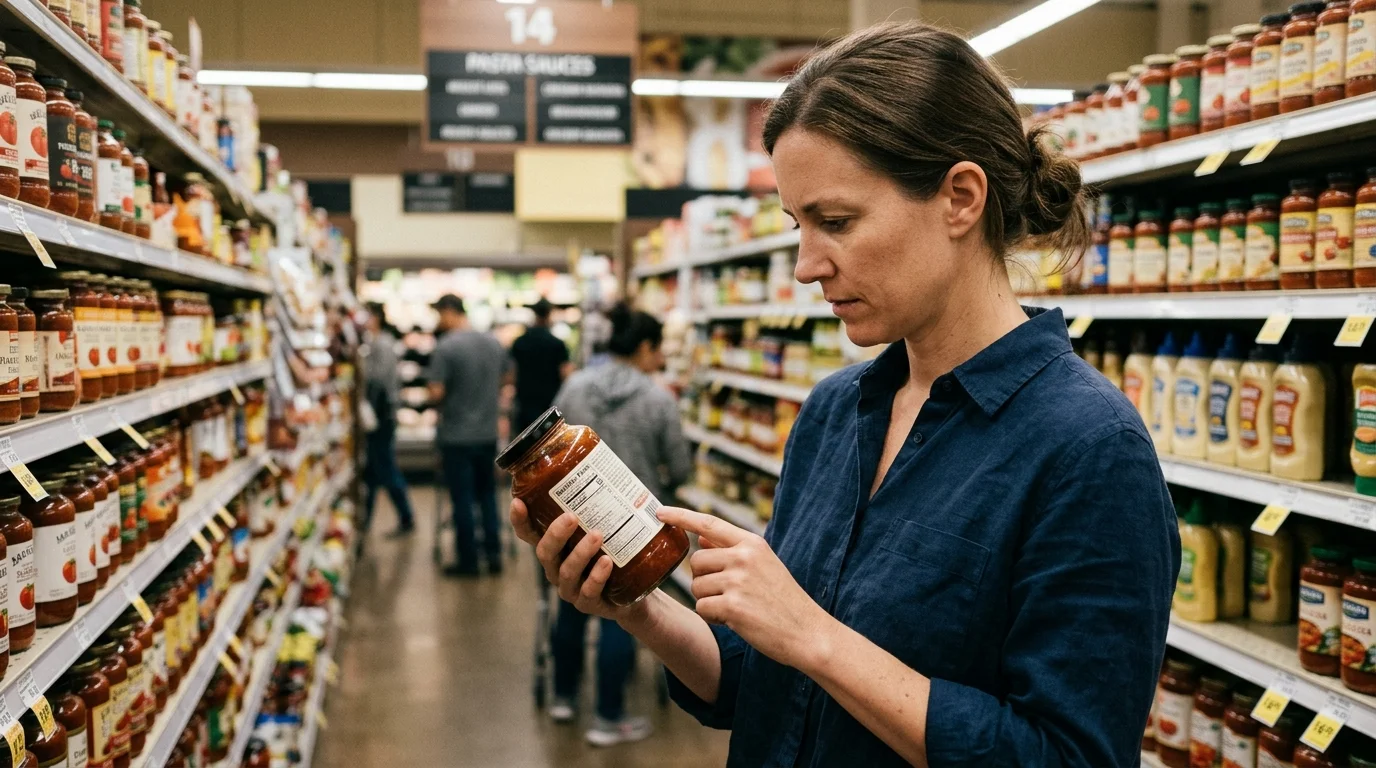
Store-bought pasta sauce represents classic sugar hiding in non-sweet foods. While tomatoes contain natural sugars, manufacturers add cane sugar or high-fructose corn syrup to cut tartness. A half-cup serving of marinara can pack 8 to 12 grams of added sugar—equivalent to two frosted cookies.
2. Commercial Salad Dressings and Marinades
Pouring bottled dressing over fresh greens feels healthy, but many dressings rely on hidden added sugar sources in savory foods to restore flavor lost when fat is reduced. A two-tablespoon serving often contains 6 to 9 grams of added sugar.
3. Whole Wheat Breads and Sandwich Wraps
Commercial bakeries add sugar, molasses, or high-fructose corn syrup to loaves and wraps to feed yeast and extend shelf life. A slice of whole wheat bread contains 2 to 4 grams of added sugar, delivering up to two teaspoons per sandwich.
4. Canned Soups and Savory Broths
Manufacturers add sugar to canned tomato soups, vegetable soups, and chilis to balance metallic notes from cans. A single cup of condensed tomato soup can contain up to 12 grams of added sugar.
5. Plant-Based Milks and Savory Sauces
Original plant milks frequently contain added cane sugar to match dairy sweetness, adding 4 to 7 grams per glass. Savory condiments like ketchup also rely on sugars; a single tablespoon delivers a full teaspoon of sugar.
How to Read Labels for Hidden Sugar Like a Pro
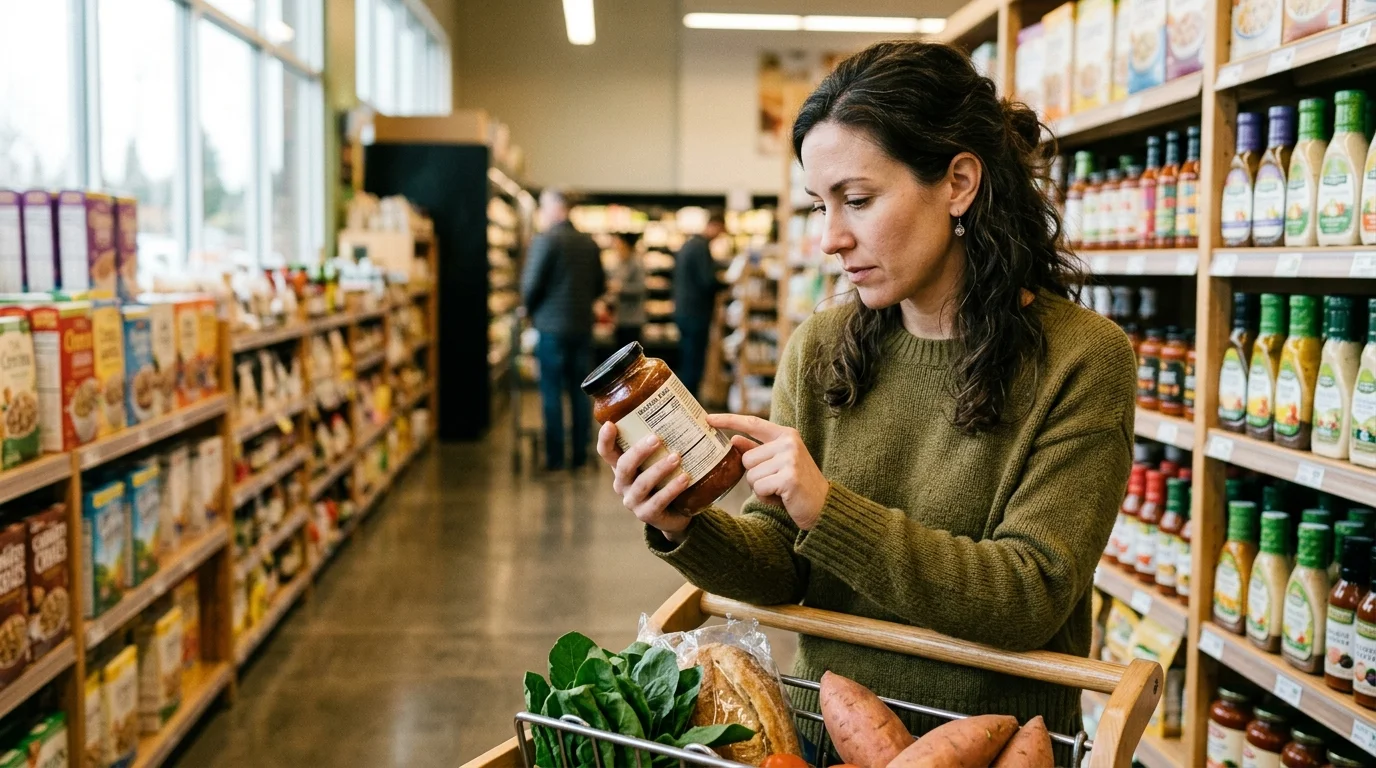
Reading labels for hidden sugar is easier thanks to regulatory updates. The U.S. Food and Drug Administration mandates an “Includes [X]g Added Sugars” line under “Total Sugars” on Nutrition Facts panels, complete with a percent Daily Value (%DV) based on a 50-gram limit. A %DV of 20% or more indicates high added sugar, while 5% or less indicates low sugar.
Check ingredient lists for sneaky aliases. Manufacturers use terms like high-fructose corn syrup, evaporated cane juice, maltodextrin, dextrose, maltose, barley malt, crystalline fructose, rice syrup, and agave nectar. Multiple sweeteners on the ingredient list signal a heavily sweetened product regardless of savory taste.

Three Practical Strategies to Eliminate Hidden Sugars
Eliminating hidden sugar does not require giving up favorite savory meals. Use three structured strategy pillars to systematically remove unwanted sweeteners while enhancing natural flavors.
Pillar 1: Meal Planning and Simple Kitchen Assembly
Prepare basic savory staples at home using whole ingredients. Blending crushed tomatoes with olive oil, garlic, salt, and basil yields marinara with zero added sugar in under ten minutes. Whisking olive oil, lemon juice, Dijon mustard, and black pepper produces superior dressing. Batch-cooking these basics during weekend meal planning keeps clean options ready in your refrigerator.
Pillar 2: Strategic Nutrient Focus and Glycemic Buffering
When consuming foods with small amounts of added sugar, pair them with dietary fiber, lean protein, and healthy fats to blunt blood glucose spikes. Fiber delays carbohydrate absorption in the small intestine, preventing glucose surges. Choose store-bought products with high fiber and minimal sugar, such as whole-grain bread with at least 3 grams of fiber and under 1 gram of added sugar per slice.
Pillar 3: Habit Formation and Palate Retraining
Overconsuming processed foods conditions your palate to expect sodium and sugar combinations. Research shows that reducing sugar over two to three weeks resets taste receptors, allowing you to appreciate natural food flavors. Use a half-and-half blending method: mix half a jar of sweetened marinara with plain tomato sauce, or combine unsweetened plant milk with flavored varieties until your taste buds adapt.

Expert Insights, Personalization, and Safety Considerations
Clinical experts emphasize that cutting hidden sugar optimizes health rather than imposing rigid restriction. Research supported by the National Institutes of Health shows that reducing added sugars improves metabolic health, lowers liver fat, and reduces cardiovascular risk. Managing hidden sugar is vital for individuals with prediabetes, type 2 diabetes, or fatty liver disease.
However, personalization is essential. Individuals with digestive conditions like Irritable Bowel Syndrome should exercise caution with sugar alcohols like xylitol or erythritol, which can cause distress. Those recovering from disordered eating should focus on whole-food additions rather than strict tracking. Always consult a dietitian or physician before making major dietary changes.
Frequently Asked Questions About Hidden Sugar
What is the difference between natural sugars and added sugars on food labels?
Natural sugars occur inherently within whole foods, such as lactose in plain milk or fructose in fruit, bundled with nutrients and fiber that slow digestion. Added sugars include any sweetener added during processing or cooking, contributing calories without essential nutrients.
Are natural sweeteners like honey, maple syrup, and agave healthier than table sugar?
Your body metabolizes honey, maple syrup, and agave similarly to white table sugar. The liver processes their fructose content, causing comparable blood sugar rises. The FDA mandates listing them as added sugars on Nutrition Facts panels, so count them toward your daily limit.
How long does it take for your taste buds to adjust to lower sugar intake?
Most people notice shifts in taste within two to three weeks of reducing added sugar. As taste receptors recover, natural foods like bell peppers, carrots, and fresh tomatoes taste sweeter and more vibrant, reducing cravings for sweetened savory foods.
Will removing hidden sugars cause physical sugar withdrawal symptoms?
High baseline sugar intake may cause temporary mild symptoms like headaches or fatigue when sugar is cut. These sensations peak within 48 to 72 hours and resolve within a week. Stay hydrated, eat complex carbohydrates, and taper sugar intake over two weeks to minimize discomfort.
Your 24-Hour Action Plan
Achieving long-term health improvements starts with taking small steps. Pick a single action to execute within the next 24 hours. Examine three savory pantry items in your kitchen—such as pasta sauce, dressing, or canned soup—and check the Nutrition Facts panel. Look at the “Includes Added Sugars” line and inspect the ingredient list for aliases. Identifying hidden sugar in your routine empowers you to make smarter choices on your next grocery run.