
You can actively shield your eyesight and preserve sharp visual acuity as you age simply by adjusting the foods on your dinner plate. Targeted dietary nutrients cross the blood-retinal barrier to neutralize daily oxidative damage, enhance macular pigment density, and safeguard your eyes against degenerative changes. With more than ninety million American adults experiencing ocular disorders, proactive nutrition is no longer optional; it is an essential daily defense mechanism. By supplying your retinas with specific carotenoids, essential fatty acids, and structural antioxidants, you provide the biological raw materials required for lasting optical clarity and long-term cellular resilience.
The Science of Ocular Nutrition and Macular Protection
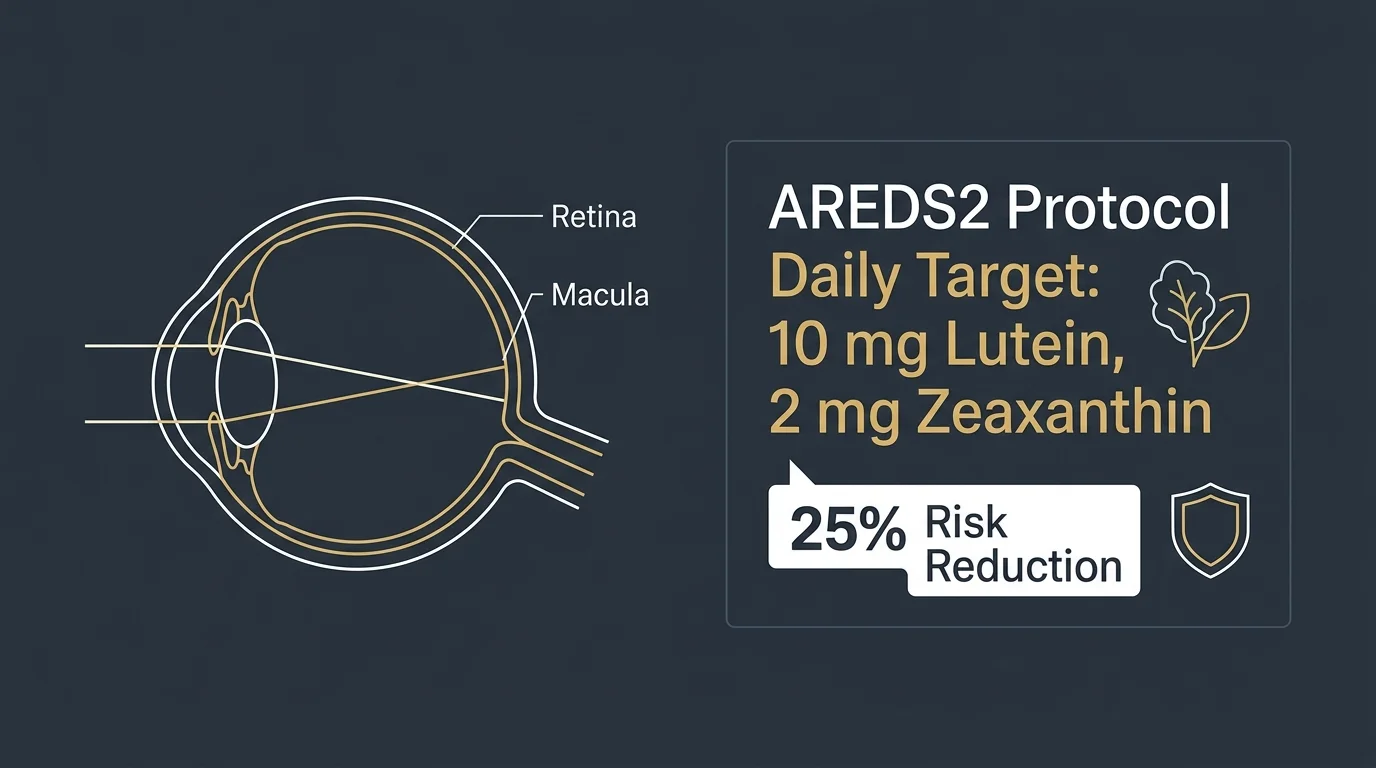
Your eyes operate under intense metabolic demand, constantly focusing light onto the delicate, lipid-rich membranes of your retinas. According to surveillance data from the Centers for Disease Control and Prevention, over ninety million Americans aged forty and older suffer from significant vision impairment or progressive ocular conditions. Cataracts currently affect approximately 20.5 million older adults, while age-related macular degeneration (AMD) remains the primary driver of irreversible central vision loss. These statistics highlight an urgent need for proactive nutritional interventions that arrest cellular deterioration before permanent damage occurs.
The landmark Age-Related Eye Disease Study 2 (AREDS2) demonstrated that specific micronutrients reduce the risk of progressing to advanced macular degeneration by approximately twenty-five percent. The benchmark clinical protocol emphasizes ten milligrams of lutein and two milligrams of zeaxanthin daily, combined with vitamins C, E, zinc, and copper. Unfortunately, the typical Western diet supplies only one to two milligrams of these critical macular pigments per day. Reaching optimal thresholds requires conscious food choices that align with established Dietary Reference Intakes—such as 700 to 900 micrograms of vitamin A and 75 to 90 milligrams of vitamin C daily.

Nine Nutrient-Dense Foods for Lifelong Visual Acuity
1. Dark Leafy Greens (Kale and Spinach)
Kale, spinach, and collard greens represent the undisputed champions of lutein and zeaxanthin concentration. These plant pigments accumulate directly inside your macula lutea—the central focal zone of your retina—where they act as internal sunglasses by absorbing damaging high-energy blue wavelengths. A single cup of cooked kale supplies over twenty milligrams of combined lutein and zeaxanthin, immediately satisfying and exceeding clinical targets. Regularly eating dark greens preserves macular pigment optical density and defends photoreceptor cells against daily photochemical stress.
2. Wild-Caught Cold-Water Fish
Fatty cold-water species like wild salmon, mackerel, and sardines supply substantial concentrations of docosahexaenoic acid (DHA) and eicosapentaenoic acid (EPA). The membranes of your retinal photoreceptors feature the highest concentration of DHA in the entire human body, requiring constant fatty acid renewal to function efficiently. The Dietary Guidelines for Americans recommend eating at least eight ounces of low-mercury seafood weekly. Meeting this target promotes smooth tear film production, alleviates dry eye discomfort, and preserves structural retinal integrity as you grow older.
3. Pasture-Raised Whole Eggs
While egg yolks contain lower gross amounts of lutein and zeaxanthin than dark leafy greens, they offer unparalleled bioavailability. The natural lipid matrix within the yolk allows your digestive tract to absorb these fat-soluble carotenoids with remarkable efficiency. Eggs also deliver bioavailable zinc, which helps your liver transport vitamin A to ocular tissues to synthesize protective melanin. Enjoying two whole eggs for breakfast creates an ideal biochemical environment for carotenoid absorption without spiking your blood glucose levels.
4. Sweet Potatoes
Sweet potatoes provide extraordinary amounts of beta-carotene, an orange carotenoid that your body converts into active vitamin A (retinol). Vitamin A is a mandatory component of rhodopsin, the specialized retinal protein that enables vision in dim light and prevents night blindness. According to guidance from the National Institutes of Health, adult men require 900 micrograms and adult women require 700 micrograms of vitamin A daily. One baked sweet potato delivers well over one hundred percent of your daily requirement while providing prebiotic starch for gut health.
5. Bell Peppers
Brightly colored bell peppers—particularly yellow, orange, and red varieties—are among the most concentrated whole-food sources of vitamin C on the planet. A single medium red bell pepper delivers over 150 milligrams of ascorbic acid, surpassing the daily recommended allowance for both men and women. Vitamin C functions as a potent water-soluble antioxidant within the aqueous humor of your eye, defending ocular blood vessels and slowing the oxidative clouding of lens proteins that eventually culminates in cataracts.
6. Raw Almonds and Sunflower Seeds
Nuts and seeds serve as your primary whole-food defense against lipid peroxidation in ocular cell membranes. A single ounce of dry-roasted sunflower seeds or raw almonds delivers roughly one-third of your daily vitamin E requirement in its most biologically active form, d-alpha-tocopherol. Vitamin E integrates directly into the polyunsaturated fatty acid membranes of retinal cells, neutralizing free radicals generated by continuous exposure to ambient light and environmental pollutants.
7. Oysters and Lean Grass-Fed Beef
Oysters stand as the richest dietary reservoir of elemental zinc, with lean beef and poultry offering accessible daily alternatives. Zinc plays a pivotal catalytic role in retinal enzyme systems, assisting in the molecular conversion of retinol into retinaldehyde for visual cycle maintenance. Maintaining adequate zinc levels—eleven milligrams daily for men and eight milligrams for women—prevents compromised twilight vision and safeguards the delicate vascular architecture supplying your optic nerve.
8. Blueberries and Blackcurrants
Dark berries owe their deep blue and purple hues to anthocyanins, a powerful class of water-soluble flavonoid antioxidants. Clinical research indicates that anthocyanins facilitate the rapid regeneration of retinal rhodopsin, thereby speeding up visual dark adaptation after exposure to bright flashes. Furthermore, these potent polyphenols strengthen ocular capillaries, enhance microvascular circulation, and reduce oxidative stress within trabecular meshwork tissues responsible for healthy intraocular fluid drainage.
9. Carrots and Winter Squash
Carrots remain a classic staple of vision nutrition for good reason. They pack substantial amounts of alpha-carotene and beta-carotene alongside lutein, creating a multifaceted carotenoid shield for your eyes. Carotenoids from orange root vegetables support the health of your retinal pigment epithelium—the supportive cellular layer that nourishes photoreceptors and removes metabolic waste. Steaming or roasting carrots with a drizzle of healthy fat dramatically boosts carotenoid assimilation during digestion.
Evidence-Based Strategies for Daily Eye Nutrition
Pillar 1: Maximize Nutrient Synergy Through Strategic Meal Pairing
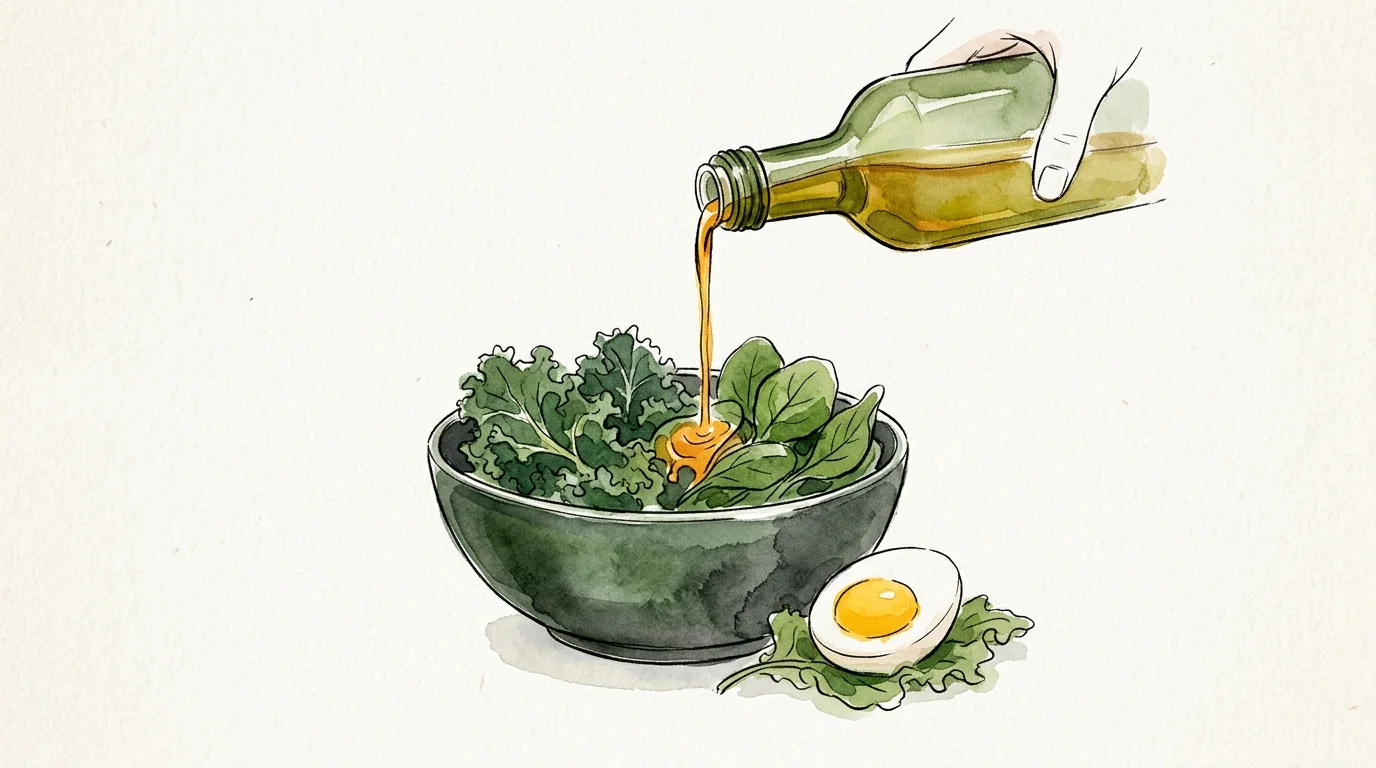
Consuming eye-protective nutrients is only half the battle; your body must absorb them efficiently. Because lutein, zeaxanthin, beta-carotene, and vitamin E are strictly fat-soluble, eating them without dietary fat leads to poor intestinal absorption. Always pair raw or steamed vegetables with high-quality lipids such as extra virgin olive oil, avocado slices, or whole eggs. A light vinaigrette on a spinach salad can increase carotenoid uptake by more than three hundred percent compared to fat-free dressings.
Pillar 2: Combine Nutritional Defense with Environmental Habits
Dietary antioxidants work best when combined with proactive lifestyle habits. Chronic digital screen use reduces your natural blink rate by nearly fifty percent, leading to tear film instability and digital eye fatigue. Practice the 20-20-20 rule by looking at an object twenty feet away for twenty seconds every twenty minutes. In tandem with eating omega-3 rich fish, staying well-hydrated throughout the day preserves the lipid and aqueous layers of your corneal tear film.
Pillar 3: Adapt Ocular Nutrition for Any Budget or Diet
Protecting your eyesight does not require expensive specialty foods or niche supplements. Affordable staples like frozen chopped spinach, canned sardines, dried lentils, and bulk carrots deliver identical antioxidant density compared to fresh counterparts. If you follow a strictly plant-based lifestyle, swap fish for ground chia seeds and walnuts to obtain alpha-linolenic acid (ALA), and rely on fortified nutritional yeast or zinc-rich pumpkin seeds to fulfill your daily micronutrient targets.
Clinical Perspectives, Supplement Caveats, and Safety
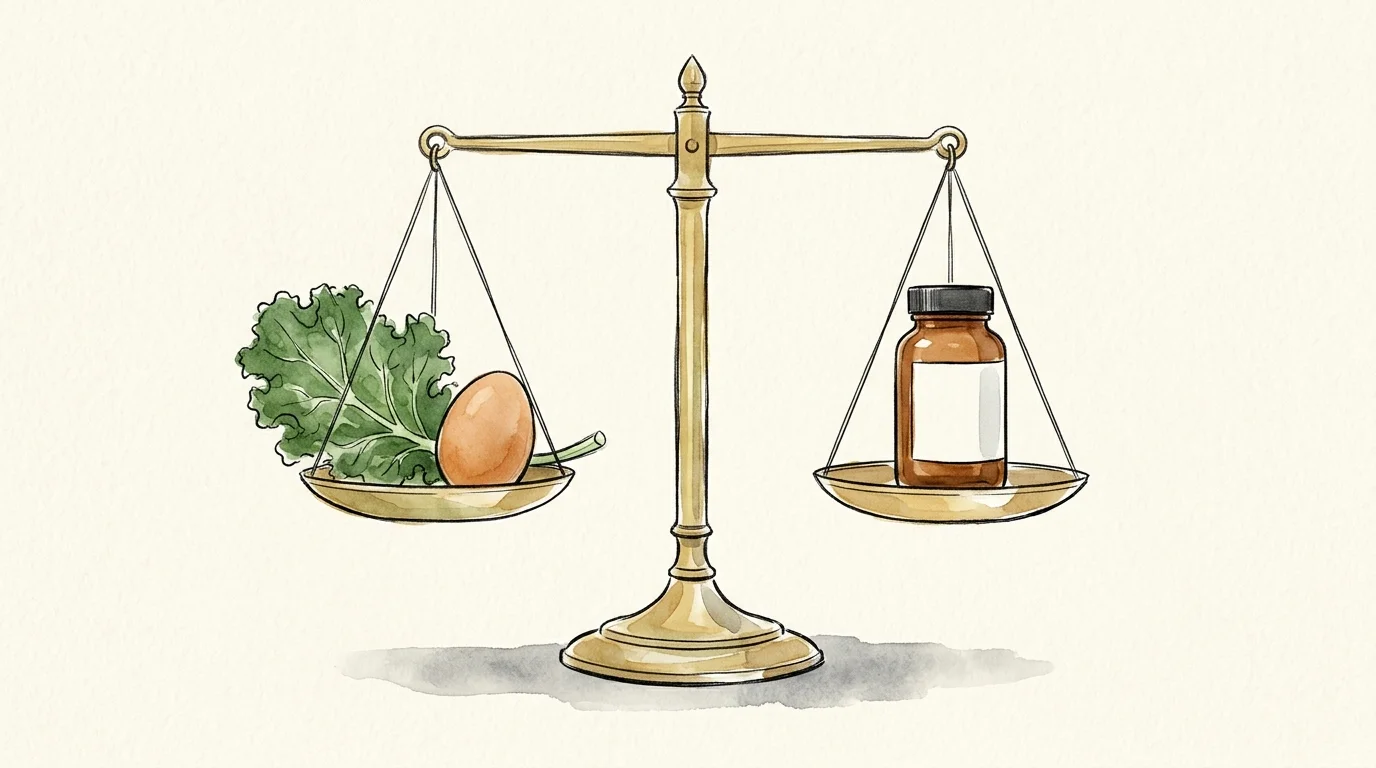
Clinical ophthalmologists and registered dietitians emphasize that whole foods should always form your foundational defense before turning to isolated supplements. The American Academy of Ophthalmology notes that whole-food dietary patterns provide a complex matrix of bioflavonoids, fiber, and co-factors that pills cannot fully replicate. Furthermore, megadosing isolated antioxidant vitamins can introduce unintended health risks; for example, high-dose synthetic beta-carotene supplements historically raised health concerns among individuals with a history of smoking.
Always discuss high-dose visual supplements with your healthcare provider, particularly if you take prescription blood thinners or have preexisting renal conditions. Vitamin K in dark leafy greens can interact with anticoagulant therapies like warfarin, necessitating consistent daily intake rather than drastic fluctuations. Individualized planning ensures you protect your optical health safely and sustainably.
Frequently Asked Questions About Foods for Eye Health
Can diet reverse existing cataracts or advanced macular degeneration?
Nutritional interventions cannot undo existing structural lens opacities (cataracts) or restore dead retinal tissue caused by late-stage macular degeneration. However, an antioxidant-dense diet slows cataract progression and significantly reduces the risk of intermediate AMD advancing to severe, vision-threatening stages. Nutrition acts primarily as preventive armor and cellular support.
Can I obtain adequate lutein and zeaxanthin without commercial supplements?
Yes, you can easily achieve the research-backed target of ten milligrams of lutein and two milligrams of zeaxanthin through whole foods alone. Consuming one cup of cooked spinach or kale several times per week, combined with daily egg yolks and colorful vegetables, comfortably fulfills and exceeds clinical benchmark levels.
Does increased screen time raise your dietary antioxidant requirements?
Extended screen exposure accelerates visual fatigue and subjects retinal cells to sustained blue-light stress and surface dryness. While screens do not change baseline biological RDAs, maintaining high macular pigment optical density through carotenoid-rich foods creates a vital optical filter that mitigates digital glare and reduces eye strain.
Are plant-based omega-3 sources as effective for dry eye as fish oils?
Plant sources like flaxseed, chia, and walnuts provide alpha-linolenic acid (ALA), which your body must convert into active EPA and DHA. Because human conversion rates are typically under ten percent, individuals with persistent dry eye symptoms may benefit from marine-derived algae oil supplements to obtain preformed DHA and EPA directly.
Start Protecting Your Eyesight Today
Preserving your visual sharpness for decades to come begins with the simple, deliberate food choices you make today. You do not need an overwhelming dietary overhaul to make a measurable clinical impact on your ocular health. Commit within the next twenty-four hours to adding just one eye-supportive whole food to your next meal—whether that means folding a handful of baby spinach into your morning eggs, tossing bell pepper slices into your lunchtime bowl, or enjoying a portion of wild salmon for dinner. Your eyes work tirelessly for you every waking second; nourish them with the essential compounds they need to stay bright, resilient, and clear.