
You can actively reduce low-density lipoprotein (LDL) cholesterol and protect your cardiovascular system simply by making strategic, research-backed additions to your daily grocery cart. While genetics shape your baseline lipid profile, consistent dietary adjustments substantially improve circulating lipid markers within four to twelve weeks. Over eighty-six million American adults currently manage borderline or high cholesterol levels, yet specific whole foods exert profound therapeutic effects without extreme restriction. By prioritizing viscous soluble fibers, cardioprotective unsaturated fats, and bioactive plant compounds, you directly support hepatic lipid clearance and arterial vitality. Discover how evidence-based nutritional choices empower you to build lasting cardiovascular resilience today.
Understanding Cholesterol Dynamics and Arterial Health
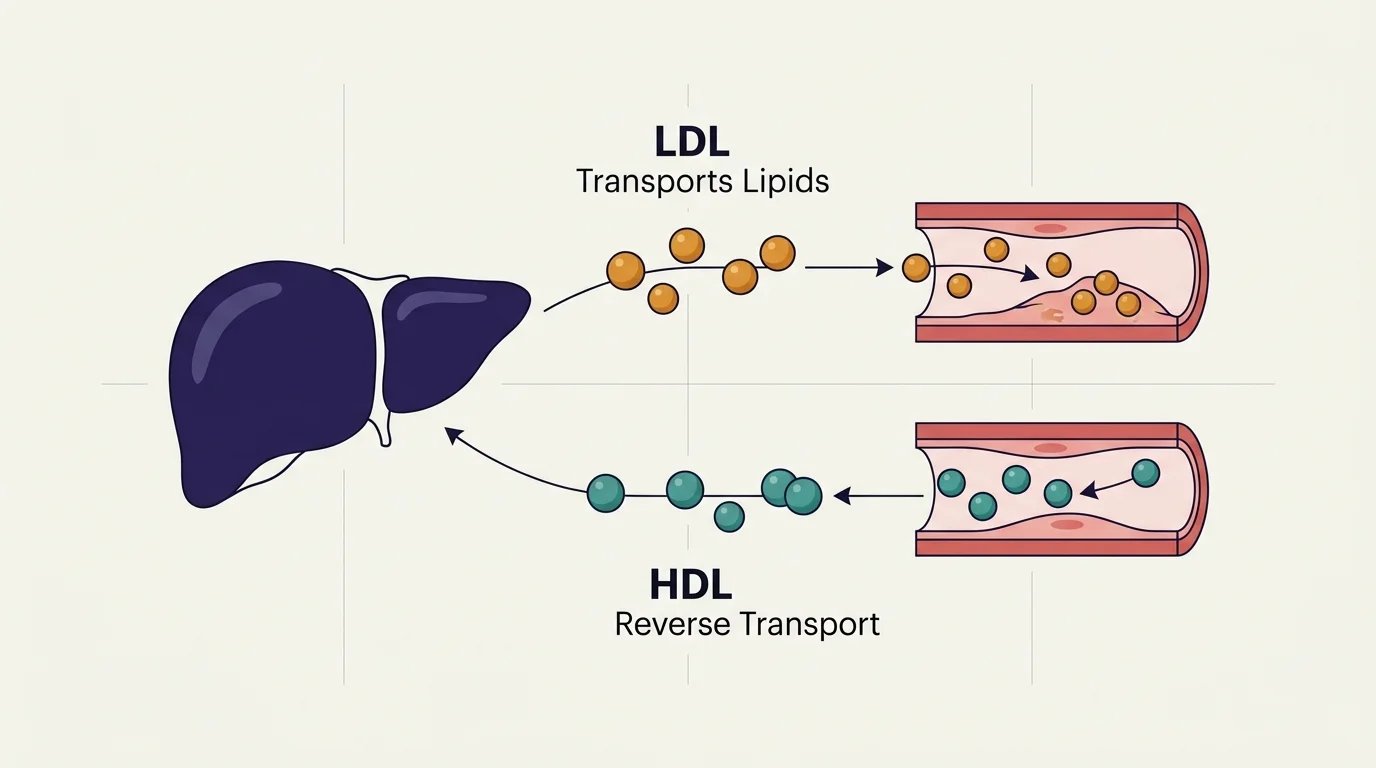
According to surveillance data from the Centers for Disease Control and Prevention, approximately 10% to 11.3% of United States adults aged twenty and older live with total serum cholesterol exceeding 240 mg/dL. When you consume meals, your liver packages lipids into lipoproteins for systemic distribution. Low-density lipoprotein transports cholesterol to peripheral tissues; however, elevated circulating LDL particles—especially small, dense variants—readily penetrate vascular linings. Once trapped inside arterial walls, these lipoproteins undergo oxidative modification, triggering inflammatory cascades and progressive plaque accumulation known as atherosclerosis.
Conversely, high-density lipoprotein (HDL) facilitates reverse cholesterol transport by shuttling excess sterols from vascular walls back to your liver for excretion. Clinical lipidologists also monitor apolipoprotein B (ApoB) and serum triglycerides to gauge true atherogenic particle volume. Incorporating specific cardioprotective foods alters this biological process by trapping luminal bile acids, decreasing intestinal cholesterol absorption, and upregulating LDL receptor expression on hepatocytes.

Strategy Pillars for Sustainable Lipid Management
Successful dietary intervention requires a structured approach emphasizing sustainable habits over rigid restriction. You can establish lasting improvements by anchoring your routine around three foundational pillars:
First, adopt a rigorous nutrient-focus strategy. Clinical guidelines from the American Heart Association recommend restricting saturated fatty acids to less than 6% of total daily energy intake—equaling roughly 11 to 13 grams of saturated fat on a standard 2,000-calorie pattern. Simultaneously, consume 5 to 10 or more grams of viscous soluble fiber daily to maximize intestinal cholesterol clearance.
Second, execute intentional meal substitutions rather than stark eliminations. Replacing saturated fats like butter and processed meats with monounsaturated oils, legumes, and whole nuts stimulates hepatic clearance pathways and lowers systemic inflammation.
Third, focus on progressive habit formation. Drastic dietary overhauls often trigger metabolic fatigue. Systematically introducing one new heart-healthy food each week allows your palate and digestive microbiome to adapt smoothly, reinforcing lifelong adherence.
7 Evidence-Based Foods for Optimal Cholesterol
1. Whole Oats and Pearl Barley
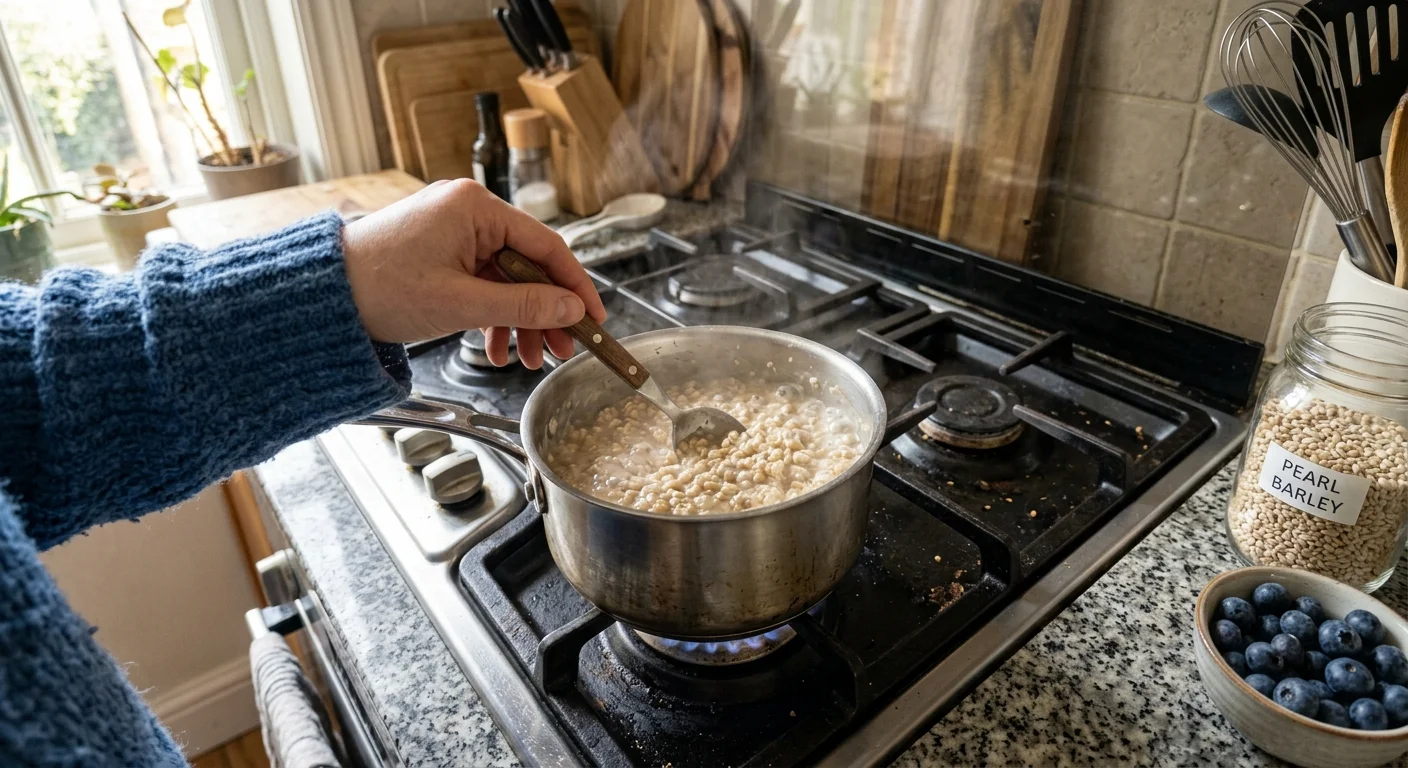
Whole oats and pearl barley serve as premiere sources of beta-glucan, an exceptionally viscous soluble dietary fiber. Under FDA regulations (21 CFR § 101.81), consuming at least 3 grams of soluble beta-glucan daily from whole grain oats or barley, within a diet low in saturated fat and cholesterol, can lower total and LDL cholesterol by 5% to 10% and reduce coronary heart disease risk. In your digestive tract, beta-glucan forms a thick gel that traps bile acids, forcing your liver to clear circulating cholesterol to manufacture replacement bile. Enjoy steel-cut oatmeal topped with berries or incorporate barley into savory vegetable soups.
2. Tree Nuts and Peanuts
Almonds, walnuts, pistachios, and peanuts deliver a potent combination of monounsaturated fats, polyunsaturated fatty acids, plant sterols, and dietary fiber. Walnuts specifically provide alpha-linolenic acid, an essential plant-based omega-3 fatty acid supporting endothelial vascular function. The FDA recognizes a qualified health claim indicating that consuming 1.5 ounces (approximately 42 grams) of most nuts daily as part of a low-saturated-fat diet may reduce the risk of heart disease. Keep raw or dry-roasted nuts on hand for mid-afternoon snacks, or blend crushed walnuts and almonds into morning smoothies.
3. Legumes and Pulses
Lentils, black beans, chickpeas, and split peas supply rich concentrations of prebiotic viscous fiber and plant protein. When your gut microbiome ferments the prebiotic fibers found in pulses, it generates short-chain fatty acids like propionate. Research accessible through the National Institutes of Health reveals that propionate naturally inhibits hepatic HMG-CoA reductase, the rate-limiting enzyme in internal cholesterol synthesis. Swapping animal proteins for hearty lentil stews, chickpea curries, or bean-based salads reduces your saturated fat intake while substantially elevating daily soluble fiber intake.
4. Extra Virgin Olive Oil
Extra virgin olive oil constitutes the cornerstone of the cardioprotective Mediterranean dietary pattern. It contains abundant oleic acid—a heart-healthy monounsaturated fatty acid—alongside potent polyphenol antioxidants such as hydroxytyrosol and oleocanthal. These bioactives shield circulating LDL particles against oxidative modification, a vital step in preventing foam cell formation inside arterial walls. Use extra virgin olive oil as your primary dressing for leafy greens, drizzle it over roasted vegetables, and utilize it in low-to-moderate temperature culinary preparations instead of butter or lard.
5. Fatty Cold-Water Fish
Wild salmon, Atlantic mackerel, sardines, and rainbow trout provide long-chain omega-3 polyunsaturated fatty acids, specifically eicosapentaenoic acid (EPA) and docosahexaenoic acid (DHA). While omega-3s primarily target hypertriglyceridemia by suppressing hepatic very-low-density lipoprotein (VLDL) secretion, they also enlarge small, dense LDL subfractions into less atherogenic, buoyant particles. The Academy of Nutrition and Dietetics supports eating at least two 3.5-ounce servings of non-fried fatty fish weekly to optimize lipid balance and maintain cellular membrane flexibility across your vascular network.
6. Fresh Avocados
Avocados supply abundant monounsaturated fats, dietary potassium, and natural phytosterols like beta-sitosterol. Clinical trials indicate that incorporating one avocado daily into a moderate-fat, heart-healthy dietary plan significantly reduces circulating small, dense LDL particles and improves your total-to-HDL cholesterol ratio. The combination of dietary fiber and wholesome lipids promotes postprandial satiety and stabilizes glycemic curves. Spread mashed avocado onto whole-grain sourdough toast, cube it into fresh salads, or blend it into chilled vegetable soups.
7. Foods Fortified with Plant Sterols and Stanols
Plant sterols and stanols are botanical compounds structurally identical to human cholesterol. When consumed alongside meals, they compete directly with dietary and biliary cholesterol for incorporation into intestinal mixed micelles, drastically curtailing systemic absorption. Authorized under FDA health claim 21 CFR § 101.83, consuming at least 1.3 grams of plant sterol esters (or 3.4 grams of stanol esters) daily, divided across two meals as part of a low-saturated-fat eating pattern, lowers circulating LDL cholesterol by 5% to 15%. Look for fortified yogurts, plant milks, or spreads to meet therapeutic targets effortlessly.

Expert Perspectives and Real-World Application
Cardiovascular dietitians emphasize that food synergy matters far more than isolating individual micronutrients. When you combine multiple cholesterol-lowering mechanisms—such as pairing soluble fiber from oats with phytosterols from almonds and healthy fats from olive oil—you generate an additive lipid-lowering effect comparable to low-dose pharmacotherapy. Clinical observations from outpatient nutrition programs show that individuals who prep fiber-rich meals on weekends consistently sustain these lipid reductions over multi-year follow-ups, demonstrating the transformative power of routine preparation over rigid, short-term dieting.
Safety, Contraindications, and Clinical Considerations
Although dietary optimization forms the cornerstone of cardiovascular disease prevention, you must calibrate food interventions to your unique medical profile. Individuals with diagnosed tree nut, peanut, or seafood allergies should substitute seeds like chia or flax and algae-based omega-3 supplements to achieve similar benefits safely. Furthermore, dietary changes complement rather than replace prescribed lipid-lowering pharmacotherapy—such as statins or PCSK9 inhibitors—for individuals with familial hypercholesterolemia or established coronary artery disease. Always consult your personal physician or a registered dietitian before altering medication protocols, and schedule a comprehensive fasting lipid panel every six to twelve months to monitor objective biochemical progress.
Frequently Asked Questions About Dietary Cholesterol Management
Do dietary eggs and shellfish increase circulating blood cholesterol?
For approximately 75% of the population, dietary cholesterol from whole eggs and shellfish produces minimal impact on serum LDL levels because your liver compensates by downregulating internal synthesis. The primary dietary driver of elevated blood cholesterol remains saturated fatty acids, not dietary cholesterol itself.
How quickly can dietary adjustments lower LDL cholesterol levels?
You can observe measurable reductions in serum lipids within four to six weeks of adopting a fiber-rich, low-saturated-fat dietary pattern. Peak lipid stabilization generally occurs around the twelve-week mark when you sustain consistent nutritional habits.
Can lifestyle and diet alone manage familial hypercholesterolemia?
Familial hypercholesterolemia stems from genetic mutations affecting LDL receptor clearance. While a cardioprotective diet remains an essential foundation, individuals with this genetic condition almost always require prescription lipid-lowering medications alongside lifestyle interventions.
What is the difference between soluble and insoluble fiber for heart health?
Soluble viscous fiber dissolves in water to form a gel that directly binds intestinal bile acids and prevents cholesterol reabsorption. Insoluble fiber adds bulk to digestive waste and accelerates transit time, promoting overall gastrointestinal health without exerting the same direct lipid-lowering effect.
Your Next Step Toward Better Heart Health
Transforming your cardiovascular health does not require an overwhelming lifestyle overhaul; lasting progress begins with a single deliberate choice. Within the next 24 hours, choose one actionable upgrade: swap your standard breakfast for a warm bowl of steel-cut oats topped with sliced almonds and blueberries, or replace butter with extra virgin olive oil during dinner preparation. This single step initiates an immediate biological cascade that supports healthy arterial blood flow and safeguards your long-term vitality.