
You can transform your morning energy and sharpen mental focus by consuming thirty grams of protein within minutes of waking. A protein-rich breakfast stabilizes blood glucose levels and keeps hunger hormones quiet until lunchtime.
Rushing out the door often nudges you toward refined pastries or sugary beverages that spike and crash your energy. Fortunately, assembling a powerhouse meal does not demand culinary mastery or tedious early-morning cooking.
With strategic pantry staples, you can build delicious meals that curb cravings in five minutes flat. These ten dietitian-designed options deliver massive nutritional value without disrupting your busy morning schedule.

The Science of Morning Protein: Why Speed and Satiety Matter
Consuming twenty to thirty-five grams of dietary protein at breakfast stimulates muscle protein synthesis and suppresses ghrelin, your body’s primary hunger hormone. Research published in the American Journal of Clinical Nutrition demonstrates that higher-protein breakfasts improve postprandial glycemic control throughout the day.
When you digest protein, your gut secretes satiety peptides like peptide YY and glucagon-like peptide-1. These biochemical messengers signal your brain that you are full, preventing mid-morning cravings for refined carbohydrates.
Protein also exhibits a higher thermic effect of food than carbohydrates or dietary fats. Your metabolism expends roughly twenty to thirty percent of incoming protein calories simply breaking down complex amino acid structures.
Distributing your daily protein evenly protects functional lean muscle mass far better than concentrating your intake at dinner. A robust morning dose provides the essential amino acids necessary for continuous tissue repair and enzymatic production.
Specifically, reaching roughly three grams of the amino acid leucine in your morning meal activates the mTOR pathway. This molecular switch initiates muscle recovery and guards against metabolic slowdown.
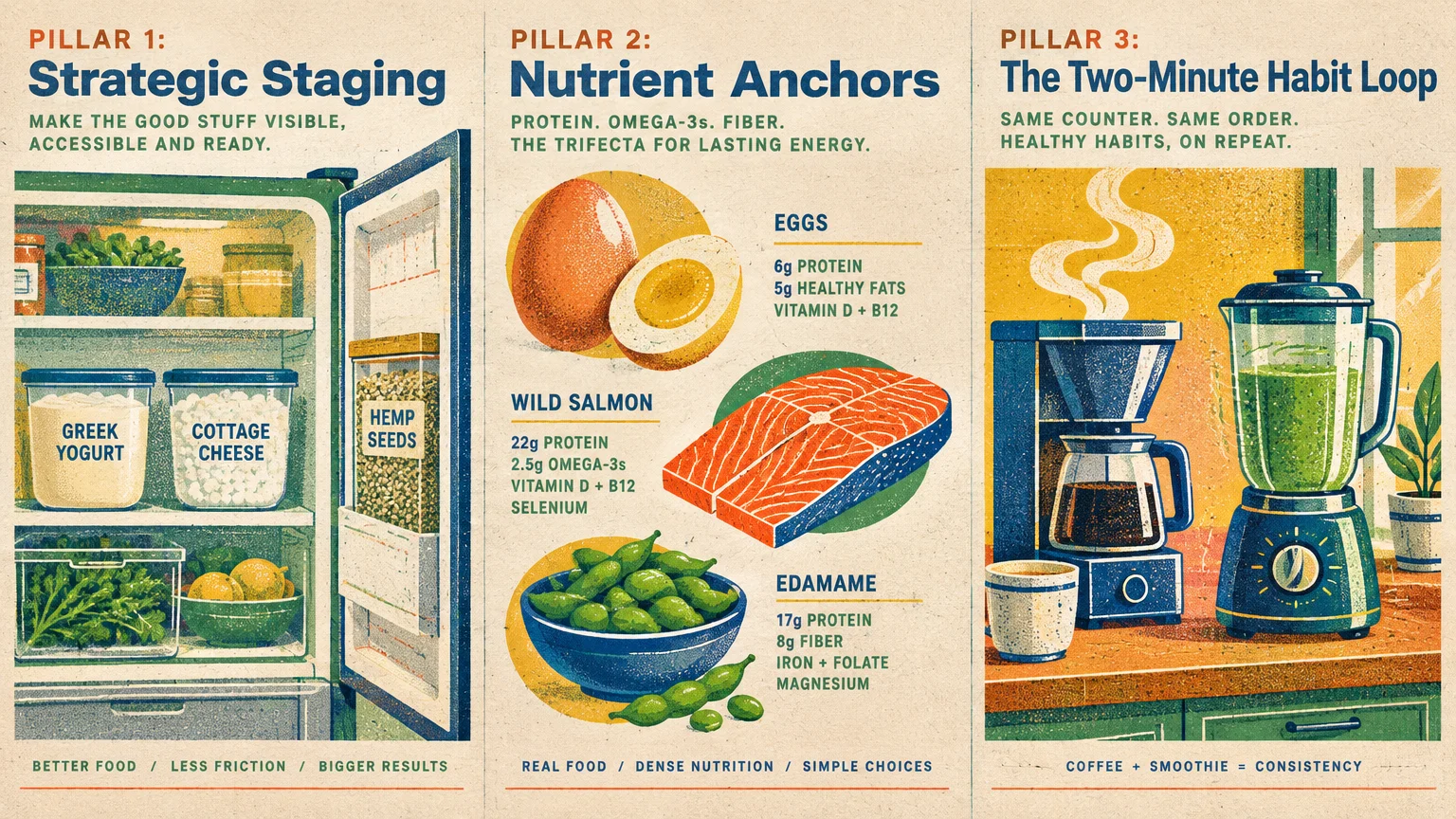
Three Practical Pillars for Rapid Morning Nutrition
Pillar One: Strategic Ingredient Staging
Morning speed relies on intentional kitchen organization rather than frantic rushing. Place high-protein anchors like Greek yogurt, cottage cheese, and liquid egg whites on the front shelf of your refrigerator where you see them immediately.
Group shelf-stable boosters such as hemp seeds, chia seeds, and protein powders together in a single pantry bin. This targeted arrangement eliminates frantic searching when you have only minutes to spare.
Pillar Two: Prioritize Nutrient-Dense Anchors
Select base ingredients that provide at least fifteen to twenty grams of protein per standard serving. Excellent foundations include ultra-filtered skim milk, pasture-raised eggs, edamame, and canned wild tuna.
Pair your chosen protein anchor with fiber-rich complex carbohydrates and healthy dietary fats. This balance slows gastric emptying, blunts glycemic spikes, and supports digestive regularity.
Pillar Three: The Two-Minute Habit Loop
Attach your meal preparation to an existing morning routine, such as your coffee maker brewing. Use those three minutes of passive brewing time to blend a smoothie or assemble a yogurt bowl.
Automating your preparation workflow removes willpower from the equation. When nutritious choices become automatic, you maintain consistent nutritional standards even on stressful, chaotic mornings.
10 High-Protein Breakfasts That Take Five Minutes
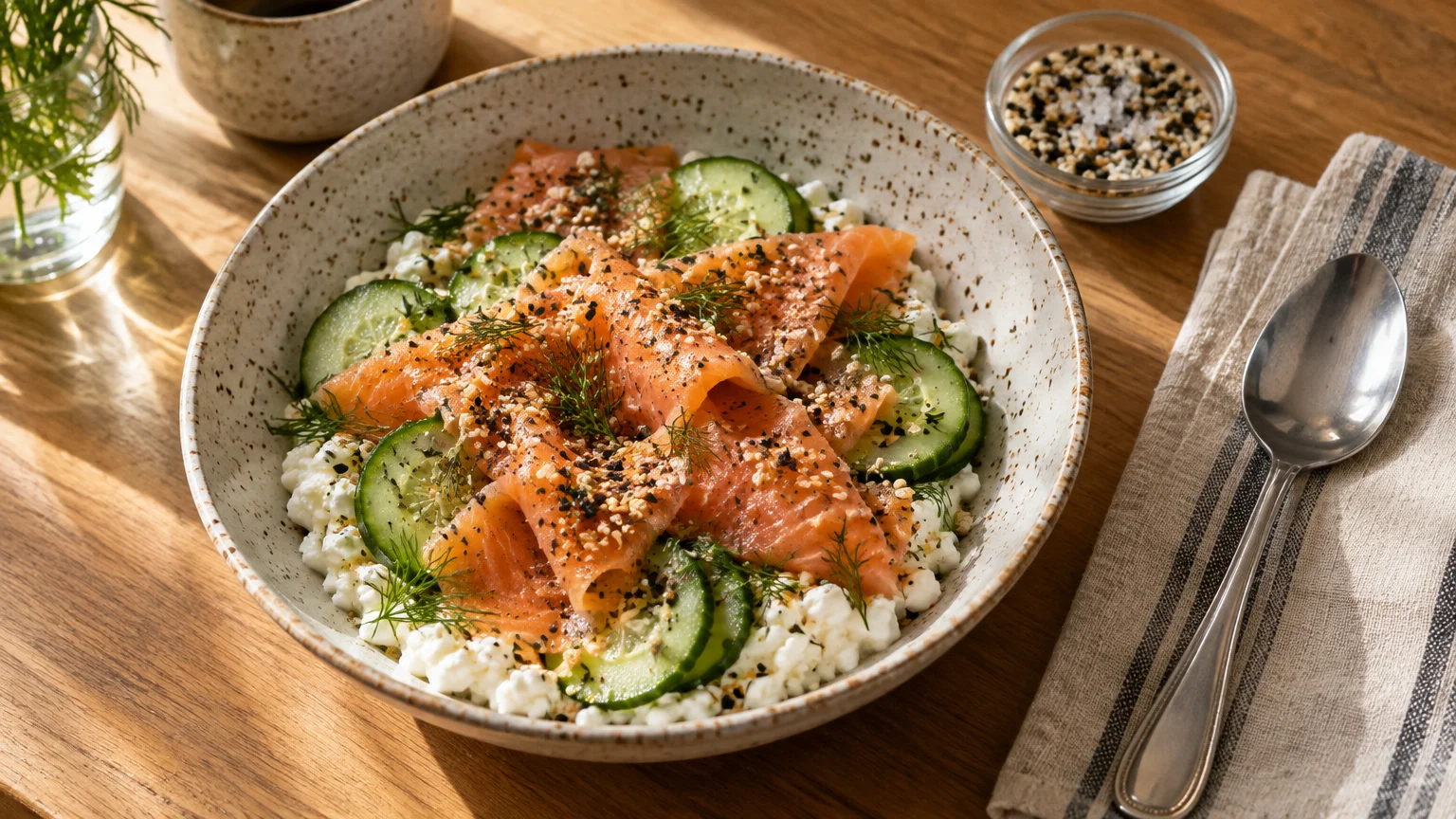
1. Savory Cottage Cheese and Smoked Salmon Bowl
Spoon one cup of low-sodium cottage cheese into a bowl to secure twenty-eight grams of quality protein. Fold in two ounces of wild-caught smoked salmon, sliced English cucumbers, and a pinch of everything bagel seasoning.
This assembly delivers thirty-six grams of protein alongside anti-inflammatory omega-3 fatty acids without any cooking. The cool, creamy curd complements the smoky fish for an energizing savory breakfast.
2. Microwave Spinach and Feta Mug Frittata
Whisk two large whole eggs and one-third cup of liquid egg whites inside a microwave-safe ceramic mug. Stir in a small handful of baby spinach, chopped bell peppers, and two tablespoons of crumbled feta cheese.
Microwave on high power for ninety seconds until the egg mixture puffs up firmly. You secure twenty-four grams of bioavailable protein in less time than it takes to toast bread.
3. High-Protein Greek Yogurt and Berry Crunch Parfait
Scoop one cup of plain nonfat Greek yogurt into a bowl, supplying twenty-four grams of pure protein. Stir in one scoop of unflavored collagen peptides or whey isolate to elevate the protein count to thirty-nine grams.
Top the yogurt with fresh blackberries and two tablespoons of raw pumpkin seeds. The seeds deliver vital magnesium and crunch, while the berries supply polyphenols and prebiotic dietary fiber.
4. Quick Plant-Based Tofu and Avocado Wrap
Crumble four ounces of firm sprouted tofu directly onto a warm high-fiber whole-wheat tortilla. Sprouted tofu requires zero stove cooking and digests smoothly without causing gastrointestinal heaviness.
Spread two tablespoons of ripe avocado across the tofu, then dust with nutritional yeast, sea salt, and chunky salsa. This vegan breakfast delivers twenty-two grams of protein and eleven grams of filling fiber.
5. Sprouted Grain Toast with Hemp Seeds and Almond Butter
Toast two hearty slices of sprouted grain bread to secure ten grams of complete plant-based protein. Slather two level tablespoons of raw almond butter across the hot, crisp toast.
Scatter two tablespoons of shelled hemp seeds and a pinch of cinnamon across the surface. This satisfying stack provides twenty-two grams of plant protein and heart-healthy monounsaturated fats.
6. Probiotic Berry and Kefir Velocity Smoothie
Pour one and a half cups of plain low-fat kefir into your blender container for sixteen grams of protein. Add one scoop of vanilla whey or pea protein powder, frozen blueberries, and a handful of baby kale.
Blend on high speed for forty seconds to yield a refreshing, nutrient-dense breakfast beverage. This quick shake delivers thirty-six grams of protein while delivering billions of live probiotic cultures directly to your microbiome.
7. Wild Tuna and Mashed Avocado Crispbread Stack
Drain a single five-ounce can of pole-caught skipjack tuna and mash it with a quarter of an avocado. Stir in fresh lemon juice, cracked black pepper, and chopped fresh chives.
Spread the mixture over two whole-grain rye crispbreads for thirty-two grams of lean marine protein. Skipjack tuna provides pure amino acids and selenium with negligible morning prep.
8. Warm Bone Broth and Shelled Edamame Bowl
Microwave one cup of frozen shelled edamame in a deep bowl for two minutes until thoroughly heated. Pour one cup of steaming organic chicken bone broth directly over the tender beans.
Drizzle with toasted sesame oil and sriracha to create a comforting, restorative broth bowl. This savory morning meal provides twenty-eight grams of muscle-supporting protein and soothing collagen.
9. Whipped Ricotta and Walnut Berry Plate
Spread one cup of part-skim ricotta cheese across a shallow serving plate. Ricotta supplies twenty-eight grams of protein along with substantial bioavailable calcium to support bone matrix density.
Scatter crushed raw walnuts, ground cinnamon, and fresh raspberries across the whipped cheese. The healthy fats from walnuts complement the sweet, creamy texture for lasting satiety.
10. Cold Brew Coffee and Whey Shaker
Combine eight ounces of unsweetened cold brew coffee with eight ounces of ultra-filtered skim milk in a shaker bottle. Add one scoop of rich chocolate whey or soy isolate powder.
Shake vigorously for thirty seconds to produce a frothy, portable drink packed with thirty-four grams of protein. You obtain clean morning caffeine and complete branched-chain amino acids in a single step.

Expert Insights and Real-World Application
Registered dietitians emphasize that early protein consumption recalibrates neurochemical appetite regulation for the entire workday. The Academy of Nutrition and Dietetics notes that distributing protein evenly across meals optimizes nitrogen balance and tissue maintenance.
Dr. Donald Layman, a renowned protein researcher, underscores that surpassing the twenty-five-gram threshold triggers essential muscle protein signaling. Without that morning stimulus, your body remains in a catabolic fasting state far longer than necessary.
Shifting away from ultra-processed breakfast pastries also reshapes everyday energy patterns for busy professionals. Working nurse Maria Gonzalez observed: “Pre-portioning cottage cheese bowls stopped my ten o’clock hospital pastry cravings and eradicated my afternoon fatigue completely.”
Real-world consistency blooms when you eliminate cooking barriers rather than attempting gourmet recipes before dawn. Focus on assembling pre-cooked whole foods rather than preparing complex dishes from scratch.
Nutrition experts agree that sustainable dietary habits rely on convenience and palate satisfaction. When healthy food tastes delicious and takes five minutes, adherence takes care of itself.
Safety Considerations, Allergies, and Personalization
While elevated protein intake benefits healthy, active adults, individuals with pre-existing renal impairments must exercise caution. The National Institute of Diabetes and Digestive and Kidney Diseases warns that excessive dietary nitrogen stresses compromised kidneys.
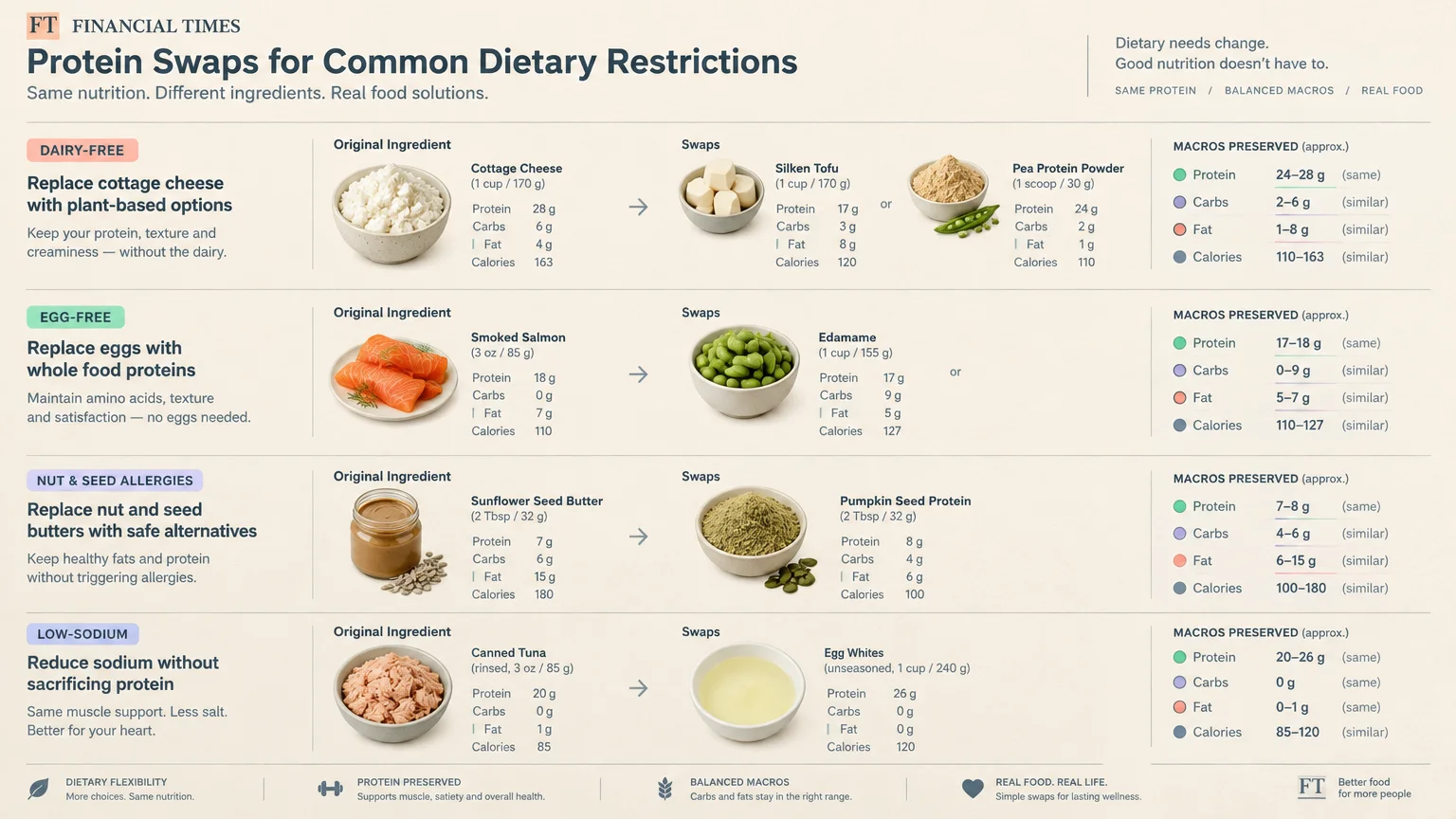
If you manage lactose intolerance, swap standard dairy items for lactose-free Greek yogurt or plant-based milks fortified with pea protein. Lactose-free dairy provides identical amino acid profiles without uncomfortable abdominal bloating or cramping.
Individuals with seafood or egg allergies can turn to hemp seeds, sprouted legumes, edamame, and premium seed powders. These plant foundations supply outstanding micronutrient profiles alongside dense dietary fiber.
Monitor the sodium content in commercial smoked fish, canned broths, and conventional cottage cheeses. Choosing low-sodium cottage cheese and rinsing canned beans preserves cardiovascular balance without reducing protein volume.
The Centers for Disease Control and Prevention advises balancing high-protein staples with colorful vegetables and healthy fats to support glycemic control. Consult a registered dietitian to tailor specific macronutrient targets to your unique medical background.
Frequently Asked Questions
Can your body absorb more than thirty grams of protein in one meal?
Yes, your gastrointestinal tract absorbs virtually all digested amino acids regardless of serving size. While muscle protein synthesis pathways may plateau around thirty to forty grams, the remaining amino acids support organ repair, immune antibodies, and neurotransmitters.
Clinical trials demonstrate that larger protein boluses simply digest over longer windows of time. You do not waste valuable nutrition by eating thirty-five grams of protein at breakfast.
Is it safe to consume eggs every morning?
Extensive cardiovascular research confirms that moderate daily egg consumption is safe and nutritious for most healthy adults. Whole eggs supply bioavailable choline, lutein, zeaxanthin, and complete proteins with zero carbohydrates.
If you have familial hypercholesterolemia or a history of cardiovascular disease, discuss intake with your physician. Blending one whole egg with liquid egg whites reduces dietary cholesterol while maintaining peak protein volume.
What should you do if you lack an appetite early in the morning?
You do not need to consume food immediately upon waking up to enjoy metabolic benefits. Waiting ninety minutes until natural hunger develops works well for many healthy individuals.
When you break your overnight fast, prioritizing protein prevents sharp blood sugar fluctuations later in the day. Portable liquid shakes like the cold brew protein drink digest lightly on sensitive morning stomachs.
Are protein powders as beneficial as whole food proteins?
High-quality powders offer unrivaled convenience and high leucine bioavailability for busy mornings. However, whole foods provide distinct nutritional matrices, including essential trace minerals and protective dietary fibers.
Treat protein powders as practical supplements rather than complete replacements for whole foods. Blending powders with fruit, nuts, and kefir ensures a comprehensive spectrum of vital micronutrients.
Take Action in the Next 24 Hours
Upgrading your morning nutritional strategy does not require waking up an hour earlier or dirtying multiple frying pans. Select just one high-protein breakfast recipe from this guide and add its key ingredients to your shopping cart today.
Set your bowl, mug, or blender jar on the kitchen counter tonight before you go to sleep. Taking five focused minutes tomorrow morning will fuel your body with thirty grams of energizing protein.
Small daily dietary choices build lasting metabolic momentum over time. Give your body the high-protein nourishment it deserves tomorrow morning and experience the focus and vitality that follow.