Preparing a vibrant, nourishing midday meal should feel simple rather than exhausting. You deserve flavorful food that protects your physical strength and independence without creating piles of dirty dishes.
When you live alone, cooking often feels like an unnecessary chore designed for larger households. However, skipping lunch or relying on packaged snacks drains your afternoon energy and accelerates muscle loss.
These ten wholesome lunch recipes streamline your kitchen routine while delivering the precise nutrients your body requires every day. Each recipe comes together quickly using affordable, accessible pantry staples.
The Science of Midday Nutrition for Older Adults
Living independently offers wonderful autonomy, but it also alters daily nutritional patterns. According to data from the Administration for Community Living, approximately 28% of community-dwelling Americans aged 65 and older live alone.
That figure rises to 43% among women aged 75 and older. Solo seniors frequently encounter barriers to adequate nutrition, including reduced appetite, blunted taste sensitivity, and cooking fatigue.
Scientific literature reveals that lunch is a decisive opportunity to counteract age-related physical decline. As you age, your body requires more dietary protein per meal to trigger muscle protein synthesis effectively.
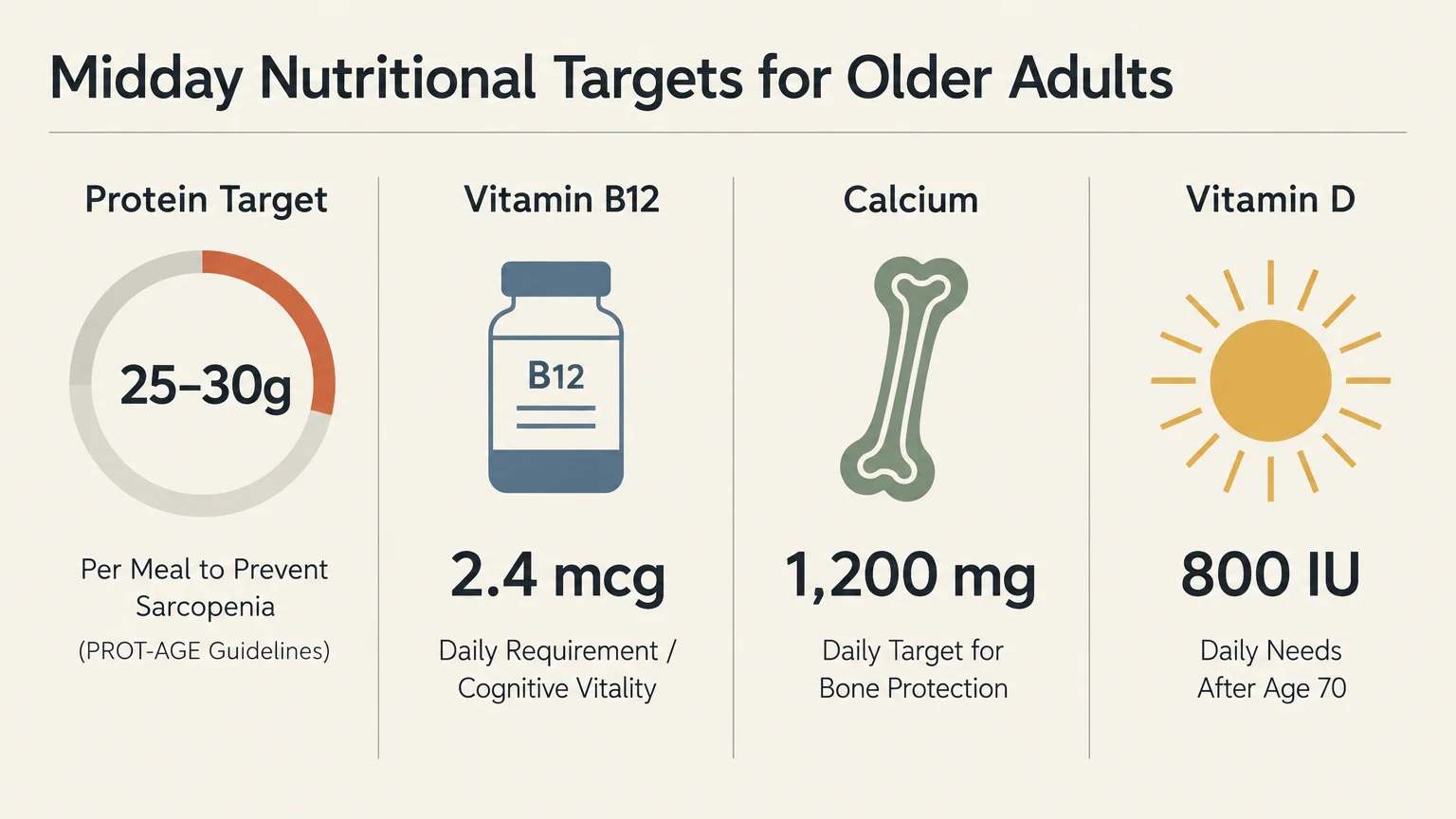
Clinical guidelines from the PROT-AGE Study group recommend that older adults consume 1.0 to 1.2 grams of protein per kilogram of body weight daily. This translates to roughly 25 to 30 grams of protein at each meal to prevent sarcopenia.
Micronutrient absorption patterns also shift significantly over time due to diminished digestive secretions. Up to 30% of older adults experience atrophic gastritis, reducing stomach acid and impeding the absorption of vitamin B12 from natural food matrices.
The National Institutes of Health recommends that adults over 50 consume fortified foods or quality supplements to meet the daily 2.4-microgram B12 requirement. Vitamin B12 protects cognitive vitality and neurological signaling.
Simultaneously, older adults require 1,200 milligrams of calcium daily for women over 50 and men over 70. Vitamin D needs also rise to 800 International Units after age 70 to protect bone density.
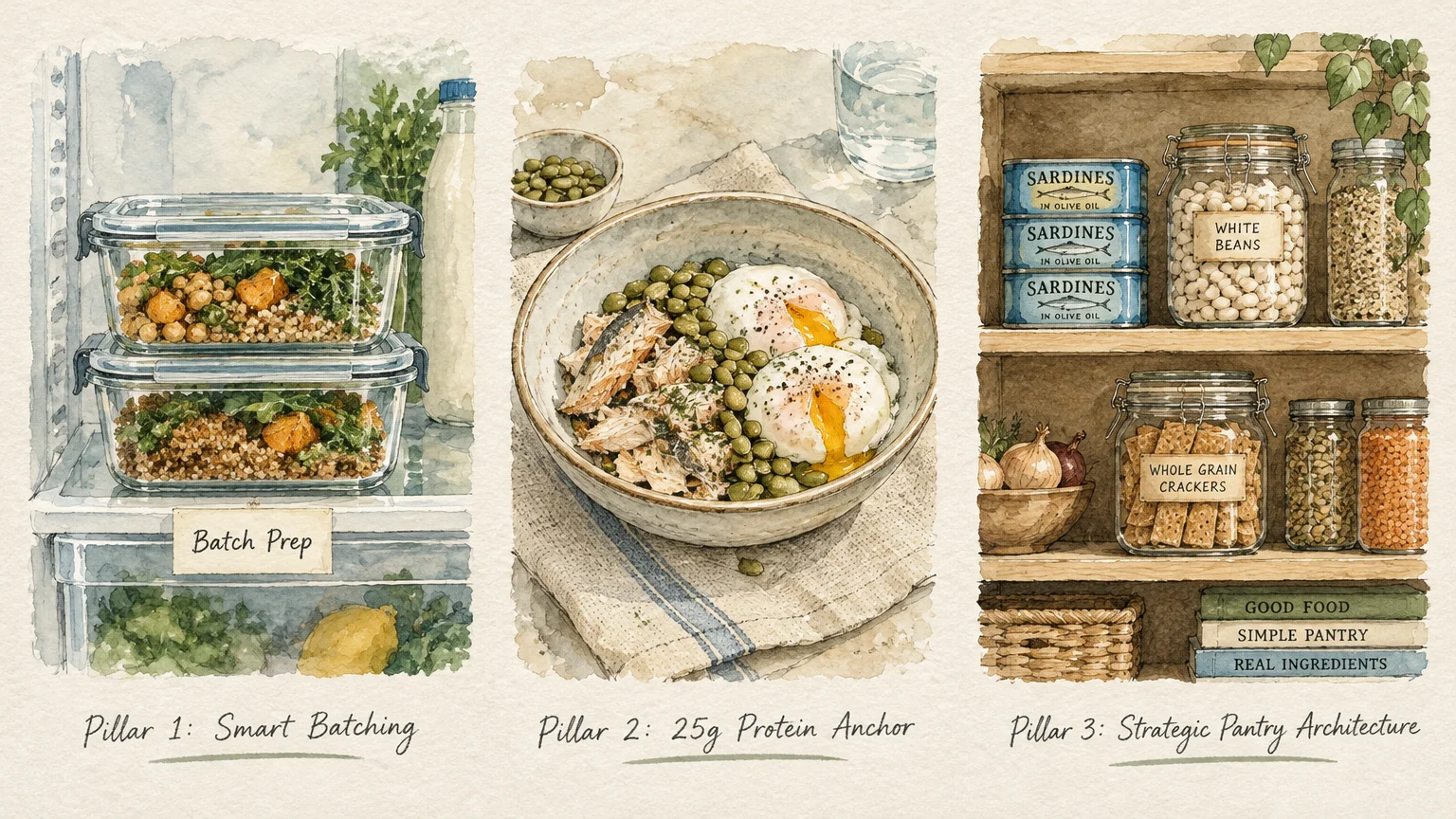
Three Pillars for Effortless Solo Meal Preparation
You do not need gourmet culinary techniques to nourish your body properly every day. Establishing an enduring lunchtime habit relies on three practical strategies tailored specifically for solo households.
Pillar 1: Smart Batching and Food Safety
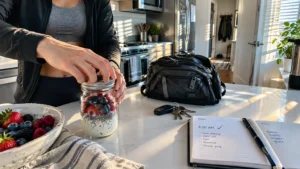
Cooking single portions entirely from scratch every day quickly exhausts your physical stamina. Instead, prepare base meal components in double portions so today lunch provides tomorrow effortless foundation.
Food safety requires rigorous attention because aging immune defenses increase your vulnerability to illness. The USDA Food Safety and Inspection Service highlights that older adults face higher foodborne infection risks.
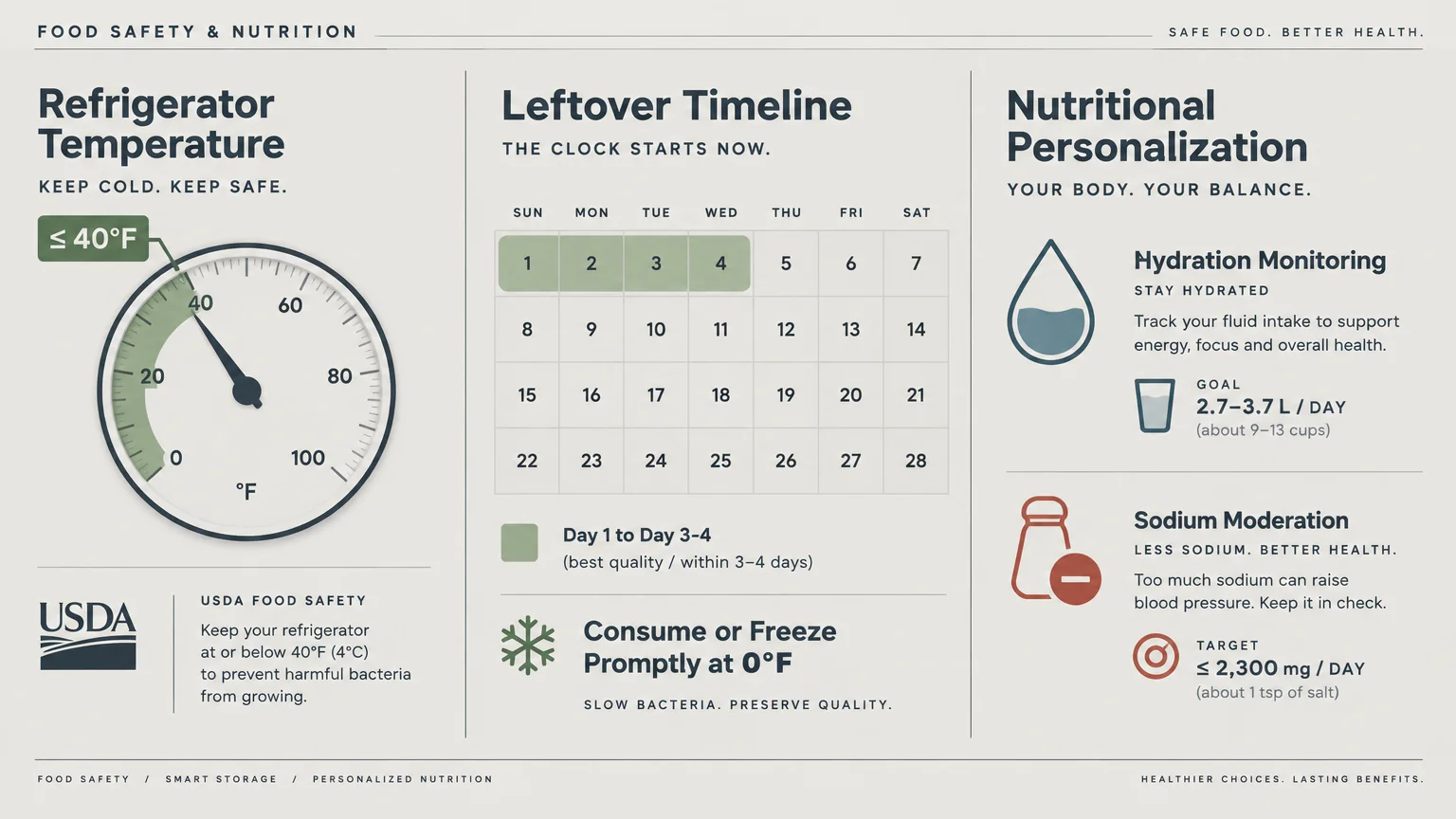
Always maintain your refrigerator temperature at or below 40 degrees Fahrenheit. Consume refrigerated leftovers within three to four days, or freeze them promptly at zero degrees Fahrenheit for longer storage.
Pillar 2: The 25-Gram Protein Anchor
Avoid constructing lunches around simple carbohydrates like plain white bread, crackers, or processed snack bars. Always select a dedicated protein anchor, such as eggs, fish, Greek yogurt, or legumes, before adding produce.
Pairing at least 25 grams of protein with dietary fiber stabilizes blood sugar and sustains energy levels. This steady fuel prevents the familiar mid-afternoon energy slump.
Pillar 3: Strategic Pantry Architecture
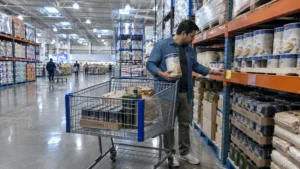
An organized pantry eliminates the stress of frequent grocery trips and heavy lifting. Keep low-sodium canned beans, vacuum-packed grains, canned fish, and healthy cooking oils organized at eye level.
Stock your freezer with frozen vegetables and pre-portioned proteins for days when fresh supplies run low. When lunch takes less than ten minutes to assemble, you will consistently choose wholesome foods.
10 Easy, Nutrient-Dense Lunches for One
These tested recipes emphasize rapid assembly, minimal clean-up, and optimal nutrient density. You can customize every option to match your personal palate and pantry supplies.
1. Mediterranean Chickpea and Tuna Salad
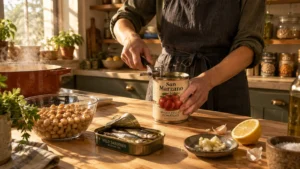
Combine one can of drained low-sodium chunk light tuna with half a cup of rinsed chickpeas in a bowl. Light tuna supplies lean protein and heart-protective omega-3 fats with minimal mercury.
Toss with diced cucumber, cherry tomatoes, one tablespoon of extra virgin olive oil, and fresh lemon juice. This refreshing midday salad delivers 32 grams of protein without any stove cooking.
2. High-Protein Cottage Cheese Power Bowl
Spoon one cup of low-sodium, two-percent cottage cheese into a bowl as your creamy foundation. This simple base provides 28 grams of muscle-preserving protein, bioavailable calcium, and vitamin B12.
Top the bowl with fresh blueberries, a tablespoon of ground flaxseed, and two tablespoons of chopped walnuts. Drizzle lightly with pure maple syrup for a quick, antioxidant-rich lunch.
3. Microwave Spinach and Cheddar Omelet Mug
Coat a microwave-safe ceramic mug with olive oil spray, then whisk two eggs and two tablespoons of milk inside. Stir in chopped baby spinach and two tablespoons of shredded cheddar cheese.
Microwave on high power for 75 seconds until the eggs set firmly throughout. Enjoy your warm omelet with a slice of whole-grain toast for 22 grams of total protein.
4. Warm Salmon and Quinoa Skillet
Warm a teaspoon of olive oil in a small skillet over medium heat. Add one cup of precooked quinoa, half a cup of frozen peas, and a pouch of wild pink salmon.
Stir gently until heated through, then finish with fresh lemon juice and dried dill. This soothing skillet delivers 30 grams of protein and your daily vitamin D requirement.
5. Turkey, Hummus, and Avocado Wrap
Spread two tablespoons of garlic hummus across the center of a soft whole-wheat tortilla. Hummus adds plant proteins, creamy texture, and heart-healthy monounsaturated fats.
Layer three ounces of low-sodium sliced roast turkey breast, sliced avocado, and crisp romaine lettuce over the spread. Roll tightly and slice diagonally for 27 grams of balanced protein.
6. Black Bean and Sweet Potato Quesadilla
Spread half a cup of cooked sweet potato onto one half of a whole-grain tortilla. Top with half a cup of rinsed black beans and two tablespoons of shredded Monterey Jack cheese.
Fold the tortilla over and crisp each side in a dry skillet for three minutes. Serve with fresh tomato salsa for a comforting meal providing 20 grams of combined protein.
7. Greek Yogurt Shredded Chicken Pita
Shred four ounces of leftover cooked chicken breast into a bowl with two tablespoons of plain Greek yogurt. Stir in diced celery, halved red seedless grapes, and cracked black pepper.
Stuff the mixture into a warm whole-wheat pita pocket lined with tender spinach leaves. This crisp lunch yields 35 grams of lean protein with beneficial active probiotic cultures.
8. Tofu and Edamame Vegetable Noodle Broth
Simmer two cups of low-sodium vegetable broth with half a cup of cubed firm tofu and half a cup of edamame. Add one nest of quick-cooking brown rice vermicelli and shredded cabbage.
Cook for three minutes until the noodles soften, then garnish with toasted sesame oil and sliced scallions. This fragrant, restorative soup delivers 26 grams of nourishing plant protein.
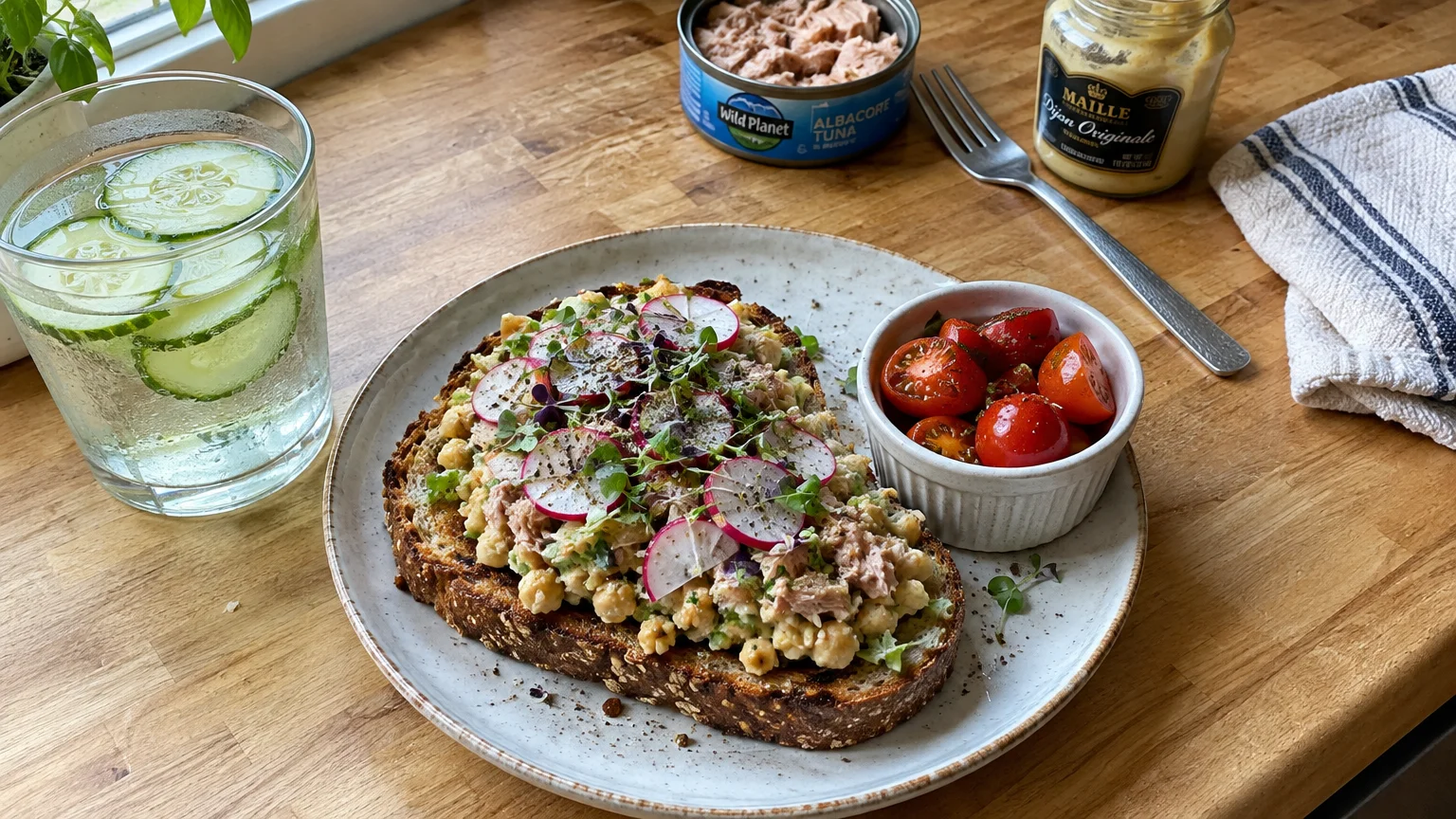
9. Sardine and White Bean Toast
Toast a sturdy slice of seeded whole-grain bread until crisp. In a small dish, mash half a cup of canned cannellini beans with a fork, lemon juice, and olive oil.
Spread the beans across the warm toast and arrange drained sardines and fresh baby arugula on top. This rustic open-faced meal provides 29 grams of protein, essential calcium, and omega-3s.
10. Rustic Lentil Soup with Crumbled Feta
Warm one and a half cups of low-sodium lentil soup in a small saucepan over medium heat. Stir in two cups of fresh baby spinach during the final minute so it wilts gently.
Pour the soup into a bowl and top with two tablespoons of crumbled feta cheese. The tangy cheese adds pleasant saltiness and calcium, yielding 24 grams of total protein.

Expert Guidance and Lived Dining Strategies
Maintaining an appealing meal routine when living alone requires psychological adjustments alongside practical cooking habits. Geriatric dietitians frequently notice that isolated seniors unintentionally slide into uninspired, repetitive eating patterns.
Creating an inviting dining atmosphere can dramatically restore your appetite and sensory pleasure. Sit at a set dining table with natural sunlight rather than eating from a tray while watching television.
Clinical geriatricians emphasize that visual color variety actively stimulates salivary and digestive enzyme production. Plating your food with vibrant greens, deep oranges, and bright berries helps your body anticipate nourishment.
You can also introduce uplifting social connections into your midday schedule throughout the week. Coordinate regular phone dates with friends while eating, or join a weekly lunch gathering at a neighborhood community center.
Safety Considerations and Nutritional Personalization
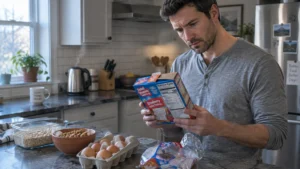
Your unique medical profile requires customized nutritional choices, particularly if you manage chronic cardiovascular or renal conditions. Always monitor sodium values closely when selecting canned goods, deli slices, and prepared broths.
The Dietary Guidelines for Americans advise older adults to restrict sodium intake to less than 2,300 milligrams daily. Thoroughly rinsing canned beans and tuna in cold water removes up to 40% of added sodium.
If you take blood-thinning medications like warfarin, maintain a consistent daily intake of vitamin K. Large fluctuations in leafy green consumption can interfere with drug activity, so discuss dietary adjustments with your prescribing clinician.
Chewing or swallowing difficulties also warrant prompt texture modifications to prevent choking hazards. Flaking fish finely, mashing legumes, and choosing smooth dairy products preserves high nutrient density without physical discomfort.
Frequently Asked Questions
How can I reach 30 grams of protein if I have a small appetite?
Focus on nutrient density rather than increasing the physical volume of your food. Incorporating Greek yogurt, cottage cheese, eggs, or unsweetened protein powders delivers concentrated amino acids without overwhelming your stomach.
Eating your protein portion first before consuming salads or beverages ensures you meet your muscle-building target.
What are the most reliable shelf-stable groceries for solo lunches?
Stock your pantry with low-sodium canned salmon, sardines, tuna, and various beans like chickpeas and lentils. Ready-to-heat pouches of brown rice and quinoa also provide shelf-stable complex carbohydrates.
Keep raw nuts, seeds, and natural nut butters handy to add rapid protein and healthy fats to any meal.
How do I stop fresh vegetables from spoiling when cooking for one?
Rely on frozen vegetables like sweet peas, broccoli florets, and chopped spinach that remain fresh for months. For fresh produce, choose long-lasting options like whole cabbage, carrots, and sweet potatoes over delicate salad greens.
You can also purchase individual loose vegetables at the grocery store instead of buying large multi-pound bags.
Is it safe to consume canned fish several days each week?
Yes, provided you choose fish species recognized for low environmental mercury accumulation. Canned sardines, wild pink salmon, and light tuna are exceptionally safe choices for regular weekly consumption.
Reserve albacore and bigeye tuna for occasional meals to avoid unwanted heavy metal exposure.
Take Your Next Step Today
Nourishing your body every single day is a powerful commitment to sustaining your independence and vitality. You do not need to transform your entire kitchen routine in a single afternoon to feel substantial improvements.
Choose just one appealing recipe from this guide to prepare for lunch within the next 24 hours. Experience how delicious, effortless eating restores your physical vigor and brightens your afternoon.