Aging changes how your body processes nutrients, making strategic snacking essential for maintaining energy, muscle mass, and bone density after 60. You need snacks that bridge nutritional gaps without spiking blood sugar or adding empty calories.
As metabolism naturally slows and digestive efficiency shifts, selecting the right mid-day bite becomes a powerful tool for healthy aging. Rather than reaching for ultra-processed convenience foods, you can choose nutrient-dense options that actively support cognitive function and physical vitality.
By focusing on adequate protein, fiber, and healthy fats, you empower your body to thrive. These eight nutritionist-approved snacks offer accessible ways to fuel your afternoons, protect your muscle reserves, and keep your wellness goals on track.
The Science Snapshot: Snacking and Aging
As you navigate your sixties and beyond, the physiological mechanics of your body undergo subtle but impactful transformations.
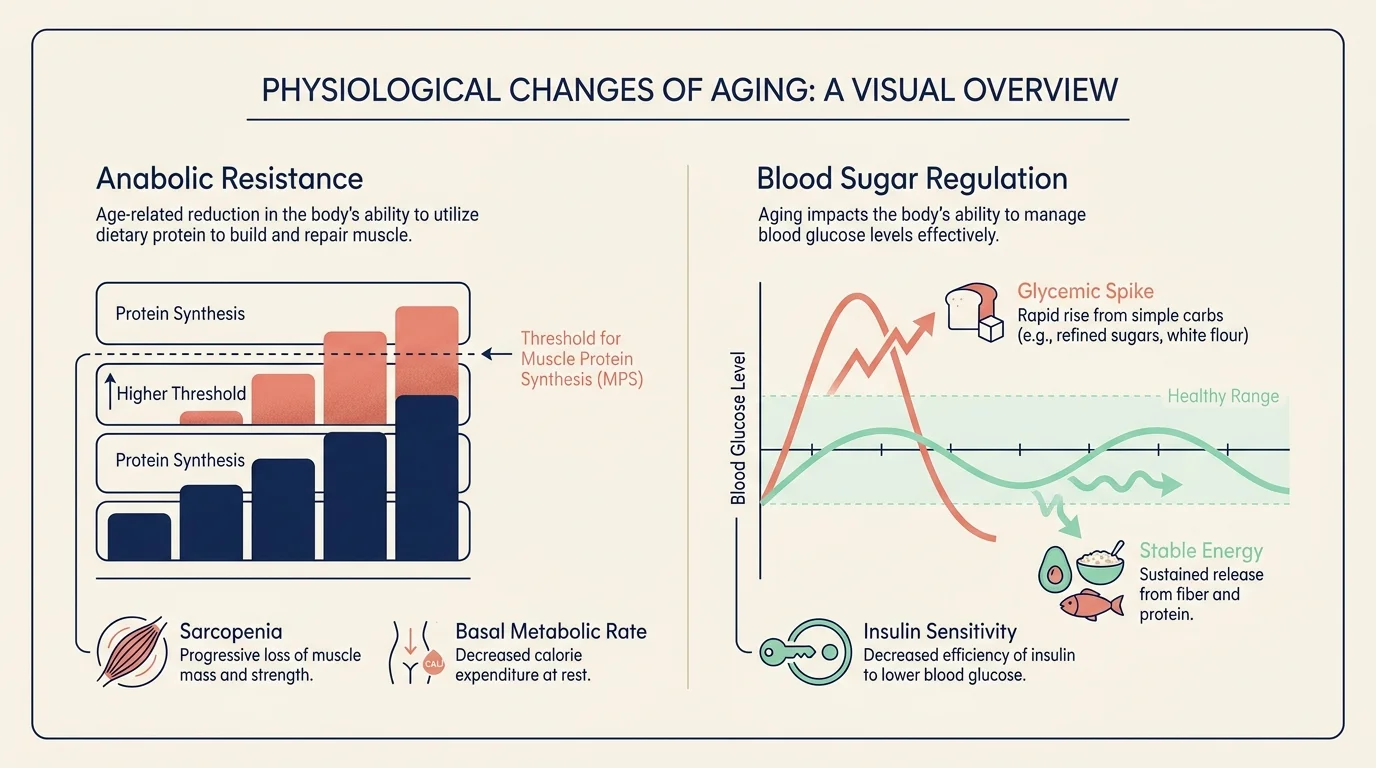
Research indicates that older adults frequently experience anabolic resistance, a condition where your muscular system requires a significantly higher threshold of dietary amino acids to stimulate protein synthesis.
This means that consuming a large portion of meat only at dinnertime is no longer sufficient to protect your physical strength; you must distribute your protein intake evenly throughout the day to actively combat sarcopenia, the age-related loss of muscle mass.
Furthermore, your basal metabolic rate naturally decelerates, modestly reducing your daily caloric needs while your fundamental micronutrient requirements actually increase. This biological paradox makes relying on empty calories highly detrimental to your long-term vitality and immune function.
Blood sugar regulation also becomes increasingly challenging as cellular insulin sensitivity typically declines with advanced age.
Relying on simple carbohydrates or refined baked goods for a quick afternoon energy boost consistently triggers a rapid glycemic spike, which is inevitably followed by a severe metabolic crash that leaves you fatigued, lethargic, and hungry.
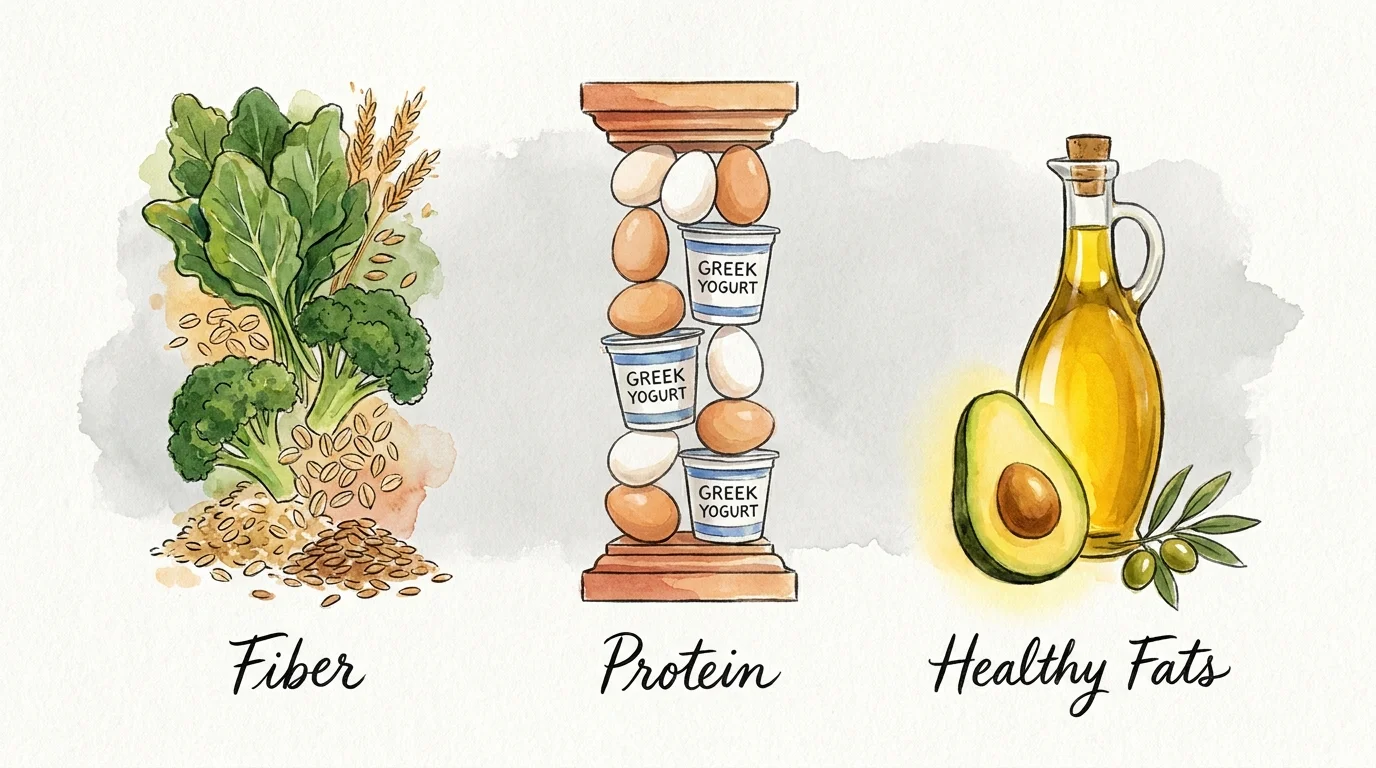
To maintain stable energy levels and protect your vascular network, your mid-meal bites must prioritize complex dietary fiber balanced alongside healthy fats and high-quality proteins.
According to healthy eating guidelines from the National Institute on Aging, replacing heavily processed snacks with nutrient-dense whole foods dramatically improves physical resilience, maintains cognitive sharpness, and fosters overall systemic longevity.
Strategy Pillars for Senior Nutrition
Pillar One: Strategic Nutrient Focus
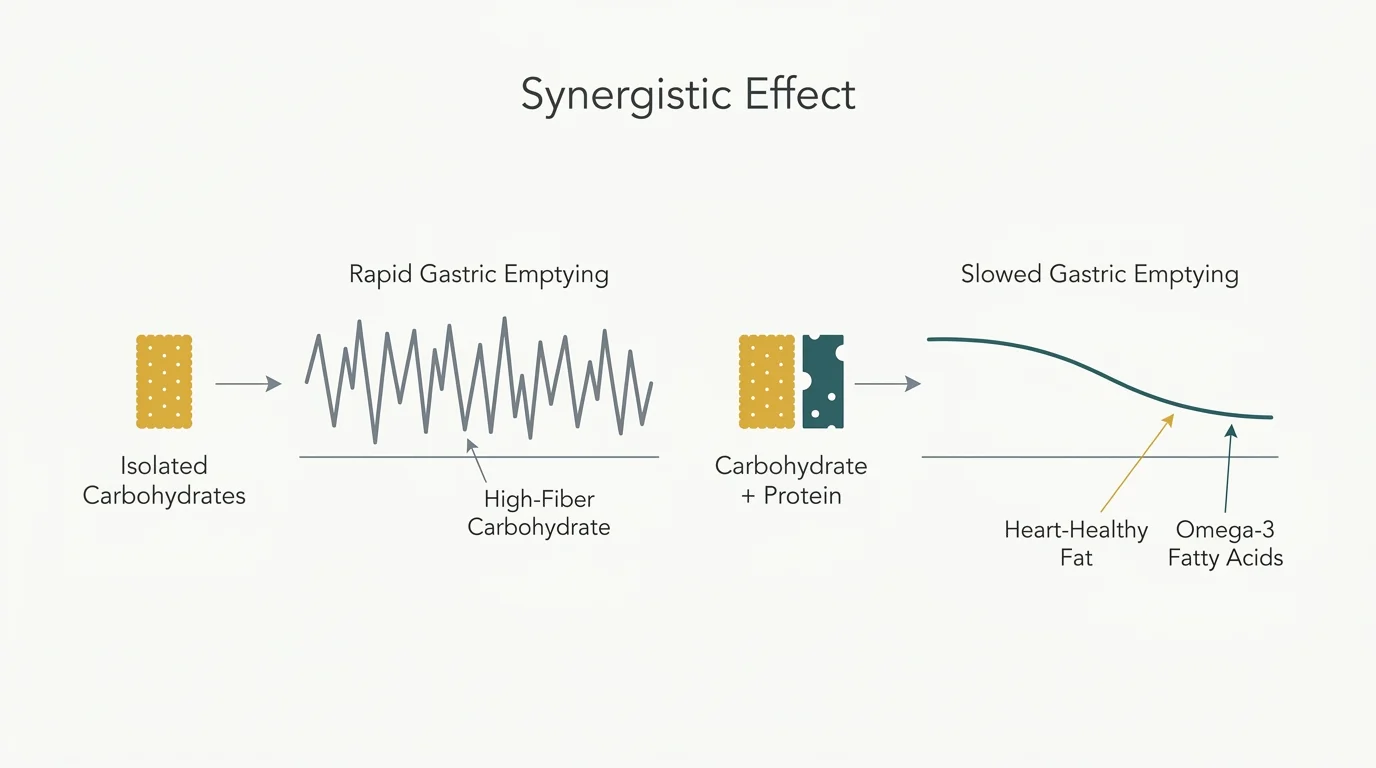
To maximize the tangible physical benefits of your snacking routine, you must intentionally combine macronutrients that operate synergistically within your digestive tract.
Rather than consuming isolated carbohydrates—such as a plain handful of crackers or a piece of fruit by itself—you should always pair a high-fiber carbohydrate with a robust source of protein or a heart-healthy fat.
This specific nutritional pairing deliberately slows the gastric emptying process, preventing rapid, damaging fluctuations in your blood glucose levels. Emphasizing calcium-rich proteins and foods abundant in omega-3 fatty acids actively supports your skeletal integrity while significantly reducing systemic joint inflammation.
By viewing every snack as an immediate opportunity to deliver functional building blocks to your cells, you shift away from mindless grazing and embrace purposeful, protective nourishment.
Pillar Two: Intentional Meal Planning
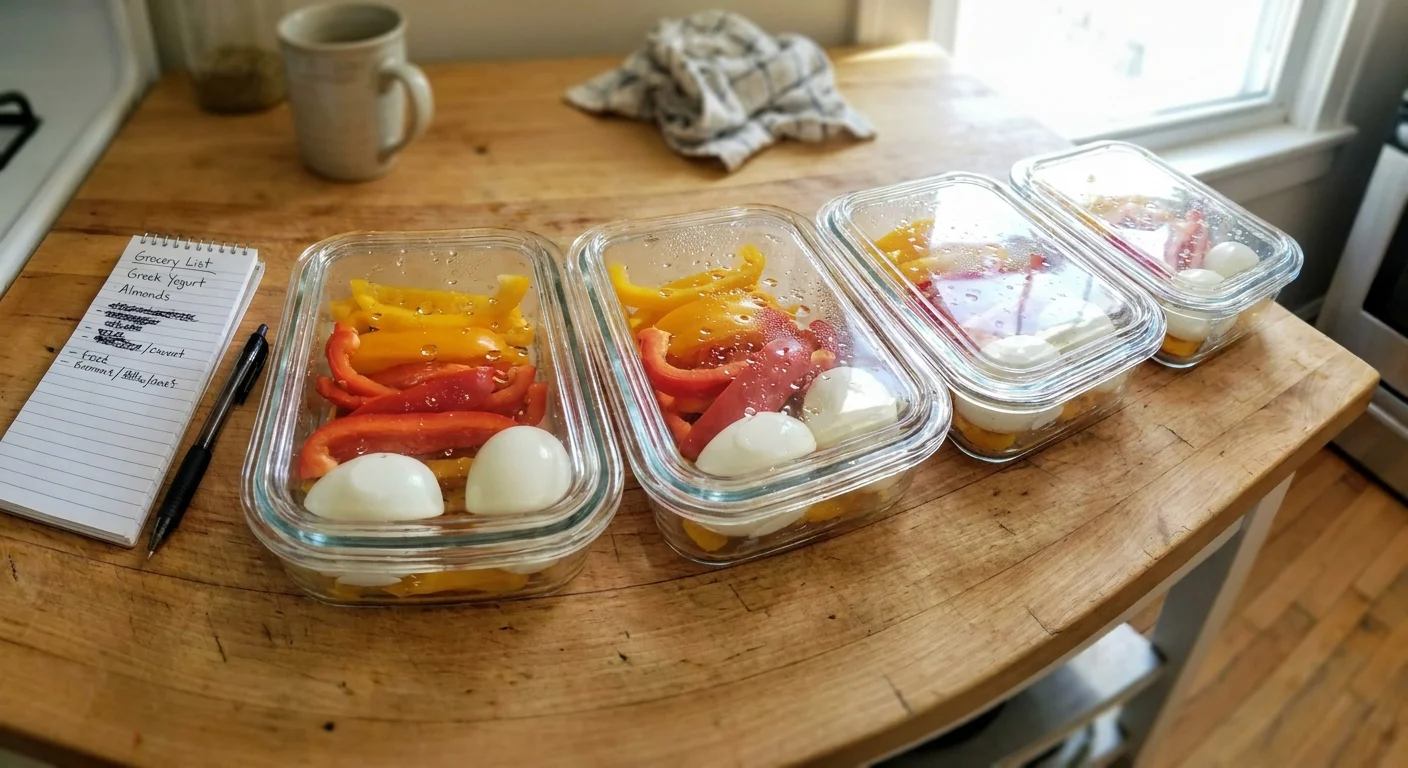
Relying purely on willpower when you are already experiencing late-afternoon fatigue rarely leads to optimal nutritional choices. Intentional meal planning effectively eliminates the friction between you and a healthy decision by ensuring nutrient-dense foods are always washed, prepped, and immediately accessible.
You can dedicate thirty minutes twice a week to slicing fresh produce, boiling eggs, and portioning your chosen snack ingredients into clear, airtight glass containers.
When you open your refrigerator and immediately notice pre-cut vegetables or portioned fruit sitting clearly at eye level, you drastically increase the likelihood of actually consuming those protective foods.
This proactive organizational strategy not only protects your blood sugar stability but also substantially reduces your reliance on expensive, sodium-laden packaged convenience items.
Pillar Three: Conscious Habit Formation
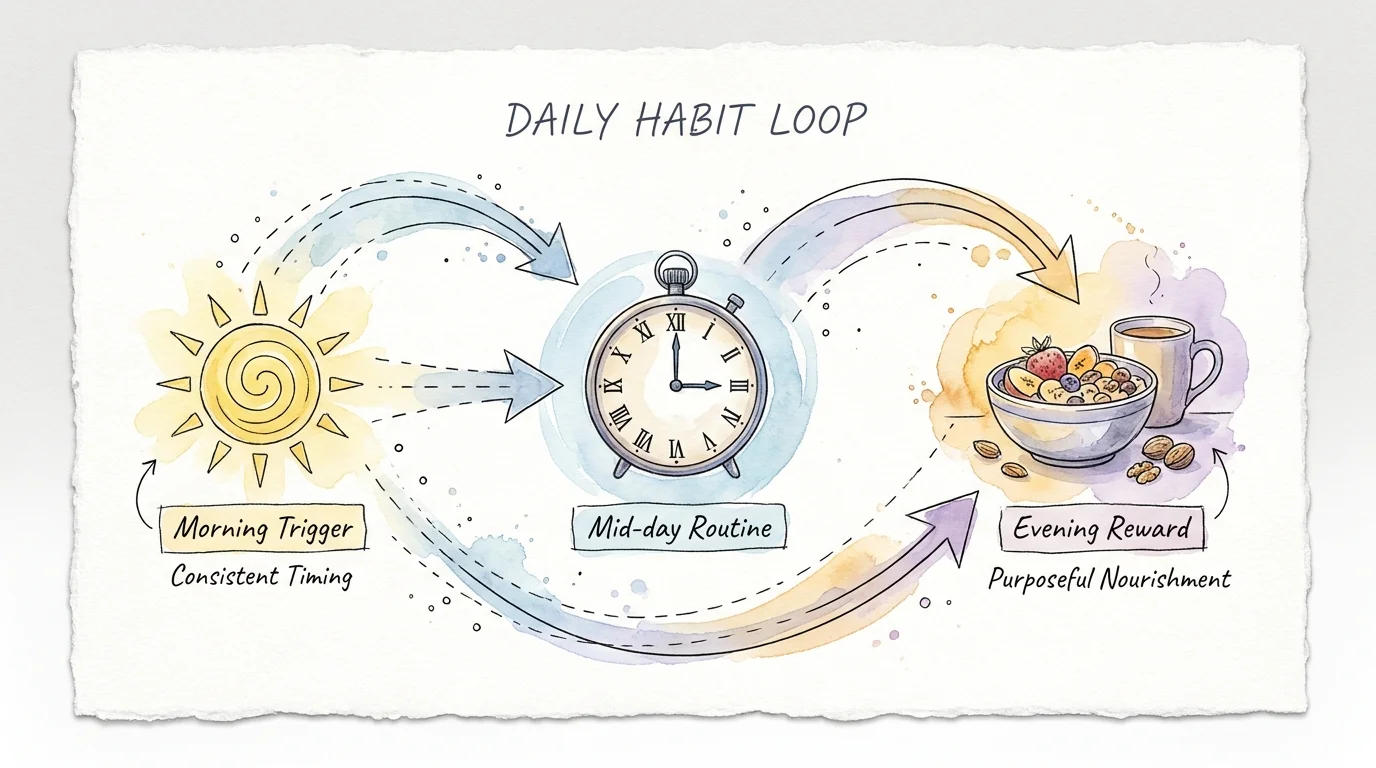
Establishing a sustainable snacking routine requires anchoring your new dietary behaviors to your existing, deeply ingrained daily rituals.
Instead of reaching for food randomly throughout the afternoon, you can link your nutritional intake to specific environmental triggers; for example, you might decide to eat your afternoon protein alongside your daily cup of decaffeinated herbal tea, or perhaps immediately following your afternoon walk.
This psychological technique, widely recognized as habit stacking, rapidly solidifies positive behaviors by removing the exhausting need for continuous daily decision-making.
Furthermore, committing to mindful consumption—eating away from the distraction of the television or your smartphone screen—allows your brain to properly register physiological satiety cues, ensuring you eat exactly what your body requires to thrive without inadvertently overconsuming.
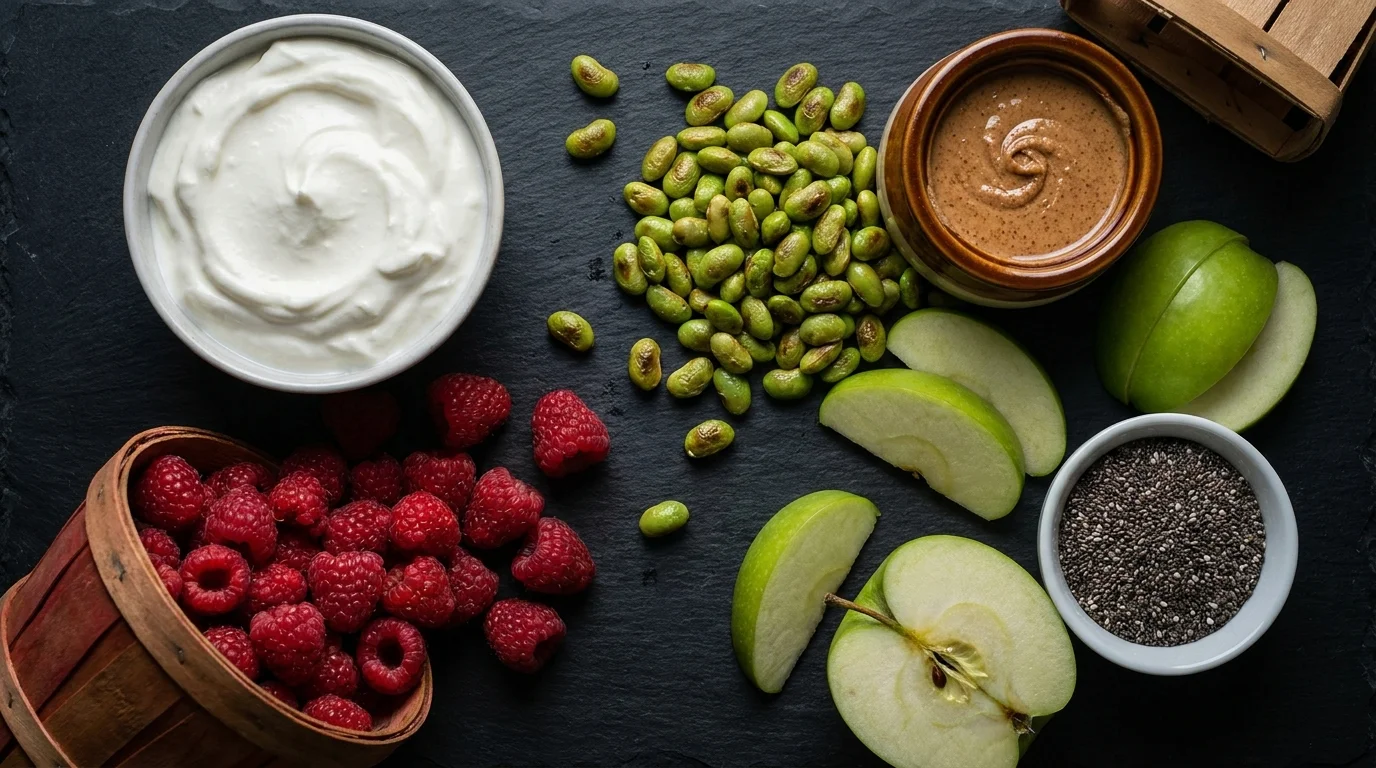
8 Snacks Nutritionists Recommend After 60
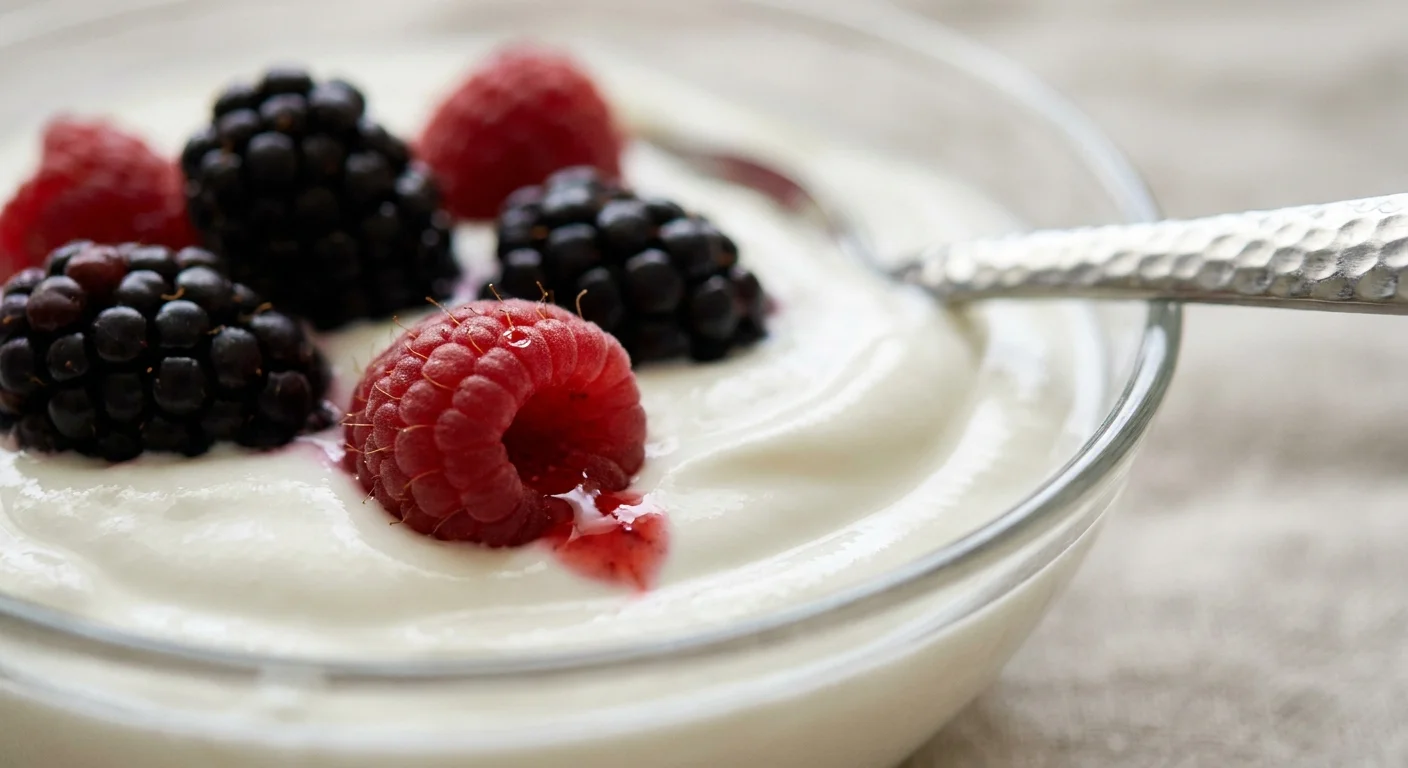
1. Greek Yogurt with Mixed Berries
Traditional Greek yogurt stands out as an absolute nutritional powerhouse for older adults because the rigorous commercial straining process removes excess liquid whey, resulting in a thick product that boasts twice the protein of regular yogurt with significantly less lactose.
This highly concentrated protein matrix delivers a robust dose of leucine, an essential amino acid that acts as a primary biological trigger for muscle protein synthesis, directly counteracting age-related muscle wasting.
When you fold in a generous handful of fresh or thawed frozen mixed berries—such as wild blueberries, raspberries, or blackberries—you introduce a massive spectrum of dietary antioxidants and soluble fiber into your digestive tract.
These specific antioxidants actively cross the blood-brain barrier to support memory retention and rapid cognitive processing, while the dense fiber ensures a slow, steady release of energy into your bloodstream.
Additionally, the live active probiotic cultures naturally present in fermented dairy products help maintain a resilient and diverse gut microbiome, which becomes increasingly important for efficient nutrient absorption and robust immune function as you grow older.
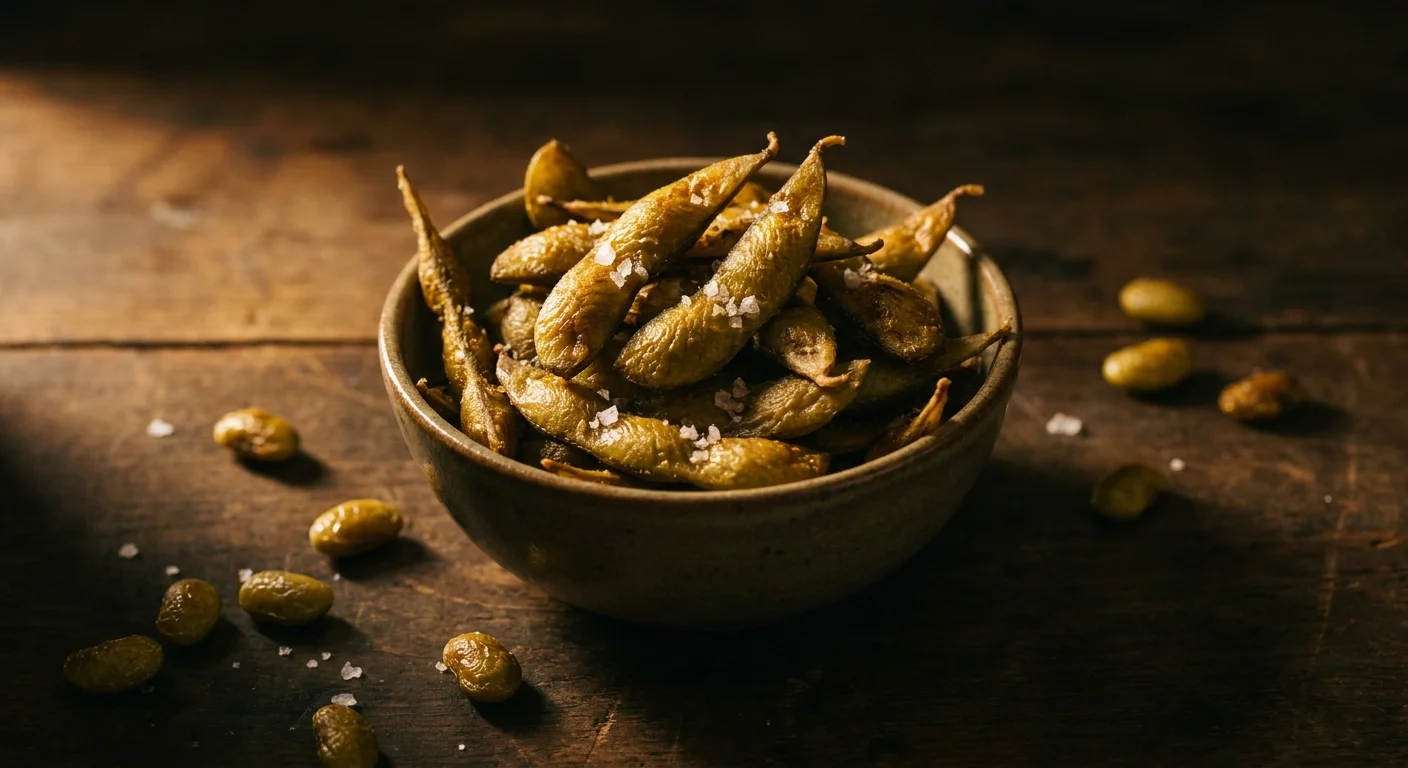
2. Roasted Edamame with Sea Salt
Young, green soybeans, universally known as edamame, provide an incredibly satisfying crunch while delivering an unparalleled profile of plant-based nutrition.
Purchasing bags of frozen, shelled edamame offers exceptional convenience; you can simply toss a cup of the beans with a light drizzle of extra virgin olive oil and a pinch of coarse sea salt, then roast them until they achieve a delightfully crispy texture.
A single serving provides substantial amounts of complete plant protein, containing all nine essential amino acids required for cellular repair, alongside an impressive volume of dietary fiber that promotes healthy bowel regularity.
Edamame also naturally harbors phytoestrogens and plant-based iron, nutrients that support cardiovascular health and optimal blood oxygenation.
Choosing these roasted beans perfectly satisfies the craving for a salty, crunchy snack without exposing your cardiovascular system to the dangerous levels of refined sodium and inflammatory seed oils typically found in conventional potato chips or processed cheese puffs.
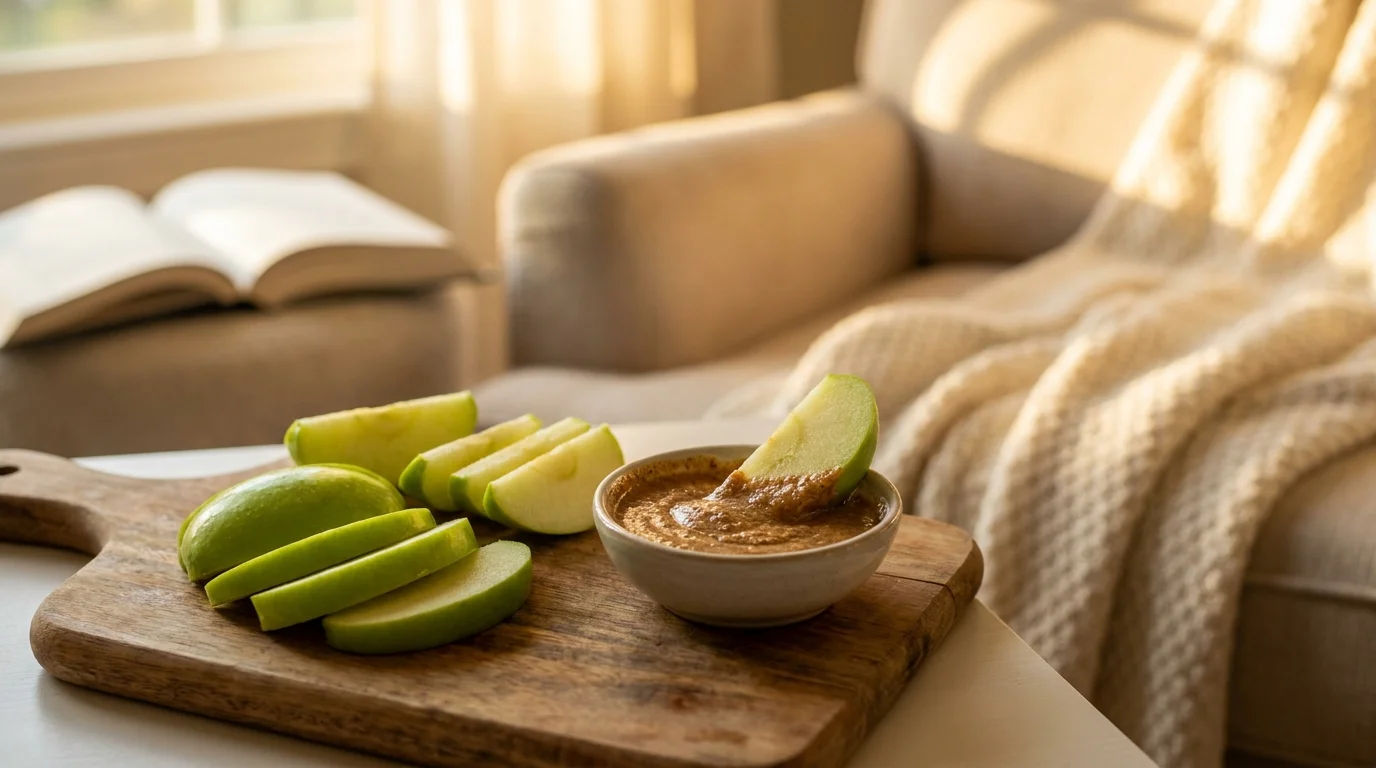
3. Apple Slices with Almond Butter
The timeless combination of crisp apple slices paired with creamy almond butter remains a foundational recommendation among clinical dietitians due to its perfect macronutrient balance and accessibility.
Apples provide a rich source of pectin, a highly effective form of soluble fiber that binds to dietary cholesterol in your digestive tract and assists your body in naturally eliminating it, thereby supporting optimal cardiovascular function.
The vigorous mechanical action of chewing raw apples also stimulates beneficial saliva production, which inherently protects your oral health and helps neutralize damaging acids on your teeth.
Spreading two tablespoons of unsweetened almond butter onto the slices introduces a vital serving of heart-healthy monounsaturated fats and vitamin E, a potent antioxidant that actively defends your skin and cellular membranes against oxidative stress.
This classic pairing guarantees prolonged satiety, keeping your stomach completely satisfied and your energy highly stable well into the evening hours.
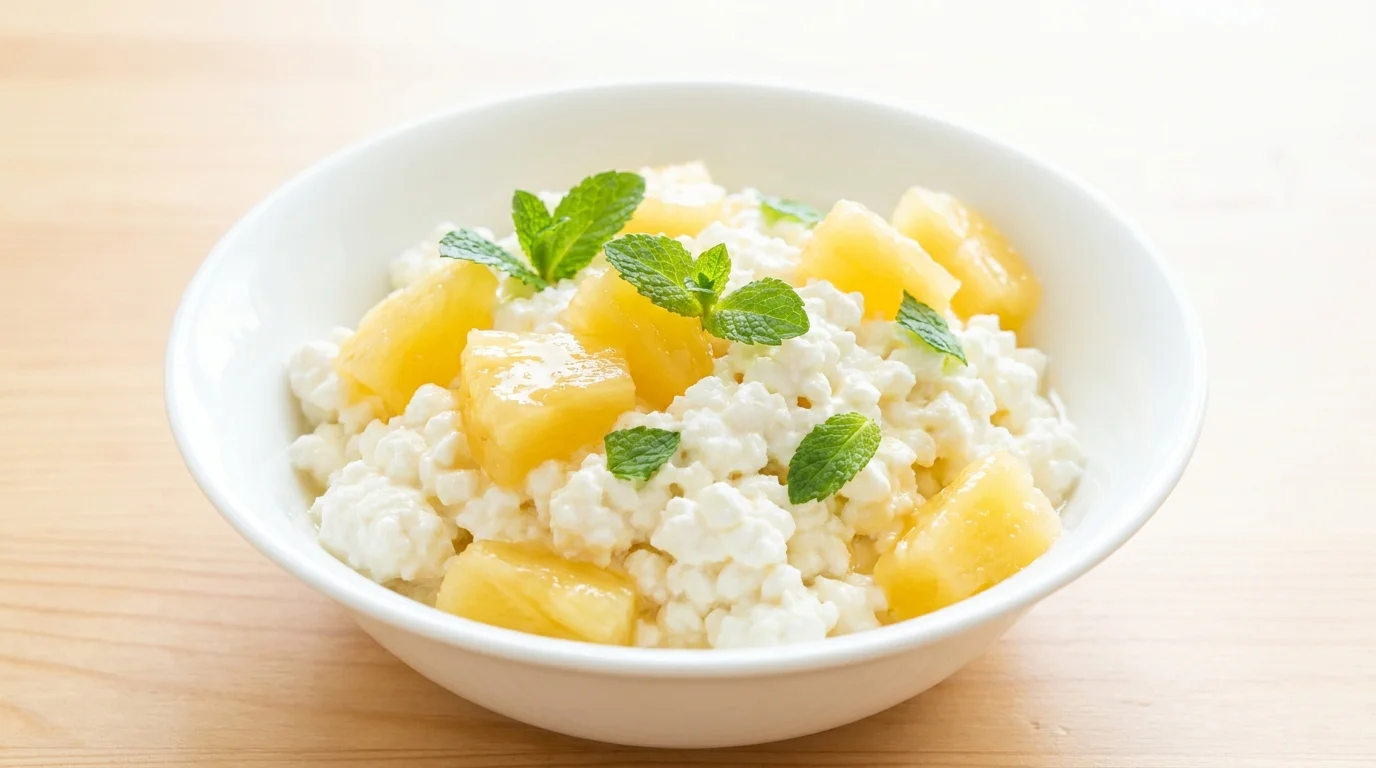
4. Cottage Cheese and Pineapple Bowls
Cottage cheese has rightfully experienced a major resurgence in the modern wellness community, offering a uniquely beneficial protein profile specifically tailored for healthy aging.
The distinct curds are composed primarily of casein protein, a specialized slow-digesting compound that provides a steady, prolonged drip of essential amino acids into your bloodstream over several hours.
This extended release makes cottage cheese an exceptional late-afternoon or early-evening snack, actively preventing the late-night hunger pangs that frequently disrupt restful sleep.
Combining this savory dairy with chunks of fresh or juice-packed pineapple elevates the nutritional value dramatically; pineapple naturally contains bromelain, a powerful digestive enzyme that assists your gastrointestinal tract in breaking down complex proteins efficiently.
The high water content of the fruit also contributes significantly to your daily hydration goals, while the naturally sweet and savory flavor profile aggressively combats cravings for artificial, sugar-laden desserts.
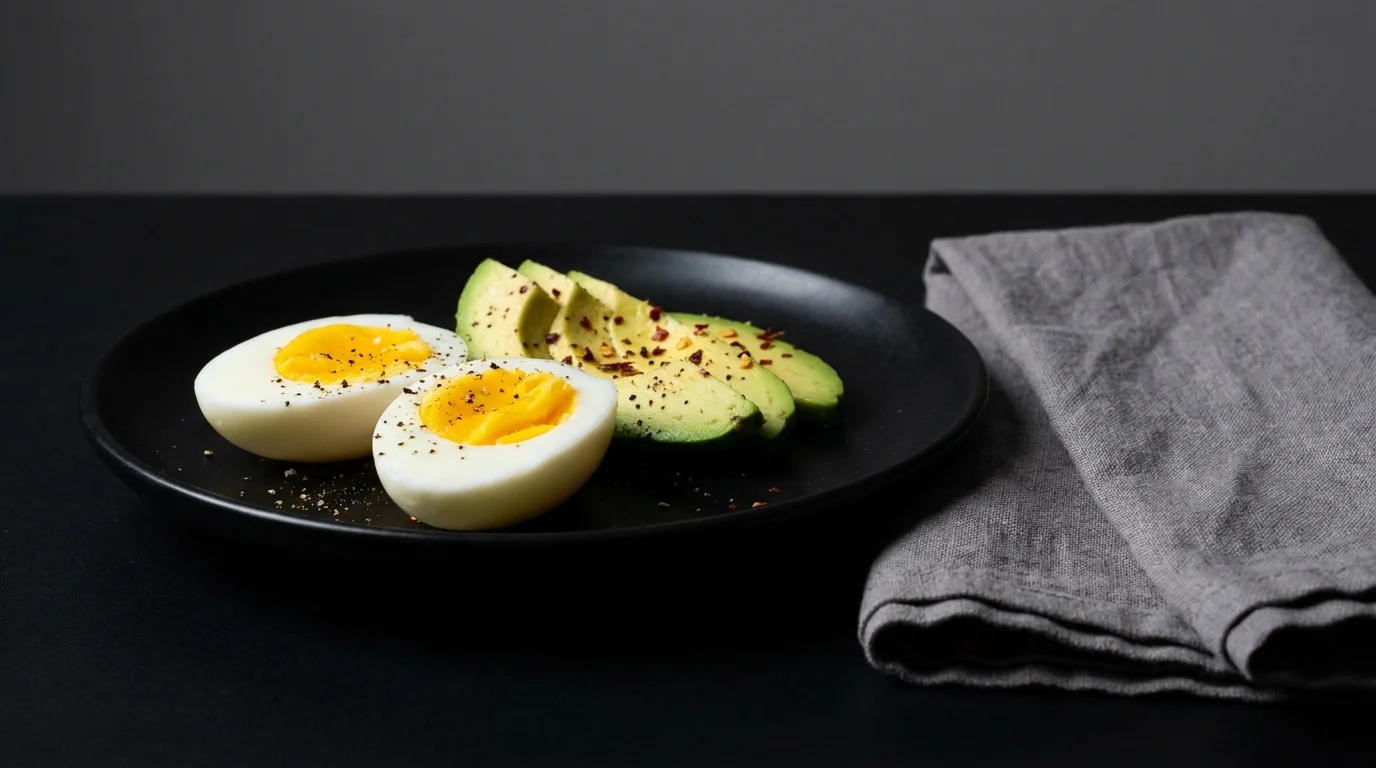
5. Hard-Boiled Eggs and Avocado Slices
Reclaiming their status as a celebrated superfood, whole eggs deliver an incredible density of targeted nutrition packed into a highly convenient, portion-controlled package.
The rich yolk stands out as one of the most concentrated dietary sources of choline, a vital precursor nutrient critical for the synthesis of acetylcholine, the primary neurotransmitter responsible for regulating mood, memory, and sustained muscular control.
Eggs also supply potent doses of lutein and zeaxanthin, specific dietary antioxidants that physically accumulate in the retina of your eye to fiercely defend against age-related macular degeneration and visual decline.
Pairing a sliced hard-boiled egg with a quarter of a fresh avocado introduces a deeply satisfying, creamy texture alongside a wealth of monounsaturated fats.
These specific lipids actively facilitate the efficient intestinal absorption of the fat-soluble vitamins present in the egg yolk, ensuring your body successfully utilizes every single micro-nutrient you consume.
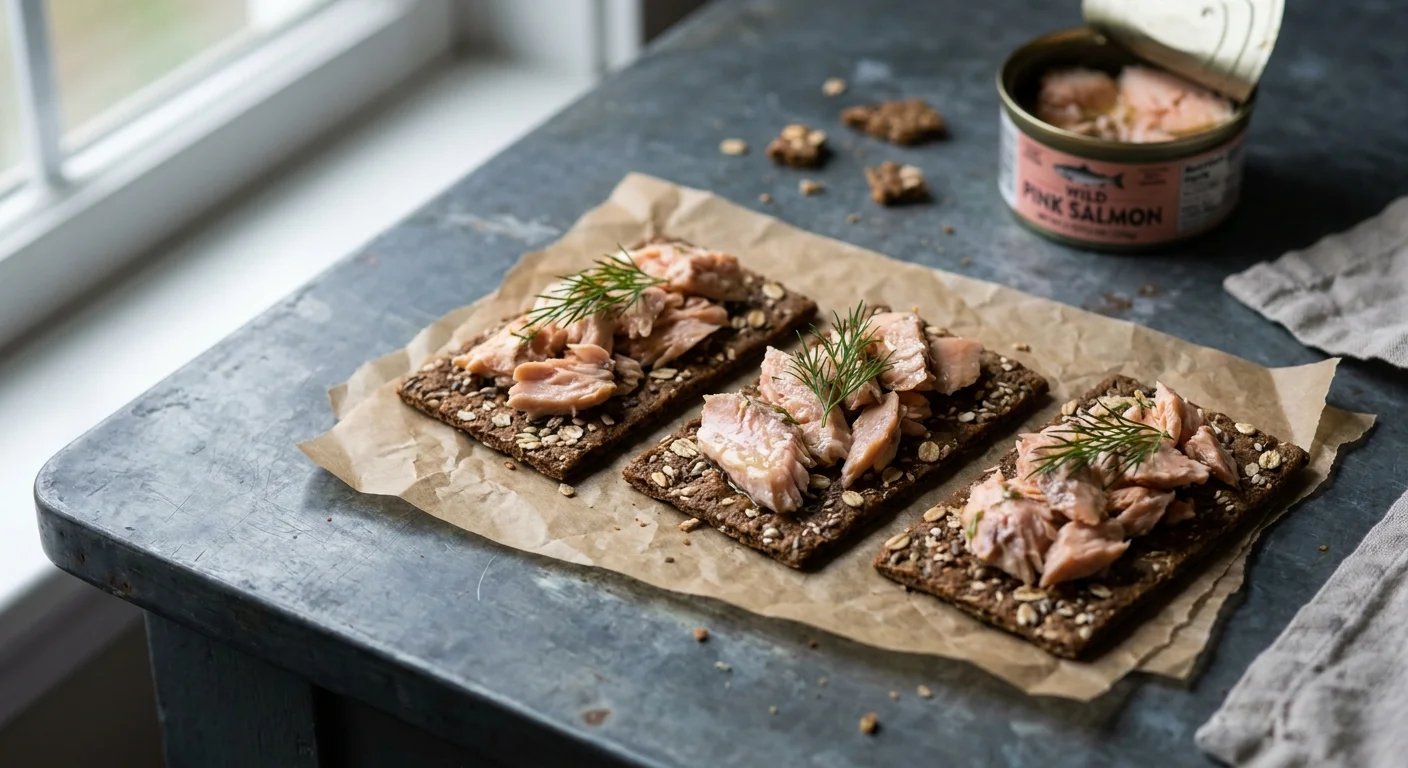
6. Whole Grain Crackers with Canned Salmon
Integrating high-quality marine sources into your afternoon routine provides an incredibly efficient method for significantly boosting your daily intake of essential fatty acids.
Wild-caught canned salmon naturally overflows with EPA and DHA, the specific omega-3 fatty acids rigorously proven to lubricate stiff joints, lower dangerous blood triglycerides, and drastically reduce systemic inflammation throughout your entire body.
When you purchase traditional canned salmon that includes the softened, edible bones, you gain access to a highly bioavailable source of calcium that directly fortifies your skeletal structure against osteopenia and osteoporosis.
Serving this flavorful, flaky fish atop sturdy, 100-percent whole grain crackers introduces the necessary complex carbohydrates required to rapidly restore depleted glycogen stores in your liver and muscles.
This robust, savory mini-meal requires absolutely no cooking and provides a level of deep physical nourishment that rivals most traditional dinners.
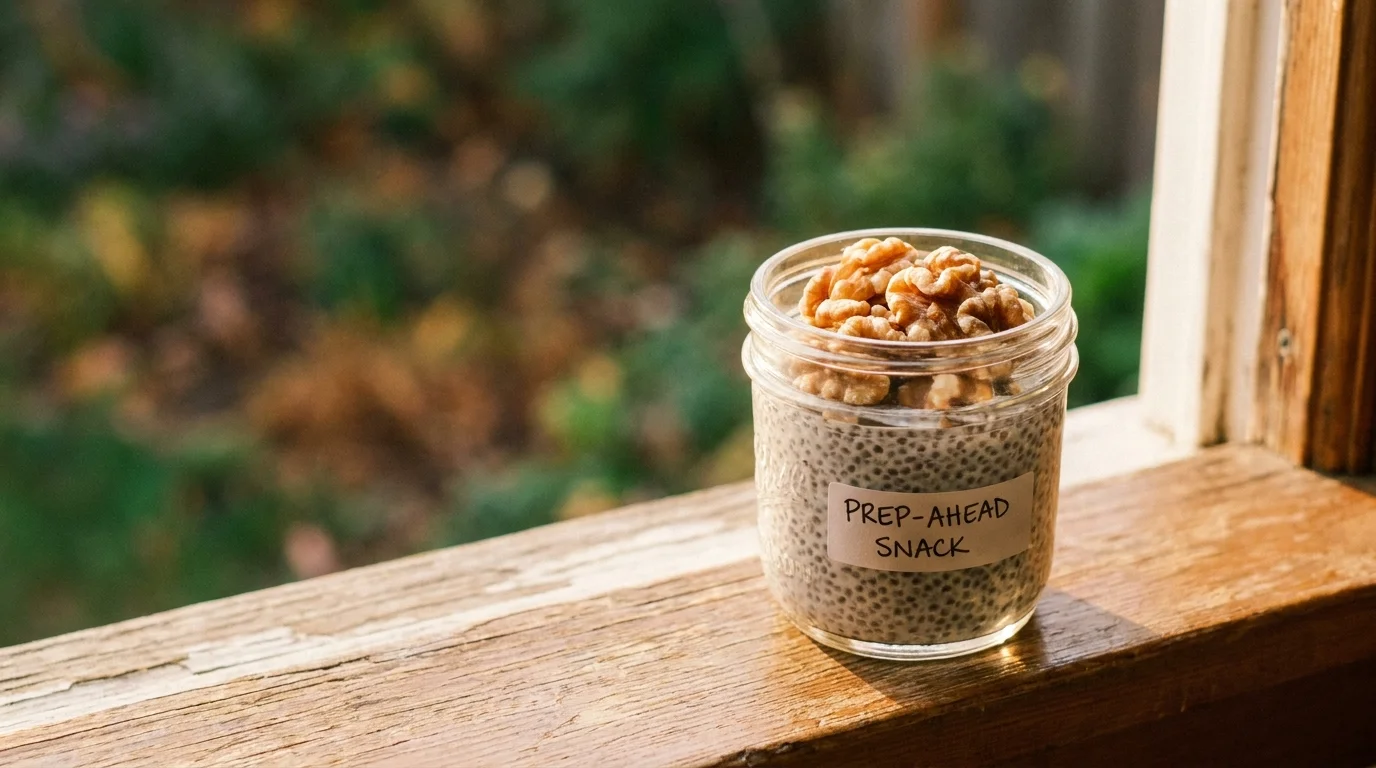
7. Chia Seed Pudding with Walnuts
For older adults who frequently experience dental sensitivity or simple chewing fatigue, chia seed pudding offers an incredibly gentle texture without sacrificing any nutritional potency.
When you submerge raw chia seeds in your preferred dairy or plant-based milk, the seeds quickly absorb the liquid and expand into a soothing, gel-like consistency that is remarkably easy to swallow and digest.
These tiny seeds harbor an astonishing volume of dietary fiber, drawing crucial water into your intestinal tract to ensure comfortable, predictable bowel regularity—a common challenge as natural gastric motility slows with age.
Topping your chilled pudding with a small handful of crushed walnuts introduces a delightful textural contrast alongside a powerful dose of alpha-linolenic acid, a plant-based omega-3 that strongly supports arterial flexibility and optimal brain health.
Preparing several small jars of this pudding in advance guarantees you always have a deeply hydrating, nutrient-dense option ready the moment hunger strikes.
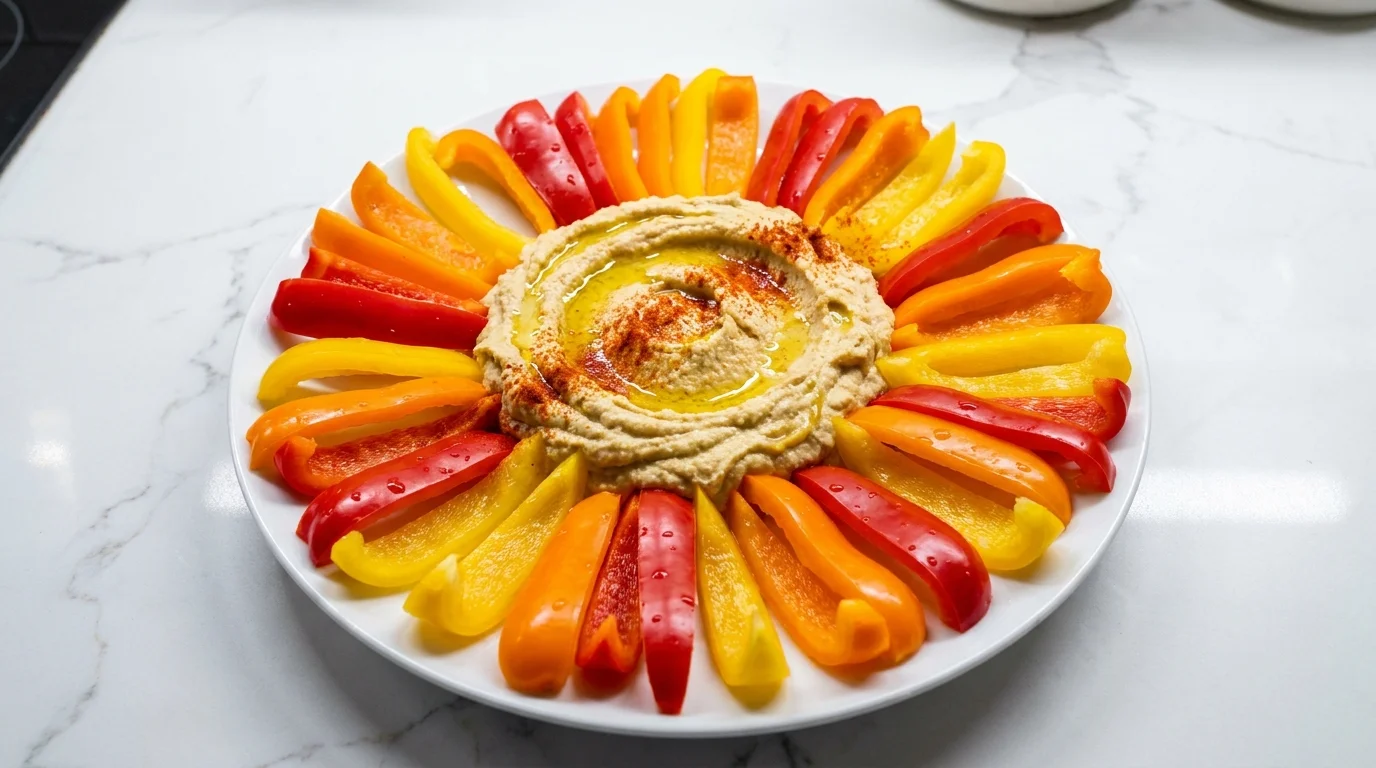
8. Hummus with Colorful Bell Pepper Strips
Traditional hummus, meticulously crafted from blended chickpeas, sesame tahini, olive oil, and fresh garlic, represents a pinnacle of Mediterranean nutrition perfectly suited for the aging body.
The chickpeas provide a gentle, easily digestible source of plant-based protein and complex carbohydrates, while the deeply roasted sesame tahini delivers essential minerals like copper and magnesium, which directly regulate your blood pressure and muscle contractions.
Dipping vibrant, thickly sliced bell peppers into the hummus transforms the snack into an absolute powerhouse of vitamin C.
Because your body cannot inherently produce vitamin C, you must consume it consistently to facilitate endogenous collagen synthesis, the biological process that maintains the elasticity of your skin and the structural integrity of your joint cartilage.
Exploring guidance on adult nutrition from the Centers for Disease Control and Prevention frequently highlights the importance of incorporating these brilliantly colored, water-rich vegetables into your daily routine to dramatically enhance your overall vitality.

Expert and Lived Voices in Healthy Aging
Geriatric dietitians frequently observe a stark, measurable difference in the daily vitality of older adults who snack intentionally versus those who chronically skip meals or rely on convenient ultra-processed items.
Clinical nutritional professionals consistently emphasize that strategically bridging the long gap between lunch and dinner with a structured, nutrient-dense mini-meal completely prevents the severe evening hunger that inevitably leads to overeating before bed.
Rather than viewing snacking as a guilty dietary pleasure, experts encourage you to firmly reframe the habit as a vital, strategic opportunity to supply your aging body with the specific metabolic building blocks it urgently demands.
Community members echoing these clinical findings regularly report immense improvements in their daily physical stamina and mental clarity.
For example, individuals who successfully transition from eating plain, refined toast in the mid-afternoon to enjoying whole grain crackers topped with canned salmon frequently notice an immediate reduction in late-afternoon brain fog and generalized fatigue.
These powerful, lived experiences align perfectly with current scientific consensus; when you proactively provide your brain with highly stable blood glucose and rich essential fatty acids, your cognitive endurance remains incredibly strong well into the evening hours, fundamentally improving your overall quality of life.

Safety, Contraindications, and Personalization
While adopting a nutrient-dense snacking routine offers truly incredible physical benefits, you must always personalize your specific food choices based strictly on your unique medical history and physical capabilities.
Structural dental changes, including the daily use of dentures, receding gums, or the simple presence of sensitive teeth, absolutely dictate the texture of the foods you can safely and comfortably consume.
If attempting to chew hard, raw foods like whole almonds or raw carrots causes oral discomfort, you can seamlessly pivot to softer, equally nutritious alternatives like chilled chia seed pudding, creamy cottage cheese, or thoroughly blended protein smoothies without sacrificing a single nutritional benefit.
Swallowing difficulties, known clinically as dysphagia, also require specific, targeted textural modifications and demand immediate consultation with a certified speech-language pathologist or your primary care physician to ensure safe consumption.
Additionally, the presence of chronic health conditions demands highly careful, intentional ingredient curation.
If you actively manage clinical hypertension or severe cardiovascular disease, you must remain incredibly vigilant regarding your daily sodium intake; many commercially packaged snacks, even seemingly healthy options like roasted mixed nuts or turkey jerky, harbor excessive, dangerous levels of hidden salt.
Similarly, individuals navigating compromised kidney function or chronic kidney disease must consult directly with a nephrologist or a specialized renal dietitian before dramatically increasing their overall protein intake, as impaired kidneys fundamentally struggle to effectively filter and process large volumes of amino acid byproducts.
You should always discuss significant dietary overhauls with your designated healthcare provider, ensuring your new snacking strategy safely and effectively complements your prescribed daily medications and comprehensive treatment plans.
Frequently Asked Questions About Snacking After 60
Should I snack if I am not generally hungry between meals?
Your natural physical appetite often diminishes significantly as you age due to complex shifts in hunger-regulating hormones like ghrelin and leptin, combined with a naturally slower gastric emptying rate.
If you find yourself consistently unable to comfortably consume adequate calories and vital nutrients during your three main daily meals, implementing small, highly calorie-dense snacks becomes an absolute medical necessity, even in the complete absence of strong, rumbling hunger cues.
You can successfully utilize highly compact, nutrient-rich foods like a small handful of raw walnuts, a spoonful of peanut butter, or a modest serving of rich hummus to actively deliver critical vitamins and healthy fats into your system without making you feel uncomfortably bloated or overstuffed.
Does eating snacks right before bed disrupt restful sleep?
Consuming heavy, highly acidic, or excessively sugary foods late at night reliably triggers painful acid reflux and chaotic blood sugar fluctuations, both of which severely fragment your fragile sleep architecture and leave you exhausted the next morning.
However, if you experience genuine, gnawing physical hunger right before bedtime, consuming a very small, protein-focused snack can effectively stabilize your blood sugar and physically prevent you from waking up abruptly in the middle of the night.
A few thin slices of roasted turkey breast or a quarter cup of low-fat cottage cheese successfully offer sleep-supporting amino acids, specifically tryptophan, without significantly overburdening your resting digestive system.
How can I make healthy snacks easier to chew and swallow?
Intentionally modifying the physical texture of raw, hard foods completely ensures you can continue to enjoy a highly diverse, colorful diet safely and comfortably.
You can easily steam raw, crunchy vegetables until they become beautifully fork-tender, soak fibrous seeds and rolled oats in warm milk overnight to completely soften their tough structural fibers, or utilize a high-speed food processor to blend hard, whole nuts into incredibly creamy, luxurious butters.
Choosing naturally soft, yielding proteins like traditional yogurt, gently scrambled eggs, and flaky canned fish also provides immense, targeted nutritional value while completely bypassing the frustrating mechanical difficulties frequently associated with chewing tough, fibrous meats or rigid raw produce.
Are store-bought protein bars a viable and healthy option?
The vast majority of commercial protein bars populating grocery store shelves function far more like chemically fortified candy bars, heavily packed with disruptive artificial sweeteners, highly inflammatory palm oils, and massive doses of high-fructose corn syrup.
While these packaged items undeniably offer immediate convenience, they frequently fail to deliver the complex, synergistic health benefits naturally found in whole, unprocessed foods.
If you must occasionally rely on a packaged bar during chaotic travel days or busy afternoons, you should meticulously scan the printed ingredient label; specifically choose products containing fewer than five highly recognizable ingredients, such as whole dates, dried egg whites, and raw almonds, while explicitly avoiding any product burdened with extensive paragraphs of chemical additives and unrecognizable preservatives.
Empower Your Afternoon Nutrition Routine
Taking definitive control of your daily energy levels and long-term physical resilience absolutely does not require drastic, overwhelming dietary overhauls or miserable, highly restrictive diets.
By making small, deliberate, science-backed upgrades to the exact foods you choose to consume between your main meals, you actively and directly invest in your muscular health, your cognitive function, and your cellular longevity.
You truly hold the power to completely transform a sluggish mid-afternoon energy slump into a highly effective opportunity for deep nourishment and physical revitalization.
Look closely at your current pantry or refrigerator, select just one of the nutrient-dense options discussed above, and firmly commit to preparing and trying it tomorrow afternoon. Your body will rapidly and noticeably thank you for the steady, reliable energy and the targeted, structural support.