
Your health depends on knowing exactly when that fillet of salmon transforms from a heart-healthy dinner into a food safety hazard. Identifying spoiled salmon quickly saves you from severe foodborne illnesses while ensuring you extract maximum nutritional value from your grocery investment. The FDA estimates nearly forty-eight million people contract foodborne illnesses annually, and mishandled seafood contributes significantly to those statistics. While salmon provides crucial omega-3 fatty acids and high-quality protein, it requires precise storage and sharp observation. You must trust your senses to detect subtle shifts in aroma, texture, and appearance. Master these five distinct warning signs, and you will confidently serve delicious, nutrient-dense seafood without compromising your digestive system or overall well-being.
The Science Behind Spoiled Salmon
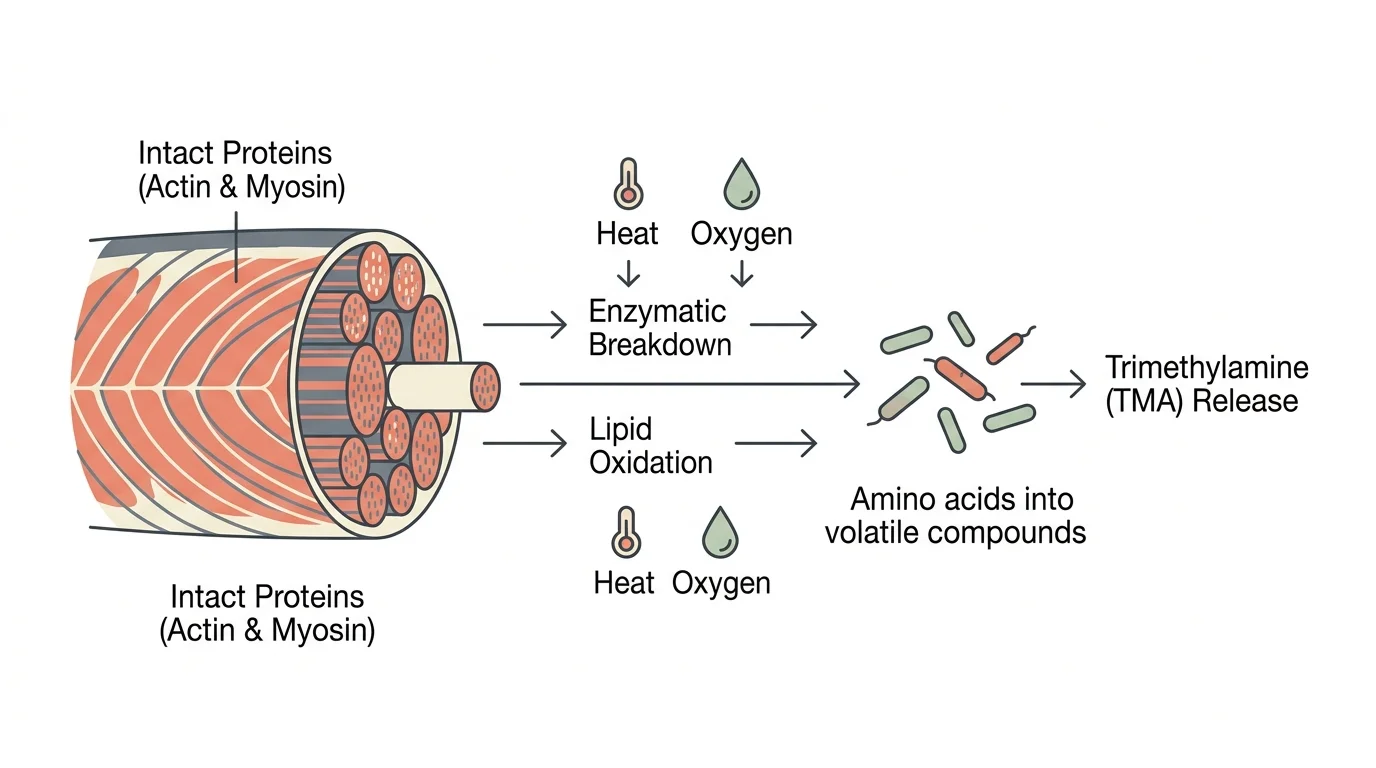
Understanding the biological deterioration of seafood empowers you to make safer culinary decisions. Fresh salmon contains abundant moisture, protein, and heart-healthy polyunsaturated fats. Unfortunately, this precise nutritional profile creates the perfect breeding ground for rapid bacterial growth and lipid oxidation. When you expose raw fish to oxygen and fluctuating temperatures, naturally occurring enzymes begin breaking down muscle tissues immediately. Spoilage bacteria multiply exponentially, consuming amino acids and releasing volatile organic compounds that alter the fundamental structure of the meat.
Food safety experts differentiate between two distinct types of bacterial activity: spoilage organisms and pathogenic bacteria. Spoilage organisms create the foul odors and slimy textures that make fish unappetizing. Pathogenic bacteria, such as Salmonella, Listeria, and Vibrio, represent a far more insidious threat because they often multiply without changing the smell or look of the food. Consuming salmon compromised by these pathogens triggers intense gastrointestinal distress, dehydration, and systemic inflammation. By reviewing current research on foodborne illness prevention, you quickly realize that strict temperature control remains your primary defense mechanism against these microscopic threats.
Five Undeniable Signs It Is Time to Toss Your Salmon
Sign 1: Overwhelming Sour or Ammonia Odors
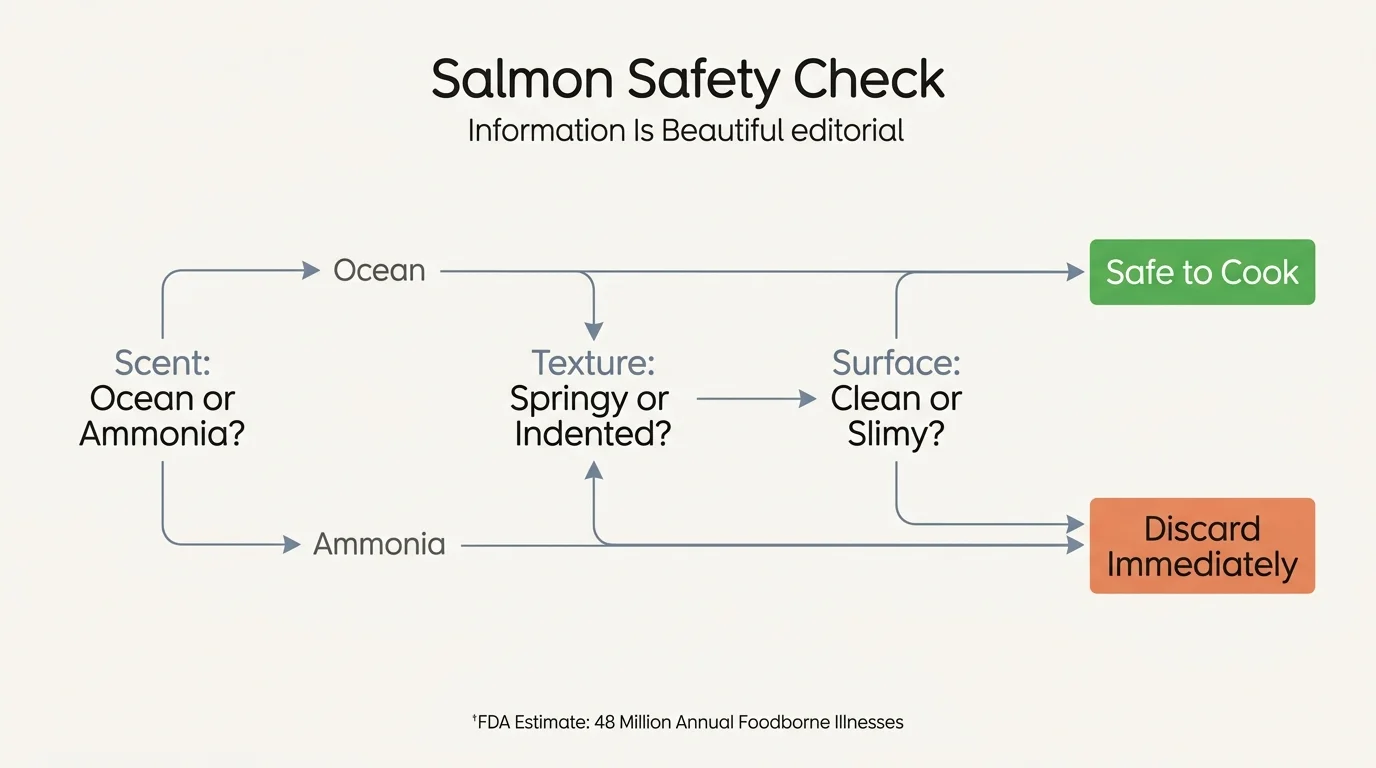
Fresh salmon should smell faintly of the ocean—a clean, briny scent that feels refreshing rather than offensive. When a sharp, sour, or ammonia-like odor assaults your nose, the fish has officially entered the spoilage phase. This chemical stench results from a specific biological process involving trimethylamine oxide, a compound marine fish utilize to regulate osmotic pressure in salt water. As the salmon decomposes, bacteria convert this odorless compound into trimethylamine, the primary chemical responsible for that notoriously pungent “fishy” smell.
Trust your olfactory senses completely during meal preparation. If you open a package of salmon and immediately recoil from a smell resembling cleaning chemicals or sour milk, discard the fillet immediately. Cooking the fish will not neutralize these volatile compounds; in fact, the application of heat often intensifies the ammonia aroma, ruining your entire kitchen atmosphere and posing a direct threat to your digestive health.
Sign 2: A Slimy, Sticky, or Mushy Texture
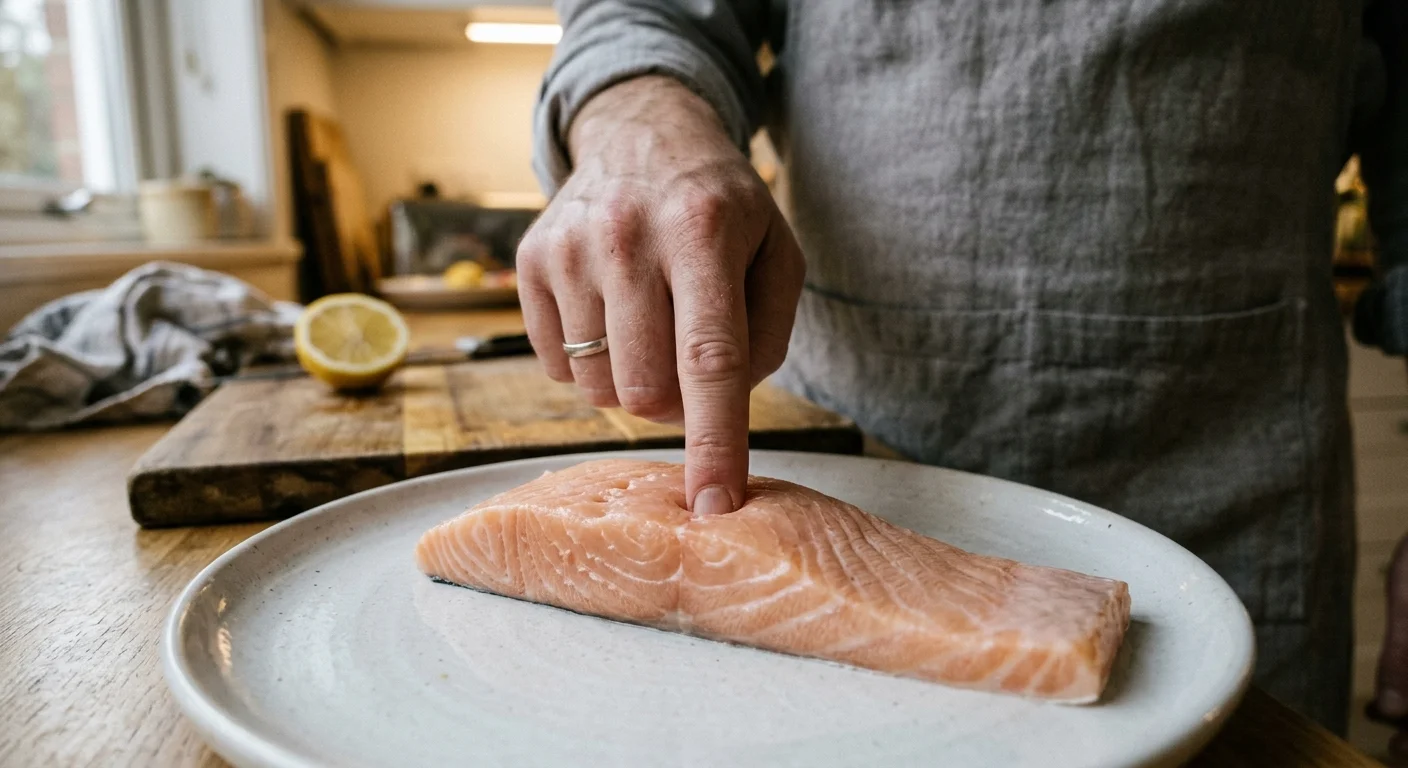
High-quality raw salmon boasts a firm, resilient texture that reflects its intact cellular structure. Dietitians and chefs recommend performing a simple physical evaluation known as the fingerprint test. Press your index finger gently into the thickest part of the raw fillet. The flesh should spring back immediately, leaving no indentation behind. If your finger leaves a permanent crater, the structural proteins—actin and myosin—have severely degraded, indicating advanced spoilage.
Beyond elasticity, you must assess the surface moisture of the fish. Fresh salmon feels damp but smooth. When bacterial populations explode across the surface of the meat, they produce a thick, sticky, or slimy film. Handling slimy salmon leaves an unpleasant, tacky residue on your fingertips that water alone struggles to wash away. This structural breakdown compromises both the safety and the culinary potential of the seafood, guaranteeing a mushy, unpalatable texture even if cooked to the correct internal temperature.
Sign 3: Dull, Gray, or Discolored Flesh
Visual inspection provides critical clues regarding the oxidation levels of your seafood. Healthy salmon displays vibrant hues ranging from bright coral to deep crimson, depending on whether you purchased farm-raised or wild-caught varieties. This brilliant coloration stems from astaxanthin, a powerful antioxidant naturally present in the marine food web. As salmon sits in your refrigerator, prolonged exposure to oxygen systematically degrades this protective antioxidant, causing the vibrant flesh to fade dramatically.
Watch for a dull, lifeless gray creeping across the surface of the fillet. You might also notice dark brown discoloration near the edges or a sickly yellow tint dominating the fat lines. This visual transformation indicates severe lipid oxidation, meaning the precious omega-3 fatty acids have turned rancid. Eating rancid fats actively introduces free radicals into your body, completely negating the cardiovascular benefits you initially sought from your seafood dinner.
Sign 4: Milky Residue Around the Edges
You must distinguish between the harmless white protein that emerges during cooking and the dangerous milky residue that forms on raw, spoiling fish. When you bake or sear fresh salmon, a liquid protein called albumin coagulates and pushes to the surface, appearing as white drops. This represents a normal, safe culinary reaction. However, if you observe a cloudy, milky fluid oozing from the edges of raw, uncooked salmon sitting in your refrigerator, you face a serious bacterial infestation.
This opaque residue signals that spoilage bacteria have aggressively colonized the flesh and started liquefying the cellular walls. The liquid often pools underneath the fillet inside the packaging, creating a swampy environment that accelerates further decay. Never attempt to wash or scrape this milky film off the fish. Rinsing raw, spoiled seafood merely splashes dangerous bacteria across your sink, countertops, and nearby utensils, dangerously expanding the contamination zone within your kitchen.
Sign 5: Dark Spots or Mold Growth
Fungal growth on seafood demands an immediate response. While mold frequently appears as fuzzy green or white patches on spoiled bread or ancient produce, fungal colonies on salmon often manifest as irregular dark spots, black shadows, or chalky white rings. Mold thrives in the moist, protein-rich environment provided by decaying seafood, sending microscopic roots deep into the muscle tissues long before you spot the blooms on the surface.
Do not attempt to salvage the fillet by cutting away the visible mold. The porous nature of fish muscle allows dangerous mycotoxins to migrate throughout the entire cut of meat seamlessly. Consuming these toxins triggers severe allergic reactions and respiratory issues alongside traditional food poisoning symptoms. When mold spores visibly breach the surface of your salmon, the entire piece of fish belongs in the waste bin.

Strategic Approaches to Seafood Storage
Protecting your nutritional investment requires a proactive strategy built around rigorous meal planning. Treat fresh seafood as a highly perishable asset rather than a pantry staple. Make the fish counter your absolute last stop during your grocery shopping routine, minimizing the time the salmon spends outside a refrigerated environment. Once home, commit to preparing the fish within forty-eight hours. If your weekly schedule shifts and you cannot cook the salmon within that two-day window, immediately transition it to long-term cold storage to halt the biological clock.
Maintaining a nutrient focus requires mastering proper freezing techniques to preserve the delicate omega-3 fatty acids. Wrapping the fillet tightly in plastic wrap, followed by a layer of heavy-duty aluminum foil, creates an oxygen barrier that prevents freezer burn and lipid oxidation. Deep-freezing salmon stops bacterial growth entirely and locks in the protein integrity. Reviewing omega-3 fatty acids research confirms that flash-freezing retains the cardiovascular benefits of the fish equally as well as fresh storage.
Establishing sustainable habit formation centers on precise refrigerator organization. Most home cooks mistakenly store their fresh seafood on the top shelf of the refrigerator, where temperature fluctuations occur most frequently due to door openings. Instead, place your well-wrapped raw salmon on the bottom shelf, pushed completely toward the back. This zone remains the coldest and most stable area in your appliance. To replicate professional fishmonger standards, place the wrapped fillet in a shallow dish over a bed of crushed ice, draining the melted water daily.

Expert and Lived Voices on Fish Freshness
Clinical dietitians emphasize that minimizing food waste should never supersede personal safety protocols. While sustainable eating practices encourage us to utilize every grocery item, professionals vehemently advise against taking risks with suspect marine proteins. Consuming slightly wilted spinach merely yields a less crisp salad; consuming compromised salmon invites a trip to the emergency room. Dietitians counsel clients to embrace frozen salmon fillets, which are frozen directly on the fishing vessel, ensuring pristine freshness and drastically reducing the anxiety associated with a ticking freshness clock.
Individuals raised in coastal communities understand that evaluating fish represents a full sensory experience. Long-standing culinary traditions involving curing, smoking, or ceviche preparation absolutely require the freshest possible starting materials. Community elders frequently teach younger generations to inspect the eyes of whole fish for clarity and the gills for a bright crimson color. While modern supermarket shoppers rarely interact with whole fish, applying that same rigorous, sensory-driven scrutiny to packaged fillets ensures that you honor the ingredient and protect your family.
Safety Considerations and Personalization
Certain demographic groups must practice heightened vigilance regarding seafood consumption. Pregnant individuals, older adults, young children, and people navigating immunocompromising medical conditions possess a vastly reduced tolerance for foodborne pathogens. For these high-risk populations, an infection from Listeria monocytogenes—a bacteria capable of multiplying even in refrigerator temperatures—can result in severe, systemic health crises. Following established food safety practices guarantees that these vulnerable groups can safely enjoy the neurological and developmental benefits of DHA and EPA fatty acids.
You must also recognize the distinct phenomenon of histamine toxicity, frequently known as scombroid poisoning. When certain types of fish, including salmon, experience temperature abuse, specific bacteria convert the amino acid histidine into histamine. If you consume this histamine-rich fish, your body launches a reaction that perfectly mimics a severe seafood allergy—featuring facial flushing, hives, palpitations, and difficulty breathing. This reaction occurs even in people who have safely eaten seafood their entire lives. Antihistamines effectively treat this condition, but recognizing that temperature abuse causes the issue prevents dangerous misdiagnoses of sudden food allergies.
Frequently Asked Questions
Can cooking spoiled salmon make it safe to eat?
No amount of heat will reverse the spoilage process or render rotten salmon safe for human consumption. While baking or grilling a fillet to an internal temperature of 145 degrees Fahrenheit effectively neutralizes living pathogens like Salmonella, heat does nothing to destroy the toxic chemical byproducts those bacteria have already deposited in the flesh. Furthermore, the heat will not eliminate biogenic amines like histamine, nor will it neutralize mycotoxins produced by mold. Cooking compromised fish merely creates hot, toxic fish.
How long does raw salmon genuinely last in the refrigerator?
Raw salmon remains structurally sound and biologically safe in a standard home refrigerator for a maximum of one to two days. This strict timeline begins the moment the fish is removed from the commercial deep-freeze or harvested from the water, not the moment you place it in your fridge. Because you rarely know exactly how long the fillet sat in the supermarket display case, you must prioritize preparing the fish quickly. If you doubt your ability to cook it within forty-eight hours, freeze it immediately.
Is frozen salmon as nutritious as fresh salmon?
Commercially frozen salmon delivers the exact same nutritional density as fresh salmon, and in many inland scenarios, it actually provides a superior product. Modern commercial fishing vessels flash-freeze their catch within hours of pulling it from the ocean, halting all bacterial growth and preserving the delicate polyunsaturated fats from oxidation. Studies published in peer-reviewed clinical journals demonstrate that freezing does not degrade protein quality, vitamin D content, or omega-3 fatty acid profiles, making frozen fillets an exceptional, low-stress option for healthy meal preparation.
What immediate steps should you take if you accidentally ate bad salmon?
If you realize you have consumed spoiled fish, stop eating immediately and focus on intensive hydration. Your body will likely initiate forceful mechanisms to expel the toxins, resulting in severe vomiting or diarrhea. Drink small, consistent sips of electrolyte-rich fluids to prevent dangerous dehydration. Do not aggressively take anti-diarrheal medications, as your body needs to purge the offending pathogens. Monitor your symptoms closely; if you experience persistent high fevers, bloody stools, or signs of extreme dehydration like dark urine and dizziness, seek professional medical intervention without delay.
Take Action with Your Seafood Safety
Equipping yourself with evidence-based food safety knowledge transforms your kitchen into a secure environment for healthy eating. You possess the sensory tools necessary to evaluate your ingredients confidently; you simply need to trust your sight, smell, and touch. Open your refrigerator right now and audit the temperature settings—ensure your appliance registers below forty degrees Fahrenheit. Take control of your nutritional journey by committing to the one-to-two-day seafood rule, purchasing high-quality frozen fillets for backup, and never hesitating to discard a piece of fish that fails your strict quality assessment.