You can dramatically reduce oxidative stress and fortify your cellular defenses without relying exclusively on expensive pints of fresh berries. A wide array of accessible pantry staples, vegetables, and everyday beverages deliver equal or superior concentrations of protective polyphenols, flavonoids, and carotenoids. By expanding your daily menu to include antioxidant-dense whole foods like legumes, herbs, dark chocolate, and roasted vegetables, you diversify your micronutrient intake while keeping your grocery budget manageable. Understanding how these diverse compounds neutralize free radicals empowers you to build resilient, flavorful meals that protect your heart, brain, and metabolic health for decades to come.
The Science of Dietary Antioxidants and Cellular Health
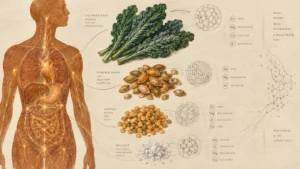
Every second, your cells produce reactive oxygen species (ROS) during normal energy metabolism. While basic physiological tasks require some free radicals, excessive accumulation triggers oxidative stress—a destructive process damaging lipids, proteins, and cellular DNA. Research highlighted by the National Institutes of Health indicates that chronic oxidative stress accelerates cellular aging and raises risks for cardiovascular and metabolic disorders. Dietary antioxidants serve as biochemical scavengers, donating electrons to neutralize free radicals without becoming unstable.
Researchers measure antioxidant strength using methods like the Ferric Reducing Ability of Plasma (FRAP) assay. Your body thrives when supplied with a diverse spectrum of polyphenols, carotenoids, and sulfur compounds. Getting these from whole foods delivers synergistic fiber and minerals that synthetic supplements cannot replicate.
Nine Potent Antioxidant Foods That Outshine Common Berries
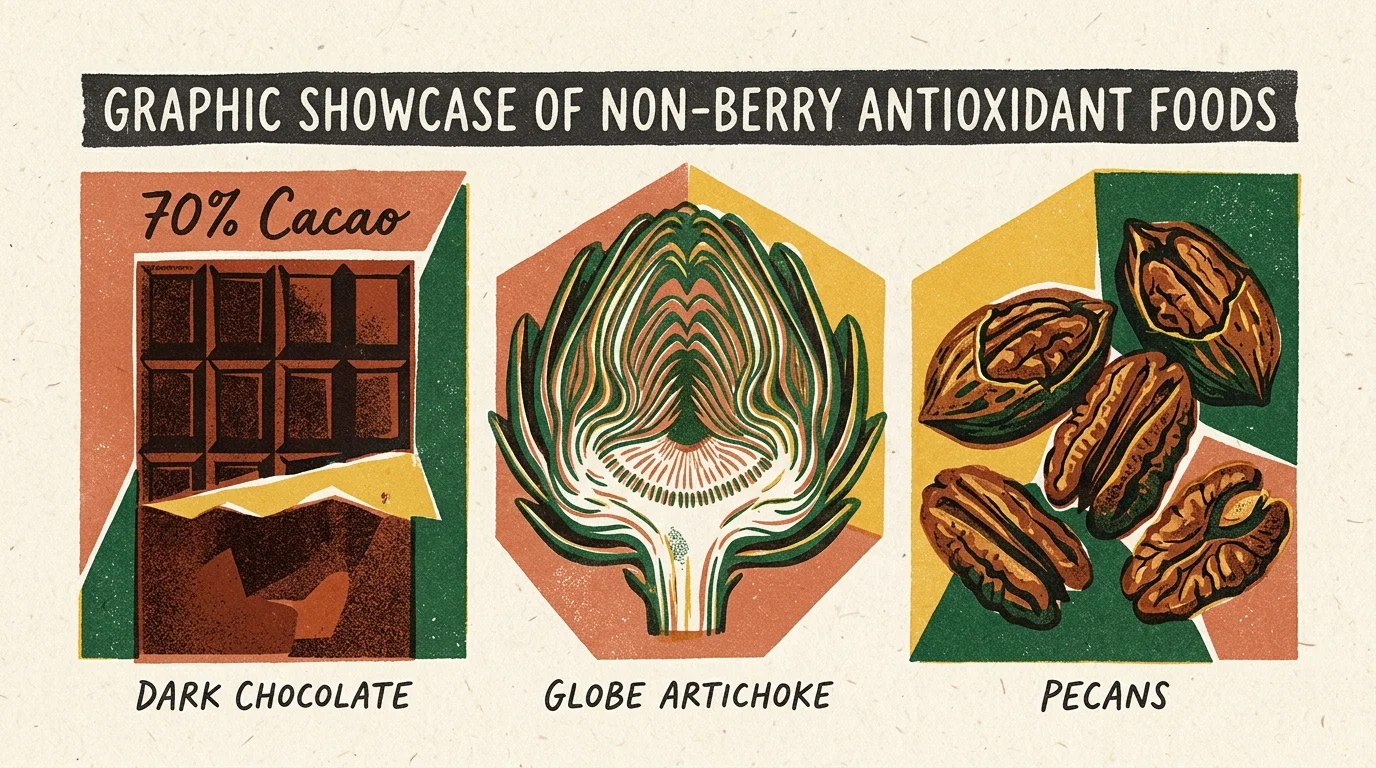
While blueberries receive frequent praise, several non-berry whole foods deliver extraordinary concentrations of protective compounds. Adding these nine nutrient-dense foods to your diet broadens your cellular defenses.
1. Dark Chocolate (70% Cacao or Higher)
Dark chocolate provides an exceptionally concentrated source of dietary polyphenols. According to the global Antioxidant Food Database, high-percentage dark chocolate yields up to 15 mmol of antioxidants per 100 grams. These benefits stem from flavanols—especially epicatechin and catechin—which prompt endothelial nitric oxide production to improve vascular flexibility. In February 2023, the U.S. Food and Drug Administration issued a qualified health claim recognizing that consuming at least 200 mg of cocoa flavanols daily can lower cardiovascular disease risk. Choose dark chocolate with 70% cacao or higher to optimize flavanols while moderating added sugar.
2. Globe Artichokes
Globe artichokes rank among the top vegetables for antioxidant density. Steaming or boiling them provides 3.5 to 4.7 mmol of antioxidants per 100 grams, surpassing broccoli, asparagus, and bell peppers. Their potency comes from chlorogenic acid, cynarin, and luteolin. Chlorogenic acid supports healthy post-meal glucose responses, while cynarin aids liver function and lipid metabolism. Artichokes also supply inulin, a prebiotic fiber that feeds beneficial gut microbes, which then convert plant polyphenols into absorbable anti-inflammatory metabolites.
3. Pecans
Pecans lead common tree nuts in antioxidant content, delivering roughly 8.5 mmol of antioxidants per 100 grams. Their phytochemical profile includes ellagic acid, proanthocyanidins, and gamma-tocopherol—a potent form of vitamin E that shields cell membranes from lipid oxidation. Clinical research shows regular pecan consumption helps prevent the oxidation of low-density lipoprotein (LDL) cholesterol, an important factor in cardiovascular health. Enjoy a daily one-ounce handful over oatmeal or salads for sustained micronutrient support.
4. Small Red Beans and Kidney Beans
Legumes offer an affordable, shelf-stable source of antioxidants that rival fresh fruit. In laboratory analyses published by the American Chemical Society, small red beans delivered 13,727 total antioxidant capacity (TAC) per half-cup cooked serving, with red kidney beans providing 13,259 TAC and pinto beans supplying 11,864 TAC. The deep red and dark pigments reflect high levels of anthocyanins and flavonols. Beans also provide resistant starch, which supports balanced blood glucose and feeds healthy colonic cells.
5. Ground Cloves and Cinnamon
Culinary spices represent the most concentrated non-berry antioxidant sources known. Ground cloves lead all measured spices with a FRAP score exceeding 100 mmol per 100 grams, driven by eugenol—a compound recognized for soothing systemic inflammation. Ceylon cinnamon provides procyanidins and cinnamaldehyde, which support insulin sensitivity while scavenging free radicals. Adding half a teaspoon of cinnamon or a pinch of cloves to oats, roasted vegetables, or tea delivers abundant polyphenols without meaningful calories.
6. Brewed Coffee and Green Tea
Beverages supply the majority of daily antioxidants in standard dietary patterns. Filtered brewed coffee contains approximately 2.5 mmol of antioxidants per 100 grams, primarily as chlorogenic, caffeic, and ferulic acids. Brewed green tea delivers roughly 1.5 mmol per 100 grams, led by epigallocatechin gallate (EGCG)—a catechin that supports mitochondrial health and cellular protection. Drinking two to three daily cups of unsweetened coffee or green tea provides continuous antioxidant coverage throughout the day.
7. Red Table Beets
The deep crimson color of red table beets comes from betalains—water-soluble pigments consisting of betanin and isobetanin. Betalains function through biochemical pathways distinct from standard flavonoids, directly neutralizing peroxyl radicals and preventing oxidative lipid damage in blood vessels. Beets also provide inorganic nitrates, which your body converts into nitric oxide. This molecule relaxes blood vessels, supports healthy circulation, and improves cardiovascular efficiency during daily activity.
8. Dark Leafy Greens (Spinach and Kale)
Dark leafy greens like spinach and kale deliver dense concentrations of carotenoid antioxidants, especially lutein and zeaxanthin. A 100-gram serving provides over 100% of the Daily Value for vitamin K, alongside substantial vitamin C and beta-carotene. Lutein and zeaxanthin accumulate in the macula of the human eye, filtering high-energy blue light and protecting retinal tissues from oxidative stress. Lightly cooking greens helps release these protective carotenoids for better absorption.
9. Red Cabbage
Red cabbage combines anthocyanin antioxidants with the protective benefits of cruciferous glucosinolates. Providing up to eight times more vitamin C and total polyphenols than green cabbage, red cabbage offers exceptional nutritional density. Chopping raw red cabbage activates the enzyme myrosinase, producing sulforaphane—a compound that triggers the Nrf2 pathway to stimulate your body’s internal antioxidant defenses, including glutathione. Enjoy shredded red cabbage in slaws or braised side dishes.
Three Strategic Pillars for Maximizing Bioavailability
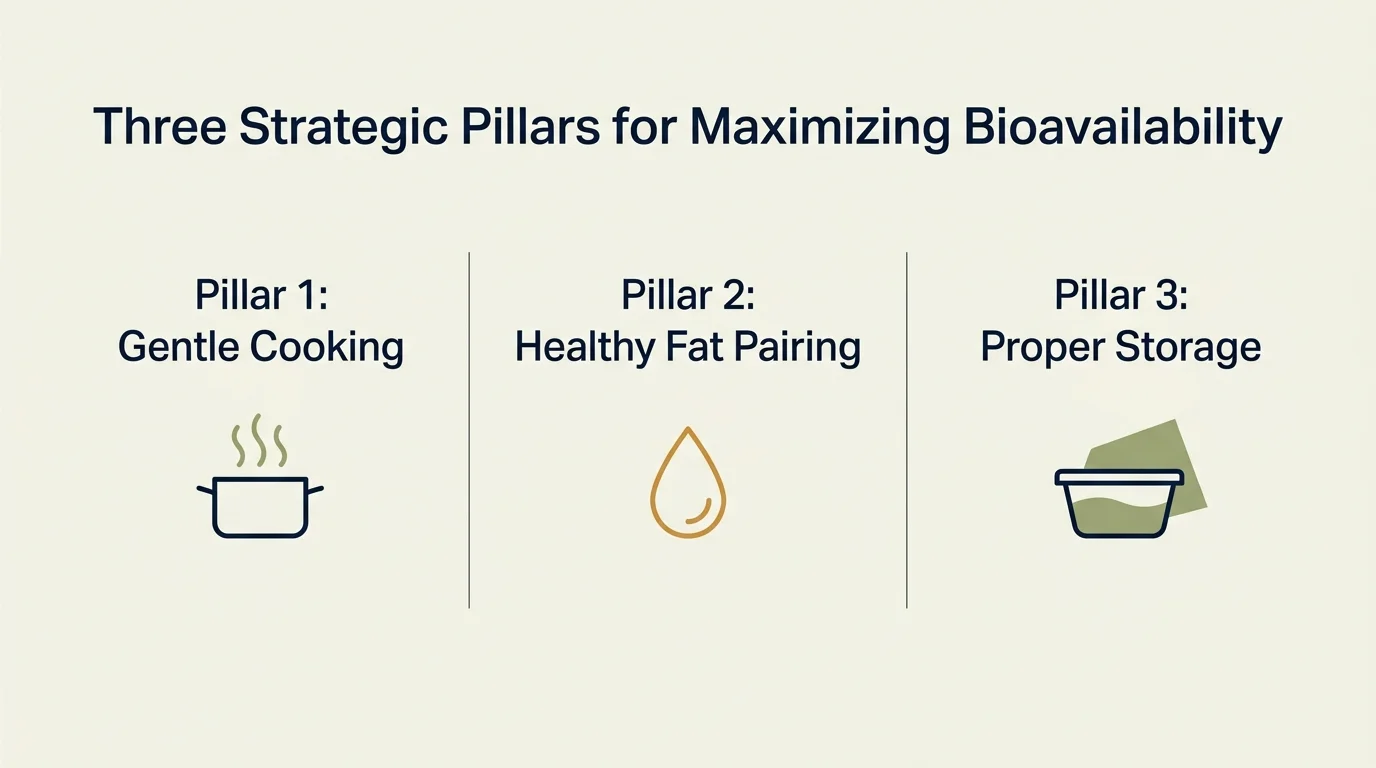
Consuming antioxidant-rich foods is only the first step; your digestive system must absorb and use these compounds effectively. Using targeted preparation techniques and daily habit frameworks ensures you get the greatest benefit from your meals.
Pillar 1: Nutrient Synergy and Lipid Pairing. Many vital antioxidants, including carotenoids and vitamin E, are fat-soluble. Eating leafy greens or cabbage without dietary fat severely restricts nutrient uptake. Pairing these vegetables with extra virgin olive oil, avocado, or pecans boosts carotenoid absorption significantly. Furthermore, the vitamin C found in dark greens regenerates oxidized vitamin E, sustaining an active defense cycle inside your cells.
Pillar 2: Strategic Culinary Preparation. Cooking methods alter the availability of plant nutrients. Boiling vegetables leaches water-soluble polyphenols into the discarded water. In contrast, gentle steaming, quick sautéing, or microwaving softens tough plant cell walls, making bound phenolic acids in artichokes and beans easier to absorb. To preserve enzymes and maximize sulforaphane release in red cabbage, chop it twenty to thirty minutes before cooking.
Pillar 3: Habit Stacking Across Daily Meals. The Academy of Nutrition and Dietetics emphasizes that consistent, diverse phytochemical intake provides greater biological support than irregular high doses. Attach antioxidant additions to regular routines: sprinkle cinnamon into your morning coffee or oats, add a half cup of black beans to your lunch wrap, and enjoy a square of 70% dark chocolate after dinner.

Expert Perspectives and Practical Application
Clinical nutrition experts advise focusing on total dietary patterns rather than searching for a single miracle food. Dr. Elena Rostova, an integrative medicine researcher, explains that whole foods provide complex polyphenol combinations alongside essential minerals like copper, zinc, and manganese. These trace minerals serve as crucial cofactors for your body’s internal antioxidant enzymes, including superoxide dismutase.
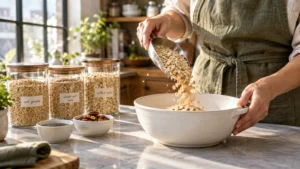
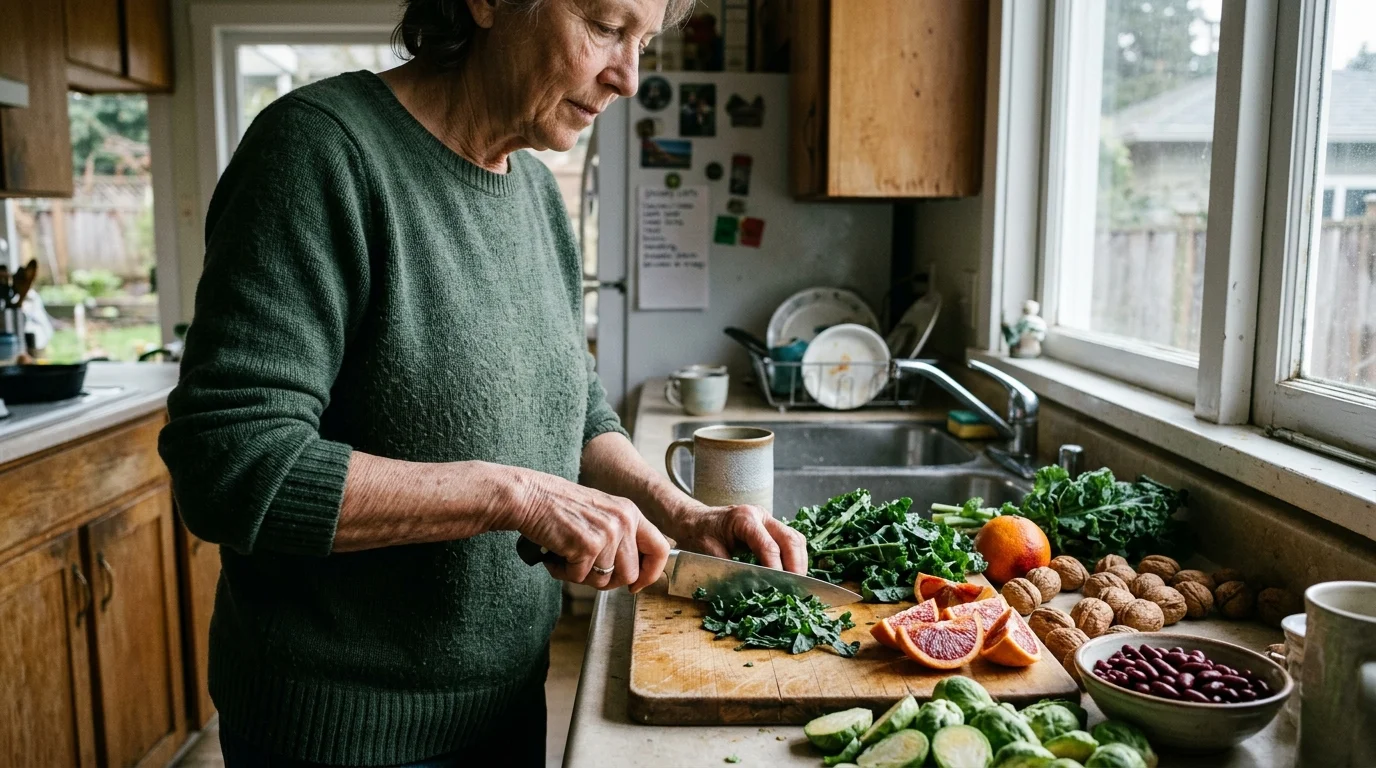
Home cooks demonstrate the practical value of these everyday foods. Choosing dry legumes, bulk spices, and whole heads of cabbage over costly off-season berries allows families to reduce grocery bills while increasing dietary fiber and antioxidant diversity. Building an antioxidant-rich plate is both affordable and sustainable on any budget.
Safety, Contraindications, and Personalization
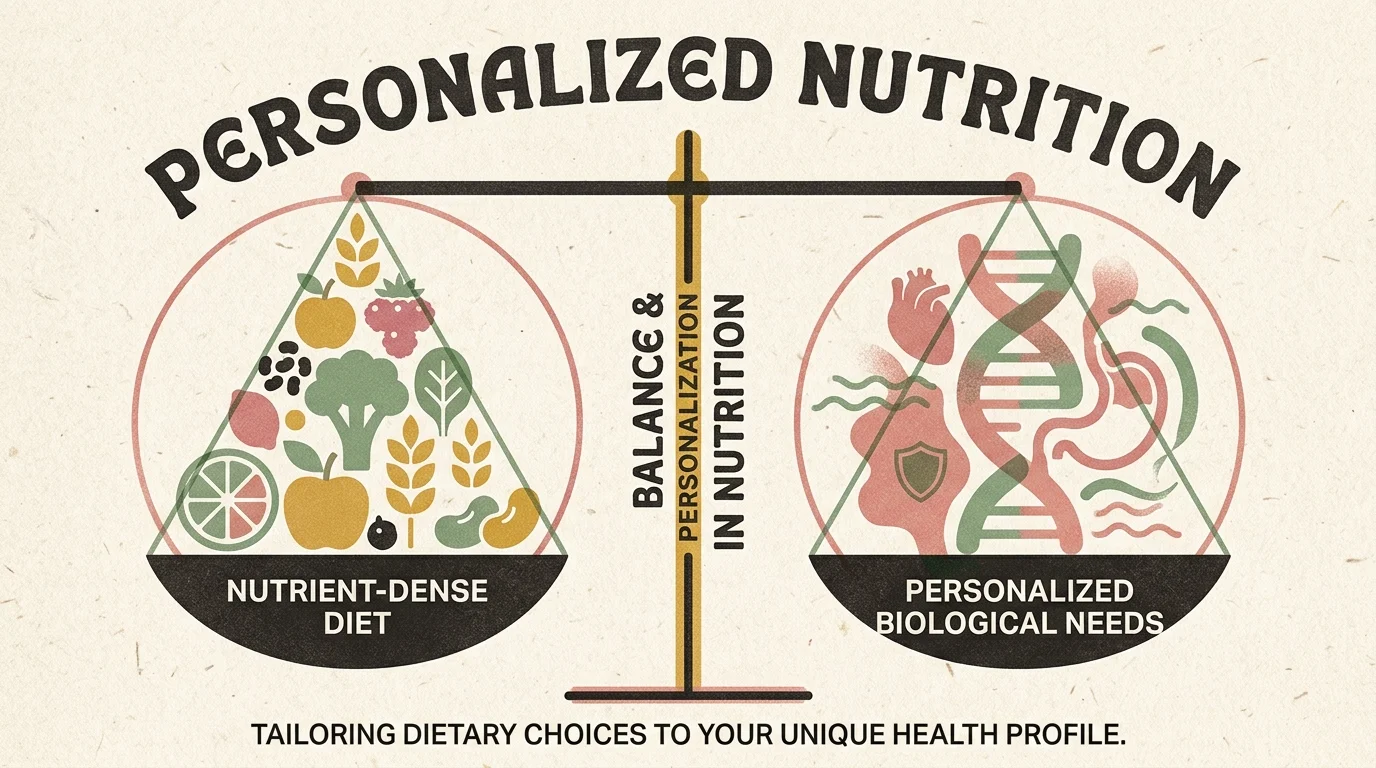
While antioxidant-rich foods provide broad wellness benefits, individual health needs require tailored choices. Individuals with a history of calcium oxalate kidney stones should monitor high-oxalate foods like spinach and beets, choosing lower-oxalate options like red cabbage, kale, and artichokes. Drinking adequate water and pairing oxalate foods with dietary calcium also reduces stone risk.
If you take anticoagulant medications such as warfarin, keep your daily intake of vitamin K from dark leafy greens consistent to avoid disrupting drug effectiveness. Those sensitive to stimulants should moderate their intake of coffee, green tea, and dark chocolate. Consult your registered dietitian or primary care provider to customize these food choices to your specific medical needs.
Frequently Asked Questions
Can antioxidant-rich foods replace a daily multivitamin supplement? Whole foods supply an intricate matrix of dietary fiber, minerals, and hundreds of bioactive polyphenols that work synergistically. Synthetic supplements isolate single compounds at high doses, which clinical studies show may occasionally cause pro-oxidant effects. Rely on whole foods for baseline nutrition, reserving supplements for clinically confirmed deficiencies.
Does cooking destroy the antioxidant value of vegetables? Cooking alters different antioxidants in distinct ways. While prolonged high heat reduces heat-sensitive vitamin C, gentle cooking softens plant cell walls, improving the absorption of carotenoids and bound polyphenols. Light steaming or brief sautéing offers the best balance of nutrient retention and bioavailability.
How many servings of high-antioxidant foods should I eat daily? Rather than tracking numerical antioxidant scores, follow guidance from the Centers for Disease Control and Prevention by aiming for four to five combined daily servings of colorful produce, legumes, and nuts. Consuming a wide spectrum of natural colors ensures comprehensive protection.
Are canned beans and frozen greens as nutritious as fresh options? Canned legumes and flash-frozen greens retain their core polyphenol and mineral content. Commercial canning cooks beans under controlled pressure, preserving beneficial flavonoids while reducing anti-nutrients. Choose low-sodium canned beans and rinse them before cooking to eliminate excess salt.
Your Next Steps for Cellular Vitality
Strengthening your cellular health does not require complicated meal plans or expensive supplements. Meaningful progress comes from simple, sustainable habits you repeat every day. Choose one practical action to take within the next twenty-four hours: sprinkle ground cinnamon into your morning breakfast, toss shredded red cabbage into your evening salad, or enjoy an ounce of dark chocolate as a nourishing treat. Every antioxidant-dense food you add supports long-term health and vitality.