When sugar cravings strike hard and fast, reaching for nutrient-dense foods naturally stabilizes your blood sugar and curtails the urge for sweet treats. Incorporating specific whole foods into your daily routine helps you break the exhausting cycle of energy crashes and relentless hunger. Rather than relying on willpower alone, you can leverage protein, healthy fats, and fiber to satisfy your appetite and calm the reward centers in your brain. Research shows that balancing your plate with these satiating components reduces the hormonal spikes driving your desire for candy or pastries. By strategically upgrading your snack choices and main meals, you take control of your metabolic health while enjoying delicious, satisfying flavors that organically diminish your appetite for refined sugars.
The Science Behind Your Sugar Cravings
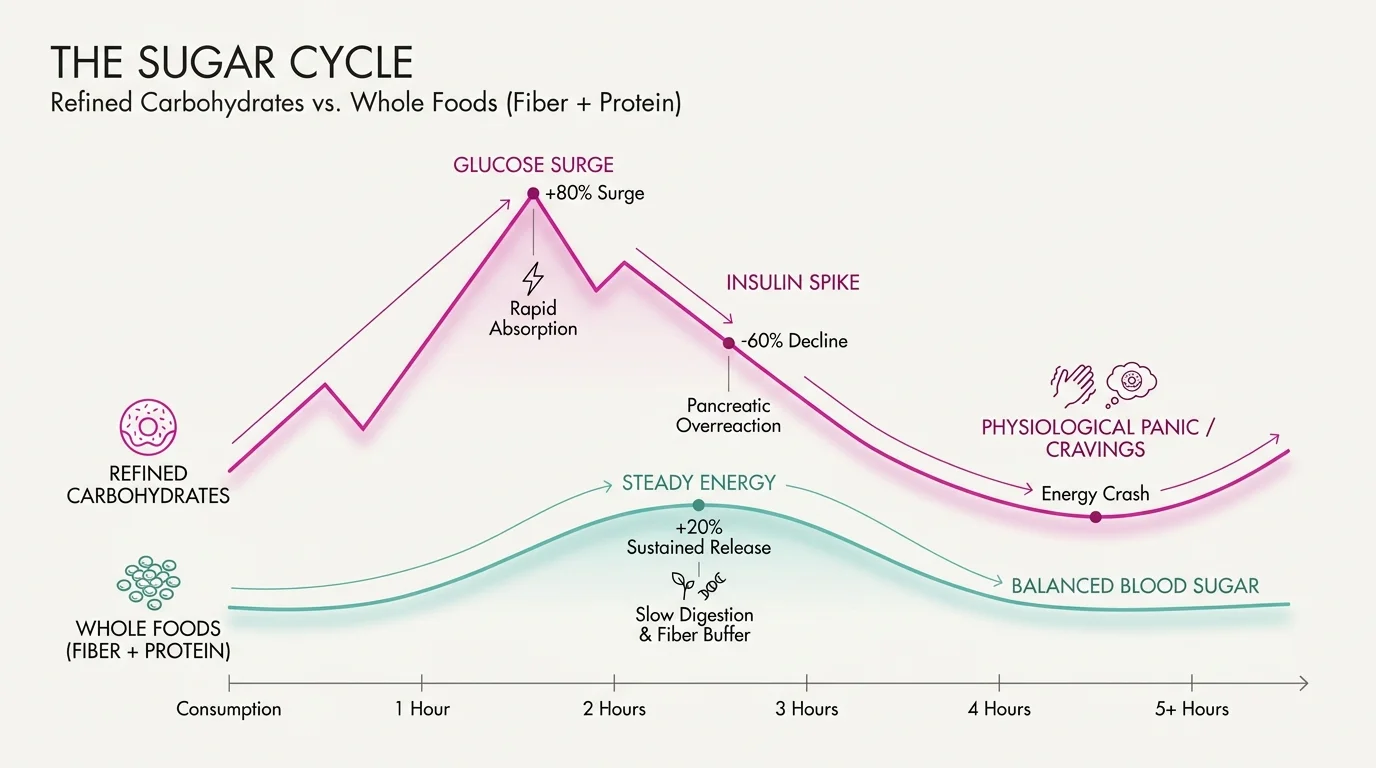
Understanding why you crave sweets acts as the first crucial step toward reclaiming your dietary freedom. When you consume highly refined carbohydrates, your digestive system rapidly breaks them down into glucose. This sudden influx of sugar prompts your pancreas to release a massive surge of insulin; a hormone responsible for shuttling glucose into your cells. The resulting rapid drop in blood sugar creates a physiological panic. Your brain signals an intense desire for quick energy, restarting the cycle. Simultaneously, sugar consumption triggers a powerful release of dopamine in your brain’s reward center. This neurotransmitter creates feelings of intense pleasure, strongly reinforcing the behavior.
Breaking this loop demands a strategic shift in your food choices. By consuming foods rich in protein, healthy fats, and dietary fiber, you slow down digestion and prevent drastic blood glucose spikes. You can explore how dietary choices impact your metabolic health through evidence-based nutrition guidelines to better understand your body’s response. Replacing empty calories with purposeful, whole foods effectively recalibrates your palate and quiets the constant mental chatter surrounding sugar.
Eight Powerful Foods to Curb Sweet Cravings
Berries
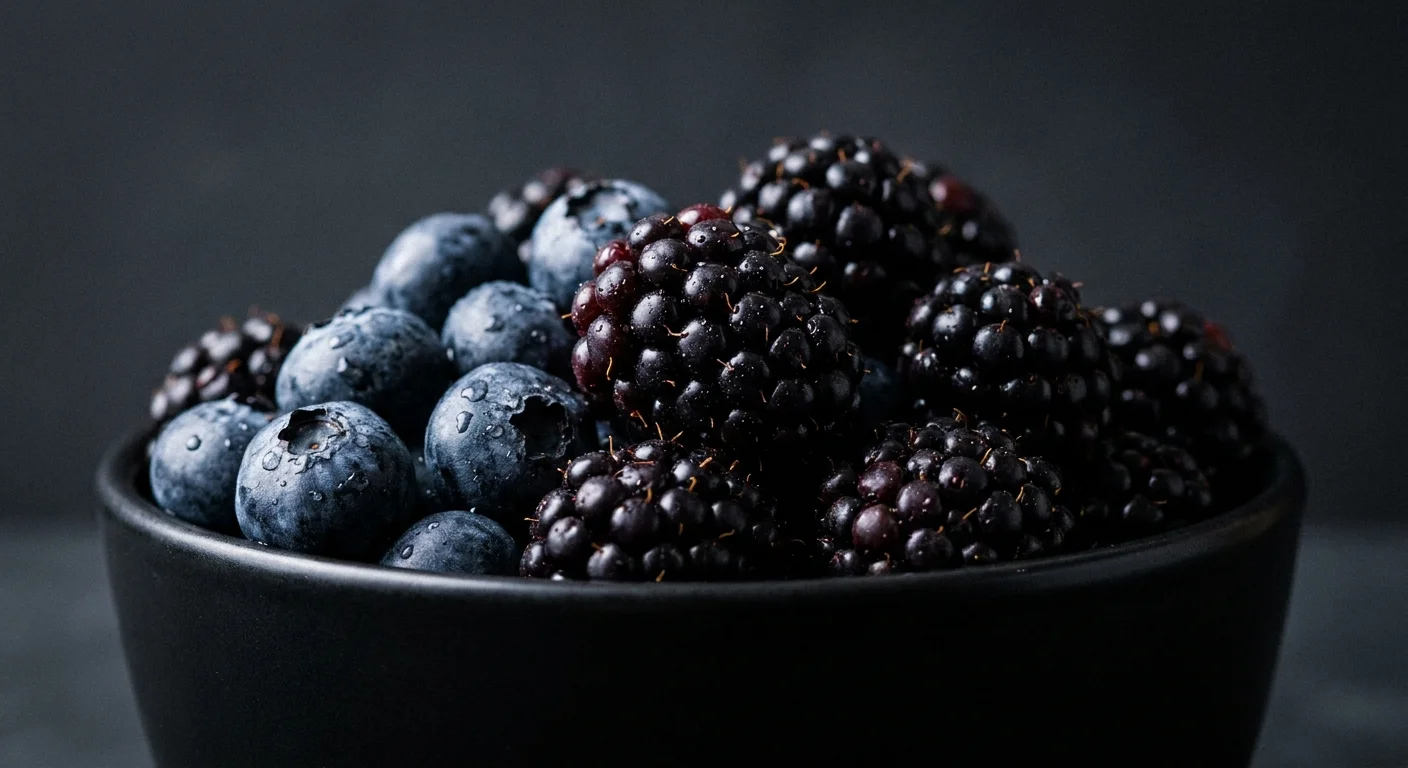
Berries offer a brilliant solution when you want something sweet but need to maintain stable blood sugar levels. Strawberries, blueberries, raspberries, and blackberries pack natural sweetness while ranking remarkably low on the glycemic index. Their robust fiber content slows the absorption of sugars into your bloodstream, providing a steady release of energy. You can enjoy a bowl of mixed berries as an afternoon snack or blend them into a morning smoothie. The physical act of chewing these vibrant fruits provides sensory satisfaction that liquid sugars completely lack, signaling your brain that you have consumed a filling, nutritious food.
Chia Seeds
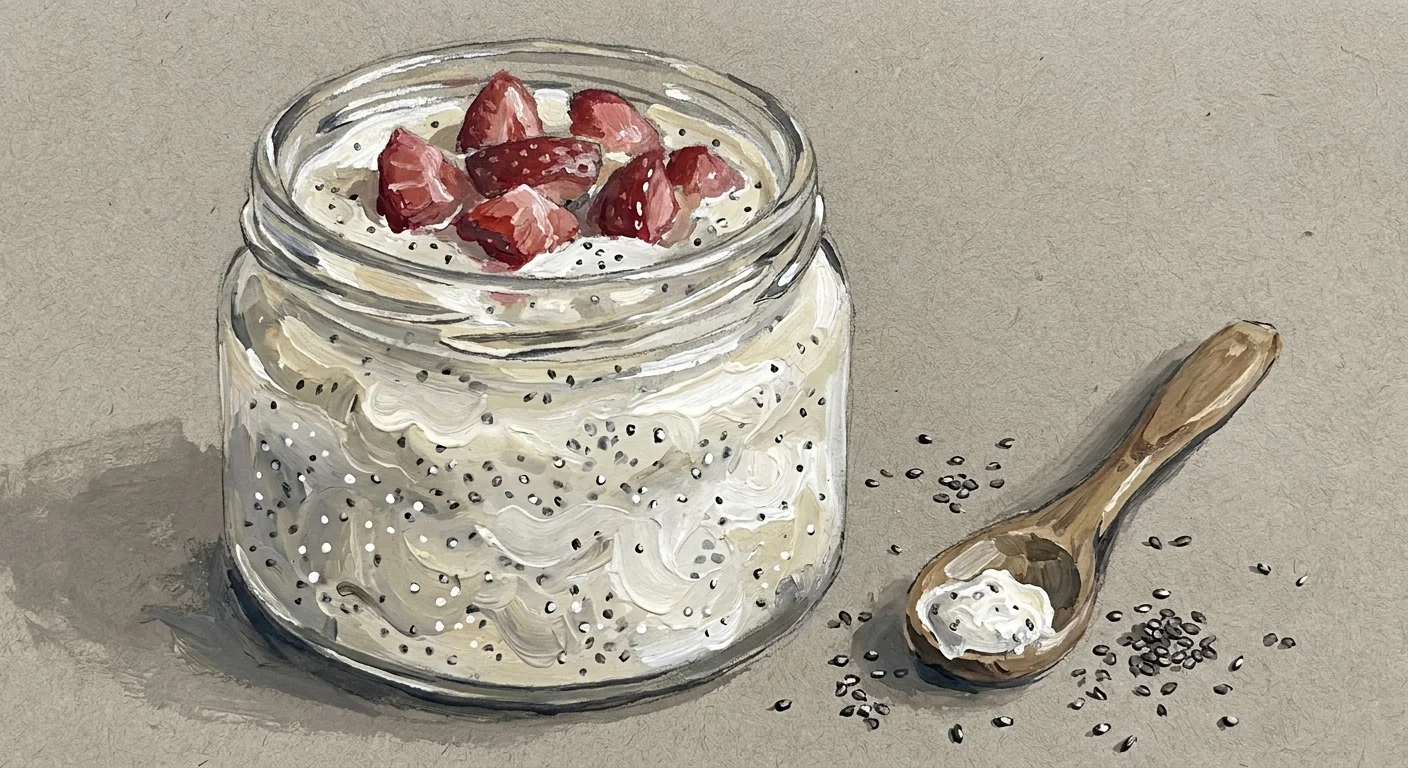
These tiny seeds function as a nutritional powerhouse for appetite regulation and craving control. Chia seeds contain abundant soluble fiber, which absorbs water and expands in your stomach to create a thick gel. This physical expansion slows digestion, keeps you comfortably full for hours, and drastically reduces your desire to snack on sugary treats. Additionally, chia seeds provide plant-based omega-3 fatty acids and protein. Preparing a chia pudding with unsweetened almond milk and vanilla extract gives you a creamy texture that mimics a dessert while delivering profound nutritional benefits. Always allow them to soak fully before eating to maximize their satiating effects.

Greek Yogurt
Plain, unsweetened Greek yogurt operates as a phenomenal tool for combating the urge to eat sugar. The secret lies in its impressive protein density, which significantly surpasses traditional yogurt. Protein requires extensive time and energy to digest, meaning it stays in your digestive tract longer and stimulates the release of appetite-suppressing hormones. These hormones communicate directly with your brain to signal fullness and lasting satiety. Greek yogurt also provides essential probiotics to support a healthy gut microbiome. You can customize your yogurt bowl with a handful of walnuts or a sprinkle of nutmeg to add robust flavor without introducing any refined sugars.

Sweet Potatoes
Sometimes your body craves carbohydrates because it genuinely needs energy, and completely depriving yourself can easily trigger a major sugar binge later in the day. Sweet potatoes provide a highly nutritious, complex carbohydrate source that naturally satisfies your affinity for sweet flavors. Unlike candies or pastries, sweet potatoes deliver abundant dietary fiber, vitamin A, and potassium. The complex structure of their starches ensures your body digests them slowly, feeding your bloodstream with a continuous, gentle supply of glucose. Roasting sweet potato wedges with a drizzle of olive oil creates a deeply satisfying side dish that grounds your meal and prevents post-dinner dessert cravings.
Avocados
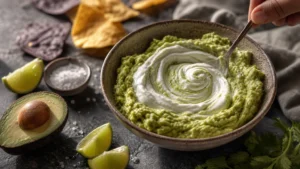
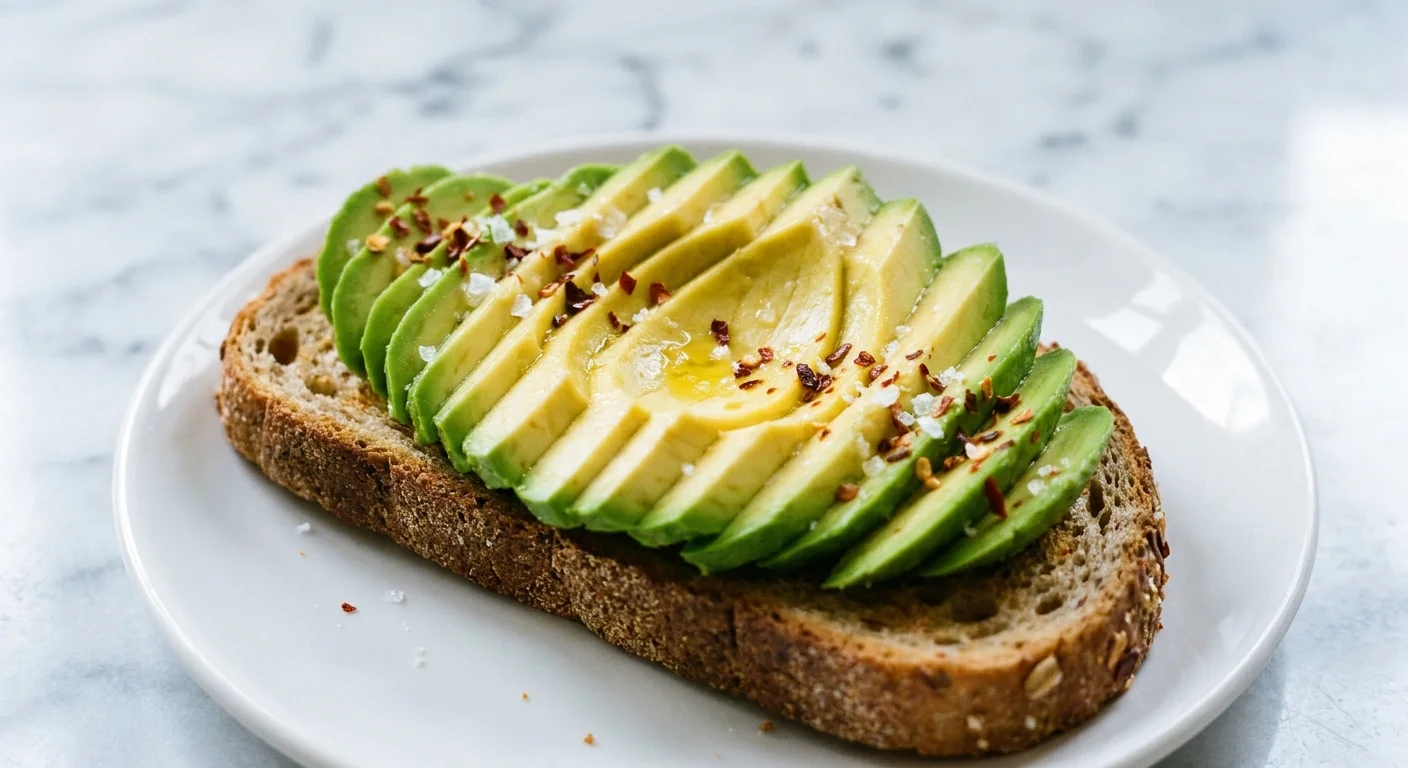
Healthy fats often represent the missing link in a diet plagued by constant sugar cravings, and avocados deliver an absolute abundance of them. Packed with monounsaturated fats and dietary fiber, avocados excel at keeping your blood sugar flat while maximizing your sense of physical fullness. When you include fat in a meal, it actively slows down the overall absorption rate of any accompanying carbohydrates. Adding a quarter of an avocado to your salad transforms a fleeting snack into a highly satiating meal. The rich, creamy mouthfeel of avocados provides a satisfying sensory experience that profoundly reduces the psychological drive to seek out sweet junk foods.

Cinnamon
While technically a spice rather than a standalone food, cinnamon deserves a prominent place in your anti-craving arsenal due to its incredible metabolic effects. Clinical studies demonstrate that active compounds in cinnamon improve cellular insulin sensitivity and help transport glucose from your bloodstream into your cells much more efficiently. This stabilizing effect directly prevents the dramatic blood sugar dips that typically trigger intense cravings. You can easily incorporate this warm, sweet-smelling spice into your daily routine by stirring it into your morning coffee or dusting it over roasted vegetables. Using cinnamon essentially tricks your palate into perceiving sweetness without adding a single gram of actual sugar.

Almonds
Keeping a stash of raw or dry-roasted almonds nearby offers a highly reliable defense mechanism against sudden afternoon sugar cravings. Almonds provide an ideal macronutrient profile for blood sugar management, combining plant-based protein, healthy fats, and dietary fiber into one incredibly convenient package. Furthermore, almonds serve as an excellent source of magnesium; an essential mineral that plays a critical role in cellular glucose metabolism. Eating a small handful of almonds requires significant chewing effort, which forces you to slow down and gives your brain adequate time to register the intake of food. Pair them with fresh fruit to perfectly balance your macronutrients.

Lentils
Legumes like lentils act as true unsung heroes in the ongoing battle against a sweet tooth. Because they are densely packed with protein and complex carbohydrates, lentils maintain a very low glycemic index. They introduce a fascinating concept known as the second meal effect, where consuming slowly digested, high-fiber foods at one meal actually improves your blood sugar tolerance during the subsequent meal. Eating a hearty lentil soup for lunch significantly decreases your likelihood of craving sugary snacks later in the evening. You can use them to bulk up salads or simmer them into rich curries to keep your appetite fully satisfied throughout the day.
Strategy Pillars for Managing Your Sugar Intake
Intentional Meal Planning
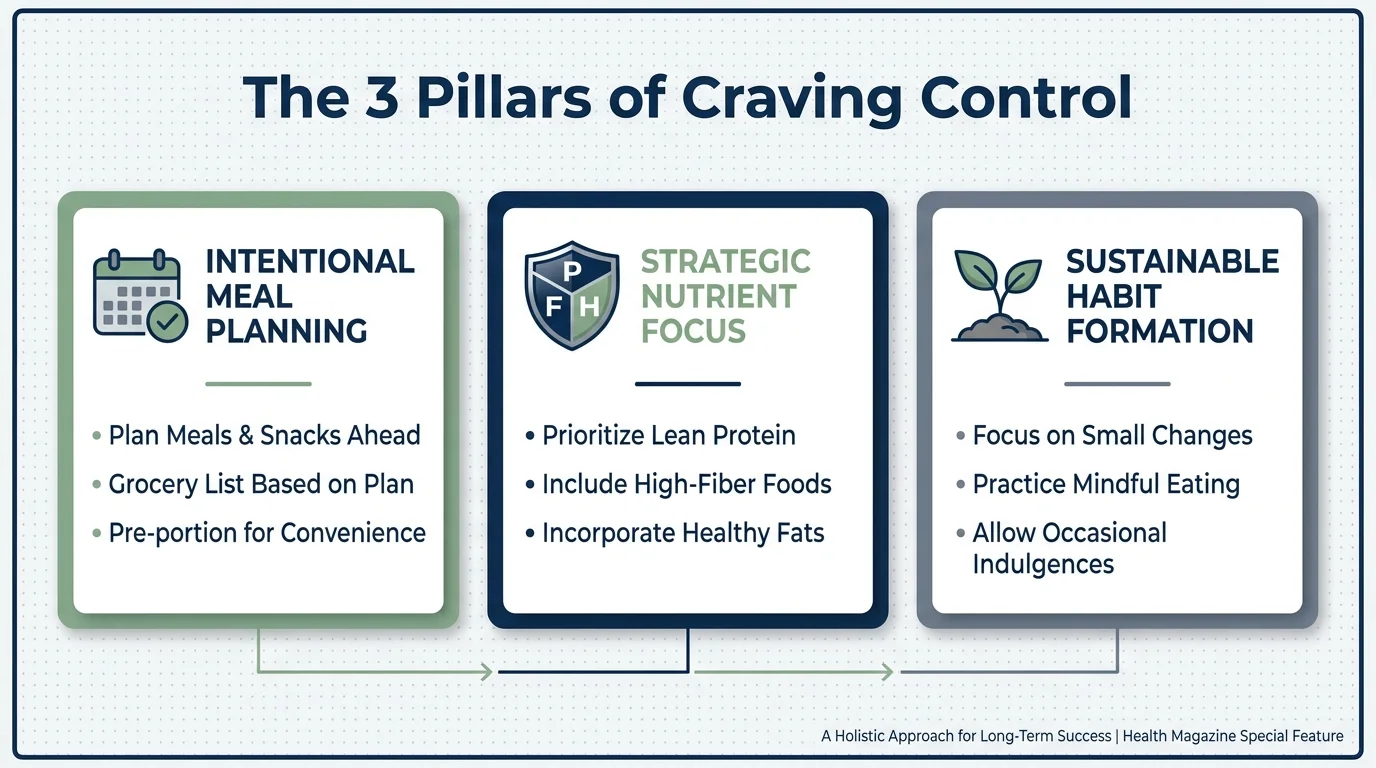
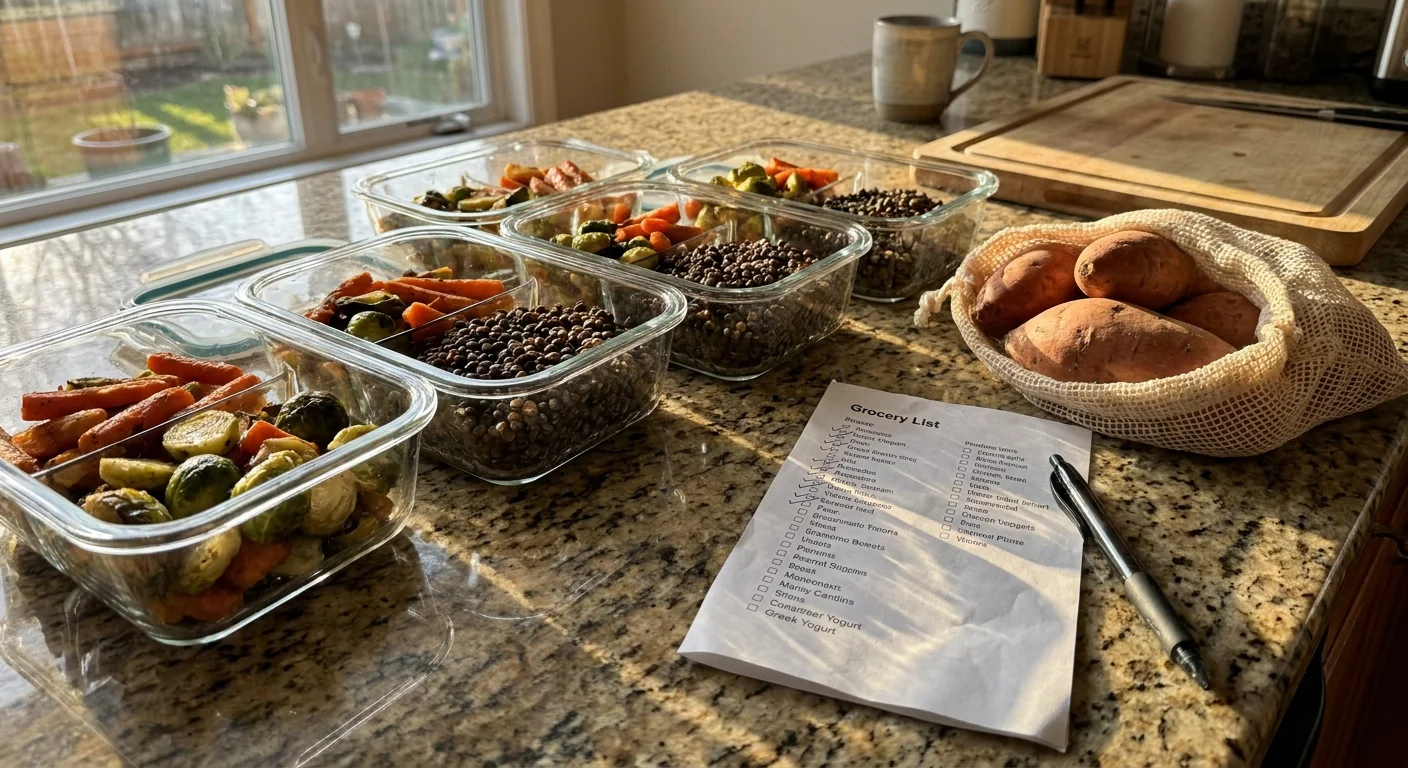
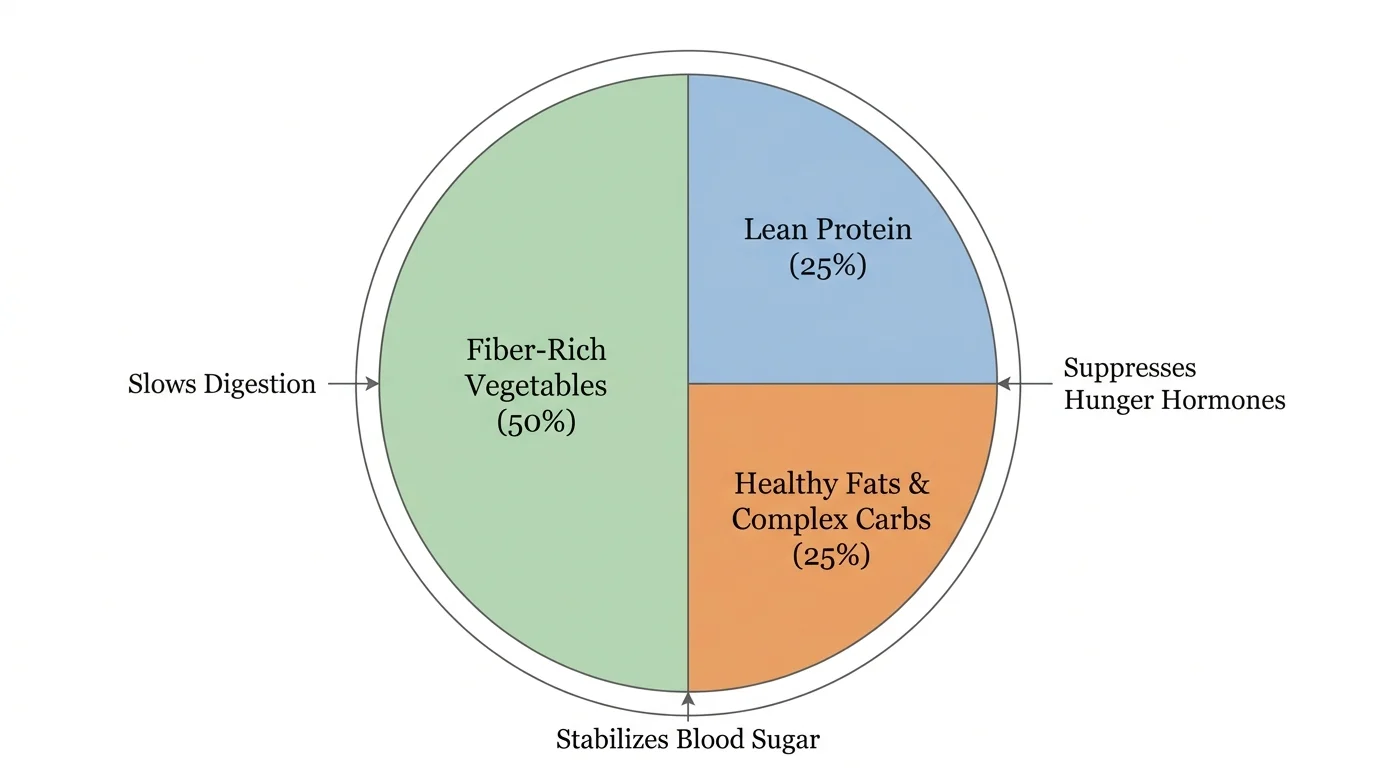
Leaving your nutritional choices to chance when you are already extremely hungry practically guarantees you will fall victim to sudden sugar cravings. Intentional meal planning empowers you to build meals that prioritize satiation and high nutrient density. Structure your main meals around a substantial source of protein, a generous portion of fibrous vegetables, and a serving of healthy fats. Constructing your plate this way creates a balanced physiological environment where blood sugar remains completely stable for hours. Preparing versatile components ahead of time ensures you always have immediate access to supportive foods. You can explore practical guidelines on building balanced meals through the nutrition resources provided by the Centers for Disease Control and Prevention.
Strategic Nutrient Focus
Rather than obsessing over what you must completely cut out of your diet, shift your perspective toward what you genuinely need to add. Focusing on nutrient acquisition naturally displaces sugary foods without triggering negative feelings of restriction or deprivation. Your primary focus should always rest on adequate hydration and dietary fiber. Thirst often masks itself as a sugar craving, so drinking a large glass of water before snacking can entirely eliminate the urge. Review the clinical research regarding dietary fiber to see how a diverse array of plant foods directly nourishes your gut bacteria, which subsequently helps regulate your metabolism and diminishes your baseline desire for processed sweets.

Sustainable Habit Formation
Cravings often exist as deeply ingrained habits triggered by specific environmental cues, specific times of day, or varying emotional states. To sustainably reduce your sugar intake over the long term, you must carefully identify your personal triggers and build alternative behavioral loops. If you consistently crave a sweet treat while watching television immediately after dinner, the trigger involves your environment, not genuine biological hunger. Disrupt this exact pattern by changing your post-dinner routine; try brewing an herbal tea or reading a book in a different room. You should also ensure you prioritize deep restorative sleep, as sleep deprivation significantly disrupts appetite hormones and heavily amplifies your desire for quick, sugary energy.

Expert Insights and Real-Life Success
Clinical dietitians frequently observe that patients who attempt to eliminate sugar entirely through sheer willpower almost always experience a harsh rebound effect, inevitably leading to intense binge eating. The absolute most successful approach involves gentle, persistent crowding out. When you systematically introduce whole foods like avocados, lentils, and berries into your daily rotation, the physical space and biochemical demand for sugar naturally shrinks away. Your body begins to recognize and prefer the feeling of sustained energy over fleeting sugar highs.
Community health programs strongly emphasize that this crowding-out approach beautifully accommodates diverse cultural traditions and economic realities. By focusing on whole, unprocessed foods that perfectly fit your budget and cultural preferences, you build a lifelong, sustainable lifestyle rather than suffering through a temporary, overly restrictive diet plan.
Safety, Contraindications, and Personalization
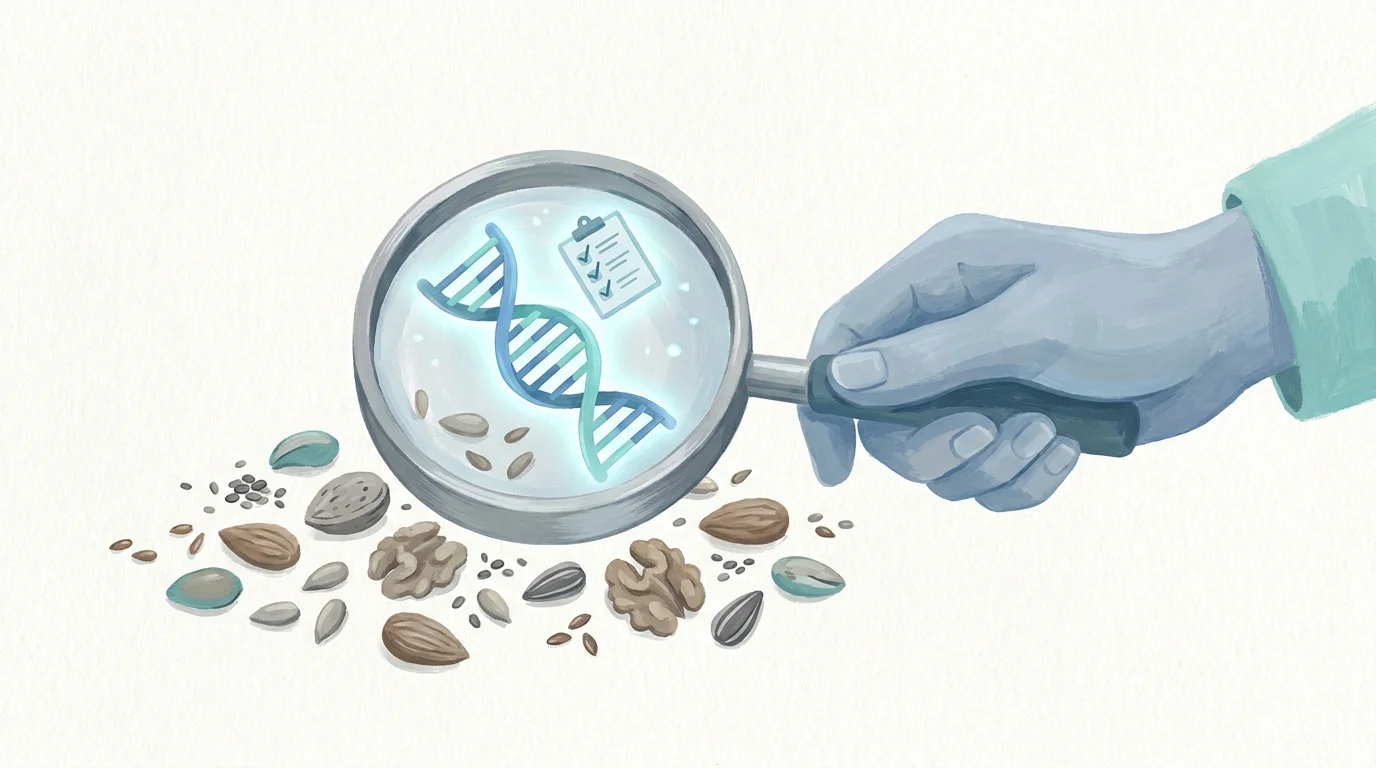
While these specific foods strongly support general metabolic wellness, you must always tailor any nutritional recommendations to fit your unique physiological needs. If you have a known history of calcium oxalate kidney stones, you might need to moderate your regular intake of almonds and certain dark berries. Individuals carefully managing chronic kidney disease should closely monitor high-potassium foods like avocados and sweet potatoes to ensure they remain within safe limits.
Food allergies also powerfully dictate exactly how you should structure your daily diet; if you are allergic to tree nuts, you can easily swap almonds for roasted pumpkin seeds to achieve a similar crunch and healthy fat profile. For completely individualized advice, consult credentialed professionals through the Academy of Nutrition and Dietetics to seamlessly design a crave-busting plan that respects your complete medical history.
Frequently Asked Questions
Why do I crave sugar right after eating a large dinner?
Craving sugar immediately after a full meal typically stems from a long-learned behavioral habit rather than genuine biological hunger. Over the years, you may have unknowingly conditioned your brain to expect a sweet reward as the definitive signal that dinner has finally concluded. Furthermore, if your meal lacked sufficient fat or protein, your blood sugar might crash rapidly, prompting an immediate desire for dessert. Break this specific association by taking a brisk walk or thoroughly brushing your teeth right after eating.
Can I still eat fruit if I am actively trying to cut back on sugar?
Yes, absolutely. The naturally occurring sugars in whole fruits behave entirely differently in your body compared to the highly refined sugars found in sodas and baked goods. Whole fruits contain water, intact cellular structures, and dietary fiber, which all significantly slow down the digestion and absorption of fructose. Consume the fruit in its whole form rather than juicing it, which immediately strips away the protective fiber. Pairing your fruit with a handful of nuts further blunts any potential blood sugar response.
How long does it actually take for intense sugar cravings to go away?
The timeline for successfully breaking sugar cravings varies, but most individuals notice a significant reduction in their physical urges within three to five days of adjusting their diet. During the first forty-eight hours, you might experience mild irritability as your brain chemically adapts to the lack of hyper-palatable dopamine hits. If you consistently consume adequate protein, healthy fats, and fiber during this crucial transition, the physical drive to consume sweets will drastically diminish by the end of the very first week.
Does drinking plenty of water actually help reduce sugar cravings?
Staying thoroughly hydrated serves as an incredibly effective, highly accessible strategy for managing your daily appetite. The human brain frequently struggles to properly differentiate between the subtle signals for mild dehydration and genuine hunger, leading you to seek out food when your body actually just requires fluids. Many sugary snacks appeal heavily to an oral fixation rather than a biological need for calories. Drinking a tall glass of cold water when a craving hits provides immediate physical fullness and allows you to properly evaluate true hunger.
Your Next Steps for a Low-Sugar Lifestyle
Reclaiming absolute control over your daily food choices does not require unachievable perfection, severe dietary restriction, or exhausting bouts of sheer willpower. By fully understanding the physiological drivers of your appetite and strategically incorporating nutrient-dense, high-fiber foods into your regular routine, you organically stabilize your energy and naturally phase out intense cravings. You hold the power to completely reshape your palate and robustly support your metabolic health starting right now. Choose one specific food from this list—perhaps adding chia seeds to your morning routine or swapping an afternoon pastry for almonds—and actively commit to trying it today. Your body will sincerely thank you for the reliable, grounding nourishment.