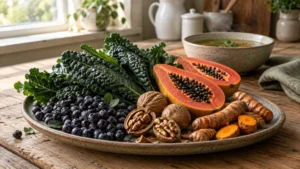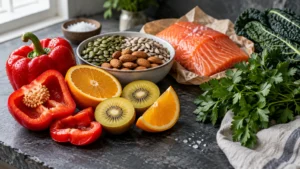
You can unlock sustained, all-day stamina without experiencing the jitters, mid-afternoon crashes, or disrupted sleep patterns associated with excess caffeine. While coffee simply blocks adenosine receptors to mask fatigue temporarily, nutrient-dense whole foods supply the fundamental biochemical substrates your cells require to generate genuine adenosine triphosphate (ATP). By shifting your focus toward strategic combinations of complex carbohydrates, lean proteins, healthy fats, and essential micronutrients, you nourish your metabolism at the cellular level. This evidence-based guide explores nine powerful foods that naturally boost energy, explains the physiology of metabolic fatigue, and offers practical meal solutions you can easily implement into your busy daily routine today.
Cellular Energy vs. Caffeine: How Your Metabolism Generates True Fuel
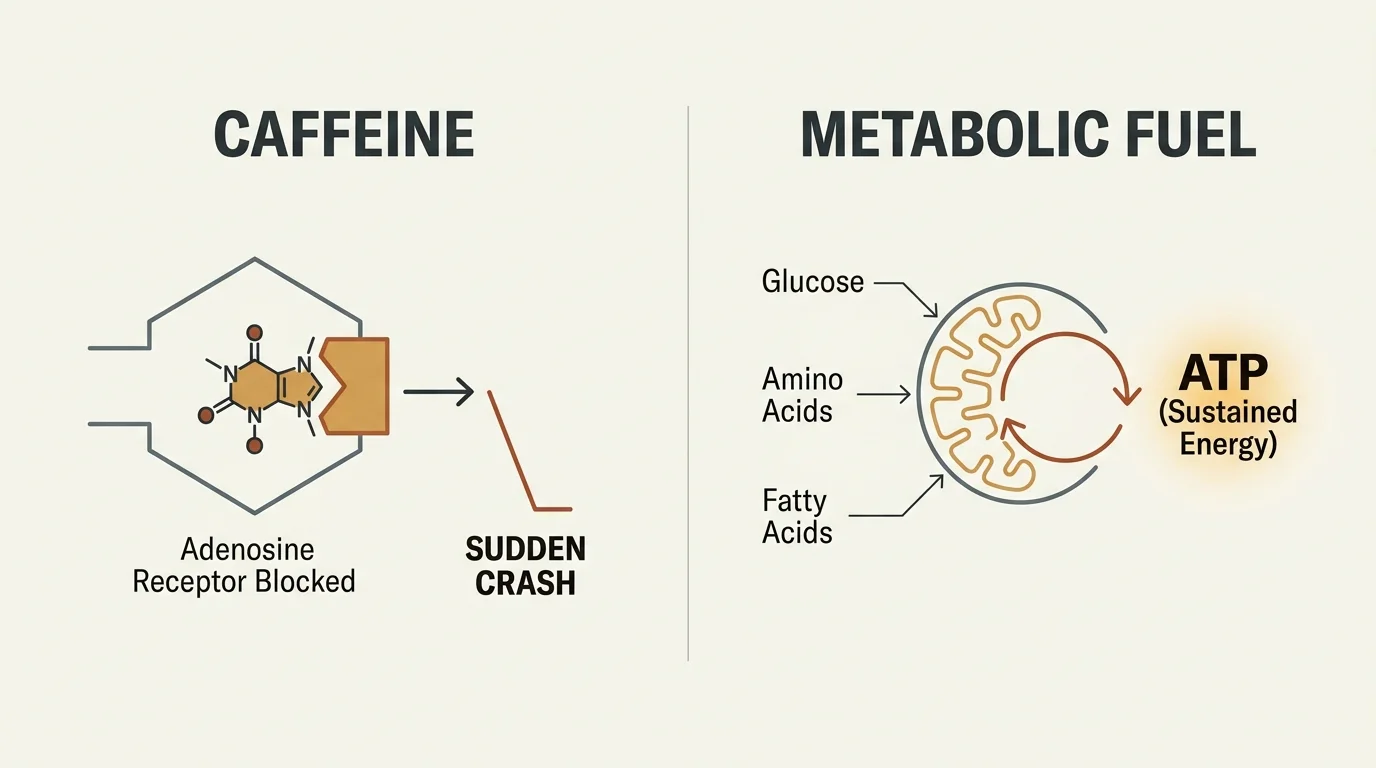
When you drink an energy drink or an espresso, you are not actually providing your body with usable caloric energy. Caffeine functions as a central nervous system stimulant by binding to adenosine receptors in your brain; this prevents adenosine from signaling drowsiness to your nervous system. Once the stimulant clears your system, accumulated adenosine rushes into those receptors, creating the dreaded crash. Real cellular stamina, by contrast, relies on continuous mitochondrial respiration—the biochemical process that converts macronutrients from your diet into ATP.
Your mitochondria require a steady influx of glucose, amino acids, and fatty acids, along with specific micronutrient cofactors such as magnesium, iron, and B-complex vitamins. A sudden spike in refined sugar causes rapid insulin secretion, leading to reactive hypoglycemia and severe lethargy. Peer-reviewed research on cellular energy production confirms that sustaining stable blood glucose through whole food matrices preserves cognitive clarity and muscular endurance throughout the day. Selecting natural energy boosting foods creates a baseline of vitality that does not depend on artificial stimulants.

9 Best Foods to Fight Fatigue and Sustain Daily Vitality
1. Steel-Cut and Rolled Oats
Oats serve as a gold-standard complex carbohydrate because they deliver a slow, metered release of glucose into your bloodstream. They contain high concentrations of beta-glucan, a soluble dietary fiber that forms a viscous gel in your digestive tract. This gel slows carbohydrate absorption, preventing post-prandial blood sugar spikes while feeding beneficial gut microbes that generate energy-regulating short-chain fatty acids. Oats also contain meaningful quantities of thiamine (vitamin B1), phosphorus, and magnesium—essential cofactors for converting glucose into usable muscular and mental fuel.
To maximize your metabolic response, prepare steel-cut or rolled oats rather than instant varieties, which often contain added sugars and digest too quickly. Enhance your bowl with a tablespoon of hemp seeds or crushed walnuts to add healthy fats and protein, further flattening your glycemic curve. If you manage a busy morning schedule, prepare overnight oats soaked in unsweetened almond milk or soy milk for an effortless, ready-to-eat breakfast.
2. Chia Seeds
Despite their diminutive size, chia seeds provide an extraordinary concentration of slow-burning fuel. These ancient seeds boast a unique balance of soluble fiber, plant-based alpha-linolenic acid (ALA) omega-3 fatty acids, and complete plant protein. When exposed to liquid, chia seeds absorb up to twelve times their weight in water, creating a hydrating gel that slows the breakdown of carbohydrates into simple sugars. This hydrophilic property supports optimal cellular hydration, a vital factor since even mild dehydration impairs physical stamina and cognitive focus.
Incorporate chia seeds into your daily routine by stirring two tablespoons into your morning oatmeal, blending them into vegetable smoothies, or crafting a simple chia pudding with unsweetened plant milk and cinnamon. Because chia seeds do not require grinding like flaxseeds to unlock their nutrients, they represent one of the most convenient, budget-friendly foods for energy without caffeine on the modern market.
3. Lentils and Legumes
Lentils, black beans, and chickpeas represent nutritional powerhouses for combating chronic daytime sluggishness. Legumes combine resistant starch with substantial plant-based protein, creating a dual-action mechanism that stabilizes blood sugar for four to six hours following a meal. Furthermore, lentils provide an exceptional source of non-heme iron and folate. Iron sits at the core of hemoglobin, the protein responsible for transporting oxygen from your lungs to working tissues and brain cells; insufficient iron intake directly precipitates physical exhaustion and brain fog.
To optimize your body’s absorption of plant-based iron, pair legumes with foods rich in vitamin C, such as bell peppers, tomatoes, or a squeeze of fresh lemon juice. Simmer red lentils with turmeric and cumin for an aromatic dinner dal, or toss canned chickpeas with extra virgin olive oil and fresh herbs for a quick, fiber-rich lunch salad that prevents afternoon fatigue.
4. Bananas Paired with Almond Butter
Bananas provide easily digestible carbohydrates alongside abundant potassium and vitamin B6. While the natural fructose, glucose, and sucrose deliver rapid glycogen replenishment, the dietary fiber—especially in slightly green bananas rich in resistant starch—tempers glucose absorption. Potassium functions as an essential electrolyte, maintaining intracellular fluid balance, preventing muscle cramps, and supporting normal nerve transmission during physical exertion.
Pairing a banana with a tablespoon of raw almond butter transforms a simple piece of fruit into a sustained energy powerhouse. The monounsaturated fats, dietary fiber, and magnesium in almond butter delay gastric emptying, ensuring that the fruit’s carbohydrates enter your circulation in a slow, steady stream rather than a destabilizing surge. This combination makes an ideal pre-workout snack or a smart 3:00 PM bridge to dinner.
5. Dark Leafy Greens
Spinach, kale, Swiss chard, and collard greens are dense with micronutrients that directly support mitochondrial respiration. These greens deliver plant iron, magnesium, vitamin C, and dietary nitrates. Nitrates convert into nitric oxide within your vascular system, which dilates blood vessels, improves circulation, and enhances the delivery of oxygen and nutrients to active tissues throughout your body. The Centers for Disease Control and Prevention guidance on balanced nutrition emphasizes dark leafy greens as vital staples for maintaining long-term physical wellness and disease prevention.
Because raw greens can feel bulky to consume in high quantities, lightly sauté spinach or kale in olive oil with minced garlic, or blend a generous handful into a morning fruit-and-protein smoothie. Sautéing collapses the vegetable volume, allowing you to ingest a denser concentration of fatigue-fighting micronutrients in a single sitting while improving the bioavailability of fat-soluble vitamins.
6. Wild-Caught Fatty Fish
Cold-water fatty fish such as wild salmon, sardines, and Atlantic mackerel provide an unmatched combination of long-chain omega-3 fatty acids (EPA and DHA) and high-biological-value protein. Omega-3 fats integrate directly into your cellular membranes, improving cellular fluidity, reducing systemic low-grade inflammation, and enhancing brain signaling pathways that regulate alertness and focus. Fatty fish also supplies rich amounts of vitamin B12, a micronutrient essential for red blood cell formation and neurological energy production.
Enjoy grilled wild salmon over a bed of roasted vegetables, or keep canned sardines packed in olive oil in your pantry for an affordable, shelf-stable protein boost. For individuals following vegetarian or vegan dietary patterns, algal oil supplements and walnuts offer viable plant-based alternatives to support continuous cellular health without animal products.
7. Plain Greek Yogurt
Plain Greek yogurt provides nearly double the protein content of traditional yogurt because the straining process removes the liquid whey. This concentrated protein supply is rich in branched-chain amino acids (BCAAs), particularly leucine, which supports muscle protein synthesis and cellular repair. The combination of sustained-release milk proteins (casein and whey) with modest amounts of naturally occurring lactose provides a dependable energy supply without triggering steep glycemic fluctuations.
Greek yogurt also delivers live probiotic cultures that support your gut microbiome. Emerging gastroenterological research demonstrates that a diverse, healthy gut microbiota produces essential vitamins and metabolic messengers that directly modulate central nervous system energy levels. Choose unsweetened, whole-milk or low-fat varieties, and sweeten the bowl naturally with fresh blueberries and a light dusting of ground flaxseed.
8. Quinoa
Unlike most plant grains, quinoa is technically a pseudo-cereal that contains all nine essential amino acids, making it a complete plant protein. Quinoa has a low glycemic index and supplies rich stores of complex carbohydrates, dietary fiber, folate, phosphorus, and magnesium. Magnesium acts as an essential cofactor in more than three hundred enzymatic reactions in the human body, most notably the synthesis of ATP within your cellular mitochondria. A mild magnesium deficiency often manifests as unexplained muscular weakness, mental fatigue, and irritability.
You can prepare quinoa in large batches and store it in your refrigerator for up to five days. Use it as a nutrient-dense base for savory grain bowls topped with roasted vegetables and tahini, or simmer it with cinnamon and unsweetened almond milk as a hot, protein-rich breakfast alternative to traditional porridge.
9. Deep-Pigment Berries
Blueberries, blackberries, and raspberries provide concentrated antioxidant power alongside dietary fiber and natural carbohydrates. Their deep blue, purple, and red hues originate from anthocyanins—potent polyphenol compounds that protect your mitochondria from oxidative stress and improve vascular endothelial function. By protecting cellular infrastructure from free radical damage, anthocyanins help your body maintain peak metabolic efficiency throughout demanding workdays.
Because berries contain less total sugar and more fiber than many tropical fruits, they do not provoke volatile insulin spikes. Keep frozen wild blueberries in your freezer for convenient year-round access; add them directly to warm oatmeal, blend them into protein shakes, or fold them into cottage cheese for a refreshing, revitalizing midday snack.
Three Core Pillars for Sustained Metabolic Stamina
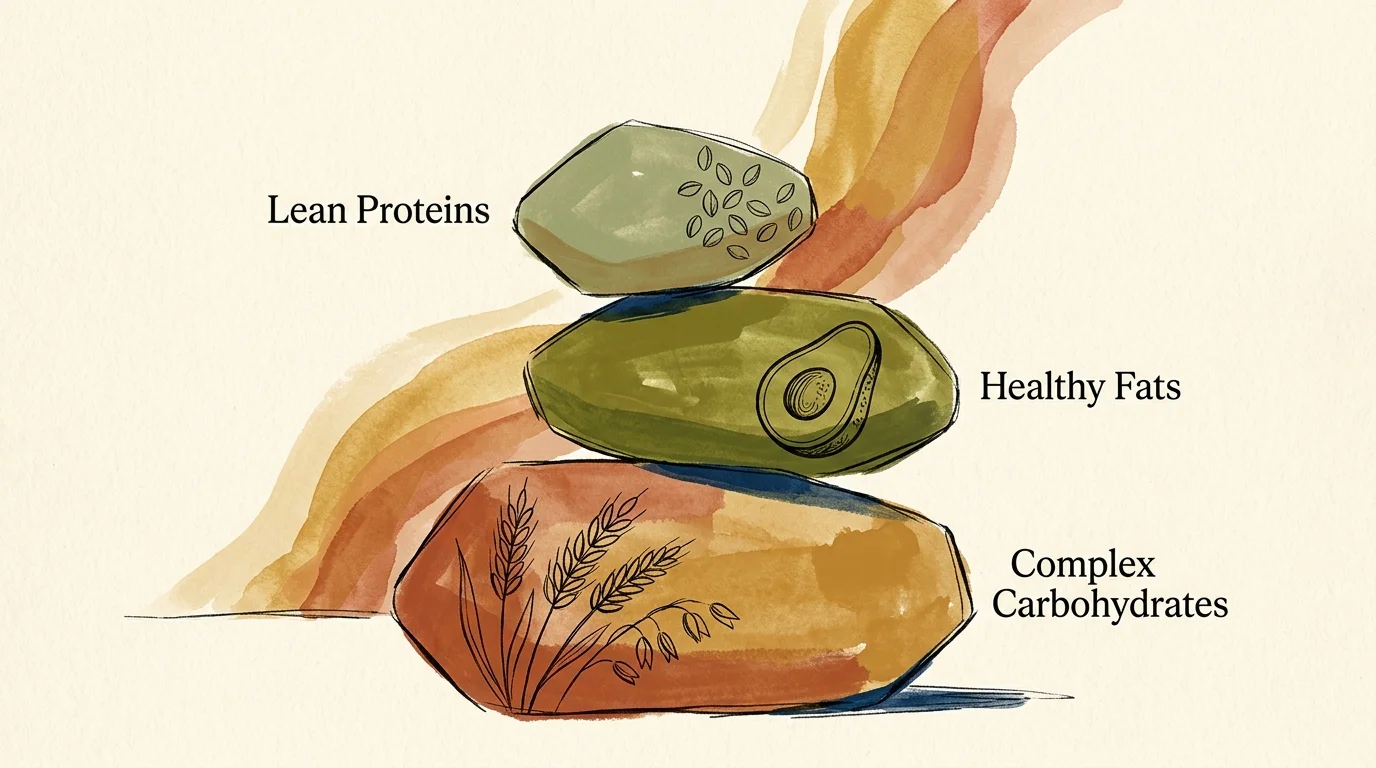
Selecting individual nutrient-dense foods is only half the equation; how you structure and time your intake determines whether your energy remains rock-solid or falters under daily stress. Integrating these three foundational pillars into your daily routine ensures that your dietary choices deliver maximum metabolic returns.
Pillar 1: The Protein-Fiber-Fat Formula. Never consume isolated, naked carbohydrates—such as plain crackers, white bread, or sweet juices. Whenever you consume a carbohydrate source, deliberately pair it with a lean protein and a source of healthy unsaturated fat. This trio delays gastric emptying, moderates insulin secretion, and produces a gentle, extended curve of nutrient delivery to your tissues. For instance, pair an apple with a handful of raw walnuts, or pair whole-grain toast with mashed avocado and a poached egg.
Pillar 2: Cellular Hydration Dynamics. Chronic fatigue frequently stems from inadequate fluid and electrolyte intake rather than a lack of caloric fuel. When your body loses even one to two percent of its optimal water volume, blood volume decreases, forcing your heart to work harder to circulate oxygen and nutrients to your brain and working muscles. Adhere to the Academy of Nutrition and Dietetics fluid recommendations by consuming clean water consistently throughout your waking hours, adjusting for physical activity, climate, and personal sweat rates.
Pillar 3: Circadian Eating Schedules. Your digestive tract and metabolic organs operate on internal circadian clocks that govern insulin sensitivity and gastric enzyme secretion. Consuming large, heavy meals late in the evening impairs nighttime sleep architecture and promotes morning grogginess. Aim to consume your largest, most nutrient-dense meals during your active daylight hours when your insulin sensitivity peaks, allowing your body to transition into restorative cellular repair while you sleep.
Clinical Insights, Safety Checks, and Dietary Personalization
While whole foods represent the safest, most sustainable method for boosting vitality, individual biological differences require personalized adaptations. Rapidly increasing your intake of high-fiber foods such as lentils, oats, and chia seeds can cause temporary gastrointestinal distress, bloating, or gas if your digestive tract is unaccustomed to fiber. Increase your fiber intake gradually over several weeks while simultaneously increasing your daily water consumption to support comfortable digestion.
If you live with specific medical conditions—such as chronic kidney disease requiring potassium or phosphorus monitoring, celiac disease demanding certified gluten-free grains, or irritable bowel syndrome (IBS) sensitive to fermentable oligosaccharides (FODMAPs)—work directly with a registered dietitian to tailor these suggestions to your clinical needs. Furthermore, review guidance from the National Institute of Diabetes and Digestive and Kidney Diseases to understand how underlying gastrointestinal health influences nutrient absorption and systemic vitality. If persistent exhaustion remains unresolved after optimizing your nutrition, consult a physician to evaluate potential clinical causes, such as thyroid dysfunction, anemia, vitamin D deficiency, or sleep apnea.
Frequently Asked Questions About Natural Energy
How quickly will I feel more energized after switching from caffeine to whole foods?
Most individuals notice measurable improvements in their daytime stamina and sleep quality within three to seven days of balancing their meals. If you are tapering off high caffeine consumption, you may experience mild withdrawal symptoms—such as tension headaches or brief grogginess—for the first forty-eight to seventy-two hours. Once your adenosine receptors normalize and your cells adapt to steady glucose from complex carbohydrates, your energy levels will remain consistent throughout the entire day.
Can eating too much fruit cause energy crashes?
Consuming large quantities of high-glycemic fruits (such as watermelon, dried dates, or fruit juices) in isolation can lead to transient blood sugar spikes and subsequent crashes. However, consuming whole, fiber-rich fruits like berries, apples, and slightly green bananas in moderation does not cause erratic blood sugar fluctuations. Pairing whole fruit with a source of protein or healthy fat completely blunts any sharp glycemic rise.
What if I have an allergy to tree nuts or legumes?
You can easily substitute alternative nutrient-dense options without compromising your energy results. If you have a tree nut allergy, swap almond butter for sunflower seed butter or pumpkin seed butter, which offer comparable magnesium and healthy fats. If legumes trigger digestive distress or allergic reactions, rely on quinoa, pumpkin seeds, hemp hearts, wild fatty fish, eggs, and lean poultry to satisfy your protein, iron, and mineral requirements.
Is fatigue always caused by poor diet?
Diet represents a primary pillar of physical vitality, but fatigue is multifactorial. Insufficient restorative sleep, chronic psychological stress, inadequate physical movement, and undiagnosed medical issues (such as hypothyroidism, autoimmune disorders, or iron-deficiency anemia) can all cause profound fatigue. Use a balanced diet as your metabolic baseline, but seek a comprehensive medical evaluation if persistent exhaustion interferes with your daily functioning.
Launch Your Energy Reset Today
You do not need to overhaul your entire lifestyle overnight to feel the energizing benefits of evidence-based nutrition. Sustainable vitality emerges from small, deliberate dietary upgrades that you can maintain consistently over weeks, months, and years. Within the next 24 hours, select just one action from this guide: swap a processed snack for a banana paired with almond butter, add a cup of dark leafy greens to your dinner plate, or replace your mid-afternoon energy drink with a tall glass of water and a bowl of fresh berries with Greek yogurt. Give your cells the unrefined fuel they crave, and experience the remarkable difference that genuine cellular energy brings to your daily life.