
You can regain control of your energy levels and metabolic health by identifying the hidden sugar in food that dominates the typical American diet. Food manufacturers often disguise added sweeteners in savory staples and seemingly healthy snacks, leading you to consume far more than the daily limits without realizing it. Uncovering these hidden sources empowers you to make smarter choices at the grocery store while enjoying satisfying meals. Armed with knowledge about how to read nutrition labels and spot sneaky ingredients, you will easily reduce your sugar intake. Transforming your daily eating habits starts with recognizing where extra sweet calories hide right in plain sight on supermarket shelves.

The Science Behind Sugar in Processed Foods
Americans consume an average of seventeen teaspoons of added sugar daily, far exceeding the American Heart Association strict guideline of six teaspoons for women and nine for men. This massive surplus rarely comes from the sugar bowl on your kitchen counter; instead, it flows from highly processed convenience foods. Chronic overconsumption of added sweeteners drives systemic inflammation. It also dramatically increases your risk for insulin resistance, cardiovascular disease, and non-alcoholic fatty liver disease.
Clinical research published by the National Institutes of Health demonstrates that high-sugar diets physically alter your brain chemistry. Sugar triggers dopamine release, encouraging intense cravings and making sustained dietary changes difficult. When you consume foods loaded with hidden sugars, your blood glucose spikes rapidly and then crashes, leaving you profoundly fatigued, irritable, and hungry for another quick energy source. Understanding this physiological response explains why relying on heavily sweetened convenience items directly sabotages your natural energy regulation and overall metabolic stability.
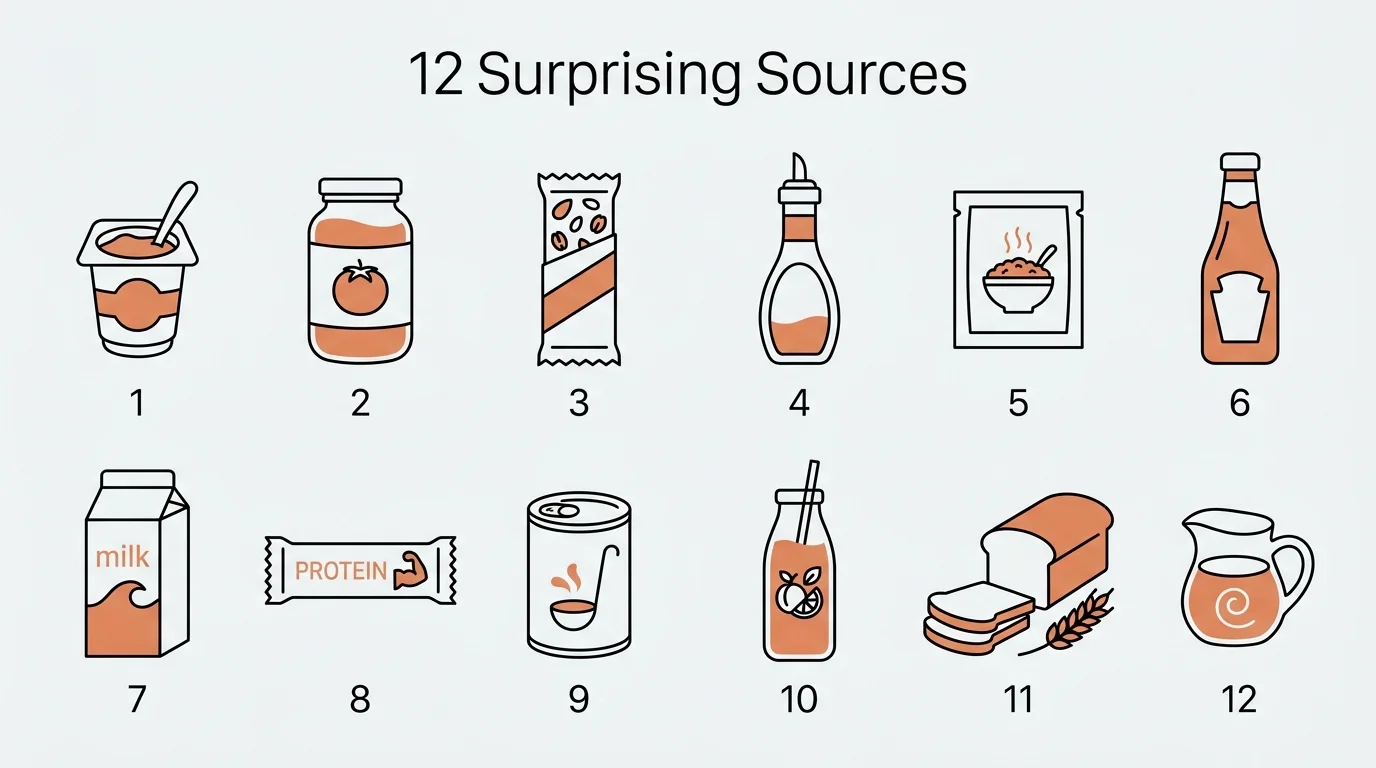
12 Surprising Sources of Hidden Sugar

1. Flavored Yogurt
Many people consider yogurt a quintessential health food, but flavored varieties often pack more sugar than a serving of premium ice cream. Fruit-on-the-bottom styles and popular vanilla blends can contain up to twenty-two grams of added sweeteners per single-serving cup. To enjoy the excellent probiotic benefits without the aggressive glucose spike, you should choose plain Greek yogurt. Stir in fresh berries or a dash of cinnamon for natural sweetness. This simple daily swap saves your metabolic system from a heavy load of refined carbohydrates while delivering double the satiating protein.

2. Store-Bought Spaghetti Sauce
Tomato sauce naturally contains a small amount of sugar from the tomatoes themselves, but food manufacturers frequently dump in high-fructose corn syrup to neutralize acidity and extend the product shelf life. A standard half-cup serving might harbor four to six grams of added sweeteners, and most people pour much more than a half-cup over their pasta. Reading the ingredient list allows you to spot these unnecessary additions quickly. Look for premium brands that rely entirely on olive oil, garlic, and basil for flavor, or simmer crushed canned tomatoes with your own Italian herbs for a budget-friendly, zero-added-sugar alternative.

3. Granola and Cereal Bars
Marketed heavily as the ultimate convenient breakfast, most commercial granolas rely on thick syrups, honey, or agave to bind the oats together and create those satisfying crunchy clusters. A tiny half-cup serving can easily deliver fifteen grams of sugar directly into your bloodstream. Cereal bars suffer from the exact same structural problem, often functioning as glorified candy bars wrapped in wholesome, earth-toned packaging. You can build a much better morning meal by creating your own trail mix with dry-roasted nuts, pumpkin seeds, and unsweetened coconut flakes.

4. Salad Dressings
Pouring a sweet vinaigrette or a low-fat ranch over a bowl of fresh leafy greens can instantly turn a highly nutritious meal into a metabolic sugar bomb. Fat-free dressings represent the absolute worst offenders in this category. Manufacturers systematically replace the removed fat with copious amounts of sugar to maintain mouthfeel and appealing flavor. Bottled raspberry vinaigrettes and French dressings regularly clock in at six to eight grams of sugar per two-tablespoon serving. Whisking extra virgin olive oil, apple cider vinegar, and Dijon mustard yields a rich, deeply flavorful dressing completely free of hidden sweeteners.
5. Instant Oatmeal Packets
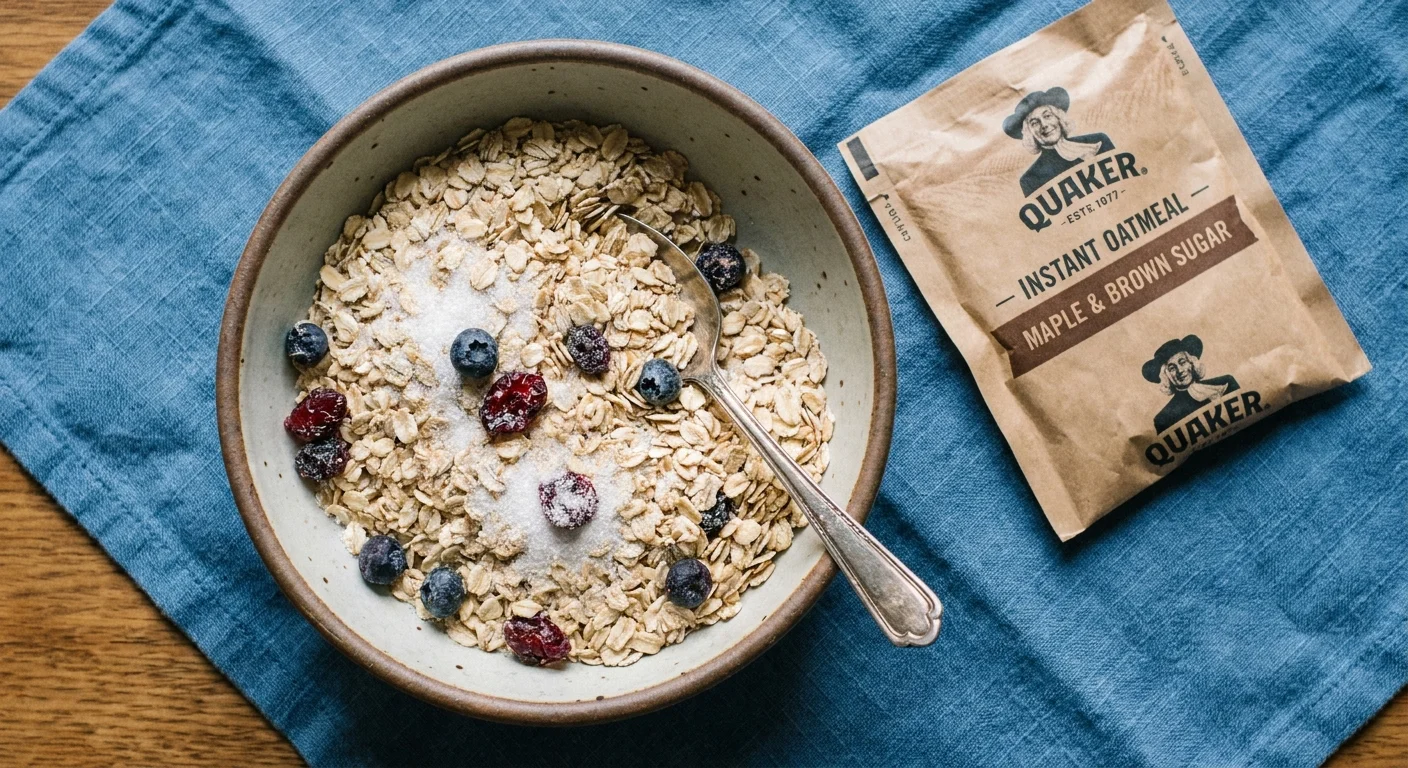
Oats provide fantastic soluble fiber that supports heart health, but the pre-flavored instant packets line the grocery aisles with unnecessary maple, brown sugar, and apple cinnamon syrups. Tearing open just one packet sets you back up to twelve grams of added sugar before you even pour the milk. Buying plain rolled or steel-cut oats allows you to control the exact sweetness level of your breakfast. Try mashing half a ripe banana into your cooking water; it provides wonderful natural fruit sweetness that brings along essential potassium and dietary fiber.

6. Barbecue Sauce and Ketchup
Condiments sneak into your daily diet in seemingly harmless small dollops, yet they contribute significantly to your overall weekly sugar intake. Barbecue sauce owes its thick, sticky texture to molasses and corn syrup, often packing nearly ten grams of sugar into just two tablespoons. Ketchup consistently features sugar as its second or third primary ingredient. Switching to sharp mustard, hot sauce, or specifically formulated reduced-sugar condiment varieties keeps your grilled chicken and burgers incredibly flavorful without overwhelming your bloodstream with liquid sugar.

7. Plant-Based Milks
Almond, oat, and soy milks offer excellent alternatives for dairy-free or vegan diets, but the original and vanilla flavors almost always conceal added cane sugar. An eight-ounce glass of flavored oat milk can hide up to eight grams of added sweeteners. You must always scan the carton specifically for the word unsweetened. Unsweetened plant milks provide the rich, creamy texture you want for your morning smoothies and iced coffee without the unnecessary and fatiguing glycemic load.
8. Protein and Energy Bars
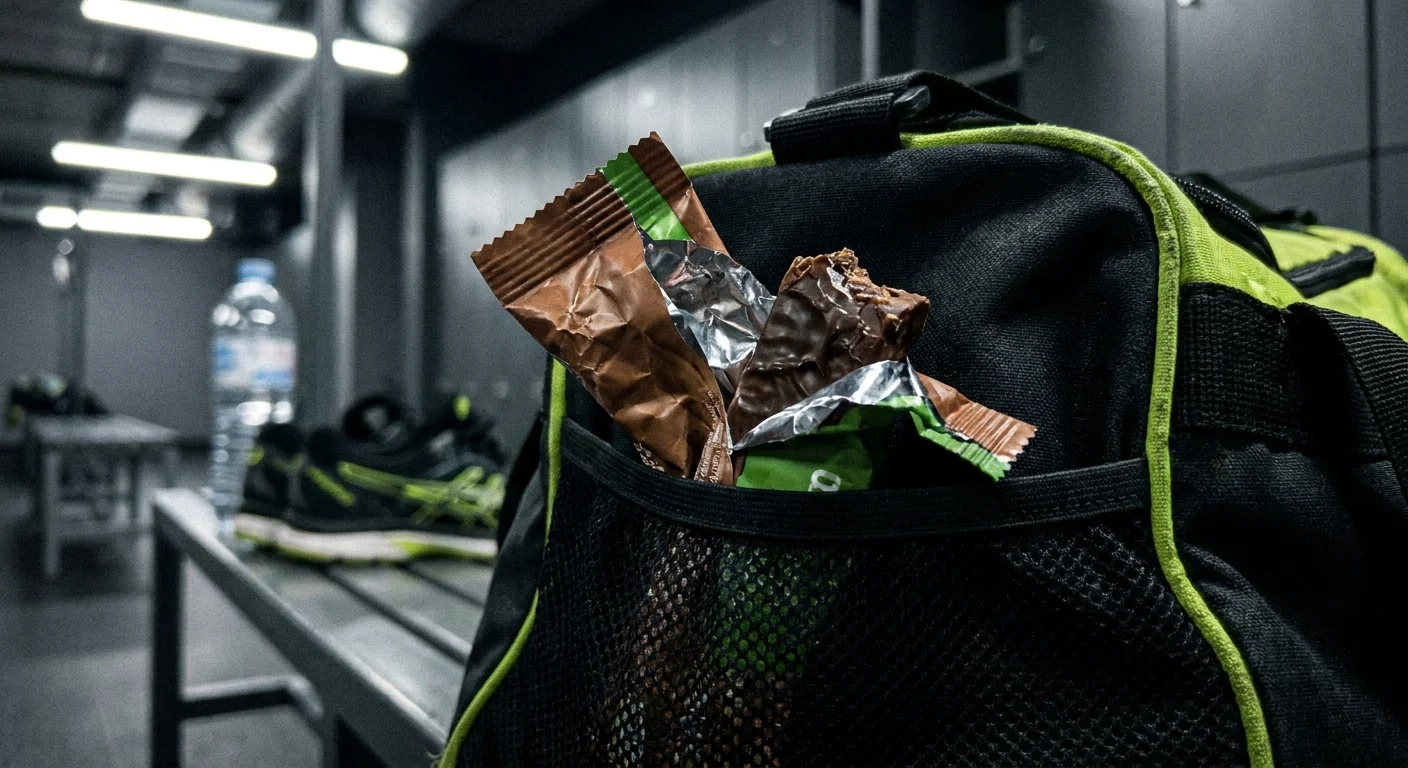
Athletes and busy professionals frequently rely on protein bars to bridge the hunger gap between meals. Unfortunately, to successfully mask the chalky taste of isolated whey or soy proteins, companies inject these bars with brown rice syrup, evaporated cane juice, and artificial sweeteners. Some incredibly popular muscle-building bars contain twenty-five grams of sugar, perfectly rivaling a traditional chocolate candy bar. You should inspect the nutrition label and prioritize options featuring fewer than five grams of added sugar, focusing instead on whole-food ingredients like crushed almonds and egg whites.

9. Canned Soups
You might not expect a savory bowl of tomato bisque or classic chicken noodle soup to taste sweet, but added sugar frequently acts as a cheap flavor enhancer in heavily processed canned goods. Sweeteners balance the intense sodium levels and effectively mask the slightly metallic taste of the aluminum can. Checking the ingredient list for dextrose or maltodextrin helps you avoid these savory sugar traps. Preparing large batches of homemade soup on the weekend and freezing individual portions offers a substantially healthier, deeply nourishing alternative.
10. Bottled Smoothies and Green Juices
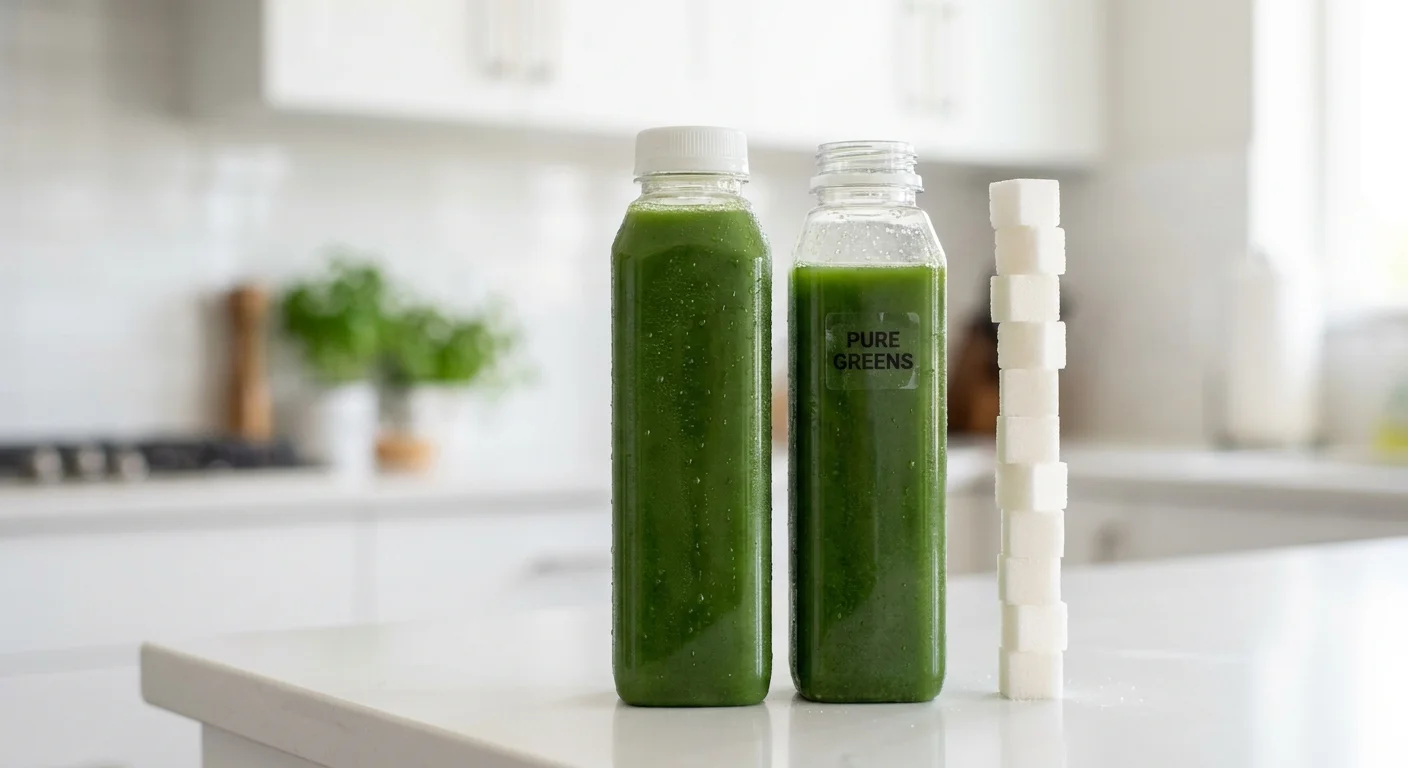
Do not let the vibrant emerald color or the pictures of fresh kale on the label fool you; commercial smoothies frequently blend a microscopic amount of greens with massive quantities of apple or grape juice concentrate. A single plastic bottle can bombard your system with fifty grams of sugar. Stripped entirely of the natural, digestion-slowing fiber found in whole fruit, these juices cause immediate, severe blood sugar fluctuations. Blending your own smoothies at home with handfuls of spinach, clean protein powder, and a sensible portion of frozen berries guarantees a genuinely nutrient-dense beverage.

11. Bread and Wraps
Mass-produced commercial sandwich bread relies heavily on sugar to accelerate the yeast fermentation process and achieve a perfectly soft, golden-brown crust. Even loaves marketed as hearty whole wheat and green spinach wraps often feature honey or high-fructose corn syrup sitting high on the ingredient list. By choosing authentic sprouted grain breads or traditional sourdough from a local bakery, you consume complex carbohydrates that digest much more slowly. True sourdough fermentation actually lowers the glycemic index of the bread, making it an excellent choice for sustained afternoon energy.

12. Non-Dairy Creamers
Starting your day with a heavy splash of hazelnut or French vanilla creamer introduces heavily processed sugars and inflammatory hydrogenated oils directly into your morning routine. A single tablespoon contains around five grams of sugar, and most people pour significantly more than a standard measured serving into their oversized mugs. Transitioning to organic half-and-half or an unsweetened almond milk creamer transforms your daily coffee from a liquid dessert back into a healthy morning ritual. You might add a single drop of pure vanilla extract to your cup for beautiful flavor without the subsequent glucose penalty.

Actionable Strategies for Reducing Hidden Sugars
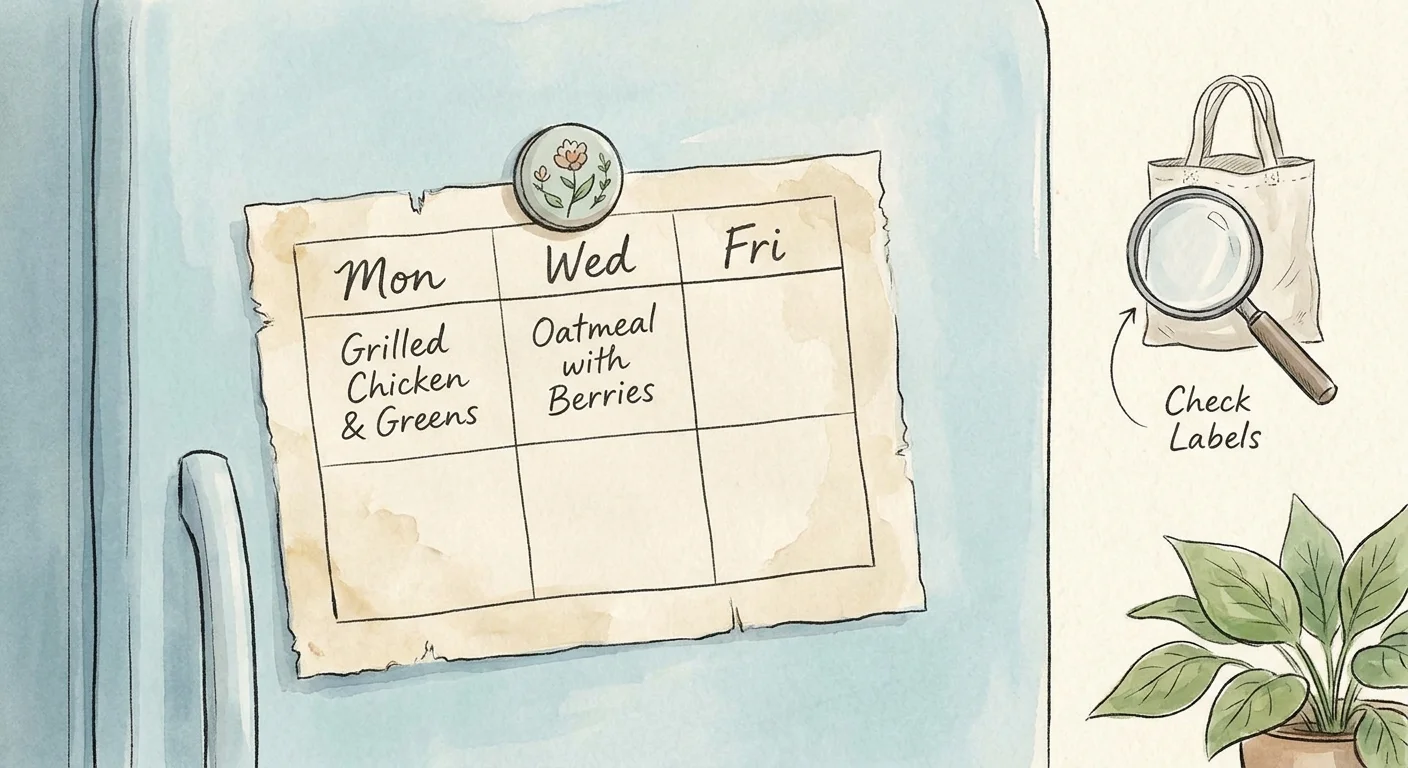
Mastering the Grocery Store Meal Plan
Taking true control of your sugar consumption requires a highly proactive approach to grocery shopping and weekly meal planning. When you arrive at the supermarket equipped with a structured list based entirely on whole foods, you easily bypass the heavily processed interior aisles where high sugar foods reside. Spend the vast majority of your shopping time on the perimeter of the store, carefully selecting fresh produce, lean proteins, and raw nuts. Preparing large batches of versatile staples like quinoa, roasted root vegetables, and grilled chicken on Sunday afternoons ensures you have savory, zero-sugar meal components ready for busy weekdays. This weekend preparation completely eliminates the desperate, late-night reliance on sweet, pre-packaged convenience meals when hunger strikes unexpectedly.
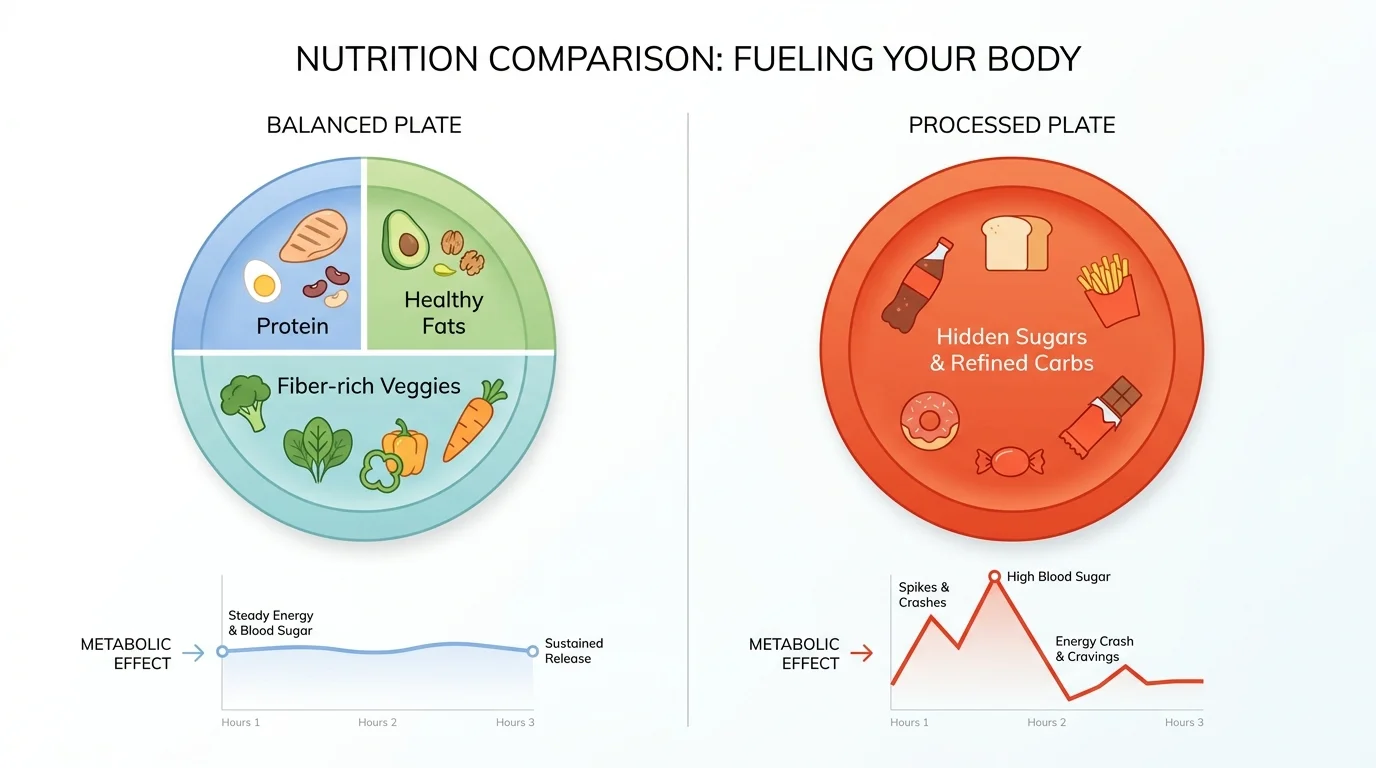
Shifting Your Nutrient Focus
Rather than fixating purely on deprivation and restriction, you should focus your mental energy on adding nutrient-dense foods that naturally stabilize your blood glucose levels. High-quality protein, healthy dietary fats, and complex fiber act as reliable metabolic anchors, significantly slowing the absorption of carbohydrates into your bloodstream. When you build your meals intentionally around wild-caught salmon, sliced avocados, leafy greens, and hearty lentils, you naturally crowd out refined sugars. The Centers for Disease Control and Prevention emphasizes that increasing your dietary fiber improves digestion and promotes lasting satiety. By prioritizing these vital structural nutrients, you will notice a drastic, natural reduction in your afternoon sugar cravings.

Building Sustainable Low-Sugar Habits
Successful habit formation relies entirely on gradual, highly manageable changes rather than chaotic, overnight dietary overhauls. Start your journey by auditing your pantry and meticulously reading the nutrition facts panel on your most frequently consumed items. Look specifically at the line dedicated to added sugars rather than total sugars, as this important distinction separates natural fruit sugars from manufactured, inflammatory syrups. Swap out just one sugary item per week; perhaps you successfully transition from flavored yogurt to plain yogurt this week, and tackle your salad dressing problem next week. This incremental pacing allows your taste buds the necessary time to recalibrate. Over a few short weeks, you will discover that highly processed foods you once thoroughly enjoyed now taste overwhelmingly sweet, signaling a highly successful shift in your natural palate.

Insights from the Field: Clinical and Community Perspectives
Registered dietitians and endocrinologists consistently observe the transformative power of reducing the hidden sugar in food. Clinical practitioners emphasize that patients who actively swap sugary condiments and processed breakfast cereals for whole-food alternatives frequently report sharper mental focus, stabilized moods, and vastly better sleep quality within just two weeks. According to evidence-based resources from the Academy of Nutrition and Dietetics, patients who invest the time to learn how to decode ingredient lists maintain healthier body weights over the long term and experience far fewer symptoms of chronic joint inflammation.
Community members actively navigating this dietary transition strongly echo these clinical findings. Busy parents find that swapping high-sugar after-school snacks for crisp whole fruits and protein-rich alternatives dramatically improves their children’s behavioral stability and focus throughout the evening. Budget-conscious shoppers frequently note that moving away from expensive, processed granola bars and flavored milks toward bulk rolled oats and unsweetened pantry staples actually reduces their weekly grocery bills. These tangible, real-world experiences conclusively prove that escaping the American diet sugar trap offers incredible, lasting benefits for your physical health, your family dynamics, and your household finances.
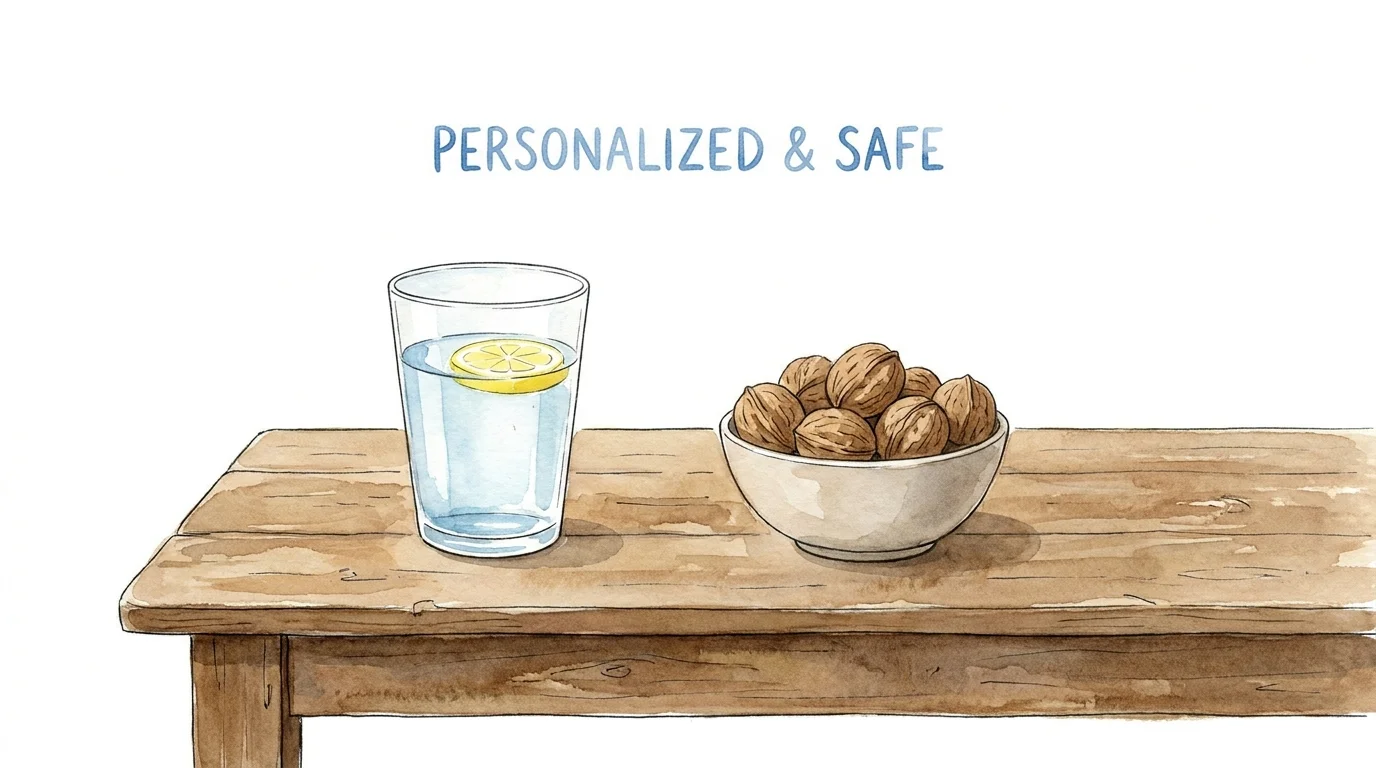
Safety Considerations and Personalized Nutrition
While drastically reducing added sugar benefits almost everyone, you must absolutely tailor these dietary shifts to your unique physiological needs and personal medical history. Individuals actively managing diabetes or relying daily on insulin therapy should monitor their blood glucose levels closely when altering their carbohydrate intake. Medication dosages may require careful adjustment by a medical professional to prevent dangerous episodes of hypoglycemia. Always consult your primary care physician or a licensed registered dietitian before making drastic changes to your macronutrient balance, particularly if you have a documented history of eating disorders or complex metabolic conditions.
Furthermore, true, sustainable health accommodates dietary flexibility, cherished cultural traditions, and practical food accessibility. If certain traditional recipes in your family inherently require sweet elements, you can easily honor those beautiful practices while still effectively managing your overall daily intake. The ultimate goal involves aggressively reducing the stealthy, completely unintentional sugars sneaking into your savory Tuesday night dinners, not demonizing the joyful, mindful consumption of a birthday cake or a culturally significant holiday dish. You can deeply respect your physical body and your rich heritage simultaneously.
Frequently Asked Questions About Hidden Sugar
Why do food companies put sugar in savory foods?
Manufacturers use refined sugar as a highly effective, incredibly low-cost flavor enhancer and chemical preservative. Sweetness perfectly balances out the sharp acidity in canned tomatoes, expertly masks the blandness of stripped refined grains, and significantly extends the shelf life of boxed packaged goods. Crucially, added sugar triggers powerful reward centers in your brain, subtly encouraging you to buy that specific, hyper-palatable brand of pasta sauce or sandwich bread again and again.
What are the other names for sugar on an ingredient list?
The U.S. Food and Drug Administration requires manufacturers to list ingredients, but food labels can still legally disguise sweeteners under dozens of different, complex names. You should actively watch out for chemical ingredients ending in “ose” like dextrose, fructose, maltose, and sucrose. Other common industry pseudonyms include high-fructose corn syrup, barley malt, organic agave nectar, brown rice syrup, and fruit juice concentrate. If any of these specific terms appear within the first three ingredients, the product undeniably contains a massive amount of sugar.
Are natural sweeteners like honey and maple syrup better for me?
While raw honey and pure maple syrup contain trace amounts of beneficial antioxidants and minerals completely absent in bleached, refined white sugar, your physiological system processes them almost identically. They still rapidly spike your blood glucose levels and actively contribute to your recommended daily added sugar limit. You can absolutely use them sparingly for robust flavor in cooking, but you should not treat them as consequence-free health foods.
How long does it take to stop craving high sugar foods?
Most clinical dietary observations suggest that intense, distracting sugar cravings peak during the first three to five days of reduction and significantly subside after a full two weeks. As your delicate gut microbiome physically adapts and your taste buds completely recalibrate, your bodily dependence rapidly diminishes. Staying highly hydrated and eating adequate lean protein during this critical transition phase heavily mitigates temporary withdrawal symptoms like mild tension headaches or afternoon fatigue.
Take Control of Your Nutrition Today
Reclaiming your metabolic health from the saturated sweetness of the modern food environment requires active awareness, but the resulting physical vitality makes the consistent effort entirely worthwhile. You possess the immense power to read nutrition labels critically, directly challenge deceptive marketing claims, and select nourishing whole foods that deeply support your physical and mental well-being. Focus entirely on steady progress rather than flawless perfection, knowing confidently that every small dietary swap accumulates into massive, long-term benefits for your metabolic health.
Within the next twenty-four hours, challenge yourself to inspect the nutrition label of just one staple item currently sitting in your pantry or refrigerator. Identify the precise added sugar content, and if the number seems excessively high, commit to thoroughly researching a low-sugar alternative or a simple homemade substitution for your very next grocery trip. Your personal journey toward lasting, vibrant health begins right now with this single, wonderfully empowering choice.