You no longer have to guess which drinks genuinely support your heart, blood sugar, and overall wellness. The Food and Drug Administration recently designated three everyday beverages that automatically qualify for its official healthy claim.
Under updated federal guidelines, these drinks bypass the complicated nutrient math that applies to ordinary packaged foods. They deliver clear, restorative hydration without sneaking in hidden sugars, excess sodium, or unwanted saturated fat.
Knowing how to choose and prepare these staple drinks helps you protect your arteries, bones, and sleep. You can easily tailor each sip to fit your daily health goals and medication routines.
Why did the FDA update the healthy label for your daily beverages?
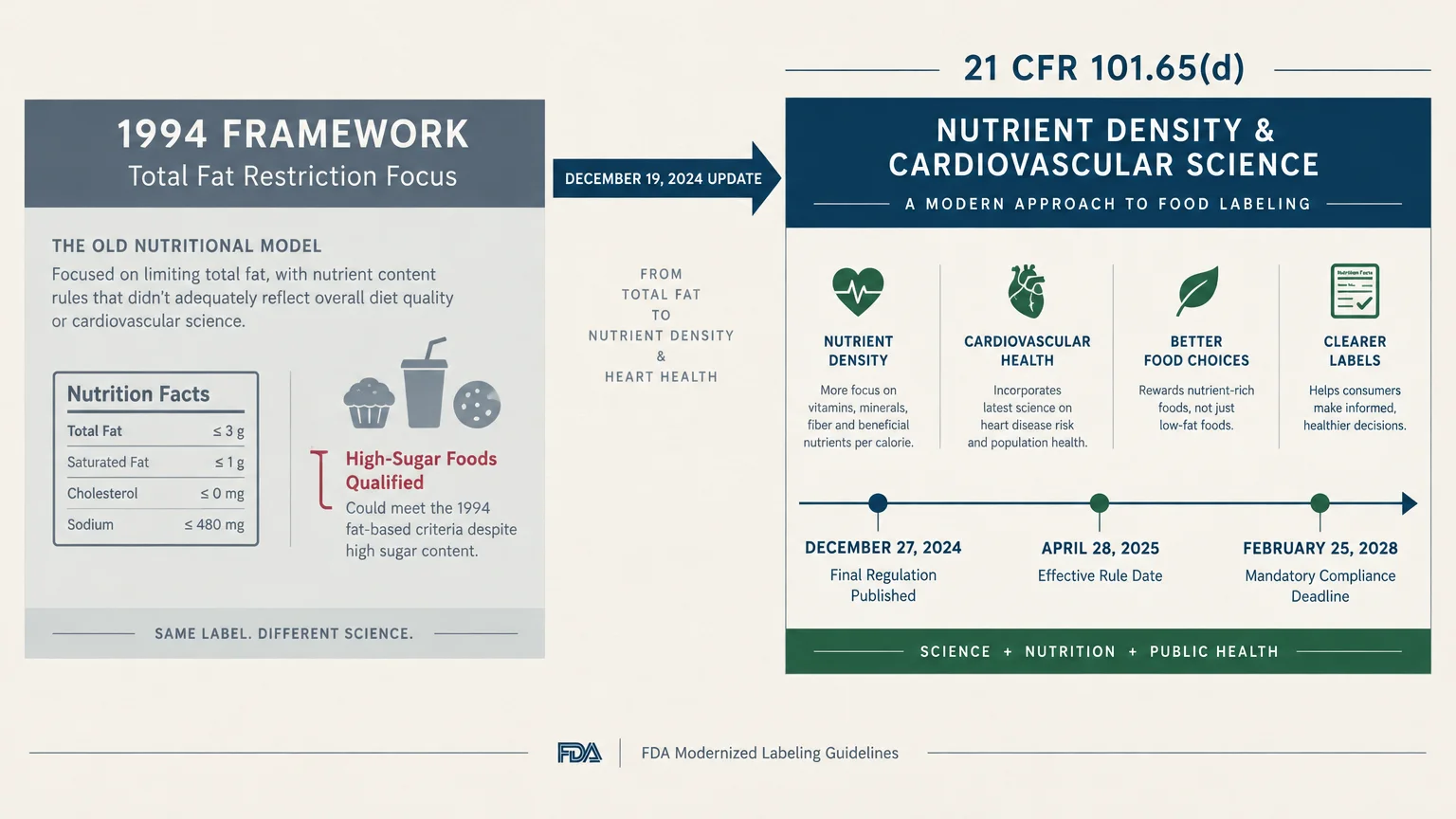
The Food and Drug Administration established its original guidelines for packaging claims in 1994. That decades-old framework focused almost entirely on limiting total fat, which inadvertently allowed high-sugar items to appear wholesome.
Federal officials modernized these standards to reflect current cardiovascular and metabolic science. The agency announced its updated rule on December 19, 2024, to prioritize nutrient density over obsolete low-fat dietary trends.
The agency published the final regulation in the Federal Register on December 27, 2024. This comprehensive update established strict criteria under 21 CFR 101.65(d) to protect shoppers from deceptive wellness marketing.
Following a standard sixty-day regulatory freeze, the rule takes effect on April 28, 2025. Commercial manufacturers have until the final compliance date of February 25, 2028, to update their product packaging.
Qualifying brands do not need to wait for that mandatory deadline. Beverage companies can print the verified claim on qualifying containers immediately to guide your shopping decisions.
Which three drinks automatically qualify under the new FDA rule?
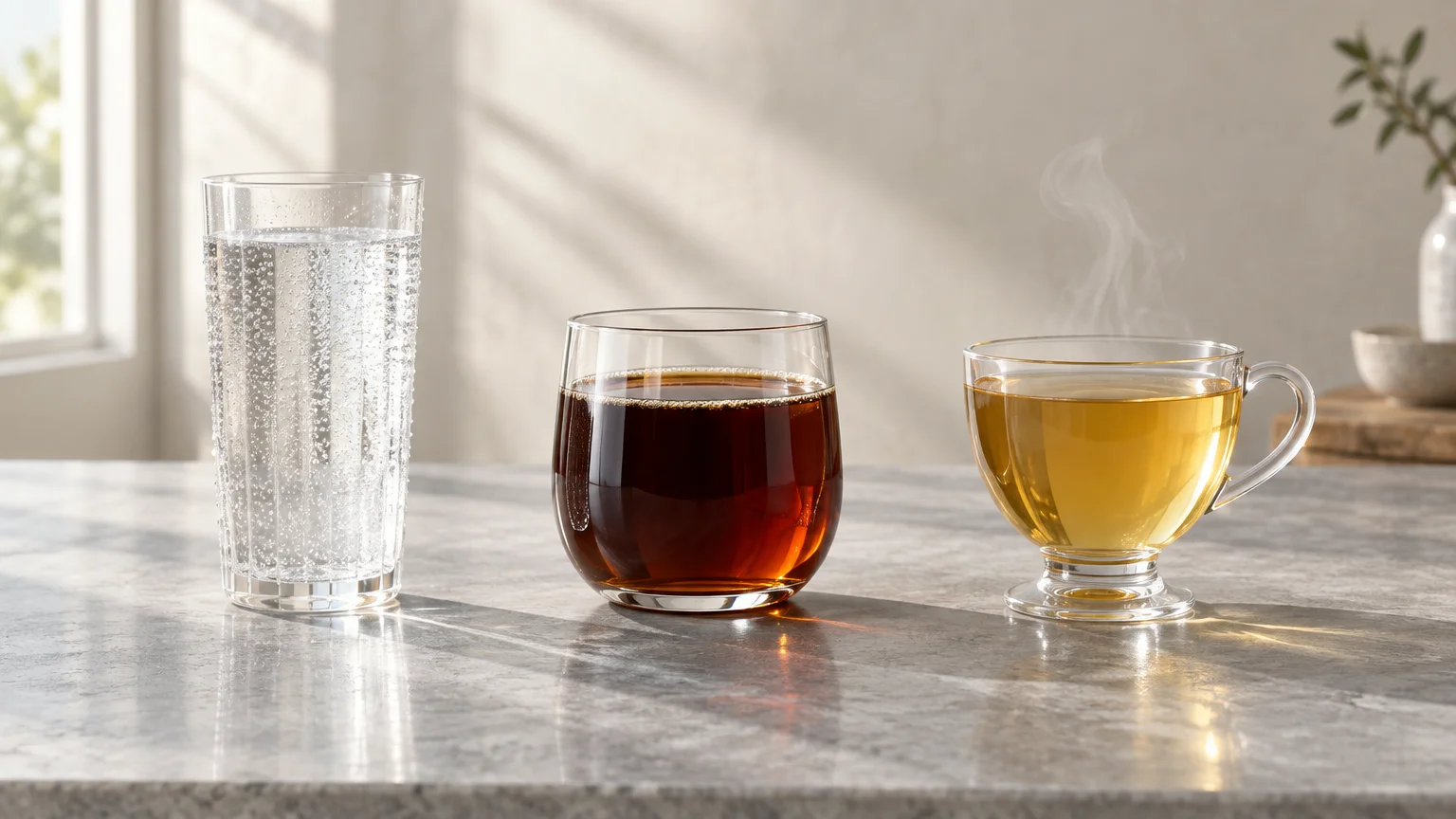
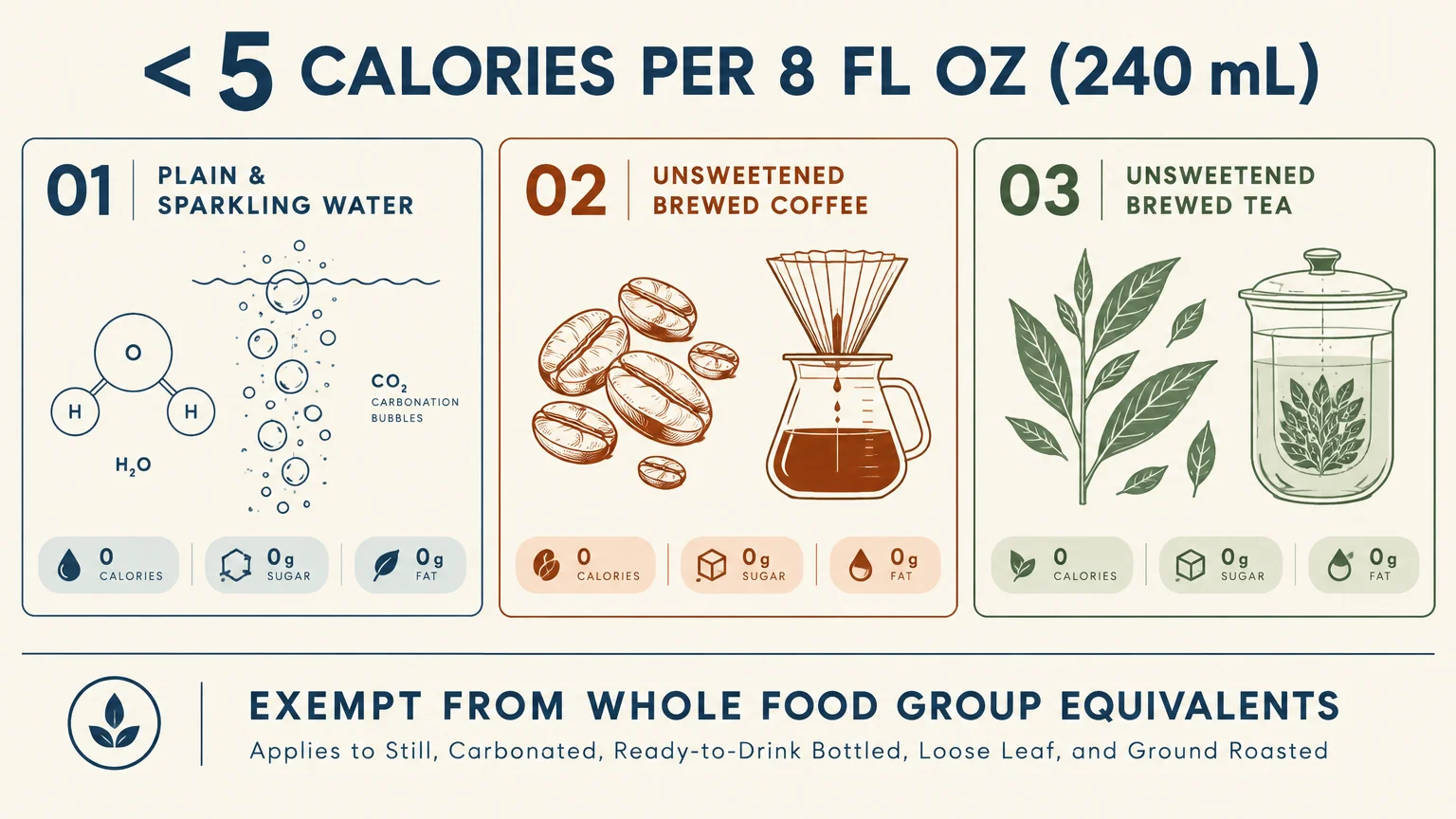
The updated federal regulation awards automatic qualification to plain water, unsweetened brewed coffee, and unsweetened tea. These three staples represent the gold standard of pure, functional hydration.
Most packaged foods must provide substantial Food Group Equivalents from whole foods like vegetables or dairy. Regulators exempted water, coffee, and tea from those baseline food group quotas entirely.
To qualify, a product must contain less than 5 calories per Reference Amount Customarily Consumed. For standard packaged beverages, that reference amount equals 8 fluid ounces, or 240 milliliters.
The beverage must also deliver less than 5 calories per labeled serving size. This strict ceiling ensures that commercial brands cannot hide significant calories behind confusing multi-serving container labels.
The exemption applies to both still and carbonated versions of these three beverages. It also covers ready-to-drink bottled teas, loose dried leaves, tea bags, and ground roasted coffee beans.
Manufacturers can include non-caloric flavorings, non-nutritive sweeteners, essential minerals, or vitamins. As long as the finished drink stays below the 5-calorie limit, it qualifies automatically.

How does plain and sparkling water support your daily health?
Water serves as the primary fluid that sustains every cellular process across your body. It cushions your joints, stabilizes your core temperature, and carries vital micronutrients into working muscular tissue.
Adequate water intake also maintains proper blood plasma volume, which directly influences your daily blood pressure. When fluid levels drop, your heart works harder to circulate blood through your vascular system.
Drinking enough water supports smooth gastrointestinal transit and softens digestive waste. This simple habit prevents common functional constipation without requiring daily laxatives or specialty pharmaceutical treatments.
Water also protects your kidneys by continually flushing cellular metabolic waste and environmental toxins. Proper fluid flow dilutes urinary minerals, substantially lowering your risk of painful kidney stone formation.
How much water do you need as your natural thirst signals change?
Your biological thirst perception gradually diminishes as the specialized fluid receptors in your brain age. You can easily become mildly dehydrated long before your dry mouth triggers a conscious desire to drink.
Aging kidneys also conserve water less efficiently than they did during earlier decades. This reduced concentrating ability means you lose water continuously, even on quiet, low-activity days at home.
The National Institute on Aging advises pacing fluid intake evenly throughout your active morning and afternoon hours. You should aim for eight to ten standard measuring cups of fluid each day.
Checking your urine color offers the fastest, most reliable assessment of your hydration status. Pale, straw-colored urine confirms optimal hydration, whereas dark, concentrated amber urine signals an immediate need for fluids.
Drinking a full 8-ounce glass of water upon waking quickly restores fluids lost overnight. Keeping a filled water tumbler within reach creates a visual cue that encourages steady daytime sipping.
Can carbonated water affect your digestion or your bone mineral density?
Many consumers worry that drinking bubbly water weakens their skeletal framework over time. Clinical research demonstrates that carbonated water does not dissolve bone minerals or accelerate calcium loss.
Past concerns originated from dark colas, which contain high amounts of phosphoric acid. Unflavored seltzer and sparkling spring waters use simple carbon dioxide gas, which poses zero risk to bone density.
Carbonation can, however, alter gastrointestinal comfort if you manage a sensitive digestive tract. The trapped carbon dioxide bubbles expand in your stomach, occasionally triggering transient abdominal bloating or flatulence.
The gas can also temporarily relax the lower esophageal sphincter muscle. If you manage chronic acid reflux, you should avoid drinking sparkling beverages with large, heavy meals.
Choosing still water instead of carbonated water during dinner keeps gastric acid safely inside your stomach. You can reserve effervescent waters for refreshing, standalone hydration between your primary meals.
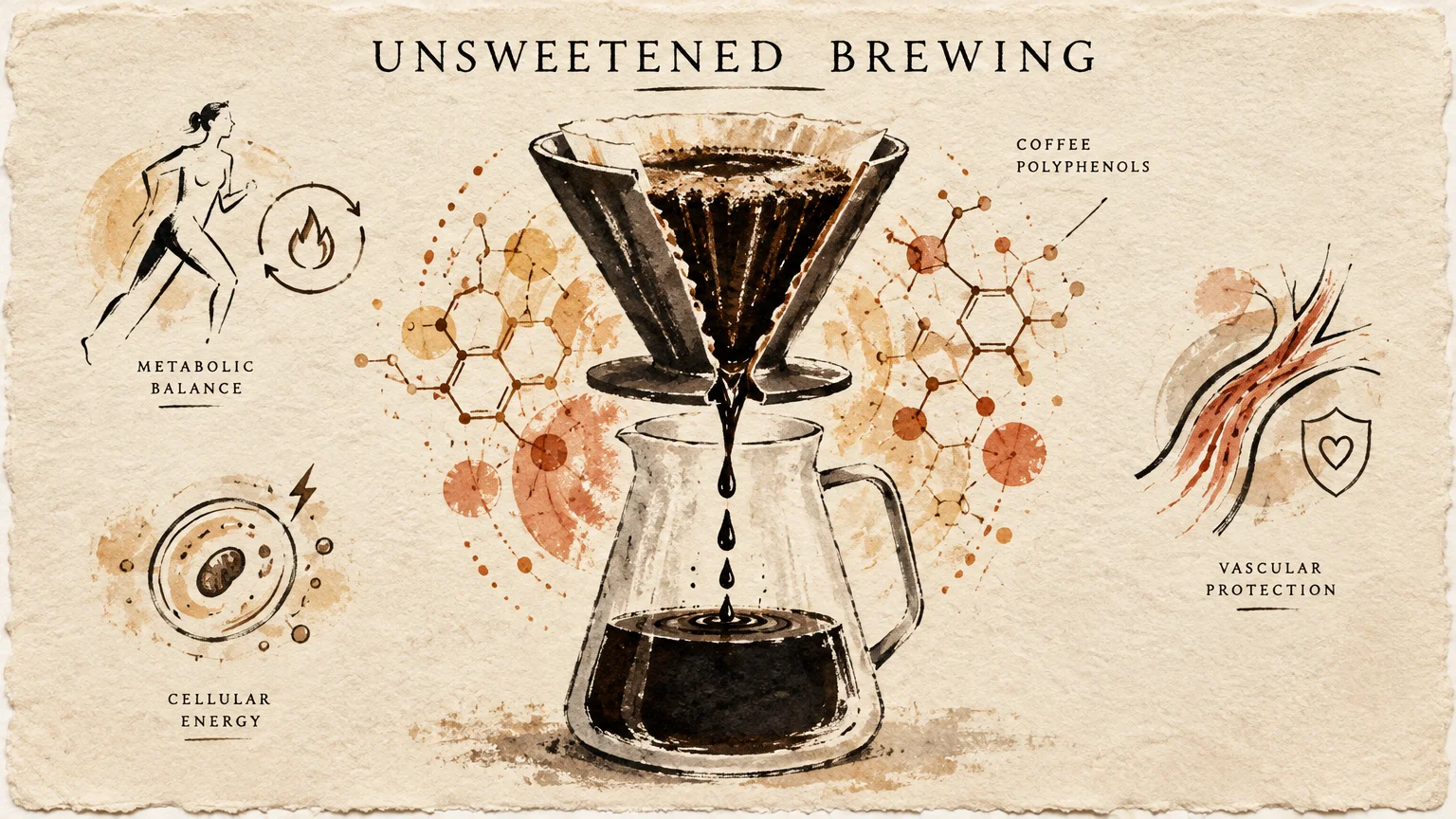
What makes unsweetened coffee an automatically healthy choice?
Black coffee provides far more than a familiar mental wake-up call each morning. It represents a concentrated source of dietary antioxidants, delivering potent chlorogenic acids directly to your digestive system.
These bioavailable plant compounds actively neutralize cellular oxidative stress across your vital organs. They also help improve peripheral insulin sensitivity by modulating glucose absorption in your digestive tract.
Regular coffee consumption supports long-term liver health by reducing cellular inflammation and hepatic fat accumulation. It also promotes healthy vascular endothelial function when enjoyed without added sugars or hydrogenated fats.
Because black coffee naturally contains virtually zero calories, it easily meets the federal 5-calorie threshold. It delivers exceptional protective plant power without disrupting your metabolic or glucose management plans.
How does coffee consumption interact with your blood pressure and heart rate?
Caffeine temporarily stimulates your central nervous system and prompts a brief release of adrenal hormones. This natural biochemical reaction can cause an acute, transient rise in your systolic blood pressure.
This temporary elevation usually peaks within an hour and subsides as your body metabolizes the stimulant. Long-term studies show that habitual coffee drinking does not increase your risk of developing chronic hypertension.
The American Heart Association notes that regular, moderate coffee intake correlates with reduced cardiovascular mortality. The protective polyphenols in the brewed bean appear to balance out the mild stimulant effects.
You should still practice sensible personal caution if you monitor your daily blood pressure readings. Avoid drinking strong coffee within thirty minutes of taking an accurate home blood pressure measurement.
Limiting your intake to two or three 8-ounce cups daily provides optimal cardiovascular protection. If you notice a racing pulse or fluttery palpitations, switch your afternoon roast to decaffeinated beans.
When should you stop drinking caffeine to protect your sleep cycle?
Your liver processes caffeine using a specialized metabolic enzyme known as CYP1A2. The activity of this clearance enzyme frequently slows over the years, extending caffeine’s residence in your bloodstream.
Caffeine carries an average biological half-life of four to six hours in younger bodies. In mature adults, that clearance window can easily stretch past eight or ten continuous hours.
Lingering caffeine molecules block your brain’s adenosine receptors, which are responsible for generating natural drowsiness. This biochemical interference reduces restorative slow-wave sleep and causes frequent, frustrating midnight awakenings.
Establishing a strict caffeine cutoff at 12:00 PM or 2:00 PM shields your nighttime slumber. This daytime boundary ensures your nervous system winds down naturally as bedtime approaches.
If you enjoy a warm mug during quiet evening hours, choose a naturally decaffeinated roast. Look for beans processed using the Swiss Water Method, which removes caffeine without harsh chemical solvents.
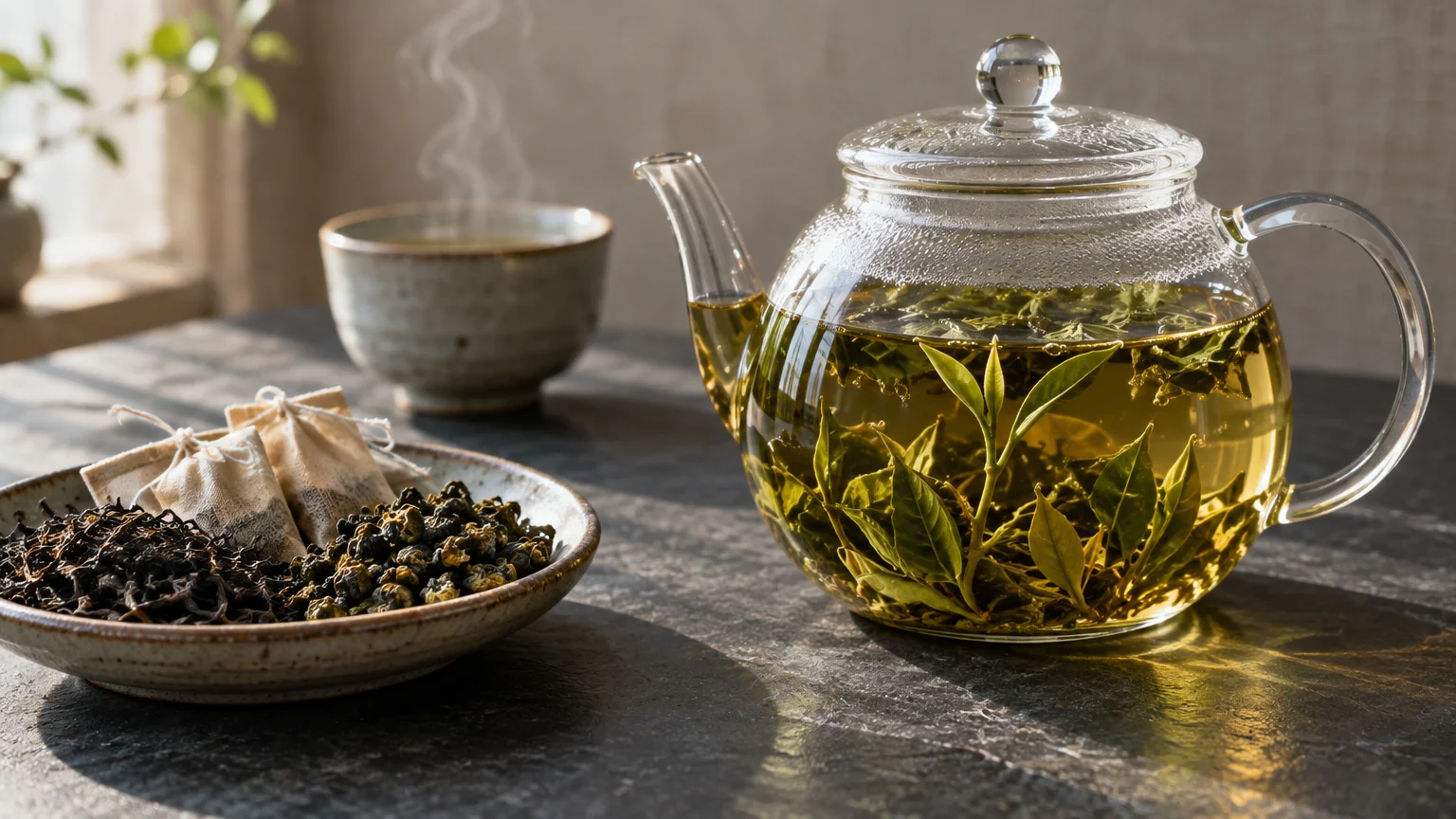
Why does brewed tea meet the strict federal nutrition standard?
Traditional brewed teas originate from the leaves of a single botanical plant, Camellia sinensis. This category includes robust black teas, earthy oolongs, delicate white teas, and vibrant green teas.
Brewing these whole leaves in hot water extracts a complex spectrum of health-promoting flavonoids. The finished infusion contains zero grams of saturated fat, zero sodium, and zero grams of sugar.
Tea leaves contain unique polyphenols that defend your vascular walls against chronic low-grade inflammation. They also supply the amino acid L-theanine, which encourages calm, sustained mental focus without jittery physical tension.
Because whole leaf infusions contribute negligible energy, plain tea qualifies effortlessly for the federal healthy claim. It offers a warm, therapeutic ritual that enriches your daily fluid intake affordably.
How do green and black teas influence your vascular health?
Green tea leaves are gently steamed or pan-fired immediately after harvesting to prevent natural enzymatic oxidation. This preservation process locks in high concentrations of epigallocatechin gallate, a renowned cardiovascular protector.
A comprehensive research review in Current Medicinal Chemistry outlines how tea flavonoids defend delicate blood vessel linings. Regular consumption encourages the natural production of nitric oxide, which helps stiffened arteries relax smoothly.
Black tea undergoes complete enzymatic oxidation, which transforms simple catechins into complex theaflavins and thearubigins. These deeper compounds help protect low-density lipoprotein cholesterol particles from dangerous oxidative damage.
Oxidized LDL particles contribute directly to arterial plaque accumulation and vascular narrowing. Incorporating two cups of brewed black or green tea daily supports your long-term arterial flexibility.
These gentle vascular benefits accumulate quietly through consistent, lifelong consumption. You can easily integrate a freshly brewed mug into your mid-morning or mid-afternoon relaxation routine.
Can tannins in tea interfere with your medications and mineral absorption?
Tea leaves contain astringent plant compounds called tannins, which bind tightly to non-heme dietary iron. This natural binding action can significantly decrease your body’s absorption of iron from plant-based foods.
If you manage borderline anemia or take iron supplements, avoid drinking tea directly alongside your meals. Pacing your tea consumption one to two hours apart from iron-rich meals keeps your red blood cells healthy.
Green tea also contains modest traces of dietary vitamin K, which plays a role in normal blood clotting. If you take warfarin, large swings in daily green tea intake can alter your therapeutic international normalized ratio.
The natural caffeine in tea can also speed the elimination of certain prescription medications. Check with your doctor or pharmacist to ensure your daily tea habit coordinates smoothly with your medication schedule.
Separating your prescription pills from your morning tea prevents unwanted biochemical interactions in your stomach. Washing daily medications down with plain, pure water remains the safest medical practice.
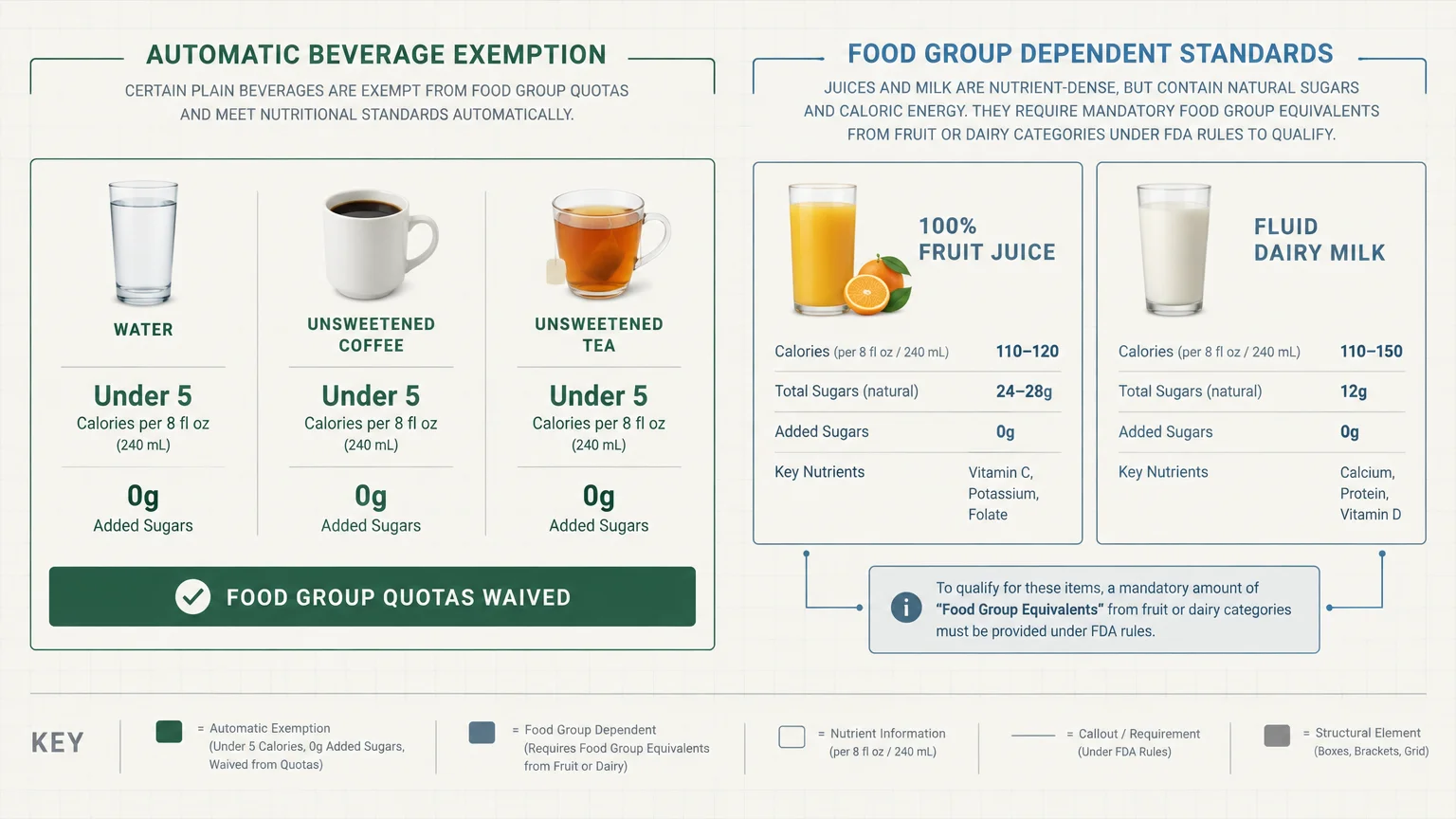
Why are fruit juices and dairy milk regulated under different standards?
You might wonder why wholesome choices like 100% orange juice or low-fat dairy milk lack automatic qualification. The Food and Drug Administration created distinct regulatory pathways for nutrient-dense whole foods and low-calorie beverages.
Dairy milk and pure fruit juices carry substantial caloric density and naturally occurring macronutrients. To earn the healthy designation, they must provide verified Food Group Equivalents from the official Dietary Guidelines for Americans.
For example, 100% fruit or vegetable juice can qualify under the fruit or vegetable food group standard. However, regulators impose strict limits on added sugars and processing aids before approving those claims.
Similarly, skim and low-fat milks must meet rigorous dairy food group requirements for calcium, vitamin D, and protein. Whole milk and sweetened chocolate dairy drinks fail to qualify due to saturated fat and sugar ceilings.
Water, coffee, and tea bypass these complex food group accounting tables entirely because they deliver hydration without calories. They represent an exclusive category of fundamental, non-caloric fluids exempt from standard nutrient profiling systems.
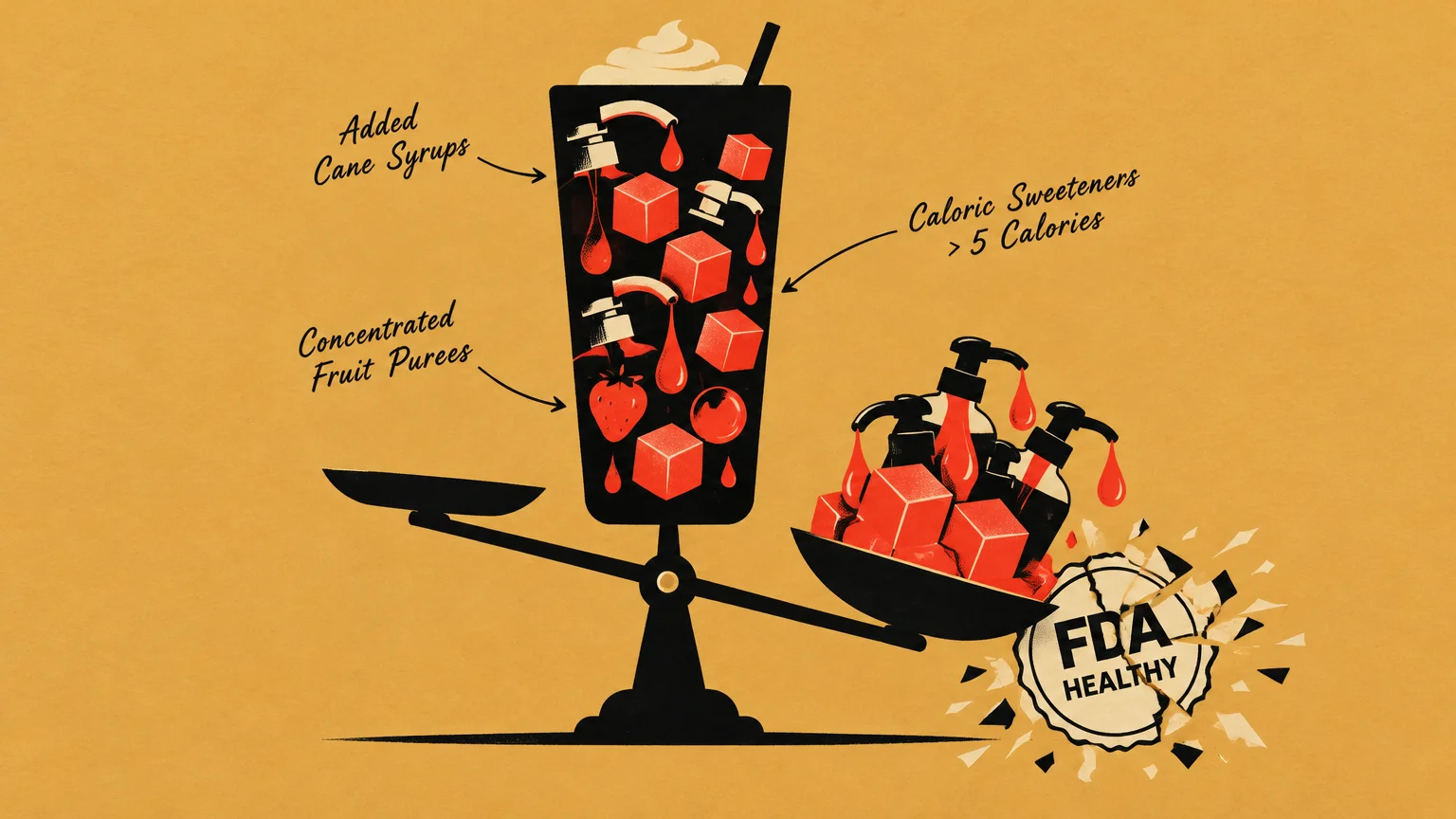
What hidden additives disqualify commercial beverages from the healthy label?
Food manufacturers frequently transform wholesome base drinks into sugar-laden desserts disguised as healthy wellness products. Bottled iced teas at convenience markets often pack between 20 and 35 grams of added sugars per bottle.
Adding liquid cane sugar, high-fructose corn syrup, or honey pushes a bottled beverage well beyond the 5-calorie limit. Once a bottle exceeds 5 calories per serving, it immediately forfeits its automatic qualification status.
Commercial coffee drinks represent another common nutritional minefield in grocery aisles. Pre-made bottled frappés and lattes frequently contain saturated fats from heavy cream, palm oil creamers, and synthetic emulsifiers.
These rich dairy additives quickly disqualify the drink by violating federal limits on saturated fat and added calories. Even small coffee shop flavor pumps add roughly 20 empty calories and 5 grams of sugar each.
You must scrutinize the Nutrition Facts label carefully when purchasing bottled tea or coffee. Look for words like unsweetened, zero calories, and zero grams of added sugars to verify product purity.

How can you swap commercial drinks for healthy options at home?
Replacing sugary commercial drinks with homemade alternatives protects your metabolic health and monthly budget. A single specialty coffee shop beverage can easily cost six dollars while delivering unwanted refined sugars.
You can brew exceptional coffee at home using affordable whole beans and a simple French press. Preparing a smooth cold brew in your refrigerator reduces perceived bitterness and acidity naturally without needing spoonfuls of sugar.
Brewing loose leaf tea at home provides an economical way to enjoy premium grade tea leaves. A single ounce of loose tea yields dozens of cups for mere pennies per serving.
If you crave flavor in plain water, create your own infused waters using fresh culinary ingredients. Drop fresh lemon wedges, cucumber ribbons, crushed mint sprigs, or sliced ginger into a chilled glass pitcher.
These natural additions infuse subtle, refreshing essence without releasing measurable calories or artificial chemicals into the water. This smart kitchen habit elevates everyday hydration into an enticing personal treat.
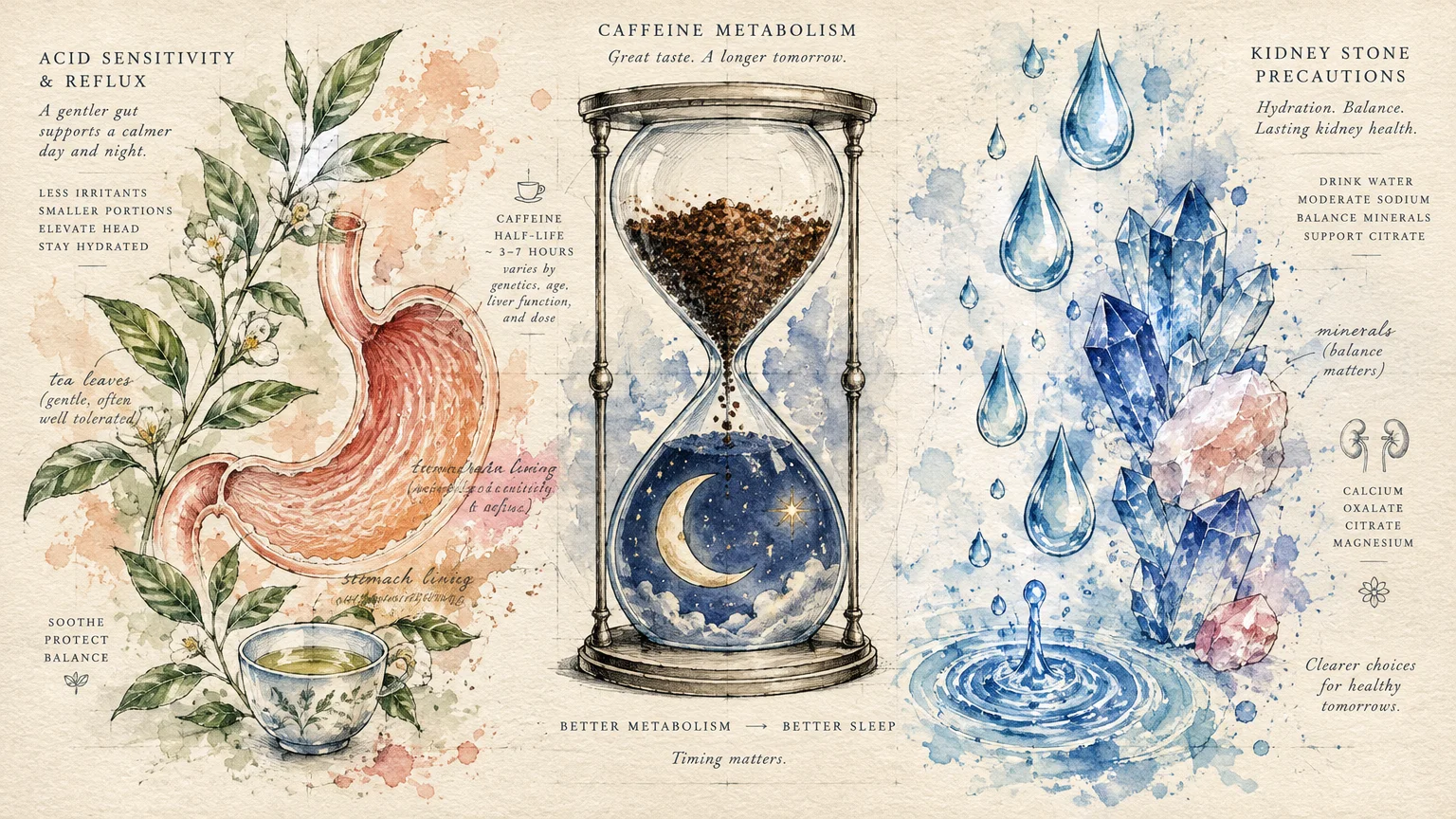
What health conditions require extra caution with these three drinks?
Even automatically qualified beverages require thoughtful personalization if you manage specific medical conditions. Chronic acid reflux, for instance, can flare when you consume acidic liquids or large volumes of carbonated water.
Both regular coffee and standard teas can relax the lower esophageal valve, permitting stomach acid to rise. If you experience heartburn, try drinking smooth cold brew coffee or switch to roasted chicory root infusions.
If you experience bladder sensitivity or urinary urgency, caffeine can act as a direct muscular irritant. Reducing your daily intake calms an overactive detrusor muscle and cuts down on sudden, urgent bathroom visits.
Individuals managing advanced chronic kidney disease must pay close attention to prescribed daily fluid allowances. Your nephrologist may restrict total fluid intake to prevent fluid retention around your heart and lungs.
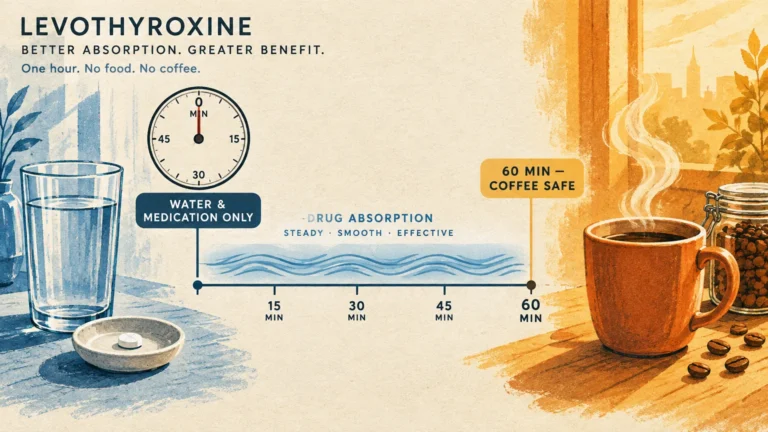
Furthermore, taking thyroid hormone replacement therapy requires precise beverage timing each morning. Drinking coffee within thirty to sixty minutes of swallowing levothyroxine blocks the medication’s absorption in your digestive tract.
Always review your daily fluid choices with your doctor or pharmacist during routine appointments. They can help you align your hydration habits with your prescription regimens and lab work.
Frequently asked questions about the FDA healthy beverage rules
Can diet soda carry the FDA healthy label if it has zero calories?
Diet sodas do not qualify for the automatic healthy designation under the updated federal framework. Regulators specifically designed the automatic beverage exemption for simple water, brewed coffee, and steeped tea.
Artificially sweetened sodas lack meaningful nutritional value and provide no beneficial plant polyphenols or natural hydration benefits. They cannot carry the claim because they do not fulfill any dietary food group requirements.
Does adding milk or creamer disqualify your morning coffee?
Adding dairy milk, cream, or sweetened non-dairy creamers pushes the beverage over the strict 5-calorie threshold. A single tablespoon of half-and-half contains approximately 20 calories and clear traces of saturated fat.
While a splash of plain milk can fit into a sensible breakfast, that blended beverage loses automatic qualification. Only the black, unsweetened brew meets the federal standard for the automatic healthy label.
Do herbal teas qualify for the automatic healthy designation?
Herbal infusions like chamomile, peppermint, and hibiscus generally qualify if they meet the strict 5-calorie ceiling. Most commercially dried herbal tea bags deliver essentially zero calories, zero sodium, and zero added sugars.
Always inspect packaged herbal tea labels to confirm that manufacturers have not introduced candied fruit pieces or sweeteners. Unsweetened herbal teas provide an excellent, caffeine-free vehicle for gentle evening hydration.
When will you see the new healthy claim on grocery store shelves?
The revised labeling rule officially takes effect on April 28, 2025, across the United States. Beverage brands that fulfill all regulatory requirements can begin applying the claim to their products immediately.
Because the agency set a final compliance date of February 25, 2028, packaging transitions will happen gradually. You will see updated claims appear across the beverage aisle over the coming months and years.
What is one simple beverage change you can make this week?
You do not need to overhaul your entire lifestyle overnight to experience tangible health improvements. Begin by replacing just one sugary afternoon drink or sweetened bottled tea with pure water or unsweetened tea.
This simple swap immediately eliminates dozens of grams of unnecessary sugar and hundreds of empty calories. Your arteries, blood sugar levels, and digestive system will thank you for choosing proven, natural hydration.