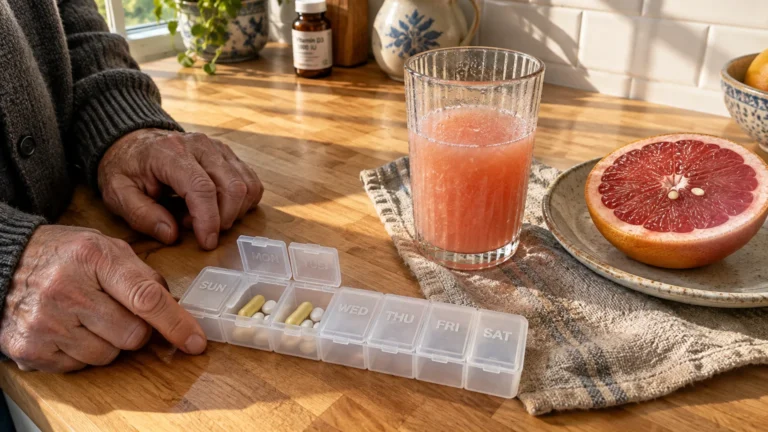
Swapping your usual afternoon beverage for a tart cup of brewed hibiscus tea can meaningfully reduce your blood pressure numbers. The vibrant red infusion delivers targeted plant compounds that encourage your blood vessels to widen naturally.
This daily ritual supports cardiovascular wellness right when your body experiences a predictable circadian blood pressure peak. It also offers a refreshing, caffeine-free alternative during your mid-day lull.
Making this simple dietary adjustment provides practical, evidence-based vascular support without requiring drastic lifestyle overhauls. Here is what the latest clinical research reveals about how an afternoon hibiscus habit protects your circulation.
Why does your blood pressure naturally rise in the afternoon?
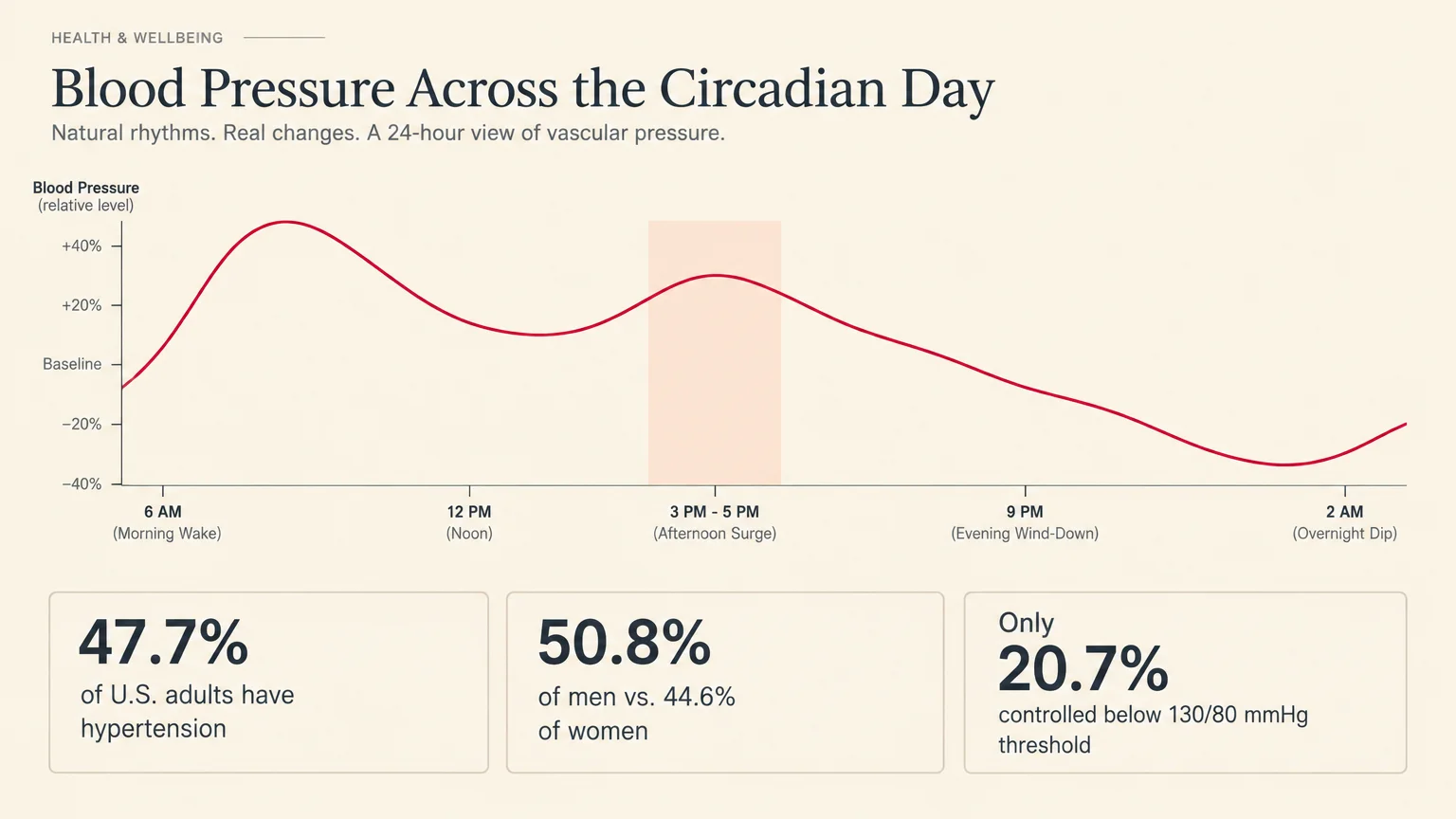
Your circulatory system operates on an internal circadian rhythm that fluctuates across every twenty-four-hour cycle. Blood pressure typically climbs upon waking, plateaus or reaches a secondary peak during the mid-to-late afternoon, and dips overnight.
Managing this afternoon elevation matters because sustained pressure strains delicate arterial walls over time. Arteries naturally lose some elasticity with age, which makes afternoon vascular resistance more pronounced.
Hypertension remains remarkably widespread across the country. According to a CDC National Center for Health Statistics report published in October 2024, 47.7% of U.S. adults have hypertension.
The CDC report established that hypertension occurs in 50.8% of men and 44.6% of women. Despite the prevalence of this condition, effective management remains elusive for millions of households.
Among adults with high blood pressure, only 20.7% maintain their readings below the target threshold of 130/80 mmHg established by American Heart Association guidelines. Furthermore, 59.2% know they have the condition, and 51.2% take medication.
Introducing targeted lifestyle habits helps bridge this treatment gap. Drinking a cup of brewed hibiscus in the afternoon directly counters the natural circadian pressure surge when your vascular system needs support most.
How does hibiscus tea relax your blood vessels?
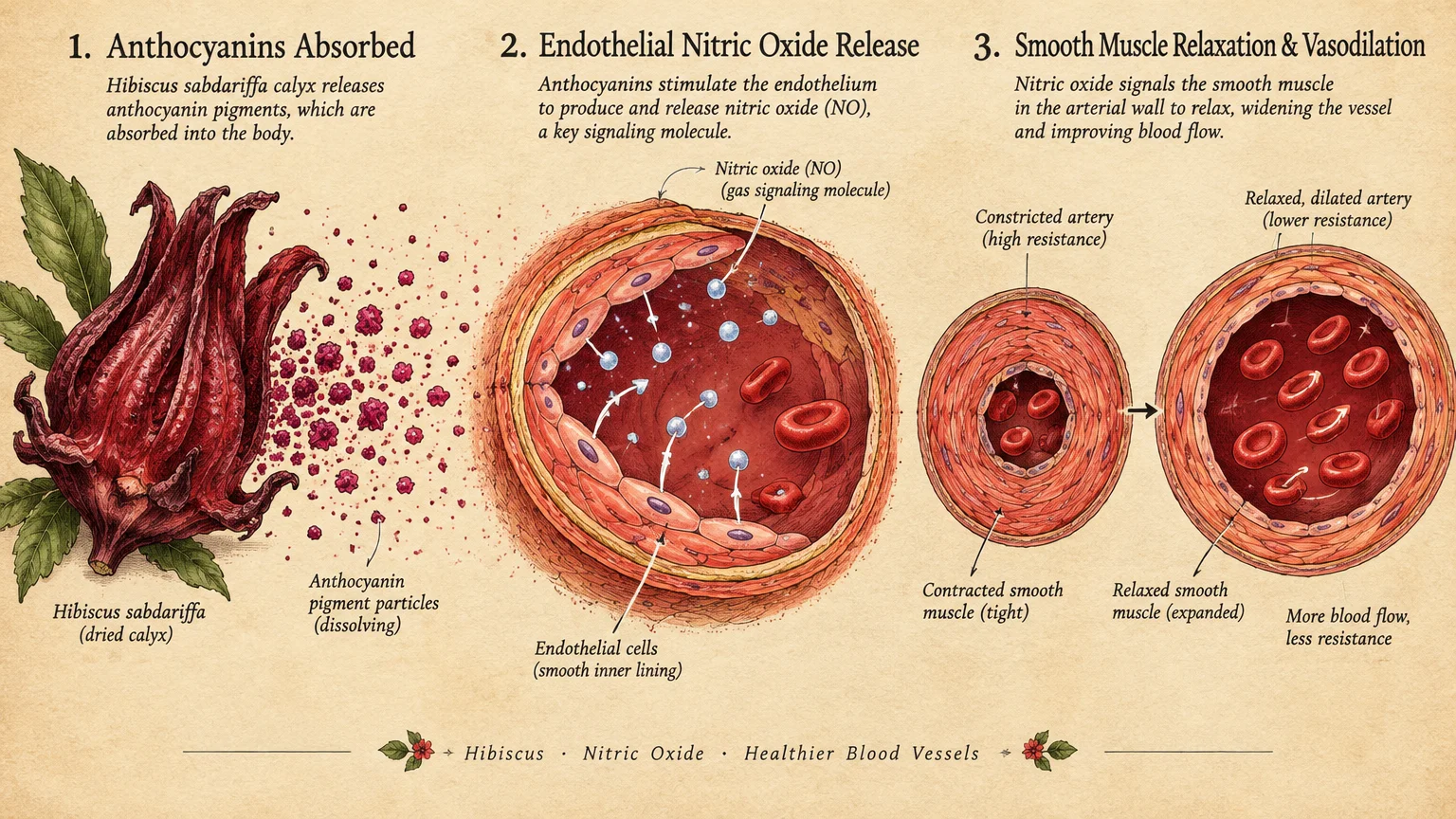
Hibiscus tea comes from the dried, ruby-red calyxes of the Hibiscus sabdariffa plant. These calyxes contain dense concentrations of specialized organic acids, polyphenols, and antioxidant pigments known as anthocyanins.
Anthocyanins provide both the deep red color and the primary vascular benefits. Once absorbed, these compounds stimulate endothelial cells lining the interior walls of your arteries.
Healthy endothelial cells release nitric oxide, a signaling gas that directs smooth muscle tissue around your arteries to relax. When arterial walls relax, vessels widen and blood flows with significantly less mechanical resistance.
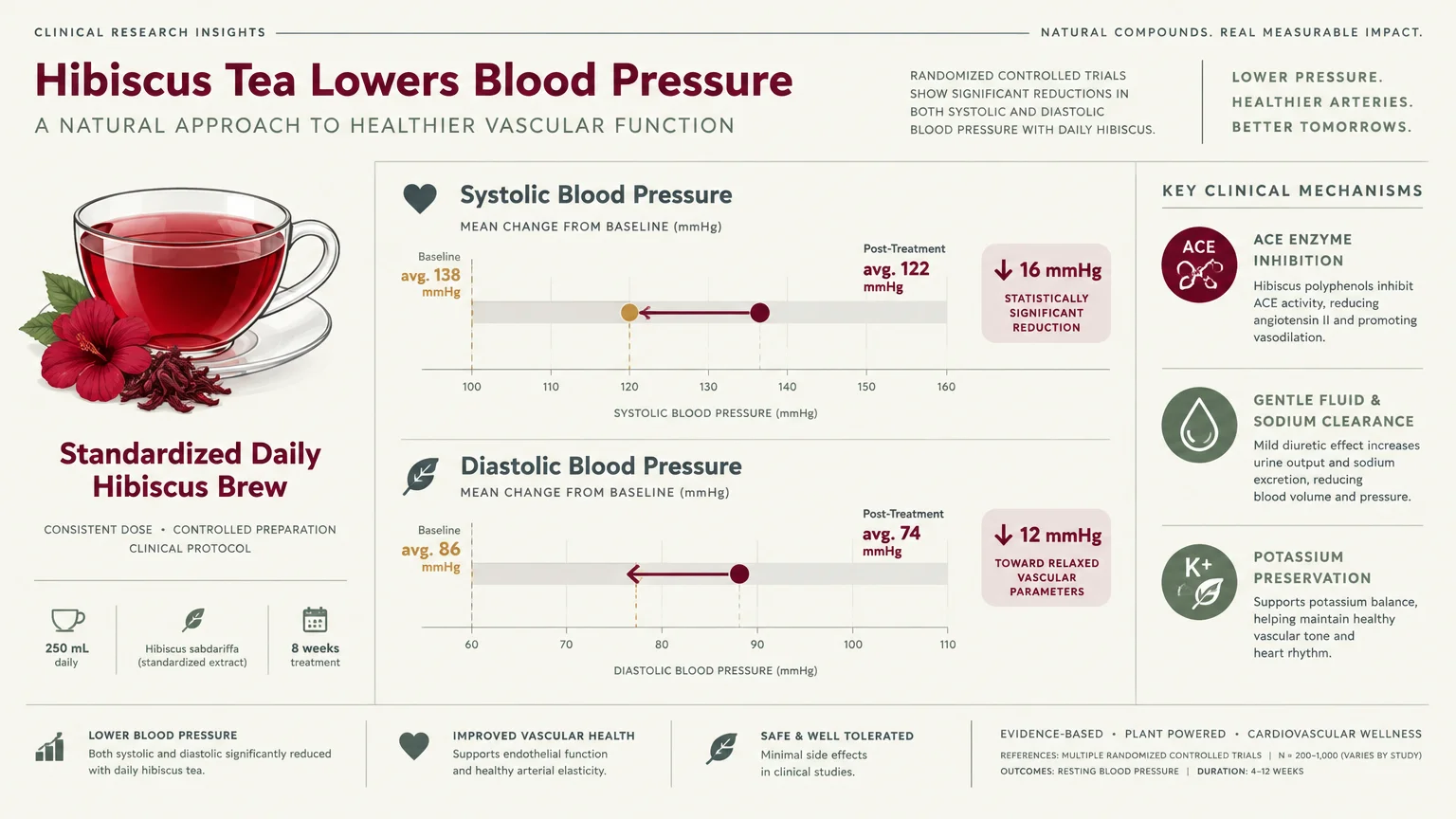
Hibiscus compounds also inhibit angiotensin-converting enzyme, a biological catalyst that narrows blood vessels. By moderating this enzyme, hibiscus functions through pathways similar to common cardiovascular therapies—though far more gently.
Additionally, hibiscus calyxes provide mild diuretic properties that assist your kidneys in clearing excess fluid and sodium. Removing fluid volume relieves physical pressure inside your vascular network without depleting essential potassium.
The combination of smooth muscle relaxation and gentle fluid balance makes hibiscus uniquely effective. Drinking a cup allows these natural botanical mechanisms to support your circulation through the late afternoon.
What do clinical trials reveal about hibiscus and blood pressure?
Rigorous clinical research confirms that regular hibiscus consumption produces measurable reductions in resting blood pressure. Researchers have tested the botanical across diverse participant groups managing elevated blood pressure readings.
A landmark 2010 clinical trial conducted by Tufts University and published in The Journal of Nutrition evaluated prehypertensive and mildly hypertensive adults aged 30 to 70. Participants consumed three cups of brewed hibiscus tea daily for six weeks.
The Tufts researchers recorded a significant reduction in systolic blood pressure compared to a placebo beverage. Participants with higher baseline blood pressure experienced the most dramatic clinical improvements.
Broader scientific reviews corroborate these single-trial findings. A comprehensive meta-analysis published in the Journal of Hypertension in June 2015 examined five randomized controlled trials involving 390 total participants.
The 2015 analysis determined that regular hibiscus tea consumption reduced systolic blood pressure by an average of 7.58 mmHg. Diastolic blood pressure decreased by an average of 3.53 mmHg across the pooled cohorts.
More recent evidence strengthens this scientific consensus. A systematic review and meta-analysis of 17 randomized controlled trials published in Nutrition Reviews in May 2022 analyzed modern clinical data.
The 2022 analysis showed that hibiscus lowered systolic blood pressure by an average of 7.10 mmHg compared to control groups. The greatest reductions occurred among participants who began the trials with elevated baseline readings.
These statistical reductions compare favorably to outcomes achieved through standard dietary interventions. Consistently lowering systolic pressure by several points substantially lowers long-term cardiovascular risk.
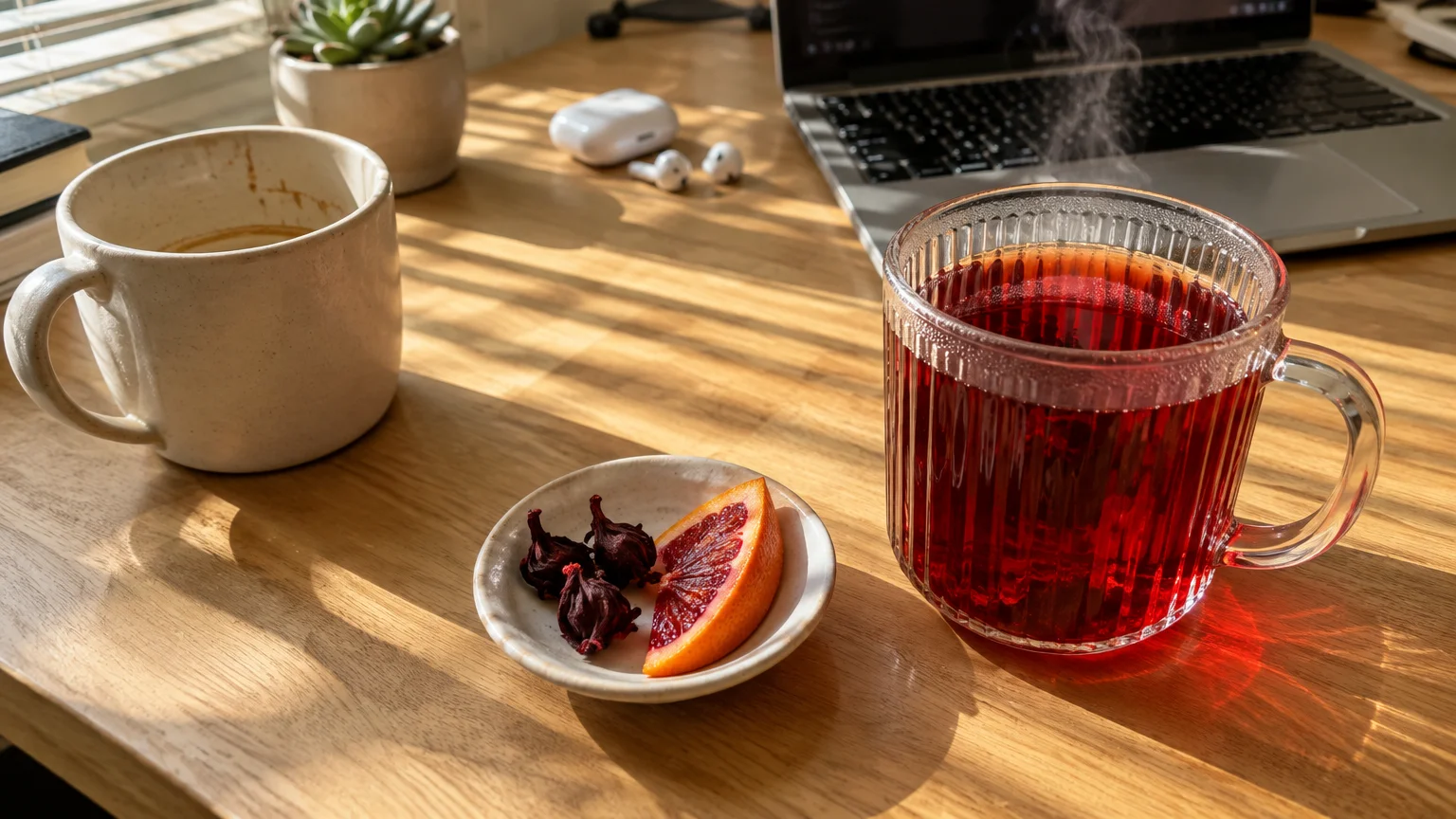
Why should you swap your afternoon coffee for hibiscus tea?
Many adults reach for a second or third cup of drip coffee around two or three o’clock to combat fatigue. That routine choice can inadvertently elevate your circulatory pressure.
A standard eight-ounce mug of brewed coffee contains roughly 95 mg of caffeine. Caffeine stimulates your central nervous system and triggers a temporary, sharp increase in peripheral vascular resistance.
As you age, your liver clears caffeine more slowly, prolonging its cardiovascular impact. Consuming 95 mg of caffeine mid-afternoon amplifies the body’s natural circadian blood pressure crest.
Late caffeine intake also damages sleep architecture by delaying slumber and reducing deep restorative rest. Poor sleep quality directly worsens next-day blood pressure regulation, creating an exhausting cycle.
Hibiscus tea is naturally 100% caffeine-free. Drinking it gives you a warm, comforting ritual that hydrates your tissues rather than taxing your nervous system.
The tart, crisp flavor provides a sensory lift that cuts through afternoon mental fog. You gain steady alertness without the jittery vascular constriction caused by standard caffeinated drinks.
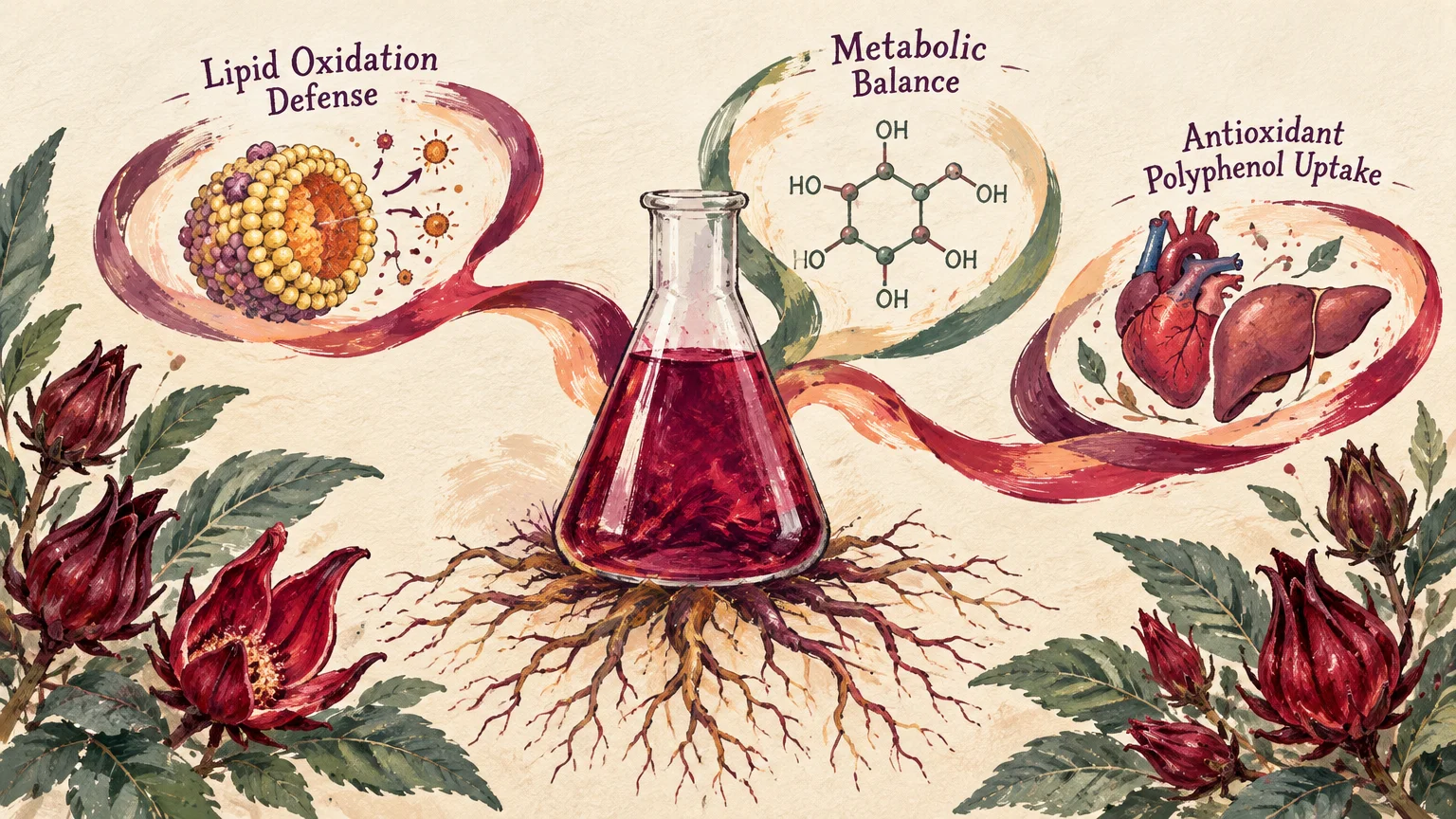
How does hibiscus tea affect your cholesterol and metabolic markers?
Arterial health depends on both pressure dynamics and the circulating lipids traveling through your bloodstream. Excess low-density lipoprotein, or LDL cholesterol, oxidizes and embeds into arterial walls, forming stiff plaques.
Hibiscus calyxes contain potent antioxidants that actively defend circulating blood lipids against oxidative damage. Reducing lipid peroxidation prevents arterial walls from becoming inflamed, rigid, and narrow.
The May 2022 systematic review published in Nutrition Reviews evaluated lipid profiles alongside blood pressure markers. The researchers found that consuming hibiscus lowered LDL cholesterol by an average of 6.76 mg/dL compared to other teas and placebos.
Lowering LDL cholesterol protects the delicate endothelial lining from plaque accumulation. Flexible, plaque-free blood vessels dilate smoothly in response to changing physical demands throughout your day.
Emerging research also suggests that hibiscus polyphenols support healthy blood sugar handling. Stable post-meal glucose levels protect capillary walls from inflammatory microvascular injuries.
By lowering blood pressure while simultaneously trimming LDL cholesterol, hibiscus provides dual-action cardiovascular defense. A single daily cup contributes to both long-term arterial flexibility and cleaner blood lipid panels.
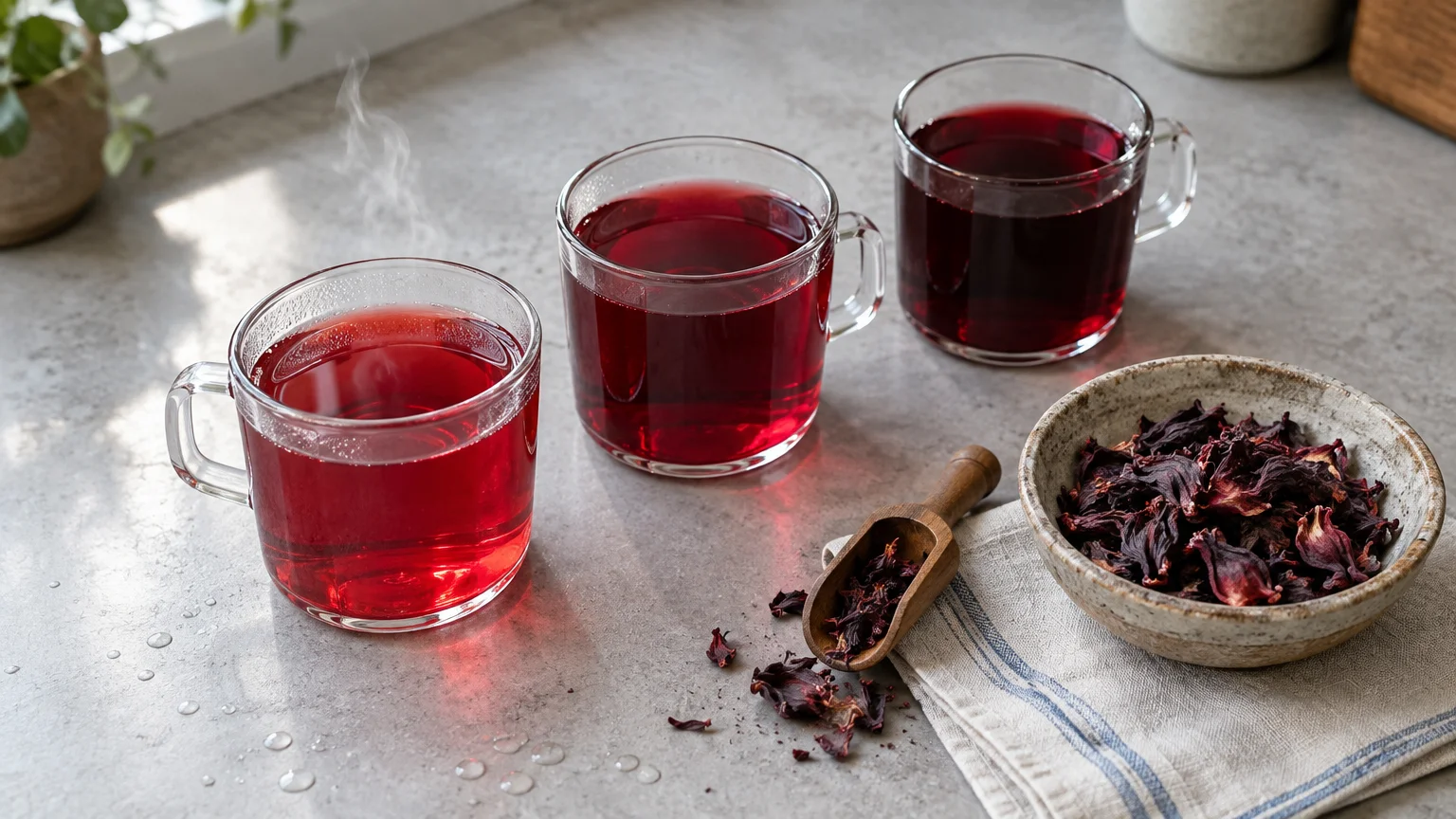
How much hibiscus tea should you drink each day?
Achieving therapeutic cardiovascular benefits requires an adequate, consistent botanical dose. Clinical trials demonstrating significant blood pressure reductions consistently utilize two to three cups of brewed tea daily.
Preparing each serving requires 1.25g to 2g of dried hibiscus calyxes steeped in boiling water. Using this exact ratio ensures your infusion contains a sufficient concentration of active anthocyanins.
If you prefer starting with a single cup, schedule it deliberately between 1:00 PM and 3:00 PM. This timing delivers active vasorelaxant compounds directly into your bloodstream as your afternoon circadian peak emerges.
You can enjoy a second cup alongside breakfast or during the early evening. Because hibiscus contains no caffeine, an evening serving will never disturb your natural sleep cycles.
Consistency matters far more than drinking massive amounts sporadically. The vascular benefits build steadily across several weeks of continuous daily use.
Clinical trials typically measure peak outcomes after two to six weeks of daily intake. Treat your afternoon cup as an enduring lifestyle fixture rather than a temporary quick fix.
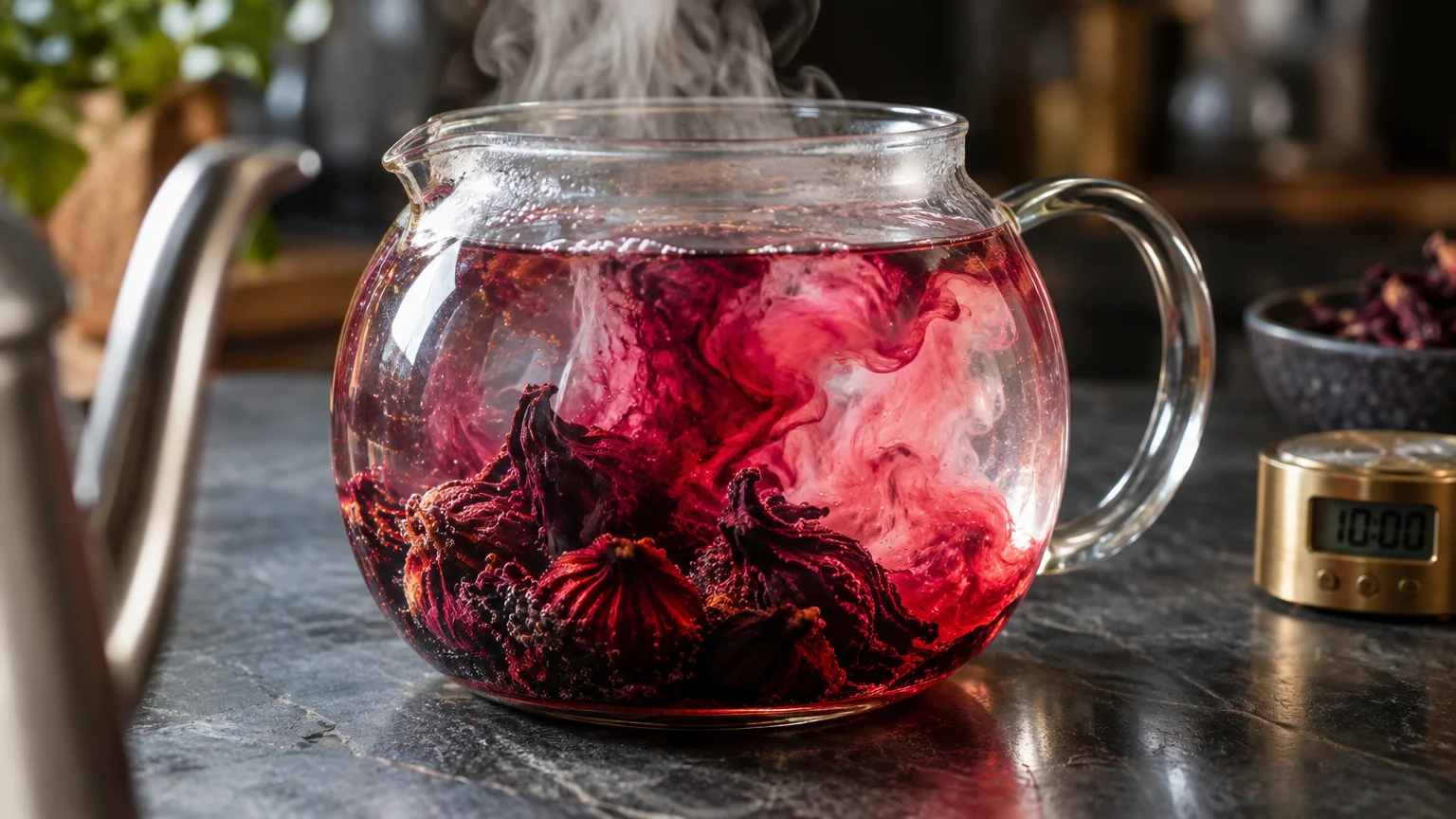
How do you brew dried hibiscus for maximum potency?
Extracting the delicate bioflavonoids from dried hibiscus requires correct water temperature and steeping time. Pour eight ounces of rolling boiling water directly over your measured dried calyxes or tea bag.
Always cover your mug or teapot with a small lid or saucer while the tea steeps. Trapping the steam prevents volatile botanical oils and therapeutic organic acids from escaping through evaporation.
Allow the mixture to steep undisturbed for five to ten minutes. Steeping for the full ten minutes produces a deep magenta infusion rich in tart, heart-protective anthocyanins.
Hibiscus possesses a naturally sharp, tangy flavor reminiscent of unsweetened cranberries or pomegranates. If you find the sourness intense, avoid stirring in refined table sugar or high-fructose sweeteners.
Excess sugar sparks systemic inflammation and negates the metabolic benefits of your beverage. Instead, soften the brisk flavor by steeping a cinnamon stick alongside the dried calyxes.
You can also introduce a fresh orange slice or a few crushed mint leaves into your warm mug. These aromatic additions round out the acidity while preserving the tea’s pure cardiovascular potency.
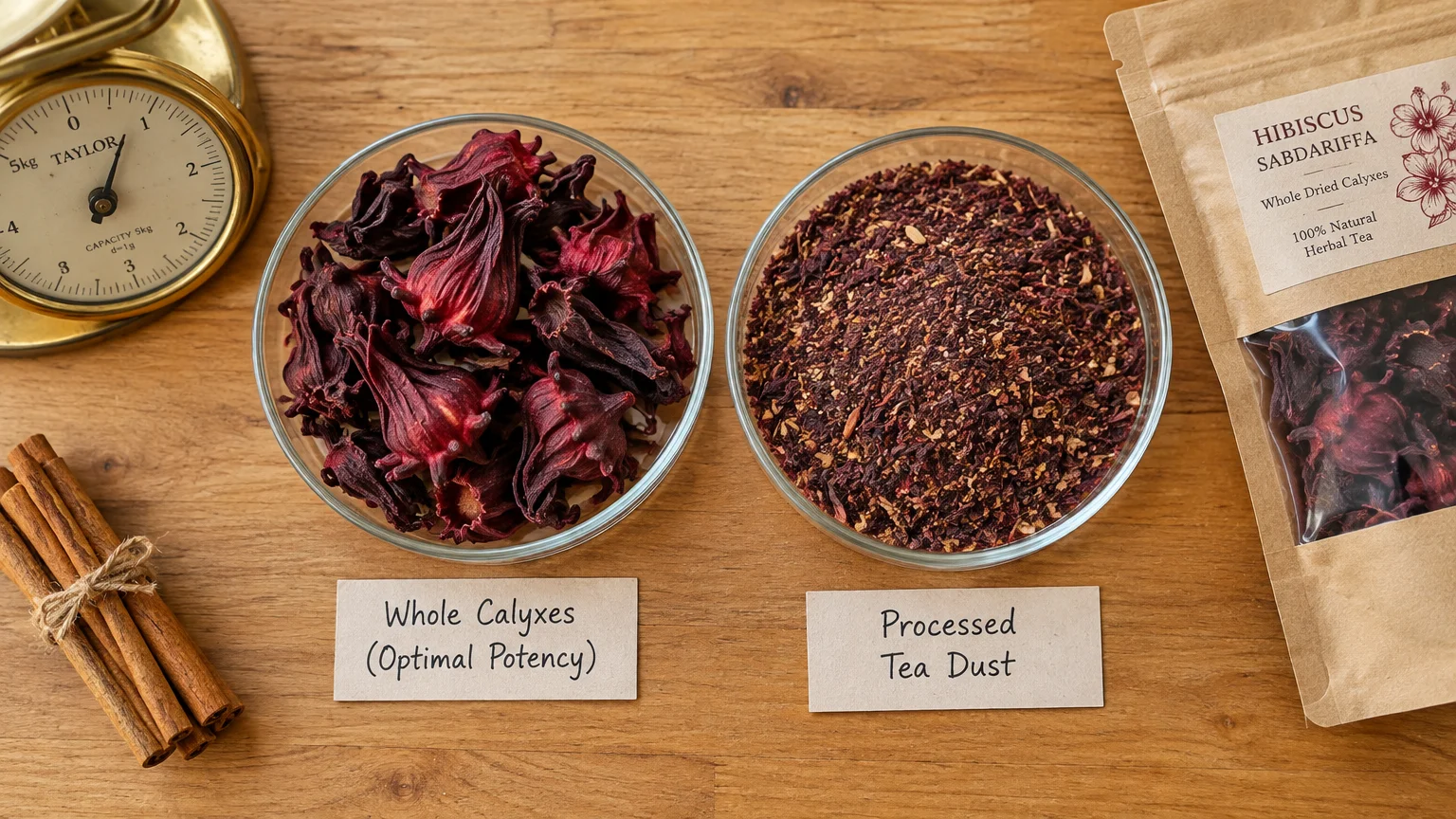
What should you look for when shopping for hibiscus?
Securing genuine cardiovascular benefits starts with buying the correct botanical species. Inspect product packaging carefully to ensure it contains authentic Hibiscus sabdariffa calyxes.
Many commercial herbal blends advertise hibiscus prominently on the front label but dilute it with cheap fillers. Steer clear of blends padded with apple pieces, rosehips, and artificial flavorings.
Whole dried calyxes offer superior potency and exceptional economic value. You can find loose dried calyxes sold affordably under the traditional name flor de Jamaica in international markets and Hispanic groceries.
Look for calyxes that display a rich, dark burgundy color and a pliable, slightly leathery texture. Faded, brittle, or brownish calyxes indicate stale inventory that has lost its protective polyphenols.
Convenient individually wrapped tea bags also work well if they contain pure, unadulterated cut hibiscus flowers. Verify that the ingredient label lists only 100% dried hibiscus without added preservatives or sweeteners.
Purchasing certified organic hibiscus reduces potential exposure to agricultural pesticide residues. Storing your loose calyxes in an airtight glass container away from direct sunlight preserves their medicinal potency for months.
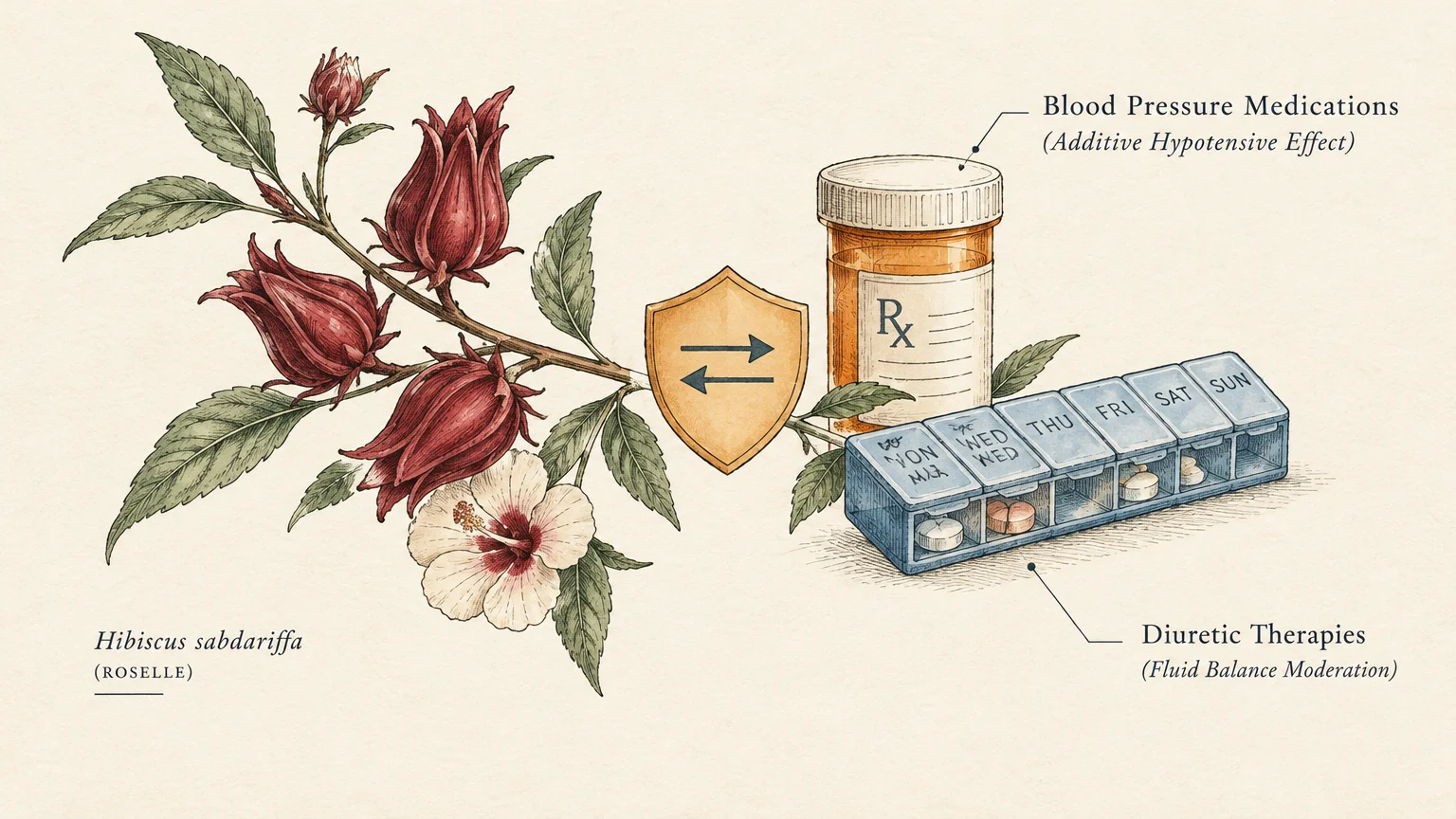
Can hibiscus tea interact with prescription medications?
Because hibiscus exerts real physiological effects on your circulatory system, it can interact with common pharmaceuticals. You must exercise sensible care if you currently take prescription medications for chronic conditions.
Combining hibiscus with prescription antihypertensive medications can produce an additive effect. This synergistic reaction can cause your blood pressure to drop excessively, producing dizziness or lightheadedness upon standing.
Hibiscus also exhibits natural diuretic actions that alter sodium and water excretion. Drinking it alongside prescription diuretics like hydrochlorothiazide may disrupt fluid balance or alter drug clearance rates.
Additionally, laboratory evaluations show that hibiscus components can alter liver enzyme metabolism. This metabolic acceleration may shorten the duration that pain relievers like acetaminophen remain active in your bloodstream.
Never discontinue, adjust, or substitute your prescribed blood pressure medications on your own. Hibiscus acts as a supportive dietary therapy rather than an outright replacement for clinical prescriptions.
Always discuss your botanical routines with your personal physician or dispensing pharmacist before starting daily consumption. A healthcare professional will help you monitor your vitals safely as you introduce this beverage.
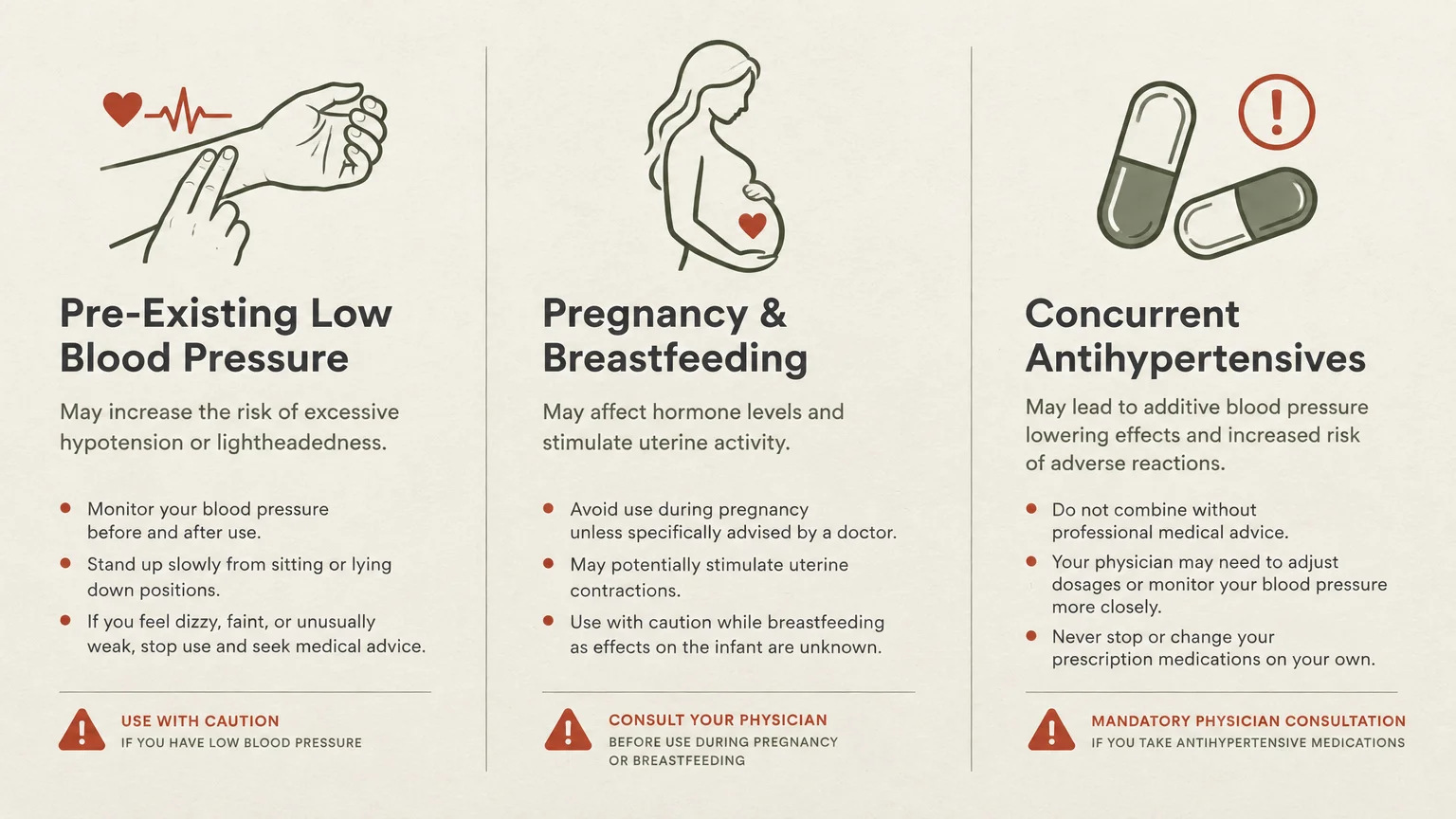
Who should exercise caution before drinking hibiscus tea?
Certain medical profiles warrant extra care or complete avoidance of regular hibiscus consumption. Individuals diagnosed with chronic hypotension, or low baseline blood pressure, should generally avoid regular intake.
If your systolic readings frequently hover below 100 mmHg, the vasodilatory action of hibiscus may trigger fatigue or faintness. Your circulatory system requires adequate resting tone to perfuse organs safely.
Anyone scheduled for an upcoming surgical operation should pause hibiscus intake at least two weeks beforehand. The botanical’s influence on vascular dilation and blood pressure regulation can complicate blood pressure control under anesthesia.
Individuals managing advanced chronic kidney disease or complex liver disorders must also consult their specialists first. The concentrated minerals, oxalates, and organic acids found in herbal extracts require efficient renal and hepatic clearance.
Finally, anyone prone to calcium oxalate kidney stones should monitor their overall oxalate intake carefully. While hibiscus is generally well-tolerated, balance and medical guidance ensure safe integration into your routine.
Listening to your body remains paramount whenever you modify your nutritional habits. If you experience unexpected digestive upset or persistent dizziness, discontinue the tea and seek professional medical guidance.
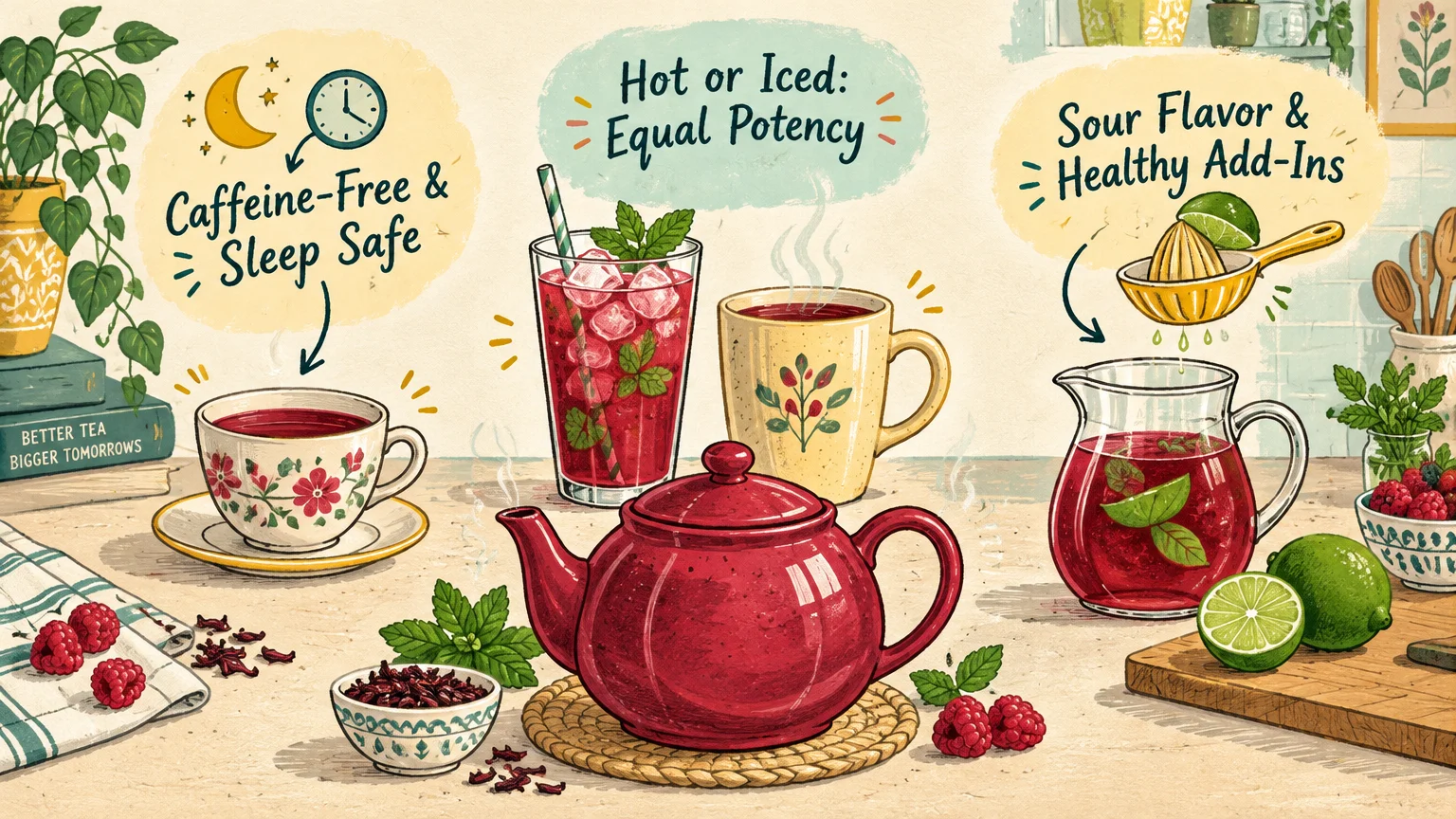
What questions do people frequently ask about hibiscus tea?
Does iced hibiscus tea provide the same cardiovascular benefits as hot tea?
Chilled hibiscus tea delivers the exact same heart-healthy bioflavonoids as a steaming mug. The underlying polyphenols and anthocyanins remain structurally stable when cooled.
To prepare an iced version, brew your dried calyxes in boiling water first to extract the active compounds fully. Allow the concentrated brew to cool before pouring it over ice cubes.
Avoid buying bottled iced teas from gas stations or grocery aisles. Pre-made commercial beverages often contain excessive added sugars or chemical preservatives that compromise your cardiovascular health.
Can you drink hibiscus tea if you take a daily diuretic?
You must consult your doctor before pairing hibiscus with pharmaceutical diuretics. Because hibiscus possesses natural diuretic properties, combining both agents can lead to excessive fluid loss.
Excessive fluid loss can deplete your blood volume too quickly and destabilize essential electrolyte levels. Your physician may recommend monitoring your blood pressure and kidney markers more frequently.
Staying adequately hydrated with plain water throughout the day remains essential when consuming natural botanicals. Never alter your prescribed diuretic dosage without direct medical supervision.
Does adding sweetener cancel out the cardiovascular benefits?
Stirring regular granulated sugar or corn syrup into your hibiscus tea directly impairs your vascular health. Refined carbohydrates spike circulating blood glucose and promote systemic arterial inflammation.
Repeated insulin spikes cause your blood vessels to constrict and stiffen over time. Adding sweet syrups essentially works against the blood pressure-lowering mechanisms of the tea.
If you prefer a milder taste profile, use pure non-caloric stevia leaf extract or natural monk fruit sparingly. Adding a slice of fresh orange or a dash of ginger also softens the sour bite naturally.
How long does it take for hibiscus tea to show results?
Clinical trials show that measurable blood pressure improvements generally emerge after two to six weeks of daily intake. Botanical compounds work by steadily supporting cellular repair and vascular flexibility.
A single mug will not instantly drop high blood pressure readings down to normal ranges. Instead, the daily infusion gradually trains your vascular smooth muscle to relax more effectively.
Track your resting blood pressure at home using a validated upper-arm blood pressure cuff. Recording your readings at the same time each afternoon allows you to observe your progress objectively.
What is the best way to start this habit today?
Transforming your cardiovascular health rarely requires complex or exhausting routines. True vascular resilience stems from small, pleasurable habits practiced consistently over many months.
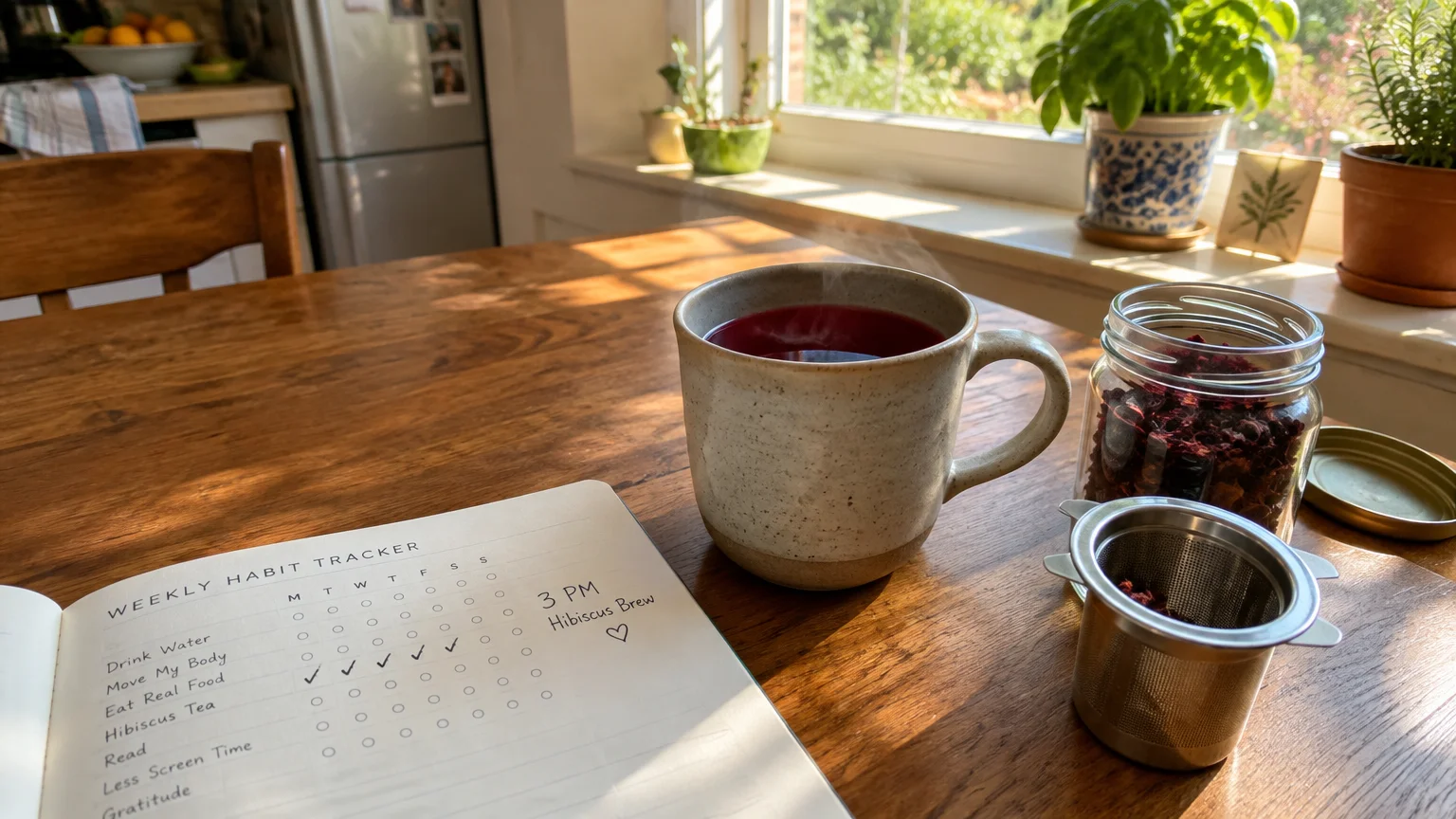
Begin today by replacing your mid-afternoon coffee or soda with an eight-ounce mug of freshly steeped hibiscus tea. Brew two grams of pure dried calyxes for ten minutes, covered, between one and three o’clock.
Pair this refreshing beverage with five minutes of quiet, uninterrupted breathing to reset your nervous system. Savoring the tart flavor creates a restorative pause in your busy afternoon schedule.
Maintain an accurate written log of your morning and afternoon blood pressure readings over the next month. Bring these recorded trends to your next medical checkup to review your cardiovascular improvements together.