Swapping soda for fruit juice feels like an automatic victory for your wellness routine. However, many commercial juices spike your blood glucose just as rapidly as sweet carbonated drinks.
When you drink juice, you consume dense amounts of fruit sugars without the natural fiber that slows digestion. This rapid absorption floods your bloodstream and demands immediate insulin production from your pancreas.
Learning which beverages trigger these intense glucose swings helps you protect your metabolic health. Here is what you need to know about high-sugar juices, along with practical swaps that support stable daily energy.
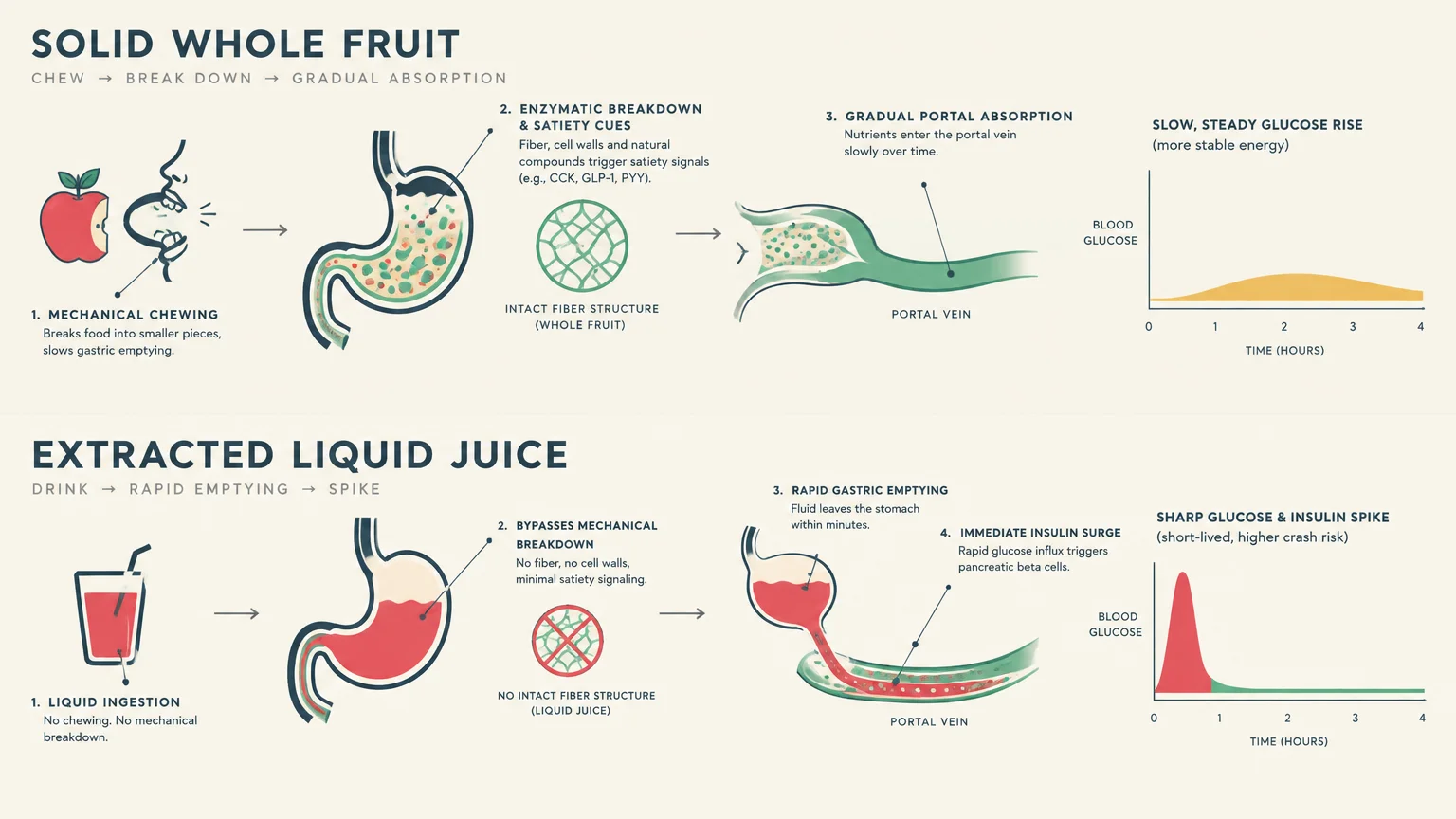
Why Liquid Carbohydrates Accelerate Glucose Spikes
Your digestive tract processes liquid carbohydrates far faster than solid food. Intact whole fruits require mechanical chewing, which initiates enzymatic breakdown and slows the delivery of nutrients into your stomach.
In contrast, liquid fruit extracts bypass that essential digestive stage. Your stomach empties liquid within minutes, sending a concentrated wave of fructose and glucose into your small intestine.
Once absorbed, these simple sugars surge straight into your portal circulation. Your pancreas must secrete large pulses of insulin to move that excess glucose into your cells.
Over time, frequent liquid sugar spikes strain your pancreatic beta cells. This metabolic pattern increases cellular insulin resistance and elevates your risk of cardiovascular and metabolic complications.
Liquid sugars also fail to activate satiety cues in your brain. While a whole piece of fruit curbs hunger hormones, juice leaves you wanting more calories shortly after finishing your glass.
The Broader Metabolic Picture in the United States
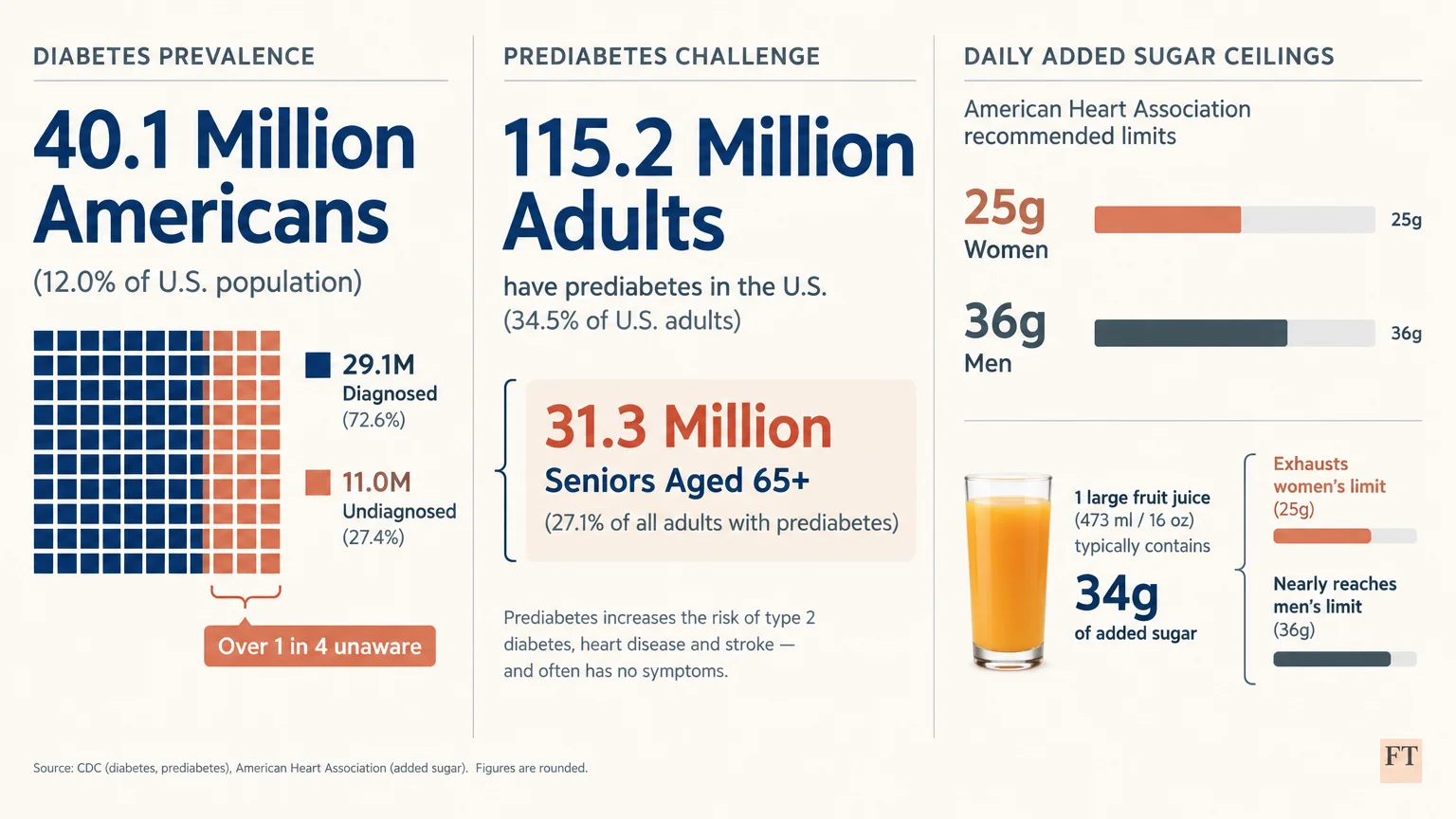
Managing glucose is no longer an isolated concern for a select few. According to CDC national diabetes surveillance data, an estimated 40.1 million Americans—or 12.0% of the population—now live with diabetes.
Among those individuals, 29.1 million people have received an official diagnosis, while 11.0 million adults remain undiagnosed. That means more than one-quarter of adults with diabetes do not yet know their metabolic status.
Prediabetes represents an even larger public health challenge across the country. An estimated 115.2 million U.S. adults have prediabetes, including 31.3 million seniors aged 65 and older.
Federal nutrition guidelines reflect this urgent metabolic reality. The Dietary Guidelines for Americans, 2025–2030 emphasize that individuals should consume 100% fruit juice only in limited portions or diluted with water.
These federal guidelines prioritize whole fruits in their original form, recommending two servings of whole fruit daily for a standard 2,000-calorie diet. They also emphasize that no amount of added sugar is recommended as part of a nutritious diet.
The American Heart Association guidelines on added sugars establish even tighter boundaries. They recommend capping daily added sugars at 25 grams for women and 36 grams for men to protect vascular health.
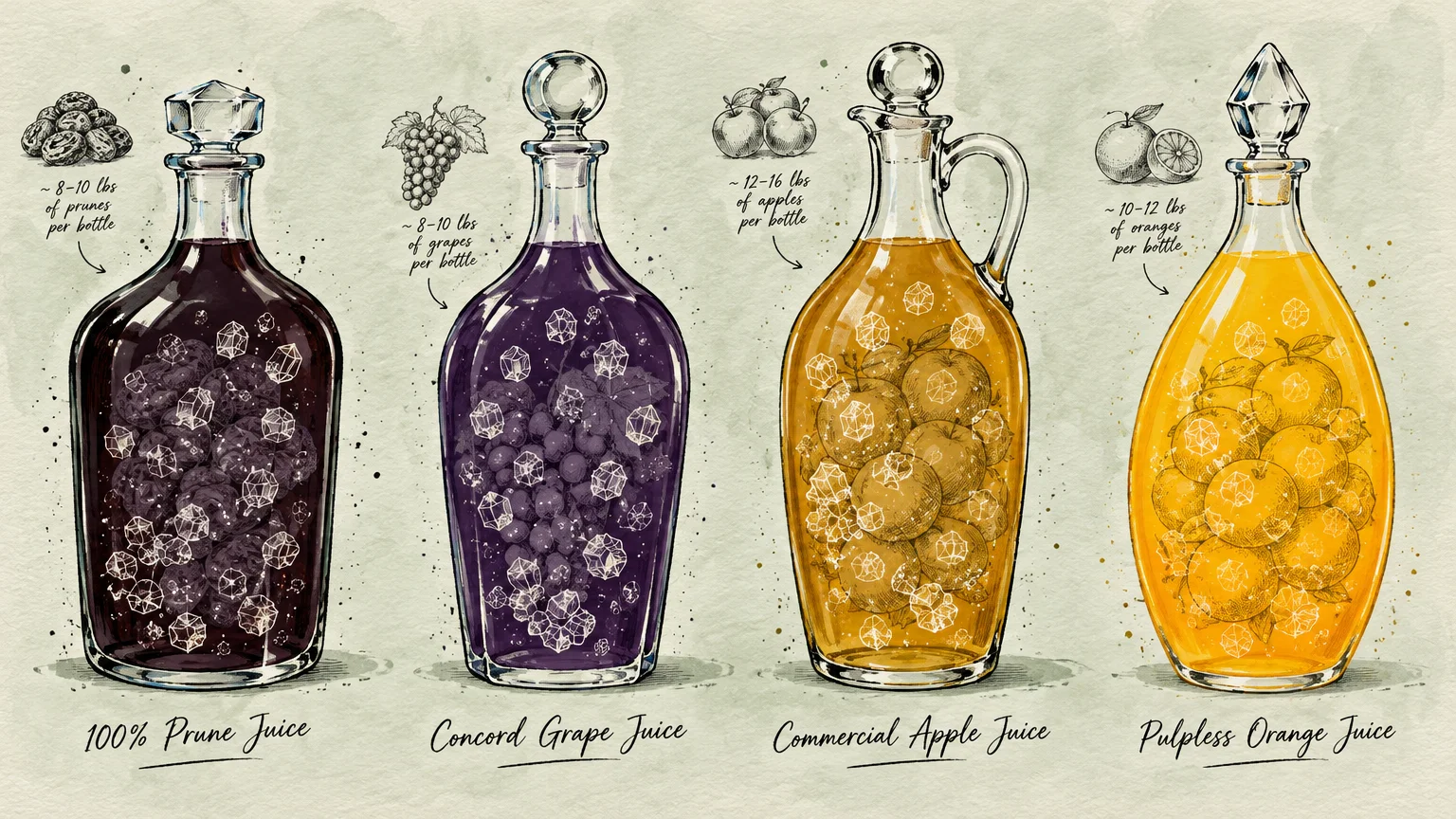
4 High-Sugar Juices to Reduce or Replace
Many shoppers assume that 100% fruit labels guarantee metabolic safety. However, commercial processing concentrates the natural sugars of multiple fruit servings into a single, fiber-depleted glass.
Examining laboratory nutritional data from USDA FoodData Central reveals why certain beverages demand caution. Here are four high-sugar juices that warrant careful portion control or complete dietary replacement.
1. 100% Prune Juice
Many adults rely on bottled prune juice as a trusted remedy for sluggish digestion. While it offers modest laxative benefits, it also carries an exceptionally heavy carbohydrate load.
A single eight-ounce cup of bottled prune juice contains 182 calories and 44.7 grams of total carbohydrates. That single glass delivers 42.1 grams of total sugars directly into your system.
Although whole dried plums retain beneficial structure, the extracted juice offers only 2.6 grams of dietary fiber per cup. That modest fiber content cannot counter the rapid influx of more than 40 grams of liquid sugar.
Prune juice also contains sorbitol, a sugar alcohol that can cause unexpected gastrointestinal distress when consumed in large volumes. Drinking a full glass can send blood sugar soaring while triggering abdominal cramping.
If you rely on prune juice for bowel regularity, consider switching to whole stewed prunes paired with plenty of water. Consuming two whole prunes provides dietary fiber and sorbitol without the overwhelming sugar concentration of bottled juice.
2. 100% Unsweetened Concord Grape Juice
Grape juice often enjoys a health halo due to its deep purple hue and antioxidant reputation. Bottlers frequently advertise its polyphenols and heart-protective resveratrol content on commercial labels.
Beneath that marketing lies an exceptionally potent sugar profile. One eight-ounce cup of unsweetened grape juice delivers 152 calories and 37.4 grams of total carbohydrates.
Of those carbohydrates, 35.9 grams consist of pure, unbound sugars like fructose and glucose. Worse, the extraction process removes almost every trace of natural fiber, leaving just 0.5 grams per cup.
Drinking eight ounces of grape juice is biochemically comparable to drinking several tablespoons of liquid syrup. Without intact grape skins and pulp, your bloodstream absorbs that sugar almost immediately.
If you crave the rich flavor of dark grapes, choose whole red or black Concord grapes instead. Eating a small bowl of cold whole grapes provides protective anthocyanins alongside intact pectin fiber that supports gradual digestion.
3. Commercial Sweetened Cranberry Juice Cocktail
Cranberries possess natural astringency and low inherent sugar levels, making them a fantastic functional fruit. However, raw cranberries are far too sour for most consumers to drink unsweetened.
To mask that intense tartness, beverage manufacturers blend cranberry concentrate with high-fructose corn syrup, cane sugar, or concentrated apple juice. The resulting product is marketed as cranberry cocktail.
A standard eight-ounce cup of sweetened cranberry cocktail packs between 116 and 137 calories and 31 to 34 grams of total carbohydrates. Nearly all of that carbohydrate load—31 grams—comes from simple sugars.
Commercial cranberry cocktail contains between zero and 0.25 grams of dietary fiber. Even though you may drink it to support urinary tract wellness, you are essentially consuming a glass of flavored liquid sugar.
Even unsweetened 100% cranberry juice blends often use sweet grape or apple concentrates, yielding 30 to 31 grams of total sugar per cup. If you want pure cranberry benefits, purchase pure unsweetened concentrate and dilute a single tablespoon into sparkling water.
4. Bottled 100% Pomegranate Juice
Pomegranate juice ranks among the most heavily promoted superfood drinks in modern grocery aisles. Wellness influencers regularly celebrate its deep red punicalagins and broad antioxidant capacity.
Yet a standard eight-ounce bottle delivers 134 calories and 32.7 grams of total carbohydrates. That single serving dumps 31.5 grams of total sugars into your digestive tract.
Much like grape juice, commercial pomegranate processing filters out almost all dietary fiber, leaving an insignificant 0.2 grams per cup. This creates a beverage that causes rapid postprandial glucose elevation.
By comparison, one cup of unsweetened apple juice contains 114 calories, 28.0 grams of carbohydrates, and 24.0 grams of sugar with only 0.5 grams of fiber. Pomegranate juice exceeds even apple juice in total sugar density.
To enjoy pomegranate compounds safely, purchase fresh pomegranate seeds, also known as arils. Tossing two tablespoons of fresh arils over Greek yogurt gives you crunch, tartness, and antioxidant power without a glycemic spike.
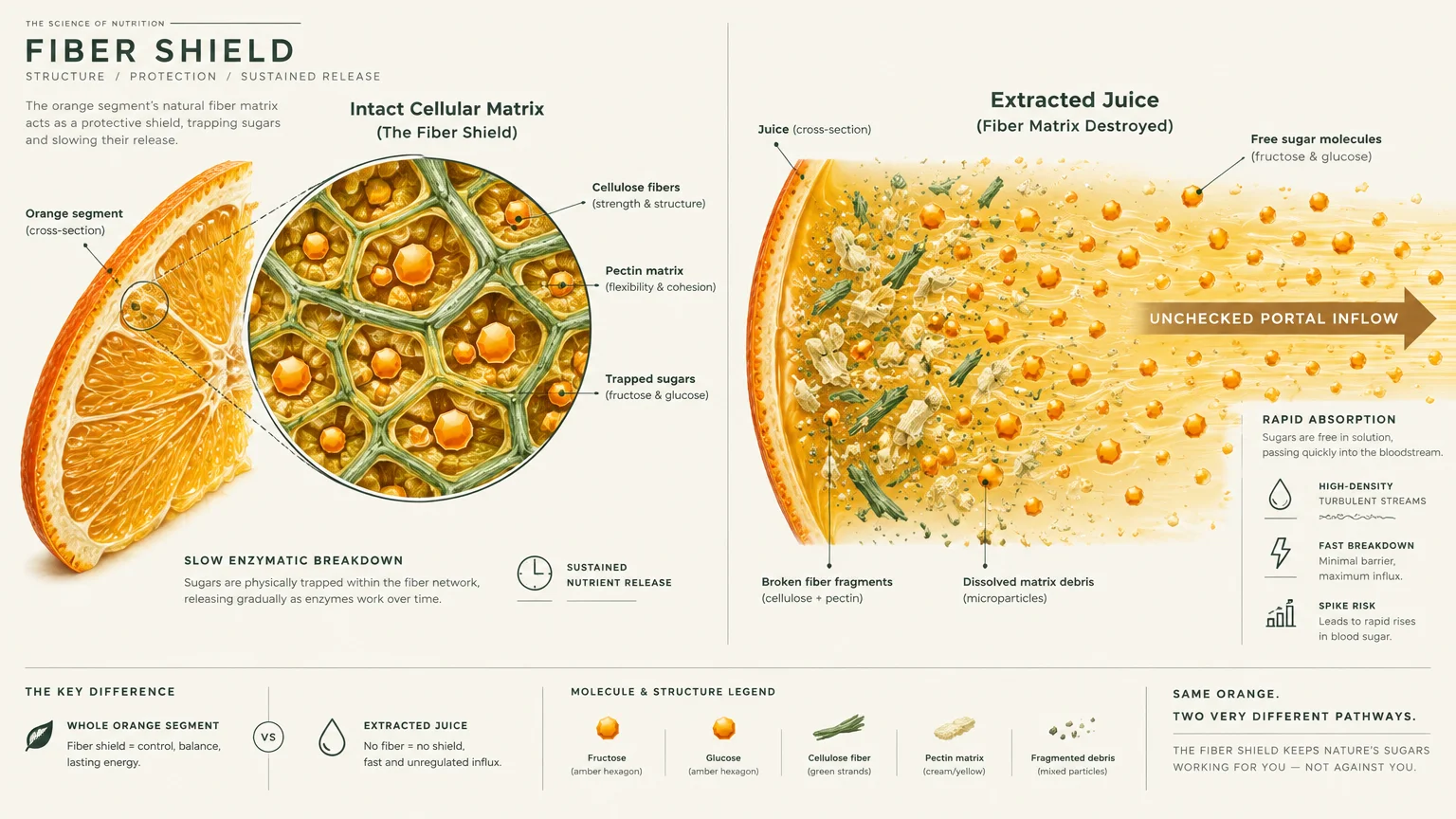
Whole Fruit Versus Extracted Juices: The Fiber Shield
Understanding why whole fruit behaves differently than fruit juice requires examining plant cellular architecture. In whole fruit, fructose and glucose sit locked inside fibrous cellular walls composed of cellulose and pectin.
When you eat a medium raw apple with skin, you consume 95 calories, 25 grams of carbohydrates, and 19 grams of sugar. Crucially, that raw apple also provides 4.4 grams of protective dietary fiber.
As you chew that apple, your stomach forms a viscous gel from the soluble pectin. This gel acts as a physical barrier across your intestinal lining, slowing carbohydrate absorption down to a steady trickle.
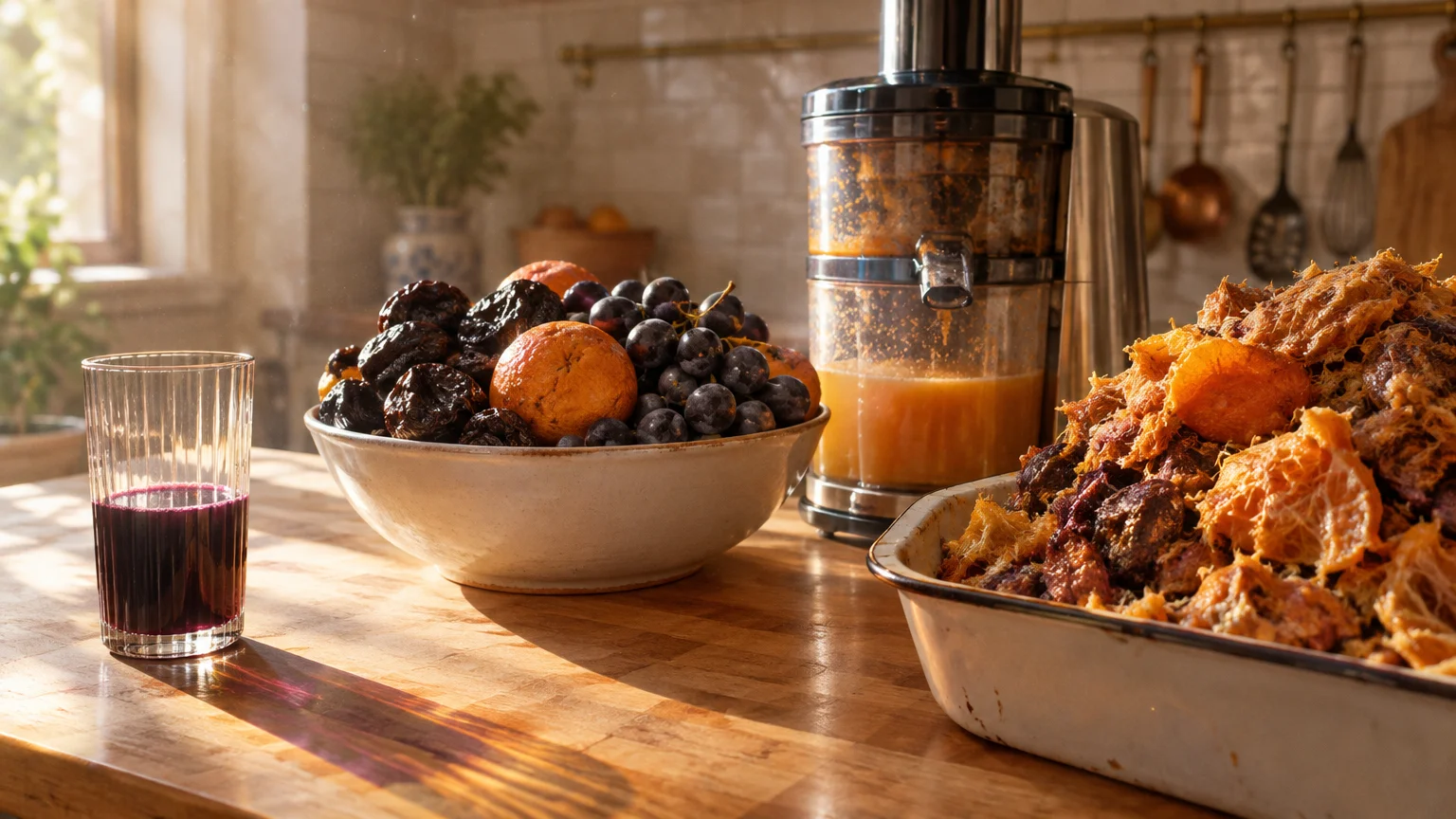
When juice manufacturers press apples, they crush that cellular matrix and discard the nutrient-dense fibrous pomace. That mechanical processing transforms an intrinsically balanced food into a rapidly absorbed liquid carbohydrate.
The resulting 100% apple juice delivers 114 calories, 28.0 grams of carbohydrates, and 24.0 grams of sugar with only 0.5 grams of fiber. Your body treats that liquid very differently than the whole fruit from which it came.
Similar dynamics occur with citrus fruits. One cup of fresh orange juice delivers 112 calories, 25.8 grams of carbohydrates, and 20.8 grams of sugar with only 0.5 grams of fiber.
Eating a whole medium orange, on the other hand, provides valuable dietary fiber and requires several minutes to peel and chew. That extended eating experience signals your brain that you have consumed actual nourishment.
Strategy Pillars: Smarter Approaches to Hydration and Glucose Balance
Reclaiming control over your daily blood sugar does not mean living on plain tap water forever. You can easily satisfy your desire for flavor by applying three sustainable, evidence-based strategy pillars.
Pillar 1: Meal Planning and Strategic Pairing
If you choose to drink fruit juice, never consume it on an empty stomach first thing in the morning. Liquid sugar consumed in a fasting state causes the steepest glucose spikes of your entire day.
Instead, integrate juice into a balanced meal that contains substantial amounts of protein, dietary fat, and complex fiber. Healthy fats and dietary proteins slow your stomach’s rate of gastric emptying.
For example, drinking a two-ounce pour of juice alongside scrambled eggs and avocado blunts the resulting glucose curve. The dietary fat and protein keep digestive enzymes working at a measured, consistent pace.
Consider the total carbohydrate budget of your entire plate before pouring a glass. If your meal already features brown rice or sweet potatoes, adding juice introduces unnecessary carbohydrate competition into your system.
Pillar 2: Nutrient Focus and Whole-Fruit Replacements
Direct your shopping budget toward intact, low-glycemic fruits that deliver maximum nutritional density with minimal glucose disruption. Berries represent the absolute gold standard for metabolic wellness.
Fresh blackberries, raspberries, and strawberries contain robust amounts of fiber relative to their modest sugar content. Their natural cellular structures keep glucose release exceptionally slow and steady.
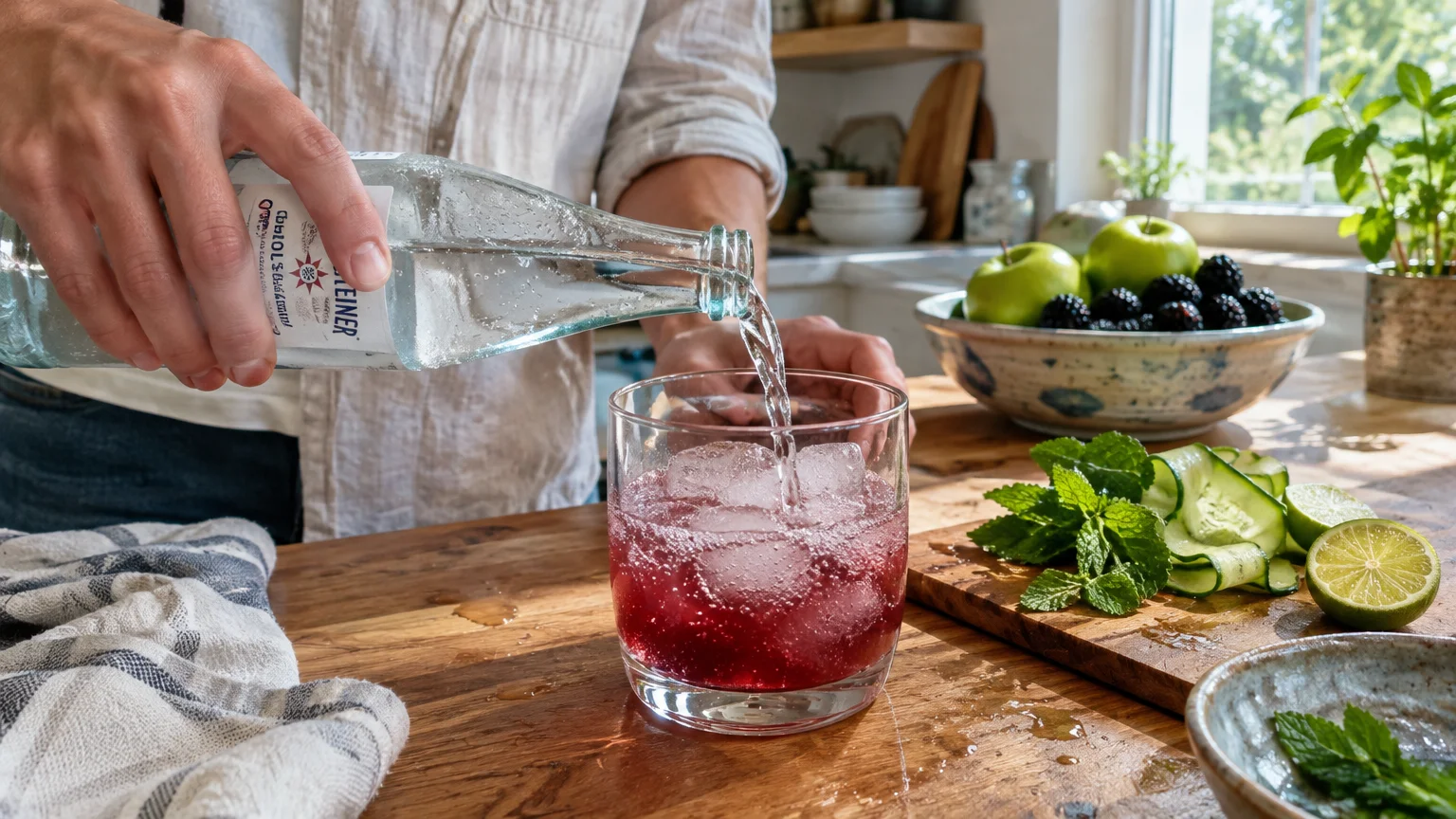
You can also use fresh citrus wedges to impart bright flavor to cold water without extracting excess fructose. Squeezing half a fresh lemon or lime into water adds trace carbohydrates while delivering invigorating flavor.
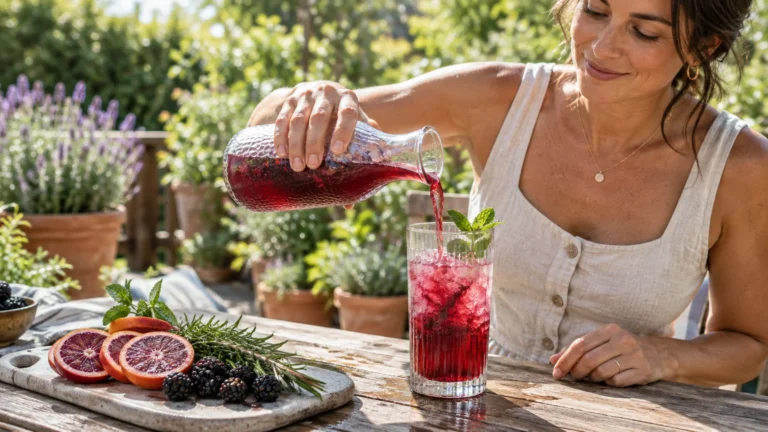
If you enjoy creative culinary traditions, explore unsweetened botanical infusions. Chilled hibiscus tea provides a tart, deep red profile reminiscent of cranberry juice, with zero grams of sugar.
Cold-brewed herbal blends featuring mint, ginger root, or rooibos satisfy your palate during warm afternoons. These natural infusions deliver polyphenols without stressing your insulin production.
Pillar 3: Habit Formation and Progressive Dilution
Attempting to quit sweet drinks abruptly often triggers intense psychological cravings that derail your goals. A gradual habit-formation strategy yields far better long-term adherence.
Start by employing the progressive dilution technique over a four-week period. During your first week, fill your glass with three-quarters juice and one-quarter plain or sparkling water.
During the second week, transition to a half-and-half ratio of juice to sparkling mineral water. This simple mixture delivers crisp carbonation, bold fruit aroma, and half the total sugar load.
By the fourth week, reduce your juice pour to a simple two-tablespoon splash atop twelve ounces of ice and seltzer. Your taste receptors will naturally recalibrate to appreciate subtle sweetness over time.
Pair this physical habit with deliberate environmental design in your home. Store juice containers toward the back of your refrigerator, placing pitchers of cold fruit-infused water right at eye level.

Clinical Perspectives and Daily Lived Realities
In clinical dietetics, practitioners frequently observe high morning fasting blood sugars caused by innocent bedtime juice habits. Many individuals drink a glass of juice late at night thinking it provides healthy hydration.
Primary care clinicians note that continuous glucose monitoring systems consistently show dramatic spikes from juice. A patient might see their glucose rise rapidly within twenty minutes of finishing a commercial smoothie or juice.
Many community members share how shifting away from morning juice cleared persistent afternoon brain fog. When you eliminate morning glucose spikes, you also avoid the sharp hypoglycemia crashes that follow them.
One common experience involves discovering that fruit juice triggers sudden mid-morning cravings for refined carbohydrates. Stabilizing your morning beverage choices prevents that exhausting roller-coaster of daytime appetite swings.
Clinicians also remind patients that cultural celebrations often center around sweet, shared beverages. You do not have to isolate yourself socially to maintain healthy blood sugar parameters.
Bringing your own sparkling water or offering to make a diluted citrus spritzer allows you to participate joyfully. You honor your cultural traditions while respecting your body’s metabolic capacity.
Medication Safety, Contraindications, and Clinical Oversight
While cutting back on juice benefits most adults, specific medical conditions require nuanced clinical supervision. Never make sudden, drastic alterations to your fluid intake without discussing your plans with your physician.
If you take insulin or sulfonylureas, you face a genuine risk of clinical hypoglycemia. In those urgent medical situations, fast-acting simple carbohydrates are essential to raise your blood sugar quickly.
According to educational resources from the National Institute of Diabetes and Digestive and Kidney Diseases, treating hypoglycemia requires rapid glucose delivery. A four-ounce serving of fruit juice remains an effective, temporary rescue treatment for acute low blood sugar.
Individuals living with chronic kidney disease must also exercise extreme caution regarding fruit juices. Prune juice, pomegranate juice, and orange juice contain substantial concentrations of potassium.
Impaired kidneys struggle to clear excess potassium from circulation, creating a life-threatening cardiac condition called hyperkalemia. Kidney patients must coordinate all fluid and mineral choices with a renal dietitian.
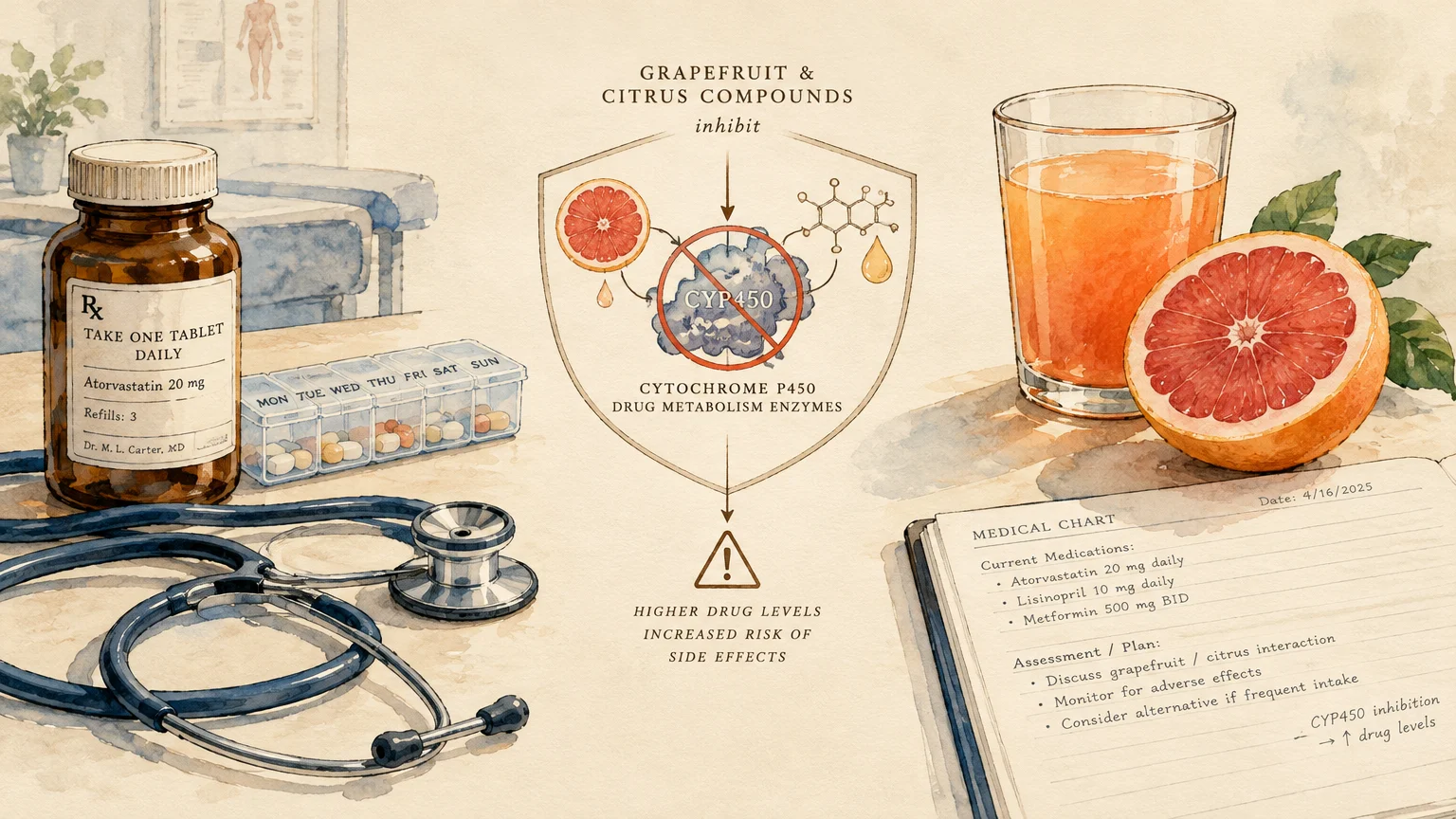
Certain juices also interact dangerously with common prescription medications. Grapefruit juice famously inhibits the CYP3A4 enzyme system, altering how your liver metabolizes statins and blood pressure medications.
Cranberry extracts can potentiate anticoagulant medications such as warfarin, increasing your risk of internal bleeding. Always share a complete list of your habitual beverages and supplements with your clinical team.
Frequently Asked Questions About Juices and Blood Sugar
Does blending whole fruit into a smoothie raise blood sugar as fast as drinking juice?
Blending retains the fruit’s dietary fiber, whereas juicing strips that fiber away entirely. That retained fiber helps slow glucose absorption compared to clear, filtered juice.
However, high-speed blending blades physically pulverize insoluble cell walls into tiny particles. To keep smoothie glucose curves gentle, blend in healthy fats like chia seeds, hemp hearts, or unsweetened almond butter.
Can I drink vegetable juices without worrying about blood glucose spikes?
Pure green vegetable juices made from cucumber, celery, spinach, and kale contain minimal carbohydrates and will not spike your glucose. These leafy greens offer refreshing hydration alongside valuable micronutrients.
However, commercial green juices often rely heavily on apple or pineapple juice to mask bitter vegetable flavors. Always read nutrition labels carefully to ensure the product does not conceal twenty or more grams of sugar.
Is drinking 100% fruit juice healthier for blood sugar than drinking regular soda?
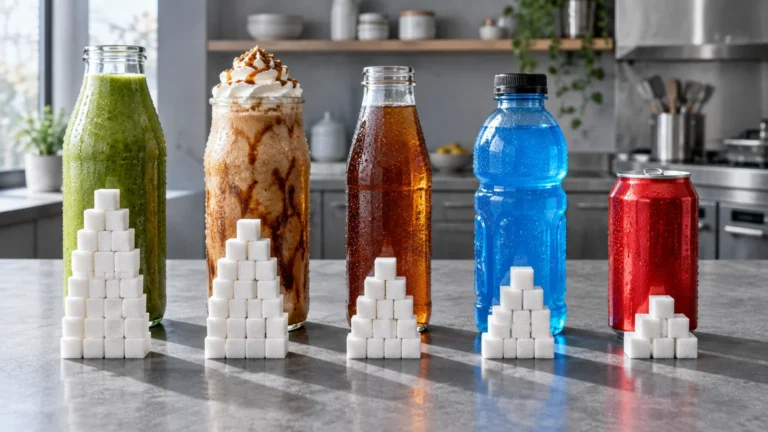
From a metabolic perspective, your liver and bloodstream process the concentrated liquid sugar in 100% juice almost identically to soda. Both beverages deliver rapid, unbuffered glucose and fructose surges.
While 100% juice contains naturally occurring vitamins, its high carbohydrate density still drives insulin resistance. Treating juice as an everyday health beverage undermines your glycemic control goals.
How much water should I use if I choose to dilute my favorite fruit juice?
A good clinical benchmark involves mixing one part juice with three parts cold water or unsweetened seltzer. This ratio provides pleasant fruit aroma while cutting total carbohydrate delivery by seventy-five percent.
Adding a sprig of fresh mint or a squeeze of lime enhances the beverage’s perceived sweetness naturally. This allows you to enjoy fruit essence without jeopardizing your metabolic stability.
Your 24-Hour Action Step
Improving your metabolic health does not require complicated overhauls or miserable deprivation. Lasting wellness begins with small, confident choices repeated consistently day after day.
Take one simple action within the next 24 hours to support your blood sugar. Open your refrigerator and check the nutrition labels on every bottled beverage currently sitting on your shelves.
If you find high-sugar fruit juices, commit to replacing tomorrow morning’s glass with cold sparkling water infused with fresh lemon. Your pancreas, your blood vessels, and your daily energy levels will thank you for making the shift.