Reaching for a warm mug before bed should calm your stomach, but your favorite peppermint tea might trigger severe heartburn instead. Choosing soothing herbal infusions like ginger, chamomile, or licorice protects your esophagus and allows you to sleep peacefully.
Peppermint contains volatile oils that actively relax the muscular valve between your stomach and esophagus. When that barrier loosens, harsh digestive acid flows upward and disrupts your nighttime rest.
Swapping your evening cup for targeted digestive botanicals stops chemical irritation while supporting natural digestion. These three gentle alternatives provide deep comfort without compromising your sleep or your blood pressure.
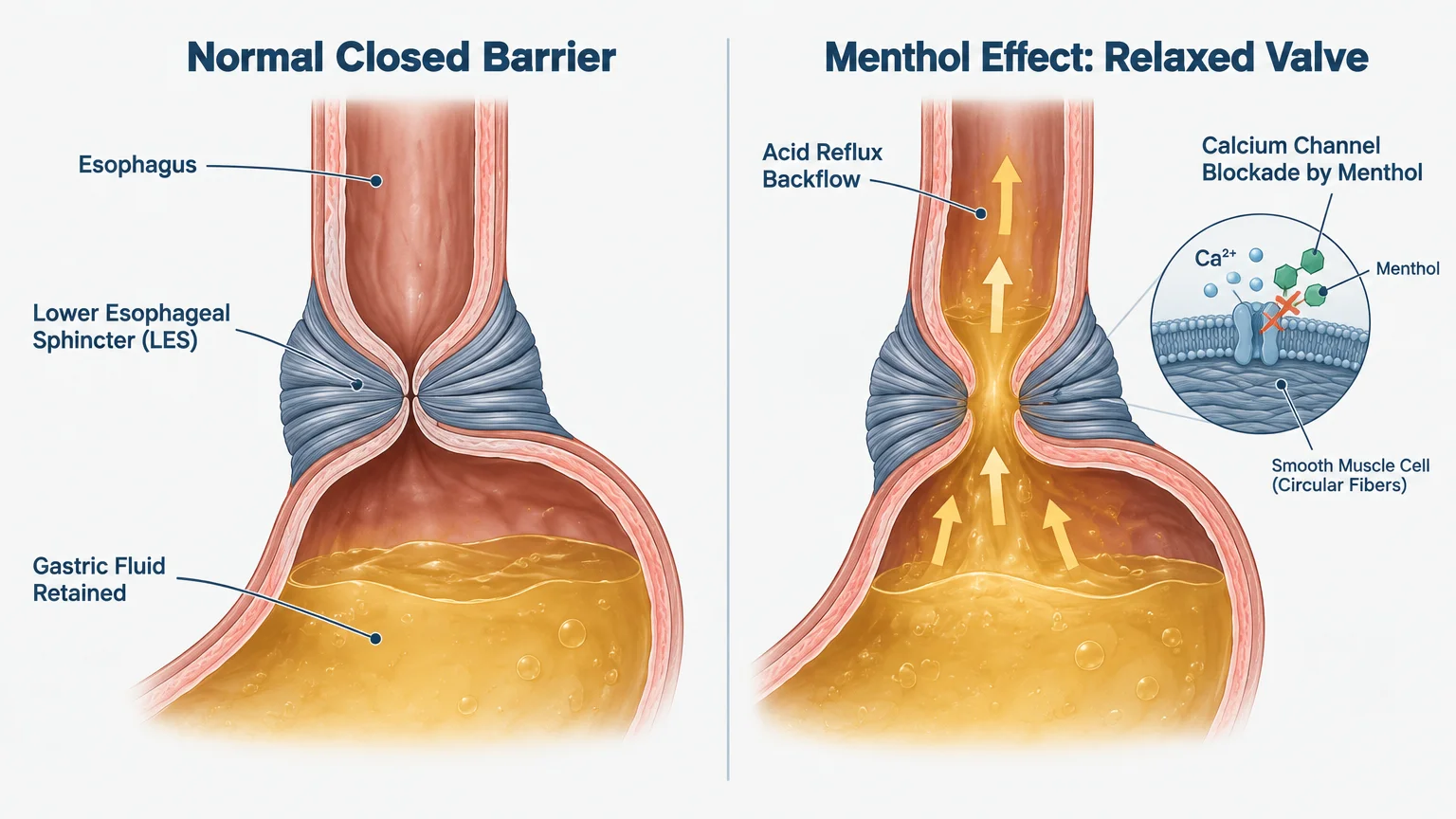
Why does peppermint tea trigger nighttime acid reflux?
Peppermint tea often enjoys an unearned reputation as the universal cure for an upset stomach. While it can relax intestinal spasms in your lower bowel, it performs terribly in your upper gastrointestinal tract.
The primary culprit is menthol, the active volatile oil that gives peppermint its brisk aroma and cool taste. Menthol exerts a direct antispasmodic effect on smooth muscle tissue throughout your body.
Your lower esophageal sphincter serves as the high-pressure gatekeeper between your esophagus and your stomach. According to the National Institute of Diabetes and Digestive and Kidney Diseases, acid reflux happens when this circular band of muscle relaxes abnormally.
When menthol enters your system, it blocks calcium channels in the smooth muscle cells of that vital valve. The muscle fibers soften and lose their tight seal within minutes of sipping.
Once you lie flat on your mattress, gravity can no longer keep digestive juices resting inside your stomach basin. Stomach acid, bile, and digestive enzymes creep backward past the slack sphincter and enter your delicate esophagus.
This regurgitation produces the burning sensation known as heartburn; it can also cause throat clearing, dry coughing, and hoarseness. The irritation damages delicate mucosal tissue that lacks the stomach’s protective lining.
Drinking peppermint tea immediately before sleep compounds the hazard by keeping the sphincter relaxed for hours while you lie still. You wake up with a sour taste, an aching chest, and interrupted rest.
Choosing drinks that preserve or improve lower esophageal muscle tone eliminates this hidden dietary trigger entirely. You can enjoy the relaxing ritual of a hot mug without paying for it all night long.
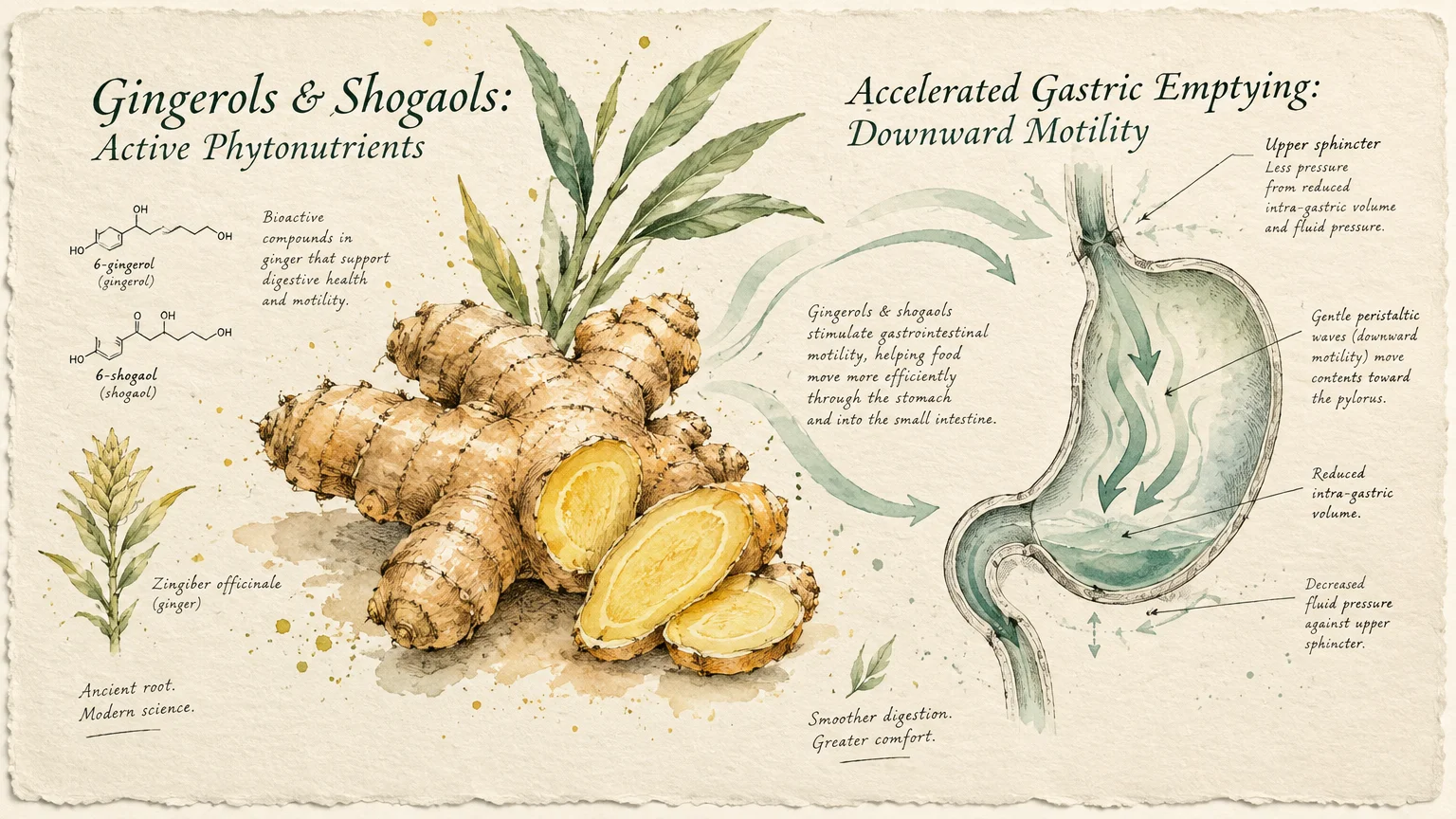
How does ginger root tea suppress stomach acid and speed emptying?
Fresh ginger root tea ranks among the most effective warm beverages for preventing nighttime acid reflux. Unlike peppermint, ginger works in harmony with your natural digestive mechanics rather than paralyzing essential muscular valves.
The root contains potent bioactive compounds known as gingerols and shogaols. Research compiled by the National Center for Biotechnology Information demonstrates that these phytonutrients exert powerful anti-inflammatory effects across gastrointestinal membranes.
Ginger reduces reflux primarily by accelerating gastric emptying, the rate at which your stomach transfers its contents into your small intestine. When food and liquids linger inside your stomach for hours, intra-gastric pressure rises steadily.
Elevated pressure pushes upward against the lower esophageal sphincter, forcing acid through even a healthy muscular seal. By gently stimulating stomach contractions, ginger clears digestive contents downward before you go to bed.
Gingerols also help suppress the overproduction of stomach acid by tempering gastrin, the hormone that tells your stomach cells to release digestive fluid. You experience lower overall acidity without blocking digestion completely.
To brew ginger tea correctly, use fresh ginger root rather than commercial tea bags containing powdered spices. Fresh ginger delivers active gingerols without the bitter degradation products found in stale powders.
Slice two or three thin coins of peeled raw ginger root, totaling roughly the size of a quarter. Place the slices in a heat-resistant mug and pour eight ounces of boiling water over them.
Cover the mug with a small saucer to trap the beneficial steam and volatile oils inside your cup. Let the root steep for five to eight minutes, then remove the slices before drinking.
Keep your brew light and golden rather than dark and spicy; an overly concentrated ginger brew can irritate inflamed esophageal tissue. A mild, warm infusion provides maximum relief with zero burning.
Drink one six-to-eight-ounce cup roughly ninety minutes before you plan to lie down for sleep. This window allows the gingerols to speed your gastric emptying while you remain upright.
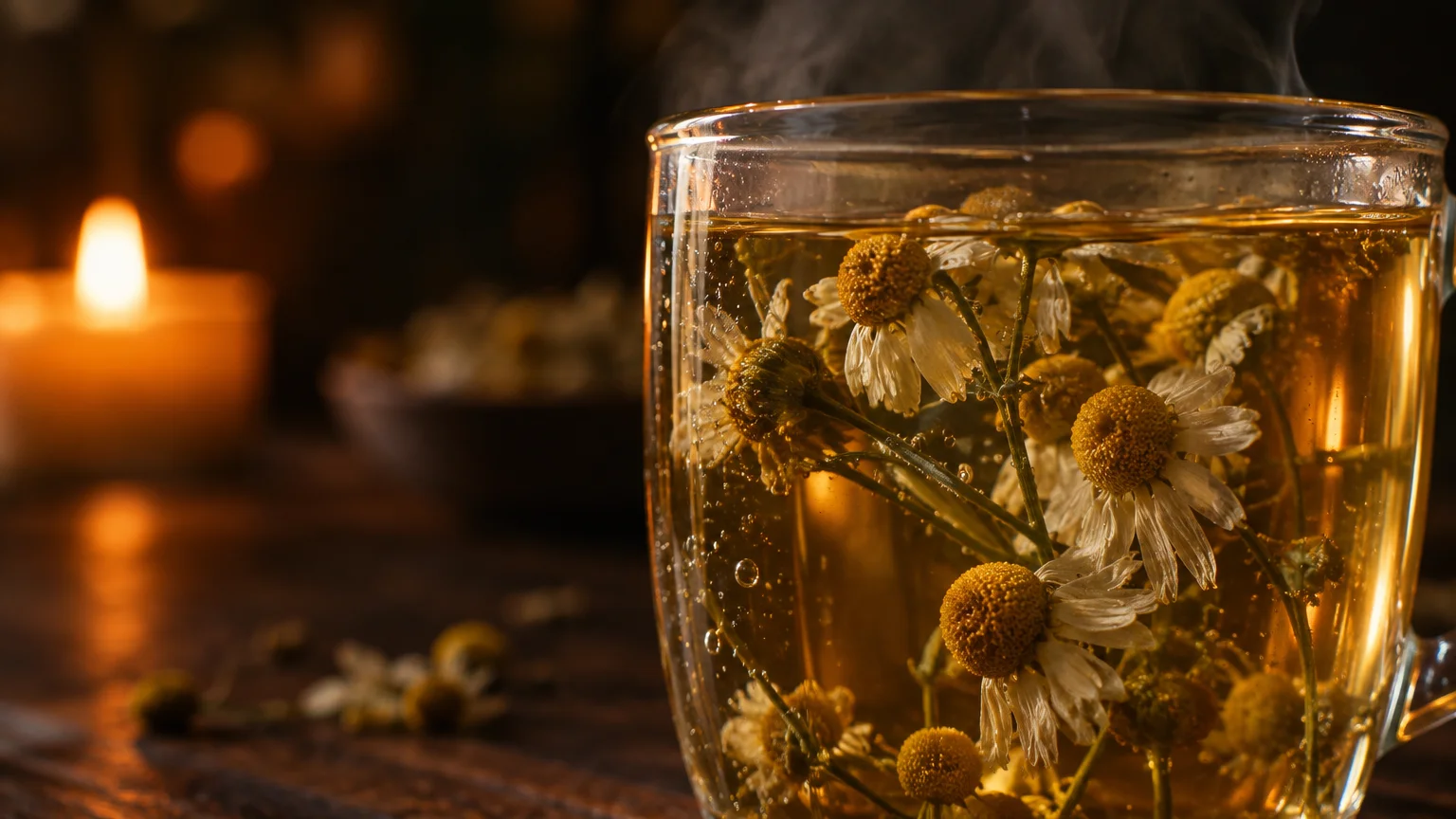
Why does German chamomile tea protect your digestive lining at night?
German chamomile tea offers a comforting, floral alternative that soothes an irritated digestive tract without disturbing your esophageal sphincter. It provides targeted relief when evening stress triggers excess stomach acid secretion.
Chamomile flowers contain an array of beneficial flavonoids, most notably apigenin, luteolin, and patuletin. These compounds soothe mucosal inflammation in the throat, esophagus, and stomach lining.
When stomach acid splashes into your esophagus, it creates micro-inflammation that makes your nerves hypersensitive to future acid exposure. The anti-inflammatory action of chamomile helps quiet these sensitized nerve pathways.
Chamomile also works as a mild antispasmodic for the stomach walls without loosening the lower esophageal valve. It calms nervous cramping and gastric churning that often push acid upward late in the evening.
The botanical brings an added advantage for sleep quality; apigenin binds to specific receptors in your brain that reduce restlessness. Falling asleep without tossing and turning prevents sudden posture changes that trigger reflux episodes.
Select whole dried chamomile flower heads—often labeled as German chamomile or Matricaria chamomilla—rather than crushed tea dust. Whole flowers retain higher concentrations of chamazulene, the essential oil responsible for mucosal healing.
Place one rounded tablespoon of dried flowers, or one unbleached tea bag, into your mug. Pour eight ounces of hot water over the flowers, aiming just below boiling temperature to protect the delicate aromatic oils.
Steep the flowers covered for seven to ten minutes to allow the water-soluble flavonoids to dissolve completely. Strain the liquid or lift the tea bag out gently without squeezing it, which releases bitter tannins.
Sip your chamomile tea warm, not scalding hot; drinking liquids above one hundred forty degrees Fahrenheit can weaken esophageal defenses. Enjoy your mug two hours before bed so your body absorbs the fluid comfortably.

How does deglycyrrhizinated licorice tea shield your esophagus from acid?
Deglycyrrhizinated licorice, commonly known as DGL, provides an entirely different biological defense against nighttime reflux. Rather than altering acid production or stomach motility, DGL creates a protective physical barrier.
Standard licorice root contains glycyrrhizin, a compound that can alter steroid metabolism in your adrenal glands. Glycyrrhizin causes your kidneys to retain sodium and excrete potassium, which can drive your blood pressure dangerously high.
DGL has had this specific compound removed through specialized processing, making it substantially safer for daily use. According to the American Heart Association, managing sodium balance is critical for maintaining healthy arterial pressure as you age.
DGL tea works by stimulating your body’s natural production of mucin, the protective coating that shields digestive membranes. Mucin forms a slick, resilient gel layer over your esophageal wall and stomach interior.
When stomach acid travels upward during the night, this enhanced mucin layer buffers the caustic liquid before it touches cellular tissue. You avoid the pain and raw inflammation of acid exposure while your body digests normally.
DGL also contains specialized flavonoids that encourage blood flow to damaged esophageal tissues. Improved microcirculation speeds cellular repair, helping your body heal existing irritation caused by prior reflux episodes.
Look specifically for teas labeled “DGL” or “deglycyrrhizinated licorice root” rather than standard licorice spice tea. High-quality DGL tea blends often combine the root with slippery elm bark or marshmallow root for added soothing power.
Brew one tea bag or one teaspoon of cut DGL root in eight ounces of freshly boiled water. Let the herb infuse for ten minutes so the mucilaginous compounds fully hydrate and enter the water.
The resulting liquid carries a naturally sweet, earthy flavor without requiring any added sugar or honey. Drink six ounces of this warm infusion one hour before settling in for the night.
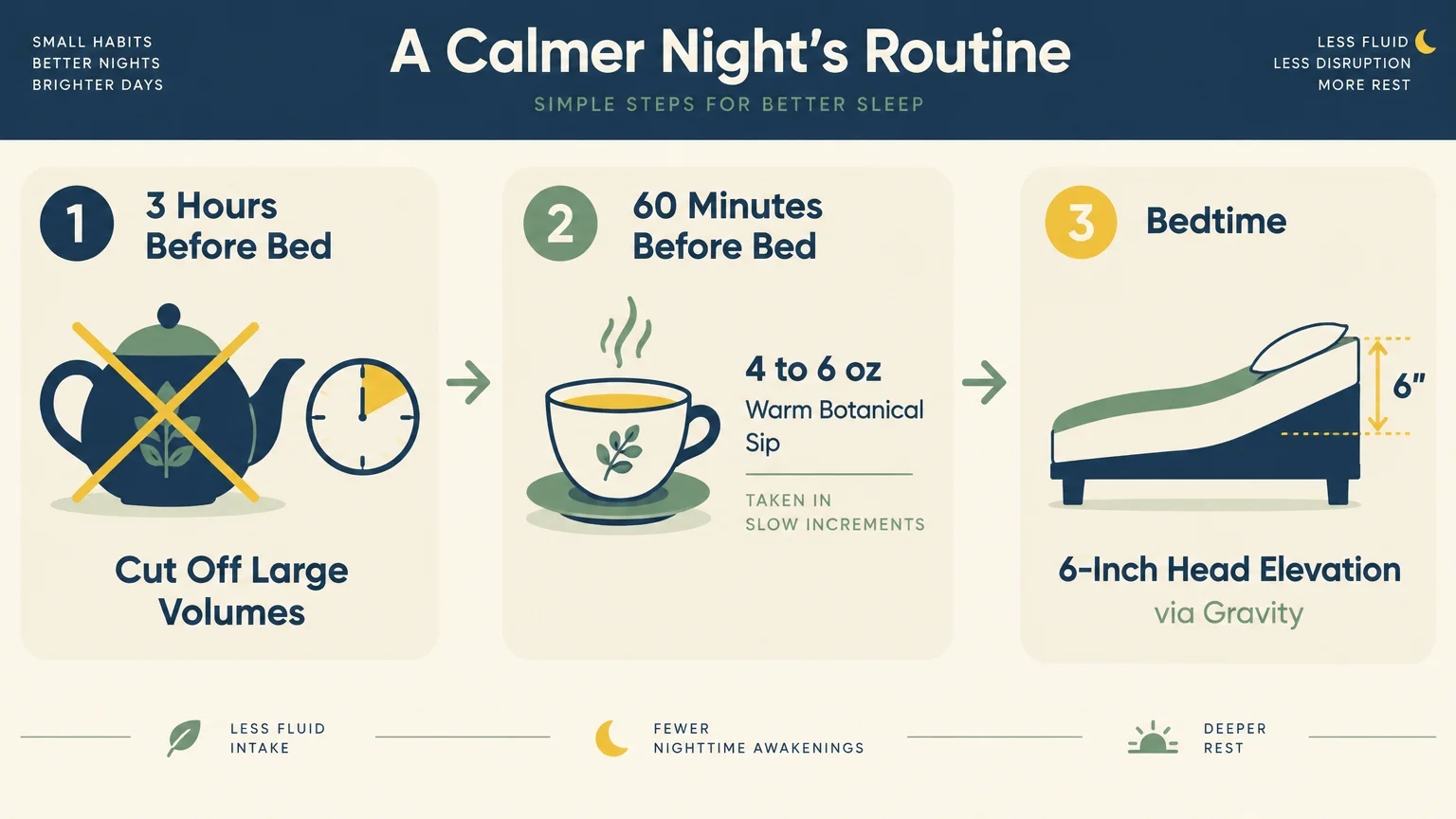
What drinking habits prevent acid from escaping while you sleep?
What you drink represents only half of the reflux equation; how and when you drink your evening beverage matters just as much. Careless drinking habits can turn even the most therapeutic tea into a trigger for nighttime reflux.
Your stomach requires physical space to churn and break down liquids without spilling over into your esophagus. Drinking large volumes of tea late at night stretches your stomach wall and forces digestive valves open.
Cap your evening beverage at six to eight ounces; never consume a massive twelve-to-sixteen-ounce mug before bed. A modest volume delivers all the botanical benefits without creating liquid pressure behind your lower esophageal sphincter.
Timing dictates whether your evening drink stays in your stomach or travels upward when you lie down. Finish your last sip at least ninety minutes to two hours before your head touches the pillow.
Gravity remains your strongest defense against acid reflux throughout your entire life. Remaining seated or standing for two hours ensures the liquid passes through your stomach into the small intestine before you recline.
Pay close attention to beverage temperature when preparing your evening tea. Scalding hot drinks cause thermal irritation to your esophageal lining, making it far more vulnerable to acid damage.
Let your tea cool on the counter until it feels comfortably warm against your inner lip. Warm liquids relax stomach tension, while boiling liquids provoke defensive inflammation and esophageal spasms.
Sip your tea slowly over fifteen to twenty minutes rather than gulping it down in a few quick swallows. Gulping introduces trapped air into your stomach, which generates gas bubbles that force acid upward through belching.
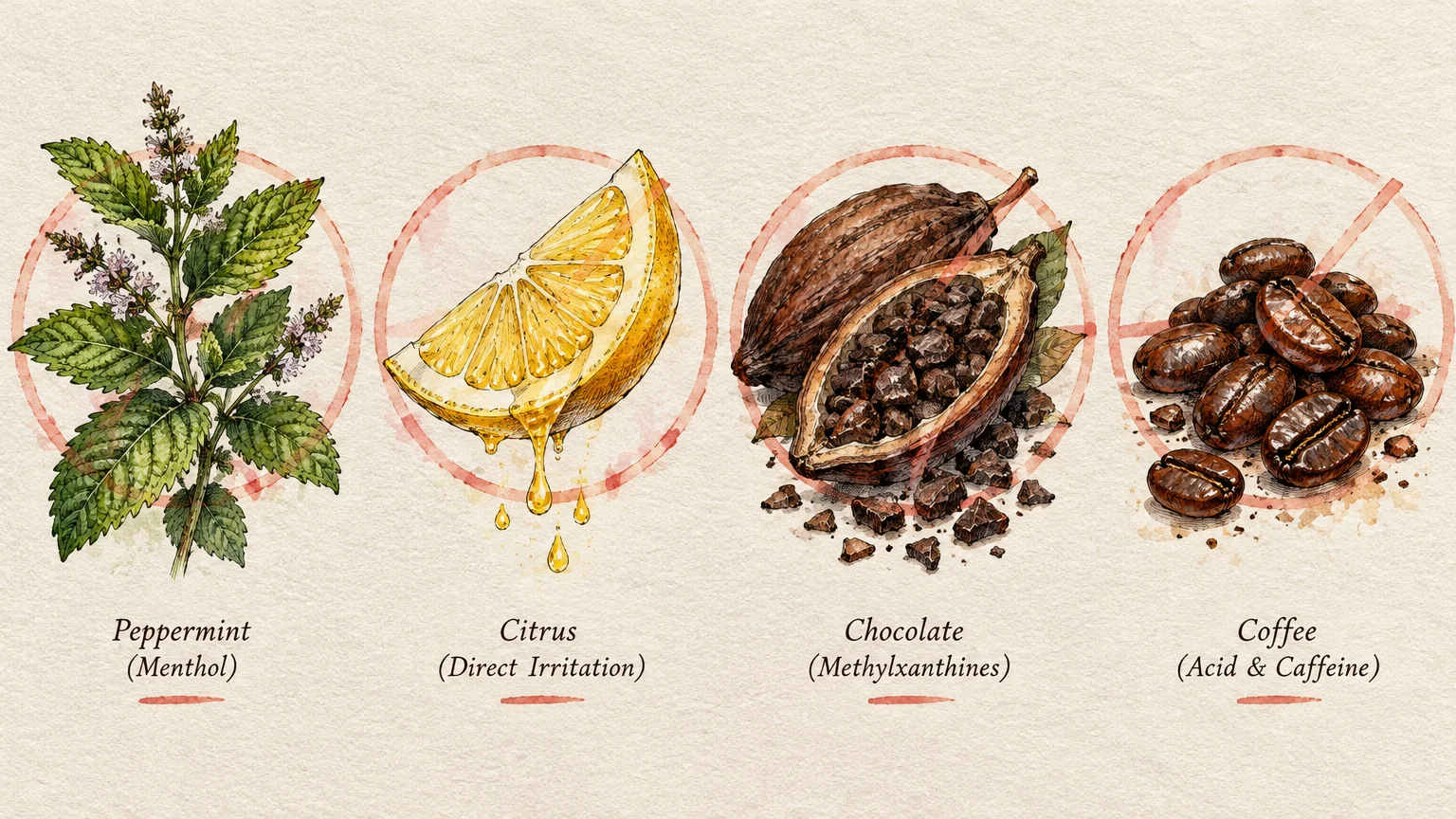
Which common beverage ingredients make nighttime reflux worse?
Many popular evening beverages contain hidden irritants that actively promote reflux even when the base herb seems harmless. Reading ingredient labels closely helps you avoid these digestive saboteurs.
Commercially packaged herbal tea blends frequently add citrus peel, lemon oil, or citric acid to boost brightness and shelf stability. Citric acid directly lowers the pH of your beverage and irritates inflamed esophageal tissues on contact.
Check the packaging of your chamomile and herbal blends to ensure they contain no dried orange peel, hibiscus, or citric acid additives. Stick to pure, single-ingredient botanicals to protect your upper digestive tract.
Sweeteners represent another common mistake; stirring honey, maple syrup, or table sugar into evening tea increases reflux risk. Concentrated sugars increase gastric osmolarity, drawing excess fluid into the stomach and slowing digestion.
Artificial sweeteners can also alter gut bacteria and trigger bloating, which raises intra-abdominal pressure against your stomach. Train your palate to enjoy the natural, subtle flavors of unsweetened herbal infusions instead.
Avoid adding any cow’s milk or heavy cream to your evening herbal tea. The fat content in whole milk delays stomach emptying and signals the stomach to produce higher volumes of gastric acid.
Even decaffeinated black or green teas can aggravate acid reflux during the night. Decaffeination removes most caffeine, but it leaves behind tannins and acidic compounds that stimulate gastric secretions.
Never combine your evening relaxation drink with an alcoholic “nightcap” like brandy or whiskey. Alcohol acts as a direct chemical relaxant on the lower esophageal sphincter while irritating the stomach lining.
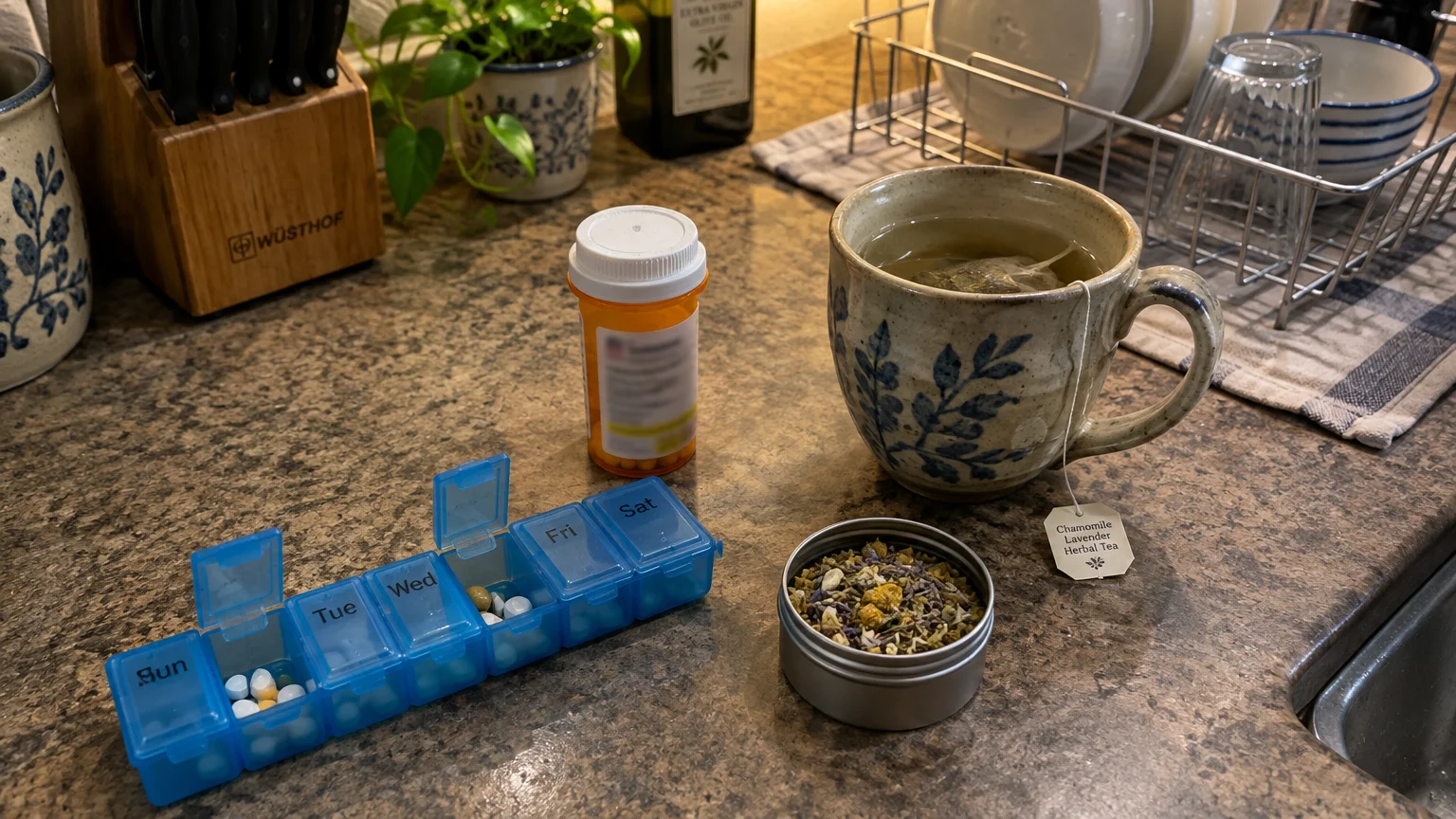
How do prescription medications interact with these evening teas?
Herbal beverages contain potent active compounds that can change how your body processes daily prescription medications. Reviewing your evening drink routine alongside your medication list prevents adverse interactions.
Ginger contains natural antiplatelet properties that thin your blood and slow clot formation. If you take anticoagulant or antiplatelet drugs like warfarin, apixaban, or daily aspirin, excessive ginger intake increases your bleeding risk.
Keep your fresh ginger tea mild and limit your consumption to a single cup each evening. The U.S. Food and Drug Administration cautions that herbal supplements and functional foods can magnify prescription drug effects unexpectedly.
Ginger also enhances insulin sensitivity and can modestly reduce fasting blood glucose levels. If you manage diabetes with insulin or sulfonylureas, monitor your blood sugar to ensure your evening cup does not cause nocturnal hypoglycemia.
Chamomile tea possesses mild sedative properties and acts as an anticoagulant in very high concentrations. If you take prescription sleep aids, muscle relaxers, or blood thinners, chamomile may amplify their effects.
Licorice root requires the strictest caution among all herbal tea options. While deglycyrrhizinated licorice has its glycyrrhizin removed, standard licorice can dangerously deplete potassium and spike blood pressure.
If you take ACE inhibitors, diuretics, or beta-blockers for hypertension, never drink standard licorice tea. Always confirm your tea package explicitly states “deglycyrrhizinated” or “DGL” before brewing.
Spacing your medications away from your evening tea protects drug absorption. Guidelines from the National Institute on Aging recommend taking oral prescription tablets with plain water at least one hour before drinking herbal teas.
Always consult your primary care doctor or pharmacist before introducing regular herbal infusions into your evening schedule. A quick conversation ensures your bedtime drink works safely alongside your specific medical regimen.
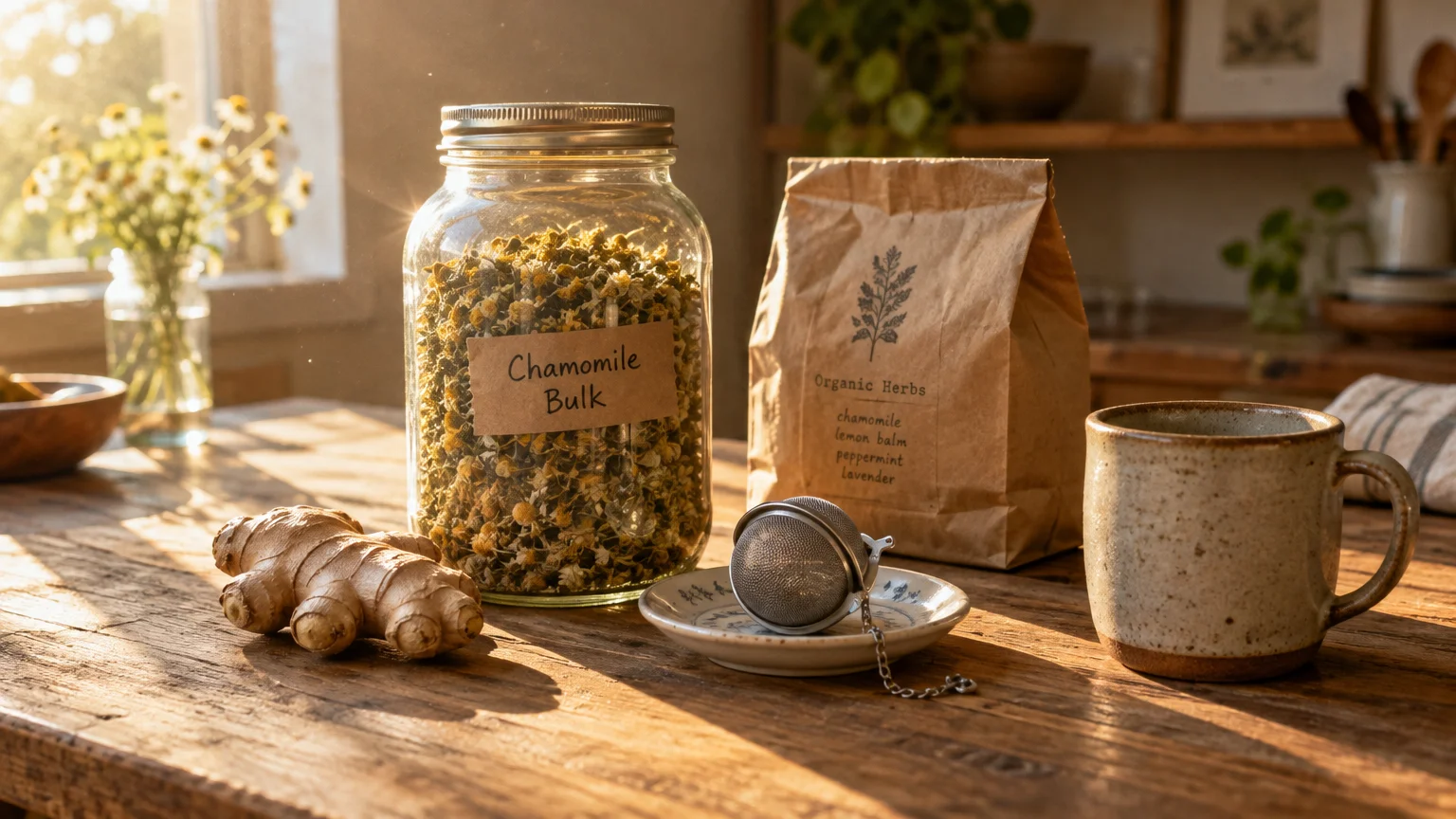
How can you select and brew reflux-friendly teas on a sensible budget?
Managing nighttime reflux does not require expensive boutique supplements or specialty functional beverages. You can build an effective, soothing evening tea pantry using simple ingredients from your local grocery store.
Fresh ginger root represents one of the most affordable digestive aids available in any supermarket produce section. A single hand of ginger root rarely costs more than two dollars and provides enough fresh tea slices for three weeks.
Store your unpeeled fresh ginger root in a breathable paper bag inside your refrigerator’s crisper drawer. For even longer preservation, peel the root, slice it into coins, and freeze them in a glass container for instant brewing.
When purchasing chamomile, skip costly designer tea sachets sold in fancy tins. Look for bulk loose chamomile flowers in the natural foods aisle or ethnic grocery markets, where prices run significantly lower per ounce.
A simple stainless steel mesh tea basket costs under ten dollars and lasts for decades. Using loose whole flowers in a basket yields a more potent, fresher infusion than commercial bleached tea bags.
DGL tea bags cost slightly more than basic chamomile because of the specialized extraction process required to remove glycyrrhizin. You can keep costs manageable by reserving DGL tea for evenings when your reflux feels particularly active.
Inspect the ingredient list on every package of tea you purchase, regardless of price. Ensure the botanical name appears alone on the label, free from added natural flavorings, citric acid, or artificial preservatives.
Brewing your tea at home using whole botanicals costs pennies per cup compared to commercial antacid tablets or over-the-counter chews. You gain effective symptom control while keeping your monthly grocery budget completely intact.
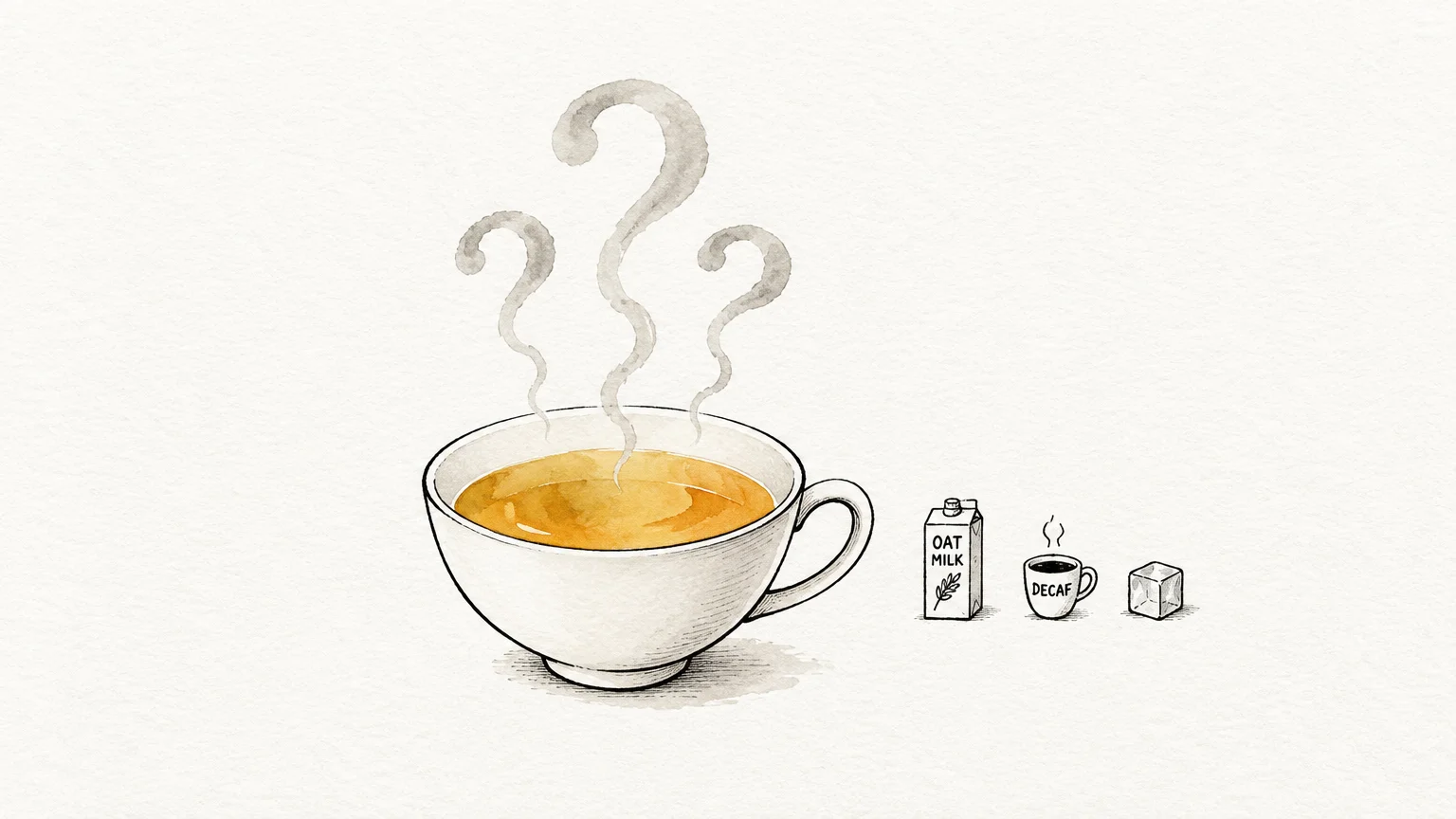
Which common drink questions do reflux sufferers ask most frequently?
Can warm unsweetened almond milk soothe evening acid reflux?
Unsweetened almond milk serves as a gentle, non-herbal evening drink that soothes acid reflux effectively. Almonds carry natural alkalinity, which helps neutralize excess hydrochloric acid in your stomach basin.
Unlike whole dairy milk, almond milk contains minimal fat, so it will not delay stomach emptying or trigger acid overproduction. Choose an unsweetened brand free from carrageenan or thickeners, which can irritate sensitive digestive linings.
Warm four to six ounces of almond milk gently on the stove without boiling it. Sip it slowly an hour before bed to coat your esophagus with a soothing, non-acidic layer.
Is decaffeinated green tea safe to drink before sleeping?
Decaffeinated green tea remains a problematic choice if you struggle with frequent nighttime reflux. While the decaffeination process removes most caffeine, green tea still contains high levels of astringent tannins.
Tannins stimulate gastric parietal cells to release stomach acid, increasing your total gastric acidity before bed. Furthermore, trace amounts of residual caffeine can still weaken the lower esophageal sphincter in sensitive individuals.
Replace decaffeinated green tea with pure chamomile or fresh ginger root tea for your evening routine. You will eliminate acid stimulation while enjoying all the relaxing warmth of a hot mug.
Does adding raw honey to herbal tea trigger nighttime heartburn?
Adding raw honey to your evening tea can easily provoke acid reflux, especially if you consume more than a few drops. Honey contains concentrated fructose and glucose, which require active stomach processing.
These simple sugars draw water into your stomach and delay the rate of gastric emptying before you sleep. The delayed digestion leaves liquid pooling in your stomach right as you lay your head down.
Sugar can also feed bacteria in your upper gut, producing gas that pushes upward against the esophageal sphincter. Drink your evening herbal infusions plain and unsweetened to achieve the greatest reflux-preventing benefit.
How much liquid can you drink before bed without triggering reflux?
Your total liquid intake during the two hours before bedtime should never exceed eight ounces. Consuming more than a single small cup distends the stomach wall and increases upward mechanical pressure.
Large liquid volumes dilute your natural digestive enzymes and saliva, which your body needs to clear residual acid from the esophagus. Small, measured sips allow your esophagus to stay clean without overwhelming your stomach.
Finish your eight-ounce cup ninety minutes before lying down, and take no more than small sips of water afterward. This strict volume control prevents nighttime fluid backflow while keeping you comfortably hydrated.

What single change should you make to your evening routine tonight?
Tonight, retire the peppermint tea bags sitting on your kitchen counter and replace them with fresh ginger or whole chamomile. This single adjustment removes a powerful chemical trigger that has been actively relaxing your esophageal valve.
Measure six to eight ounces of clean water and heat it until it is comfortably warm, not boiling hot. Steep your chosen herb covered for several minutes to retain its therapeutic, soothing compounds.
Sip your tea slowly in an upright chair, finishing the mug at least ninety minutes before you plan to sleep. This simple timing boundary harnesses gravity to clear your stomach long before you recline.
If you take prescription medications, remember to take them with plain water and verify any herbal additions with your doctor or pharmacist. A small, intentional shift in your evening mug gives you the calm, restorative sleep you deserve.