Switching your morning brew to a standard paper filter can shield your cardiovascular system from unexpected cholesterol spikes. A single paper sheet traps potent natural oils that would otherwise raise your low-density lipoprotein levels.
While coffee delivers valuable antioxidants, unfiltered preparation methods allow harmful oily compounds called diterpenes to flow straight into your mug. Trapping these compounds preserves every heart benefit without stressing your arterial walls.
Making this modest adjustment to your daily kitchen routine provides lasting cardiovascular defense with zero sacrifice in flavor. Here is what current clinical research reveals about protecting your heart with every cup.
How does a simple paper filter protect your heart?
Many adults assume all black coffee acts identically within the body. In reality, your extraction method determines whether your morning beverage supports or threatens your lipid levels.
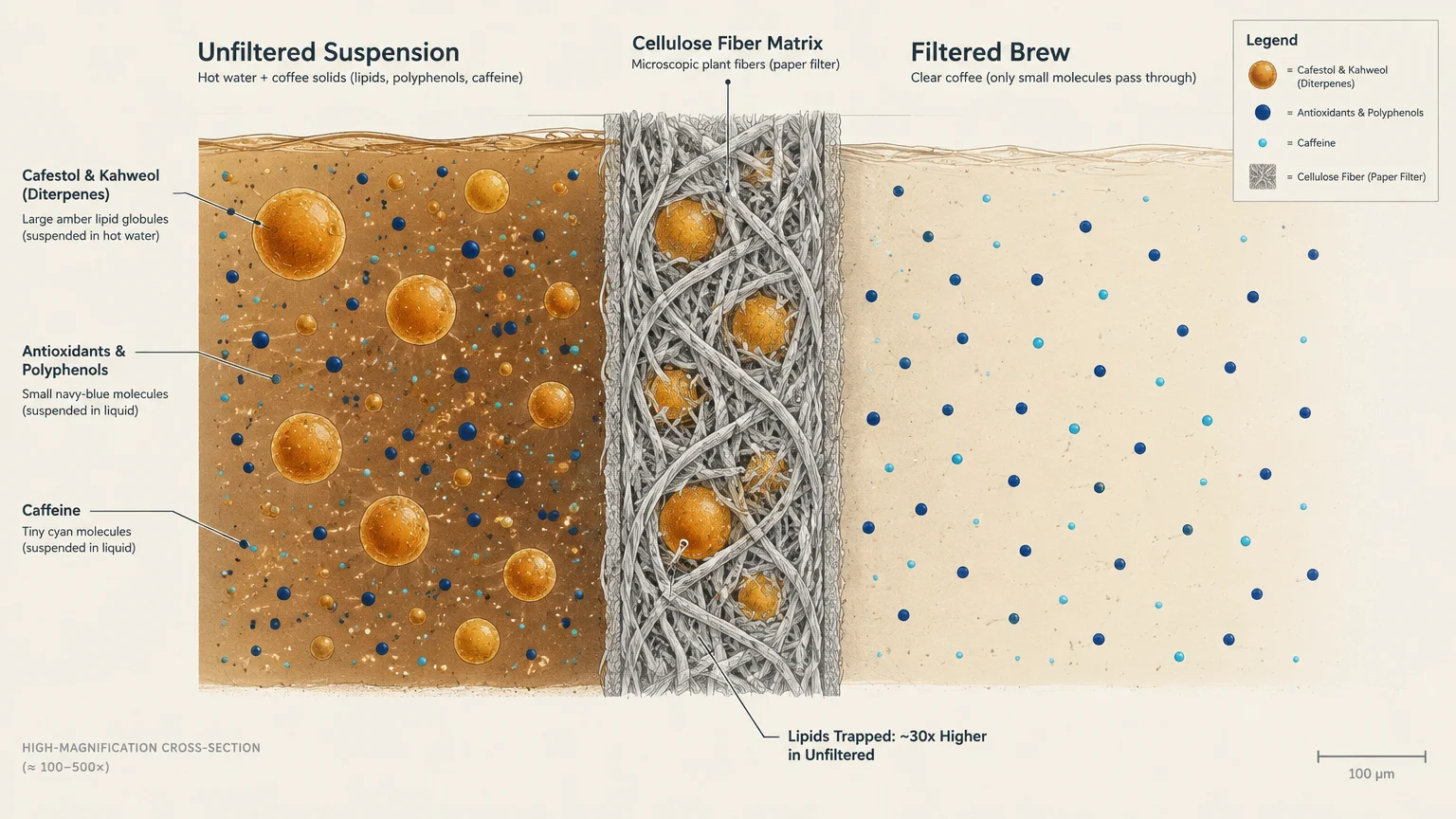
Whole coffee beans contain natural botanical oils that dissolve into hot water during brewing. Placing a paper filter between the grounds and your mug traps these oily substances before they reach your cup.
Without a paper barrier, those oils flow directly into your drink. After consumption, they trigger specific enzymatic shifts in your liver that change how your body processes circulating fats.
Standard paper filters feature dense networks of cellulose fibers. These microscopically tangled fibers allow water, polyphenols, and caffeine to pass through while physically seizing the larger lipid droplets.
What are cafestol and kahweol?
Cafestol and kahweol belong to a family of fat-soluble chemical compounds called diterpenes. They reside primarily in the natural lipid fraction of the roasted coffee bean.
Cafestol is recognized as the most potent dietary cholesterol-raising substance known to nutritional science. Kahweol shares a similar molecular structure and contributes to related changes in blood lipid concentrations.
Prolonged contact between boiling water and ground coffee extracts both diterpenes in significant quantities. An unfiltered brew delivers these bioactive lipids straight into your digestive system.
Unfiltered coffee contains about 30 times the concentration of lipid-raising diterpenes compared to paper-filtered coffee. That enormous difference explains why brewing style directly impacts long-term arterial health.
How do diterpenes raise your LDL cholesterol?
After ingestion, cafestol travels through the portal vein directly to your liver. Once inside hepatic cells, it targets specific nuclear receptors that oversee cholesterol balance.
Cafestol activates the farnesoid X receptor and pregnane X receptor inside the liver. This activation suppresses the normal activity of low-density lipoprotein receptors on liver cell surfaces.
Under ordinary conditions, hepatic LDL receptors bind circulating bad cholesterol and pull it out of your bloodstream. When diterpenes suppress these receptors, your liver cannot remove LDL efficiently.
As a result, low-density lipoproteins linger in your circulatory system for extended periods. There, they undergo oxidation, penetrate the arterial lining, and accelerate atherosclerotic plaque formation.
Clinical data demonstrates that every 10 mg of cafestol consumed daily elevates total serum cholesterol by roughly 5 mg/dL. That elevation corresponds to an increase between 0.13 and 0.15 mmol/L in blood lipids.
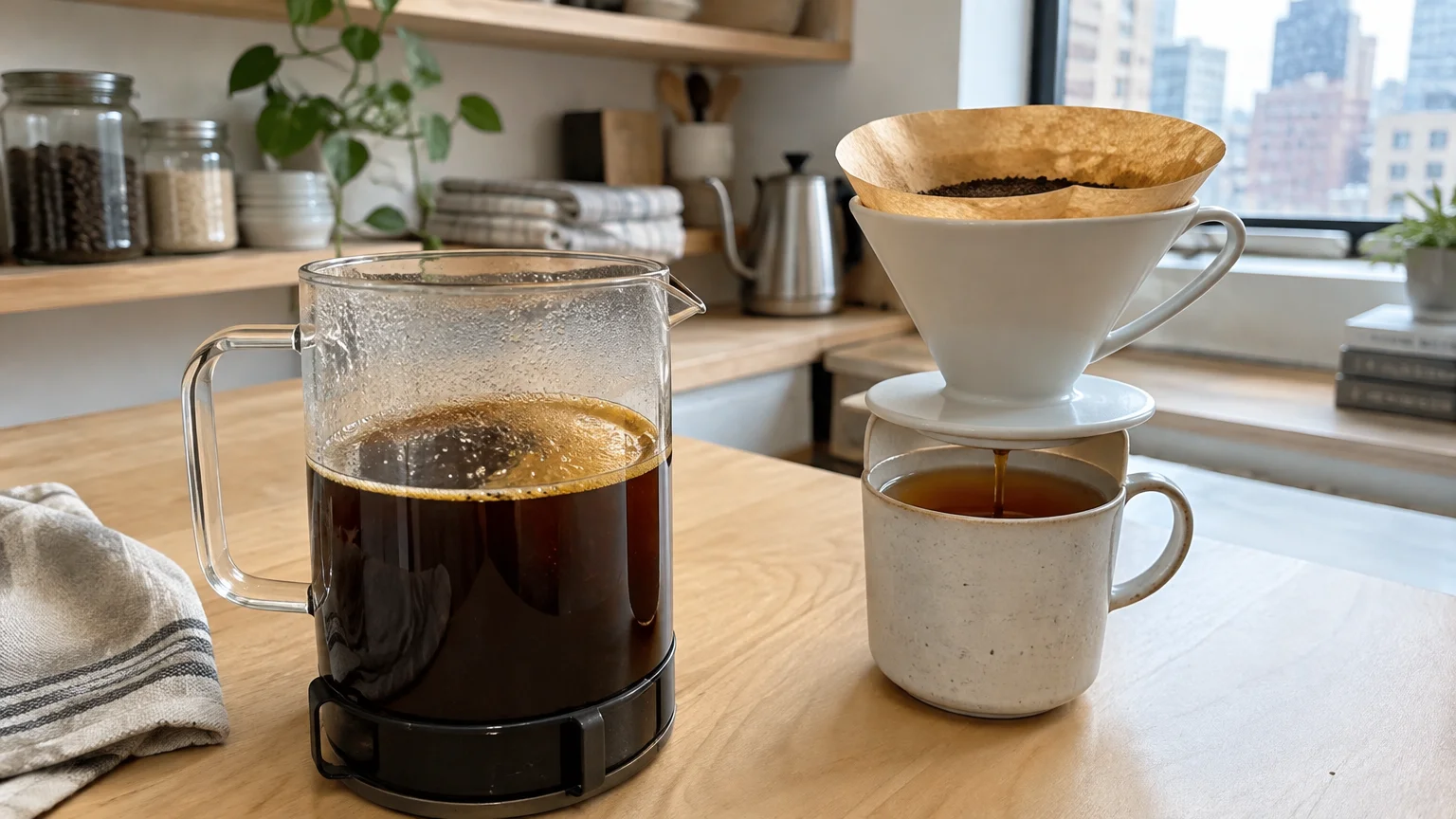
What does the clinical research reveal about brewing methods?
Medical researchers long struggled to explain conflicting findings regarding coffee and cardiovascular mortality. Some observational cohorts demonstrated robust life-extension benefits, while other populations exhibited heightened cardiovascular risk.
The contradiction began to resolve once investigators accounted for preparation techniques across regions. The physical barrier used during brewing proved to be the decisive variable in determining cardiovascular outcomes.
What did the 2020 European preventive cardiology study discover?
A major 20-year study published in the European Journal of Preventive Cardiology tracked 508,747 adults aged 20 to 79. Lead researcher Dag Steinar Tverdal investigated how brewing methods affected survival.
The researchers followed this massive Norwegian cohort across two decades of regular health examinations. Their findings established a clear survival advantage for adults who chose paper filtration.
Consuming one to four cups of paper-filtered coffee per day resulted in the lowest mortality rates. Filtered coffee was associated with a 15% reduced risk of death from any cause compared to drinking no coffee.
The cardiovascular protections were substantial for both men and women. The study documented a 12% reduced risk of cardiovascular death in men and a 20% reduced risk in women.
Conversely, unfiltered coffee did not offer these protective longevity benefits. In older men, consuming unfiltered coffee raised mortality risks, confirming the hazardous role of unchecked diterpenes.
How does unfiltered coffee compare across different brewing devices?
Every brewing style exposes ground coffee to water under unique conditions of time, temperature, and pressure. These physical variables dictate how many diterpenes escape into your mug.
Traditional boiled coffee, common in Scandinavian, Greek, and Turkish traditions, features direct, sustained contact between boiling water and grounds. This technique extracts the highest diterpene load of any method.
French press carafes and metal percolators use coarse wire screens rather than paper. These metal meshes permit free passage of microscopic oils and ultrafine sediment directly into your serving.
Stovetop moka pots and espresso machines force pressurized steam through compacted coffee. While contact time is brief, high pressure emulsifies diterpenes into the resulting liquid foam.
What did the 2025 Uppsala University findings show about workplace machines?
A landmark 2025 study led by Uppsala University in Nutrition, Metabolism and Cardiovascular Diseases quantified diterpene levels across modern brewing equipment. The research revealed stark contrasts between common preparation styles.
Paper-filtered drip coffee contained a median of just 12 mg/L of cafestol and 8 mg/L of kahweol. The paper filter captured virtually the entire diterpene load.
French press and percolator brews contained intermediate concentrations. Researchers measured roughly 90 mg/L of cafestol and 70 mg/L of kahweol in these metal-filtered preparations.
Workplace brewing machines operating without paper filters produced alarmingly high diterpene levels. The study measured a median of 176 mg/L of cafestol and 142 mg/L of kahweol in office machine coffee.
Unfiltered boiled coffee yielded the highest concentrations, reaching 939 mg/L of cafestol and 678 mg/L of kahweol. Pouring that boiled coffee through a fabric or paper filter dropped cafestol down to 28 mg/L.
The Uppsala researchers calculated the clinical effect for an individual drinking three cups daily. Switching from standard unfiltered workplace coffee to paper-filtered coffee reduces LDL cholesterol by 0.58 mmol/L, or approximately 22 mg/dL.
That 22 mg/dL reduction translates directly into tangible cardiovascular protection. It produces a 13% lower relative risk of atherosclerotic cardiovascular disease over 5 years and a 36% lower risk over 40 years.
What did the 2026 American Heart Association statement conclude?
On July 20, 2026, the American Heart Association released a comprehensive scientific statement in Circulation. The report summarized current clinical consensus on coffee, caffeine, and cardiovascular health.
The AHA confirmed that up to 400 mg of caffeine per day is safe for most healthy adults. That intake corresponds to roughly five 8-ounce cups of black coffee each day.
The statement associated moderate coffee consumption with lower risks of heart failure, stroke, and coronary heart disease. However, the expert panel identified one critical exception to these vascular benefits.
The AHA singled out unfiltered coffee as a distinct cardiovascular risk due to its LDL-elevating effects. They affirmed that paper-filtered and instant coffee eliminate diterpenes, preserving coffee’s life-extending advantages.
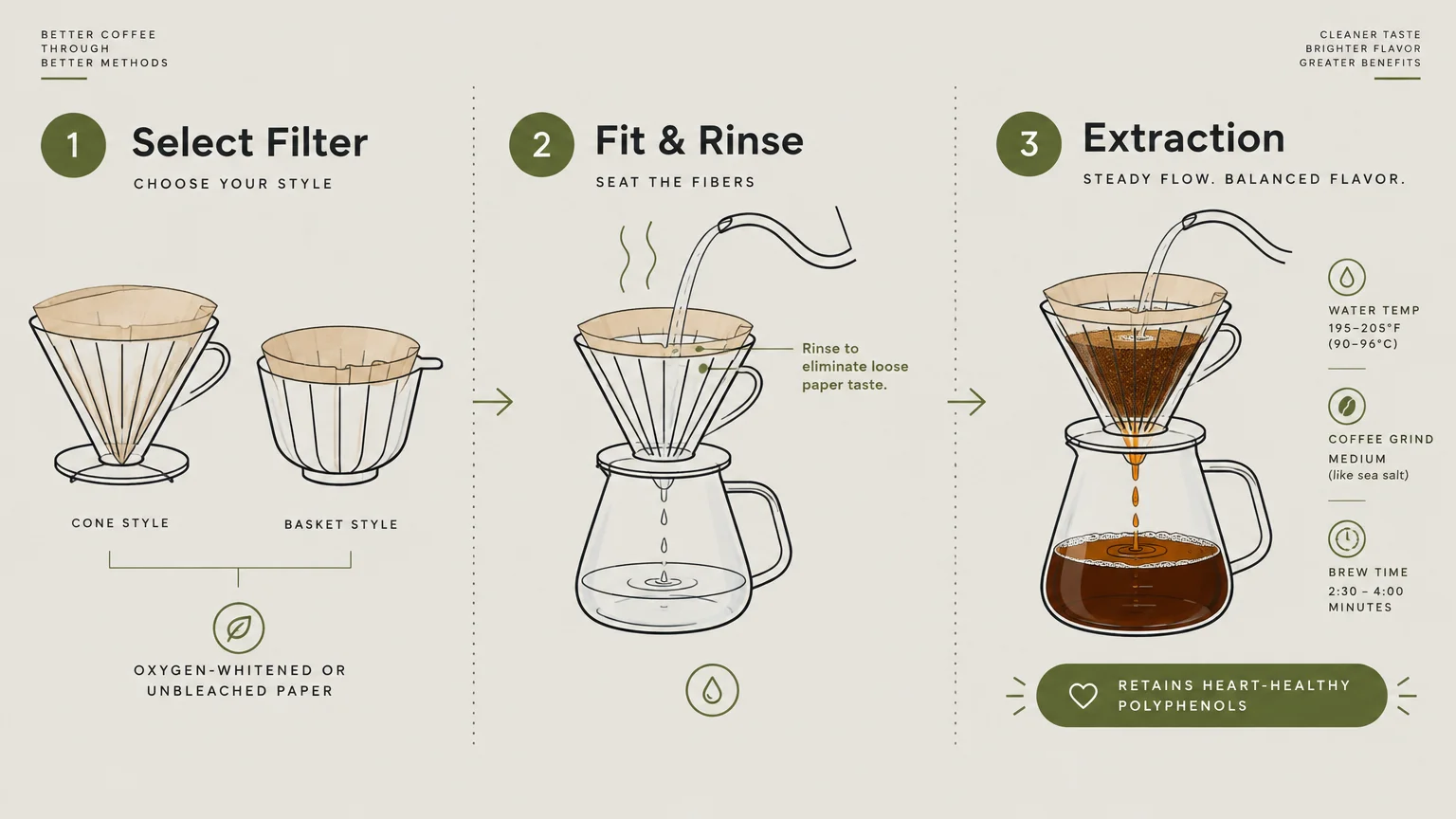
How should you brew your daily coffee for optimal cardiovascular health?
Adopting a heart-healthy brewing routine requires no complicated kitchen gear or expensive appliances. With a few practical adjustments, you can eliminate diterpenes while keeping your morning routine quick and enjoyable.
Learning the proper materials, brewing techniques, and timing strategies ensures you maximize the cardiovascular benefits of your daily cup. Here are practical steps you can implement immediately.
Which coffee filters should you buy at the grocery store?
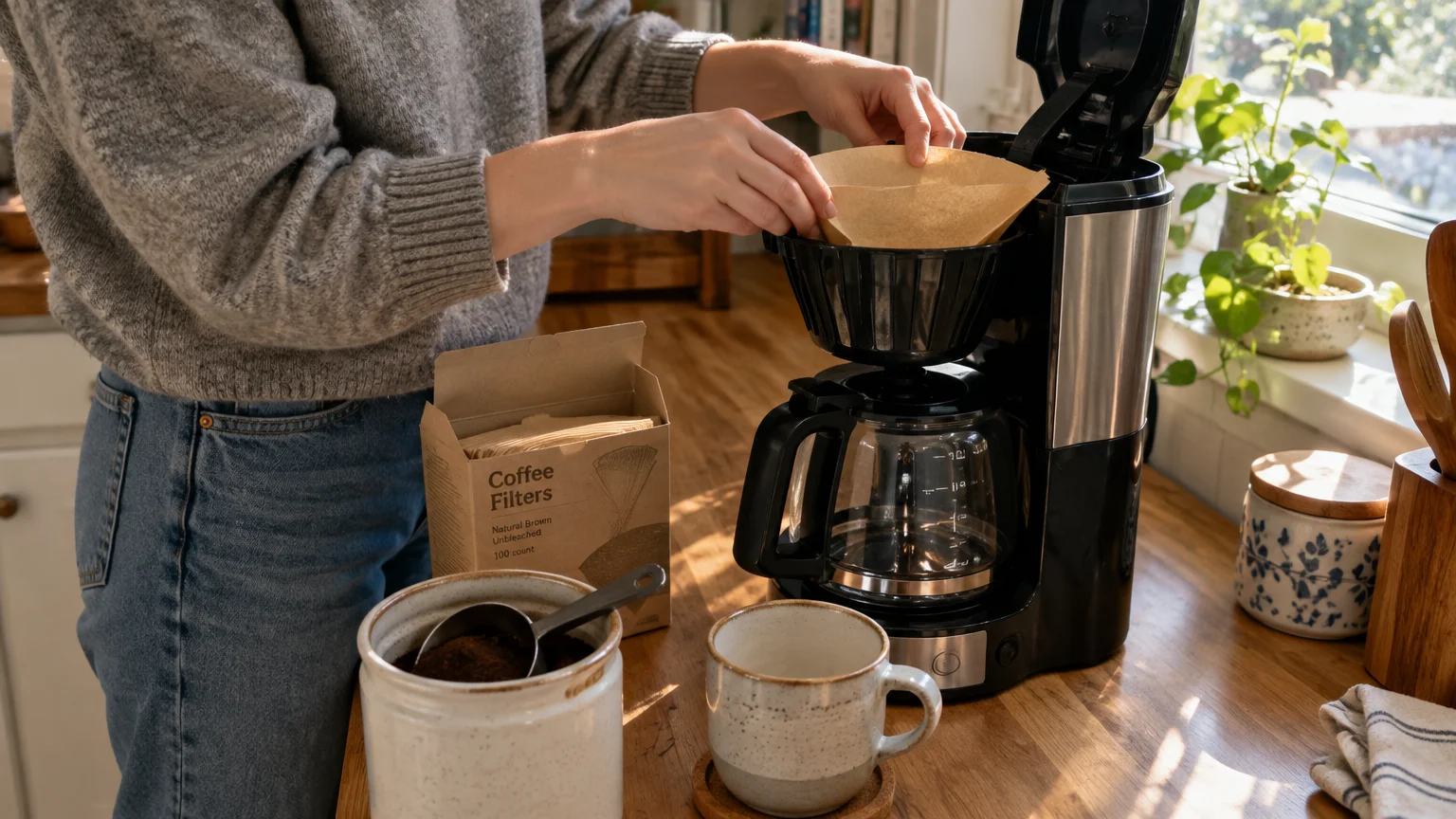
Grocery store shelves typically display both bleached white paper filters and unbleached natural brown paper filters. Both varieties effectively trap cafestol and kahweol within their tightly woven cellulose fibers.
Oxygen-bleached white filters represent a convenient choice because they impart no flavor to the water. Look for packaging labeled totally chlorine-free to ensure an environmentally sound manufacturing process.
Unbleached brown filters retain natural wood fibers and benefit from a brief prep step. Rinse the brown filter with hot tap water before adding coffee grounds to flush away any residual earthy taste.
Avoid reusable metal, mesh, or porous plastic filter cones. Although reusable metal baskets generate less paper waste, their open pores allow lipid-raising diterpenes to flow directly into your coffee pot.
A box of 100 quality paper cone or basket filters costs just two to four dollars. That tiny investment delivers months of potent cardiovascular defense for just pennies per day.
Can you adapt a French press or espresso maker with paper?
You do not need to give up your favorite French press to protect your cholesterol levels. You can easily modify your immersion brewing technique using an inexpensive paper filter.
Cut a standard paper filter to fit the circular shape of your French press metal screen. Place the cut paper disc directly between the mesh screen and the metal base plate before brewing.
When you depress the plunger, the paper disc collects fine grounds and absorbs the lipid-raising oils. You get the familiar depth of French press coffee without delivering diterpenes to your liver.
Alternatively, brew your French press normally, then pour the finished coffee through a paper-lined pour-over cone. This extra thirty-second step removes the suspended oils before the coffee enters your mug.
For espresso machines, place a circular paper filter on top of the packed coffee puck before locking the portafilter. The paper layer traps volatile diterpenes as pressurized hot water flows through the grounds.
How much filtered coffee should you drink each day?
Clinical research consistently identifies an optimal therapeutic window for daily coffee consumption. The 2020 Norwegian mortality study established that one to four cups daily produces the greatest reduction in cardiovascular risk.
The 2026 American Heart Association guidelines confirm that consuming up to 400 mg of caffeine daily remains safe. That equates to approximately five 8-ounce cups of standard black drip coffee.
Keep in mind that many modern coffee mugs hold 12 to 16 fluid ounces. If you fill a large travel tumbler, you may be consuming two or three standard servings in one container.
Measure your favorite household coffee mug once using a standard measuring cup. Knowing your true serving size helps you stay comfortably within the heart-protective range without overdoing your caffeine intake.
Why does morning timing matter for your cardiovascular system?
The timing of your coffee consumption plays an important role in supporting your circulatory system. Your vascular tone, hormone secretion, and blood pressure follow a sensitive 24-hour circadian rhythm.
A study published in the European Heart Journal in January 2025 examined diurnal coffee habits. Researchers discovered that restricting coffee drinking to morning hours produced superior cardiovascular outcomes.
Morning coffee consumers demonstrated a significantly lower risk of cardiovascular mortality and all-cause mortality compared to those who drank coffee throughout the afternoon and evening.
Afternoon and evening caffeine intake disrupts sleep architecture by reducing slow-wave deep sleep. Poor restorative sleep elevates nocturnal blood pressure, triggers sympathetic nervous system arousal, and promotes vascular inflammation.
Finish your final cup of filtered coffee by late morning or midday. This habit gives your body ample time to metabolize caffeine before you prepare for evening rest.
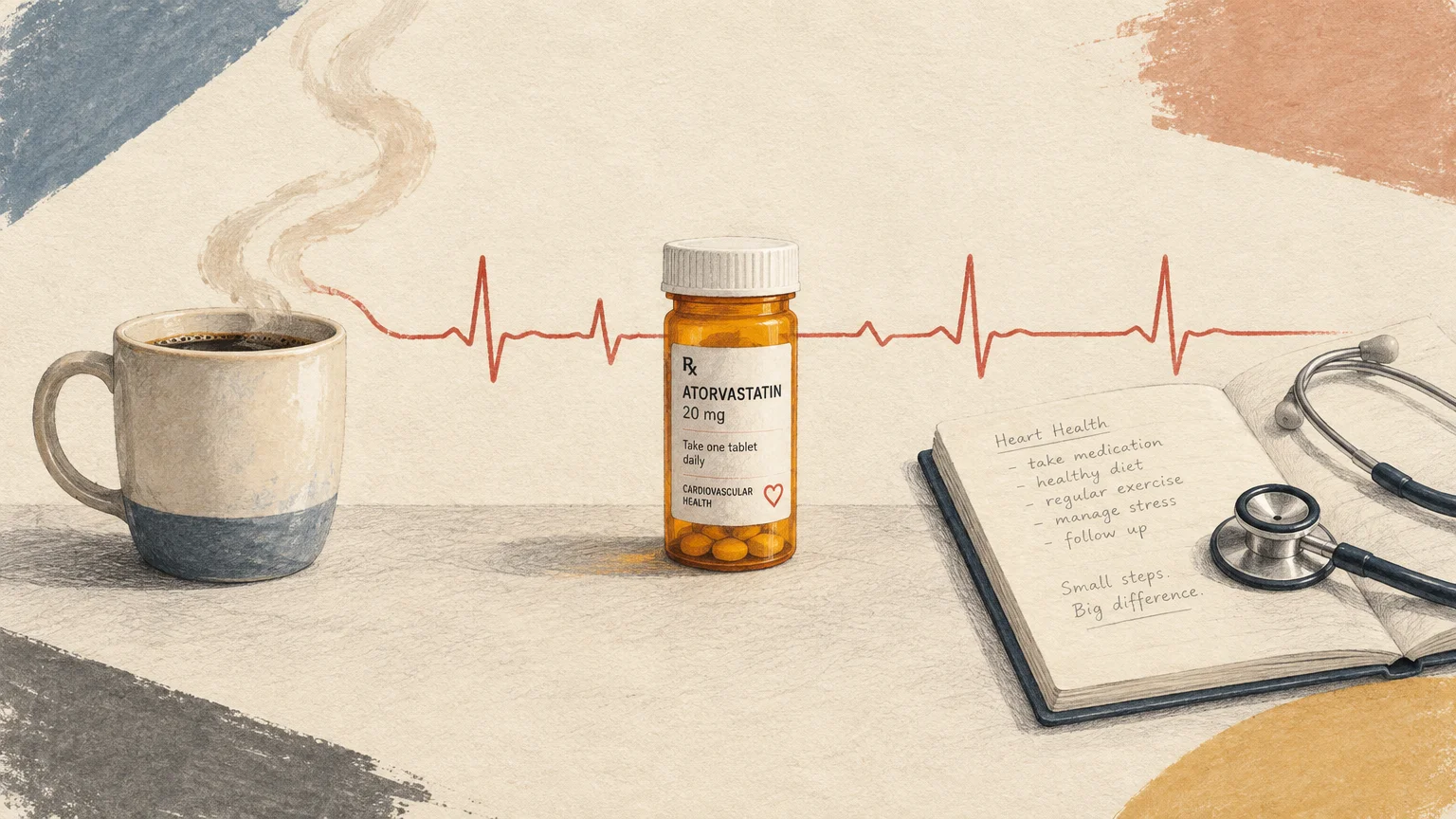
What medical conditions and prescriptions require special caution?
While paper filtration removes cholesterol-raising diterpenes, caffeine itself remains an active stimulant that affects cardiovascular dynamics. It alters arterial compliance, kidney filtration, and autonomic nervous system activity.
Adults managing cardiovascular disorders, endocrine conditions, or bone density concerns must understand how coffee interacts with their health. Always discuss your personal caffeine consumption with your doctor or pharmacist.
How does caffeine interact with blood pressure medications?
Caffeine triggers a brief surge in peripheral vascular resistance, producing a temporary rise in systolic and diastolic blood pressure. This effect occurs even in adults who drink coffee on a regular daily basis.
If you take antihypertensive prescriptions like beta-blockers, ACE inhibitors, or calcium channel blockers, timing is vital. Drinking coffee simultaneously with your morning medication can blunt the drug’s therapeutic blood pressure lowering.
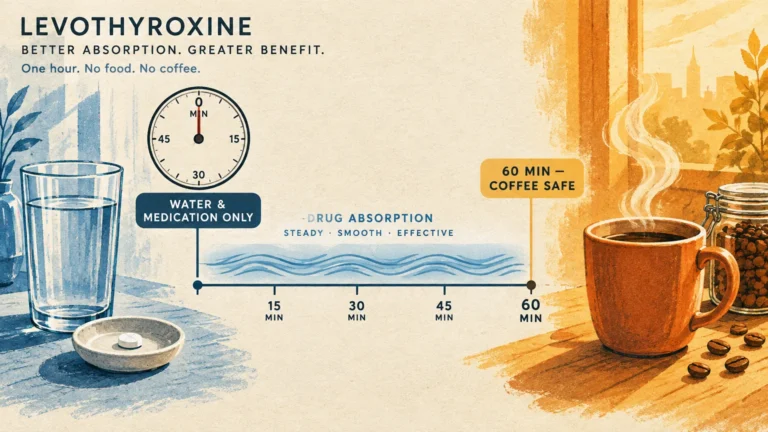
Take your blood pressure medications with plain water and wait at least one hour before drinking coffee. This interval allows your medication to absorb and establish proper vascular control without caffeine interference.
If your blood pressure remains elevated or difficult to manage, monitor your numbers at home. Check your pressure before your morning cup and thirty minutes afterward to observe your personal vascular response.
Can daily coffee interfere with thyroid or osteoporosis drugs?
Coffee strongly reduces the gastrointestinal absorption of levothyroxine, a primary medication prescribed for hypothyroidism. The compounds in coffee bind to the hormone in your digestive tract, preventing normal uptake.
The U.S. Food and Drug Administration advises patients to take levothyroxine with water at least 30 to 60 minutes before breakfast. Waiting ensures proper absorption and prevents erratic thyroid hormone fluctuations.
Bisphosphonates prescribed for osteoporosis, such as alendronate or risedronate, have similarly strict administration requirements. You must take them on an empty stomach with plain water and wait 30 minutes before drinking coffee.
Drinking coffee too soon after taking bisphosphonates reduces drug absorption to near zero. Consult your pharmacist to design a morning medication schedule that protects both your bones and your thyroid.
What hidden ingredients undo the benefits of filtered coffee?
Brewing with a paper filter eliminates diterpenes, but unhealthy additives can quickly reverse your cardiovascular progress. What you put into your cup determines whether your beverage remains heart-friendly.
Commercial powdered and liquid coffee creamers frequently contain partially hydrogenated vegetable oils or palm kernel oil. These industrial saturated fats drive up LDL cholesterol just as aggressively as unfiltered diterpenes.
Flavored syrups, sweetened condensed milk, and dessert-style creamers flood your bloodstream with refined sugars. Excessive sugar intake promotes insulin resistance, increases liver fat synthesis, and elevates circulating triglycerides.
Enjoy your filtered coffee black, or lighten it with unsweetened low-fat dairy or unsweetened plant milks like soy or almond. A sprinkle of ground cinnamon or unsweetened cocoa powder adds rich flavor without harmful fats.
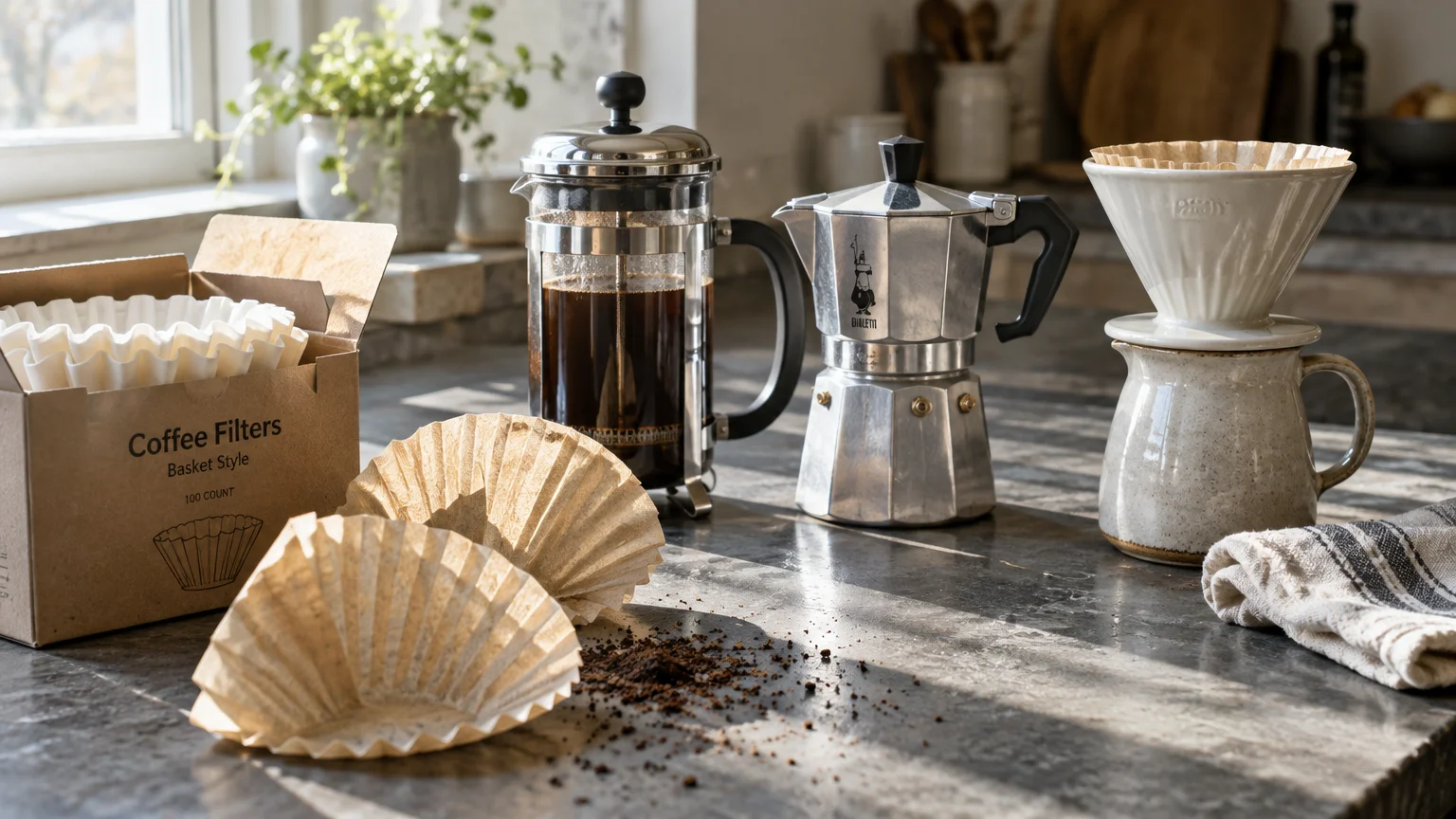
What are the most common questions about coffee brewing and heart health?
Navigating coffee preparation methods and cholesterol metrics often raises practical questions for home brewers. Here are factual answers to the most common inquiries regarding coffee filtration and cardiovascular wellness.
Does instant coffee raise your cholesterol like French press coffee?
Instant coffee does not raise your LDL cholesterol in the way that French press or boiled coffee does. The industrial process used to manufacture instant coffee removes lipid-raising diterpenes.
Manufacturers brew coffee grounds under high pressure, clarify the liquid through commercial filters, and evaporate water before freeze-drying. This rigorous filtration strips out the oily cafestol and kahweol fractions.
The 2026 American Heart Association scientific statement confirmed that instant coffee preserves cardiovascular benefits without elevating blood lipids. If you prefer instant coffee for convenience, your cholesterol remains protected.
Do metal mesh filters work as well as paper filters?
Permanent metal mesh filters do not protect your heart like paper filters do. The pores in stainless steel, gold-plated, or nylon screens are hundreds of times larger than paper pores.
While metal screens strain out gritty grounds, microscopic diterpene oils pass straight through the mesh. Brews prepared with metal filters deliver cafestol concentrations comparable to a French press.
If your coffee maker features a permanent metal basket, remove it and insert a paper filter instead. Alternatively, set a paper filter inside the metal basket to capture the harmful oils.
Does cold brew coffee require a paper filter?
Cold brew coffee definitely requires paper filtration to safeguard your lipid profile. Although cold water extracts oils more slowly than boiling water, extended steeping times of 12 to 24 hours extract diterpenes.
Many home cold brew makers rely solely on coarse metal or mesh infusers. These immersion systems allow diterpenes to remain suspended throughout the cold brew concentrate.
To ensure your cold brew is heart-safe, strain the finished concentrate through a standard paper coffee filter. The paper captures the dissolved lipids, leaving you with a smooth, cholesterol-friendly beverage.
Will switching to paper filters lower your cholesterol quickly?
Switching to paper-filtered coffee produces rapid and measurable improvements in circulating lipid levels. Your liver clears cafestol promptly once you eliminate it from your daily diet.
Most adults who switch from unfiltered to paper-filtered coffee observe lower LDL levels within four to eight weeks. Your hepatic LDL receptors reactivate, restoring efficient clearance of circulating bad cholesterol.
The 2025 Uppsala University study showed that switching can lower LDL cholesterol by 0.58 mmol/L, or roughly 22 mg/dL. Request a follow-up lipid panel from your physician eight weeks after switching to verify your progress.
What is the best brewing change you can make this week?
You do not need to give up the aroma, energy, or routine of your morning coffee to protect your arteries. The solution is as simple as placing an inexpensive paper filter in your brewer.
By removing cafestol and kahweol, you preserve coffee’s heart-protective antioxidants while preventing unnecessary cholesterol spikes. This simple habit lowers your relative risk of cardiovascular disease by 13% over five years.
Check your kitchen brewer today, examine the coffee maker at your workplace, and insist on paper filtration every morning. Your heart, your arteries, and your next cholesterol panel will thank you.