Hitting your daily fluid goals becomes frustrating when plain tap water feels uninspiring. You can quench your thirst, protect your energy, and meet your wellness goals with nutrient-rich beverages that offer vibrant flavor.
Boredom with plain water is a common hurdle that frequently derails consistent hydration habits. Expanding your beverage lineup prevents sensory fatigue while delivering essential minerals and beneficial plant compounds.
These registered dietitian recommendations bring excitement back to your glass while supporting your overall physical health. You will discover six delicious, low-sugar alternatives that nourish your body throughout the day.
The Science of Daily Hydration and Fluid Balance
Your body relies on fluid for nearly every critical physiological process. Proper hydration stabilizes blood pressure, lubricates joints, regulates internal temperature, and transports vital nutrients to your cells.
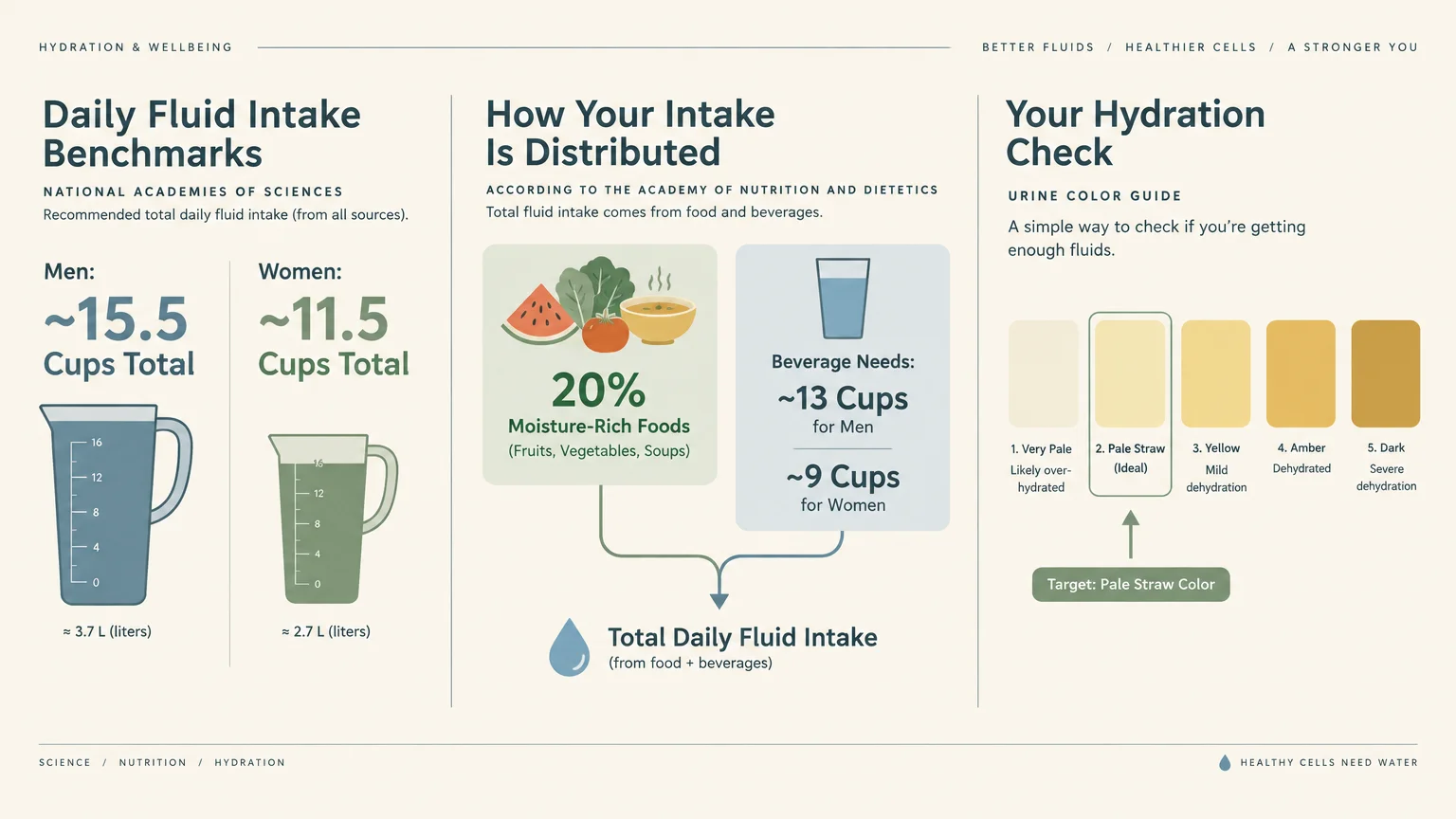
The National Academies of Sciences, Engineering, and Medicine establishes clear benchmarks for adequate daily fluid consumption. They advise an intake of approximately 15.5 cups for men and 11.5 cups for women.
These total targets account for all moisture entering your body throughout the day. You do not need to drink that entire volume from a water bottle.
According to the Academy of Nutrition and Dietetics, roughly 20 percent of your daily water intake originates from moisture-rich foods. Fresh fruits, crisp vegetables, soups, and yogurts quietly contribute significant hydration to your day.
That dietary distribution leaves a beverage requirement of approximately 13 cups per day for men. For women, daily beverage needs average roughly 9 cups.
You lose fluids continuously through respiration, perspiration, and normal renal function. When fluid losses exceed fluid intake, cellular efficiency declines rapidly.
Even mild dehydration can trigger brain fog, midday fatigue, tension headaches, and decreased physical endurance. Keeping fluids appealing makes meeting these targets effortless rather than an exhausting daily chore.
Checking your urine color provides a reliable visual indicator of your current hydration status. Aim for a pale straw color, which signals optimal fluid balance throughout your tissues.
Environmental heat, indoor heating, strenuous physical exertion, and individual metabolic rates will naturally shift your fluid targets upward. Listening to your physical thirst cues ensures you stay ahead of progressive dehydration.
Why Water Fatigue Occurs in Everyday Life
Human taste buds are wired to seek sensory diversity throughout the day. When you drink only plain water hour after hour, your palate experiences sensory-specific satiety.
Sensory-specific satiety describes the temporary decline in pleasure derived from consuming a single flavor profile repeatedly. This neurological phenomenon reduces your motivation to drink even when your cells desperately need fluid.
Many people mistake palate boredom for an actual lack of thirst. Consequently, they stop drinking fluids altogether until severe thirst sets in later in the day.
The Centers for Disease Control and Prevention points out that choosing healthier beverage alternatives helps individuals maintain hydration while cutting empty calories. A varied beverage selection prevents routine fatigue.
Introducing subtle aromas and gentle natural flavors reactivates your interest in drinking. A varied sensory profile encourages regular sips across morning, afternoon, and evening hours.
Temperature also plays a key role in sensory satisfaction. Switching between chilled, room-temperature, and warm drinks stimulates different sensory receptors in your mouth and throat.
The goal is never to replace pure water permanently. Instead, thoughtful alternatives complement your baseline hydration so you stay consistently energized.
Federal Dietary Guidelines and Beverage Quality
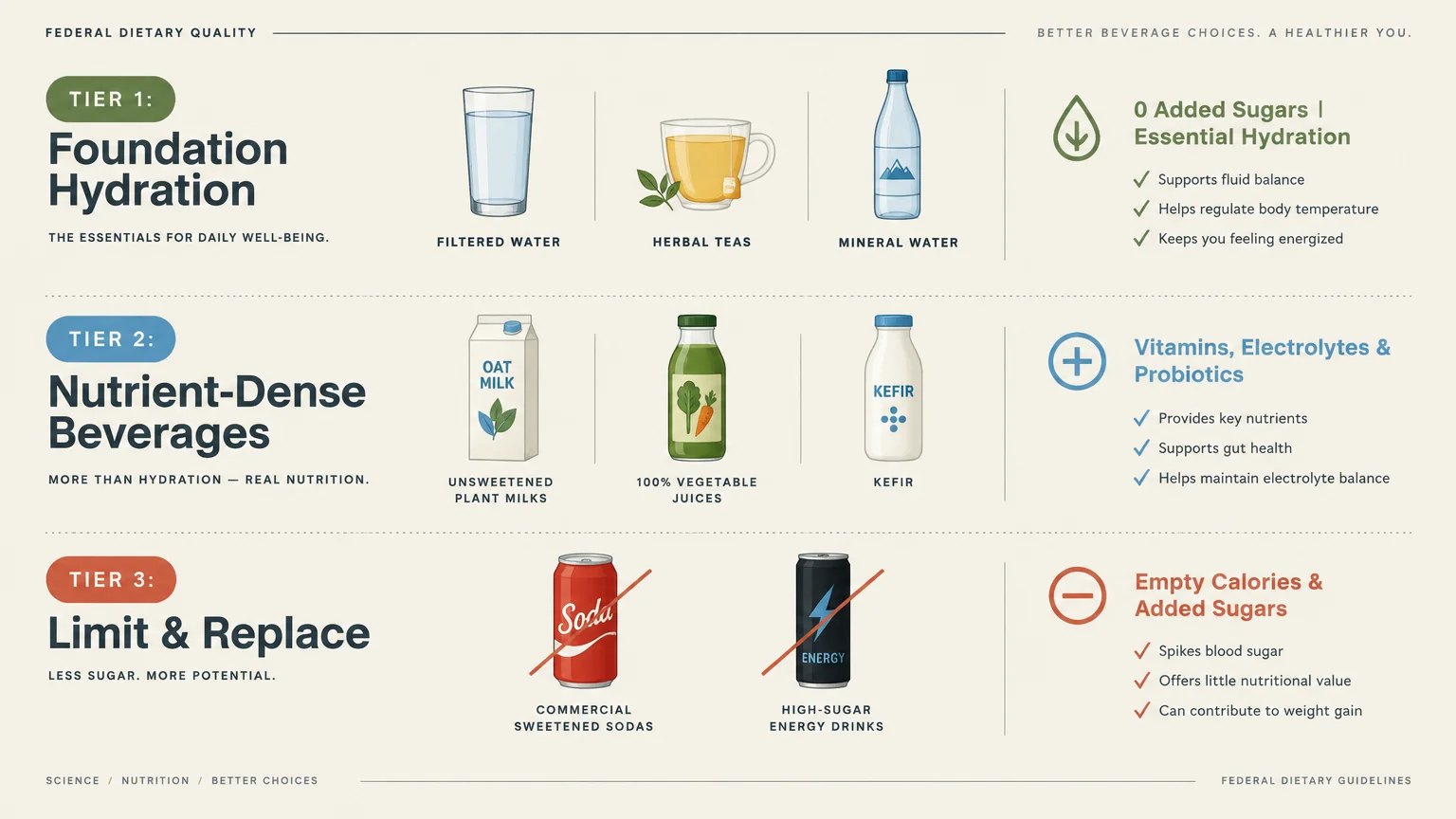
Federal nutrition policy highlights the profound impact that beverage choices exert on chronic health outcomes. Beverage selections often dictate whether an eating pattern promotes vitality or increases metabolic risk.
The 2025–2030 Dietary Guidelines for Americans, released on January 7, 2026, emphasizes a foundational principle: eat real food. This guidance urges you to prioritize whole, minimally processed ingredients across all meals and snacks.
The federal framework maintains that added sugars should make up less than 10 percent of your total daily calories. Furthermore, the guidelines state that no amount of added sugars or non-nutritive sweeteners is recommended.
To protect metabolic health, the guidelines introduced a specific per-meal threshold. They advise limiting single meals to no more than 10 grams of added sugars, while recommending zero for children under 11.
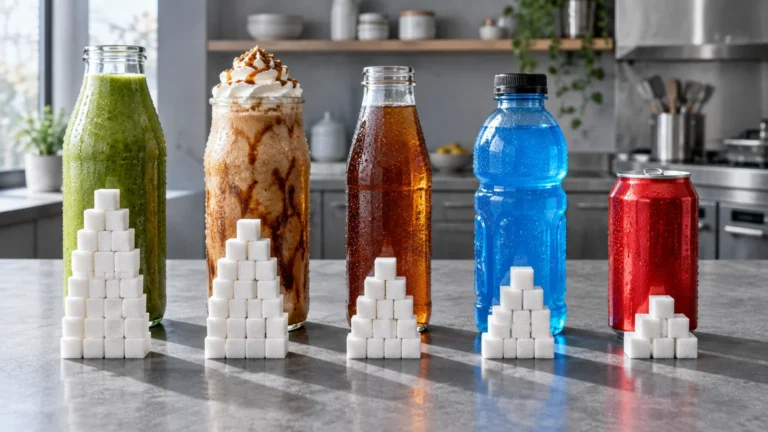
Standard commercial sodas and sweet teas quickly exceed this 10-gram meal limit in just a few gulps. A single processed drink can spike blood glucose and displace nutritious meal components.
The updated directives advise Americans to avoid sugar-sweetened beverages entirely, including sodas, fruit drinks, and commercial energy drinks. They also recommend limiting beverages that contain artificial flavors, petroleum-based dyes, and artificial preservatives.
Common food dyes like Red 40 and Yellow 5 add cosmetic color without providing any nutritional value. Choosing beverages naturally tinted by botanicals or fruit extracts honors the federal directive to consume real food.
Low-calorie non-nutritive sweeteners like aspartame, sucralose, acesulfame K, xylitol, and stevia are also discouraged. Selecting wholesome, unsweetened options allows you to honor these standards without sacrificing personal enjoyment.
Naturally occurring sugars found in plain milk and 100 percent fruit juices do not count as added sugars. Understanding this distinction empowers you to choose nourishing beverages with complete confidence.

Core Hydration Strategies to Upgrade Your Daily Routine
Sustainable hydration requires a balance of culinary creativity and deliberate daily routines. You can establish lasting habits by adopting three practical strategy pillars.
Strategy 1: Flavor Pairing Without Added Sugar
You can create vibrant taste profiles by infusing liquids with whole culinary botanicals. Fresh culinary herbs release aromatic essential oils that stimulate your senses without altering blood glucose.
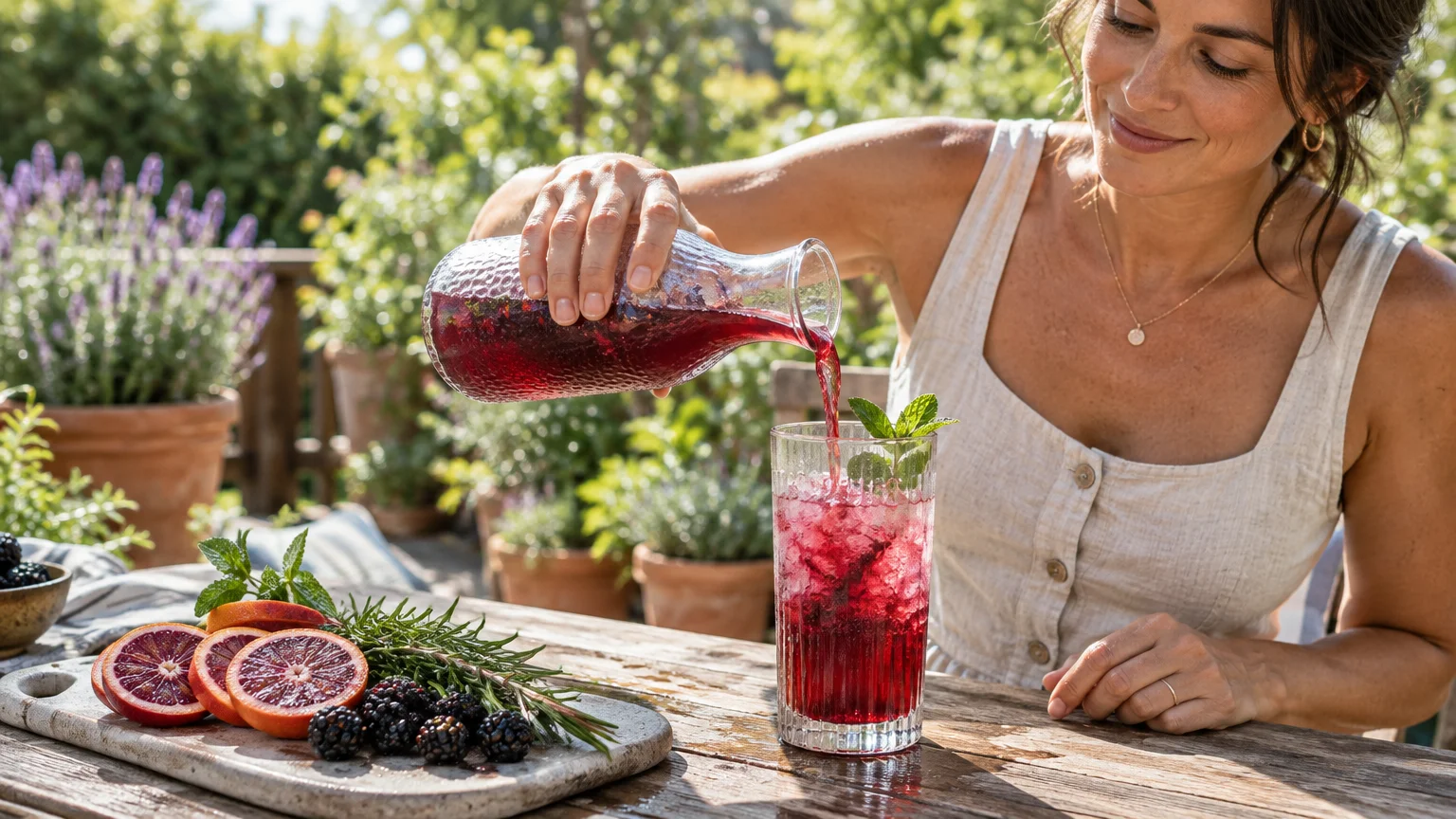
Pairings like fresh mint with bruised blackberries or fresh rosemary with sliced grapefruit yield complex taste notes. These natural combinations provide pure sensory satisfaction without artificial additives or chemical flavorings.
Bruising your herbs with a wooden spoon before adding liquid releases maximum flavor. This simple kitchen technique breaks the plant cell walls to unlock volatile aroma compounds.
Keep a glass pitcher of infused liquid in your refrigerator door where you can easily spot it. Visual availability dramatically increases your daily fluid intake without requiring extra willpower.
Strategy 2: Meal Timing and Digestive Comfort
Distributing your beverages thoughtfully around your meal times optimizes your digestive efficiency. Drinking modest amounts during meals prevents stomach overdistension while assisting smooth nutrient transit.
Pairing nutrient-dense beverages with meals helps you stay under the 10-gram added sugar threshold. Choosing plain or naturally flavored drinks ensures your beverage never crowds out nutritious whole foods.
Save larger beverage volumes for the intervals between your main meals. This pacing maintains your cognitive focus and keeps your energy steady throughout demanding workdays.
If you experience digestive sluggishness, consider drinking warm liquids with meals instead of iced beverages. Warm fluids relax smooth gastrointestinal tissues and encourage natural enzyme activity.
Strategy 3: Habit Stacking for Consistent Fluid Intake
Habit stacking connects a new hydration behavior to an existing automatic daily habit. This behavioral technique eliminates decision fatigue and builds effortless long-term consistency.
For example, drink a mug of warm herbal tea immediately after your morning coffee. Sip a glass of chilled sparkling water as soon as you sit down for your afternoon tasks.
You can also place an attractive water carafe beside your computer workstation each morning. Seeing the filled vessel anchors your commitment to sip continuously throughout your working hours.
Pairing your fluid intake with established daily milestones removes the burden of remembering to drink. Over time, these stacked routines become second nature.
6 Dietitian-Approved Drinks to Sip Instead of Plain Water
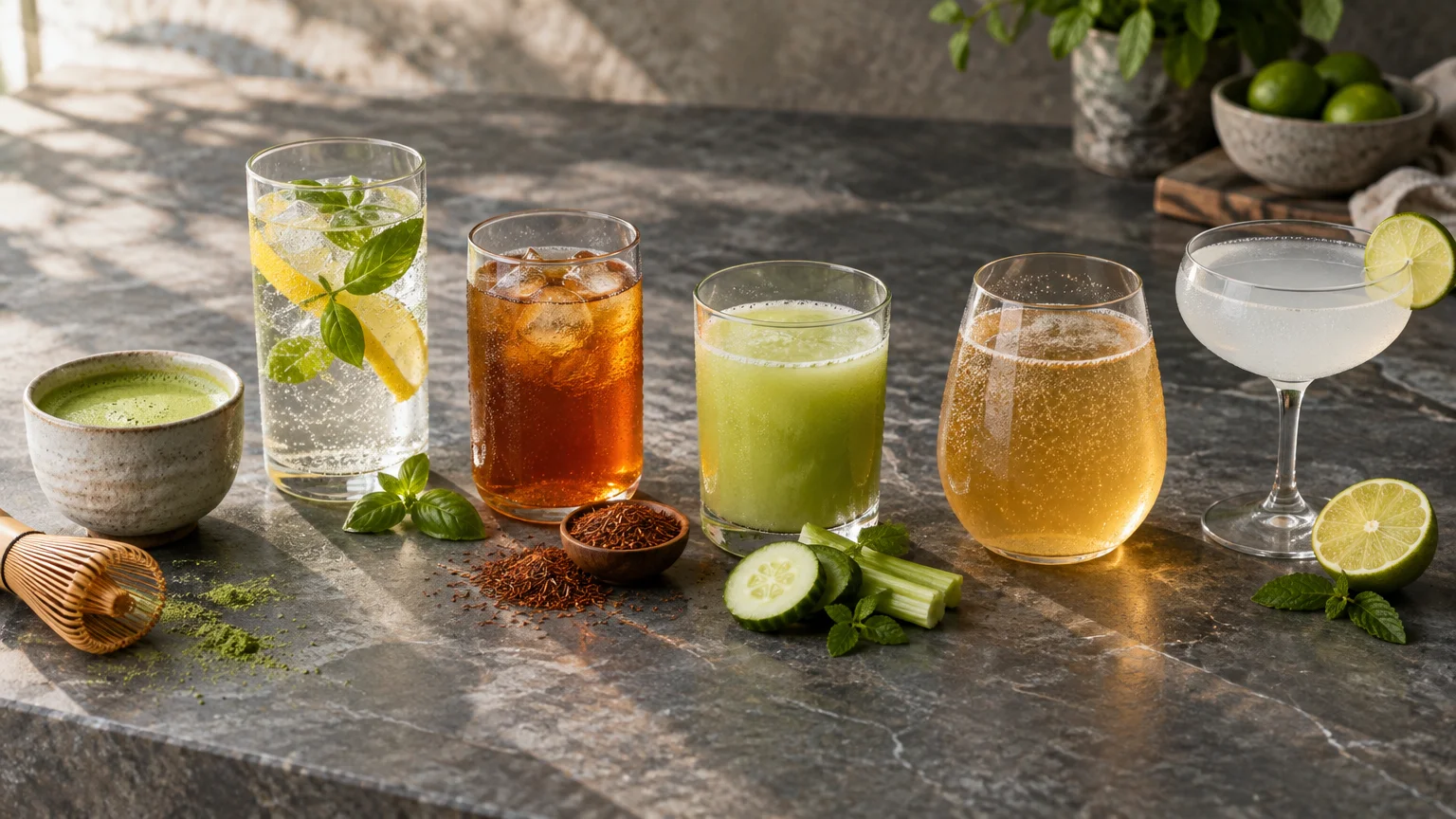
You can expand your hydration routine with beverages that offer exceptional flavor and proven nutritional merits. Here are six dietitian-endorsed options to revitalize your hydration routine.
1. Unsweetened Herbal Tea Infusions
Herbal teas offer a warming or chilling sensory experience that is completely caffeine-free. Popular options like hibiscus, peppermint, and chamomile provide rich floral or earthy notes with zero added sugars.
Hibiscus tea features a deep ruby color and a tart flavor profile reminiscent of cranberry juice. Peppermint tea delivers natural menthol that invigorates your palate and supports comfortable digestion.
Chamomile flowers produce a gentle apple-like fragrance that helps quiet a racing mind. Sipping warm chamomile in the late evening signals your nervous system to transition toward deep sleep.
Herbal tisanes steep cleanly in boiling water or cold-brew gently in the refrigerator overnight. You can brew a large batch and store it in glass jars for a crisp, refreshing grab-and-go drink.
Because herbal infusions contain no caffeine, you can sip them freely during evening hours without disrupting sleep architecture. They supply beneficial plant flavonoids that support cellular health.
Add a cinnamon stick or whole cloves to your brew for warming depth during colder months. In summer, serve your infusion over crushed ice with fresh lemon wheels.
Experiment with lemongrass, rooibos, or lemon verbena to keep your palate curious. Each dried botanical delivers unique aroma profiles alongside subtle micronutrients.
2. Sparkling Water with Fresh Herbs and Citrus
Sparkling water satisfies your craving for carbonated sodas without exposing you to harmful ingredients. The effervescence creates a lively mouthfeel that makes hydration feel like an upscale treat.
Enhance unflavored sparkling water by muddling fresh herbs in the bottom of your glass. Crushed basil, fresh rosemary, or bruised mint release volatile botanical oils that elevate simple bubbles.
Squeeze a wedge of fresh lime, lemon, or pink grapefruit over the herbs before pouring in sparkling mineral water. This technique infuses bright acidity without any added sweeteners.
Choose plain seltzer or mineral water that lists only water and natural carbonation on the package label. Avoid commercial sparkling waters containing synthetic sweeteners or artificial preservatives.
If you experience occasional abdominal bloating, sip sparkling drinks slowly rather than gulping them rapidly. Slow sipping reduces the volume of swallowed air and preserves digestive comfort.
Mineral-rich sparkling waters often supply trace amounts of calcium and magnesium. These naturally dissolved minerals subtly enhance flavor while supporting muscular function.
Serve your sparkling creation in a stemmed wine glass or highball tumbler. Elevating your drinkware transforms everyday hydration into a mindful sensory experience.
3. Diluted Pomegranate or Tart Cherry Juice
Pure fruit juices pack dense concentrations of plant polyphenols, potassium, and vitamin C. However, drinking undiluted juice delivers concentrated sugars that can rapidly elevate your blood sugar.
The 2025–2030 Dietary Guidelines recommend limiting 100 percent fruit juices or diluting them with water. Dilution retains the vibrant flavor and bioactive antioxidants while tempering the overall carbohydrate load.
Mix one part 100 percent pomegranate or tart cherry juice with three parts flat or sparkling water. This ratio creates a spritzer that contains only naturally occurring fruit sugars.
Naturally occurring sugars from whole fruit sources do not count toward federal added sugar limits. Nevertheless, diluting the juice aligns with the goal of eating real food in moderation.
Tart cherry juice contains natural phytochemicals that support post-exercise muscle recovery and promote restorative sleep. Enjoying a diluted tart cherry drink after dinner offers a soothing nighttime ritual.
Pomegranate juice provides punicalagins, which are potent antioxidants that protect vascular endothelial function. Diluting this concentrated juice allows you to enjoy its rich astringency without sensory overload.
Garnish your spritzer with frozen whole berries instead of ice cubes. As the fruit slowly thaws, it infuses bonus flavor while keeping your drink refreshingly cold.
4. Plain Cow Milk or Fortified Soy Milk
Plain dairy milk and fortified soy milk represent nutrient-dense fluid choices with balanced macronutrient profiles. They deliver high-quality protein, calcium, phosphorus, and essential electrolytes like potassium.
Researchers note that milk exhibits a high beverage hydration index because its protein and electrolytes slow gastric emptying. This sustained release helps your body retain fluid over a longer duration.
The carbohydrate in unflavored dairy milk consists solely of lactose, which is an inherently natural sugar. Soy milk fortified with calcium and vitamins A and D offers comparable nutritional value for plant-based eaters.
Always purchase unsweetened versions when selecting soy, almond, or oat alternatives. Commercial flavored plant milks frequently contain added cane sugar or syrup that violates federal guidelines.
If you struggle with lactose digestion, choose lactose-free dairy milk to enjoy identical hydration without gastrointestinal distress. Lactose-free varieties provide the exact same mineral density and protein benefits.
A cold glass of plain milk or fortified soy milk serves as an outstanding post-workout hydration beverage. It replenishes muscle glycogen and provides essential amino acids for tissue repair.
You can warm plain milk with a dash of ground nutmeg and cinnamon before bedtime. This comforting drink provides hydration and dietary tryptophan to support natural melatonin synthesis.
5. Cold-Brewed Green or Black Tea
True teas derived from the Camellia sinensis plant supply exceptional concentrations of epigallocatechin gallate and other protective polyphenols. Cold-brewing tea leaves extracts delicate floral notes while minimizing bitter tannins.
To prepare cold brew, place two tea bags in a quart of cold water and refrigerate overnight. In the morning, you will enjoy a smooth, naturally sweet tea without any added sugar.
Green tea contains L-theanine, an amino acid that fosters alert relaxation when combined with modest caffeine. This combination sharpens your mental clarity without provoking jittery energy spikes.
The U.S. Food and Drug Administration identifies 400 milligrams of caffeine per day as safe for healthy adults. That generous ceiling equals approximately 8 to 10 cups of brewed green or black tea.
Drinking three or four cups of unsweetened green tea stays comfortably within these federal safety thresholds. You gain outstanding hydration and metabolic support while staying well below the caffeine boundary.
Cold-brewing also prevents the formation of bitter compounds that develop when delicate leaves are exposed to boiling water. The resulting drink tastes naturally gentle and needs zero sweeteners.
Store your brewed tea in an airtight glass container away from direct sunlight. Consuming it within three days preserves the potency of its delicate antioxidant compounds.
6. Savory Vegetable Broth and Herb Warmers
Hydration does not always need to taste sweet or fruity. Warm savory vegetable broths offer an appetizing alternative that satisfies your hunger and warms you from the inside out.
Simmering carrots, celery, leeks, garlic, and fresh herbs creates a light, mineral-infused sipping liquid. This culinary staple provides comforting hydration during brisk winter afternoons or recovery from illness.
Look for low-sodium commercial broths or prepare your own stock at home to control seasoning. Adding fresh thyme, cracked black pepper, and turmeric enhances flavor while keeping sodium within sensible parameters.
Active individuals who sweat heavily during workouts benefit from the trace electrolytes found in lightly salted vegetable broths. The sodium helps your cells retain water and prevents muscle cramping.
Savory warmers also help curb mindless snacking between meals. The rich umami profile signals fullness to your brain while delivering pure, comforting moisture.
Pour your warm savory infusion into an insulated travel mug for your morning commute. It delivers a calming, nourishing alternative to standard caffeinated morning beverages.

Expert Perspectives and Real-World Client Lessons
In clinical dietetics, beverage adherence often hinges on personal convenience and enjoyment. When people force themselves to drink fluids they dislike, overall consumption drops precipitously.
Dietitians frequently observe clients struggling to meet fluid targets simply because they dread the monotony of plain water. Introducing two or three structured alternatives quickly reverses this pattern.
One community health client replaced two afternoon sugary sodas with chilled sparkling water infused with fresh rosemary and lemon. Within two weeks, her afternoon energy stabilized and her added sugar intake plummeted.
Another client struggling with evening snacking began sipping hot peppermint and chamomile tea after dinner. The warm ritual comforted his cravings, hydrated his body, and improved his sleep quality.
Physicians emphasize that proper hydration eases cardiac workload and supports kidney filtration. Providing patients with tasty, guideline-compliant beverage options helps them maintain healthy blood pressure naturally.
Culinary experts also point out that seasonal variety keeps beverage routines sustainable across changing weather. Transitioning from iced herbal spritzers in summer to simmering broths in winter honors natural cravings.
The consensus among nutrition professionals is straightforward: sustainable habits require pleasure, not punishment. Finding beverages you genuinely look forward to drinking guarantees lifelong success.
Safety, Dental Protection, and Personalization
While healthy drinks offer immense wellness benefits, you must individualize your choices to protect your teeth and underlying health. Mindful habits prevent common pitfalls associated with frequent beverage consumption.
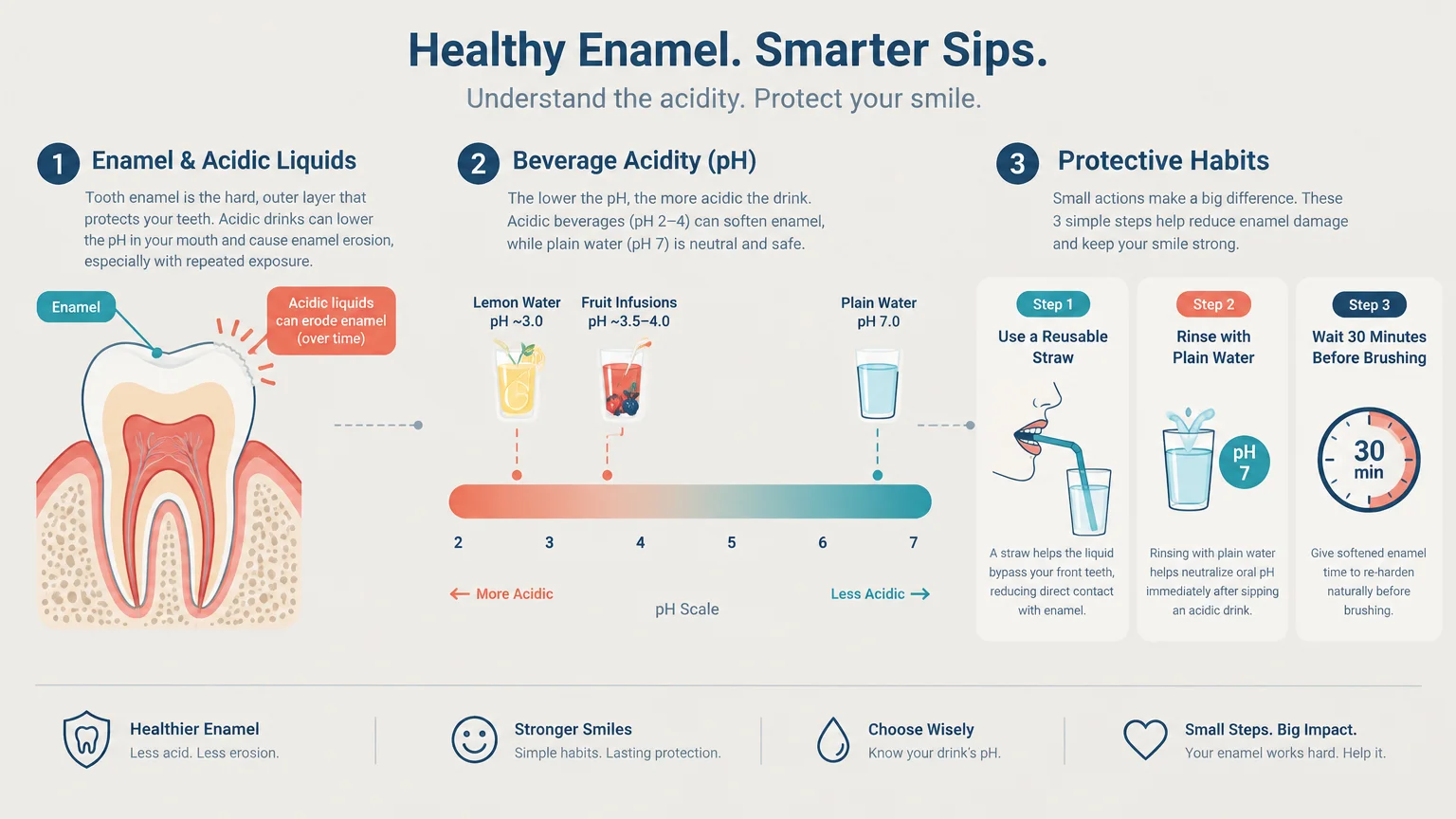
Acidic liquids like diluted citrus juices and carbonated waters can temporarily soften tooth enamel. Over time, constant acid exposure increases the risk of dental erosion.
To protect your enamel, drink acidic or carbonated beverages in focused sittings rather than sipping them all day long. You can also use a reusable straw to bypass your teeth entirely.
Rinse your mouth with plain tap water immediately after finishing an acidic drink. Wait at least 30 minutes before brushing your teeth to allow your enamel to remineralize naturally.
Be mindful of total caffeine intake if you select green or black tea as your primary hydrators. While the FDA cites 400 milligrams as safe, pregnant women and caffeine-sensitive individuals should aim lower.
Certain herbal infusions can interact with prescription pharmaceuticals. For example, high intakes of chamomile may enhance blood-thinning medications, while grapefruit juice alters hepatic enzyme metabolism.
Anyone managing chronic kidney disease or taking specific blood pressure medications should consult their nephrologist regarding fluid volume and potassium. High-potassium juices and milks may require medical monitoring.
Finally, inspect store-bought labels carefully to avoid artificial ingredients. Avoid products formulated with petroleum-based food dyes or artificial preservatives to adhere closely to federal guidance.
Frequently Asked Questions About Healthy Hydration
Readers often have specific questions when diversifying their daily beverage choices. Here are clear answers to four common hydration questions.
Does sparkling water harm your bone mineral density or teeth?
Plain sparkling water does not weaken your bones. Research confirming bone density loss linked that issue to phosphoric acid found in dark colas, not carbonation.
While carbonation introduces mild carbonic acid, unflavored sparkling water poses minimal risk to healthy enamel. Rinsing with plain water after drinking maintains strong dental protection.
Choose mineral or seltzer waters without citric acid or synthetic flavoring when drinking carbonation regularly. This distinction keeps your mouth at a safer pH level.
Does the caffeine in brewed tea cause dehydration?
Moderate caffeine consumption does not dehydrate your body. The fluid provided in a cup of brewed tea far exceeds the mild diuretic effect of its caffeine.
As long as you stay within the FDA limit of 400 milligrams of caffeine daily, brewed teas contribute positively toward your hydration goals. They hydrate your cells just like water.
If you notice sleep disruptions or rapid heartbeats, simply taper your caffeinated intake by mid-afternoon. Transition smoothly to herbal teas for your remaining evening fluid needs.
Do herbal teas and milk count toward your daily fluid targets?
Yes, herbal teas and plain milk count directly toward your daily beverage targets. The Academy of Nutrition and Dietetics includes all non-alcoholic, low-sugar beverages in total fluid tallies.
Milk even provides key electrolytes that promote efficient fluid retention. Herbal infusions deliver pure hydration accompanied by health-promoting botanicals.
Just verify that your milk or plant milk contains no added sugars or syrups. Keeping these choices unsweetened protects your daily metabolic goals.
What can you do if plain water causes stomach fullness or mild nausea?
Drinking large volumes of icy water on an empty stomach can trigger mild digestive spasms in sensitive individuals. Transitioning to room-temperature fluids or warm herbal teas often resolves this discomfort instantly.
You can also sip lightly infused water with fresh ginger or peppermint. Ginger and peppermint soothe the gastric lining while encouraging steady hydration throughout the day.
Taking smaller, frequent sips throughout the day prevents stomach distension compared to chugging large glasses. Pacing your intake supports smoother gastrointestinal absorption.
Your 24-Hour Hydration Action Plan
Transforming your hydration habits does not require an overhaul of your entire lifestyle. You can build momentum by taking one simple, intentional step today.
Select one drink from this guide and prepare it within the next 24 hours. Brew a jar of chilled herbal tea or drop fresh herbs into a bottle of sparkling water.
Pay close attention to how your body responds to dynamic flavors and regular fluid pacing. You will likely notice sharper mental focus, smoother digestion, and renewed vitality.
Hydration should feel like an invigorating act of self-care rather than a rigid chore. Stock your kitchen with nourishing botanicals and enjoy the refreshing benefits starting right now.