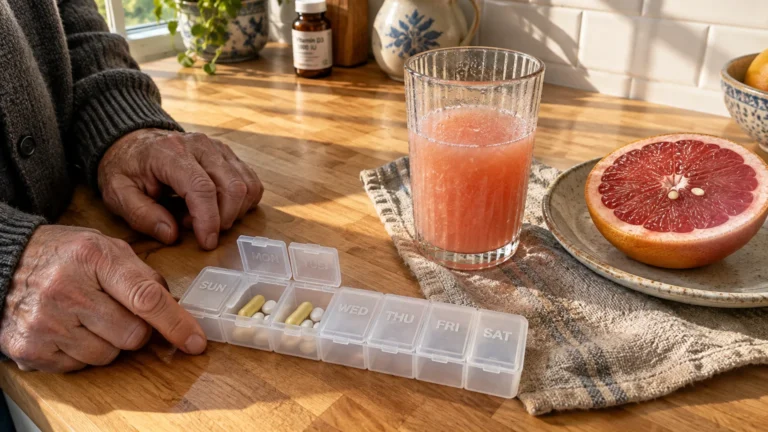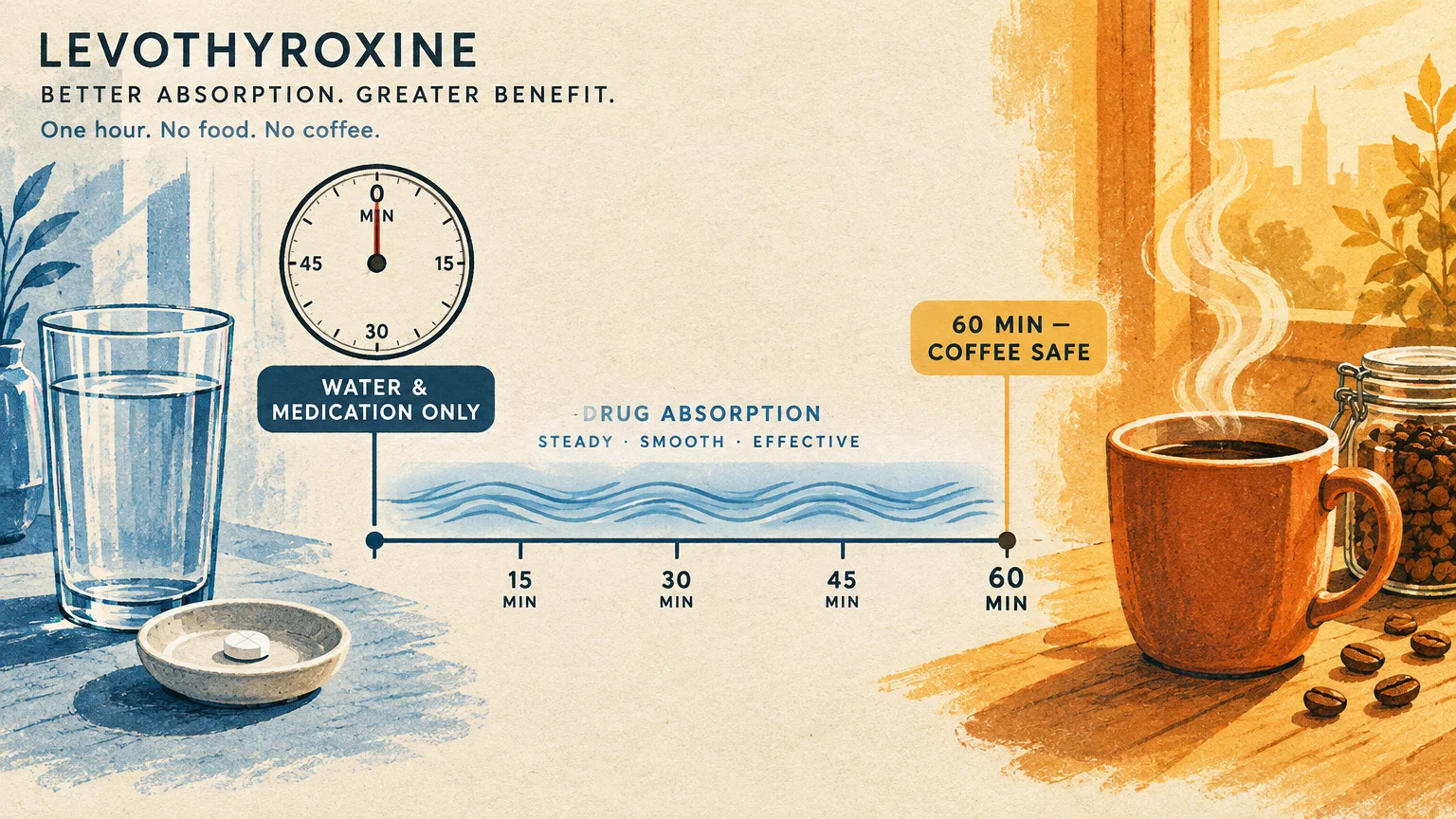
If you take a morning thyroid tablet or bone-density pill, waiting one full hour before pouring your first cup of coffee protects your medicine. Drinking coffee too early blunts intestinal drug absorption and disrupts your daily therapy.
A simple adjustment to your morning beverage routine preserves your hormone balance and safeguards your skeletal health. By pairing your pill with plain water and setting a sixty-minute timer, you receive the full therapeutic benefit of your prescription.
Here is what clinical research reveals about medication timing and how to protect your health without giving up your morning roast.
Why does your morning coffee interfere with daily medications?
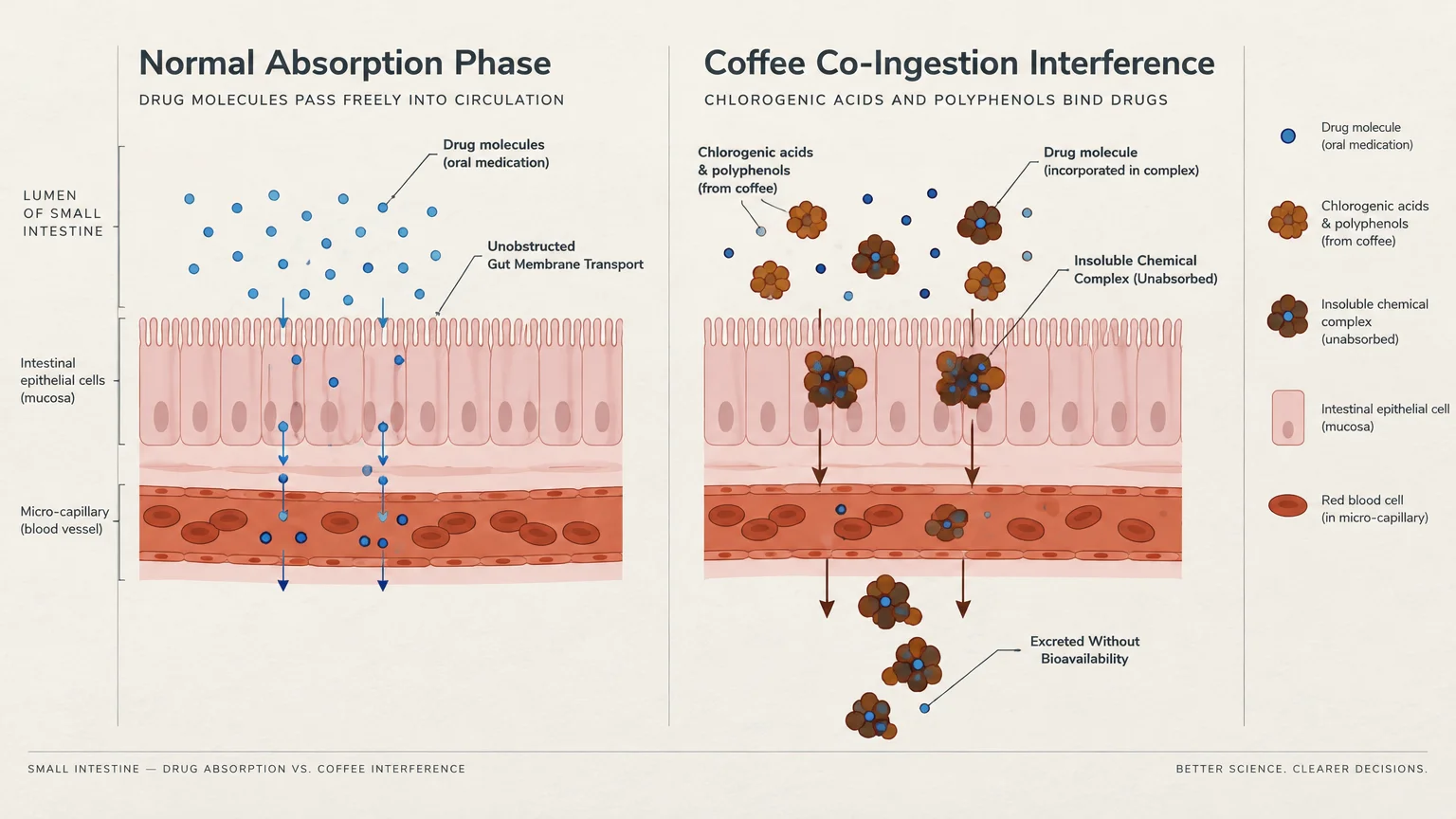
Coffee is a chemically complex beverage containing hundreds of compounds, including chlorogenic acids, polyphenols, and caffeine. These natural substances interact directly with pharmaceutical compounds inside your digestive tract before your bloodstream can absorb them.
When you swallow a tablet, it must dissolve completely in your stomach and upper small intestine. Coffee alters gastric acidity and speeds up intestinal transit, which pushes medications through your digestive tract before proper dissolution occurs.
Beyond motility changes, coffee compounds physically bind to drug molecules in your gut. This binding creates an insoluble chemical complex that your intestinal lining cannot transport into your circulation.
As a result, unabsorbed medication travels through your digestive system and exits your body unused. You lose a substantial portion of your prescribed dosage without ever realizing it happened.
Your prescription may be dosed correctly on paper, yet your body experiences a continuous deficit. This hidden malabsorption explains why blood tests sometimes show unstable hormone levels or why bone density scans fail to improve.
Understanding this biological mechanism empowers you to take control of your morning routine. A brief waiting window allows your digestive system to process your medication under ideal physiological conditions.
How does coffee alter your thyroid hormone absorption?
Standard levothyroxine tablets require an acidic, uncompromised stomach environment to dissolve and enter your system. The U.S. Food and Drug Administration instructs patients to take levothyroxine on an empty stomach thirty to sixty minutes before eating or drinking.
Drinking coffee during that critical window dramatically undermines the hormone’s bioavailability. A landmark clinical trial published in the peer-reviewed journal Thyroid quantified this exact pharmaceutical interaction in adult patients.
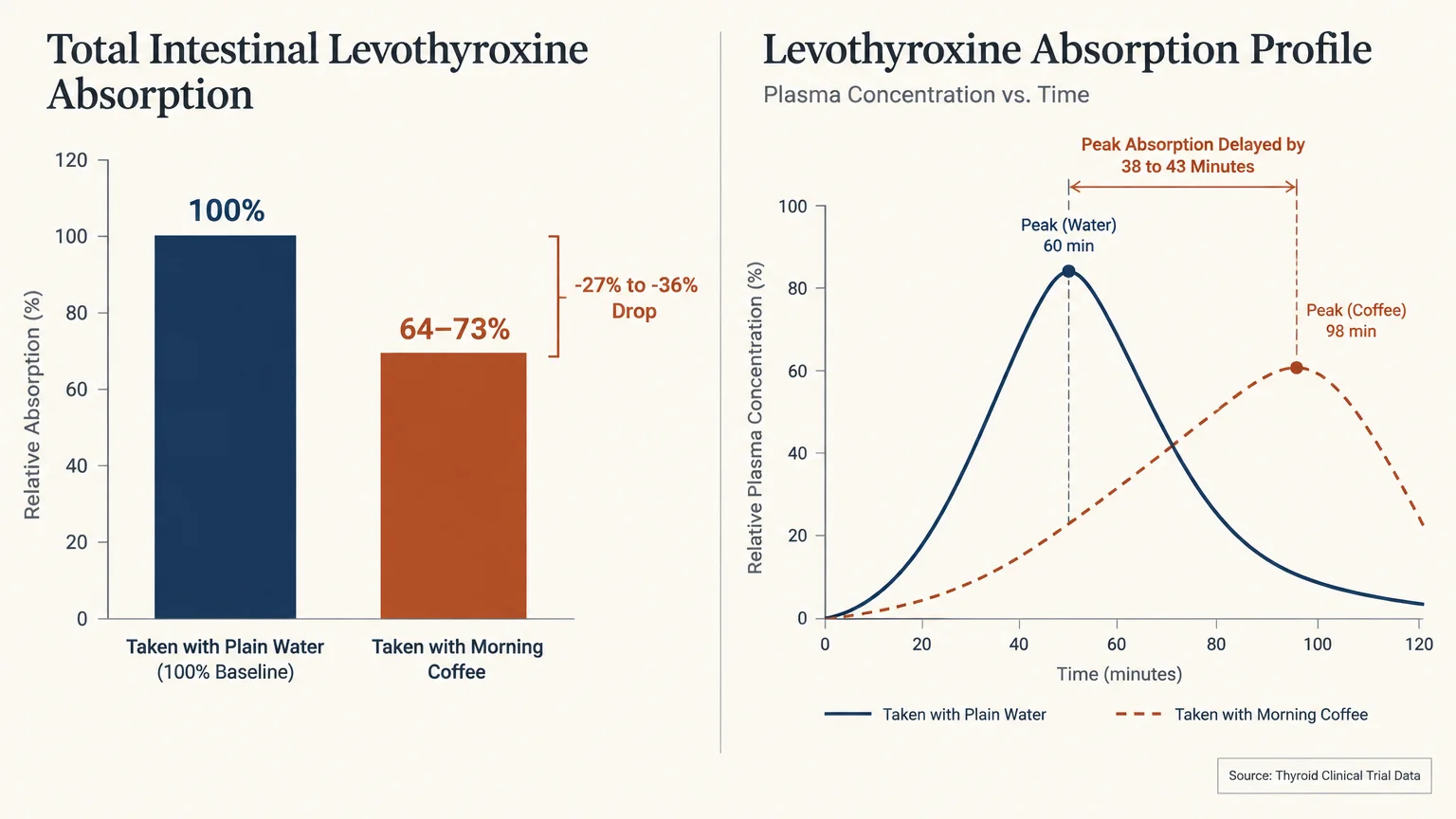
The researchers discovered that drinking coffee or espresso with levothyroxine reduced total intestinal drug absorption by 27% to 36%. That represents more than one-third of your daily replacement dose vanishing before reaching your bloodstream.
The same trial revealed that coffee delayed the peak absorption of levothyroxine by 38 to 43 minutes. Your body receives less hormone overall, and the portion it does absorb enters circulation much slower than intended.
When thyroid absorption drops by a third, your circulating thyroid-stimulating hormone levels rise. You might experience persistent fatigue, unexplained weight gain, joint stiffness, brain fog, and sensitivity to cold despite diligently taking your pill.
Physicians often respond to elevated laboratory results by increasing the prescribed medication dosage. If your coffee habits vary from day to day, you risk erratic swings between under-replacement and accidental over-medication.
Adopting a strict sixty-minute separation between your thyroid tablet and your coffee stabilizes your intestinal absorption. It ensures your blood work reflects your true physiological needs rather than daily beverage interference.
Does decaf coffee cause the exact same absorption drop?
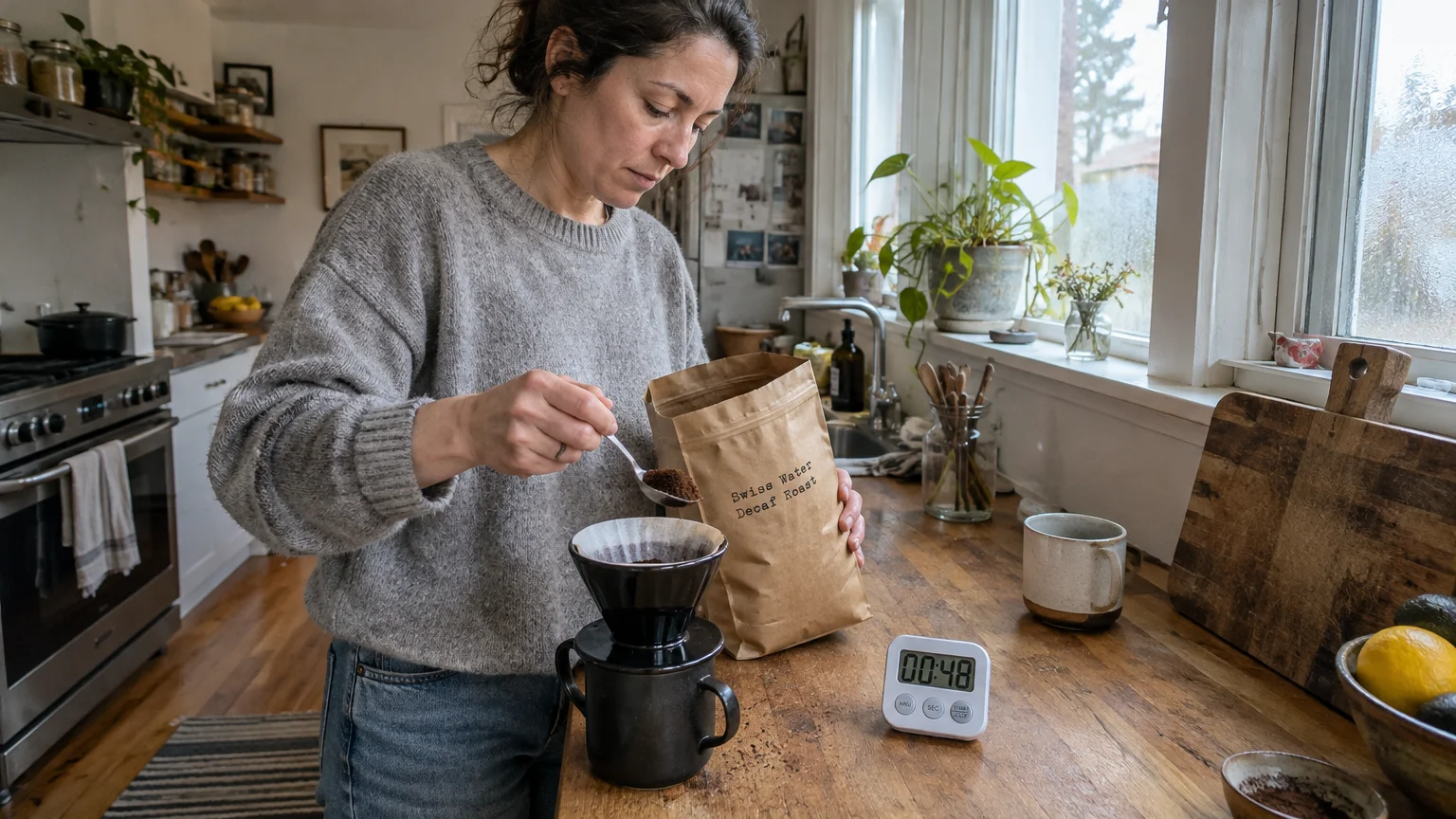
Many people switch to decaffeinated coffee believing caffeine is the culprit behind medication malabsorption. However, pharmacokinetic research confirms that decaffeinated coffee interferes with thyroid tablets just as severely as regular coffee.
The physical binding process relies primarily on coffee polyphenols and chlorogenic acids rather than caffeine molecules. Because decaffeination removes caffeine while leaving other bioactive plant compounds intact, the destructive binding reaction still takes place.
Decaffeinated brews also stimulate gastric secretions and alter stomach emptying rates in a manner nearly identical to caffeinated roasts. Your intestinal tract experiences the same mechanical and chemical disruptions regardless of the brew’s caffeine content.
Treat decaffeinated coffee with the exact same caution as a double shot of espresso. Both beverages require a full sixty-minute buffer after you swallow your morning tablet.
Do liquid or gel thyroid formulations eliminate the coffee wait?
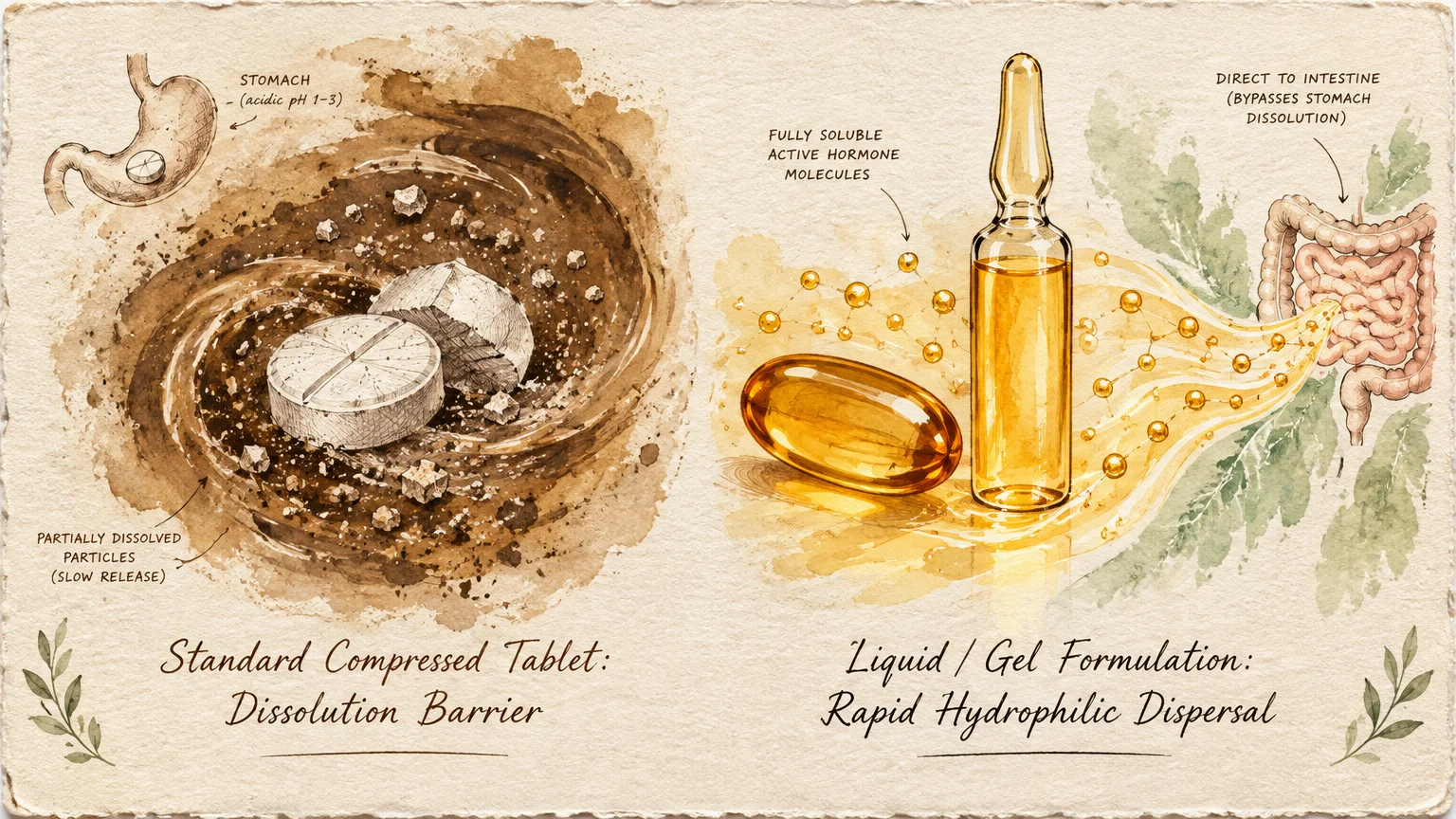
Pharmaceutical scientists engineered newer levothyroxine formulations specifically to solve gastrointestinal absorption obstacles. These alternative options include soft-gel capsules and oral liquid solutions.
Soft-gel capsules contain pre-dissolved levothyroxine suspended in a gelatin shell, bypassing the need for stomach dissolution. Oral liquid solutions deliver the hormone directly in a dissolved, ready-to-absorb liquid medium.
Clinical bioavailability studies presented to the Endocrine Society evaluated how these modern formulations perform alongside morning coffee. The findings revealed a remarkable difference compared to traditional chalk-like tablets.
Patients who consumed coffee just five minutes after taking oral liquid levothyroxine maintained normal hormone absorption. The coffee compounds could not bind or block the pre-dissolved liquid hormone effectively.
If your morning routine cannot accommodate a sixty-minute delay before your first coffee, talk with your doctor or pharmacist. A transition to liquid levothyroxine or soft-gel capsules might offer a convenient therapeutic solution.
Keep in mind that insurance coverage and out-of-pocket costs differ significantly between generic tablets and branded novel formulations. Discuss these financial and clinical trade-offs with your healthcare provider before requesting a prescription switch.
Why do osteoporosis pills require such strict morning timing?
Oral bisphosphonates treat osteoporosis and osteopenia by slowing bone breakdown and preserving skeletal strength. Common prescriptions in this class include alendronate, risedronate, and ibandronate.
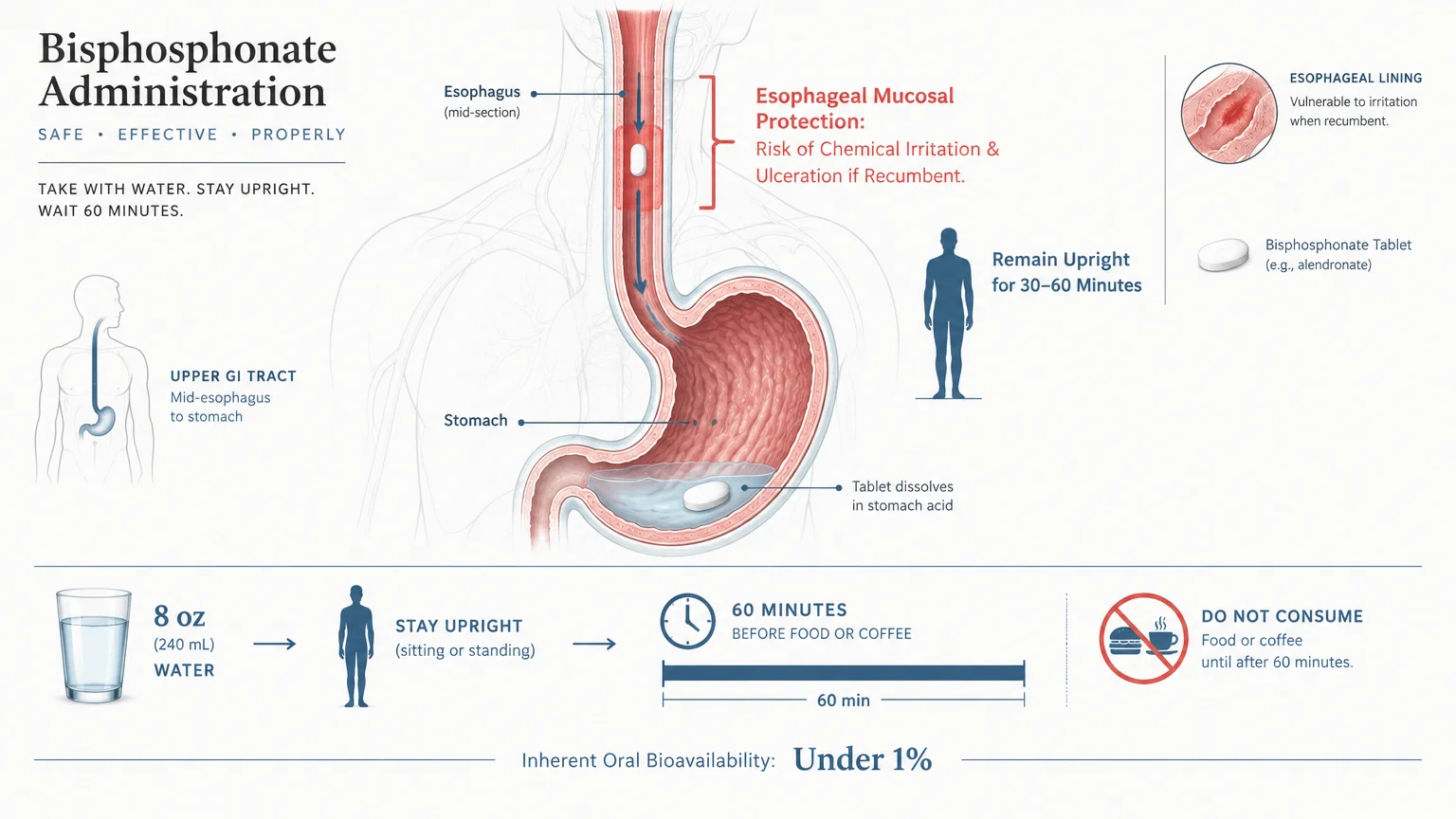
These medications possess an exceptionally challenging pharmacological profile in the human digestive system. Under ideal fasting conditions with plain water, your body absorbs only about 1% of an oral bisphosphonate dose.
Because 99% of the drug already fails to cross your intestinal wall, any minor disruption can eliminate your absorption entirely. Even tiny amounts of food or dissolved minerals neutralize the medication before it reaches your bones.
Bisphosphonates also irritate delicate mucosal tissue if they lodge in your esophagus. To prevent painful inflammation or ulceration, you must take the tablet with a full glass of water and remain upright.
Staying sitting upright or walking around for thirty to sixty minutes protects your esophagus while gravity carries the tablet downward. Pairing proper posture with proper beverage timing ensures safe and effective skeletal therapy.
How severely does morning coffee reduce bone pill absorption?
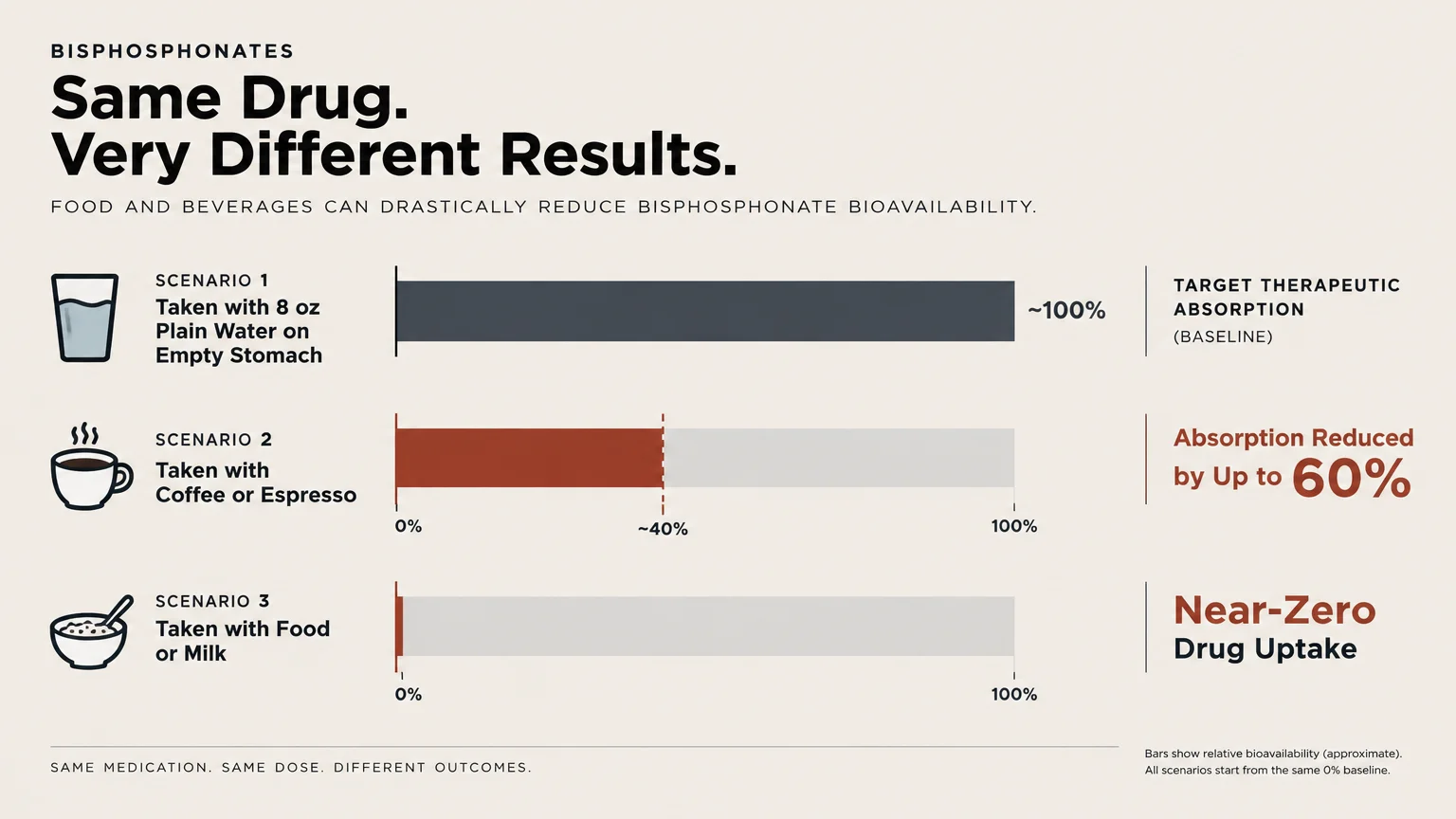
Drinking coffee alongside an oral bisphosphonate creates a catastrophic barrier to drug absorption. Clinical pharmacokinetic data and standard drug labeling documented by the FDA reveal severe declines in bioavailability.
Taking alendronate with coffee or orange juice instead of plain water reduces its already miniscule absorption by an additional 60%. Losing more than half of that baseline 1% leaves your skeleton virtually unprotected against osteoporotic fractures.
Consuming breakfast alongside coffee within that thirty-to-sixty-minute window almost completely abolishes drug absorption. Under those conditions, your bone density medication produces zero measurable clinical benefit.
Official prescribing information varies slightly between individual medications within the bisphosphonate family. Labeling for alendronate and risedronate mandates waiting at least thirty minutes before drinking coffee or eating breakfast.
In contrast, ibandronate requires a full sixty-minute fast to achieve therapeutic absorption. Following a universal one-hour coffee rule protects you regardless of which specific bone tablet your physician prescribes.
Skipping this sixty-minute wait means your bone mineral density continues to deteriorate over time despite faithful daily or weekly dosing. You endure the potential side effects of the medication while forfeiting all of its bone-strengthening benefits.

Why is plain water the only safe beverage during your waiting window?
When clinical guidelines say to fast before your medication, that restriction applies to virtually every liquid except plain tap or filtered water. Many common morning drinks alter stomach chemistry in ways that derail drug uptake.
Sparkling water and club soda contain dissolved carbonic acid and added minerals like sodium bicarbonate. These effervescent bubbles alter your gastric pH and can cause tablets to dissolve prematurely in your stomach rather than your intestine.
Mineral water, whether flat or carbonated, carries dissolved calcium, magnesium, and iron ions. These dissolved minerals chemically bind to bisphosphonates and thyroid hormones, rendering them insoluble and completely unabsorbable.
Citrus waters, lemon water, and fruit juices contain citric and ascorbic acids that shift gut acidity levels. Orange juice, for example, slashes bisphosphonate absorption by 60%, matching the exact damaging effect seen with black coffee.
Even herbal teas contain astringent tannins and plant polyphenols that interact with drug carriers in your digestive lining. Plain, unflavored tap or filtered water remains the only liquid clinically proven to support clean pharmaceutical transit.
Pour a full eight-ounce glass of room-temperature tap or filtered water when taking your pill. This volume provides enough hydrostatic pressure to flush the tablet cleanly into your stomach without altering intestinal chemistry.
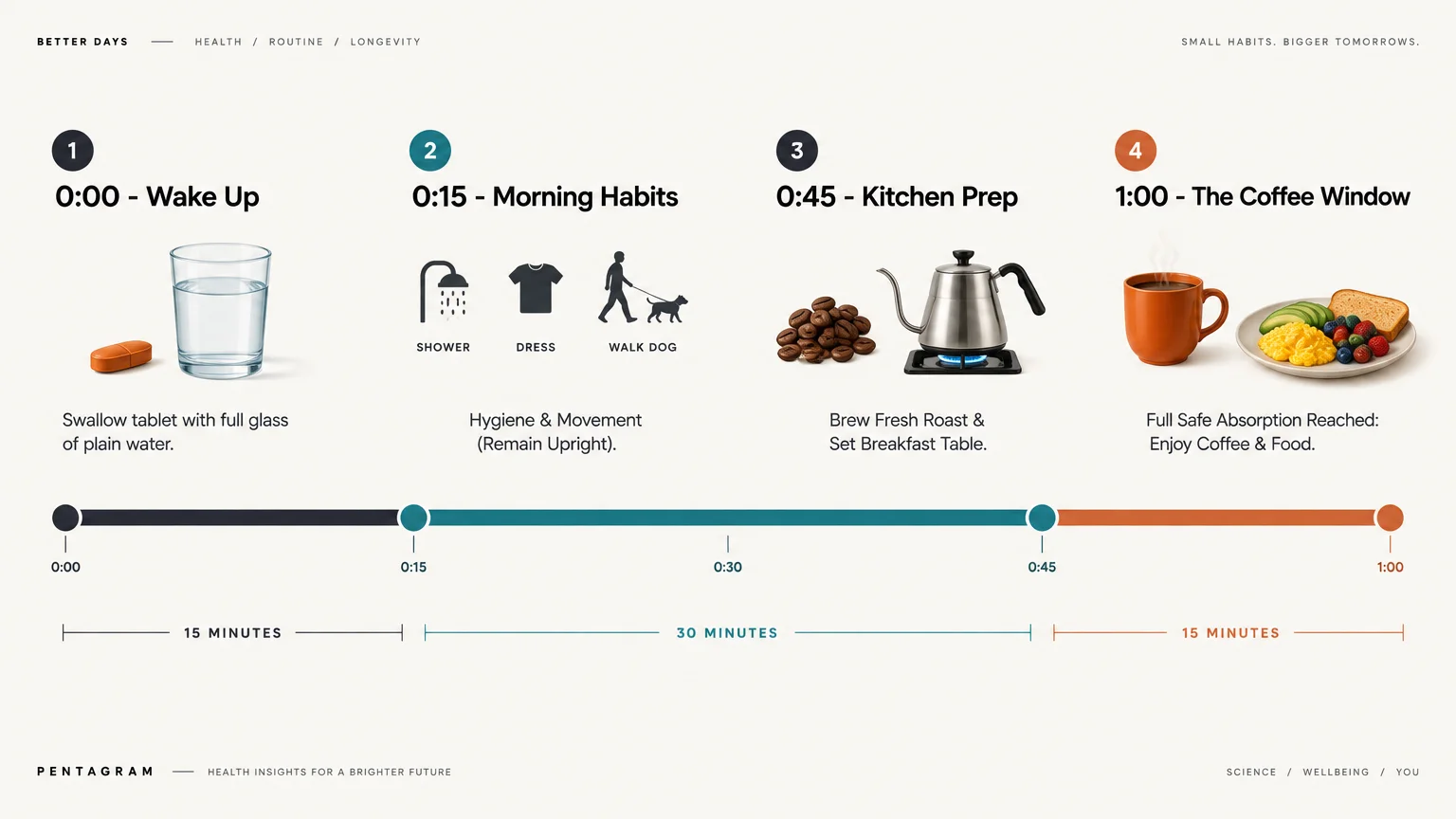
How should you structure your morning routine to protect your medications?
Structuring your morning around the one-hour coffee rule is easy once you build the habit into your daily waking sequence. A clear schedule removes the guesswork and protects your daily prescription.
Place your medication bottle and a fresh glass of water on your bedside table before going to sleep. When your morning alarm sounds, sit up immediately and swallow your tablet with the full eight ounces of water.
Set a sixty-minute countdown timer on your smartphone or kitchen stove right after swallowing your pill. This mechanical reminder prevents you from absentmindedly pouring coffee thirty or forty minutes into your wait.
Use that designated sixty-minute window for your non-eating morning tasks. Shower, brush your teeth, get dressed, make your bed, take a morning walk, or review your daily calendar while remaining upright.
Remaining upright during this hour fulfills the safety requirement for bisphosphonates while allowing your stomach to empty naturally. Gravity moves the dissolved medication smoothly into your small intestine for optimal absorption.
Once your sixty-minute timer chimes, your medication has cleared the critical absorption zone in your upper digestive tract. You can now prepare your favorite coffee, pour your preferred roast, and enjoy a nourishing breakfast with complete confidence.
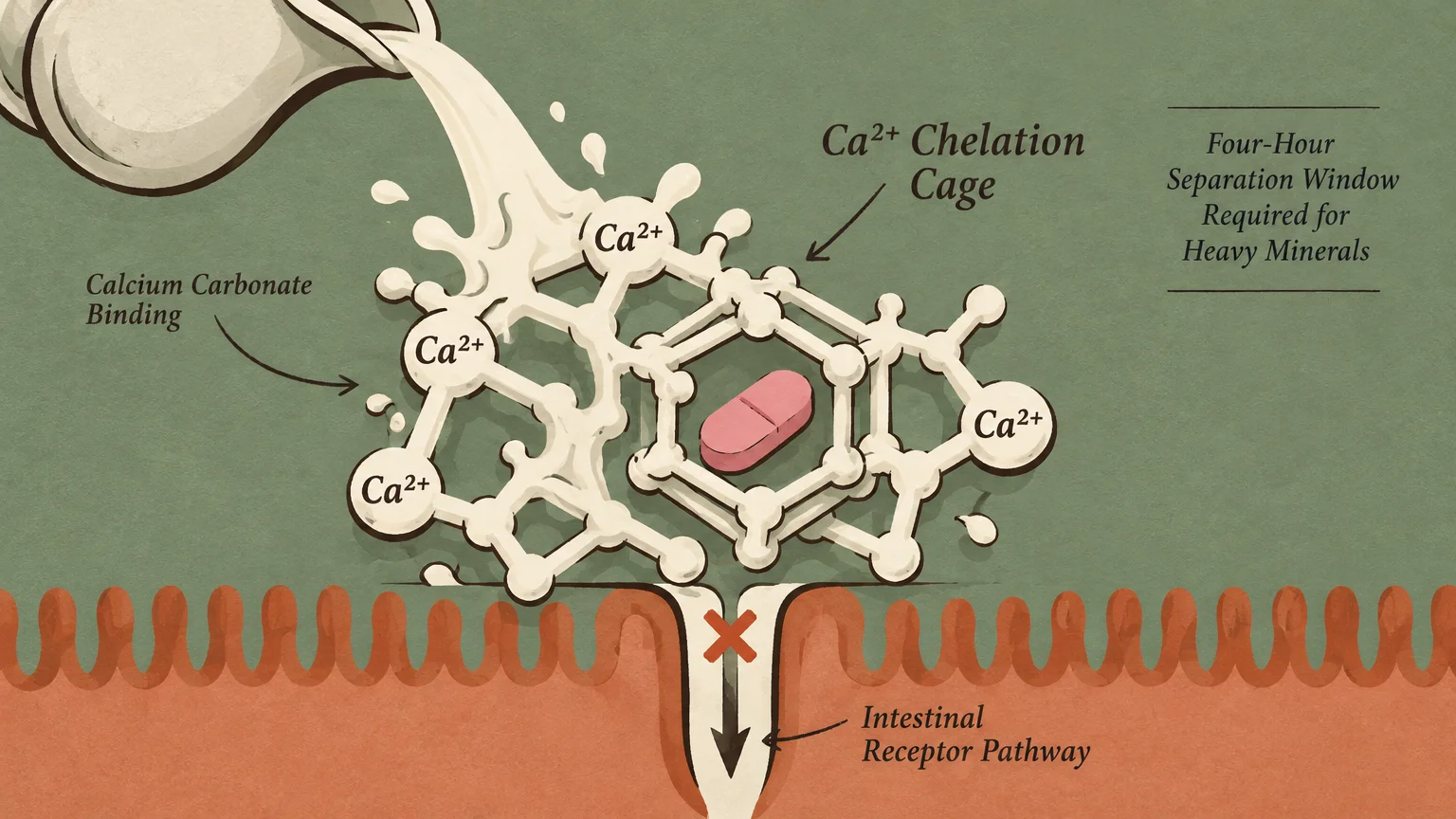
How do milk and mineral supplements complicate your coffee timing?
Adding milk, half-and-half, or fortified plant-based creamers to your coffee introduces an additional pharmacological hazard. Dairy products and fortified milks contain substantial amounts of elemental calcium.
Calcium binds aggressively to thyroid hormone tablets, forming an insoluble chemical mass that passes through your gut unabsorbed. The National Institutes of Health guidelines note that calcium supplements must be separated from levothyroxine by at least four hours.
While a tiny splash of milk after a full sixty-minute wait is generally tolerable for thyroid patients, larger dairy servings can cause trouble. A heavy latte or calcium-fortified almond milk beverage can still disrupt lingering hormone absorption in the intestine.
If you take dedicated calcium or iron supplements to support your bones, never consume them alongside your morning coffee and pills. You must separate oral bisphosphonates from calcium supplements by at least sixty minutes.
For thyroid medication, maintain a strict four-hour separation between your tablet and any calcium or iron supplements. Taking your mineral supplements at lunchtime or dinner keeps your morning absorption window pristine and completely unhindered.
Review all your morning dietary supplements with your doctor or pharmacist to identify hidden minerals. Multivitamins frequently contain calcium, iron, or magnesium, all of which require careful scheduling away from your thyroid prescriptions.
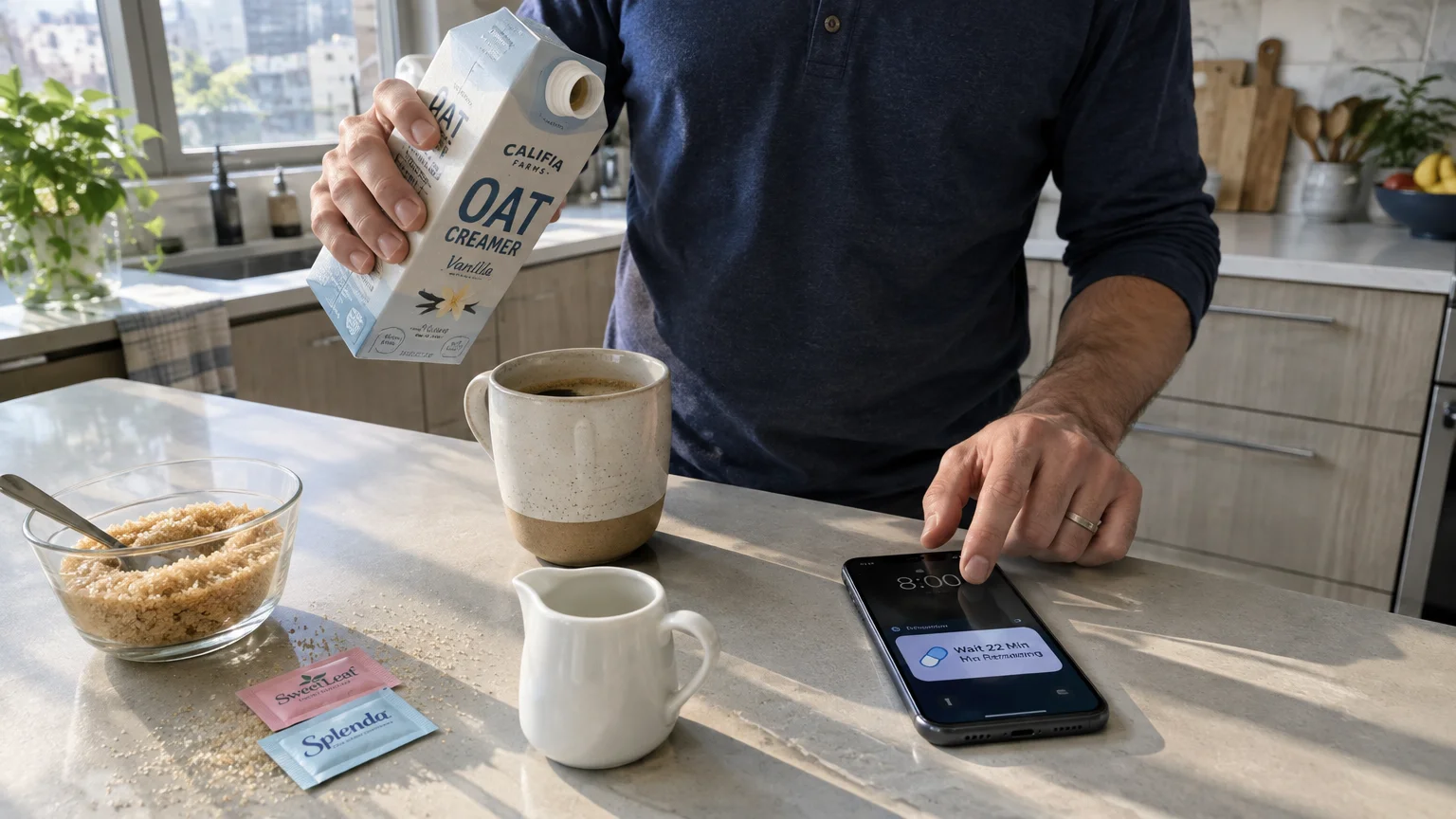
How do sugar, artificial sweeteners, and creamers affect your medication window?
Many people take their morning coffee with sugar, flavored syrups, or non-dairy creamers. These sweet additives trigger immediate digestive responses that compound medication absorption problems.
Simple sugars stimulate osmotic fluid shifts in your stomach and small intestine. This rapid fluid movement alters drug dissolution rates and accelerates gastric emptying before tablets dissolve properly.
Artificial sweeteners, including sucralose and aspartame, alter your gut microbiome and stimulate sweet taste receptors in your intestinal wall. These physiological changes can alter local membrane permeability and unpredictable drug uptake.
Powdered non-dairy creamers often contain hidden sodium aluminosilicate, dipotassium phosphate, and added minerals. These additive minerals bind to sensitive medication molecules in the exact same manner as cow’s milk.
Even if you skip dairy milk, a flavored, sweetened coffee remains strictly incompatible with your morning prescription window. Only a clean, sixty-minute separation guarantees reliable tablet absorption.
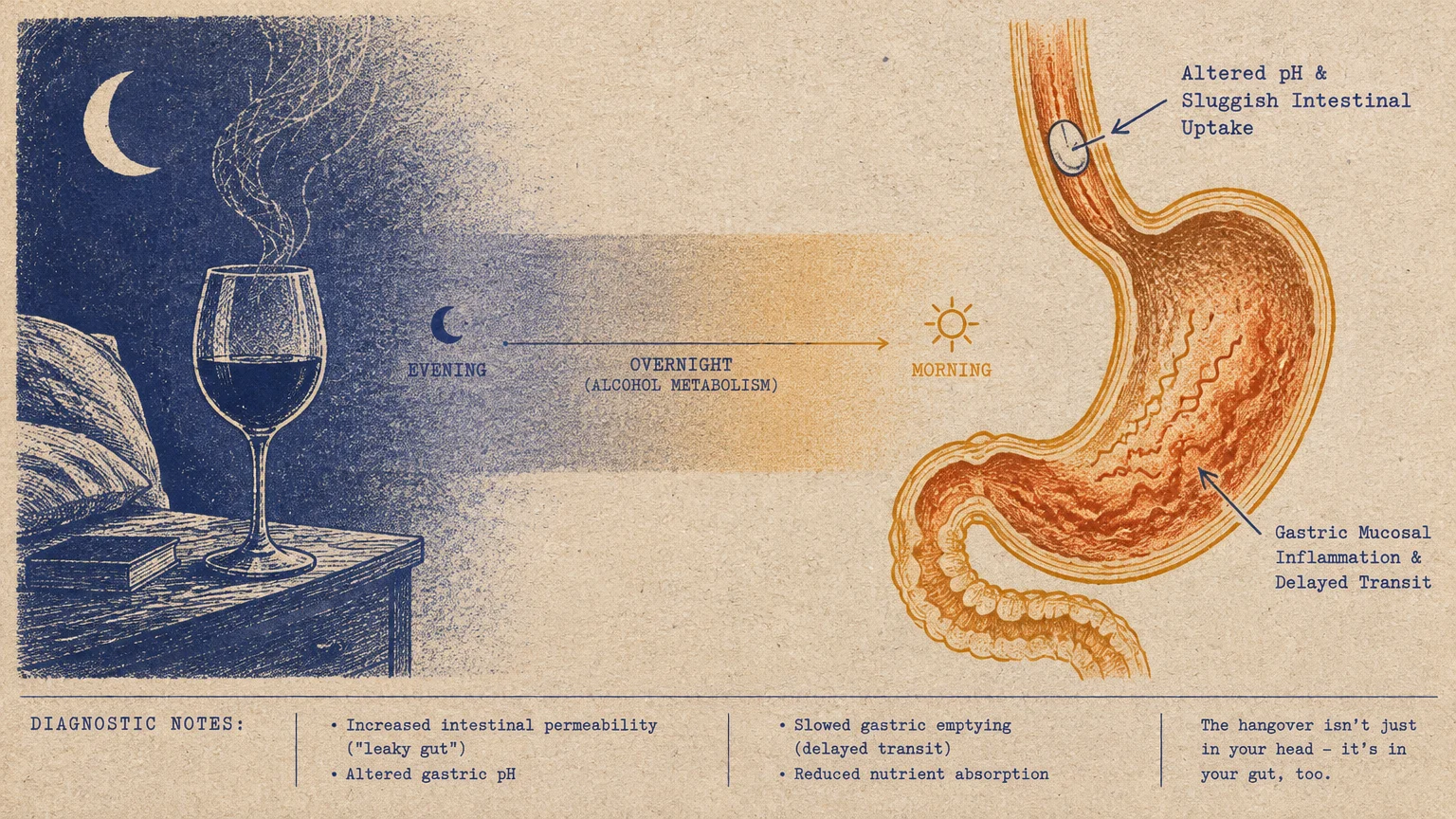
Does evening alcohol consumption alter your morning medication absorption?
Moderate alcohol consumption the evening before can complicate your morning medication routine. Alcohol dehydrates mucosal tissues throughout your digestive tract and alters normal gastric acid secretion.
When your digestive lining is dehydrated, swallowing a tablet with minimal water slows dissolution. Tablets can adhere to esophageal or gastric tissue, delaying their entry into the small intestine.
Alcohol also taxes your liver, which metabolizes many common daily medications for blood pressure and cholesterol. If your liver is actively processing evening alcohol, its clearance of other medications shifts.
Compensating for evening alcohol by chugging large mugs of coffee the next morning creates a double pharmacological disruption. You combine systemic dehydration with coffee-induced drug binding, sharply reducing treatment efficacy.
Pair your evening beverage habits with mindful hydration by drinking extra water before bed. Wake up, take your pill with a full glass of water, and allow your liver and digestive tract sixty clean minutes to recover.
What practical tools and beverage swaps make the waiting hour easier?
Navigating a sixty-minute delay does not require suffering through morning thirst or low energy. A few simple swaps and affordable tools make the transition seamless and painless.
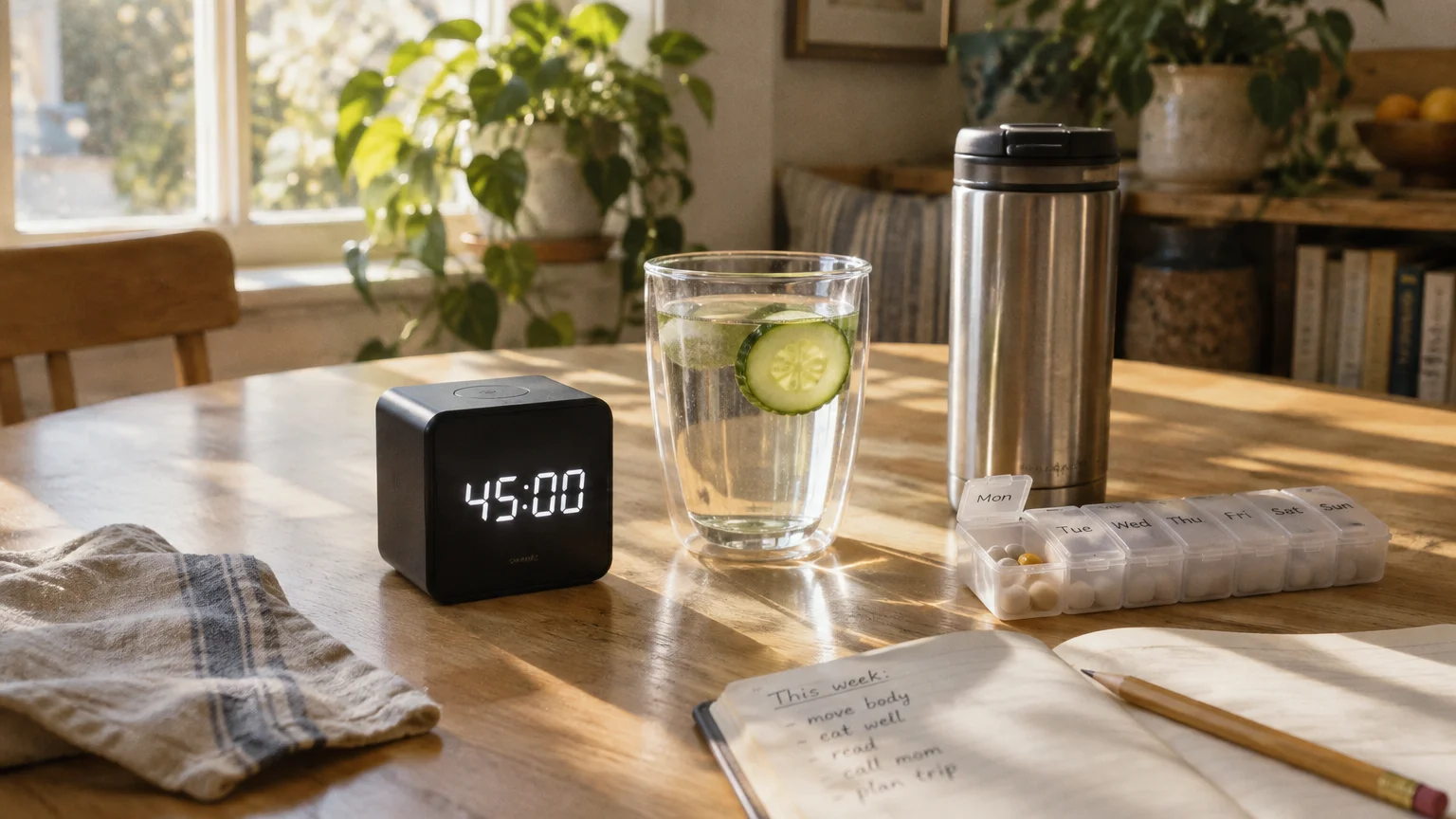
Invest in an inexpensive magnetic kitchen timer or use the pre-installed timer on your mobile phone. Pressing a single button the moment you swallow your pill removes all mental calculation and tracking stress.
Keep a dedicated twenty-ounce water carafe beside your bed to ensure fresh water is instantly available upon waking. Gulping a generous serving of room-temperature water relieves early morning thirst and wakes up your circulation naturally.
If you miss holding a warm mug while reading the morning news, fill your favorite mug with hot water and nothing else. Plain hot water soothes your throat, creates comforting warmth, and introduces zero chemical interference.
When it comes to medication costs, generic levothyroxine tablets cost only pennies per day, making adherence to the one-hour rule the most budget-friendly choice. Specialty liquid solutions and soft gels offer convenience but often carry significantly higher monthly copays.
Can you switch your medication schedule to the evening?
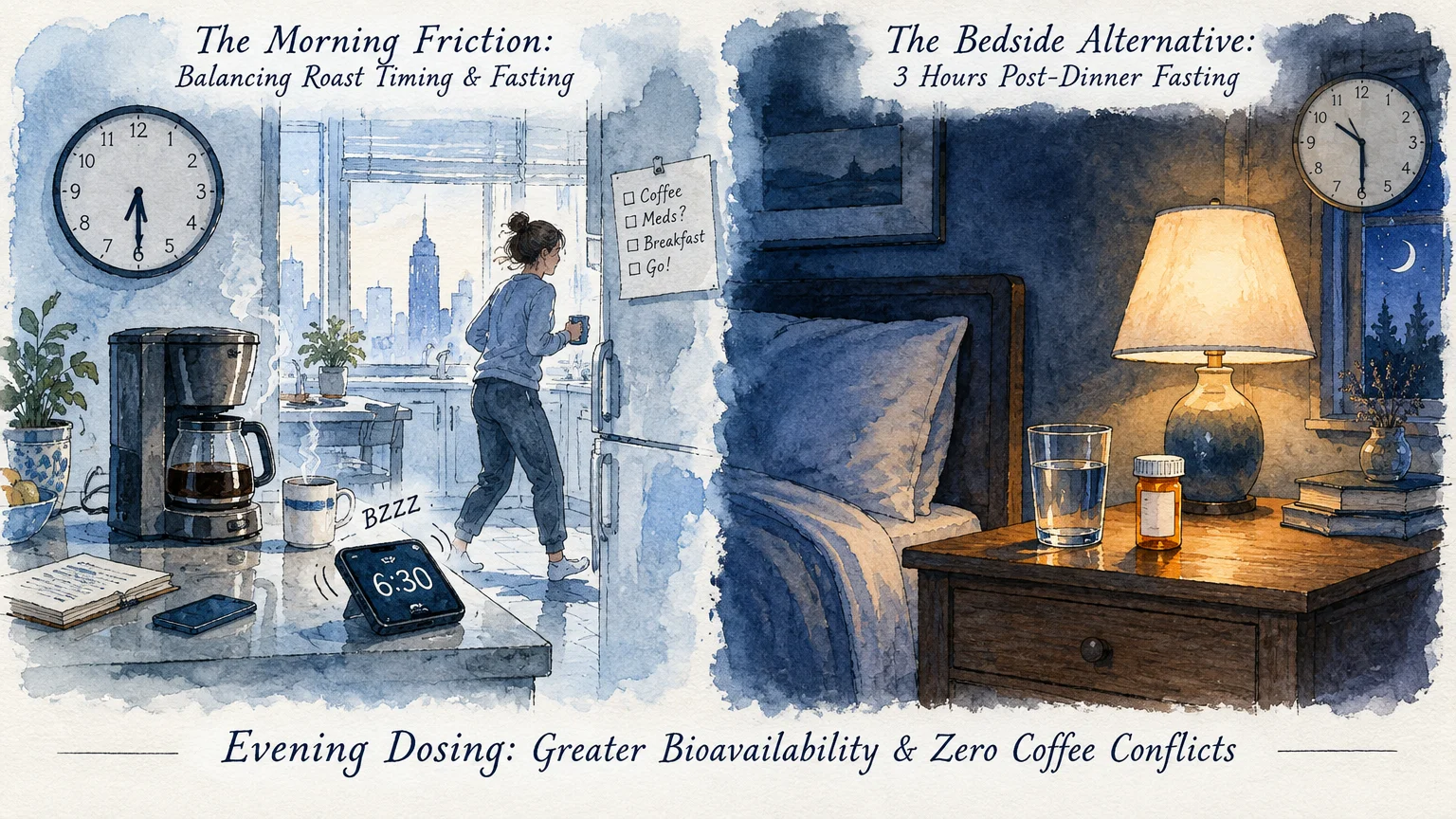
If waiting an hour for morning coffee feels frustrating, you might consider taking your thyroid hormone at bedtime. Several endocrinology studies demonstrate that nighttime levothyroxine administration yields reliable, consistent hormone absorption.
Your gut motility slows down overnight, which gives levothyroxine tablets extra time to dissolve and cross the intestinal barrier. Nighttime dosing also completely eliminates the morning conflict between your alarm and your coffee pot.
However, evening administration requires a different type of discipline. You must take your thyroid pill on an empty stomach at least three to four hours after finishing your evening meal or evening snacks.
If you enjoy late-night snacks, dessert, or a glass of wine, bedtime dosing will fail just as easily as morning coffee interference. An unemptied stomach blocks drug absorption regardless of what time the clock reads.
Crucially, you cannot move oral bisphosphonates to bedtime. Osteoporosis pills carry a strict requirement to stay upright for thirty to sixty minutes, making immediate reclining in bed dangerous for your esophagus.
Consult your prescribing physician before changing the timing of any prescription drug. If your doctor approves evening thyroid dosing, transition deliberately and recheck your blood levels after six to eight weeks.

Does espresso or cold brew change how medications absorb?
Some coffee enthusiasts believe that cold brew coffee or dark espresso roasts are gentler on digestion and less reactive with medications. While cold brew often has lower titratable acidity, its chemical binding capacity remains unchanged.
Cold brew extracts high concentrations of polyphenols and chlorogenic acids during its extended twelve-to-twenty-four-hour brewing process. These dissolved plant compounds bind to levothyroxine and bisphosphonates just as aggressively as hot drip coffee.
Espresso concentrates coffee solids into a small, intense liquid volume. In the foundational clinical study on levothyroxine malabsorption, espresso produced the exact same 27% to 36% decline in hormone uptake as standard drip coffee.
Dark roasts undergo longer roasting times, which degrades a modest percentage of chlorogenic acids compared to light roasts. However, the remaining polyphenol content in dark roast coffee is still more than sufficient to inhibit your medications.
No brewing style, water temperature, or bean origin creates a pass for the one-hour coffee rule. Whether you drink nitro cold brew, French press, or a single espresso, the sixty-minute timer remains mandatory.
What should you do if you accidentally drink coffee too soon?
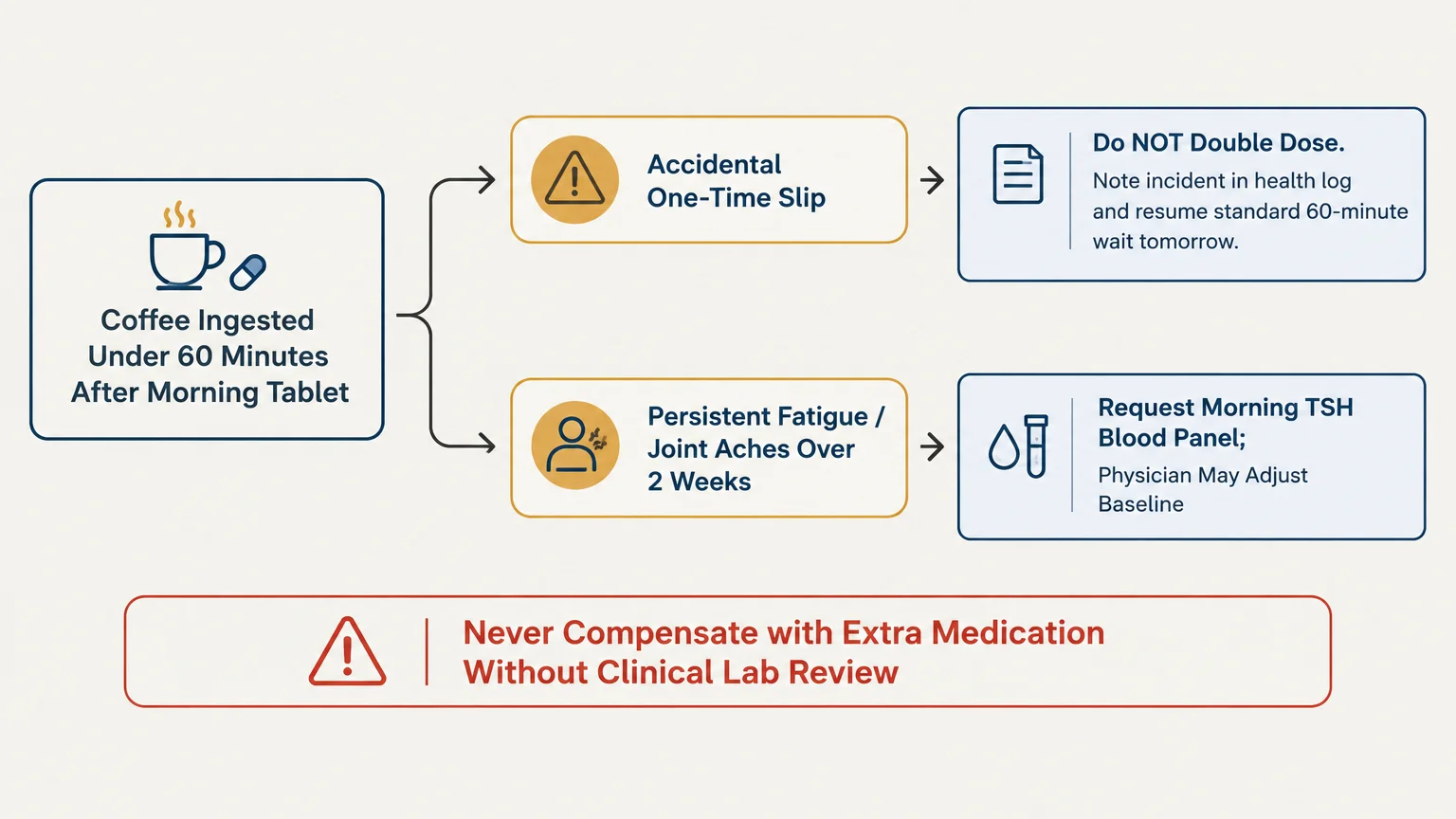
Morning routines can slip, and you might accidentally drink coffee ten minutes after swallowing your prescription. If this happens, stay calm and avoid taking a second corrective dose on your own.
Taking an extra tablet introduces an acute overdose risk, which can trigger heart palpitations, anxiety, or elevated blood pressure. Instead, accept that your body absorbed less medication on that single day and return to your strict routine tomorrow.
Levothyroxine has a long biological half-life of approximately seven days in the human body. A single morning of impaired absorption will not collapse your overall hormone system if your compliance is consistent the rest of the week.
Oral bisphosphonates are frequently taken once weekly or once monthly because they bind deeply to bone mineral surfaces. If you ruin a weekly dose with early coffee, call your pharmacist for guidance on when to safely resume.
If you notice frequent morning slip-ups, place your coffee mug inside your kitchen cabinet rather than on the counter. Placing a physical obstacle between yourself and the coffee machine gives your conscious mind time to remember the rule.

Does regular tea create the same medication interference as coffee?
Many people switch to black, green, or oolong tea assuming tea leaves are entirely benign compared to coffee beans. Unfortunately, Camellia sinensis leaves contain high concentrations of tannins, catechins, and complex polyphenols.
These tea compounds bind to pharmaceutical compounds in your digestive tract through mechanisms identical to coffee polyphenols. Black tea and green tea both impair levothyroxine absorption and diminish bisphosphonate bioavailability.
Herbal infusions such as chamomile, peppermint, and hibiscus also introduce plant compounds that interact with gut enzymes and mucosal transporters. While herbal teas lack caffeine, their botanical extracts still threaten clean tablet dissolution.
Treat every type of tea with the exact same caution as morning coffee. Observe a full sixty-minute waiting window between your morning prescription and your first cup of brewed tea.
If you crave a warm beverage immediately upon waking, sip a cup of warm, plain water. Warm water soothes your throat, aids digestive hydration, and presents zero risk to your morning medication.
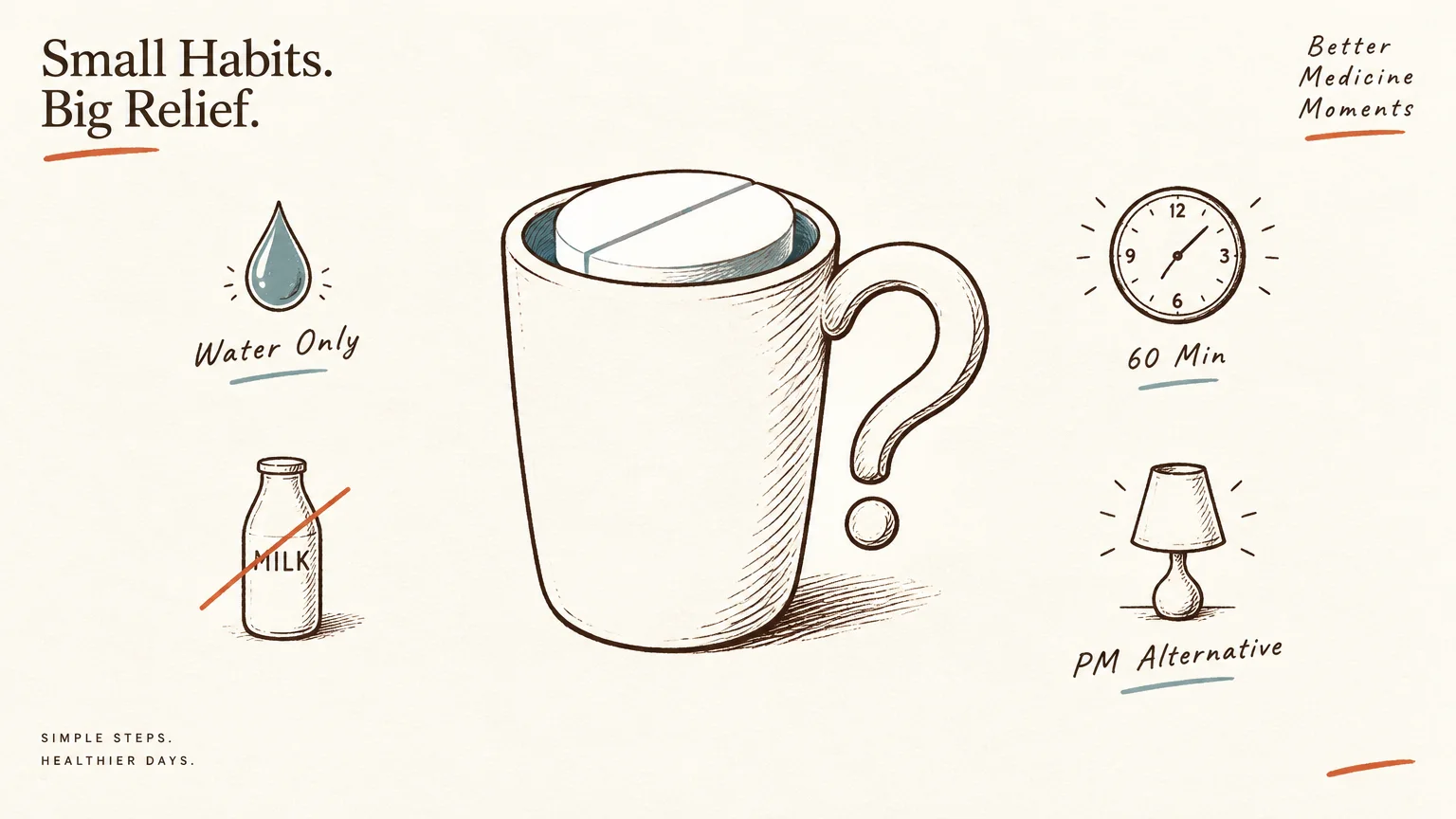
What questions do readers frequently ask about morning medication timing?
Can you brush your teeth with toothpaste during the sixty-minute wait?
Brushing your teeth with standard fluoride toothpaste during your waiting hour is completely safe. As long as you spit out the toothpaste and rinse thoroughly with plain tap water, negligible amounts reach your stomach.
Avoid swallowing commercial mouthwashes or toothpastes that contain calcium compounds or strong essential oils. Clean oral hygiene will not interfere with your tablet absorption as long as nothing is swallowed.
Does the temperature of your morning water affect pill dissolution?
Room-temperature or slightly cool tap water provides the ideal medium for swallowing morning tablets. Water that is excessively hot can begin breaking down tablet binders in your mouth or throat prematurely.
Ice-cold water can cause temporary esophageal spasms or slow down initial stomach motility in sensitive individuals. Stick with room-temperature tap or filtered water for the smoothest and fastest gastric transit.
Will drinking black coffee without sugar prevent drug binding?
Drinking coffee black does not prevent drug interference in your digestive tract. The polyphenols, chlorogenic acids, and organic compounds that bind to your pills originate from the roasted coffee bean itself, not the sugar or creamer.
Whether your coffee is black, sweetened, light, or dark, its chemical binding capacity remains intact. Black coffee requires the exact same sixty-minute waiting period as an elaborate coffee shop latte.
How long after changing your coffee habits should you recheck lab tests?
If you previously drank coffee with your thyroid pill and switch to the one-hour rule, your blood levels will shift. Your circulating thyroid hormone will rise as your intestinal absorption increases by 27% to 36%.
Notify your prescribing healthcare provider about your improved beverage timing. Your doctor will likely schedule a follow-up blood test in six to eight weeks to ensure your medication dose does not become excessive.

How can you start protecting your morning prescriptions this week?
Protecting your thyroid and bone health does not require giving up the morning coffee ritual you enjoy. It simply requires establishing a sixty-minute buffer that allows your digestive system to do its job uninterrupted.
Set a sixty-minute timer on your phone tomorrow morning the instant you swallow your medication with plain water. That single habit guarantees your therapy works as intended, keeping your hormones balanced and your bones resilient for years to come.